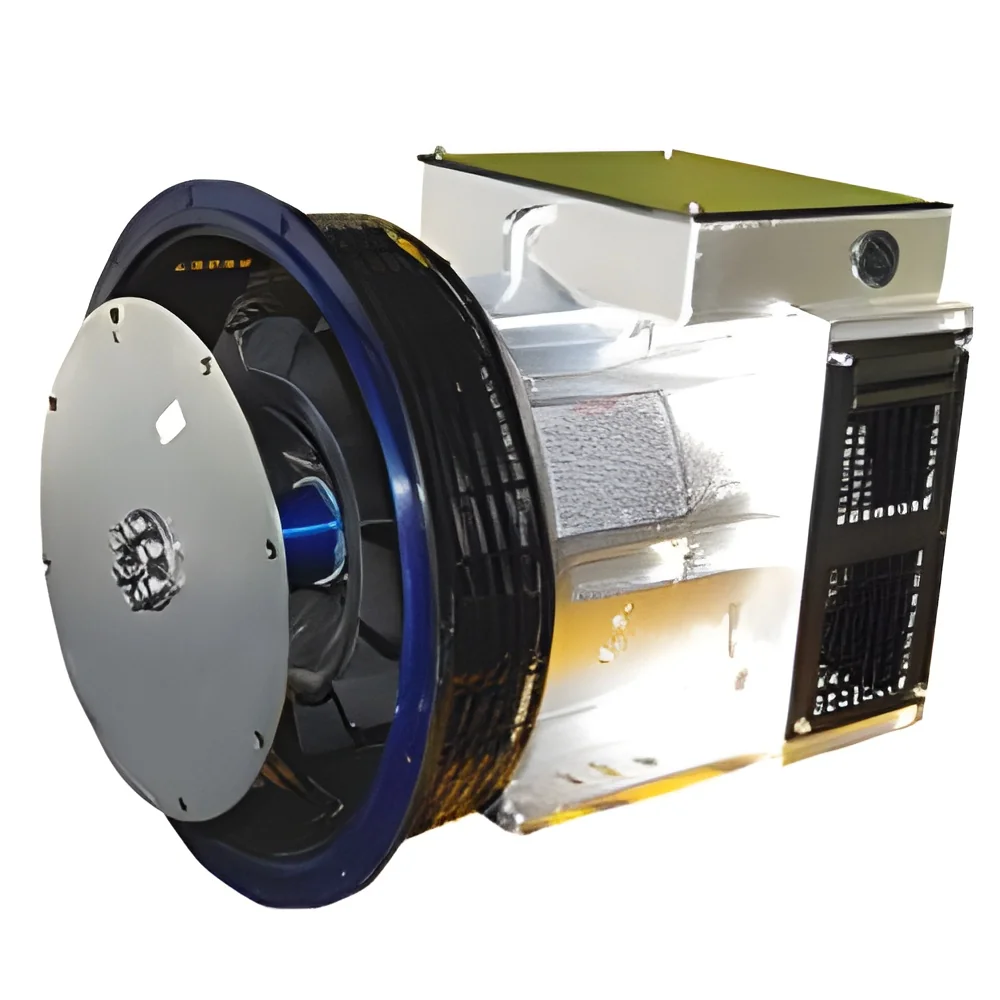
What are Alternators?
Alternators are electromechanical devices that convert mechanical energy into electrical energy in the form of alternating current (AC). They are commonly used in various applications to generate electricity, ensuring that systems have a reliable power supply. The primary functioning of an alternator involves using rotational motion to produce electrical energy through electromagnetic induction. This process is crucial in many industries where consistent power generation is needed.
Alternators find extensive use across diverse sectors, including automotive, industrial machinery, and renewable energy systems. In automotive applications, they charge the vehicle battery and power electrical systems when the engine is running. In industrial settings, alternators are used in generators to provide backup power during outages and in various machinery that requires electrical energy. The relevance of alternators in today's market is significant as industries increasingly rely on continuous power for operational efficiency and productivity.
Key Features and Specifications
Alternators possess several key features that enhance their performance and reliability. Understanding these specifications is vital for selecting the right alternator for specific applications.
Key specifications include:
1. Power Output
- Defined in watts or kilowatts, power output indicates the maximum electrical energy the alternator can produce.
- Ranges typically vary from small units generating a few kilowatts to larger units exceeding several megawatts.
2. Voltage Rating
- This specification indicates the operating voltage of the alternator.
- Common voltage ratings include 12V, 24V, and 480V.
3. Frequency
- The frequency of the output current, measured in hertz (Hz), is crucial for compatibility with electrical systems.
- Standard frequencies include 50Hz and 60Hz.
4. Efficiency
- The efficiency rating reflects how much of the mechanical energy is converted into electrical energy.
- High-efficiency alternators can exceed 90%.
5. Cooling Method
- Alternators can be air-cooled or liquid-cooled, affecting their operating environment and performance.
- Liquid-cooled systems are often used in high-output applications.
6. Size and Weight
- These specifications are important for installation and transport considerations.
- Variants can range significantly in size depending on their power output.
7. Noise Level
- Measured in decibels (dB), the noise level indicates the sound produced during operation.
- Quieter models are preferred for residential and sensitive environments.
8. Durability Ratings
- This includes resistance to environmental factors such as dust, moisture, and temperature extremes.
- Ratings like IP65 indicate high levels of protection against dust and water.
In summary, understanding these features and specifications is essential for B2B buyers to select alternators that meet their operational needs effectively.
Common Applications and Use Cases
Alternators are integral to numerous industries, providing essential power generation capabilities.
1. Automotive: In vehicles, alternators charge the battery and supply power to electrical components such as lights, air conditioning, and entertainment systems.
2. Industrial: Many industrial machines rely on alternators to provide backup power, ensuring operations continue during outages and enhancing productivity.
3. Renewable Energy: Alternators play a crucial role in wind and hydroelectric power systems, converting mechanical energy from turbines into electricity.
4. Marine: In marine applications, alternators power onboard electrical systems and charge batteries, contributing to safe and efficient vessel operation.
5. Construction: Construction sites utilize alternators in generators to ensure continuous power supply for tools and equipment, especially in remote areas.
6. Telecommunications: Alternators support backup power systems for telecommunications infrastructure, ensuring reliable communication services.
7. Military: In military applications, alternators are used in portable generators and vehicles, providing critical power in various field conditions.
Product Variants and Subcategories
Alternators come in a variety of configurations to meet specific operational needs.
Portable Alternators: These are designed for mobility and ease of use, making them ideal for outdoor events and temporary power needs. They often feature lightweight designs and user-friendly controls.
Standby Alternators: Built for stationary applications, these alternators are used in backup power systems. They are typically larger and designed for high efficiency and reliability during outages.
Heavy-Duty Alternators: These are engineered for industrial applications, capable of handling high loads and operating in harsh environments. They are built with robust materials to withstand demanding conditions.
Benefits and Advantages
Alternators offer numerous advantages that make them essential in power generation.
1. Reliability: Alternators provide a consistent power output, crucial for uninterrupted operations across various applications.
2. Efficiency: Many modern alternators are designed for high efficiency, minimizing energy waste and reducing operational costs.
3. Versatility: They can be used in a wide range of applications, from automotive to industrial, making them highly adaptable.
4. Low Maintenance: With fewer moving parts compared to other generators, alternators typically require less maintenance, saving time and costs.
5. Compact Design: Many alternators are designed to be compact, allowing for easier installation and integration into existing systems.
6. Environmentally Friendly: Alternators can be integrated into renewable energy systems, contributing to sustainable energy solutions.
Buying Guide for B2B Buyers
When sourcing alternators, several key factors need consideration to ensure the selection of the right product.
1. Quality Assessment: Evaluate the quality of alternators based on manufacturer reputation and performance reviews. Look for certifications that indicate adherence to industry standards.
2. Supplier Verification: Conduct thorough research on potential suppliers. Verify their credentials, check customer testimonials, and ensure they have a history of reliable service.
3. Pricing and MOQ: Understand pricing structures and minimum order quantities (MOQ) offered by suppliers. Negotiating terms can lead to cost savings on bulk purchases.
4. Delivery and Lead Times: Assess the logistics involved in shipping and delivery. Confirm lead times to ensure that the alternators arrive when needed to avoid project delays.
5. Compliance Requirements: Ensure that the alternators meet any relevant compliance and regulatory standards, such as CE certification, to avoid issues in deployment.
Compliance and Certifications
Compliance is crucial in the manufacturing and use of alternators to ensure safety and effectiveness. Many alternators adhere to quality standards such as ISO 9001, which demonstrates a commitment to quality management systems. Certifications like CE mark indicate that products comply with EU safety, health, and environmental protection standards.
In addition, alternators must meet safety and testing requirements to ensure they operate effectively without risk to users. This includes rigorous testing for performance and durability under various conditions. Regional compliance considerations might also apply, especially if the alternators are being exported or used in different countries, necessitating adherence to local regulations.
Why Source Alternators from Pepagora?
Pepagora provides an excellent platform for sourcing alternators, offering numerous advantages that benefit B2B buyers.
Verified Supplier Network: Pepagora ensures that all suppliers in its network undergo stringent verification processes. This guarantees that buyers receive quality products from reputable manufacturers.
Streamlined RFQ Process: The platform features a user-friendly request for quotation (RFQ) system that simplifies the procurement process. Buyers can easily compare quotes and make informed decisions.
Trade Assurance and Support: With trade assurance measures in place, Pepagora protects buyers from potential risks. They offer support throughout the buying process, ensuring a smooth transaction.
Regional Coverage: Pepagora has a wide geographic reach, serving buyers in India, the GCC, and Southeast Asia. This extensive network allows for efficient delivery and support, catering to a diverse range of industrial needs.

 IN
IN

 India
India