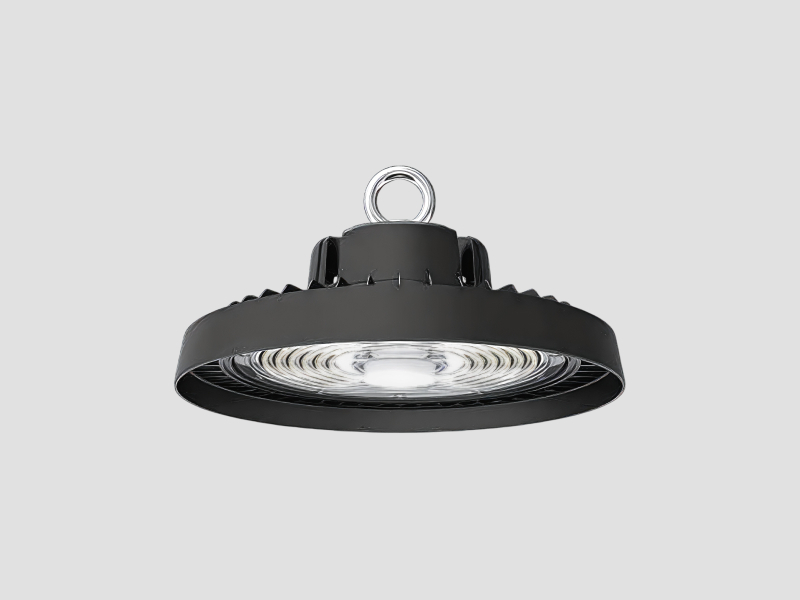
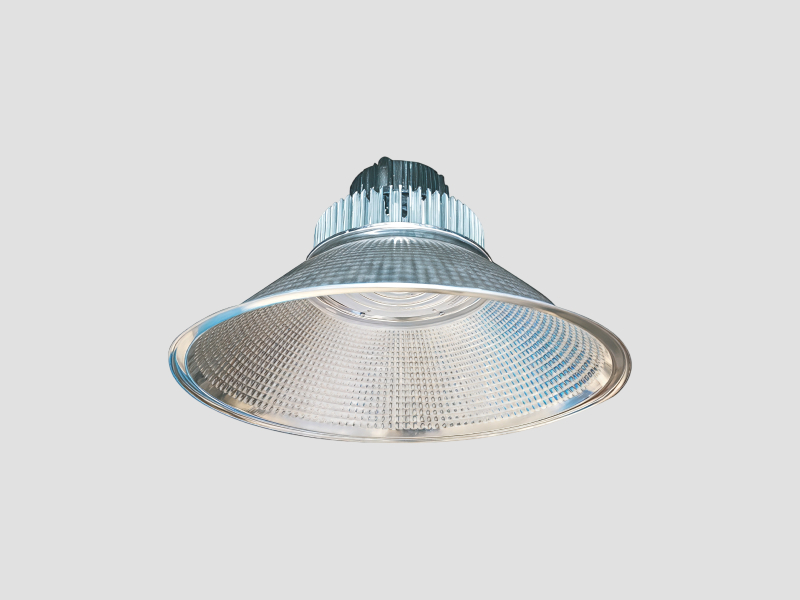
𝗪𝗵𝗮𝘁 𝗮𝗿𝗲 𝗟𝗶𝗴𝗵𝘁𝗶𝗻𝗴 & 𝗟𝗘𝗗 𝗙𝗶𝘅𝘁𝘂𝗿𝗲𝘀?
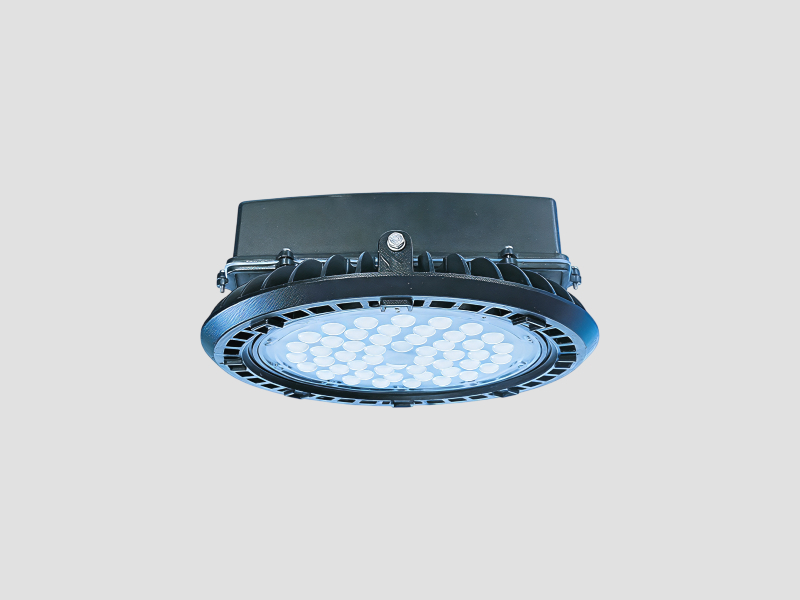
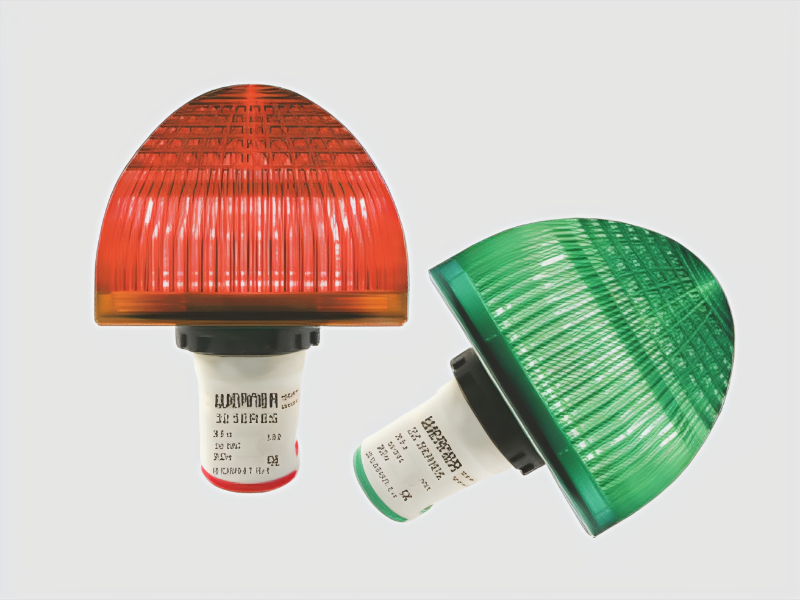
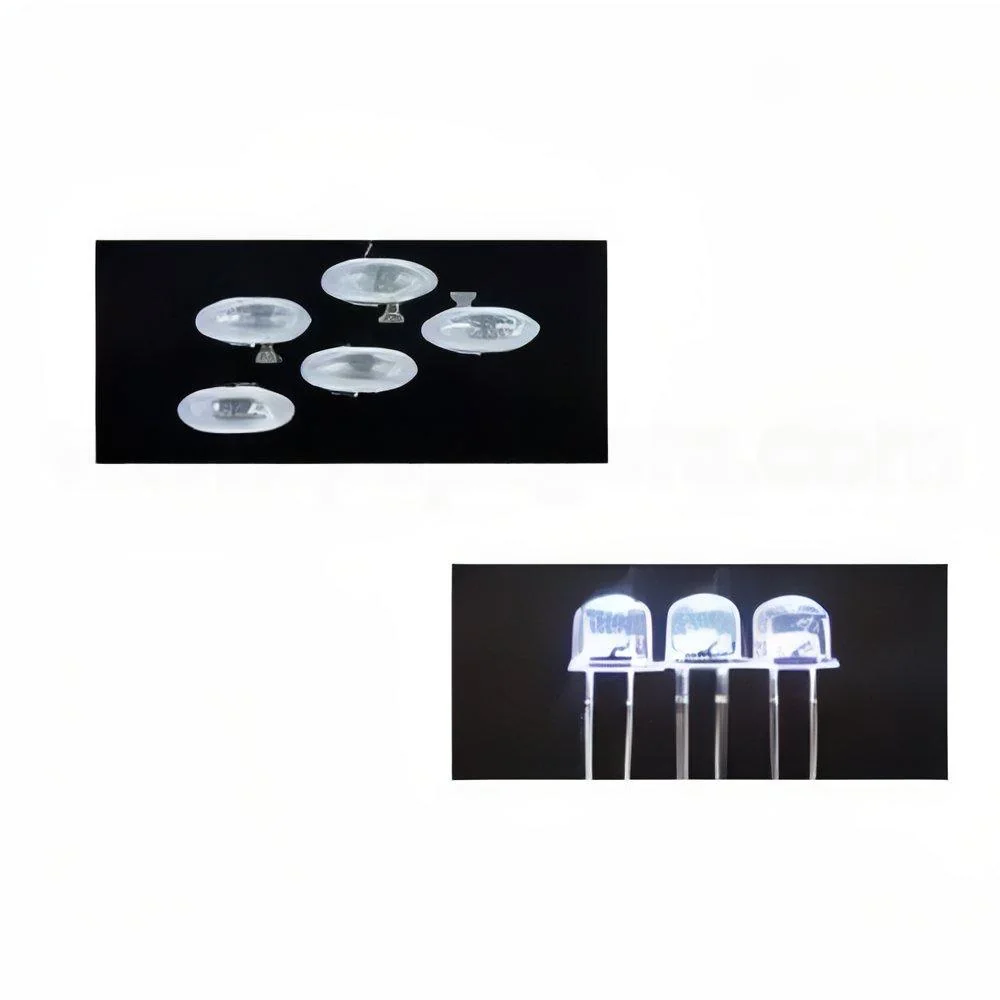
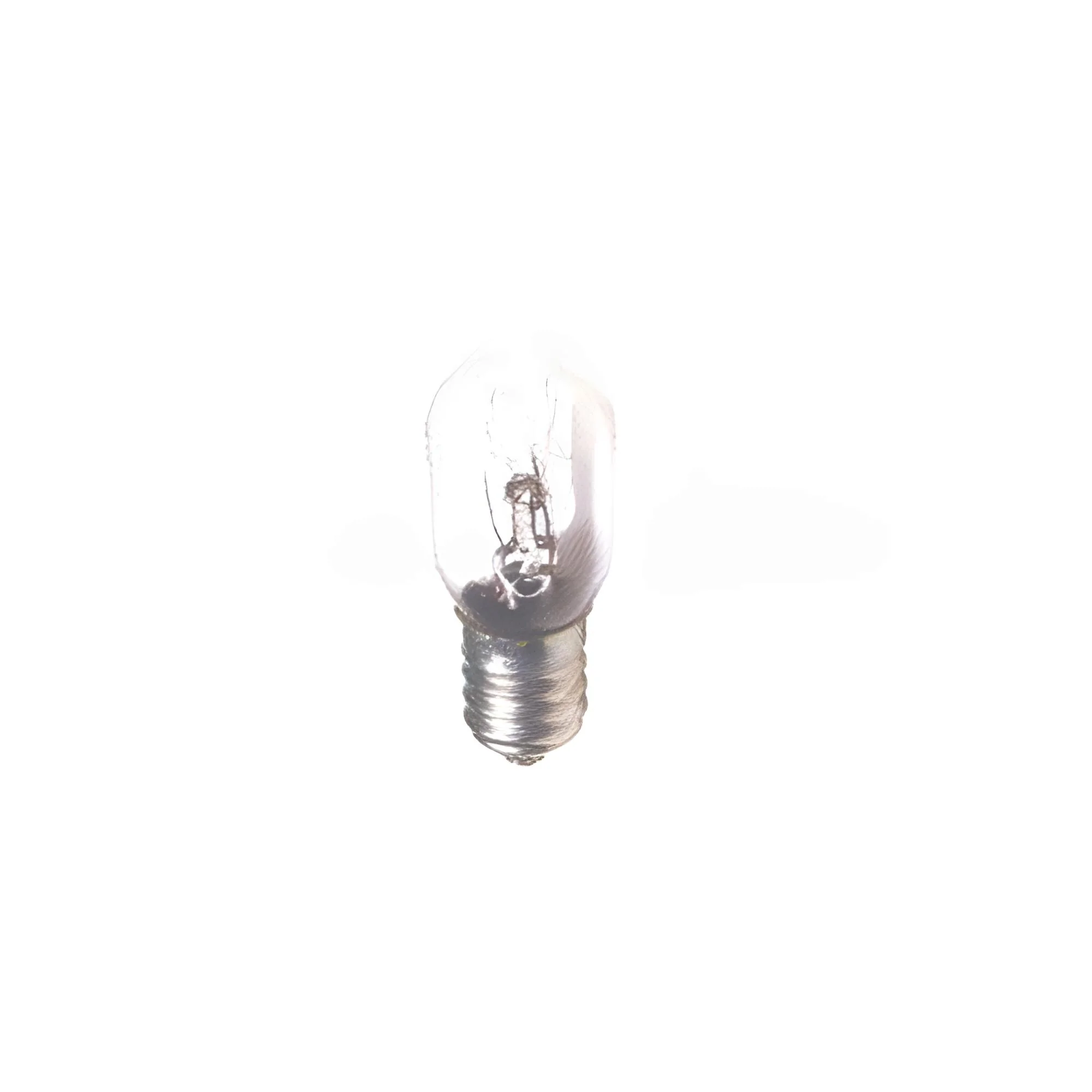
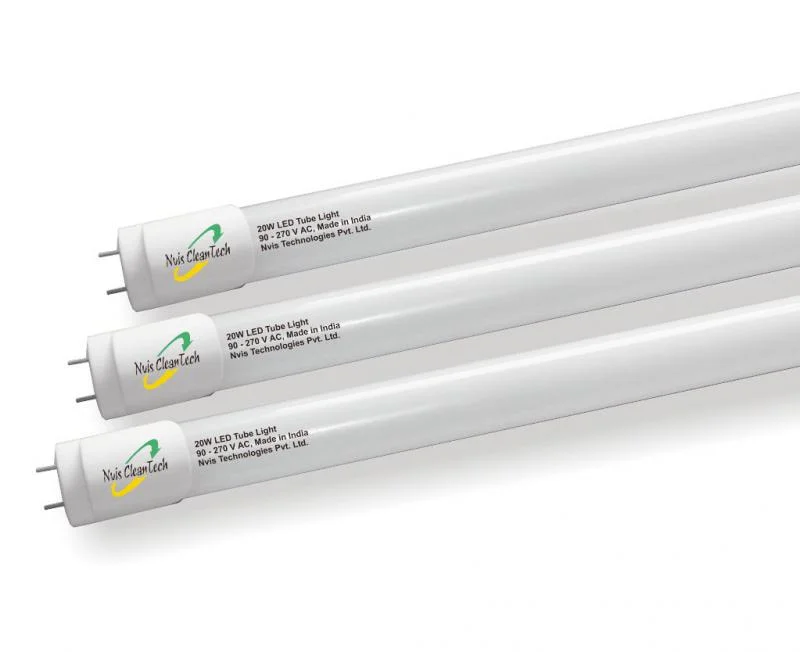
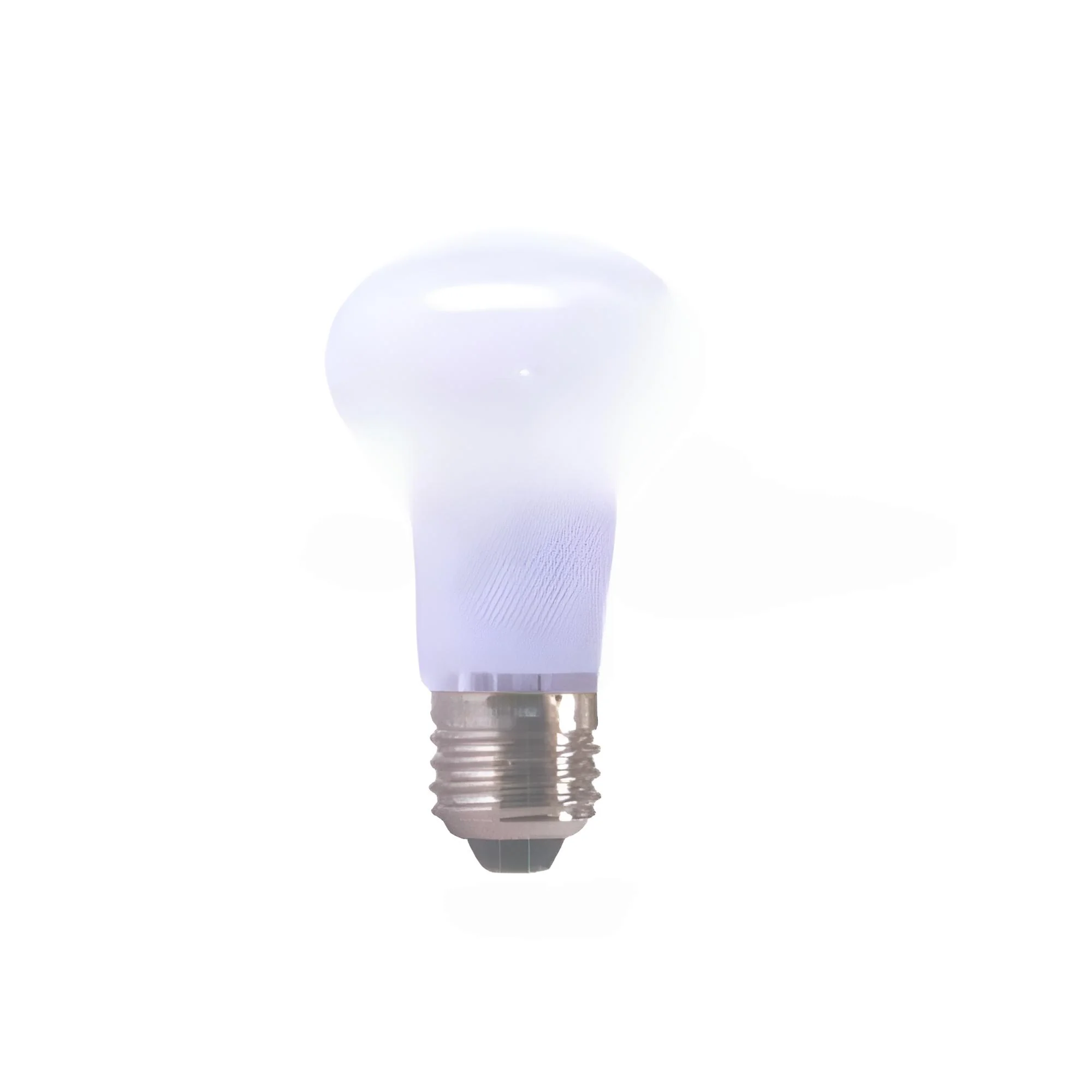
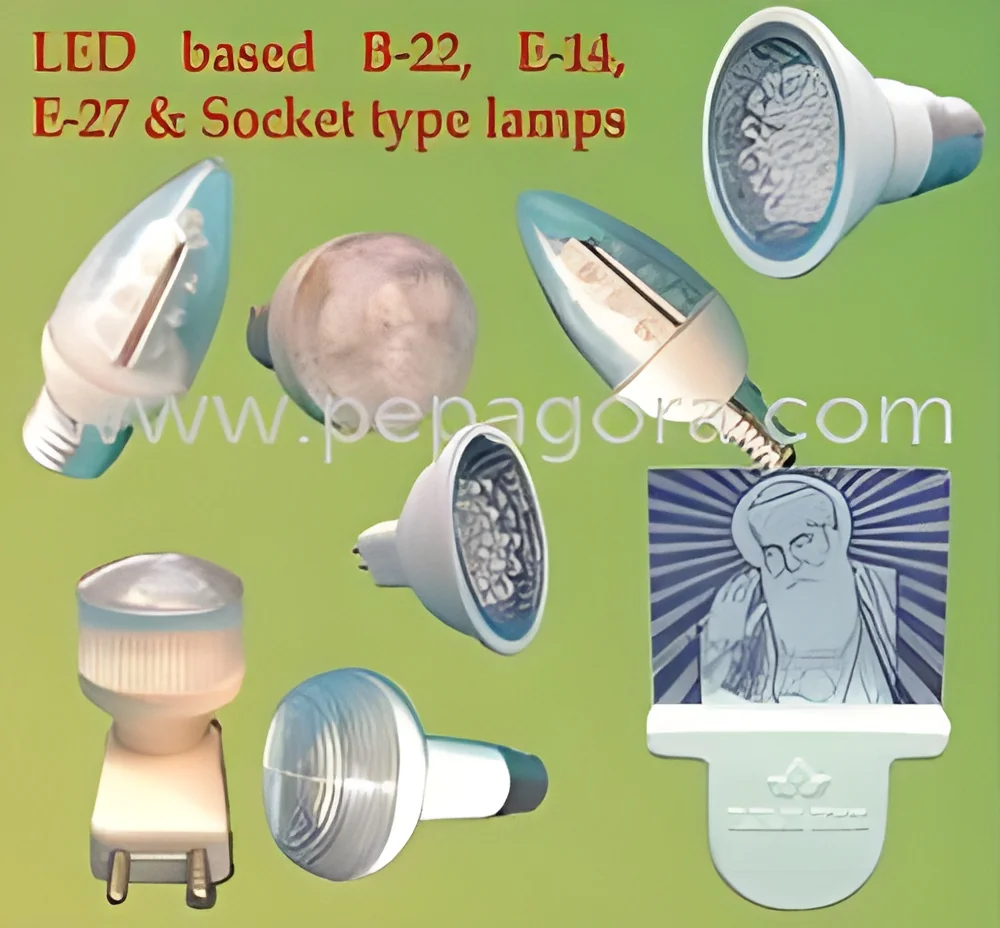
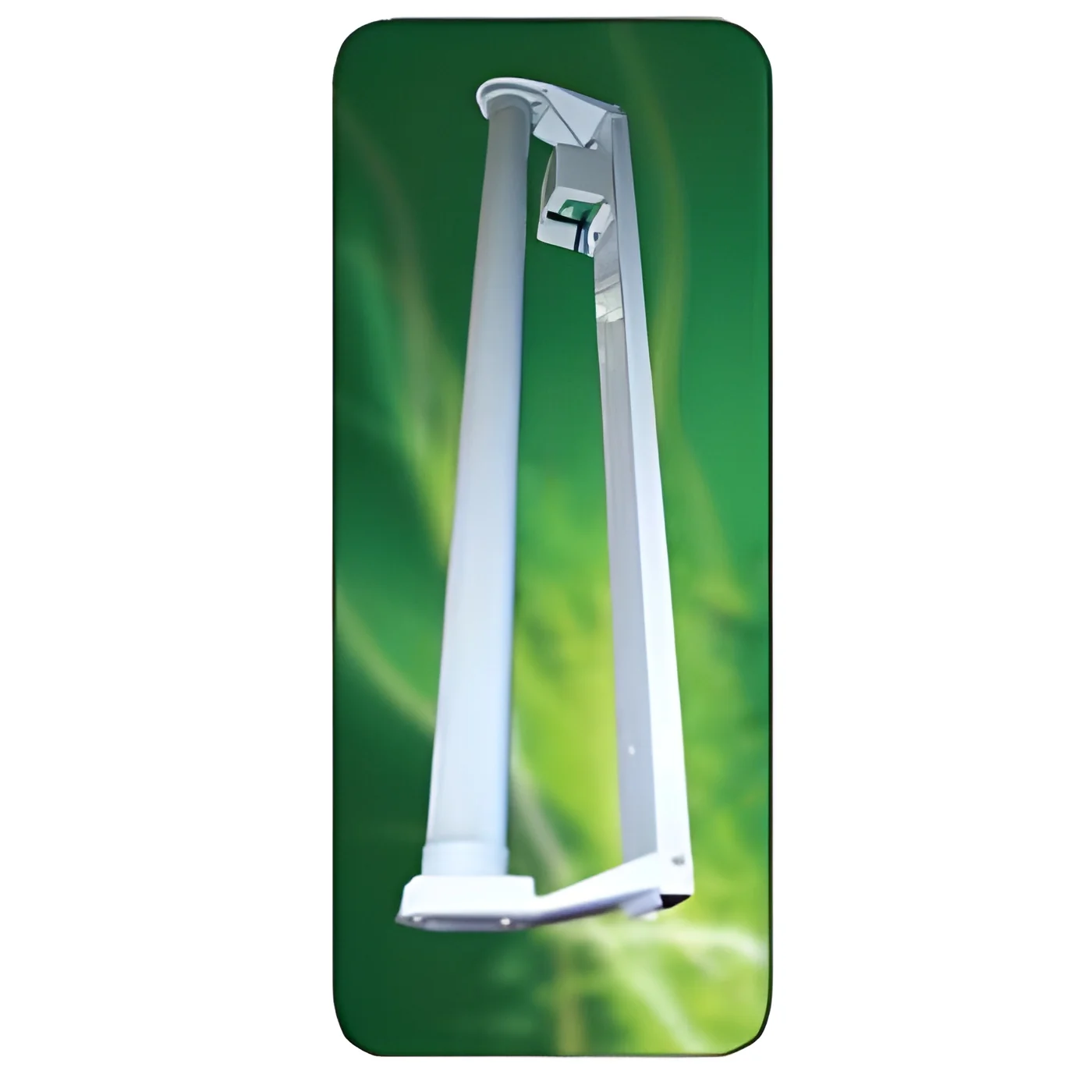
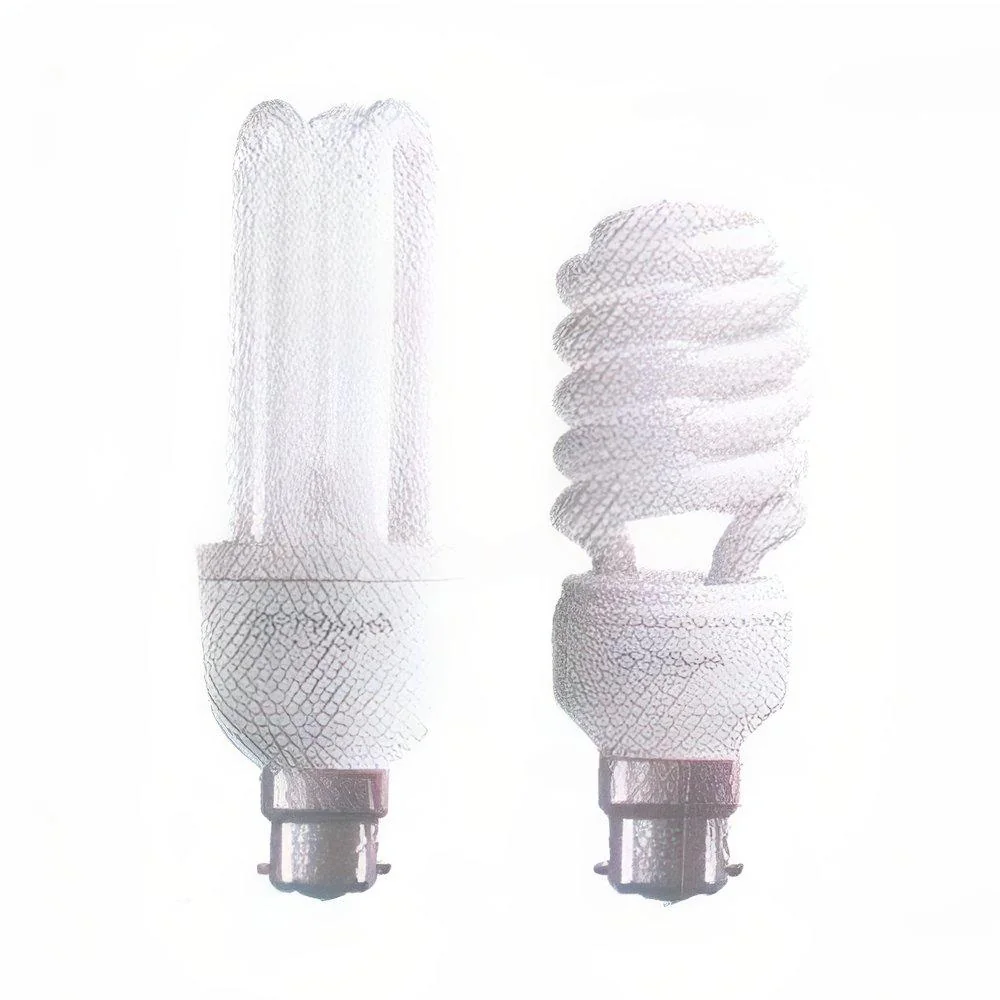
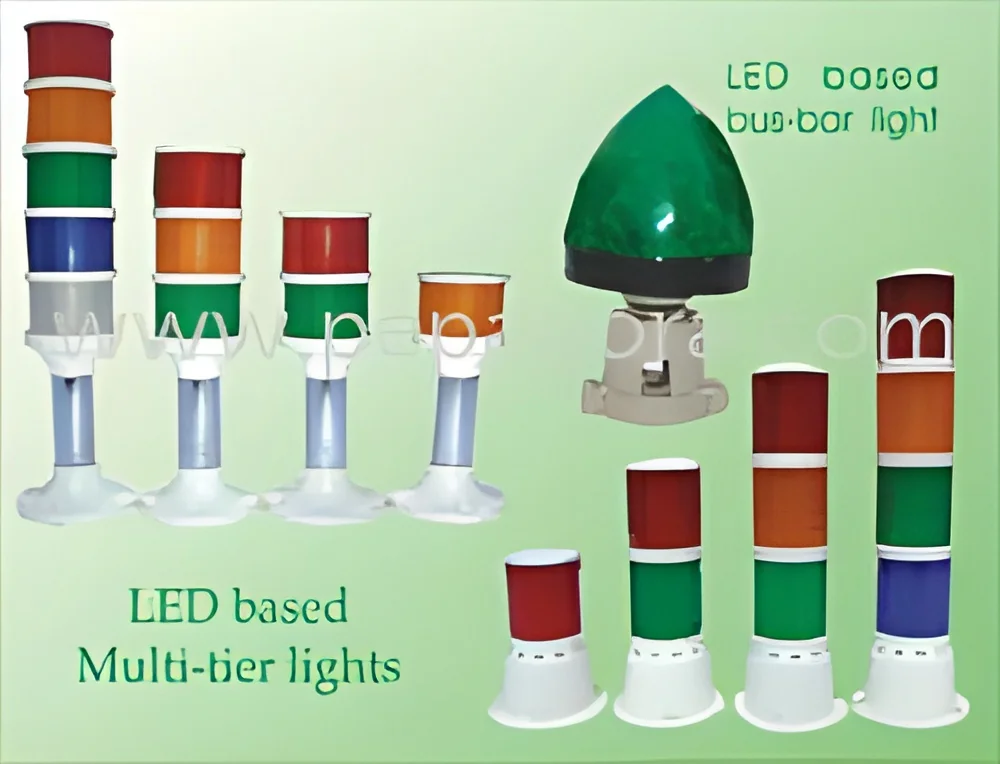
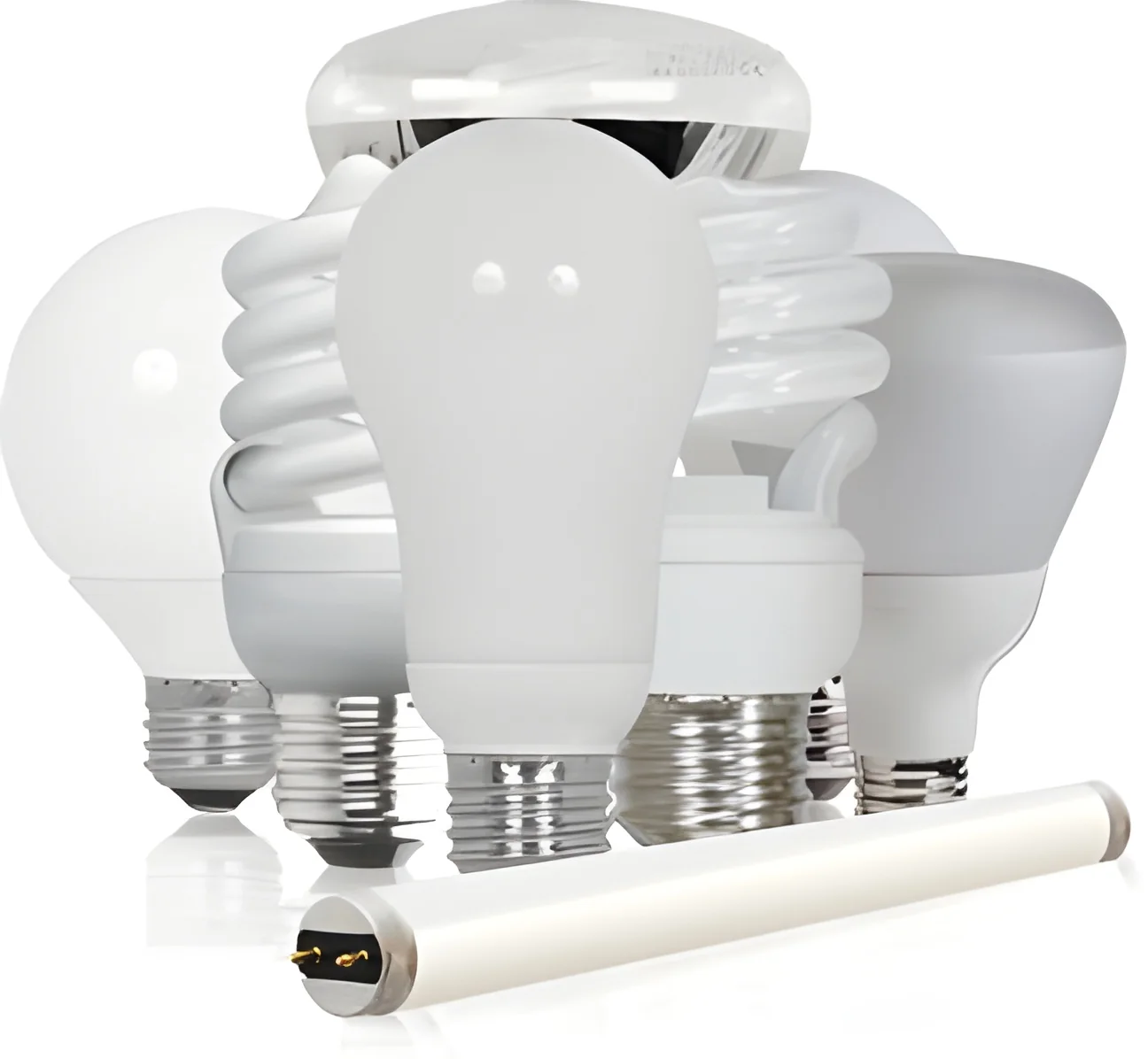
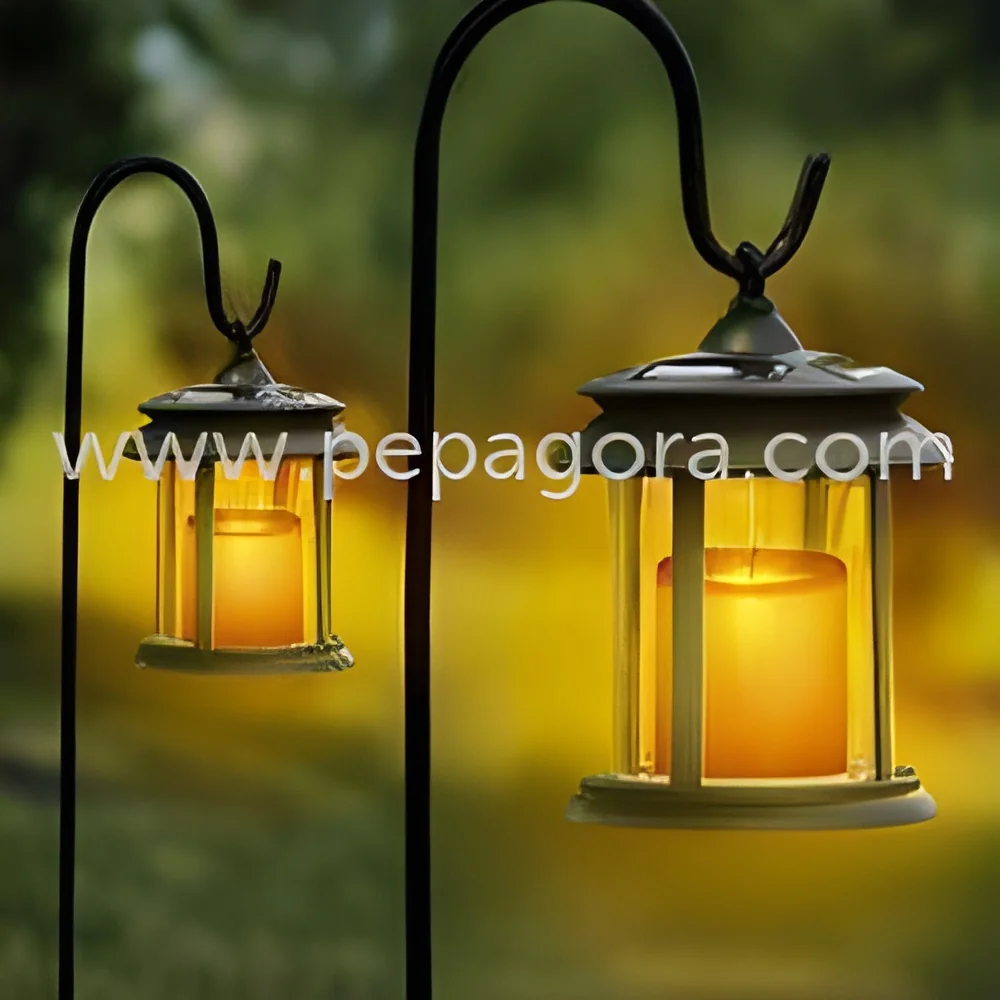
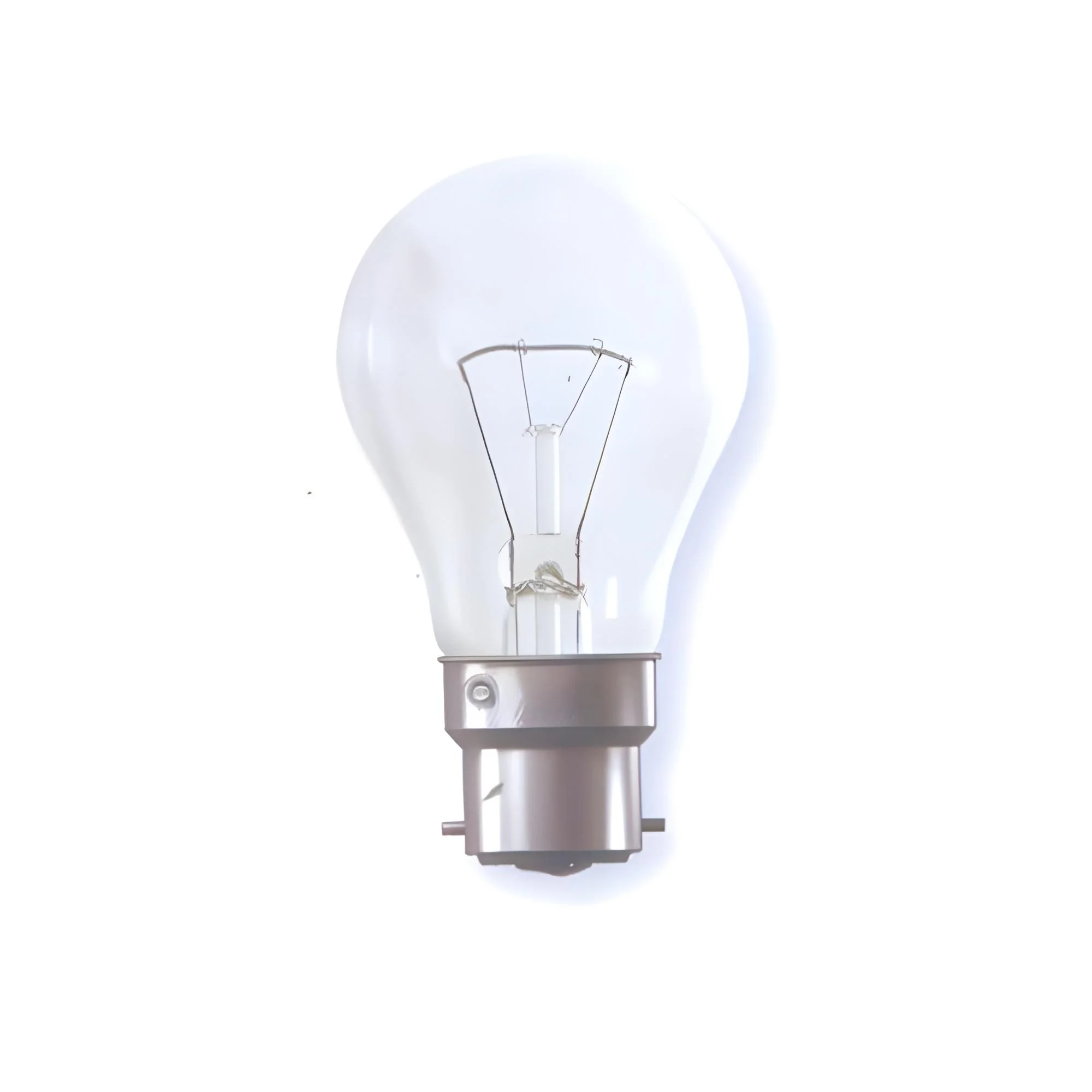
Lighting and LED fixtures are essential components in modern illumination solutions, designed to provide efficient, high-quality lighting for a variety of applications. LED fixtures use light-emitting diodes to produce illumination, offering advantages such as energy efficiency, longer lifespan, and reduced heat generation compared to traditional lighting systems. These fixtures are available in various forms, including ceiling lights, wall sconces, and outdoor lighting, making them versatile for different environments.
In business applications, lighting and LED fixtures play a crucial role in enhancing productivity, safety, and aesthetics. They are used in commercial spaces, industrial facilities, retail environments, and residential areas, contributing to effective visual communication and overall ambiance. The importance of lighting in industry extends to its impact on employee well-being and customer experience, with many businesses investing in high-quality lighting solutions to create inviting spaces.
The market for lighting and LED fixtures has seen significant growth due to increasing demand for energy-efficient solutions and sustainability practices. As industries strive to reduce operational costs and environmental impact, the shift toward LED technology continues to gain momentum. Recent developments in smart lighting technology further enhance the relevance of these products, integrating advanced features such as automation and energy monitoring.
𝗞𝗲𝘆 𝗙𝗲𝗮𝘁𝘂𝗿𝗲𝘀 𝗮𝗻𝗱 𝗦𝗽𝗲𝗰𝗶𝗳𝗶𝗰𝗮𝘁𝗶𝗼𝗻𝘀
When considering lighting and LED fixtures, it is important to understand the key features and specifications that define their performance and suitability for various applications. These specifications can vary widely, depending on the type of fixture and its intended use.
Key specifications include:
1. Lumens Output
- The total amount of visible light emitted by a fixture.
- Ranges from a few hundred lumens for small fixtures to several thousand for larger applications.
2. Wattage
- The power consumption of the fixture, indicating energy efficiency.
- Typically ranges from 5 watts for small LED fixtures to over 100 watts for high-output applications.
3. Color Temperature
- Measured in Kelvin (K), it defines the warmth or coolness of the light.
- Common ranges include 2700K (warm white) to 6500K (daylight).
4. CRI (Color Rendering Index)
- A measure of how accurately a light source displays colors compared to natural light.
- Ranges from 0 to 100, with values above 80 considered good for most applications.
5. Lifespan
- The average operational life of the fixture, usually measured in hours.
- LED fixtures often have lifespans ranging from 25,000 to 50,000 hours.
6. Dimming Capability
- Indicates whether the fixture can be dimmed to adjust light levels.
- Many modern LED fixtures offer compatibility with dimmer switches.
7. Voltage Compatibility
- The range of input voltages the fixture can operate within.
- Common options include 120V, 240V, or universal voltage designs.
8. Environmental Rating
- Defines the fixture's suitability for various environmental conditions.
- Ratings include indoor, outdoor, wet, or damp locations.
In summary, understanding these specifications helps buyers select the right lighting and LED fixtures that meet their specific needs while ensuring optimal performance and energy efficiency.
𝗖𝗼𝗺𝗺𝗼𝗻 𝗔𝗽𝗽𝗹𝗶𝗰𝗮𝘁𝗶𝗼𝗻𝘀 𝗮𝗻𝗱 𝗨𝘀𝗲 𝗖𝗮𝘀𝗲𝘀
Lighting and LED fixtures are utilized across a wide range of industries, each with specific applications tailored to enhance functionality and user experience.
1. Commercial Offices: In office environments, LED fixtures provide bright, even lighting that improves visibility and comfort for employees, promoting productivity.
2. Retail Spaces: Effective lighting showcases products and creates an inviting atmosphere, helping to attract customers and enhance their shopping experience.
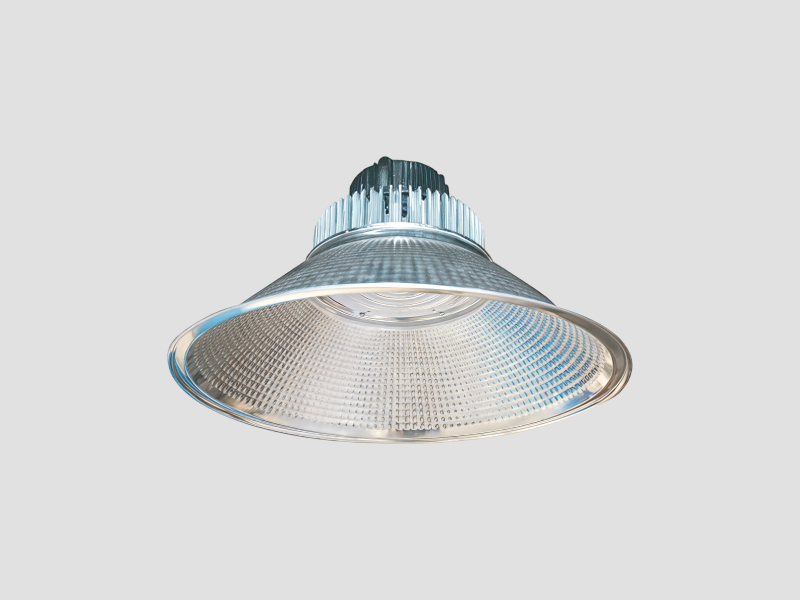
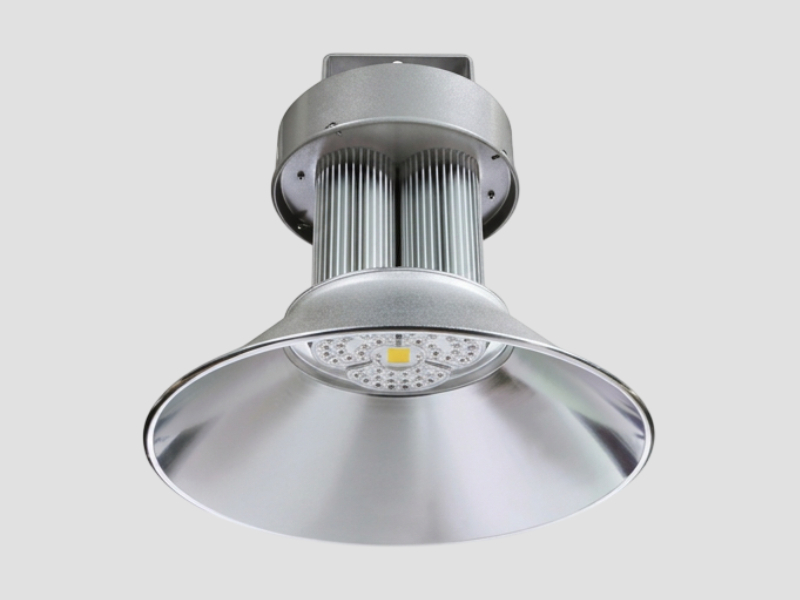
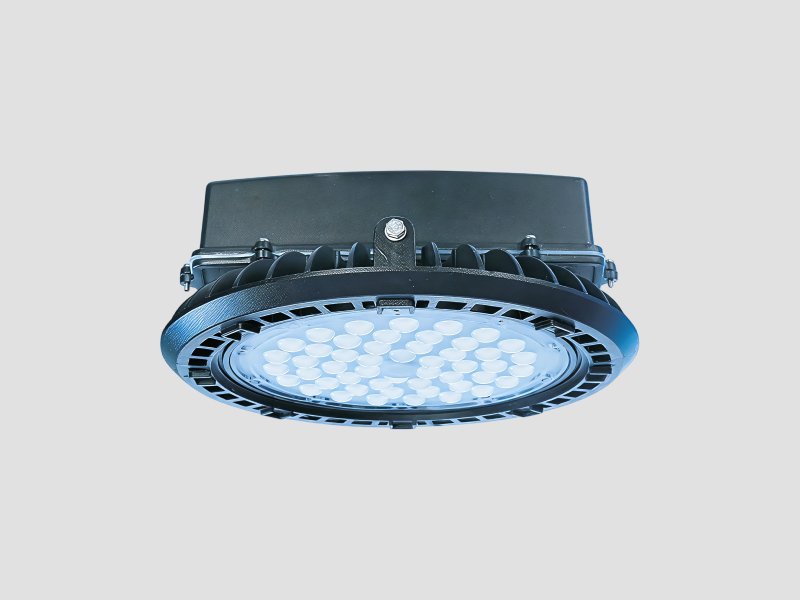
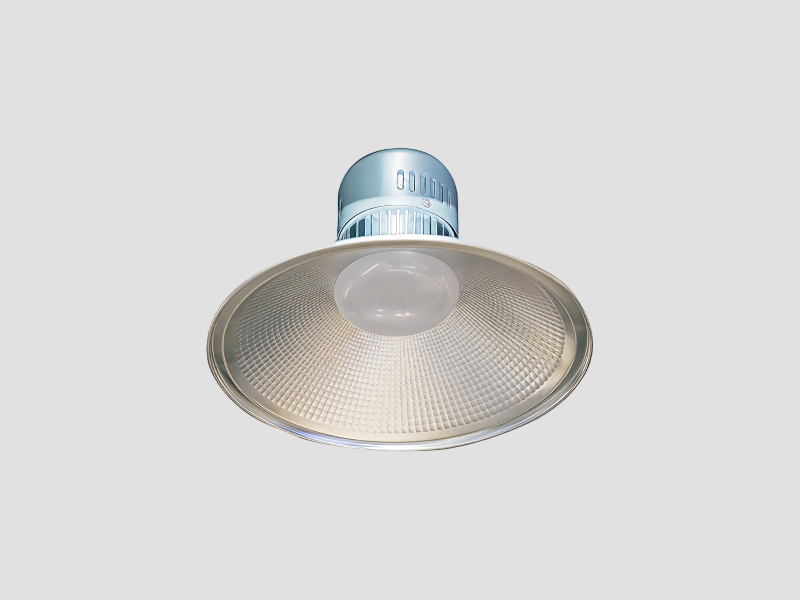
3. Industrial Facilities: In warehouses and manufacturing plants, robust LED fixtures ensure safety and visibility, reducing the risk of accidents during operations.
4. Healthcare: In medical settings, proper lighting is crucial for patient care and examinations, with specific fixtures designed to minimize shadows and provide accurate color representation.
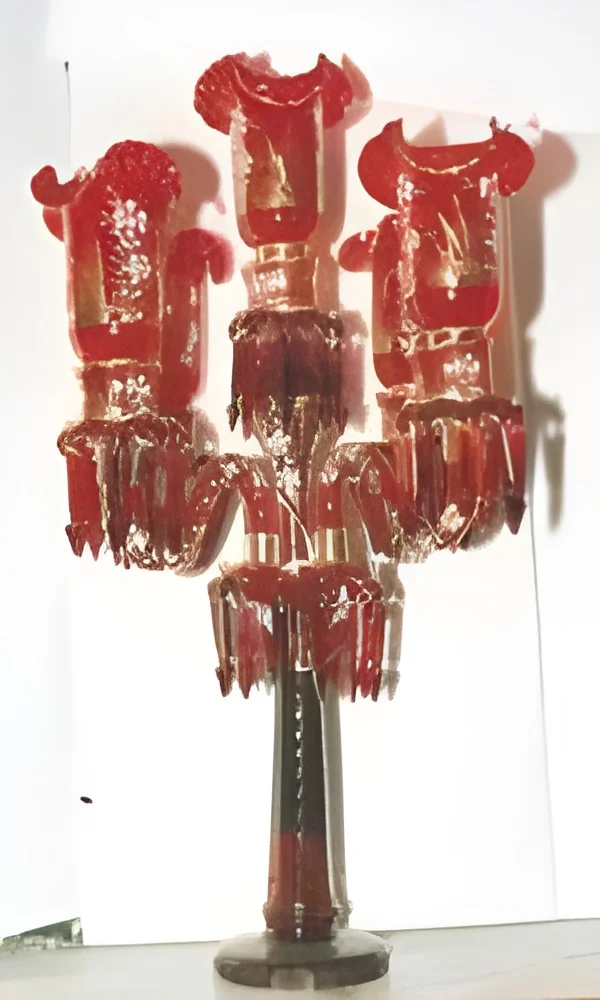
5. Hospitality: Hotels and restaurants use decorative LED fixtures to create ambiance, enhancing the overall guest experience while maintaining energy efficiency.
6. Educational Institutions: Classrooms and lecture halls benefit from uniform lighting that aids concentration and learning, with fixtures designed to reduce glare and improve visibility.
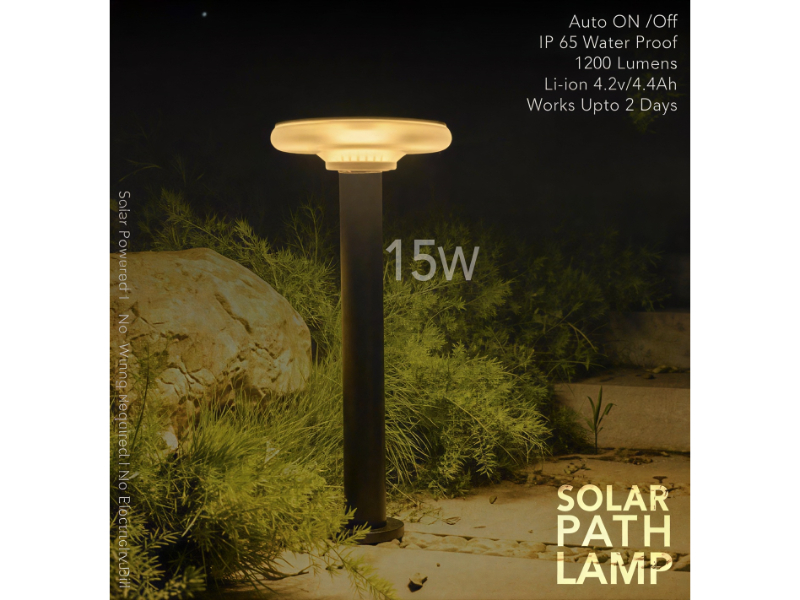
7. Outdoor Spaces: LED fixtures are increasingly used in street lighting and landscape illumination, providing safety and enhancing the aesthetic appeal of public spaces.
𝗣𝗿𝗼𝗱𝘂𝗰𝘁 𝗩𝗮𝗿𝗶𝗮𝗻𝘁𝘀 𝗮𝗻𝗱 𝗦𝘂𝗯𝗰𝗮𝘁𝗲𝗴𝗼𝗿𝗶𝗲𝘀
Lighting and LED fixtures come in a variety of designs and formats, catering to different aesthetic and functional requirements.
Recessed Lighting
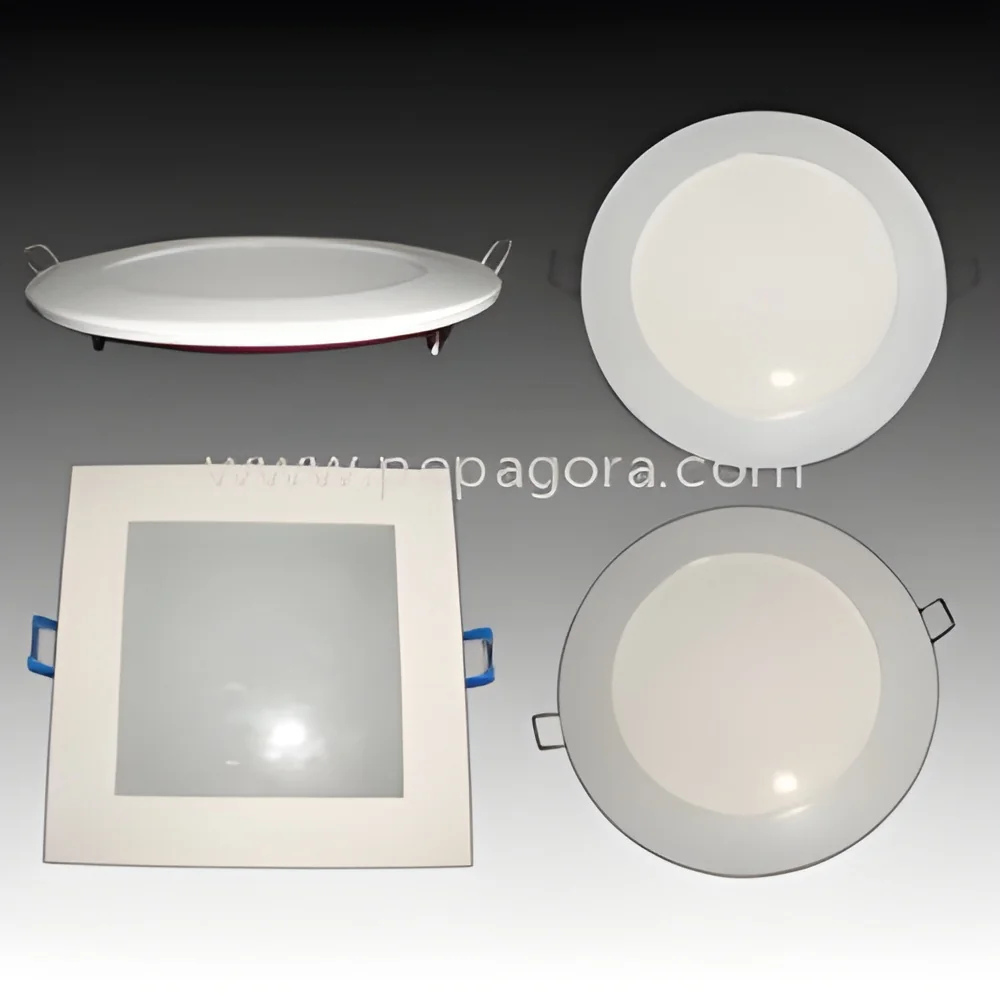
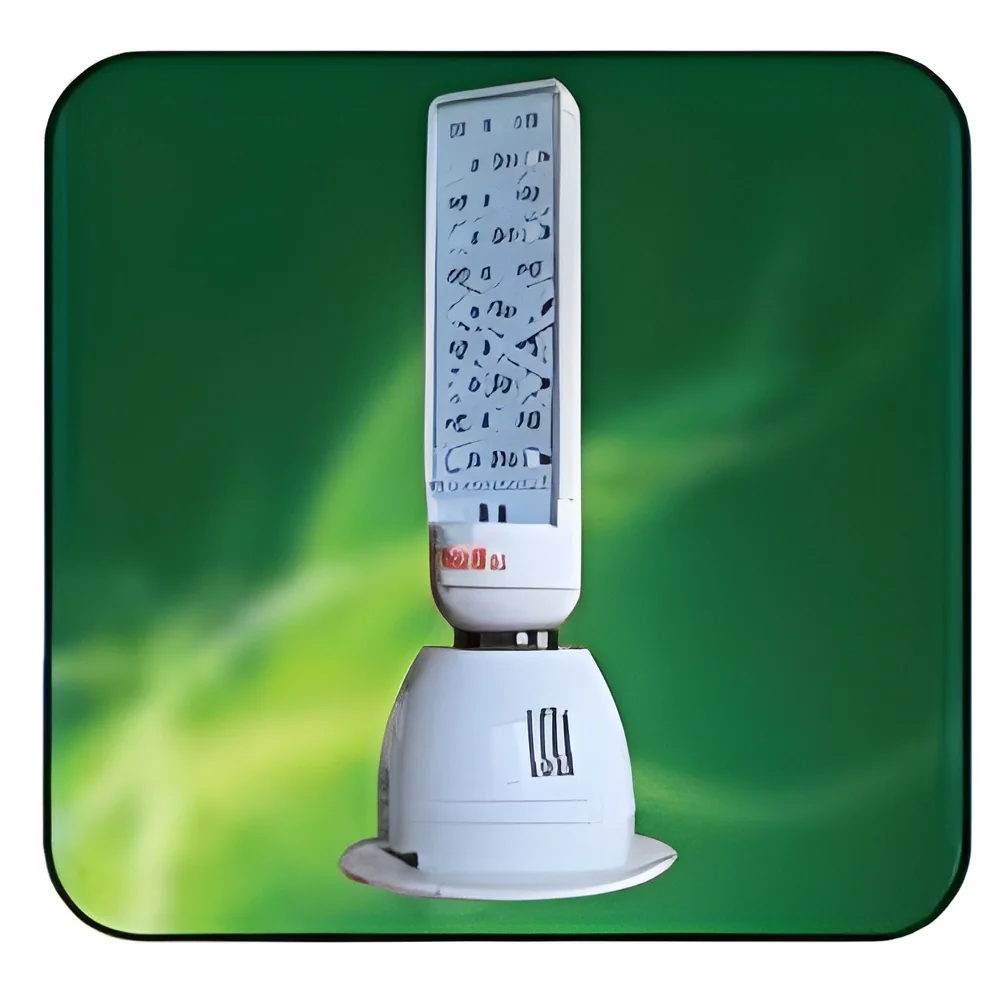
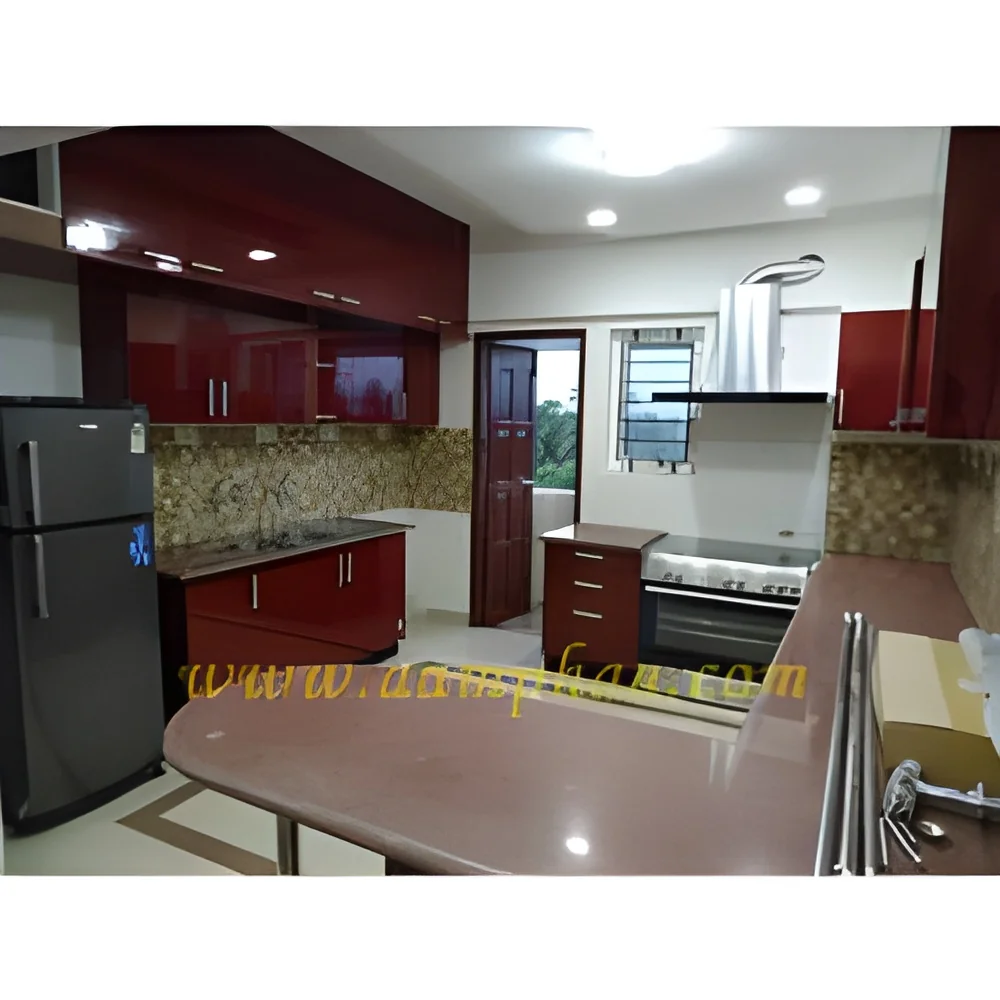
Recessed fixtures are installed into the ceiling, providing a clean, modern look. They are ideal for general lighting in both residential and commercial settings.
Surface-Mounted Fixtures
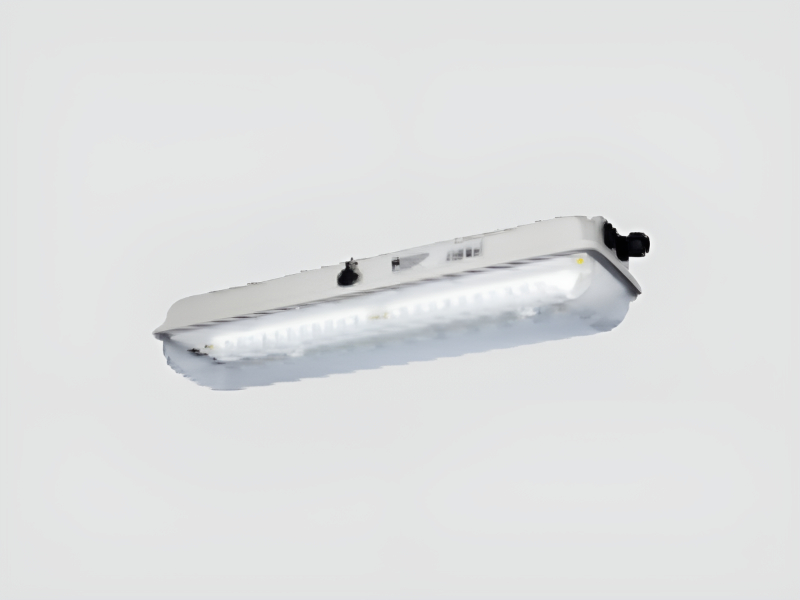
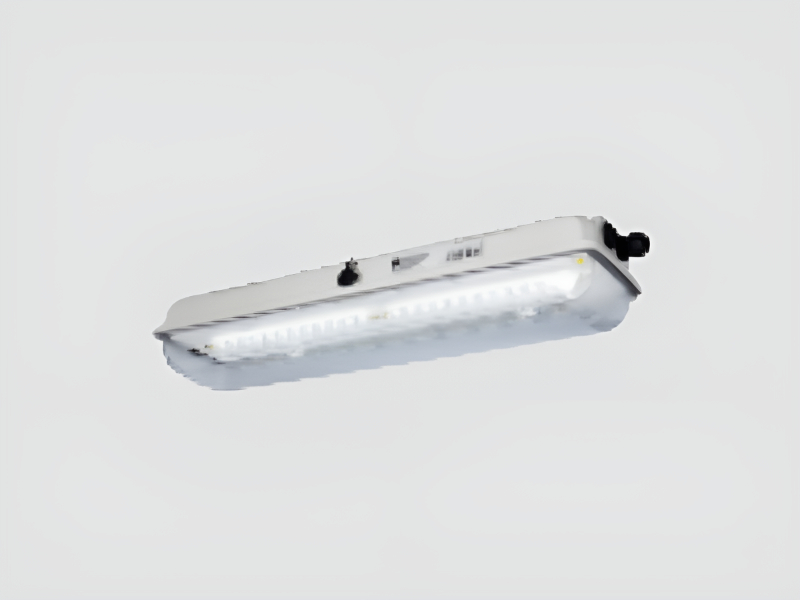
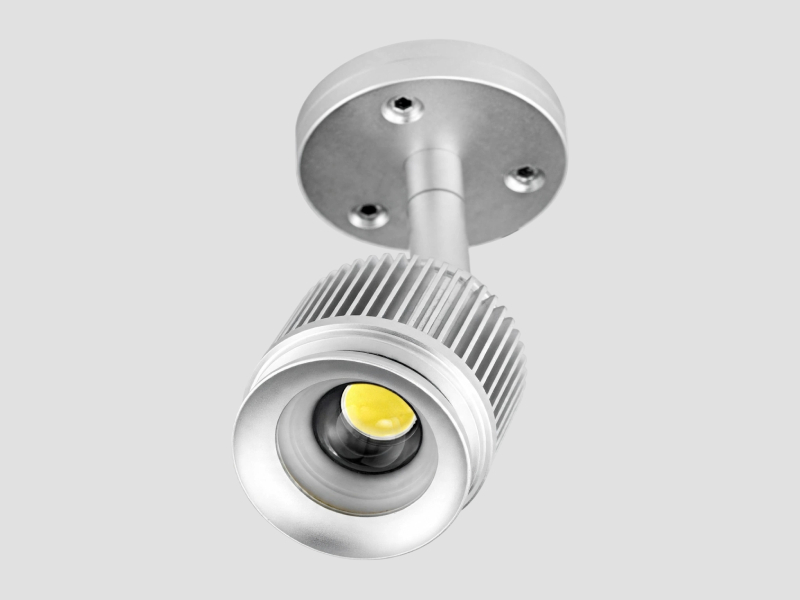
These fixtures are mounted directly onto ceilings or walls. They offer versatile installation options and are often used in areas where recessed lighting is not feasible.
Track Lighting
Track fixtures allow for adjustable light placement along a track system. They are commonly used in retail displays and galleries to highlight specific areas or products.
Wall Sconces
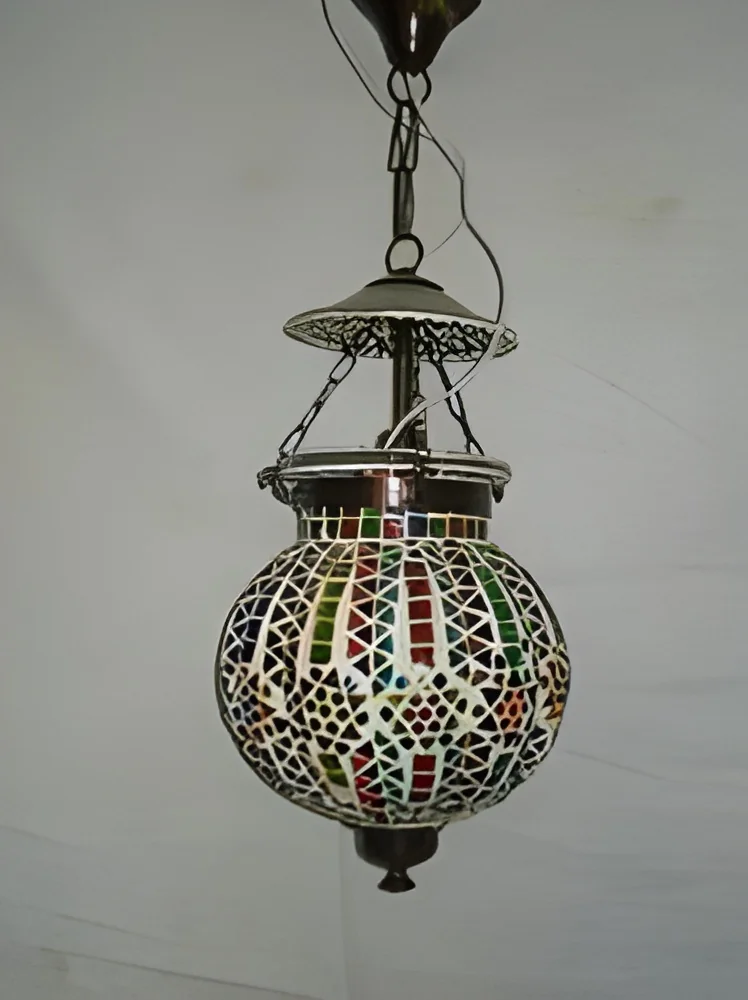
These fixtures are mounted on walls, providing accent lighting and enhancing interior design. They are often used in hallways, entryways, and decorative settings.
𝗕𝗲𝗻𝗲𝗳𝗶𝘁𝘀 𝗮𝗻𝗱 𝗔𝗱𝘃𝗮𝗻𝘁𝗮𝗴𝗲𝘀
Choosing the right lighting and LED fixtures offers numerous advantages for B2B buyers.
1. Energy Efficiency: LED fixtures consume significantly less energy than traditional lighting, resulting in lower electricity bills and reduced environmental impact.
2. Longevity: With lifespans of 25,000 hours or more, LED fixtures require less frequent replacements, leading to lower maintenance costs and reduced operational disruptions.
3. Enhanced Quality of Light: High CRI values ensure accurate color representation, improving visual comfort and productivity in workspaces.
4. Versatility: A wide range of designs and applications ensures there is a suitable fixture for nearly every environment, from industrial to decorative uses.
5. Low Heat Emission: LED fixtures generate minimal heat, making them safer for use in various applications and reducing cooling costs.
6. Customization Options: Many manufacturers offer customizable solutions, allowing businesses to select specific features that meet their unique needs.
𝗕𝘂𝘆𝗶𝗻𝗴 𝗚𝘂𝗶𝗱𝗲 𝗳𝗼𝗿 𝗕𝟮𝗕 𝗕𝘂𝘆𝗲𝗿𝘀
When sourcing lighting and LED fixtures, it is essential to consider several factors that can impact your purchasing decision.
1. Quality Assessment: Evaluate the quality of lighting fixtures based on materials, construction, and performance metrics. Look for reputable brands that comply with industry standards.
2. Supplier Verification: Vet suppliers by reviewing their credentials, customer feedback, and industry reputation. Establishing a partnership with a reliable supplier ensures consistent quality.
3. Pricing and MOQ: Understand the pricing structure and minimum order quantities (MOQ) set by suppliers. Compare prices across different vendors to ensure competitive rates.
4. Delivery and Lead Times: Discuss delivery schedules and lead times with suppliers to align with project timelines. Ensure that suppliers can meet your delivery expectations.
5. Compliance Requirements: Familiarize yourself with regulatory compliance and safety standards relevant to your industry. Verify that the products meet local and international guidelines.
𝗖𝗼𝗺𝗽𝗹𝗶𝗮𝗻𝗰𝗲 𝗮𝗻𝗱 𝗖𝗲𝗿𝘁𝗶𝗳𝗶𝗰𝗮𝘁𝗶𝗼𝗻𝘀
Lighting and LED fixtures must adhere to various quality standards and certifications to ensure safety and reliability. ISO 9001 is a widely recognized standard that sets the criteria for quality management systems, ensuring consistent product quality.
In addition, many fixtures carry the CE mark, indicating compliance with European safety and health standards. This certification is essential for products sold in European markets, as it signifies that they meet necessary regulatory requirements.
Safety and testing requirements are critical in the lighting industry, particularly for fixtures used in commercial and industrial applications. Products must undergo rigorous testing to ensure they operate safely under specified conditions.
Buyers should also be aware of regional compliance considerations, as regulations can vary significantly from one region to another. Understanding these requirements is crucial for maintaining compliance and ensuring the safe operation of lighting products.
𝗪𝗵𝘆 𝗦𝗼𝘂𝗿𝗰𝗲 𝗟𝗶𝗴𝗵𝘁𝗶𝗻𝗴 & 𝗟𝗘𝗗 𝗙𝗶𝘅𝘁𝘂𝗿𝗲𝘀 𝗳𝗿𝗼𝗺 𝗣𝗲𝗽𝗮𝗴𝗼𝗿𝗮?
Pepagora offers a trusted platform for sourcing lighting and LED fixtures, providing several key advantages for B2B buyers.
Verified Supplier Network: Pepagora has established a network of verified suppliers, ensuring that buyers can access high-quality products from reputable manufacturers. This verification process minimizes the risk of purchasing substandard goods.
Streamlined RFQ Process: The request for quotation (RFQ) system simplifies the procurement process, allowing buyers to easily compare options and negotiate terms with multiple suppliers. This efficiency saves time and resources.
Trade Assurance and Support: Pepagora provides trade assurance to protect buyers during transactions, ensuring that they receive their orders as specified. Additionally, dedicated support is available for any inquiries or issues that may arise.
Regional Coverage: With a strong presence in India, the GCC, and Southeast Asia, Pepagora can facilitate sourcing across these regions, helping businesses find suitable products that meet local market demands. This geographic reach enhances the ability to connect buyers with suppliers that can fulfill their specific needs.

 IN
IN