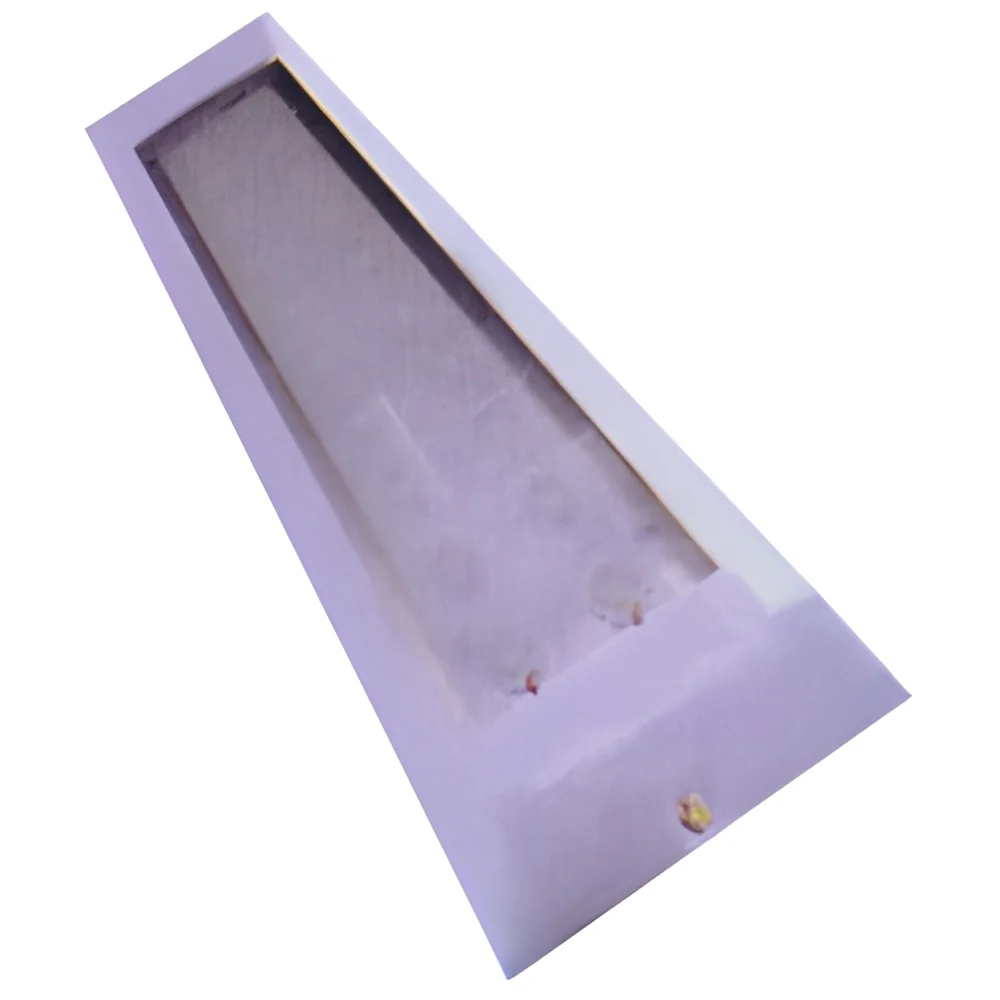
What are Ceiling Lights?
Ceiling lights are essential lighting fixtures designed to be mounted directly on the ceiling. They are available in various styles, shapes, and sizes, providing both functional and aesthetic illumination for a variety of settings. These fixtures can range from simple flush mounts to elaborate chandeliers, catering to diverse design preferences and lighting needs. Ceiling lights are crucial for creating well-lit environments, enhancing visibility and safety while contributing to the overall ambiance of a space.
In business applications, ceiling lights are commonly used in office buildings, retail stores, warehouses, and industrial facilities. They serve to illuminate workspaces, display areas, and customer zones effectively. Their strategic placement can influence productivity and customer experience. Furthermore, with advancements in technology, many ceiling lights now incorporate energy-efficient LED options, which not only provide high-quality lighting but also reduce energy costs. In today’s market, the demand for ceiling lights continues to grow, driven by trends in design and energy efficiency.
Key Features and Specifications
Ceiling lights come equipped with a variety of features that enhance their functionality and convenience. These specifications are crucial for businesses seeking the right lighting solutions for their environments.
Key specifications include:
1. Light Source Type
- Options include LED, fluorescent, and incandescent.
- LED lights typically offer longer life spans and lower energy consumption.
2. Wattage
- Standard wattage ranges from 10W to 60W, depending on the type and design.
- Higher wattage is suitable for larger spaces requiring brighter illumination.
3. Lumens Output
- Measured in lumens, output can vary from 800 to 5000 lumens.
- Higher lumens indicate brighter light, essential for larger commercial areas.
4. Color Temperature
- Ranges from warm white (2700K) to daylight (5000K).
- Different temperatures create varied atmospheres, influencing mood and productivity.
5. Dimming Capability
- Some models offer dimming features for adjustable light levels.
- Dimming can enhance energy efficiency and adaptability.
6. Mounting Type
- Common types include flush mount, semi-flush mount, and pendant.
- Selection depends on ceiling height and design preferences.
7. Material and Finish
- Available materials include metal, glass, and plastic.
- Finishes range from polished chrome to matte black, catering to various styles.
8. Certifications
- Many ceiling lights come with CE certification.
- Ensures compliance with health, safety, and environmental protection standards.
In summary, understanding the key features and specifications of ceiling lights is essential for making informed purchasing decisions. These factors determine the suitability of lighting solutions for specific business environments.
Common Applications and Use Cases
Ceiling lights are versatile fixtures used across various industries. Their adaptability makes them suitable for numerous applications.
1. Office Spaces: Ceiling lights in offices provide essential illumination for workstations and meeting rooms, ensuring employees can perform tasks efficiently.
2. Retail Stores: Retail environments benefit from ceiling lights that enhance product visibility and create an inviting atmosphere for customers.
3. Warehouses: In industrial settings, robust ceiling lights are necessary for safety and productivity, illuminating large areas effectively.
4. Hospitality: Hotels and restaurants utilize stylish ceiling lights to enhance the guest experience, contributing to the overall ambiance and decor.
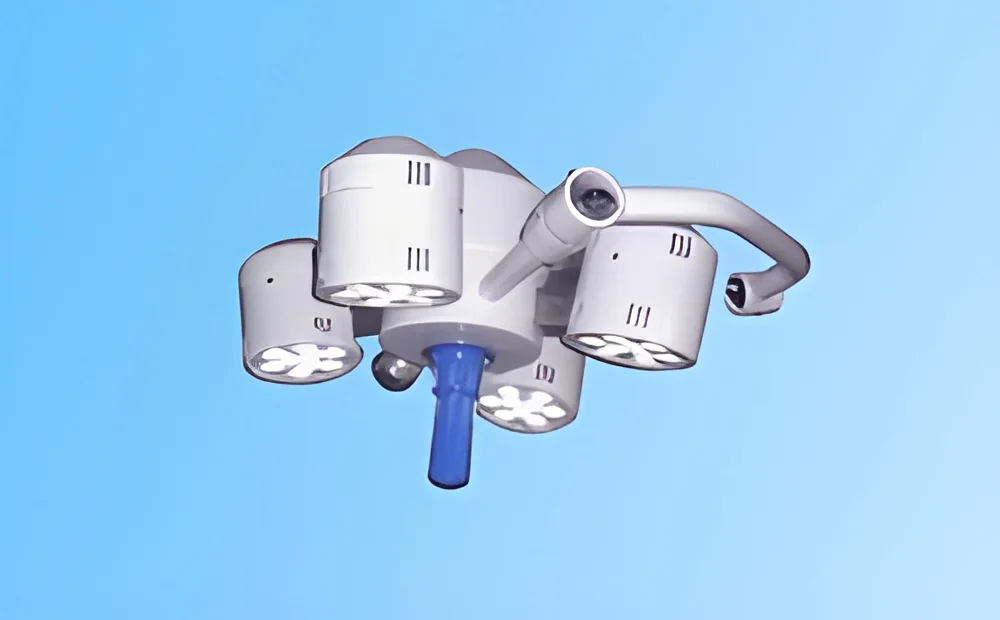
5. Healthcare: Hospitals and clinics depend on bright, reliable ceiling lights for patient care areas, ensuring proper visibility for medical staff.
6. Educational Institutions: Schools and universities require effective lighting in classrooms and hallways to support learning and safety.
7. Residential Spaces: Many businesses in home improvement cater to consumers seeking stylish ceiling lights for residential applications.
Product Variants and Subcategories
Ceiling lights come in a diverse array of designs to meet various aesthetic and functional needs. This variety allows businesses to select fixtures that align with their specific requirements.
Flush Mount Lights: These fixtures are installed directly against the ceiling, providing a sleek and unobtrusive lighting solution. They are ideal for spaces with low ceilings and can blend seamlessly with any decor.
Pendant Lights: Hanging from the ceiling, pendant lights serve as decorative focal points while providing ample illumination. They are often used in dining areas and kitchen islands, adding a touch of style.
Chandeliers: These elaborate fixtures are designed to make a statement. Suitable for larger spaces like ballrooms or lobbies, chandeliers add elegance while providing significant lighting.
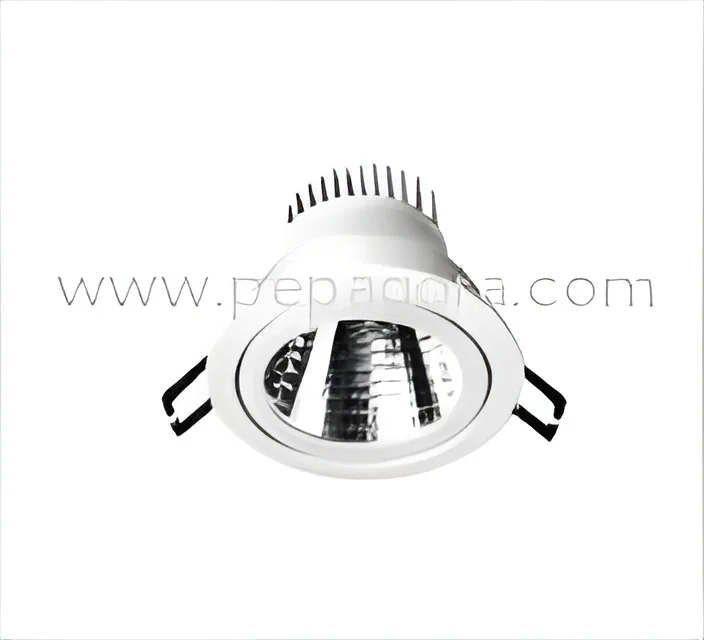
Recessed Lighting: Installed within the ceiling, recessed lights offer a clean look and can be used for task lighting in offices or accent lighting in retail spaces.
Track Lighting: This versatile option allows for adjustable light direction, making it suitable for gallery-style displays or highlighting specific areas in a space.
Benefits and Advantages
Ceiling lights offer numerous benefits that make them a preferred choice for commercial and industrial applications.
Key benefits include:
1. Energy Efficiency: Many ceiling lights use LED technology, significantly reducing energy consumption and lowering utility bills.
2. Versatility: With a wide range of styles and designs, ceiling lights can fit various settings and complement different interior designs.
3. Enhanced Visibility: Properly installed ceiling lights improve visibility, making spaces safer and more functional for employees and customers.
4. Easy Installation: Most ceiling lights are straightforward to install, minimizing installation time and costs.
5. Customization Options: Many manufacturers offer customizable solutions to meet specific business needs, including size, finish, and light output.
6. Longevity: High-quality ceiling lights are designed to last longer, reducing the frequency of replacements and maintenance.
Buying Guide for B2B Buyers
When sourcing ceiling lights, it is important for buyers to consider several key factors to ensure they make the best purchasing decisions.
1. Quality Assessment: Evaluate the materials and construction of the ceiling lights to ensure durability and performance. Look for products that meet industry standards.
2. Supplier Verification: Research potential suppliers to confirm their credibility and reliability. Check for reviews, ratings, and certifications that demonstrate their quality.
3. Pricing and MOQ: Understand the pricing structure and minimum order quantities (MOQ) to align with budget constraints and project requirements.
4. Delivery and Lead Times: Inquire about expected delivery times and logistics, as timely delivery is critical for project timelines.
5. Compliance Requirements: Ensure that the ceiling lights meet local regulations and safety standards, including CE certification, to avoid potential legal issues.
Compliance and Certifications
Compliance and certifications are crucial in the manufacturing and distribution of ceiling lights. Relevant quality standards, including ISO 9001, ensure that products meet international quality management principles.
Industry certifications, such as CE, guarantee that ceiling lights comply with health, safety, and environmental protection regulations within the European market.
Safety and testing requirements focus on ensuring that ceiling lights are safe for use, minimizing risks associated with electrical hazards.
Additionally, regional compliance considerations may vary, requiring businesses to stay informed about local regulations that govern lighting solutions.
Why Source Ceiling Lights from Pepagora?
Pepagora provides a trusted platform for sourcing ceiling lights, offering several key advantages to B2B buyers.
The verified supplier network ensures that buyers have access to reputable manufacturers and distributors. This network is crucial for maintaining quality and reliability in procurement.
The streamlined RFQ process simplifies the quotation system, enabling buyers to request competitive prices from multiple suppliers quickly. This efficiency can lead to better deals and savings.
Trade assurance and support features protect buyers from potential risks, providing peace of mind during transactions. Buyers can feel secure knowing their investments are safeguarded.
With regional coverage extending across India, the GCC, and Southeast Asia, Pepagora connects buyers with suppliers in various markets. This geographic reach enhances access to diverse products and solutions in the ceiling lighting industry.

 IN
IN