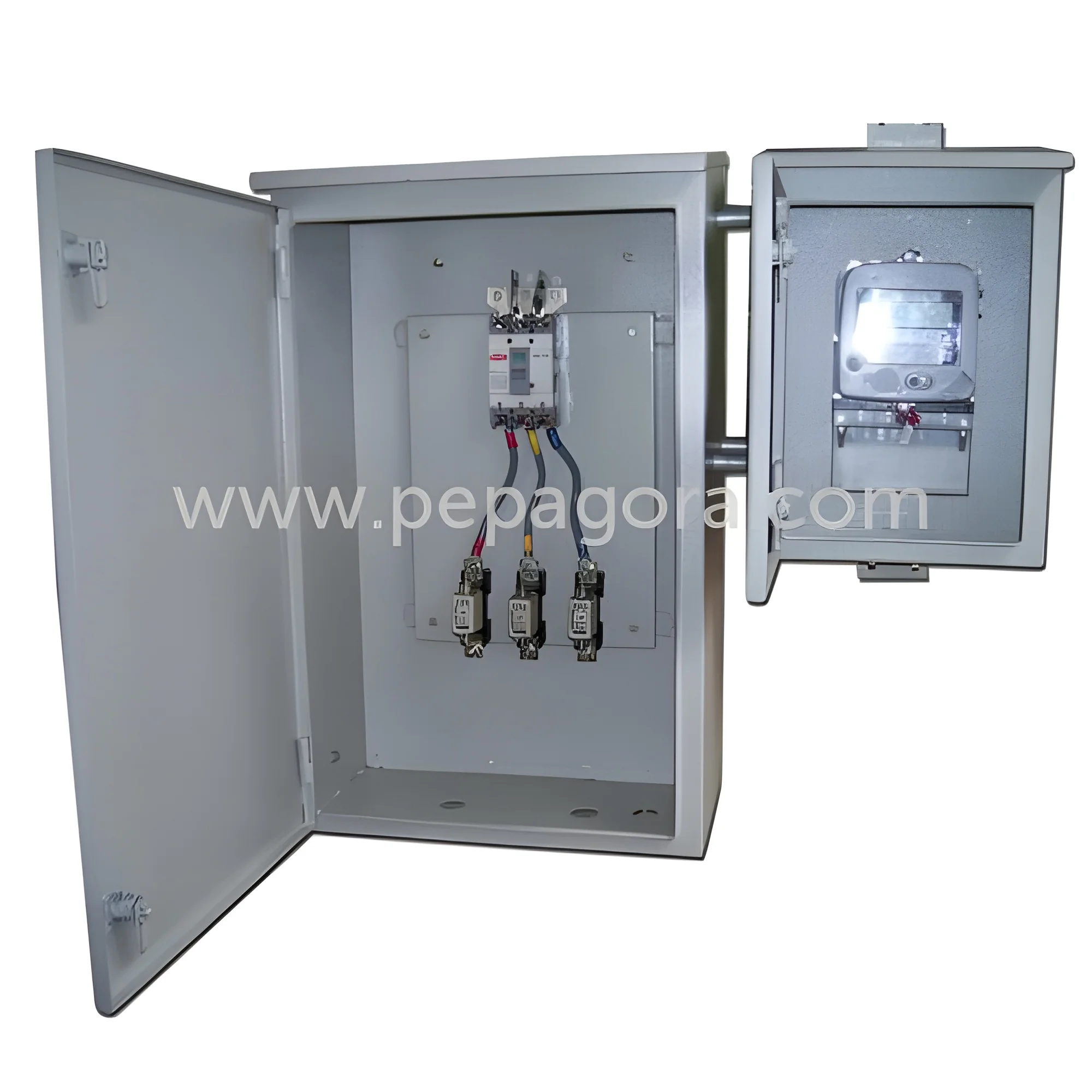
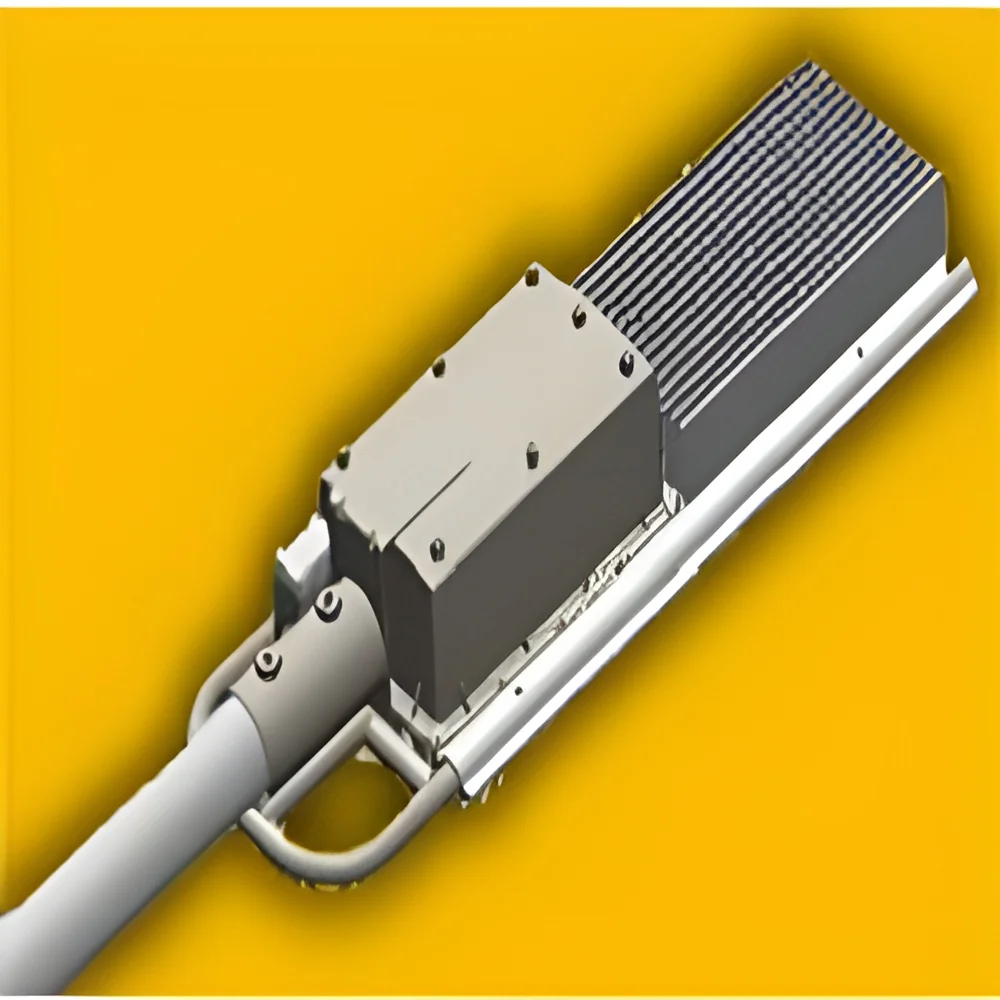
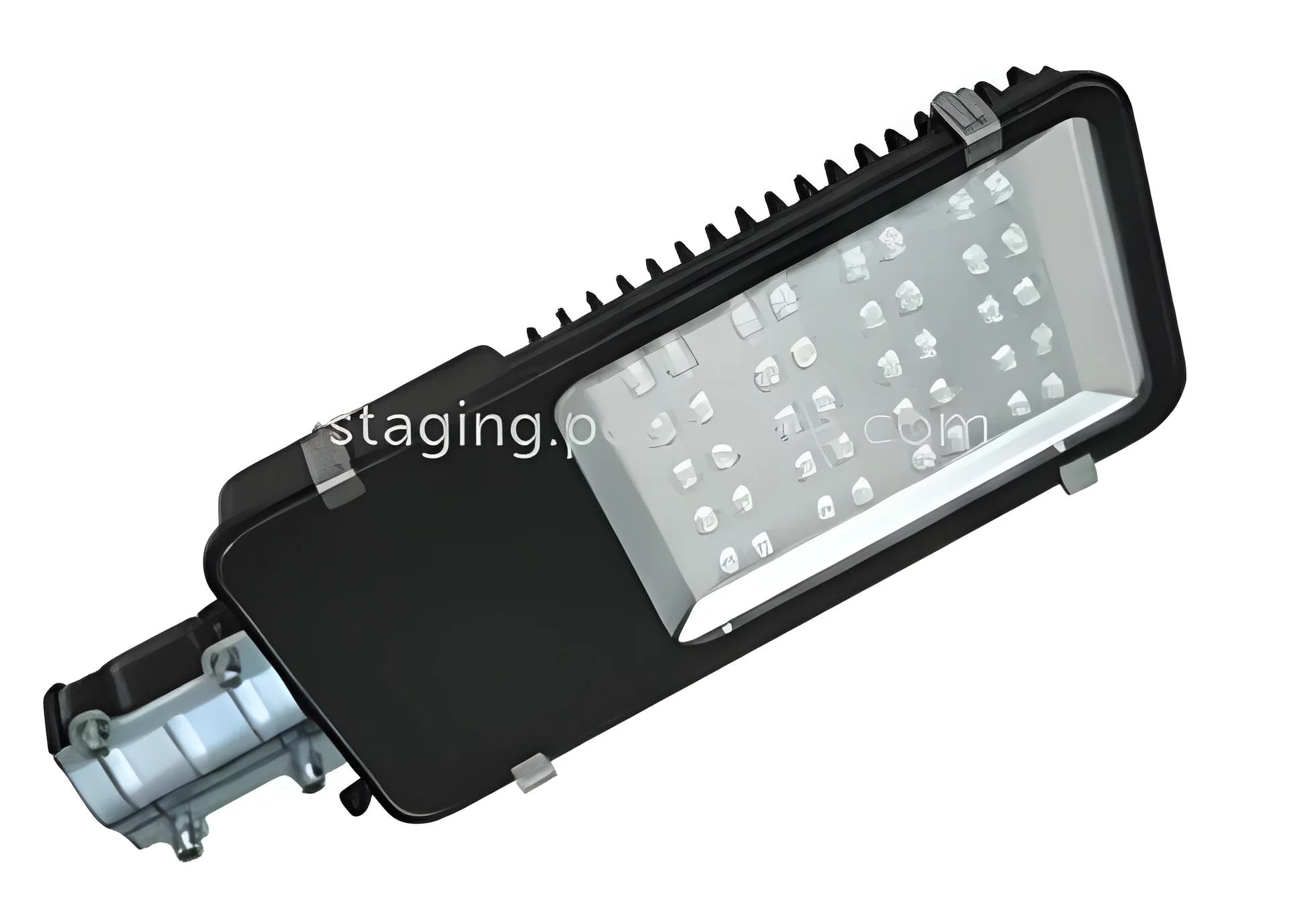
What are Street Lights?
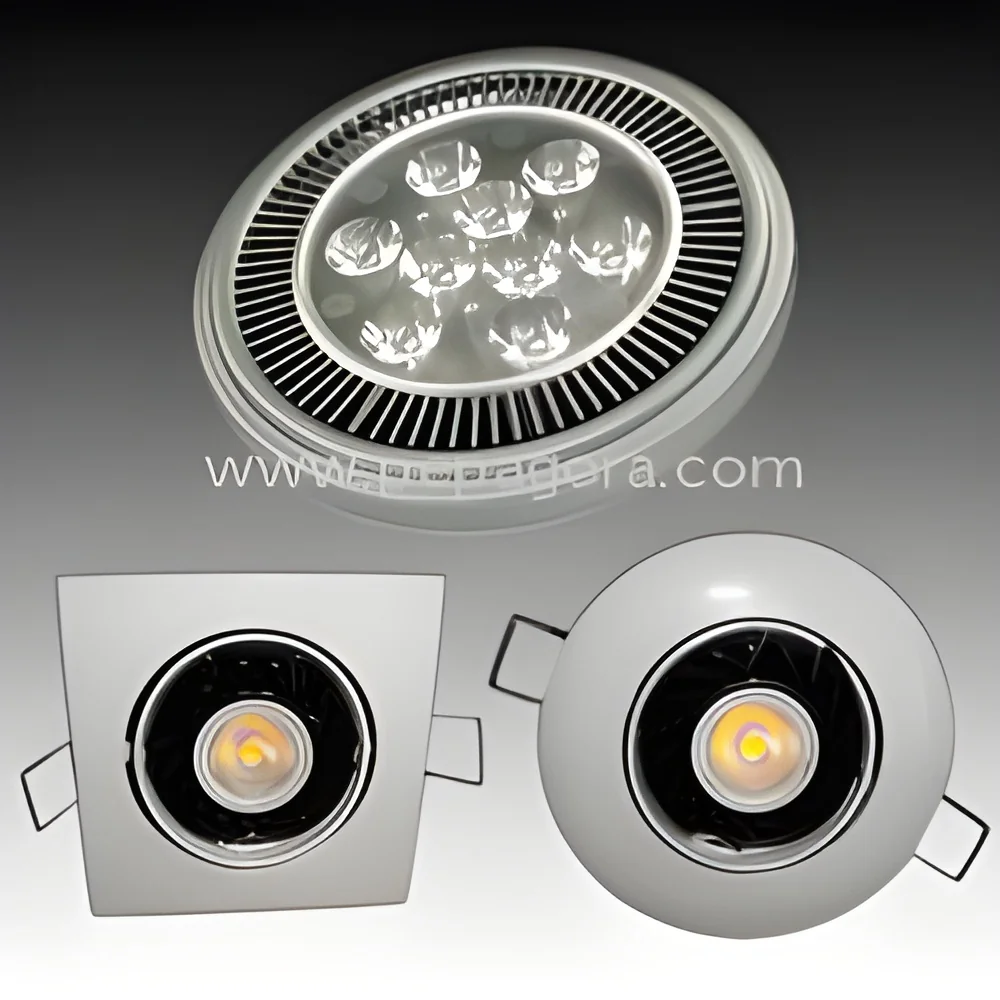
Street lights are outdoor lighting fixtures designed to illuminate roads, pathways, and public spaces. They play a crucial role in enhancing visibility during nighttime, promoting safety for pedestrians and vehicles. Typically mounted on poles, street lights can be powered by various energy sources, including electricity and solar power. Modern street lighting systems may also incorporate smart technology for remote monitoring and control.
The primary uses of street lights extend beyond mere illumination. They are essential for urban planning and development, contributing to crime reduction through enhanced visibility. Additionally, businesses and municipalities utilize street lights to improve aesthetics and create a welcoming environment. As cities grow and evolve, the demand for effective street lighting solutions increases, making this market relevant for manufacturers and suppliers.
The street lighting industry is experiencing significant shifts due to advancements in technology and the push for sustainable solutions. The growing emphasis on energy efficiency and smart city initiatives has led to the adoption of LED technology and solar-powered street lights. As a result, the street lighting market is expected to expand as municipalities seek innovative solutions to meet their lighting needs.
Key Features and Specifications
Street lights come with a variety of features and specifications designed to meet diverse needs. Understanding these specifications is essential for buyers looking to invest in reliable lighting solutions.
Key specifications include:
1. Light Source Type
- Options include LED, HID, and solar-powered lights.
- LED lights are known for their longevity and energy efficiency.
2. Lumen Output
- Refers to the total amount of visible light emitted.
- Typical lumen outputs range from 1,000 to 20,000 lumens, depending on application.
3. Wattage
- Indicates the amount of energy consumed by the light.
- Common wattages range from 30W for residential use to over 300W for major roadways.
4. Color Temperature
- Measured in Kelvins (K), it affects the ambiance of the lit area.
- Options can vary from warm white (2700K) to daylight (6500K).
5. Mounting Height
- The height at which the light is installed impacts its coverage area.
- Typical mounting heights range from 10 to 30 feet.
6. IP Rating
- Indicates the light's resistance to dust and water.
- Common ratings for outdoor street lights are IP65 or higher.
7. Control Systems
- Options for dimming, timers, and smart control capabilities.
- Enhances energy efficiency and functionality.
8. Lifespan
- Refers to the expected operational life of the light.
- LED street lights can last up to 50,000 hours.
With these specifications in mind, buyers can make informed decisions regarding the right street lights for their applications.
Common Applications and Use Cases
Street lights serve a variety of industries and applications, enhancing safety and visibility in different environments.
1. Urban Areas: Street lights are essential for city streets, parks, and public squares, promoting safety for pedestrians and drivers alike.
2. Highways: Properly illuminated highways reduce accidents and improve visibility for long-distance travelers, especially during nighttime.
3. Residential Communities: Street lighting enhances security in neighborhoods, deterring crime and promoting a sense of safety among residents.
4. Industrial Zones: Facilities and warehouses benefit from effective lighting for loading docks and outdoor areas, improving operational efficiency.
5. Educational Institutions: Schools and universities use street lights to illuminate paths and parking lots, ensuring safety for students and staff.
6. Sports Facilities: Sports complexes often require high-intensity lighting for fields and courts, allowing for evening events and activities.
7. Transportation Hubs: Airports and bus stations utilize street lights for safety, guiding travelers and ensuring secure access areas.
Product Variants and Subcategories
Street lights come in various designs and configurations to cater to different needs and environments.
Solar Street Lights
Solar street lights feature photovoltaic panels that harness solar energy to power LED fixtures. They are ideal for remote areas without access to traditional power sources and promote sustainability.
Smart Street Lights
Equipped with IoT technology, smart street lights allow for remote monitoring and control. These systems can adjust brightness and report maintenance needs, optimizing energy use and operational efficiency.
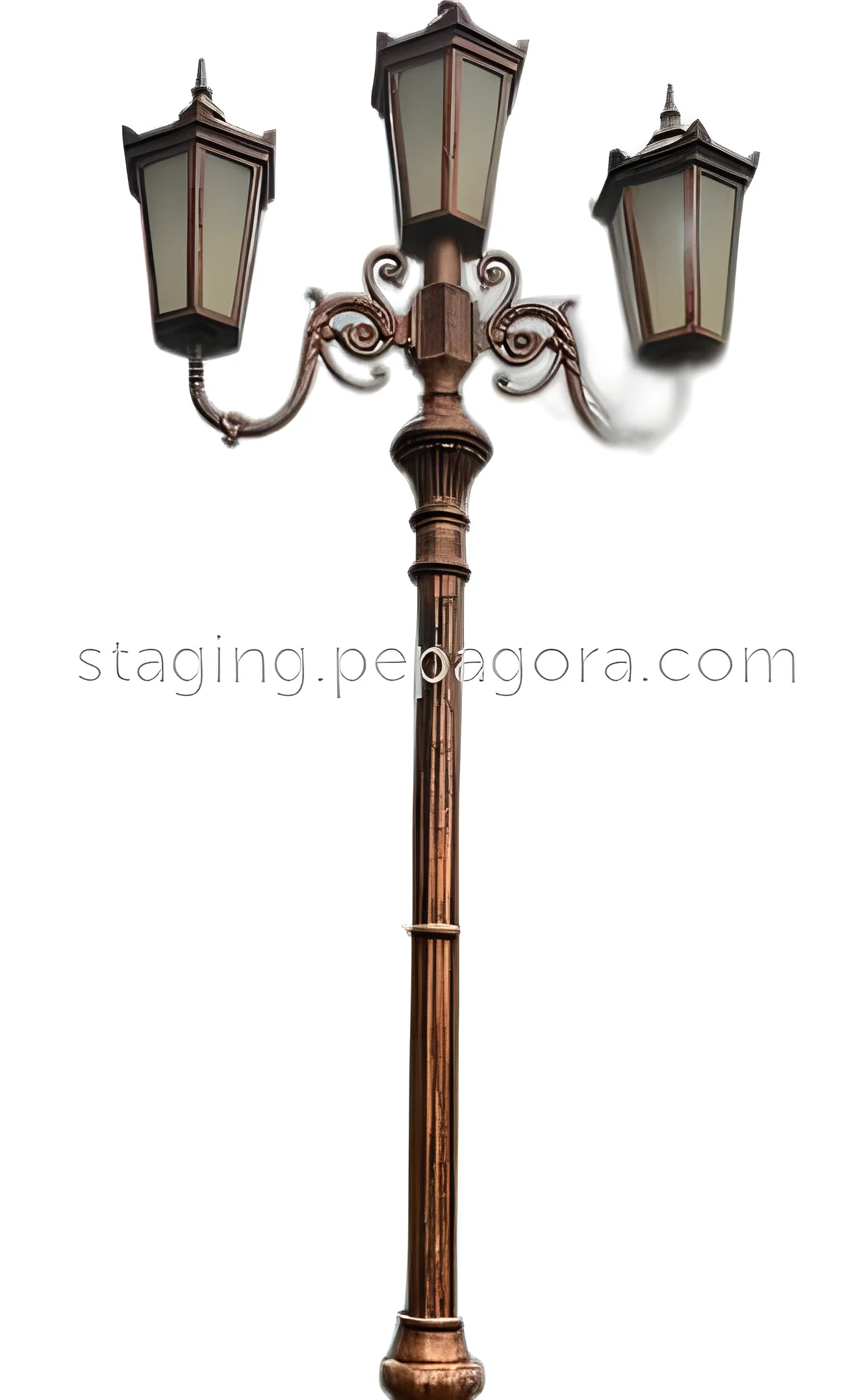
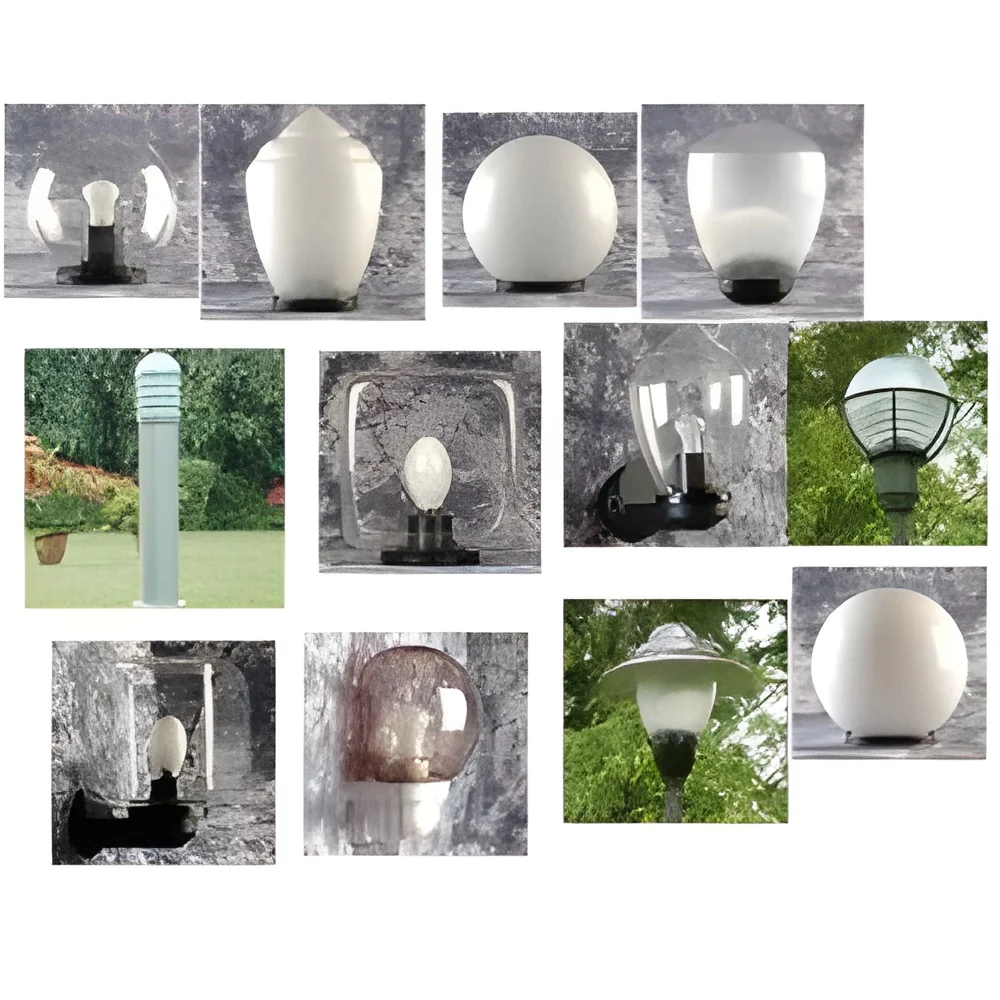
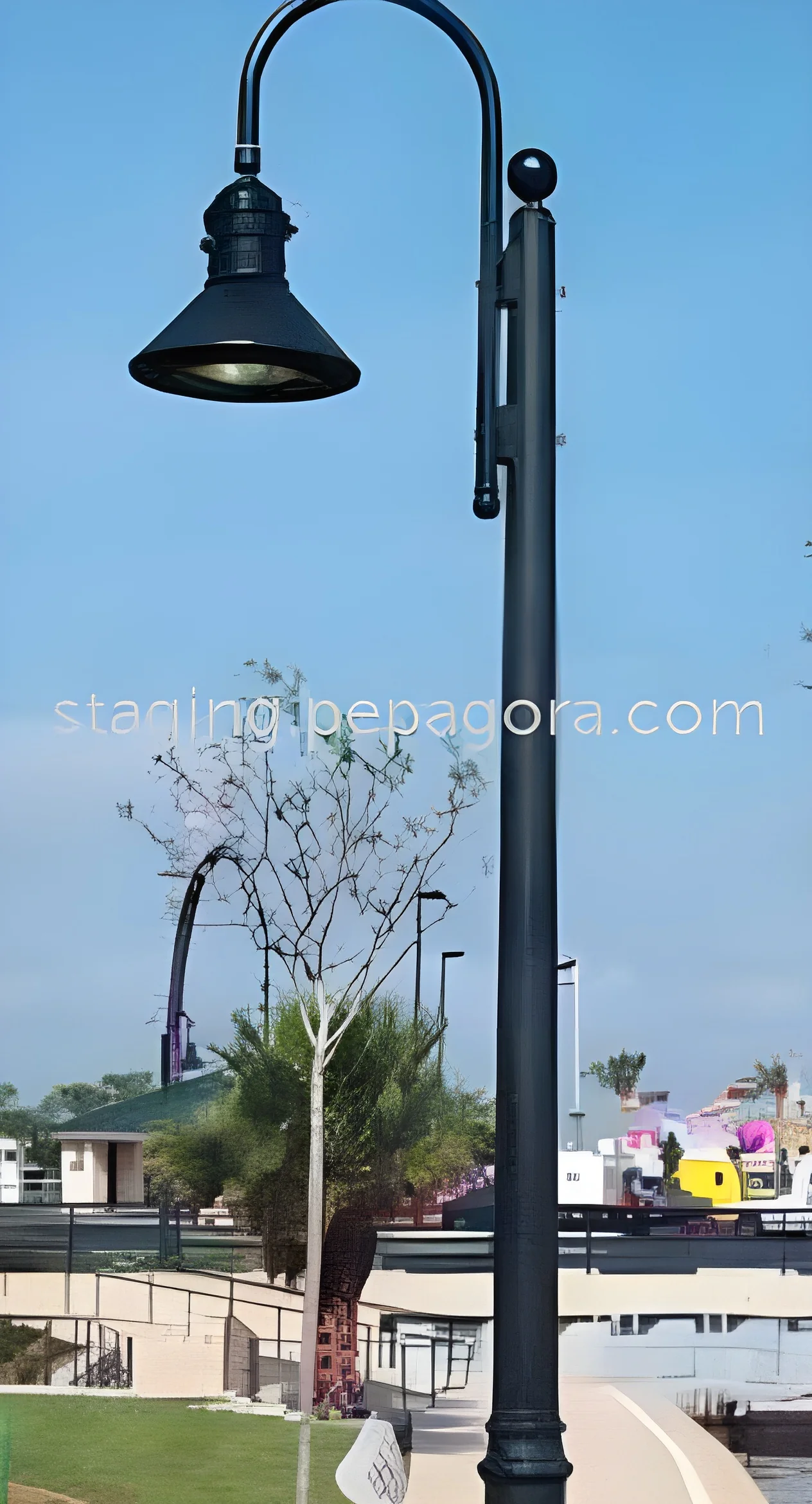
Decorative Street Lights
These lights combine functionality with aesthetic appeal. Often found in parks or urban centers, decorative street lights enhance the visual environment while providing necessary illumination.
Traditional Street Lights
These fixtures typically use incandescent or high-intensity discharge bulbs. They are commonly used in older urban settings and are often retrofitted for energy efficiency.
Benefits and Advantages
Investing in street lights offers several key benefits.
1. Enhanced Safety: Proper illumination reduces accidents and crime, creating safer environments for pedestrians and drivers.
2. Energy Efficiency: Modern street lights, particularly LEDs, consume significantly less energy than traditional lighting, resulting in lower operational costs.
3. Long Lifespan: LED street lights have a longer lifespan compared to conventional bulbs, reducing replacement and maintenance frequency.
4. Environmental Impact: Solar and energy-efficient lighting solutions contribute to sustainability efforts, lowering carbon footprints.
5. Smart Technology Integration: Smart street lights provide data-driven solutions for city management, allowing for better resource allocation.
6. Improved Aesthetics: Decorative street lights enhance the visual appeal of urban and residential areas, contributing to community pride and engagement.
Buying Guide for B2B Buyers
When sourcing street lights, buyers should consider several critical factors to ensure they choose the right solutions for their needs.
1. Quality Assessment: Evaluate product quality based on materials, durability, and performance. Look for reputable manufacturers with proven track records.
2. Supplier Verification: Conduct thorough background checks on potential suppliers. Consider their experience, certifications, and customer feedback.
3. Pricing and MOQ: Understand the pricing structure and minimum order quantities. Ensure that costs align with budget constraints while still meeting quality standards.
4. Delivery and Lead Times: Discuss logistics and expected delivery schedules with suppliers to avoid project delays.
5. Compliance Requirements: Familiarize yourself with local regulations and compliance standards for street lighting to ensure products meet necessary safety and quality benchmarks.
Compliance and Certifications
Street lights must adhere to various compliance standards and certifications to ensure safety and performance.
ISO 9001 is a widely recognized standard that focuses on quality management systems. Manufacturers of street lights may seek this certification to demonstrate their commitment to quality assurance.
CE certification is significant for street lights, particularly in Europe, indicating that products meet essential health and safety requirements. This certification also facilitates easier market access.
In addition to quality standards, street lights must undergo safety testing to ensure they can withstand environmental conditions. This includes resistance to water, dust, and temperature variations.
Regional compliance considerations are also important, as local regulations may dictate specific requirements for street lighting installations. Buyers should ensure that their selected products meet these local standards.
Why Source Street Lights from Pepagora?
Pepagora offers a trusted platform for sourcing street lights, providing several key advantages for B2B buyers.
Verified Supplier Network: Pepagora connects buyers with a network of verified suppliers. This ensures that buyers can trust the quality and reliability of the products they are sourcing.
Streamlined RFQ Process: The request for quotation system simplifies the procurement process. Buyers can easily compare offers from multiple suppliers to find the best fit for their needs.
Trade Assurance and Support: Pepagora provides trade assurance, protecting buyers throughout the purchasing process. This support ensures a smooth transaction and enhances buyer confidence.
Regional Coverage: With a focus on India, GCC, and Southeast Asia, Pepagora offers extensive geographic reach, making it easier for buyers to find suppliers that meet their specific regional needs.
By choosing Pepagora, buyers can access quality street lighting solutions while benefiting from a streamlined sourcing experience.

 IN
IN