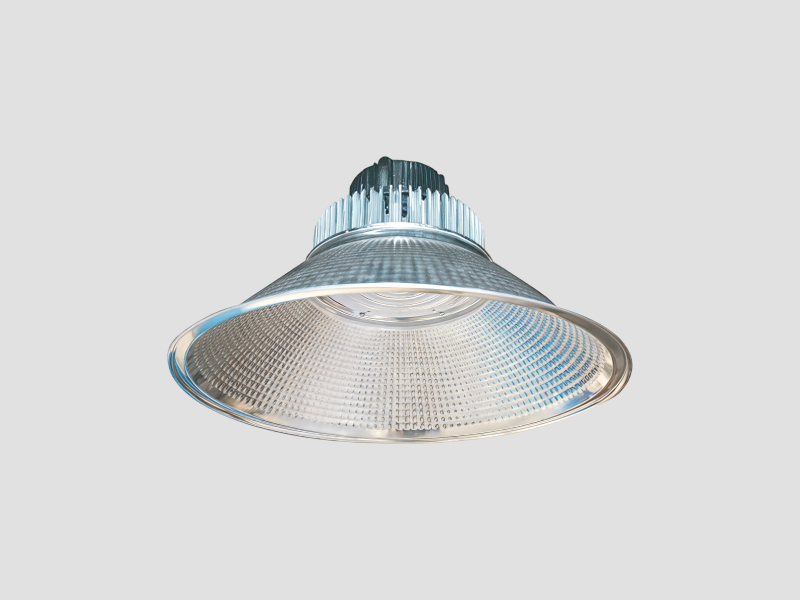
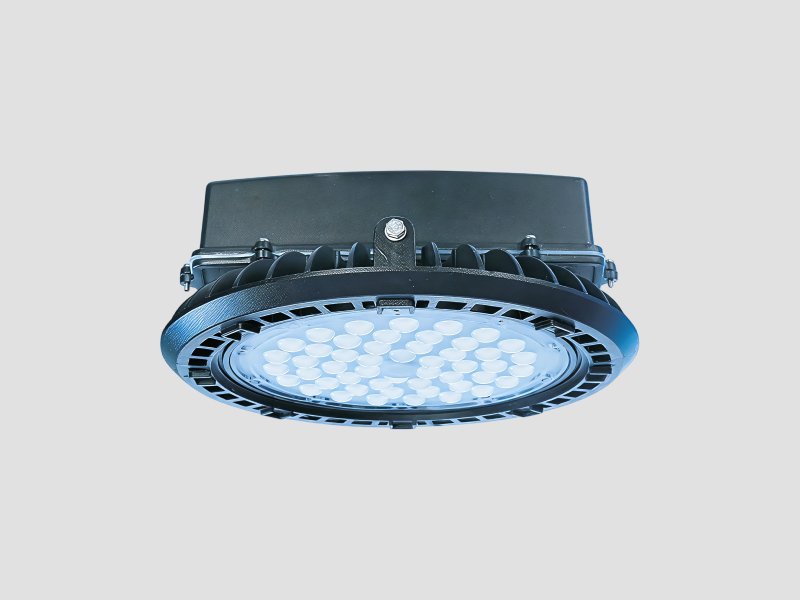
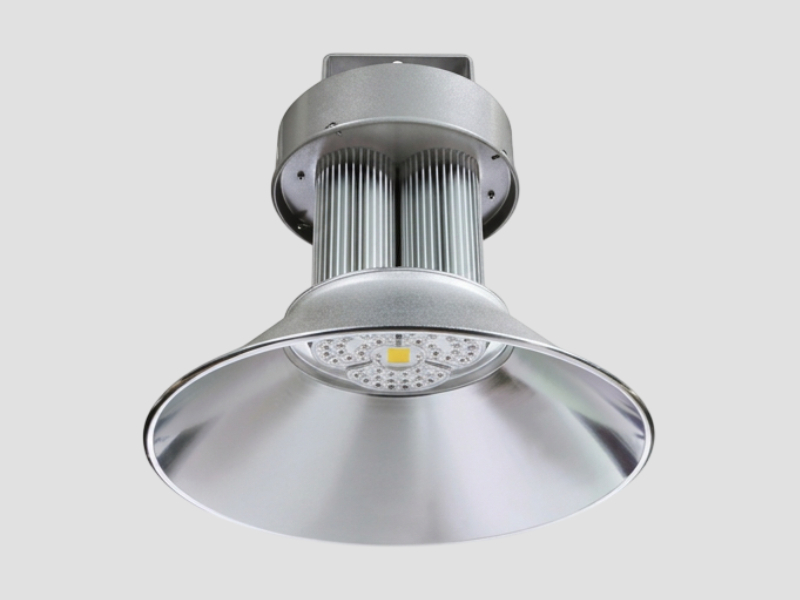
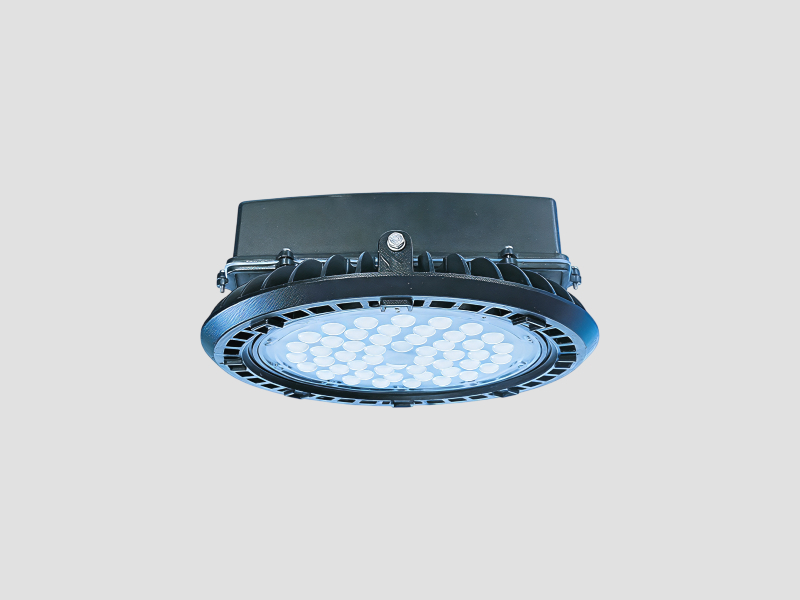
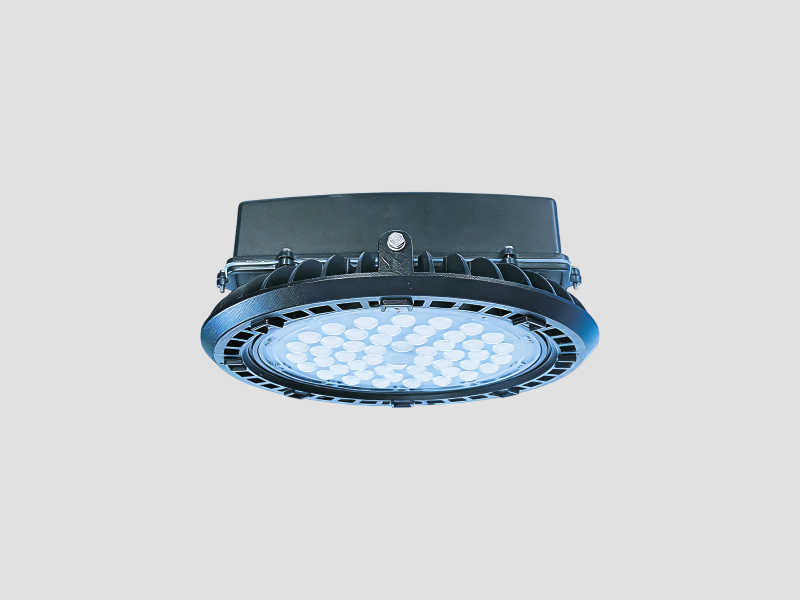
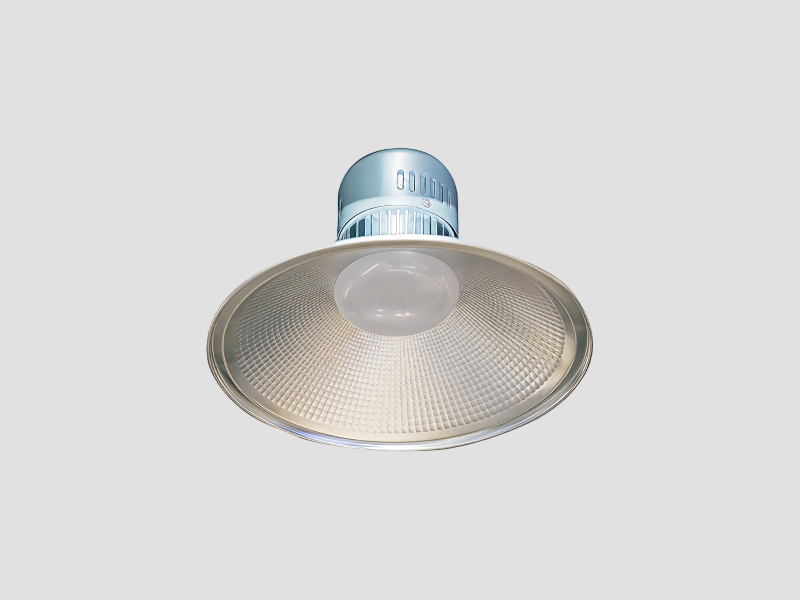
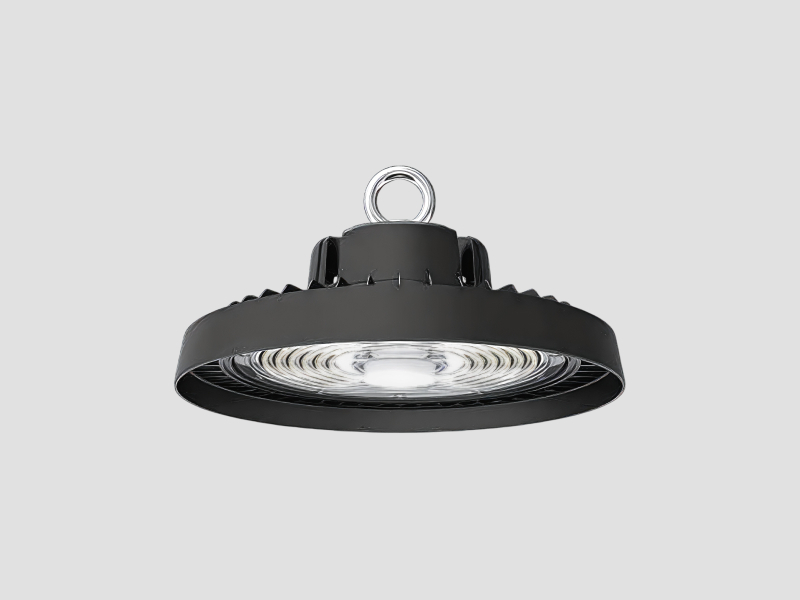
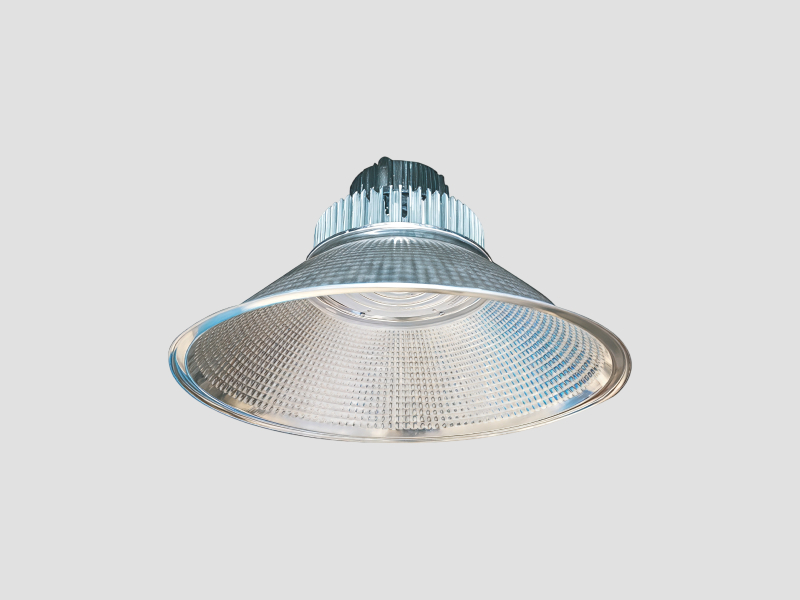
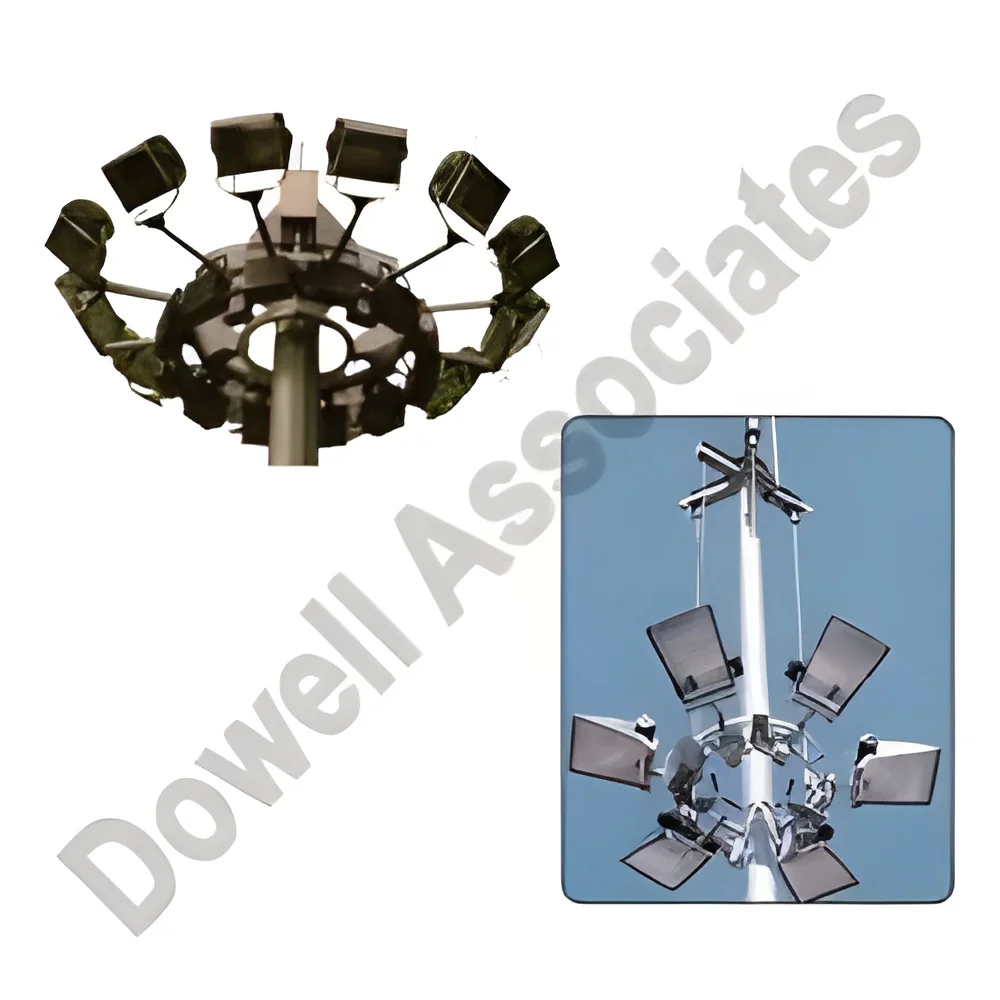
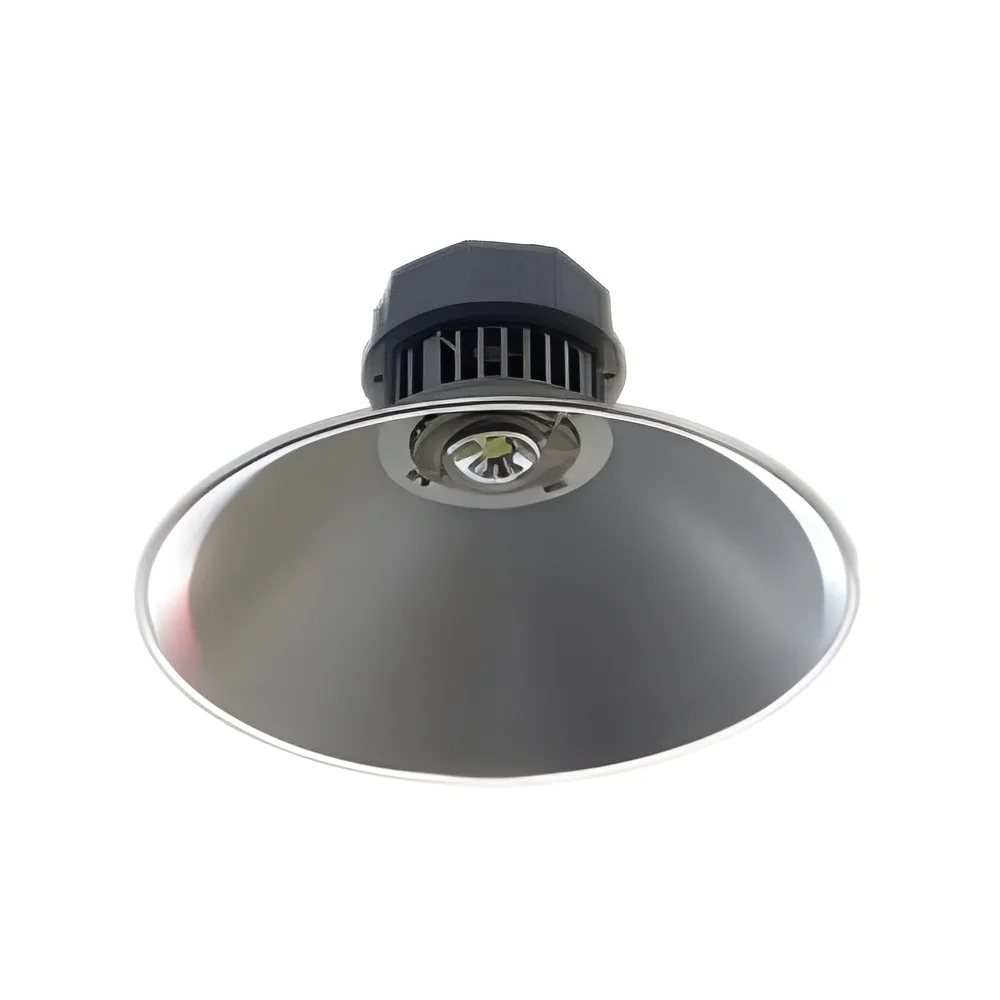
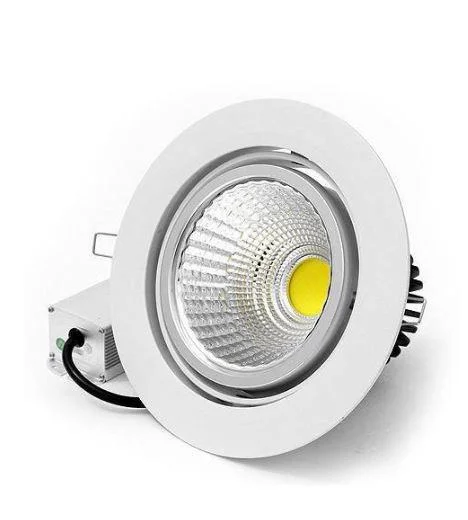
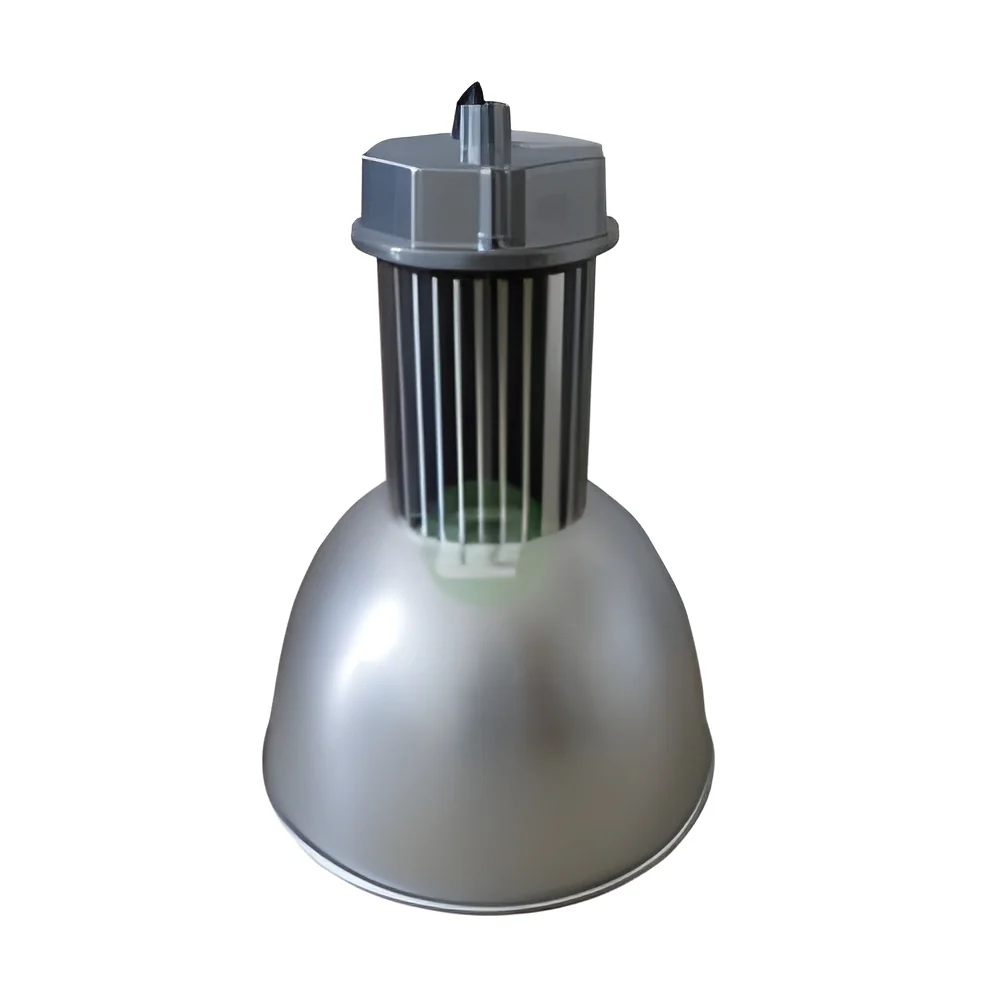
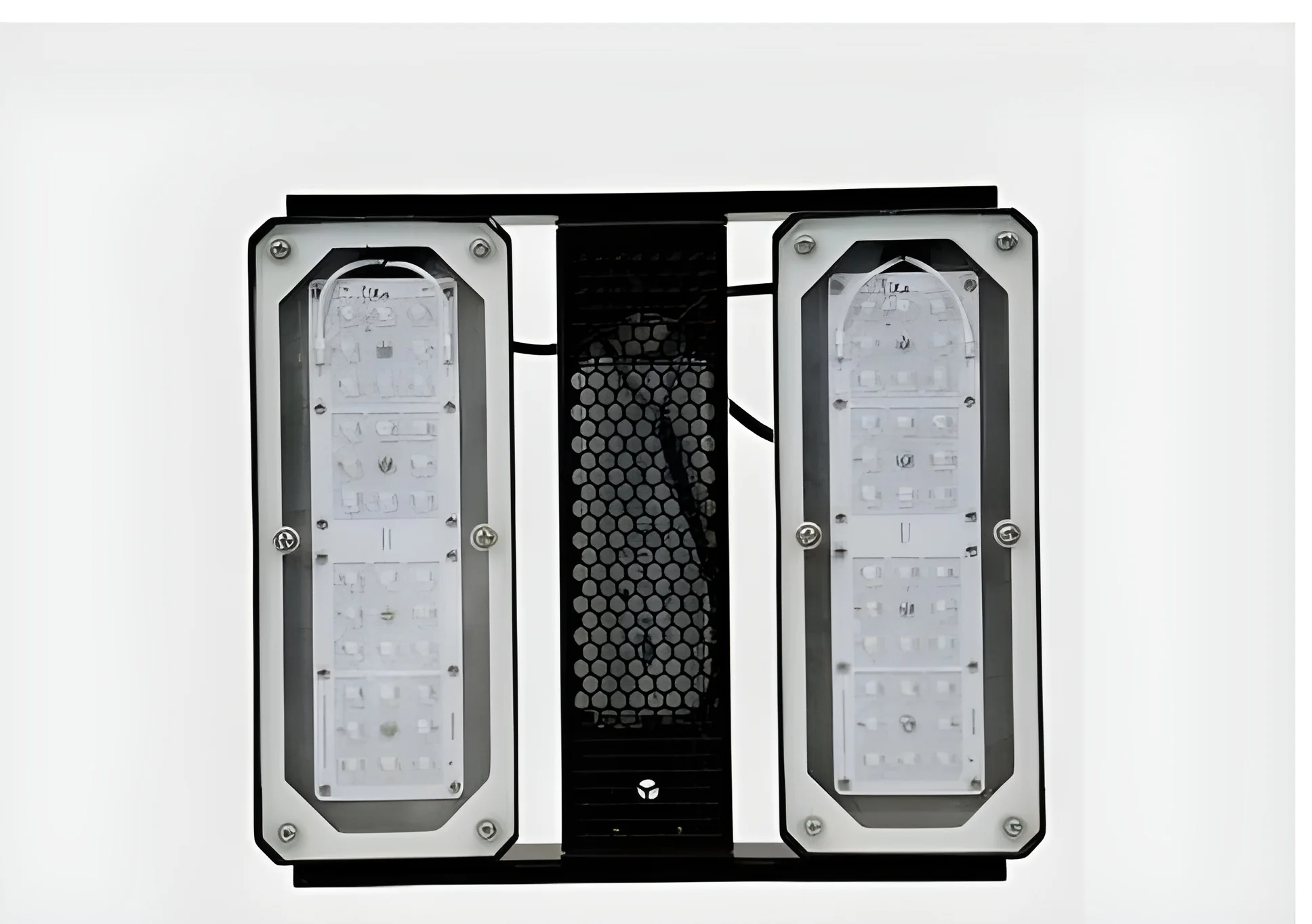
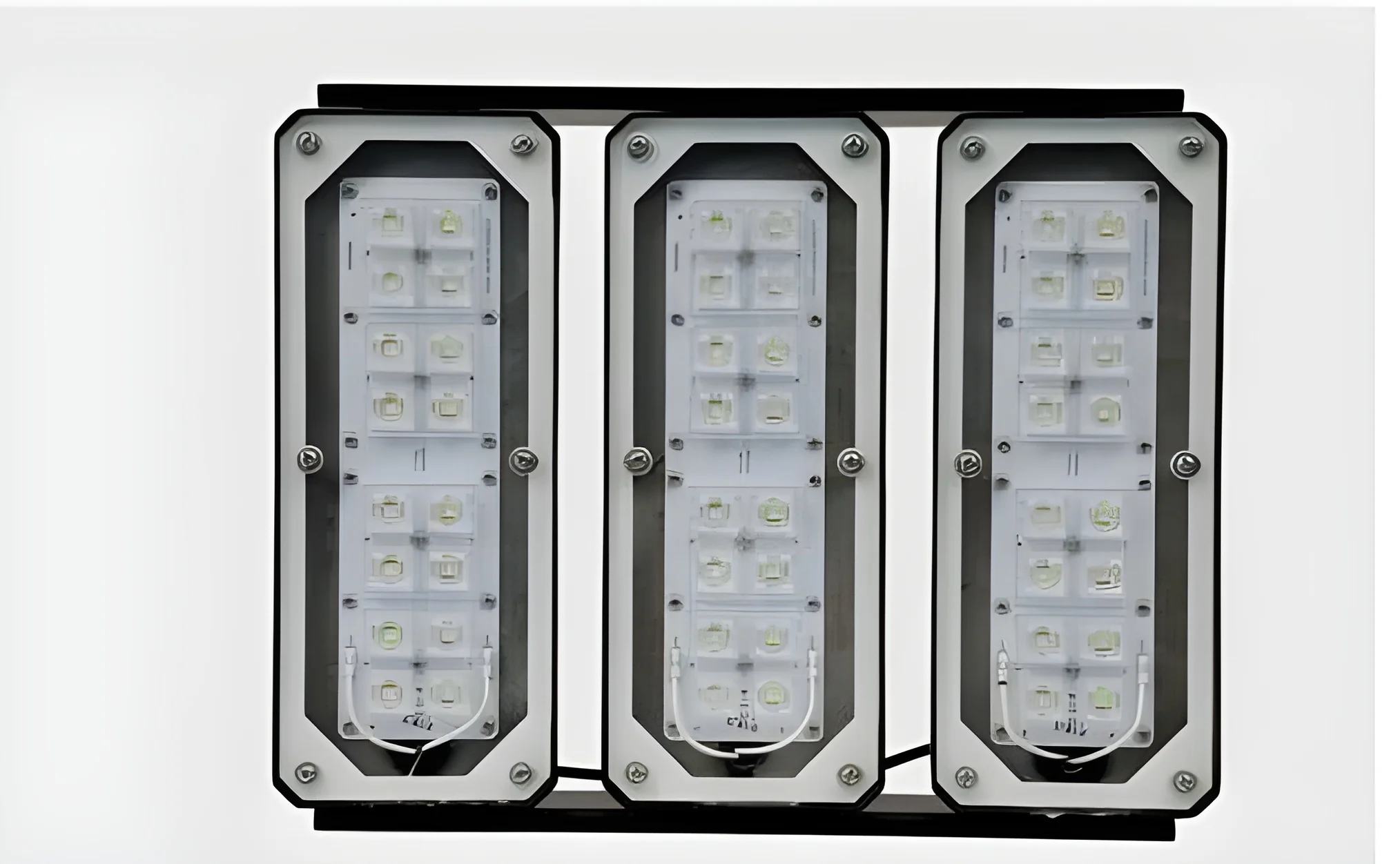
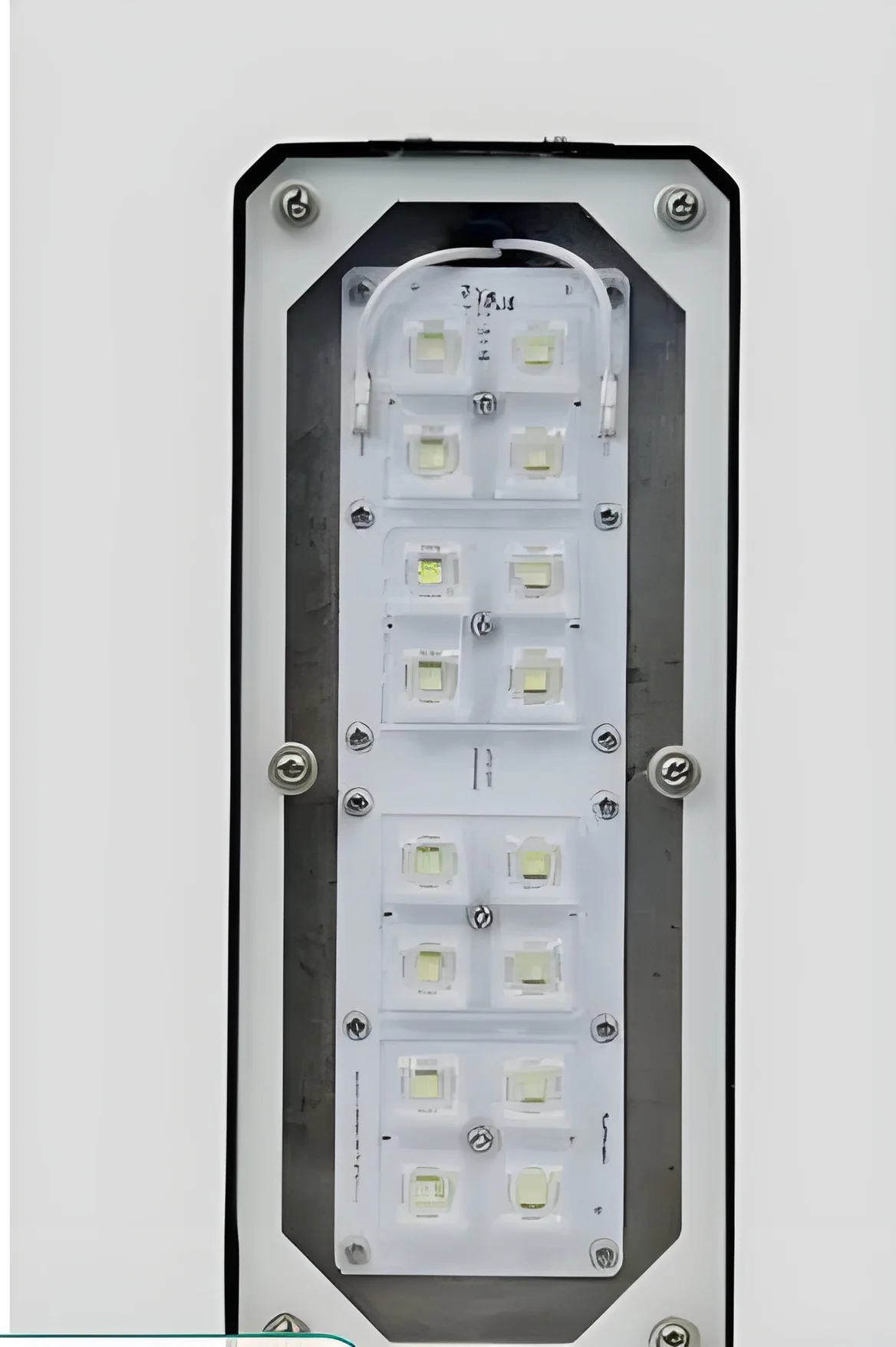
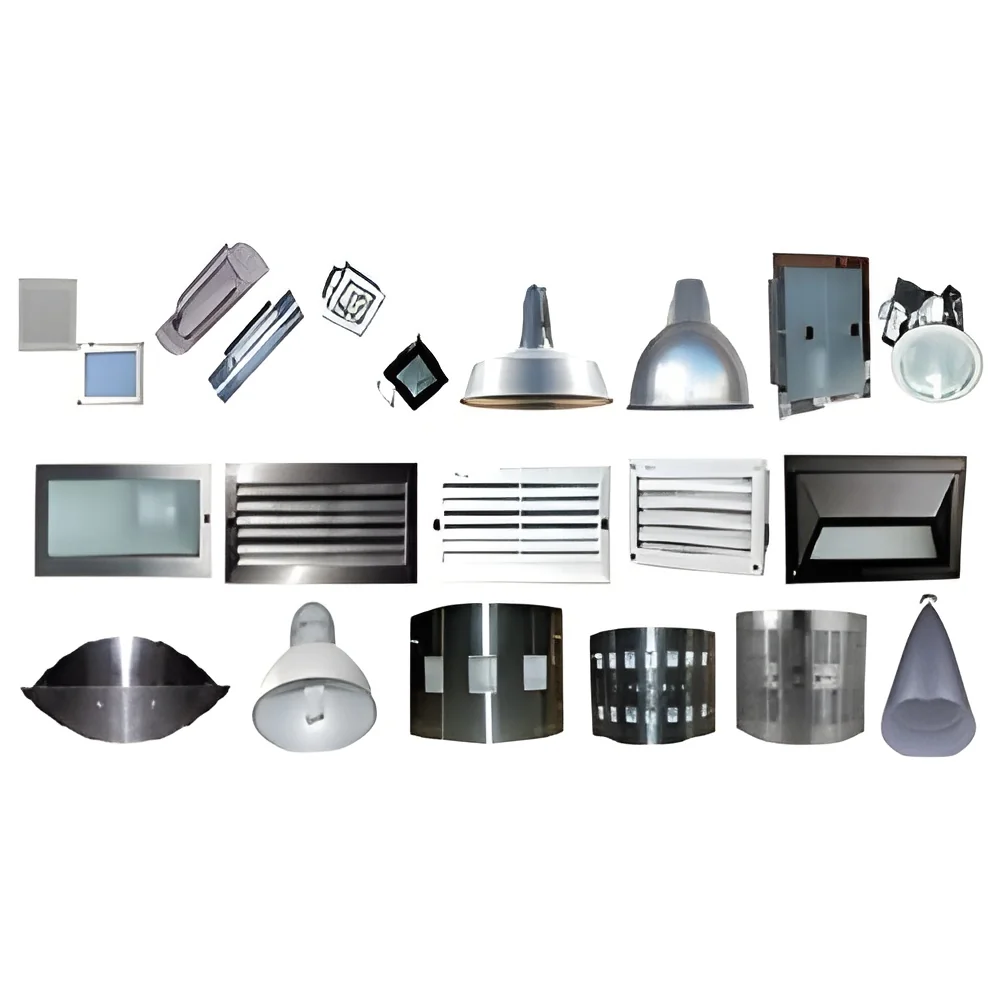
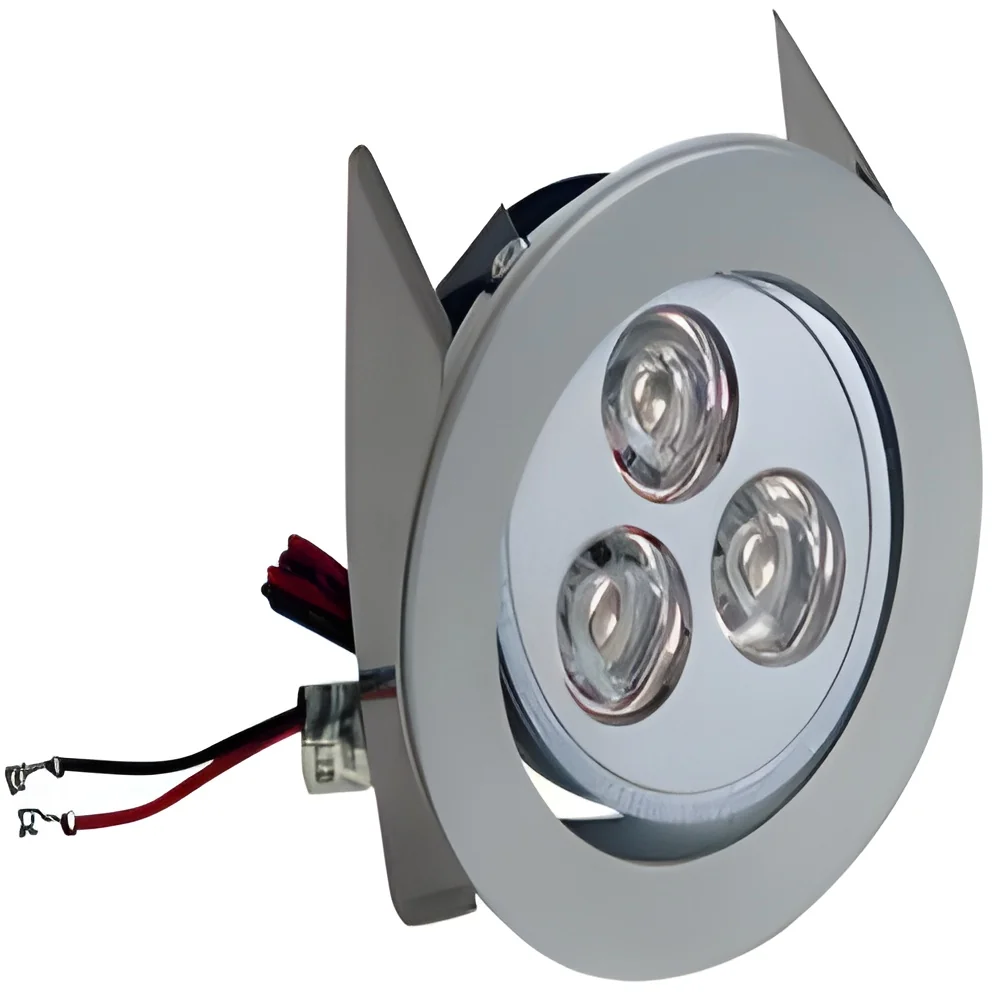
What are High Bay & Low Bay Lights?
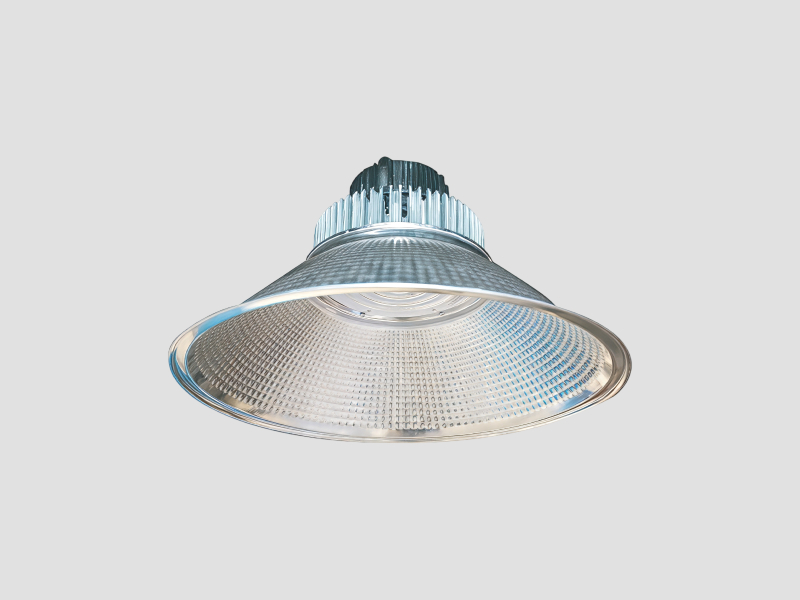
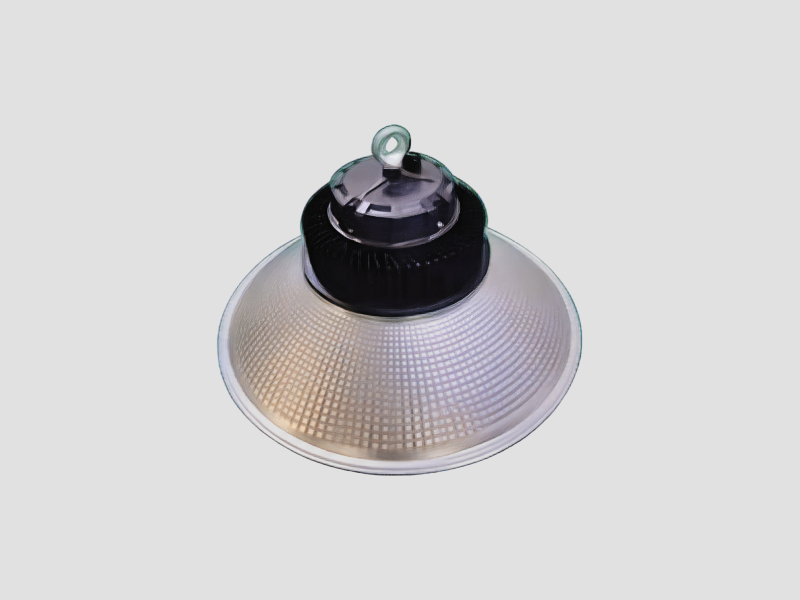
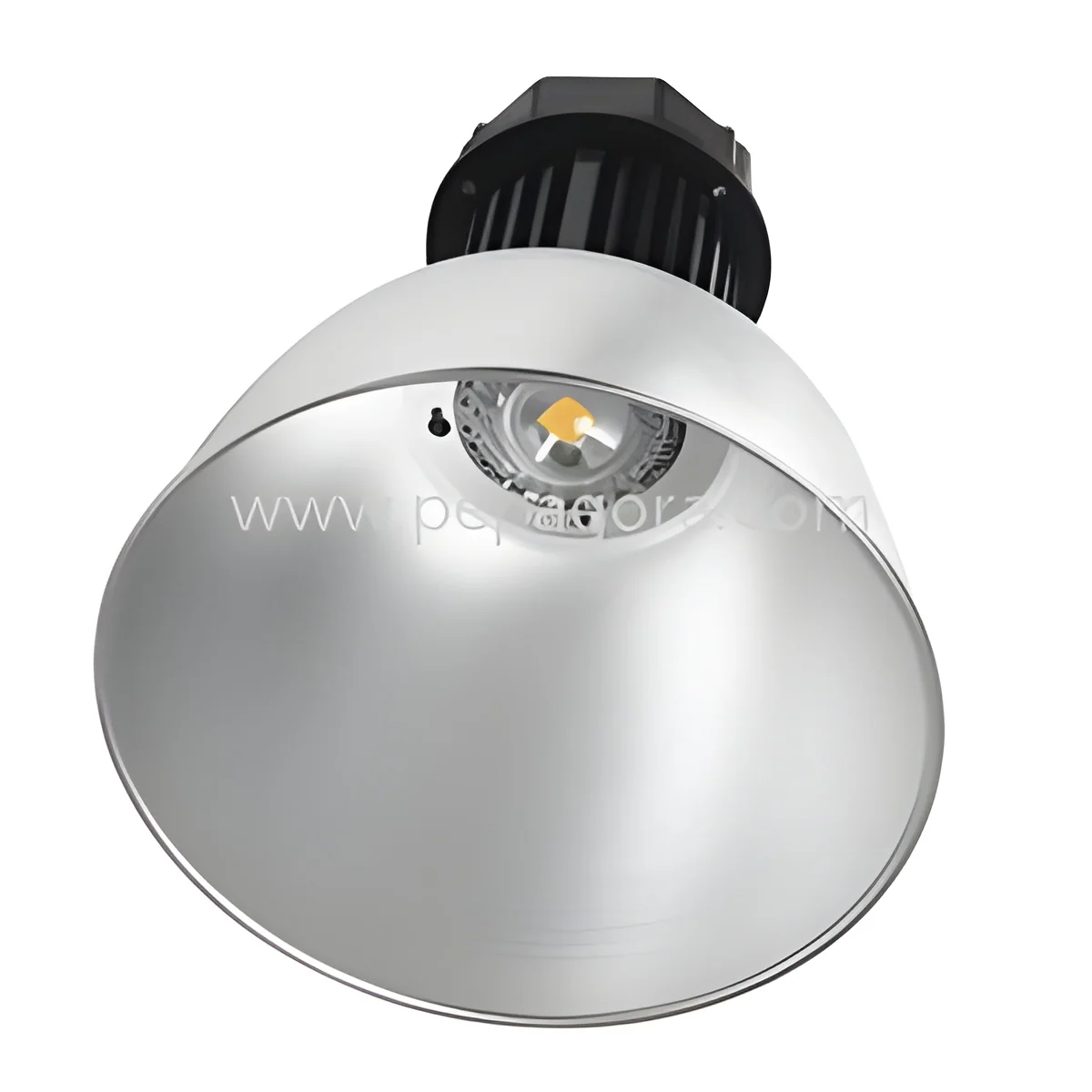
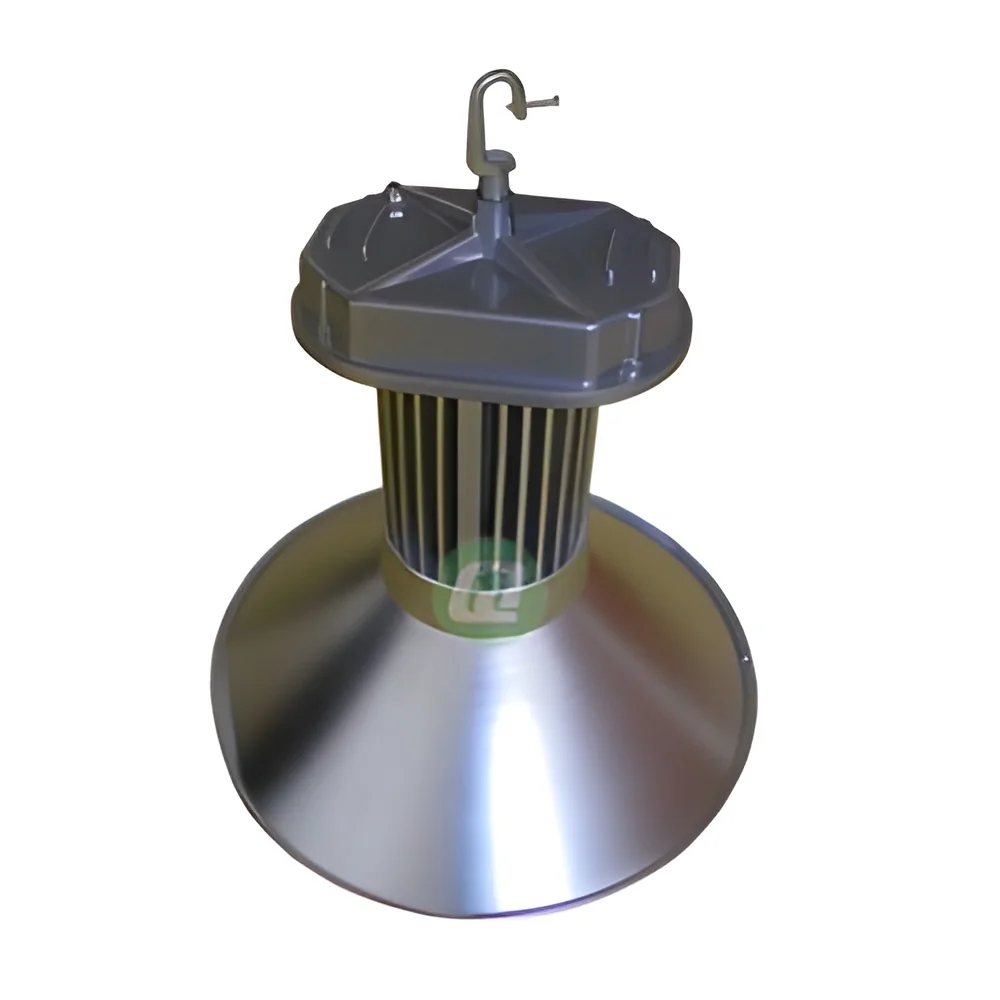
High Bay and Low Bay Lights are specialized lighting solutions designed for industrial, commercial, and warehouse spaces. High Bay Lights are typically used in areas with high ceilings, generally over 20 feet, and are engineered to provide intense illumination over large spaces. Low Bay Lights, on the other hand, are used for ceilings that are lower than 20 feet. These lights are designed to cast light over a smaller area but are equally efficient in providing necessary visibility.
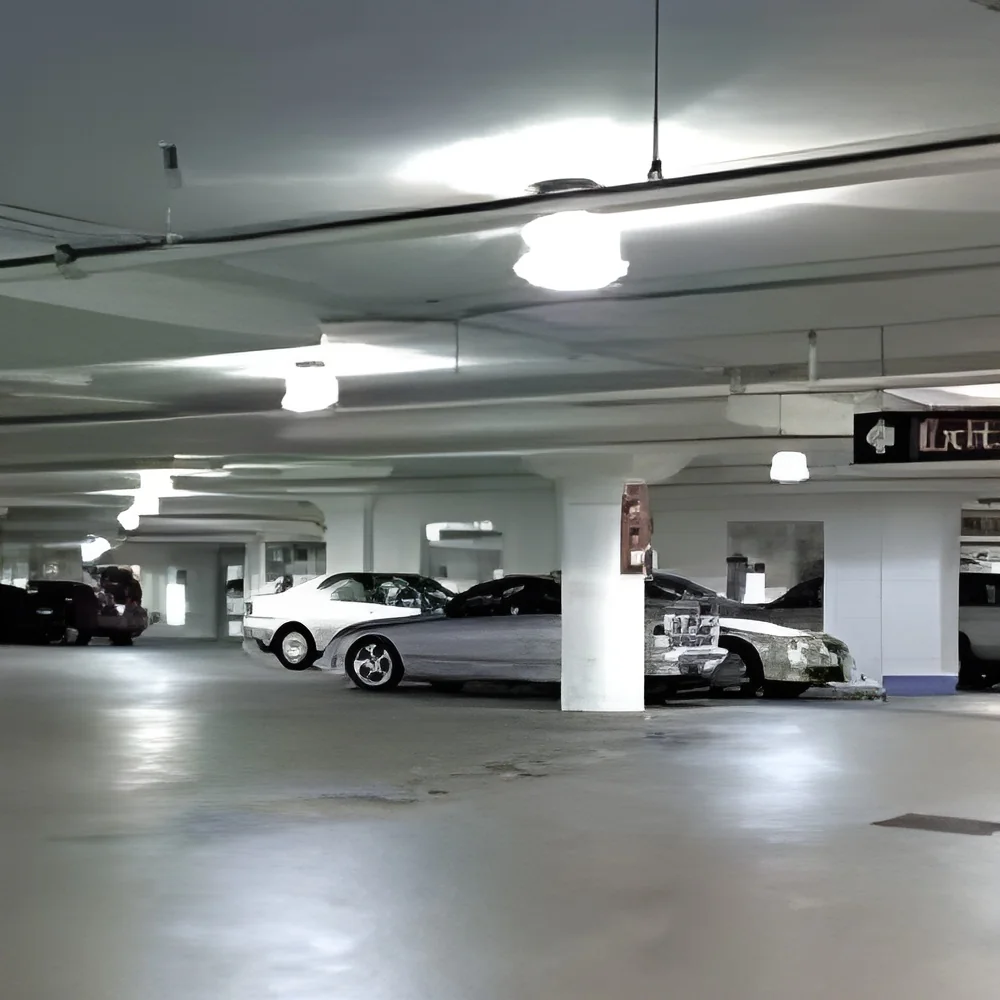
These lighting solutions find extensive applications in various business environments. High Bay Lights are commonly used in warehouses, gymnasiums, manufacturing plants, and large retail spaces where high ceilings are prevalent. Low Bay Lights are ideal for areas such as retail stores, workshops, and parking garages. Their relevance in the industry is underscored by the increasing demand for energy-efficient lighting solutions that reduce operational costs while enhancing visibility and safety.
Key Features and Specifications
High Bay and Low Bay Lights offer a myriad of features tailored for specific lighting needs. Their specifications encompass diverse requirements that facilitate effective lighting solutions for various environments.
Key specifications include:
1. Light Output
- Measured in lumens, indicating the brightness of the light.
- High Bay Lights typically range from 15,000 to 30,000 lumens, while Low Bay Lights range from 3,000 to 10,000 lumens.
2. Wattage
- Refers to the power consumption of the lights.
- High Bay Lights generally consume between 100 to 400 watts, while Low Bay Lights range from 50 to 150 watts.
3. Color Temperature
- Measured in Kelvin, affecting the ambiance of the space.
- High Bay Lights often come in color temperatures of 4000K to 5000K, while Low Bay Lights are available from 3000K to 4000K.
4. Lifespan
- Indicates how long the lights are expected to last.
- Both High Bay and Low Bay Lights can have a lifespan of up to 50,000 hours.
5. Beam Angle
- Determines the spread of light emitted.
- High Bay Lights usually have a beam angle of 90 to 120 degrees, while Low Bay Lights may have a narrower angle of 60 to 90 degrees.
6. Installation Type
- Refers to how the lights are mounted.
- High Bay Lights can be suspended or mounted directly, while Low Bay Lights are often surface-mounted.
7. Energy Efficiency
- Measured by lumens per watt.
- High Bay and Low Bay Lights often exceed 100 lumens per watt.
8. Certifications
- Indicates compliance with industry standards.
- Many lights come with CE certification, ensuring safety and quality.
In summary, High Bay and Low Bay Lights are designed with specific features that cater to distinct applications, enhancing both functionality and efficiency in various settings.
Common Applications and Use Cases
High Bay and Low Bay Lights play a crucial role across multiple industries, providing essential lighting solutions tailored for specific environments.
1. Warehousing: High Bay Lights are commonly used in warehouses to ensure bright illumination across expansive spaces, aiding in inventory management and safety.
2. Manufacturing: Both High Bay and Low Bay Lights support production lines by offering adequate lighting, enhancing worker visibility, and reducing accidents.
3. Retail: Low Bay Lights are utilized in retail environments to highlight products effectively and create an inviting shopping atmosphere.
4. Gymnasiums: High Bay Lights provide the necessary brightness for sports activities, ensuring safety and visibility for athletes and spectators.
5. Automotive: Low Bay Lights are ideal for service bays in automotive workshops, as they offer targeted lighting for detailed work.
6. Parking Structures: Low Bay Lights enhance safety in parking garages, providing sufficient lighting for vehicles and pedestrians.
7. Logistics: High Bay Lights support loading docks and logistics centers, ensuring efficient operations in goods handling and movement.
Product Variants and Subcategories
High Bay and Low Bay Lights come in various configurations and designs, catering to different operational requirements.
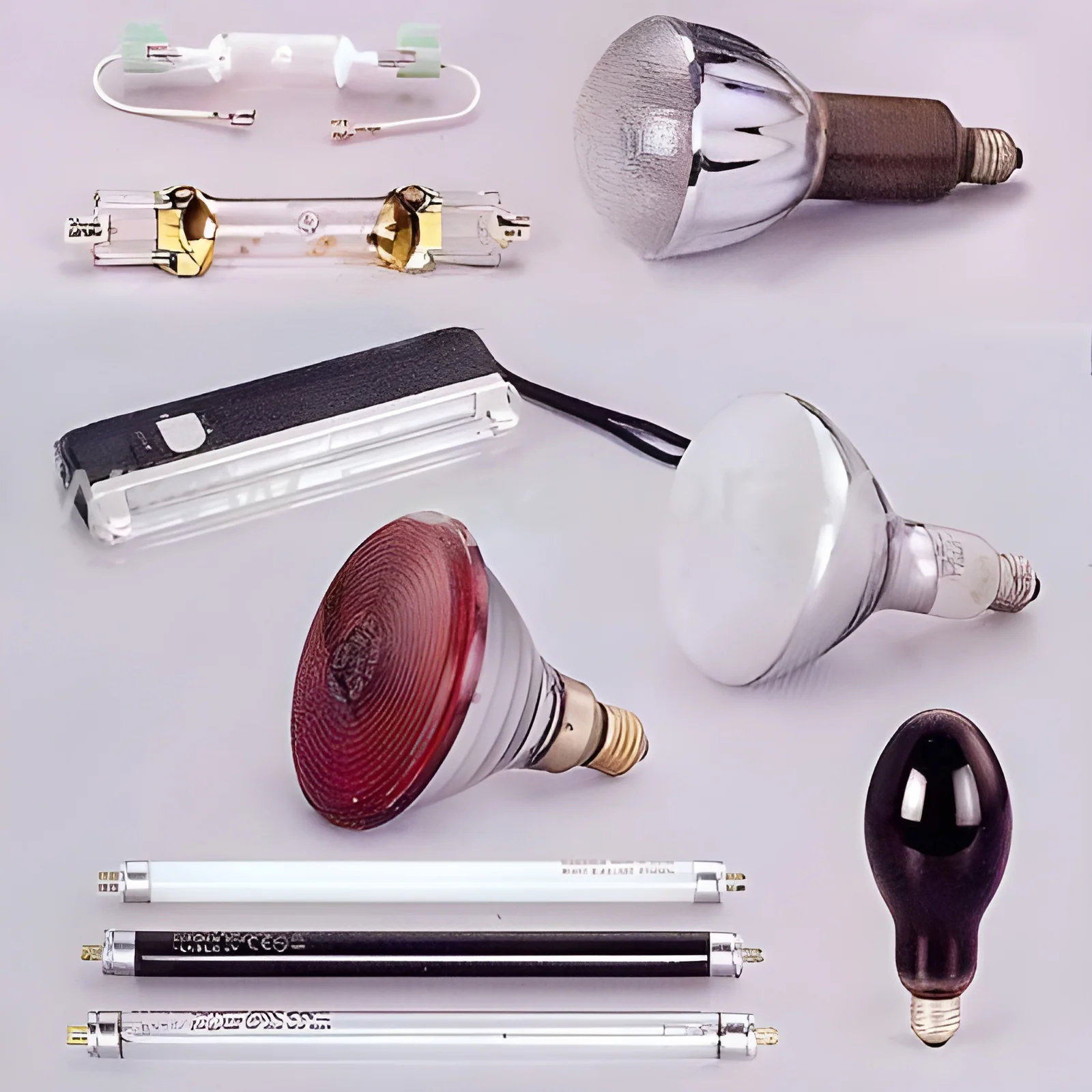
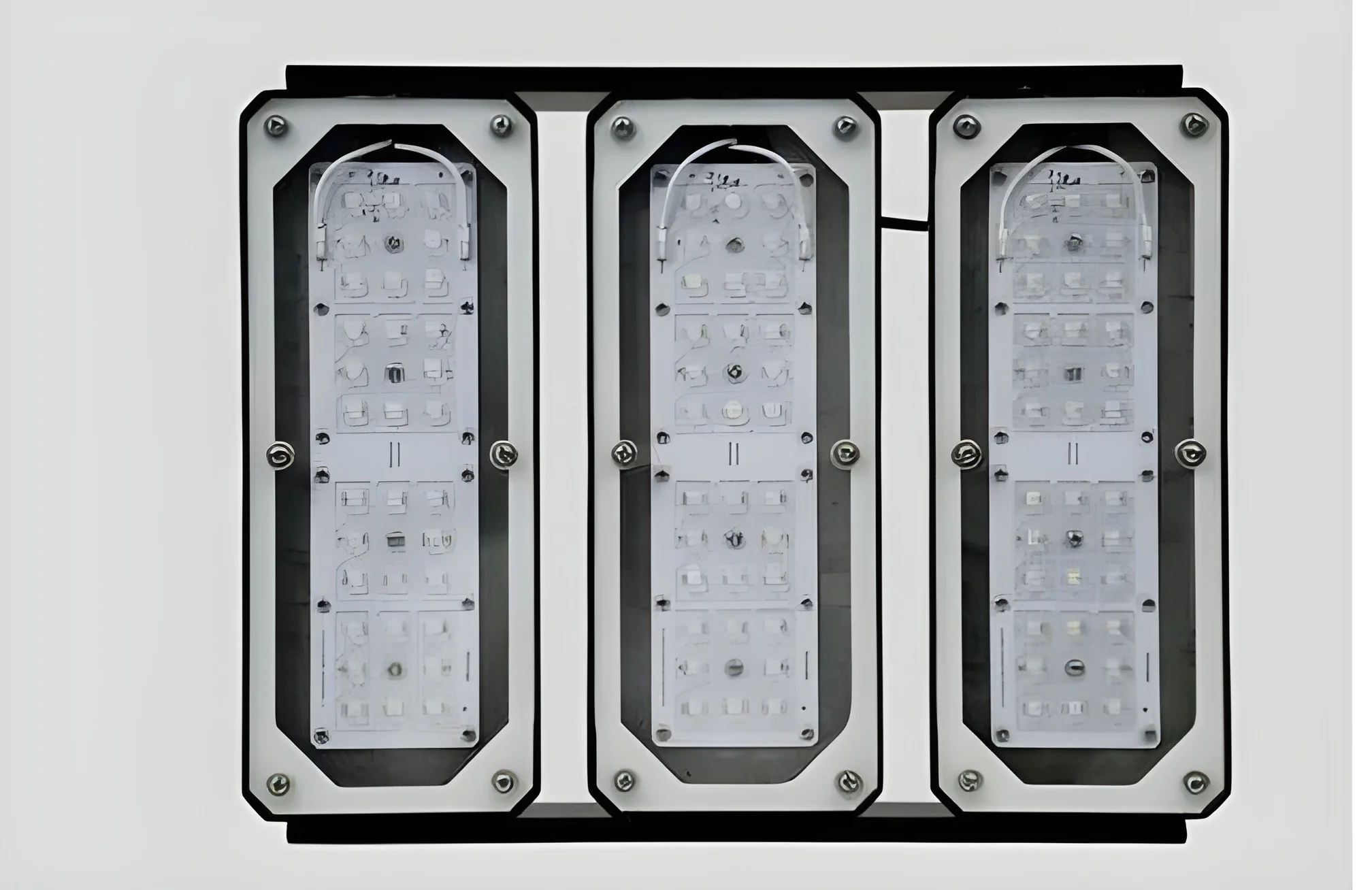
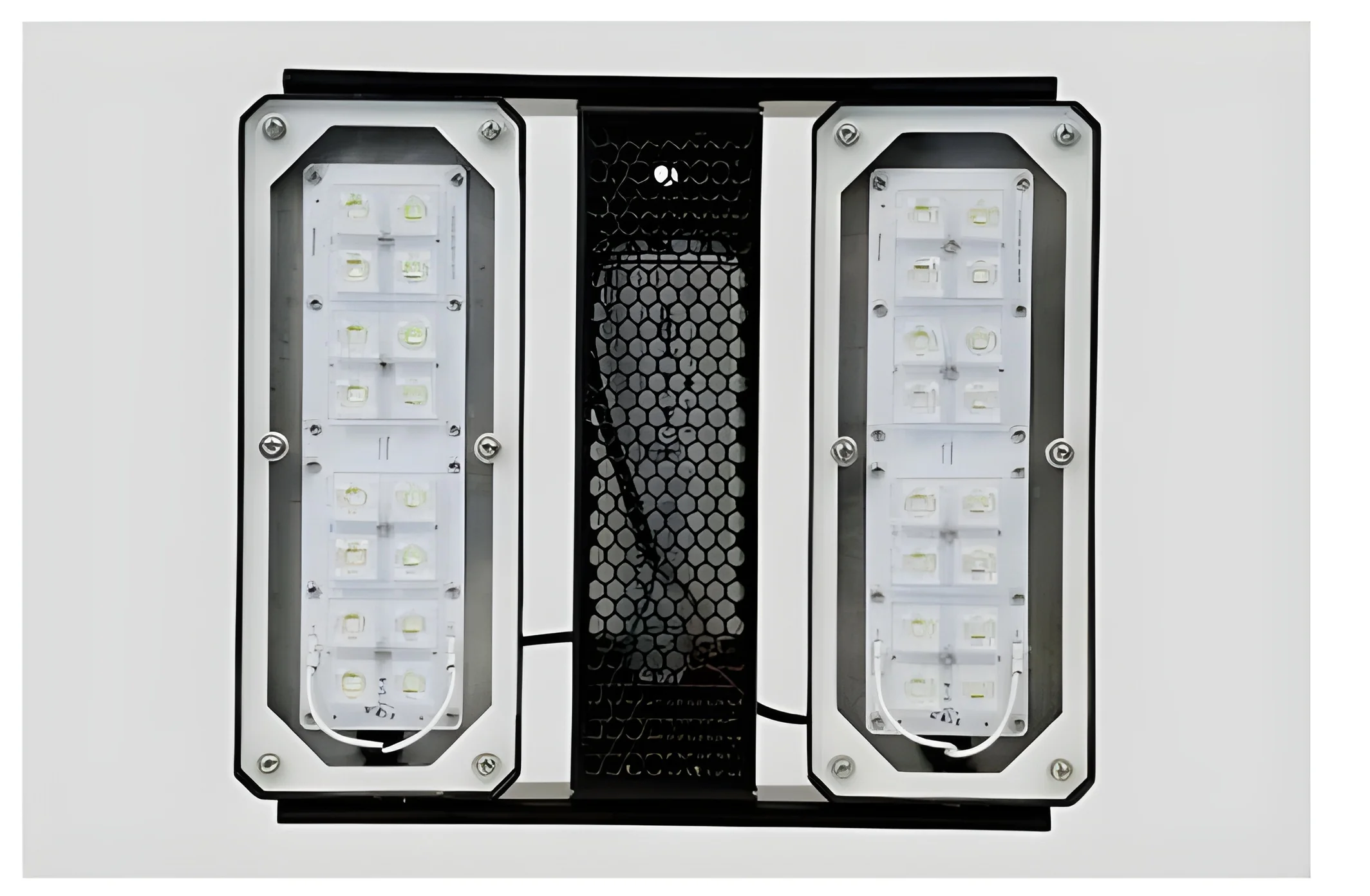
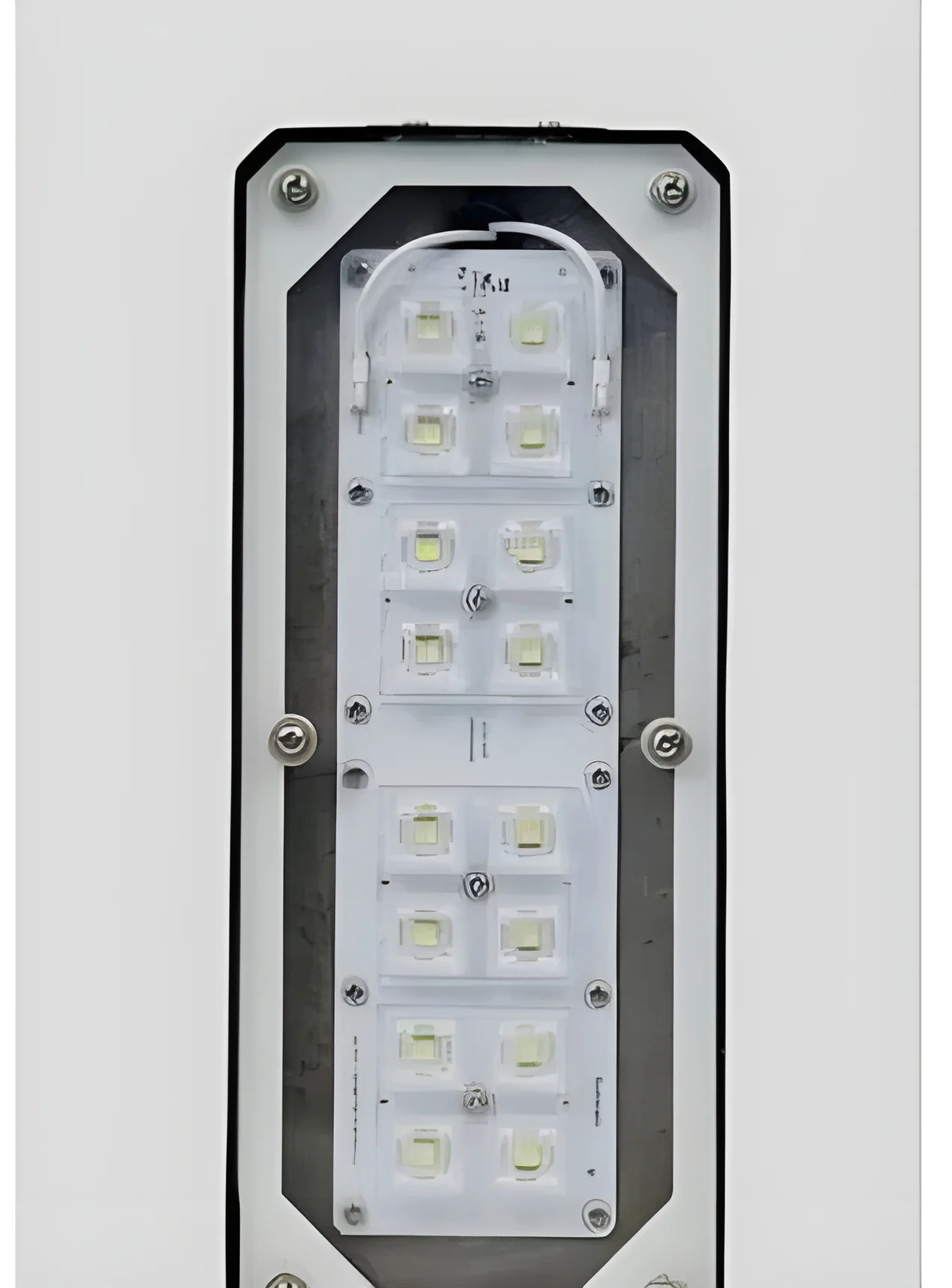
LED High Bay Lights: These lights provide energy-efficient illumination with a longer lifespan compared to traditional lighting. They are ideal for warehouses and manufacturing plants.
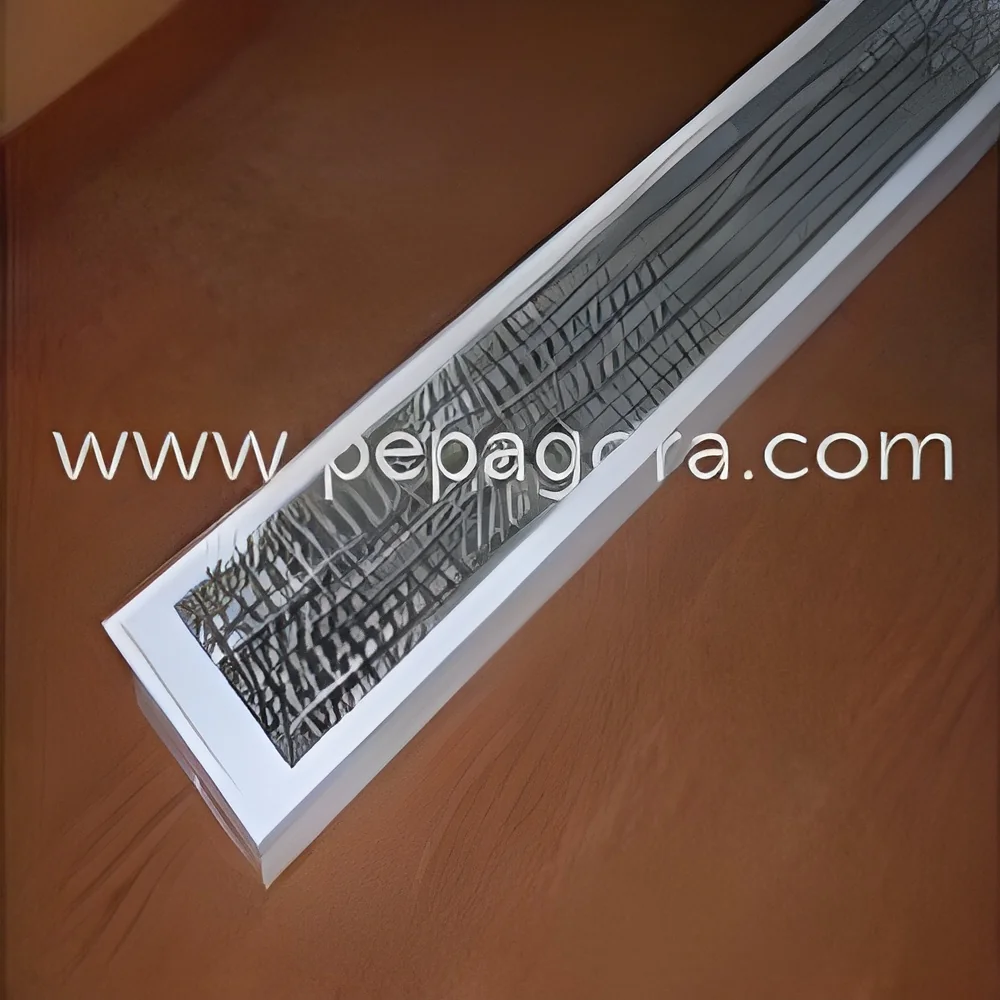
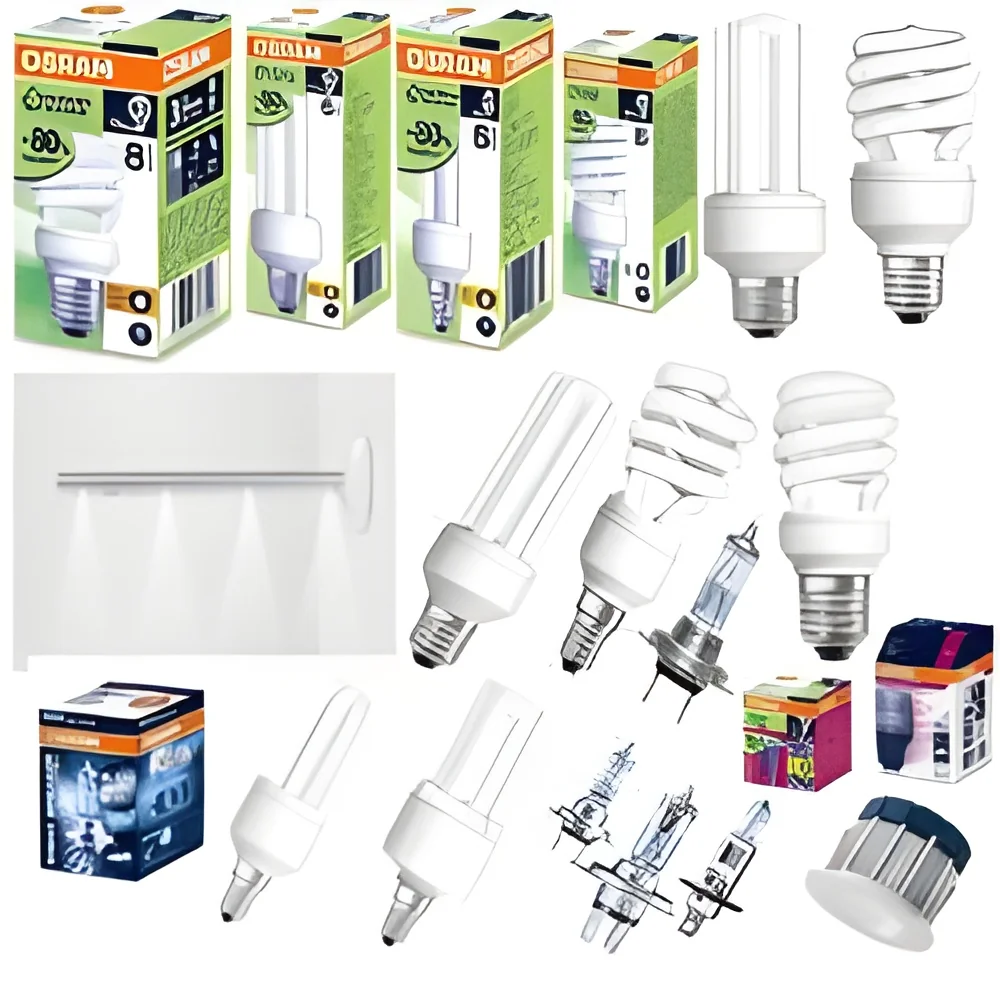
Fluorescent High Bay Lights: These lights are commonly used in environments where cost-effectiveness is a priority. They offer good brightness but may have shorter lifespans.
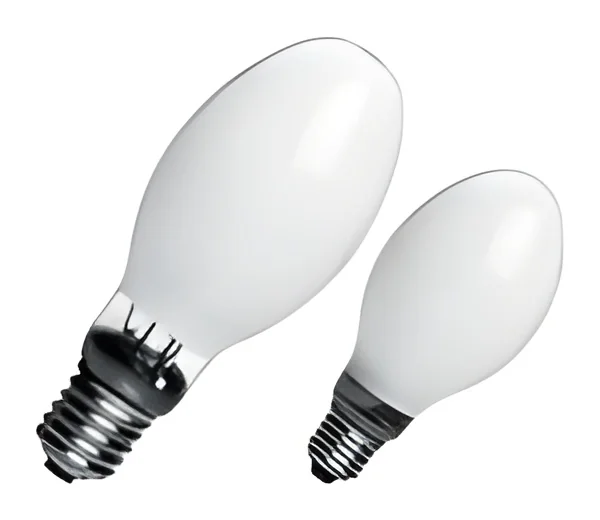
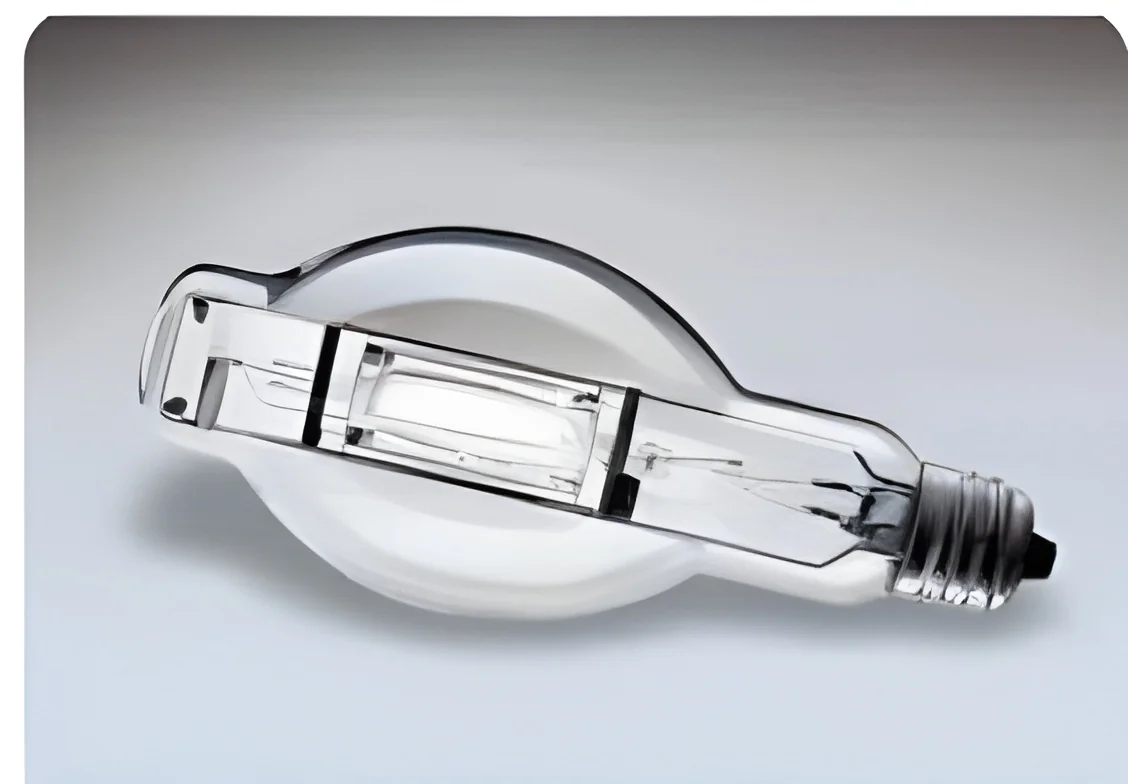
Metal Halide High Bay Lights: Known for their high lumen output, these lights are suitable for large spaces but are less energy-efficient compared to LEDs.
LED Low Bay Lights: These are compact and energy-efficient, perfect for retail and storage areas with lower ceilings.
Fluorescent Low Bay Lights: Often used in commercial settings, these lights provide reliable performance at lower costs.
Benefits and Advantages
Choosing High Bay and Low Bay Lights offers numerous advantages for businesses seeking efficient lighting solutions.
1. Energy Efficiency: These lights consume less power, leading to reduced utility bills and lower carbon footprints.
2. Long Lifespan: With a lifespan of up to 50,000 hours, they require less frequent replacements, lowering maintenance costs.
3. Enhanced Visibility: They provide bright and uniform lighting, improving safety and productivity in work environments.
4. Versatility: Suitable for a range of applications, from warehouses to retail spaces, making them a versatile lighting solution.
5. Easy Installation: Many models are designed for straightforward installation, minimizing downtime during setup.
6. Cost-Effectiveness: The initial investment is often offset by long-term savings on energy and maintenance.
Buying Guide for B2B Buyers
When sourcing High Bay and Low Bay Lights, several factors should be prioritized to ensure the best purchase decision.
1. Quality Assessment: Evaluate the quality of lighting products by examining certifications and reviews. Look for lights that meet high industry standards.
2. Supplier Verification: Conduct thorough research on suppliers, checking their reputation, reliability, and customer feedback to ensure they can deliver quality products.
3. Pricing and MOQ: Understand the pricing structure and minimum order quantities, as these can vary significantly between suppliers.
4. Delivery and Lead Times: Discuss logistics with suppliers to ensure timely delivery of products, as delays can impact operations.
5. Compliance Requirements: Ensure that the lights meet local regulations and safety standards, which can vary by region.
Compliance and Certifications
Compliance with industry standards is critical for High Bay and Low Bay Lights to ensure safety and quality in operations. Relevant quality standards such as ISO 9001 guarantee that products are manufactured under strict quality management systems.
Additionally, CE certification is essential, indicating that the lights meet European health, safety, and environmental protection standards. This certification is particularly important for businesses operating in or importing products from Europe.
Safety and testing requirements also play a crucial role, as these lights must undergo rigorous testing to ensure they perform reliably under various conditions. Furthermore, regional compliance considerations must be addressed, as different areas may impose unique regulations regarding lighting solutions.
Why Source High Bay & Low Bay Lights from Pepagora?
Pepagora offers a trusted platform for sourcing High Bay and Low Bay Lights with several key advantages that enhance the buying experience.
Verified Supplier Network: Pepagora connects buyers with a network of verified suppliers, ensuring that only reputable vendors are available for consideration. This reduces the risk of substandard products and ensures quality.
Streamlined RFQ Process: The request for quotation (RFQ) process at Pepagora is designed to be efficient, allowing buyers to quickly gather quotes from multiple suppliers. This transparency helps in making informed purchasing decisions.
Trade Assurance and Support: Pepagora provides trade assurance, giving buyers peace of mind with protection against potential issues during the transaction. Support teams are available to assist with any queries or concerns, ensuring a smooth purchasing experience.
Regional Coverage: Pepagora extends its services across various regions, including India, GCC, and Southeast Asia. This broad geographic reach allows businesses in different markets to access quality lighting solutions tailored to their specific needs.

 IN
IN