What are Emergency & Exit Lights?
Emergency and exit lights are crucial safety devices designed to illuminate paths and exits during power outages or emergencies. These lights ensure that individuals can safely evacuate buildings in the event of a fire, blackout, or other hazardous situations. They are typically installed in various commercial and industrial settings, complying with safety regulations to provide reliable illumination.
The primary uses of emergency and exit lights include marking escape routes and providing adequate lighting in stairwells, corridors, and exit doors. Businesses across different sectors, such as healthcare, education, hospitality, and manufacturing, utilize these lights to enhance safety protocols. Their importance is underscored by local building codes and safety standards that mandate their installation in many facilities.
In today's market, emergency and exit lights are increasingly relevant due to heightened awareness of safety and emergency preparedness. As industries prioritize employee and visitor safety, the demand for reliable lighting solutions has grown. This trend is reflected in ongoing innovations in technology and design, offering businesses more efficient and sustainable lighting options.
Key Features and Specifications
Emergency and exit lights come with a range of features and specifications that cater to various safety needs. Understanding these specifications is essential for selecting the right products for your facility.
Key specifications include:
1. Power Source
- Battery-operated or hardwired options
- Backup battery life typically ranges from 90 minutes to 4 hours
2. Light Output
- Illumination levels measured in lumens
- Common output ranges from 50 to 200 lumens
3. Housing Material
- Constructed from durable materials such as polycarbonate or steel
- Weather-resistant options available for outdoor use
4. Installation Type
- Ceiling-mounted, wall-mounted, or portable designs
- Some models offer flexibility for various installation settings
5. Testing and Maintenance Features
- Self-testing capabilities to ensure functionality
- Regular maintenance schedules recommended for optimal performance
6. Compliance Standards
- Conforms to safety regulations such as UL 924 and NFPA 101
- CE certification indicating compliance with European safety standards
In summary, selecting the right emergency and exit lights involves understanding their key features and specifications. This ensures that businesses are equipped with reliable lighting solutions that meet safety requirements.
Common Applications and Use Cases
Emergency and exit lights are versatile products used across numerous industries to enhance safety protocols.
1. Healthcare: Hospitals and clinics use emergency lights to guide patients and staff during evacuations or power outages, ensuring safe exits from complex facilities.
2. Education: Schools and universities install exit lights in hallways and classrooms to provide clear evacuation paths during emergencies, contributing to student safety.
3. Hospitality: Hotels and restaurants rely on emergency lighting to assist guests in finding exits during critical situations, enhancing overall guest experience and safety.
4. Manufacturing: Factories and warehouses implement lighting solutions to ensure visibility in emergency situations, protecting employees and maintaining operational efficiency.
5. Retail: Stores utilize exit signs and emergency lights to guide customers safely out of the building in case of an emergency, adhering to safety regulations.
6. Transportation: Airports and train stations install these lights to ensure passenger safety during evacuations and to highlight exit routes in large, complex environments.
Product Variants and Subcategories
Emergency and exit lights come in various designs, each catering to specific needs and applications.
Wall-Mounted Exit Lights: These are designed to be installed on walls, providing clear visibility of exit routes. They often feature illuminated exit signs that are easily recognizable.
Ceiling-Mounted Emergency Lights: Suitable for larger spaces, these lights provide broad illumination. They are ideal for warehouses and open areas needing extensive coverage.
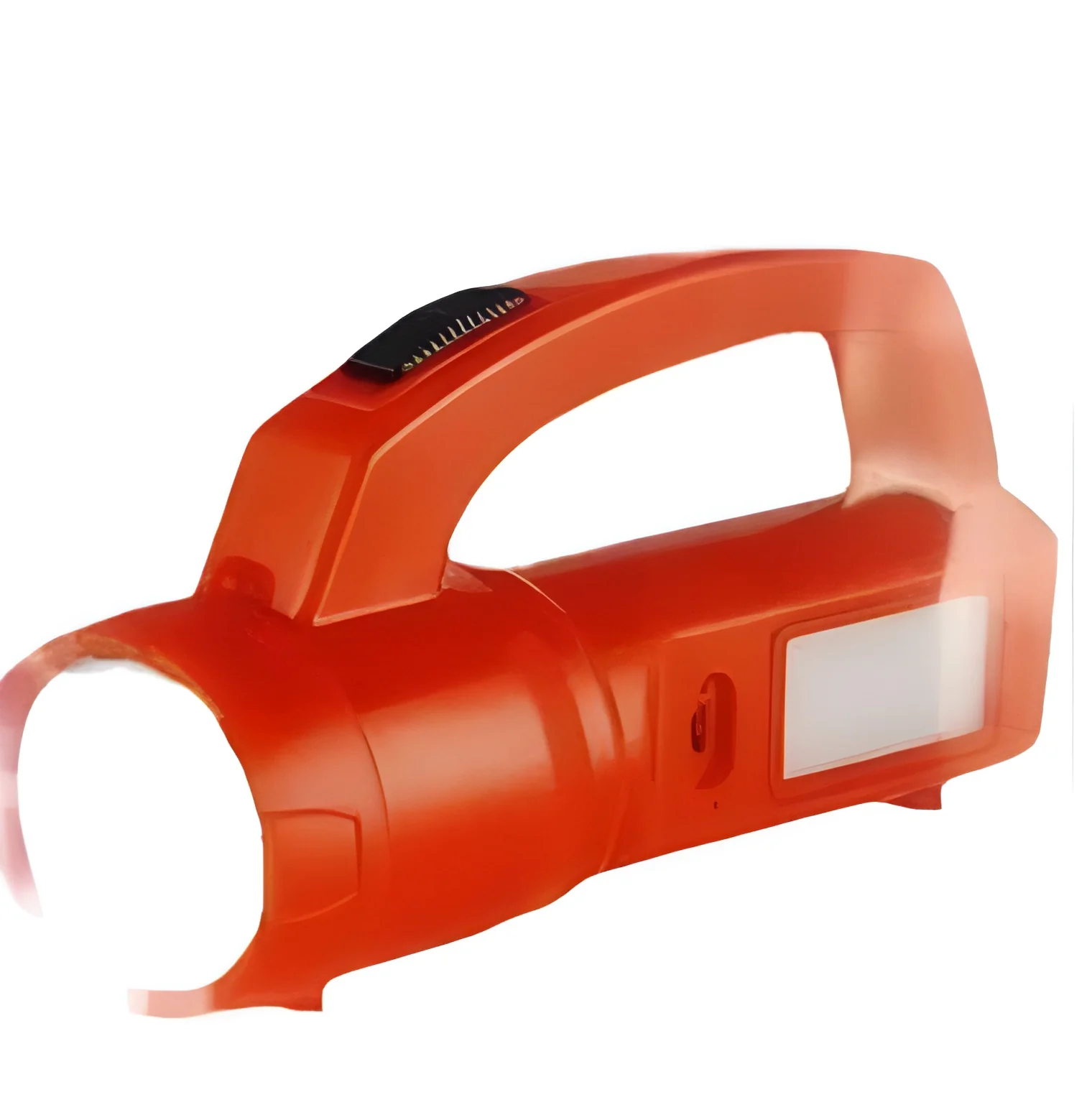
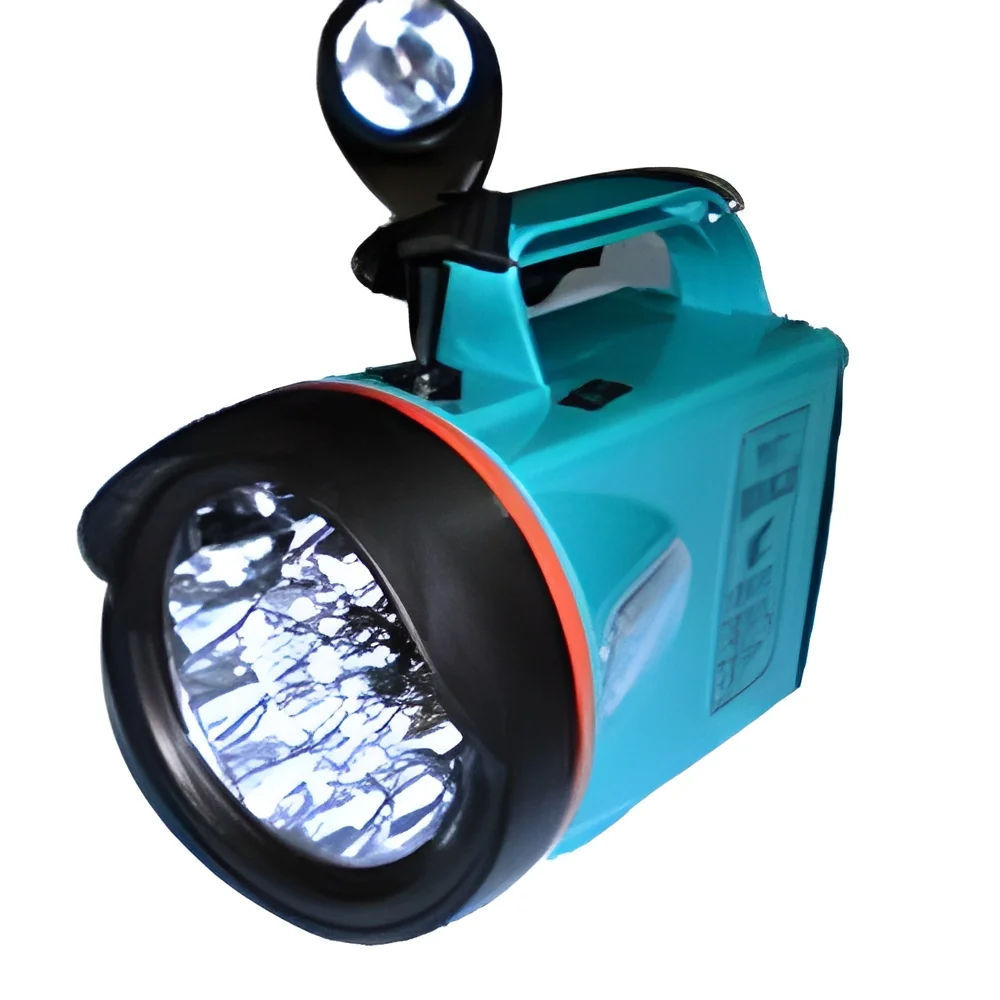
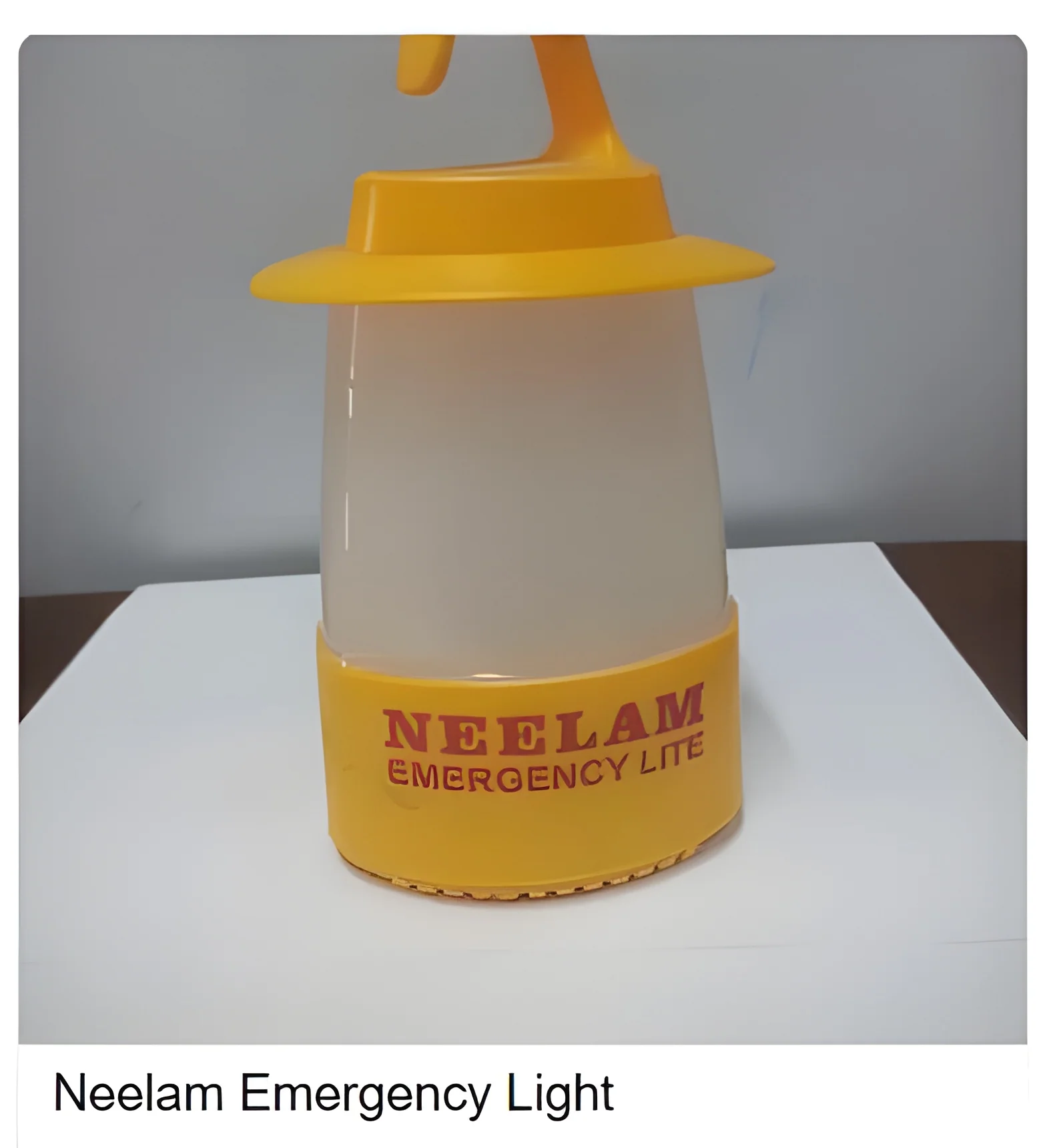
Portable Emergency Lights: These battery-operated lights are designed for mobility. They can be easily moved to different locations as needed, making them ideal for temporary setups or outdoor events.
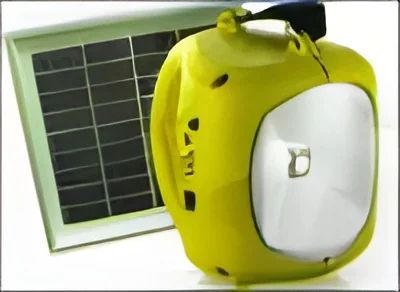
Solar-Powered Exit Lights: These environmentally friendly lights harness solar energy to operate. They are particularly useful for outdoor applications where traditional power sources may not be available.
Benefits and Advantages
Investing in emergency and exit lights offers several advantages for businesses.
1. Enhanced Safety: These lights guide individuals to safety during emergencies, reducing panic and confusion.
2. Compliance with Regulations: Installing emergency lighting solutions helps businesses comply with local safety codes and regulations, avoiding potential penalties.
3. Cost-Effective Solutions: Many modern models are energy-efficient, providing long-term savings on electricity costs while maintaining performance.
4. Improved Visibility: High-quality lighting ensures that exit routes are clearly marked, contributing to overall safety and security.
5. Reliability: Emergency lights are designed to function during power outages, ensuring consistent performance when it is most needed.
6. Low Maintenance: Many models feature self-testing functions, reducing the need for frequent manual checks and simplifying maintenance processes.
Buying Guide for B2B Buyers
When sourcing emergency and exit lights, it is essential to consider various factors to ensure the best fit for your business needs.
1. Quality Assessment: Evaluate the quality of materials and construction. Look for lights that meet established safety standards and have positive reviews from other users.
2. Supplier Verification: Research potential suppliers to ensure they are reputable and reliable. Check for certifications and customer testimonials to gauge their credibility.
3. Pricing and MOQ: Consider the cost of products and inquire about minimum order quantities. Understanding pricing structures helps in budgeting for large-scale installations.
4. Delivery and Lead Times: Discuss logistics with suppliers to understand delivery times. Ensure they can meet your timeline to avoid disruptions in your safety protocols.
5. Compliance Requirements: Familiarize yourself with local regulations regarding emergency lighting. Ensure that the products you choose comply with these requirements to avoid legal issues.
Compliance and Certifications
Emergency and exit lights must adhere to several quality standards and certifications to ensure safety and reliability.
ISO 9001 is a widely recognized standard that specifies requirements for a quality management system. Compliance with this standard indicates that manufacturers maintain consistent quality in their products.
CE certification is essential for products sold in the European market, indicating compliance with health, safety, and environmental protection standards. This certification reassures buyers about the safety and quality of emergency lighting solutions.
Additionally, safety and testing requirements often include adherence to national standards such as UL 924 in the United States. These standards ensure that products can withstand emergency conditions and function effectively.
Regional compliance considerations may vary based on local regulations. It is crucial for buyers to verify that their chosen products meet the necessary requirements in their specific geographic area.
Why Source Emergency & Exit Lights from Pepagora?
Pepagora offers a trusted platform for sourcing emergency and exit lights, providing several key advantages for B2B buyers.
Verified Supplier Network: Pepagora ensures that all suppliers on the platform undergo a thorough verification process. This reduces the risk of partnering with unreliable manufacturers and helps buyers find quality products.
Streamlined RFQ Process: The request for quotation system simplifies the sourcing process. Buyers can easily submit inquiries and receive competitive quotes from multiple suppliers, saving time and effort.
Trade Assurance and Support: Pepagora provides trade assurance and dedicated support to buyers. This protection ensures that transactions are secure and fosters confidence in sourcing decisions.
Regional Coverage: Pepagora has a broad geographic reach, covering regions such as India, the GCC, and Southeast Asia. This allows buyers to find suitable suppliers within their local market, enhancing convenience and accessibility.

 IN
IN