What are Solar LED Lights?
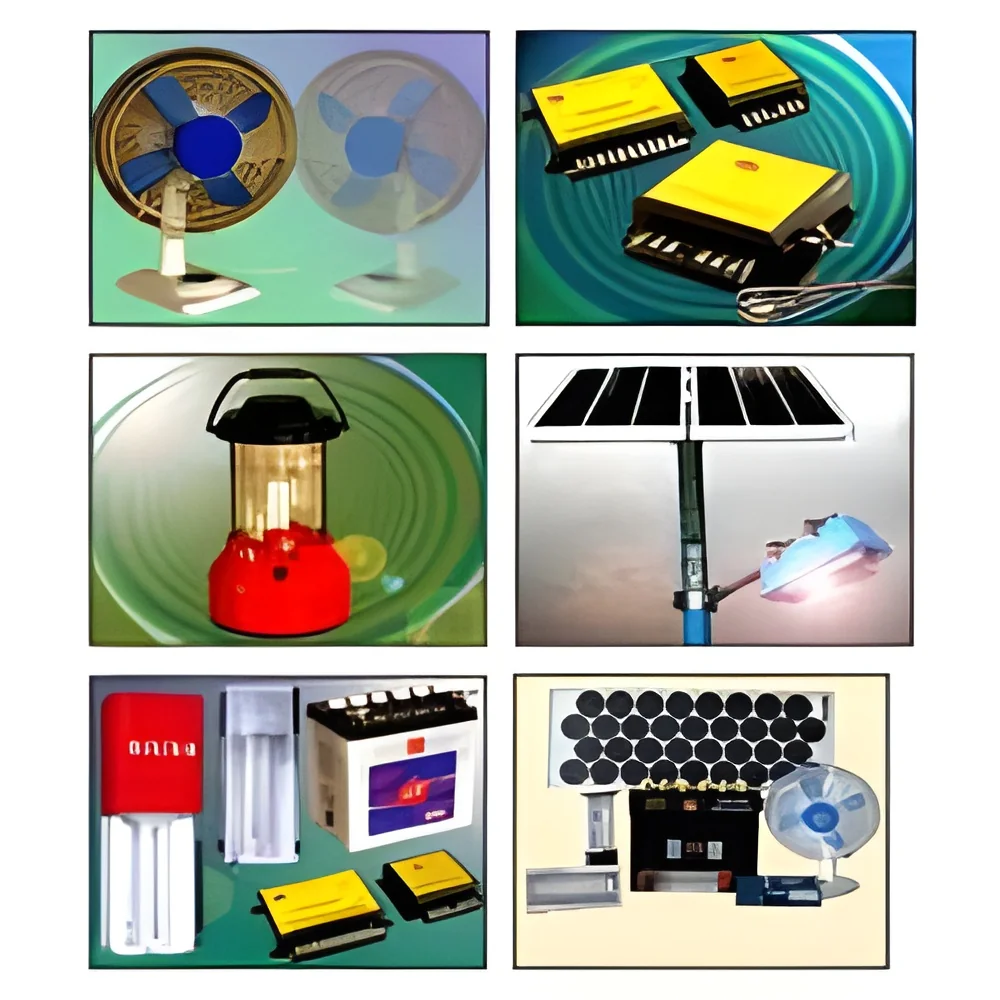
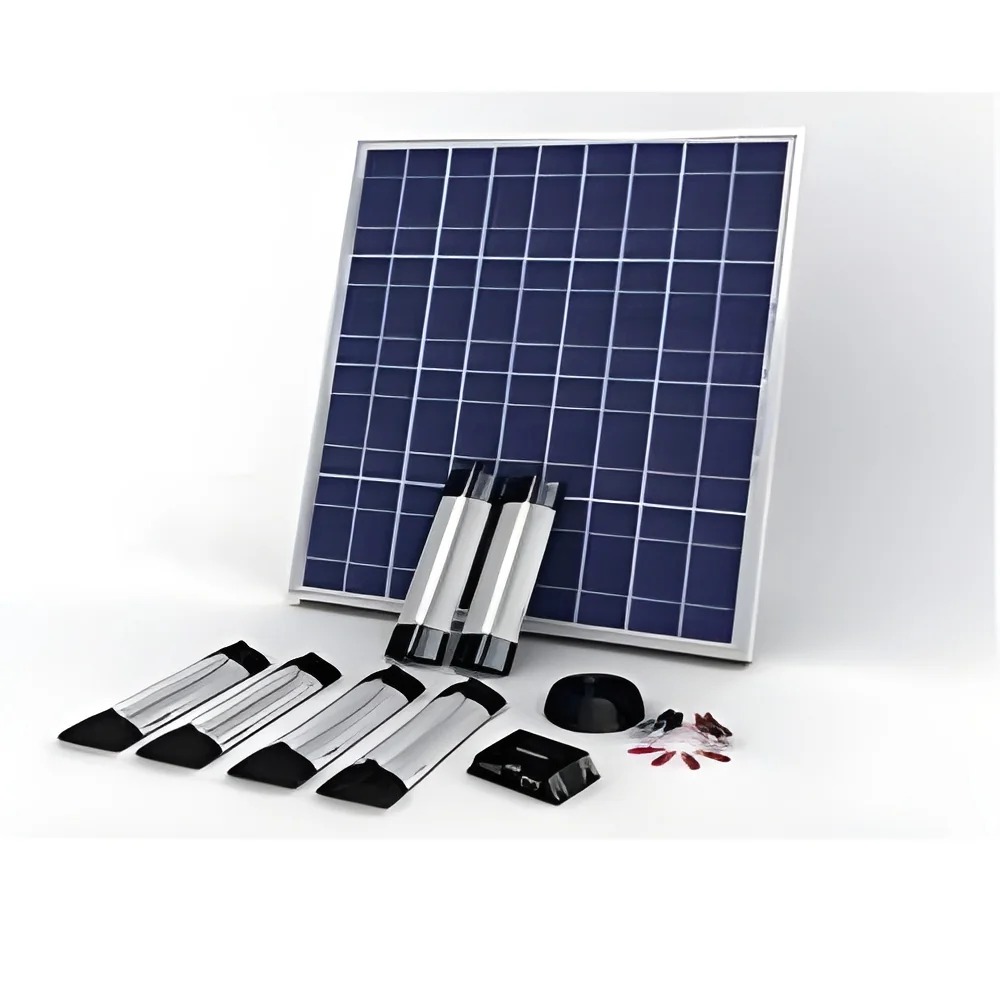
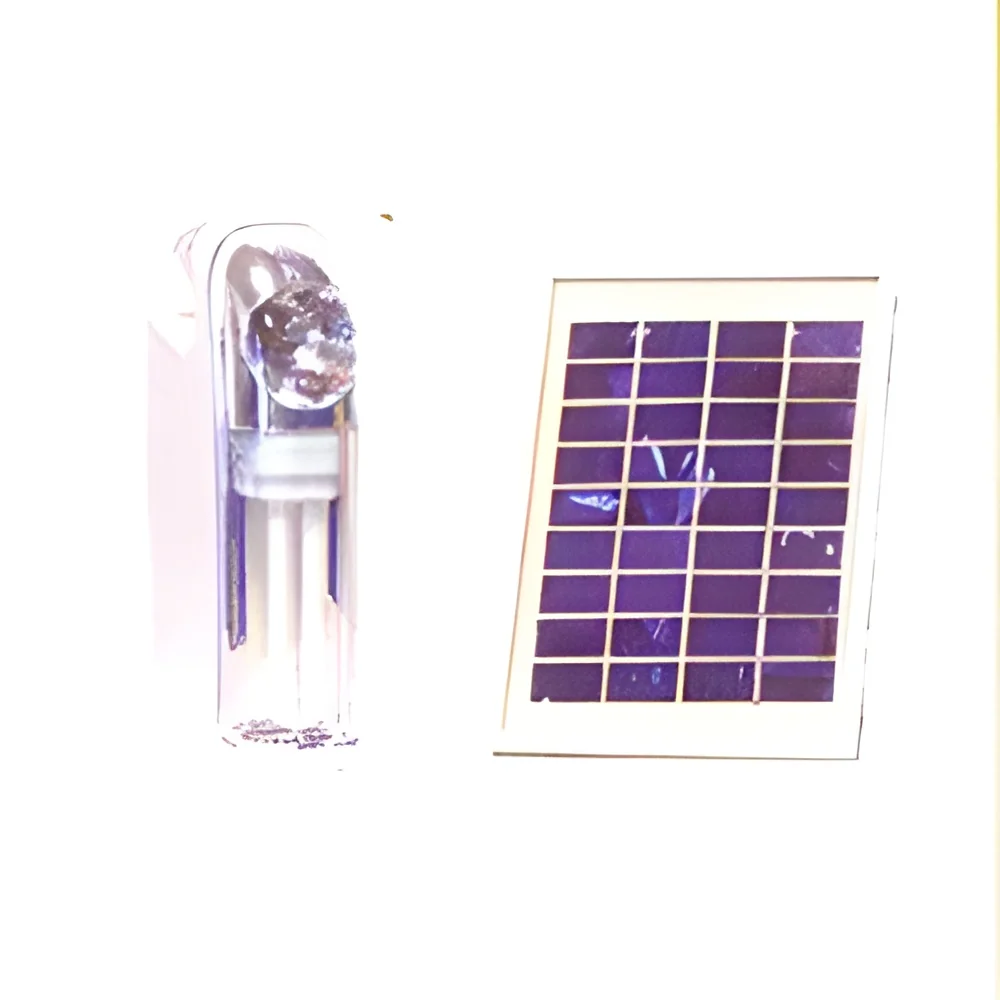
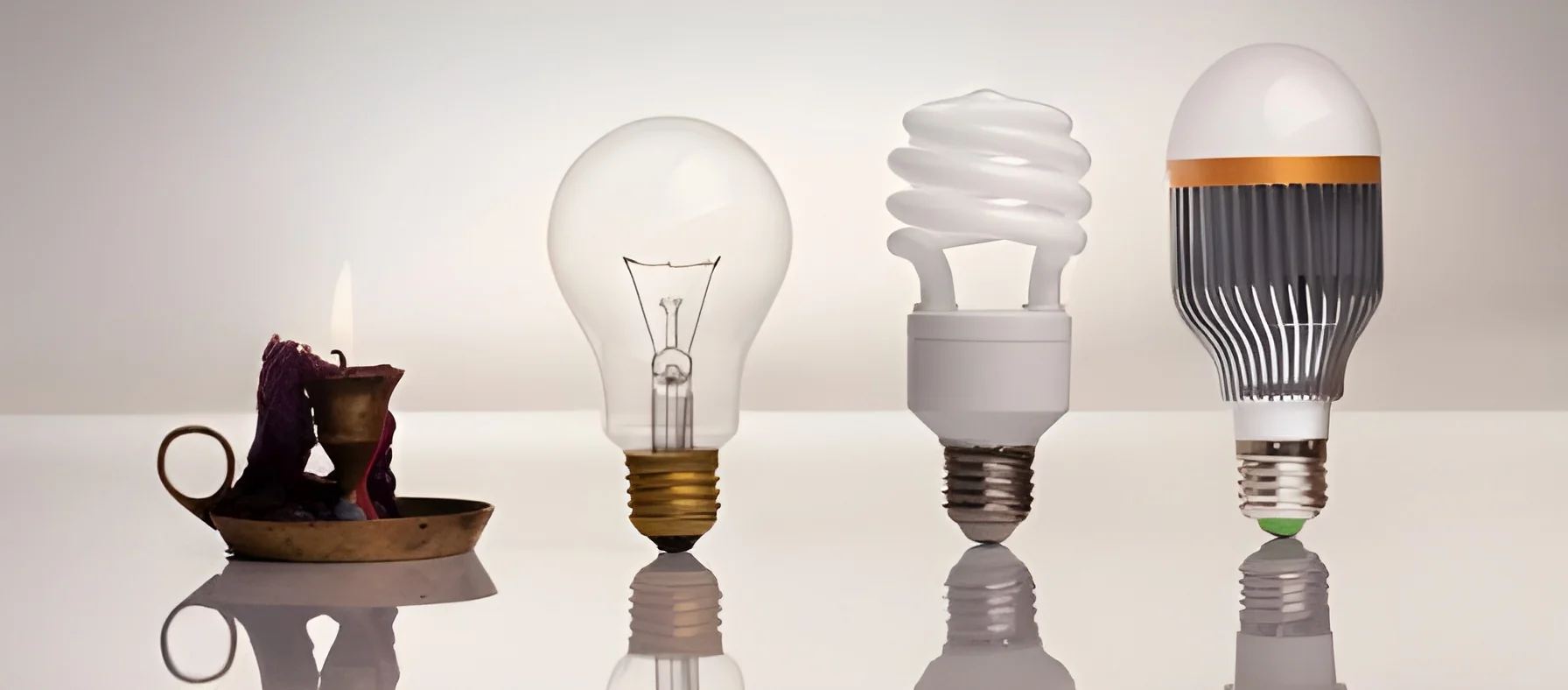
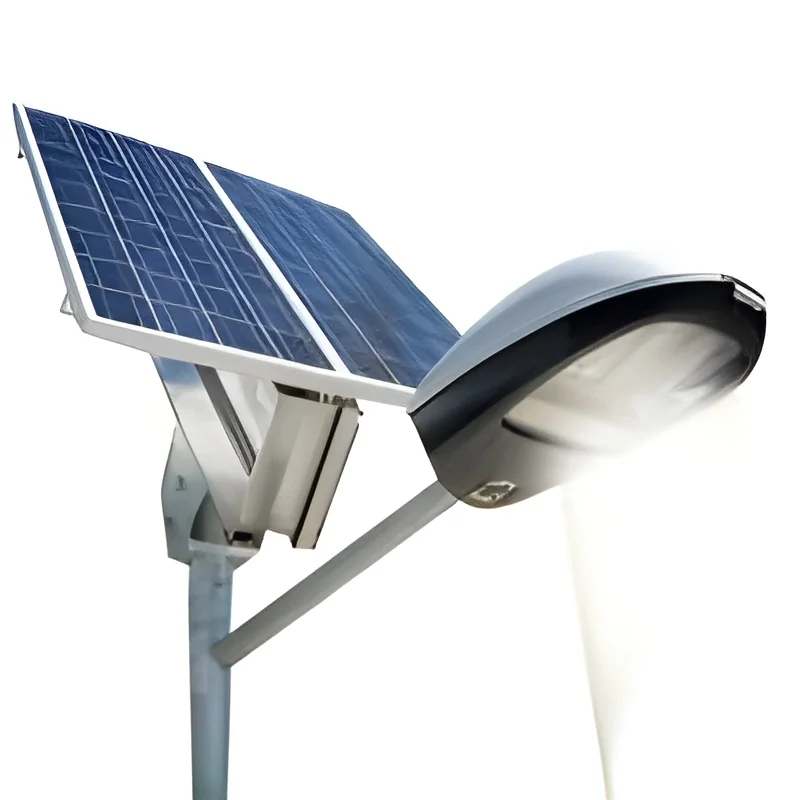
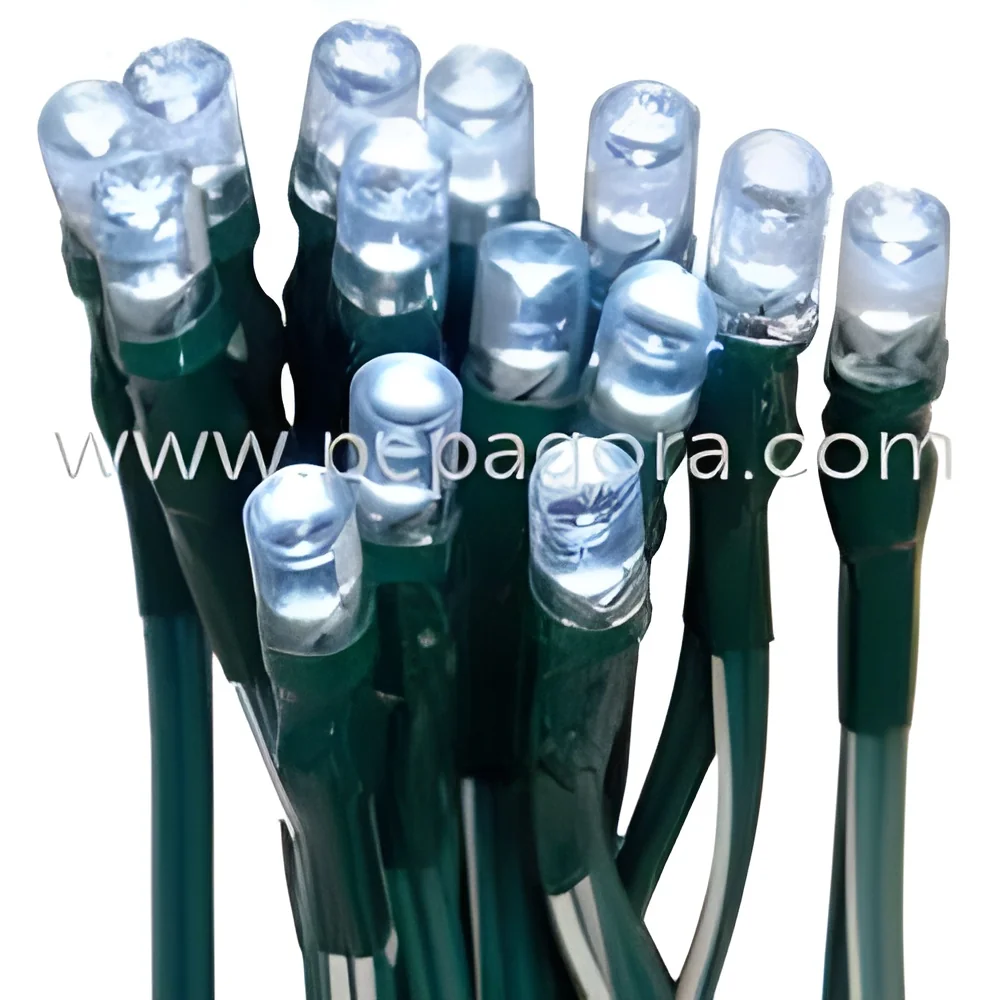
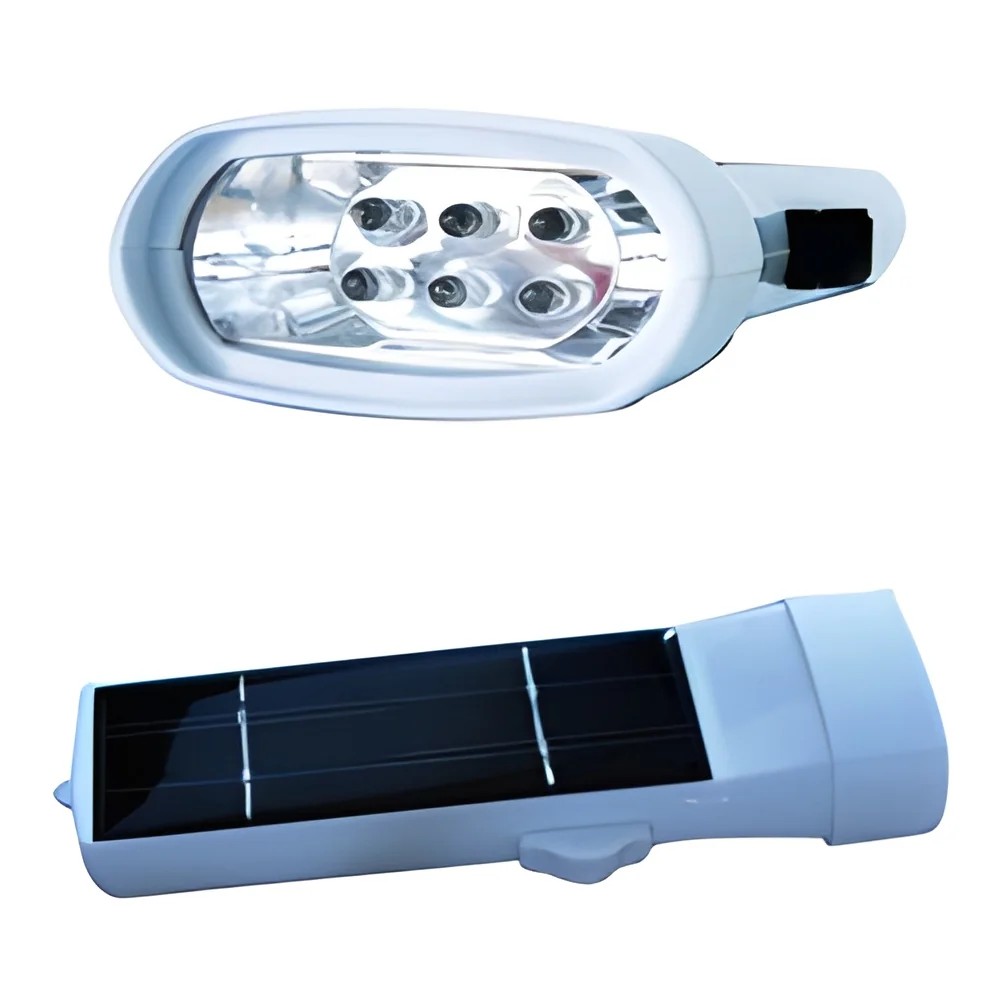
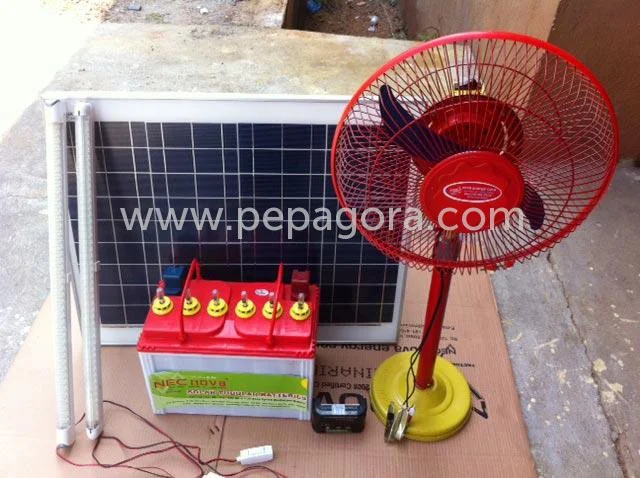
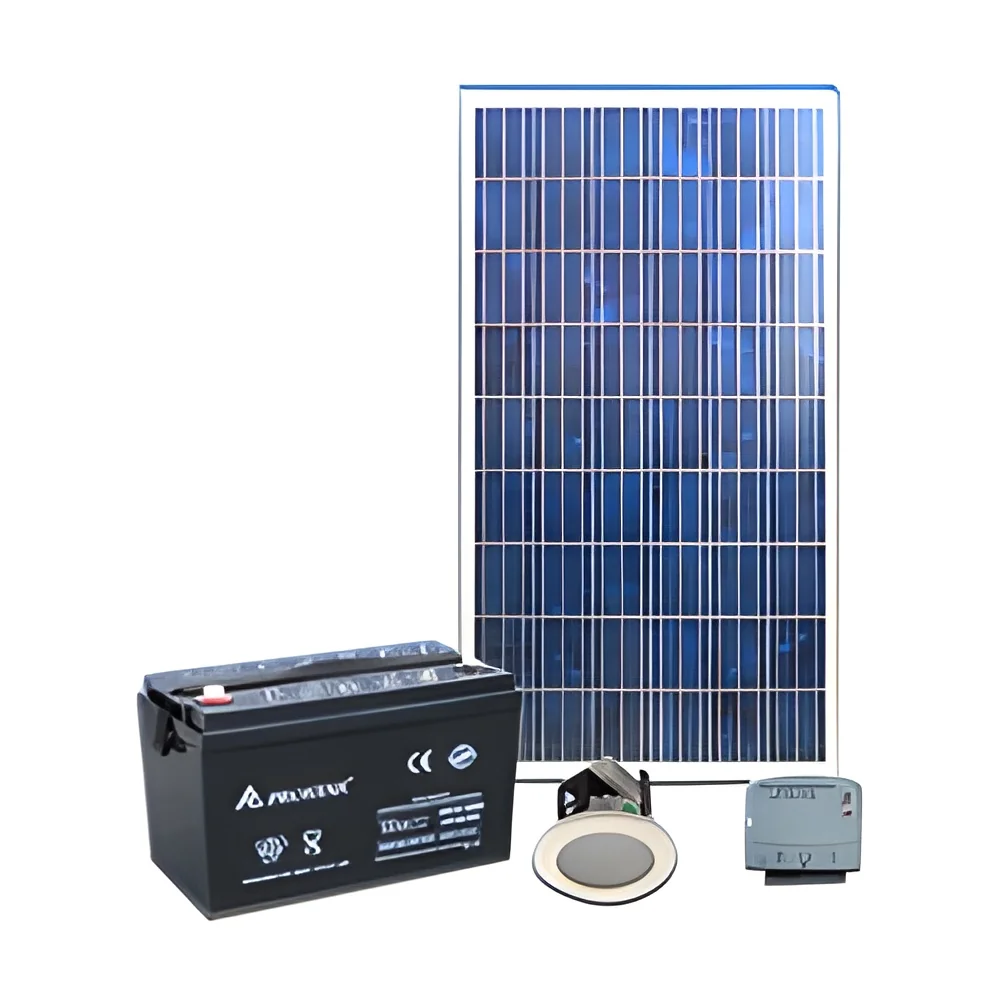
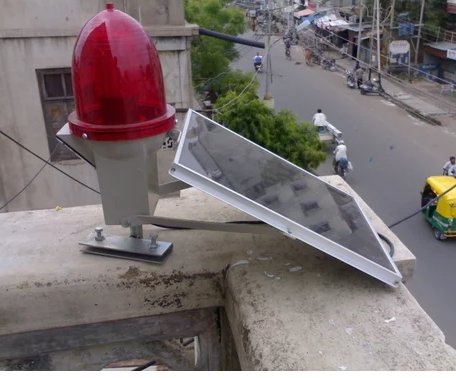
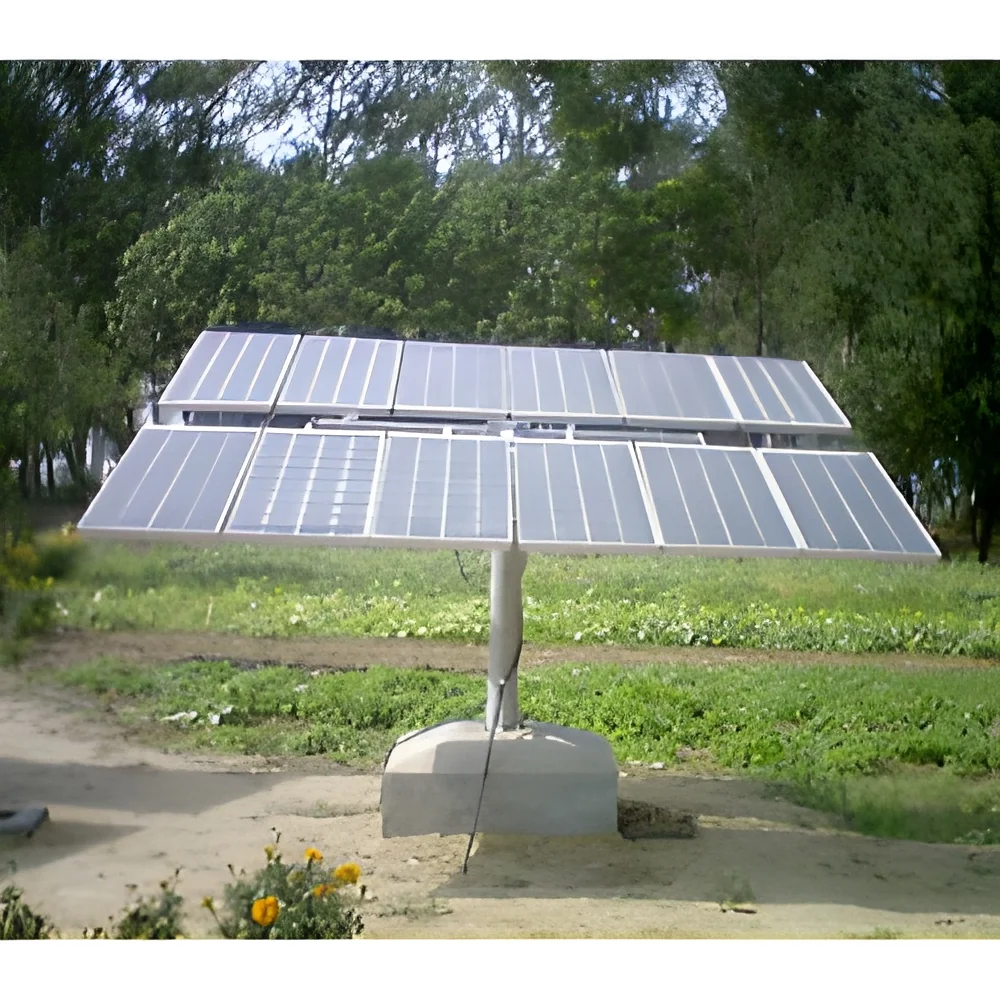
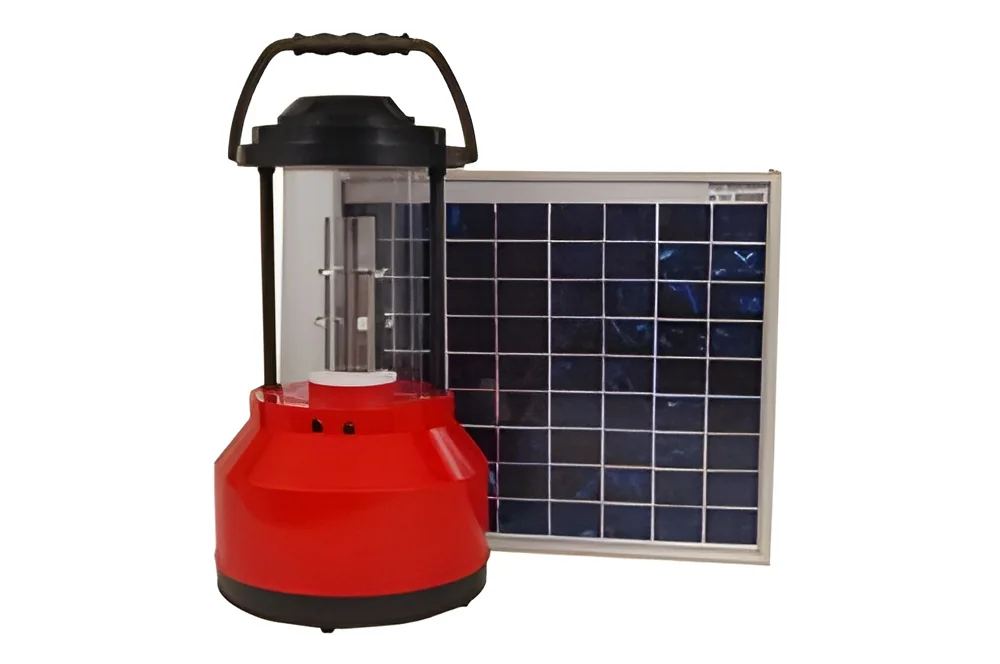
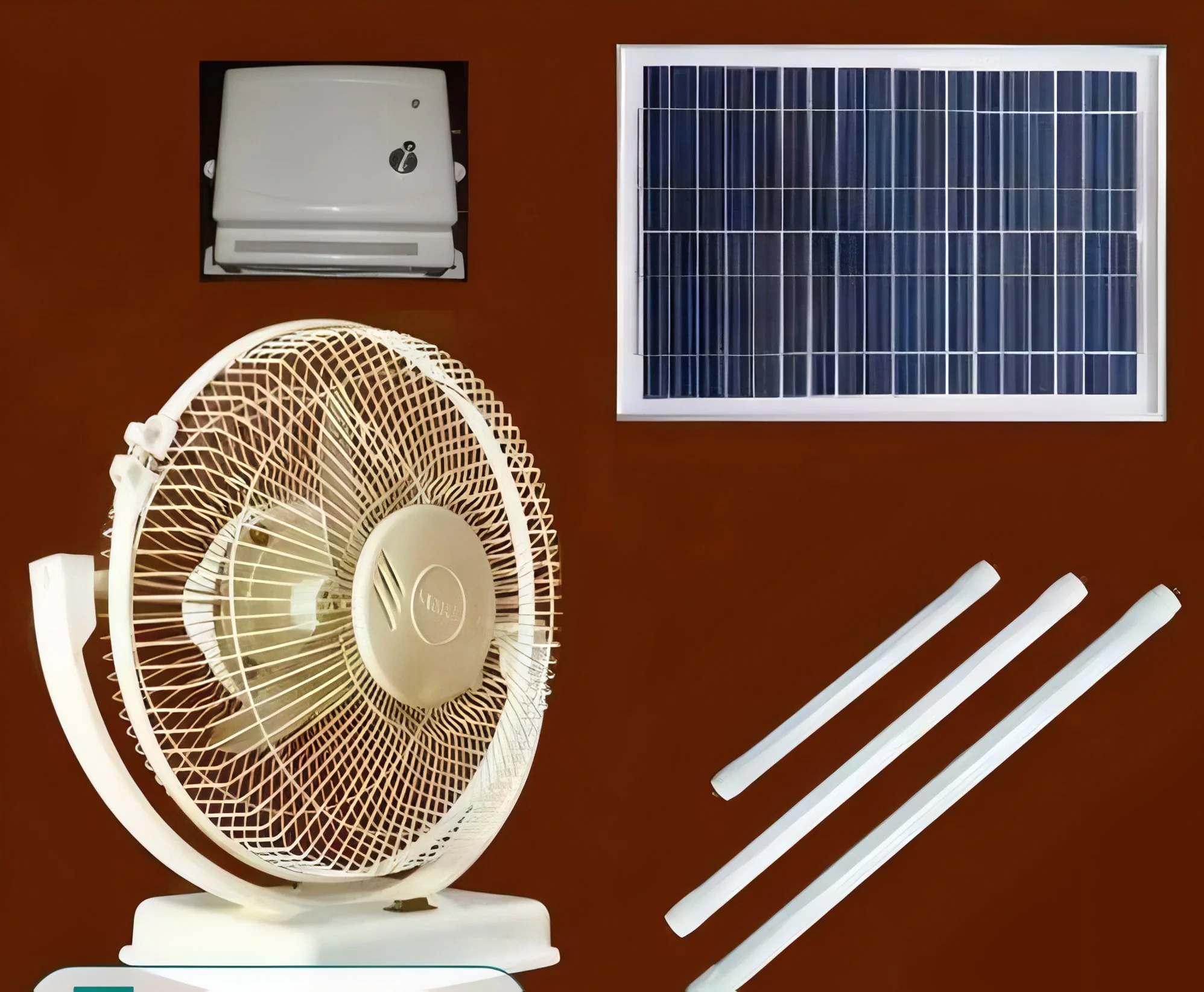
Solar LED lights are energy-efficient lighting solutions that utilize solar energy to illuminate various spaces. These lights consist of light-emitting diodes (LEDs) powered by solar panels that convert sunlight into electricity. With no reliance on traditional power sources, solar LED lights are designed to operate autonomously, making them ideal for outdoor use. They are equipped with batteries that store energy generated during the day, allowing for illumination even at night.
These lights are commonly used for street lighting, garden illumination, security lighting, and signage. Their applications extend to both residential and commercial settings. Businesses can benefit from solar LED lights as they reduce electricity costs and minimize environmental impact. Industries increasingly recognize the significance of using renewable energy sources, and solar LED lights serve as a sustainable alternative that aligns with corporate social responsibility initiatives.
In the current market, solar LED lighting solutions are gaining traction due to the global shift towards sustainable energy. With advancements in technology, these fixtures are becoming more efficient and affordable. The growing demand for eco-friendly products creates a promising landscape for solar LED lights in various sectors, including construction, landscaping, and urban planning.
Key Features and Specifications
Solar LED lights offer a range of features that cater to various needs and applications. These lights are designed to be durable, efficient, and easy to install, making them suitable for diverse environments.
Key specifications include:
1. Energy Source
- Solar panels that convert sunlight into electrical energy
- Typically range from 10W to 200W depending on the model
2. Battery Capacity
- Rechargeable batteries that store energy for night use
- Common capacities include 18650 lithium-ion batteries
3. Brightness Level
- Measured in lumens, ranging from 200 to 2000 lumens
- Determines the intensity of light emitted
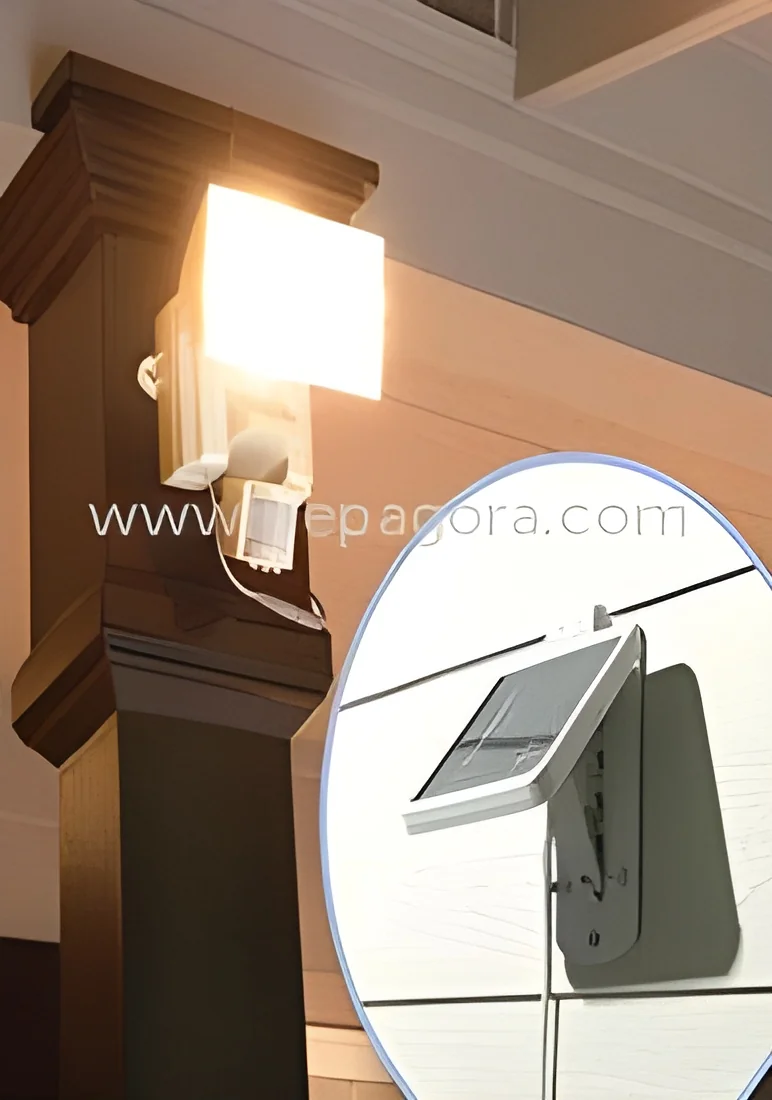
4. Motion Sensor Technology
- Some models include motion sensors for enhanced security
- Can save energy by activating lights only when movement is detected
5. Material Construction
- Made from weather-resistant materials for durability
- Common materials include aluminum and polycarbonate
6. Installation Type
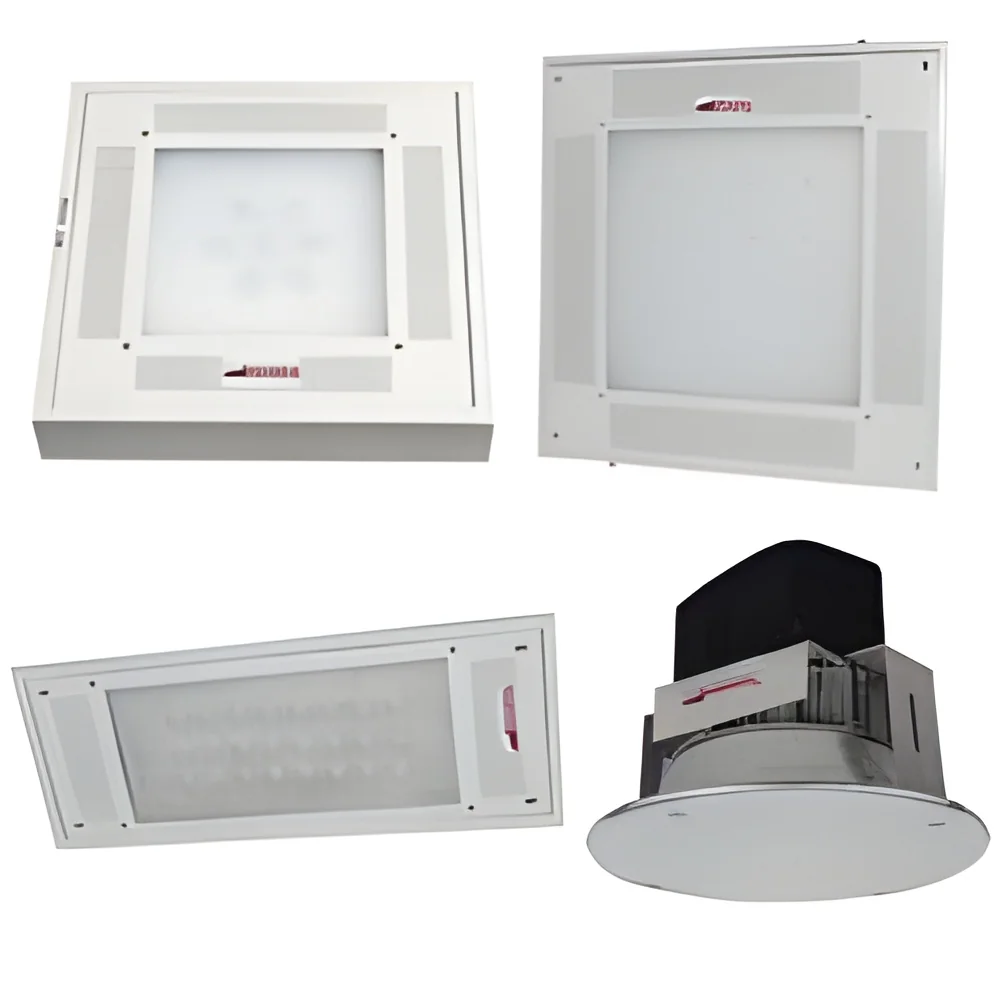
- Available in wall-mounted and pole-mounted designs
- Flexible installation options for various applications
7. Light Color Temperature
- Various color temperatures available, typically ranging from warm white (3000K) to cool white (6000K)
- Affects the ambiance and visibility in the lit area
8. Runtime
- Can operate for 8 to 12 hours on a full charge
- Runtime may vary based on usage and weather conditions
With these specifications, solar LED lights can be tailored to meet specific lighting needs while remaining environmentally friendly.
Common Applications and Use Cases
Solar LED lights have a wide range of applications across different industries, making them versatile solutions for various lighting needs.
1. Outdoor Security: Solar LED lights are commonly used in security applications, providing illumination in parking lots, around buildings, and in residential areas to enhance safety.
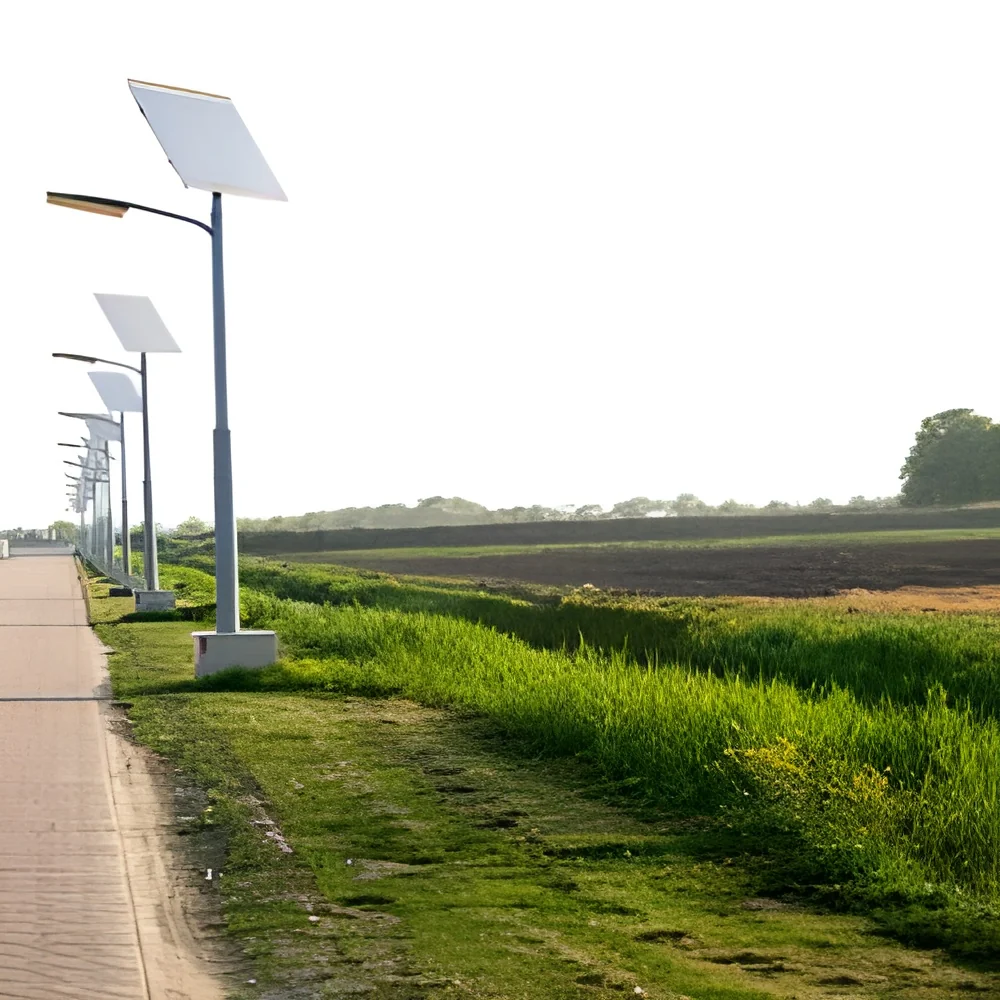
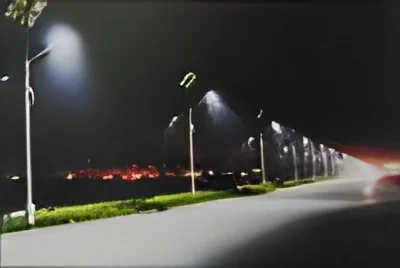
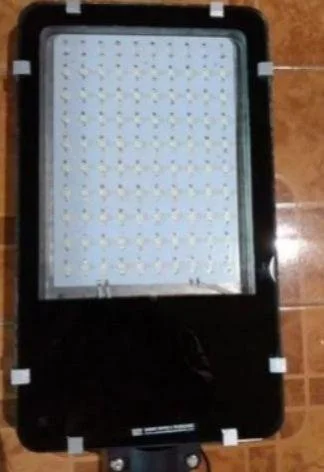
2. Street Lighting: Municipalities utilize solar LED lights to illuminate streets and pathways, improving visibility and promoting pedestrian safety while reducing energy costs.
3. Garden and Landscape Lighting: Homeowners and landscapers use solar LED lights to highlight garden features, walkways, and outdoor living spaces, creating an inviting atmosphere.
4. Emergency Lighting: In areas prone to power outages or natural disasters, solar LED lights serve as reliable emergency lighting solutions, ensuring visibility during critical times.
5. Billboards and Signage: Businesses use solar LED lights for illuminating signs and billboards, offering visibility and advertising effectiveness without incurring high electricity costs.
6. Pathway Lighting: Parks and recreational areas often implement solar LED lights to enhance visibility along trails and pathways, promoting safety for users.
7. Event Lighting: Solar LED lights can be used for outdoor events, providing temporary lighting solutions that are easy to install and relocate as needed.
Product Variants and Subcategories
Solar LED lights come in various forms to suit specific needs and applications. Despite the absence of detailed subcategories, the diversity in design and functionality ensures options for every requirement.
Solar Flood Lights
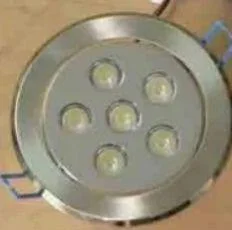
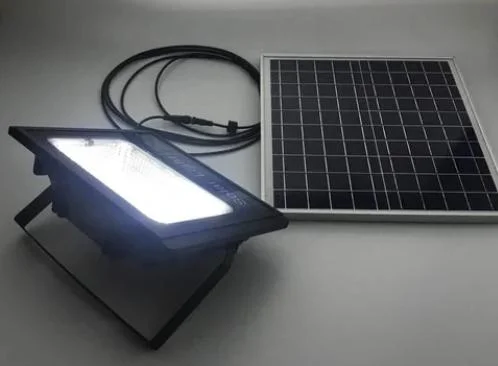
These lights provide high-intensity illumination, making them ideal for large open areas or security applications. They are equipped with motion sensors, allowing them to activate when movement is detected.
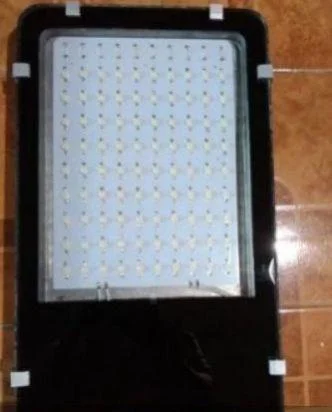
Solar Street Lights
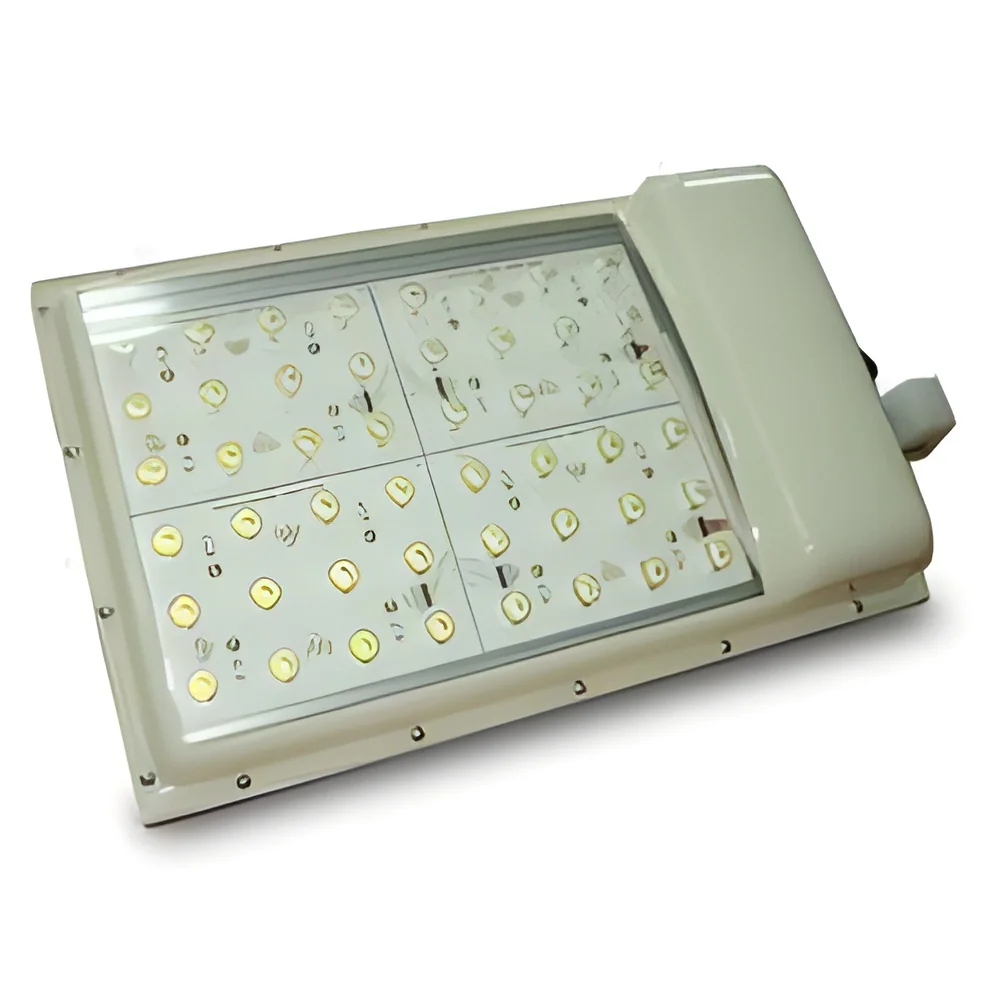
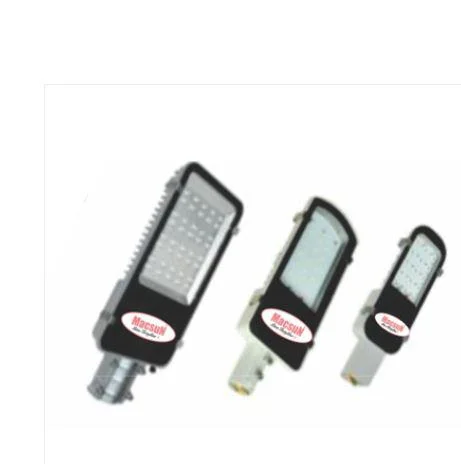
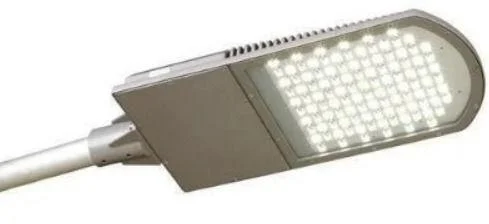
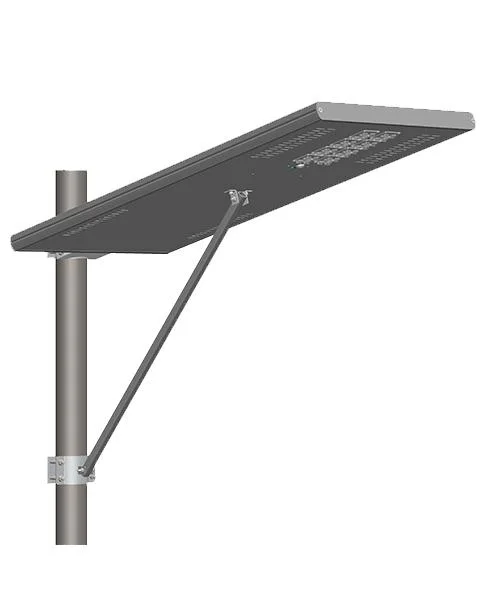
Designed specifically for roadway illumination, solar street lights offer a robust and reliable lighting solution for urban environments. They feature advanced solar technology to ensure consistent performance.
Solar Garden Lights
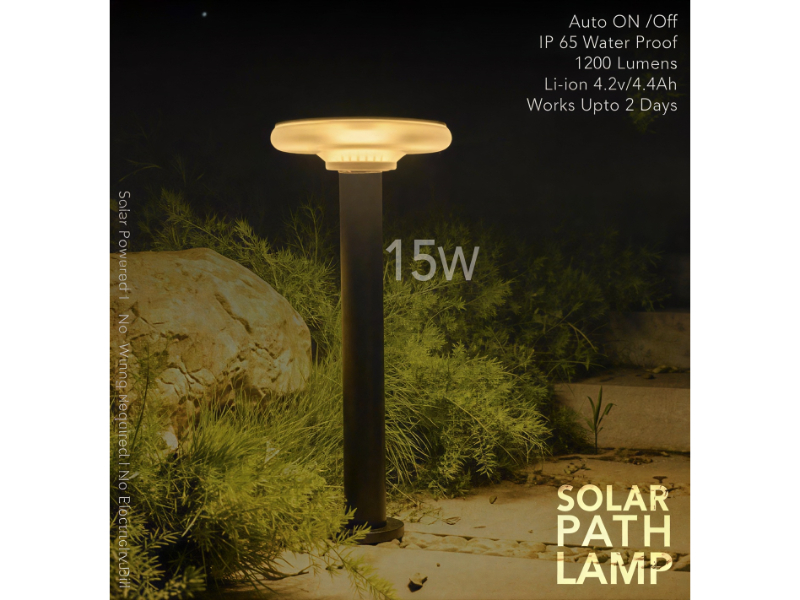
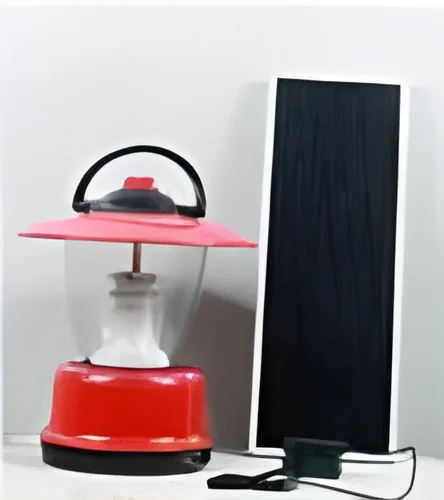
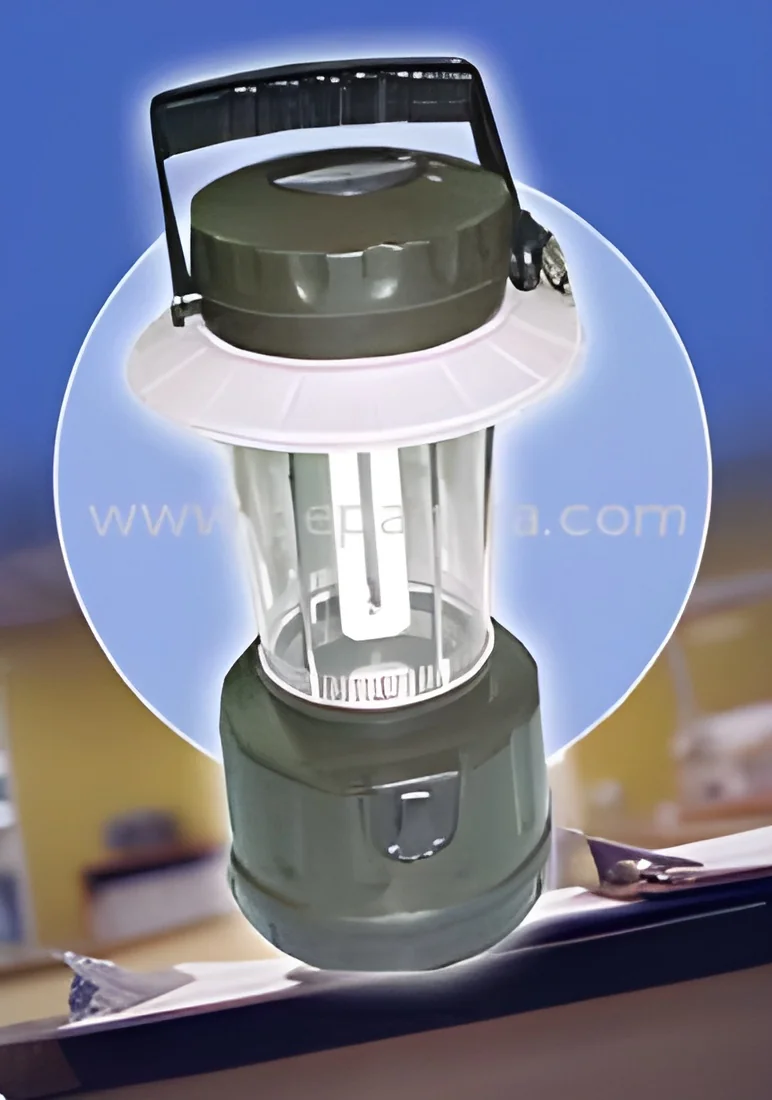
These decorative lights enhance the aesthetic appeal of gardens and landscaping. They come in various styles, including stake lights and lanterns, providing both functionality and visual enhancement.
Solar Pathway Lights
Ideal for illuminating walkways and driveways, solar pathway lights offer a balance of safety and design. They are typically lower in brightness but effective for guiding pedestrians in outdoor spaces.
Benefits and Advantages
Solar LED lights bring numerous benefits that make them an attractive choice for businesses and consumers alike.
1. Cost Savings: By utilizing solar energy, these lights significantly reduce electricity bills, making them a cost-effective lighting solution in the long run.
2. Environmentally Friendly: Since they rely on renewable energy, solar LED lights contribute to reducing carbon footprints and promoting sustainability.
3. Easy Installation: Solar LED lights can be installed without complicated wiring or electrical work, allowing for quick setup and flexibility in placement.
4. Low Maintenance: With no bulbs to replace and minimal upkeep, solar LED lights require less maintenance than traditional lighting solutions.
5. Enhanced Safety: By providing reliable illumination in outdoor spaces, they improve safety and security for both residential and commercial properties.
6. Versatile Applications: From street lighting to garden illumination, solar LED lights can be used in various environments, making them a versatile choice for different industries.
Buying Guide for B2B Buyers
When considering the purchase of Solar LED lights, B2B buyers should evaluate several key factors to ensure optimal selection.
1. Quality Assessment: Buyers should look for lights with high-quality materials and reliable performance. Reviewing product specifications and seeking user reviews can help ascertain quality.
2. Supplier Verification: It is essential to vet suppliers to ensure they have a solid reputation in the industry. Checking for certifications and past client testimonials can aid in the evaluation.
3. Pricing and MOQ: Understanding the pricing structure and minimum order quantities is crucial for budgeting. Buyers should compare quotes from multiple suppliers to find the best deal.
4. Delivery and Lead Times: Assessing the delivery capabilities of suppliers can prevent delays in project timelines. Buyers should inquire about lead times and shipping options.
5. Compliance Requirements: It is important to ensure that selected solar LED lights meet relevant compliance and safety standards. This includes checking for certifications like CE, which indicate adherence to industry regulations.
Compliance and Certifications
Solar LED lights must adhere to various compliance standards and certifications to ensure they meet safety and quality expectations.
Relevant quality standards such as ISO 9001 focus on maintaining consistent quality in manufacturing processes. This is crucial for ensuring that solar LED lights function reliably over time.
Industry certifications like CE indicate that products comply with European safety standards. This certification assures buyers that the lights have undergone rigorous testing and meet necessary safety requirements.
Safety and testing protocols are critical in the production of solar LED lights. Manufacturers must conduct thorough testing to ensure their products can withstand environmental challenges, such as extreme weather conditions.
Furthermore, regional compliance considerations may vary depending on the market. It is vital for buyers to verify that the products meet local regulations and standards before purchase.
Why Source Solar LED Lights from Pepagora?
Pepagora offers a trusted platform for sourcing Solar LED Lights, providing several advantages that make it a preferred choice for businesses.
Verified Supplier Network: Pepagora has a robust network of verified suppliers, ensuring that buyers can access high-quality products. This network helps mitigate risks associated with sourcing from unverified vendors.
Streamlined RFQ Process: The platform provides an efficient request for quotation process, allowing buyers to easily compare prices and specifications from multiple suppliers. This transparency aids in making informed purchasing decisions.
Trade Assurance and Support: Pepagora offers trade assurance, providing buyers with added protection for their orders. In case of disputes or issues, the platform offers support to resolve matters effectively.
Regional Coverage: With a presence in India, the GCC, and Southeast Asia, Pepagora ensures broad geographic reach. This allows businesses to source solar LED lights efficiently, catering to diverse market needs while benefiting from localized support.

 IN
IN