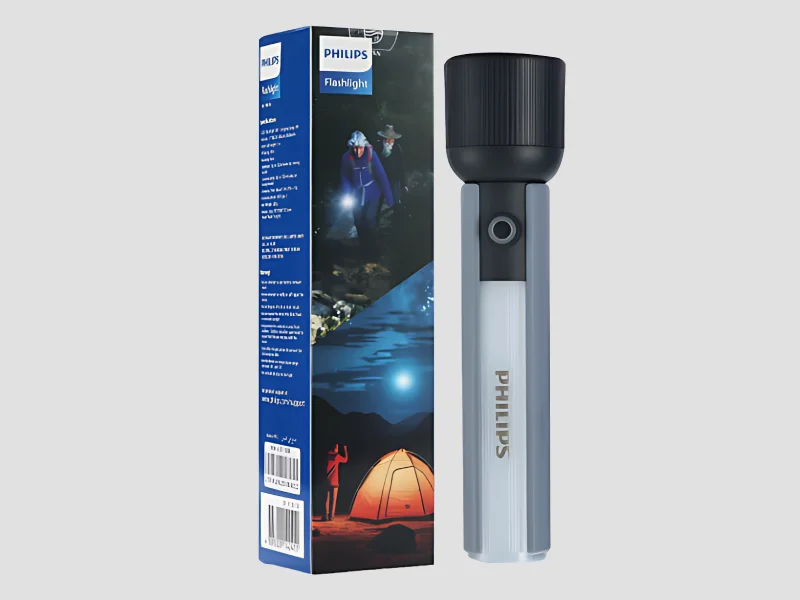
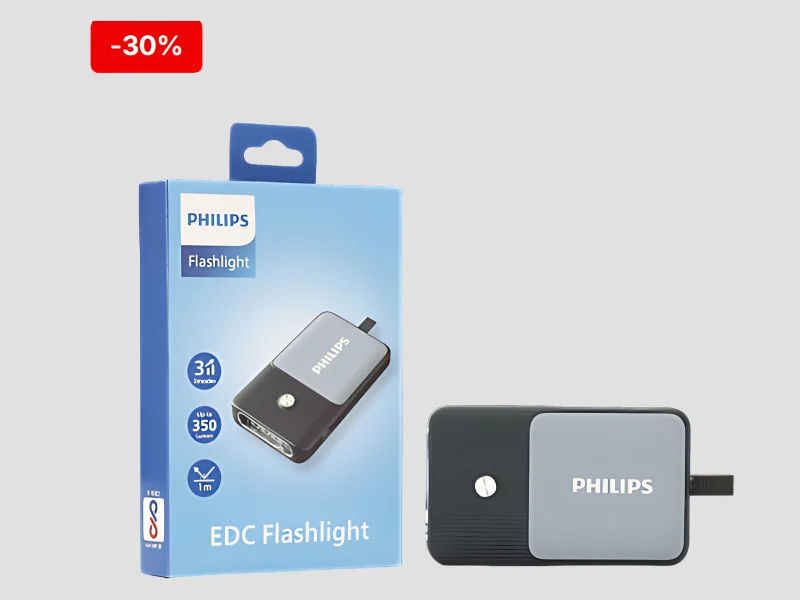
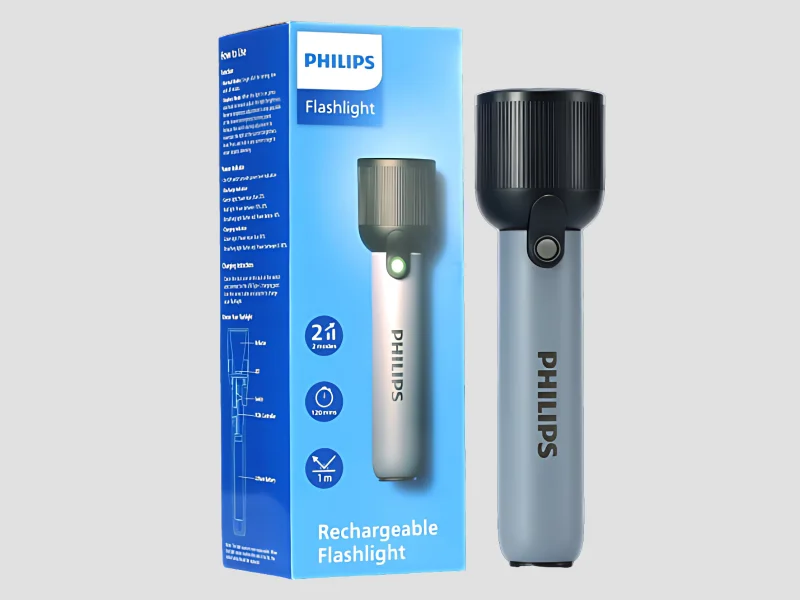
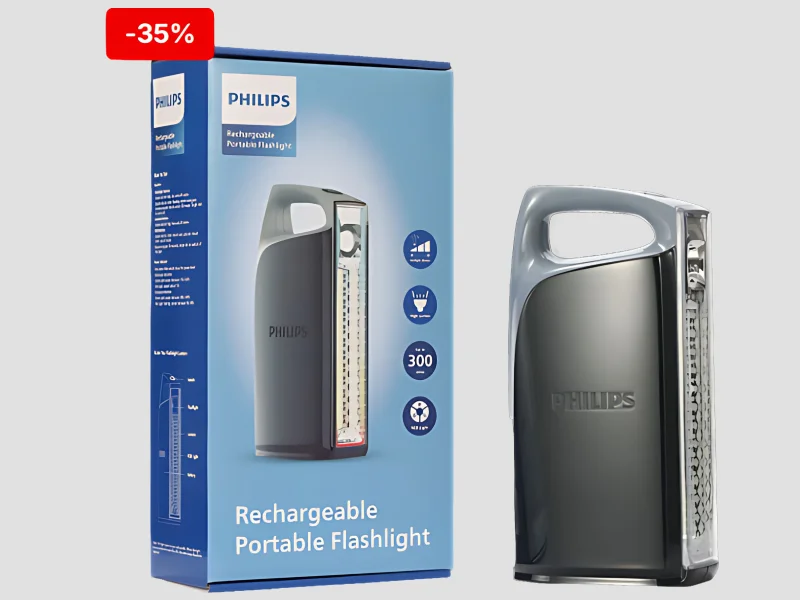
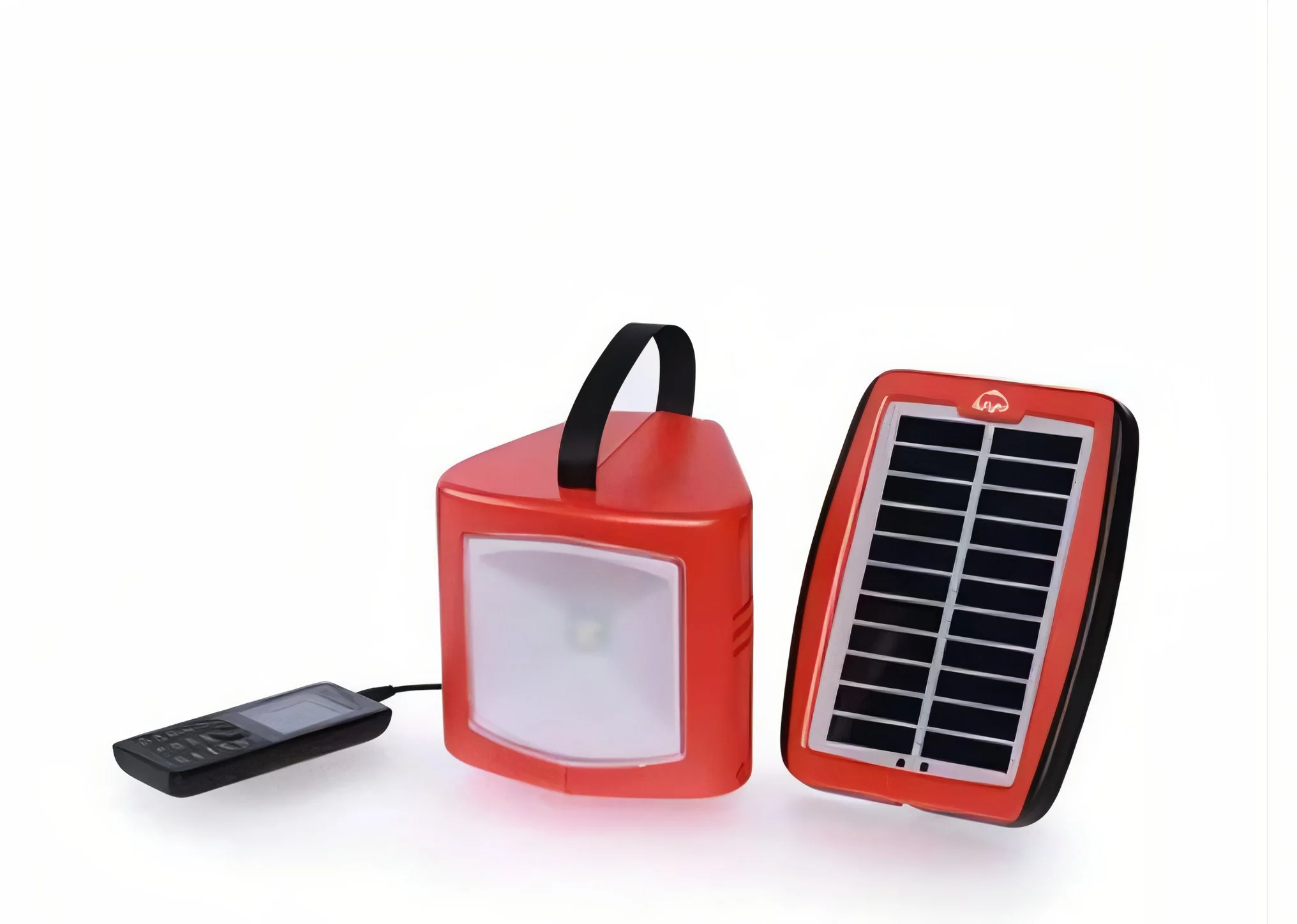
What are Rechargeable & Portable Lights?
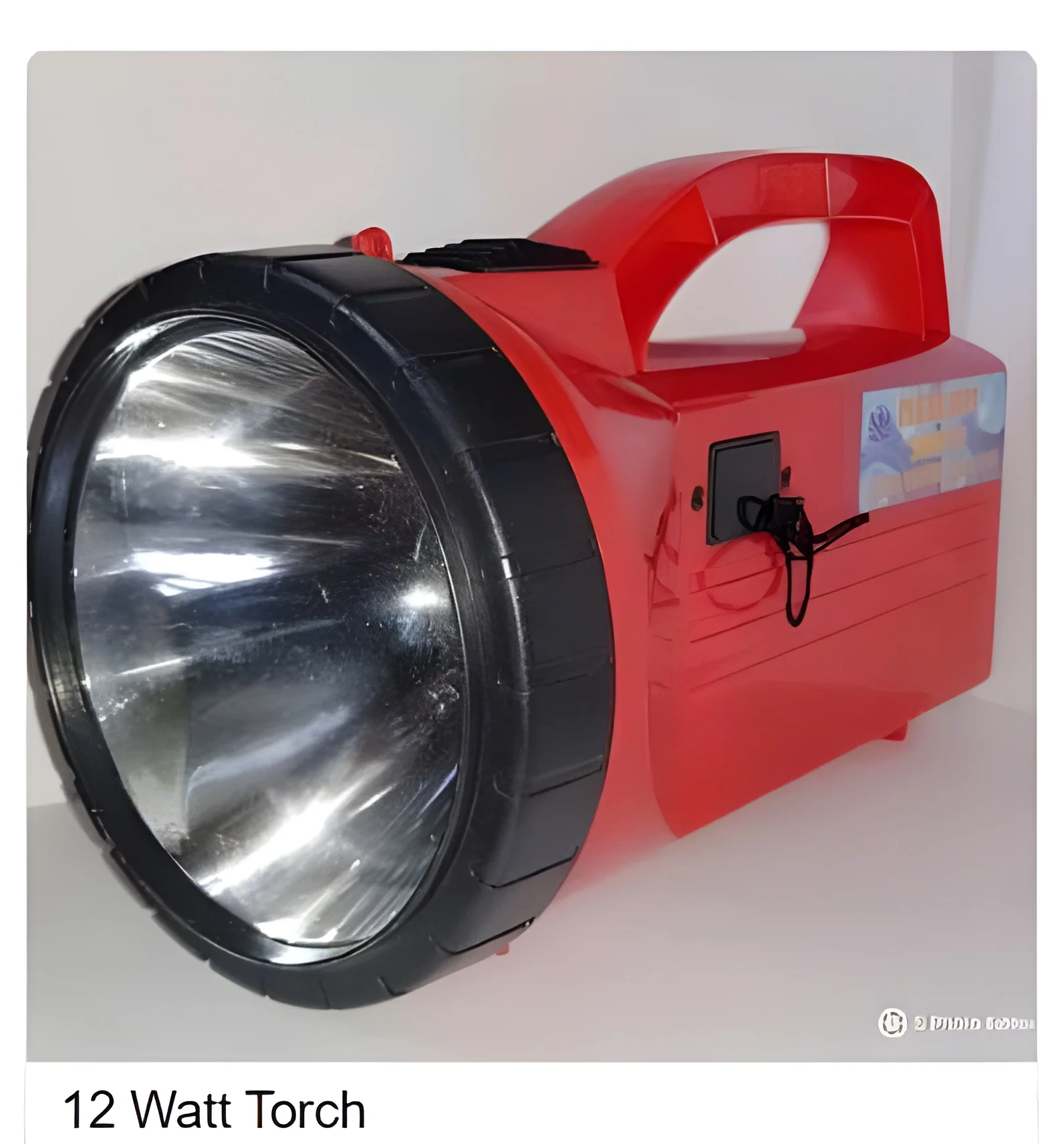
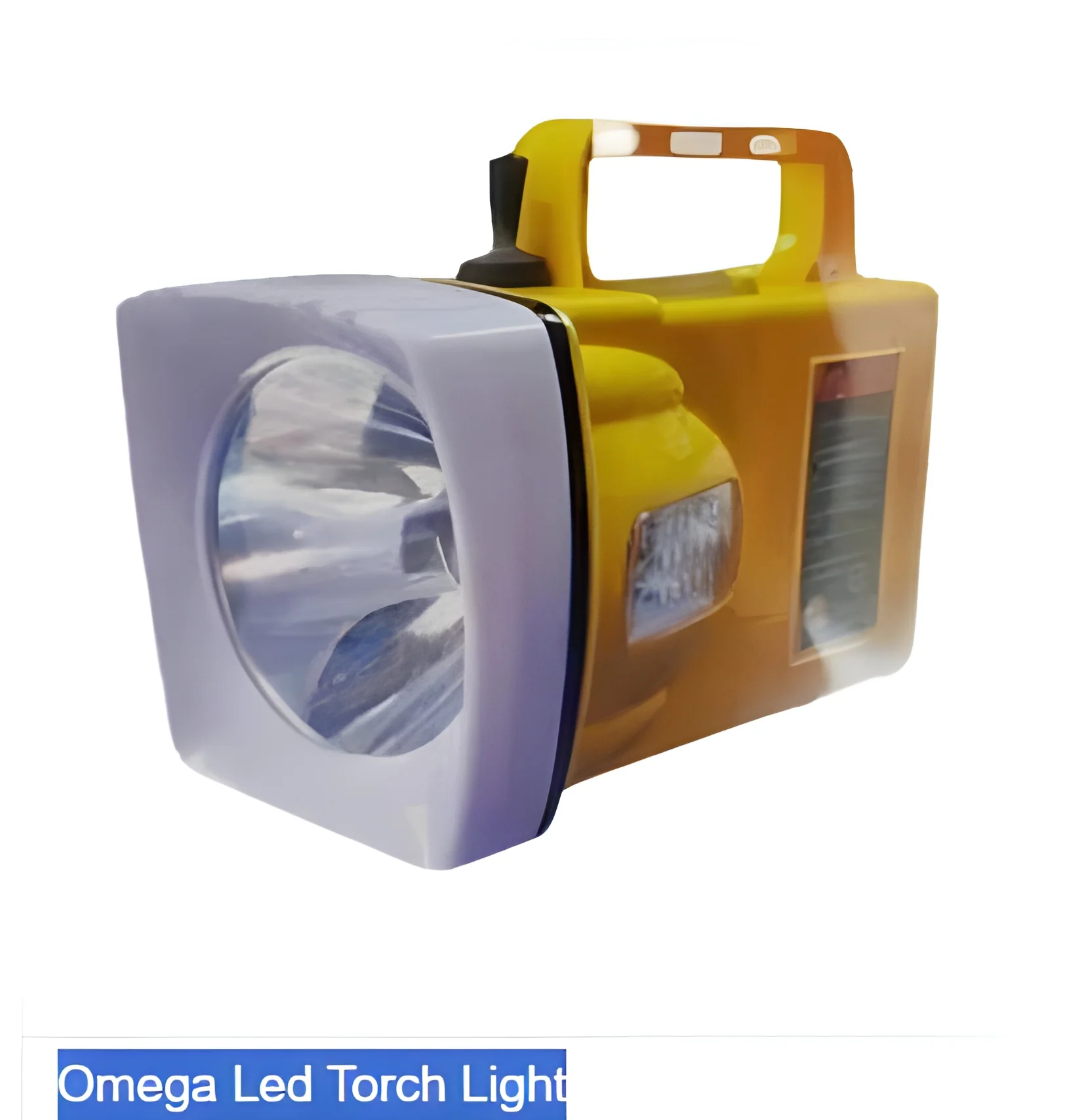
Rechargeable and portable lights are versatile lighting solutions that utilize rechargeable batteries to provide illumination in various settings. These lights are designed for ease of use and transport, making them ideal for both indoor and outdoor applications. Their portability allows users to carry them to different locations without the need for permanent fixtures or extensive wiring, offering convenience and flexibility.
The primary applications of rechargeable and portable lights span multiple industries, including construction, emergency services, maintenance, and outdoor activities. Businesses utilize these lights for job sites, safety lighting, and recreational purposes. They are especially valuable in situations where reliable lighting is crucial, such as during power outages, at campsites, or in remote work environments. As industries continue to evolve, the demand for portable lighting solutions is growing, positioning these products at the forefront of market trends.
In terms of industry relevance, rechargeable and portable lights are becoming increasingly important due to their energy efficiency and sustainability. As businesses focus on reducing their carbon footprint, these lights offer a more environmentally friendly lighting option. The market for such products is driven by advancements in battery technology, leading to longer usage times and shorter charging periods, thus enhancing their appeal to a wide range of customers.
Key Features and Specifications
Rechargeable and portable lights come with several key features and specifications that enhance their functionality and usability. Understanding these specifications helps buyers make informed decisions when selecting the right lighting solutions for their needs.
Key specifications include:
1. Battery Life
- Typically ranges from 4 to 24 hours depending on brightness settings.
- Longer battery life is crucial for extended usage.
2. Brightness Levels
- Measured in lumens, with outputs generally ranging from 100 to 1000 lumens.
- Adjustable brightness settings allow users to customize lighting intensity.
3. Charging Time
- Varies from 2 to 8 hours for a full charge based on battery capacity.
- Faster charging options enhance usability.
4. Durability
- Often constructed with impact-resistant materials.
- Water and dust resistance ratings (IP ratings) ensure suitability for outdoor use.
5. Weight
- Typically lightweight, often under 5 pounds for easy portability.
- Design features such as handles or hooks facilitate transport.
6. Light Modes
- Multiple modes may include steady light, flashing, and SOS signals.
- Versatility in lighting options enhances functionality.
7. Power Source
- Can be powered via USB, AC adapter, or solar charging.
- Flexible power options cater to different environments.
8. Size and Design
- Compact designs make them easy to store and transport.
- Aesthetic variations allow for integration into different settings.
In summary, the key features and specifications of rechargeable and portable lights are designed to meet diverse user needs, making them suitable for a multitude of applications.
Common Applications and Use Cases
Rechargeable and portable lights serve a variety of industries and applications, providing flexible lighting solutions tailored to specific needs.
1. Construction: These lights are essential on job sites for illuminating work areas, enhancing safety during nighttime operations, and providing backup lighting during power outages.
2. Emergency Services: First responders utilize portable lights for scene illumination, ensuring visibility and safety during emergencies, accidents, or natural disasters.
3. Events and Entertainment: Portable lights are used in outdoor events, festivals, and parties, offering easy setup and removal while providing adequate lighting for guests.
4. Maintenance and Repair: Technicians often rely on portable lights to illuminate tight spaces in buildings, vehicles, or machinery, facilitating efficient repairs and maintenance.
5. Outdoor Activities: Campers, hikers, and outdoor enthusiasts use rechargeable lights for navigation, safety, and recreational activities, enhancing their overall experience.
6. Home Use: Many households employ portable lights for power outages, outdoor gatherings, or as night lights, providing convenience and security.
7. Security: Businesses use portable lighting solutions to enhance security in dark areas, such as parking lots or building perimeters, deterring potential threats.
Product Variants and Subcategories
Rechargeable and portable lights come in various designs and configurations to meet the differing needs of users. This diversity allows for tailored solutions across multiple applications.
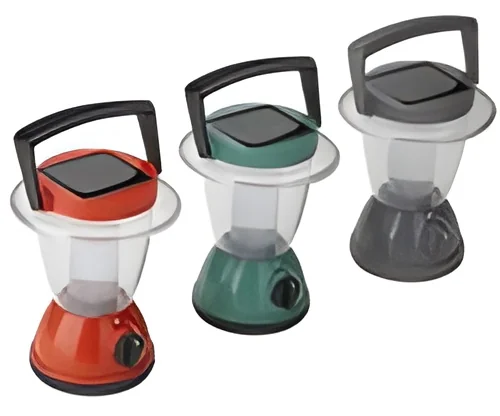
Lanterns: These provide 360-degree illumination and are ideal for camping or emergency situations. Many models feature adjustable brightness and multiple light modes for flexibility.
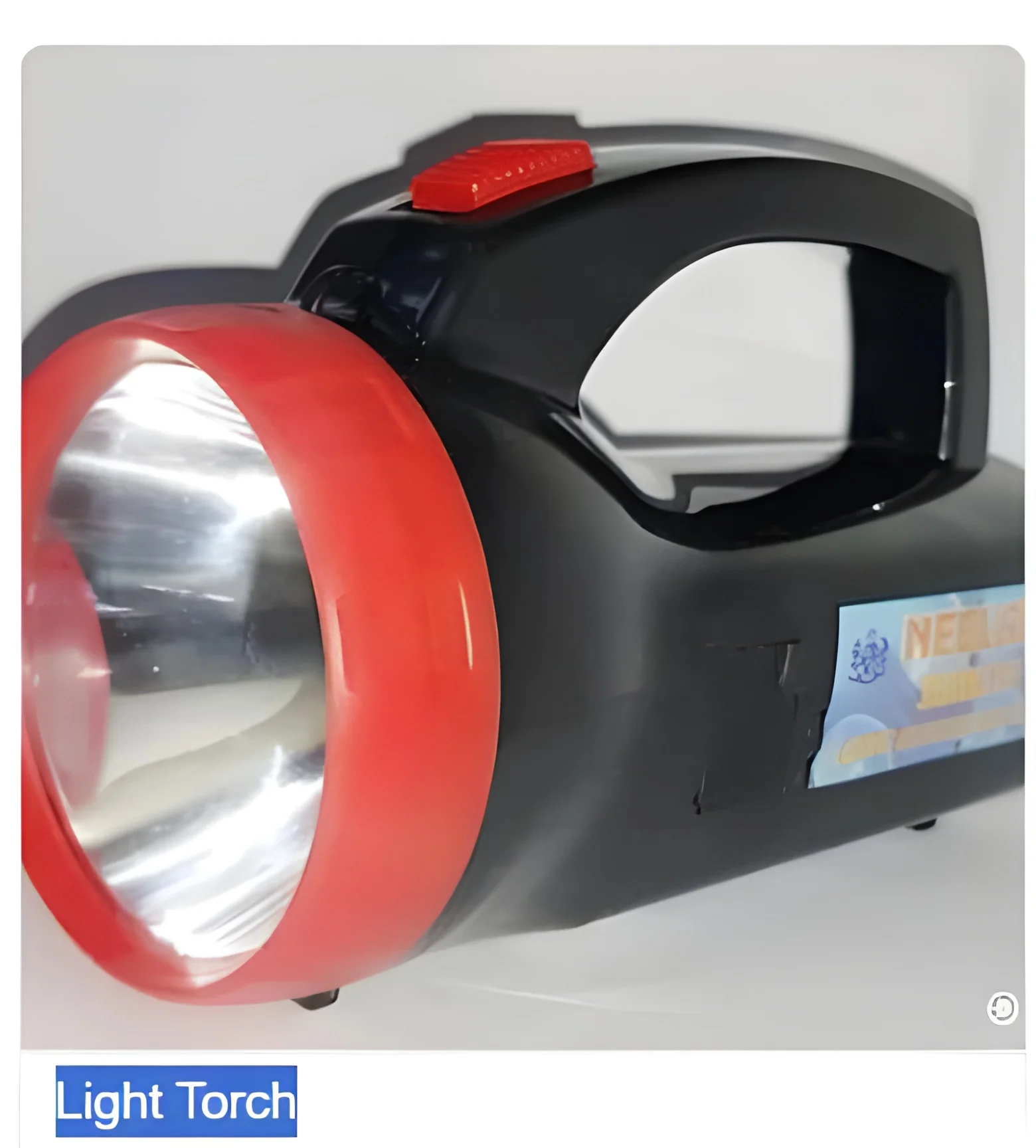
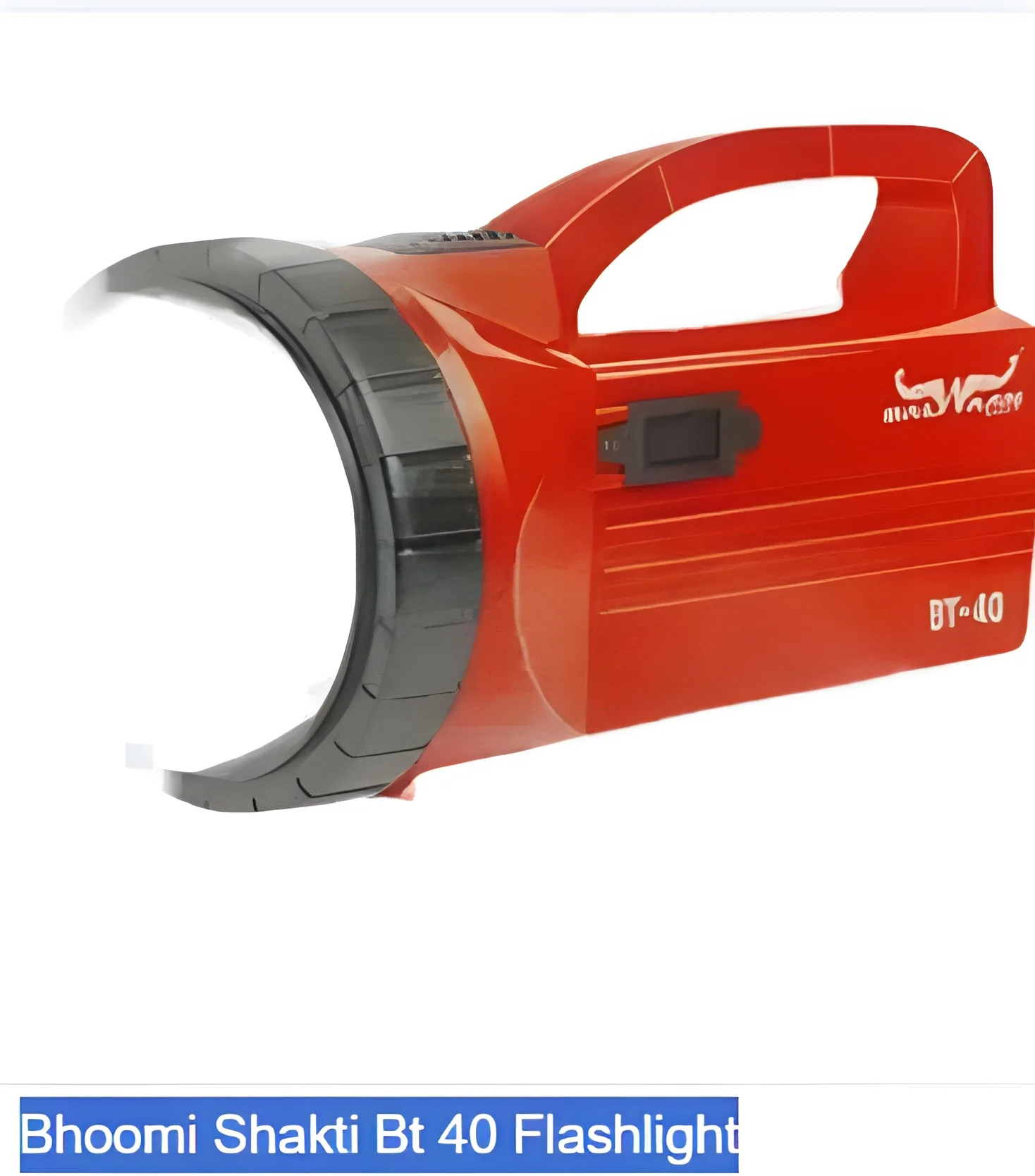
Work Lights: Designed for construction and repair tasks, these lights offer high brightness and durability. They often come with magnetic bases or hooks for hands-free operation.
Headlamps: This portable lighting option is ideal for hands-free use, providing focused light for tasks such as hiking, repairs, or inspections. They are lightweight and adjustable.
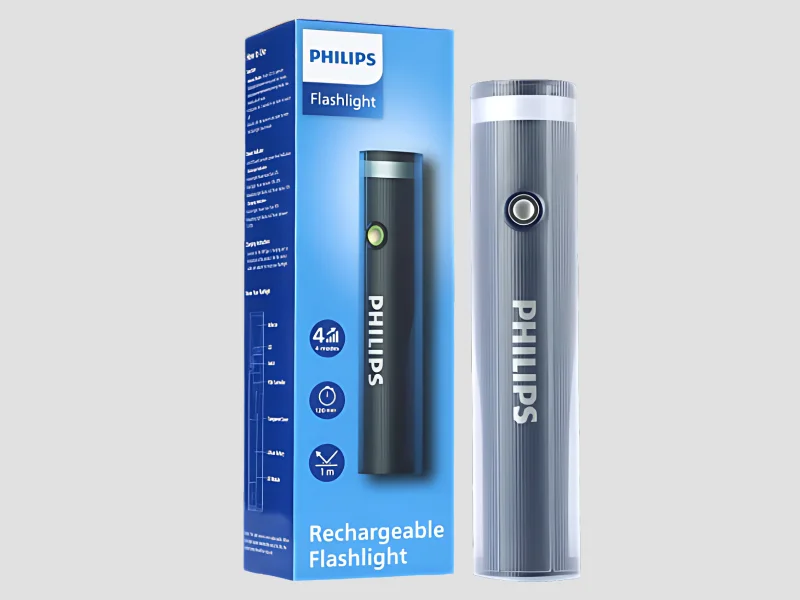
Flashlights: Compact and easy to carry, flashlights are versatile tools for various applications. Many modern flashlights offer rechargeable batteries and multiple brightness settings.
Benefits and Advantages
Rechargeable and portable lights offer numerous benefits that make them attractive to businesses and consumers alike. Their advantages contribute to their growing popularity in various sectors.
1. Cost-Effective: By using rechargeable batteries, these lights reduce ongoing costs associated with traditional disposable batteries, making them economical over time.
2. Eco-Friendly: The use of rechargeable lights helps minimize waste from disposed batteries, supporting sustainable practices and reducing environmental impact.
3. Versatility: Their portability allows users to utilize the lights in multiple settings, from outdoor activities to emergency situations, adapting to various needs.
4. Convenience: Rechargeable lights eliminate the hassle of changing batteries frequently and can be charged easily using various power sources.
5. Enhanced Safety: Providing reliable illumination in dark or unsafe environments enhances user safety, making these lights essential for many applications.
6. Durability: Many models are designed to withstand harsh conditions, ensuring longevity and reliability in demanding environments.
Buying Guide for B2B Buyers
When sourcing rechargeable and portable lights, B2B buyers should consider several important factors to ensure they select the right products for their needs.
1. Quality Assessment: Evaluate the materials and construction of the lights. Look for products with high durability ratings and positive reviews to ensure reliability in various conditions.
2. Supplier Verification: Conduct thorough vetting of suppliers to ensure they meet quality standards and have a good reputation in the industry. Request samples when possible to assess product quality firsthand.
3. Pricing and MOQ: Compare pricing among different suppliers while considering the minimum order quantity. Ensure that the pricing aligns with your budget and expected usage levels.
4. Delivery and Lead Times: Discuss logistics and shipping details with suppliers to understand delivery timelines. Timely delivery is crucial for meeting project deadlines and operational needs.
5. Compliance Requirements: Verify that the products meet relevant compliance standards, such as CE marking for safety. Understanding regulatory requirements is essential for ensuring product safety and legality.
Compliance and Certifications
Rechargeable and portable lights must adhere to various quality standards and certifications to ensure safety and performance. Key compliance aspects include:
Relevant quality standards such as ISO 9001 ensure that manufacturers maintain high-quality production processes. These standards are designed to enhance customer satisfaction and promote continual improvement.
Industry certifications like CE indicate that products meet European safety, health, and environmental protection standards. This certification is crucial for businesses looking to market their products in Europe.
Safety and testing requirements are vital for ensuring that portable lights operate safely under various conditions. Manufacturers often conduct rigorous testing to meet these standards.
Regional compliance considerations may vary, and buyers should be aware of specific regulations in their markets. Understanding local compliance requirements is essential for successful product sourcing and distribution.
Why Source Rechargeable & Portable Lights from Pepagora?
Pepagora provides a trusted platform for sourcing rechargeable and portable lights with several key advantages. Businesses can benefit from the extensive network and resources offered by Pepagora.
Verified Supplier Network: Pepagora connects buyers with a network of verified suppliers, ensuring that businesses can source quality products confidently. This verification process enhances trust and reliability.
Streamlined RFQ Process: The request for quotation process on Pepagora is designed to be simple and efficient. Buyers can easily submit requests and receive competitive quotes from multiple suppliers.
Trade Assurance and Support: Pepagora offers trade assurance to protect buyers, ensuring they receive the products as described and protecting against potential disputes. This support enhances buyer confidence.
Regional Coverage: With a strong presence in India, the GCC, and Southeast Asia, Pepagora provides regional coverage that allows businesses to source products locally while benefiting from competitive pricing and logistics advantages.
By choosing Pepagora, businesses can ensure they are sourcing rechargeable and portable lights effectively and efficiently, aligning with their operational needs and objectives.

 IN
IN