
 IN
Decorative Lights
2 products available
What are Decorative Lights?
Decorative lights are lighting solutions designed to enhance the aesthetic appeal of spaces. These lights serve both functional and decorative purposes, providing illumination while adding a unique visual element to environments. They come in various styles, shapes, and colors, making them versatile for different settings. From string lights to elegant chandeliers, decorative lights can transform ordinary spaces into inviting and visually striking areas.
In business applications, decorative lights are widely used in retail stores, restaurants, hotels, and event venues. They help create ambiance and attract customers, playing a crucial role in marketing and enhancing the customer experience. Additionally, decorative lights are often utilized in residential settings for special occasions and celebrations, further emphasizing their broad applicability in both commercial and personal environments. With the growing demand for unique and stylish lighting options, the market for decorative lights continues to expand.
Key Features and Specifications
Decorative lights come with several features and specifications that define their functionality and design. Understanding these specifications is essential for making informed purchasing decisions.
Key specifications include:
1. Light Source Type
- LED, incandescent, or fluorescent options are available.
- Each type offers different energy efficiencies and lifespans.
2. Wattage
- Varies based on light source and design.
- Affects brightness and energy consumption.
3. Voltage
- Standard voltage options include 120V or 230V.
- Compatibility with local electrical systems is crucial.
4. Color Temperature
- Ranges from warm white (2700K) to cool white (6500K).
- Affects the ambiance and mood of the space.
5. Design Style
- Includes modern, vintage, and rustic designs.
- Influences the overall aesthetics of the environment.
6. Installation Type
- Options include hardwired or plug-in designs.
- Installation complexity can vary based on type.
7. Durability Rating
- Typically rated for indoor or outdoor use.
- Impacts longevity and suitability for specific environments.
In summary, knowing these specifications helps buyers select decorative lights that meet their specific needs and compatibility requirements.
Common Applications and Use Cases
Decorative lights are employed across various industries to enhance spaces and create unique atmospheres.
1. Retail Stores: Decorative lights are used to highlight products and create an inviting shopping experience. They often play a critical role in window displays and interior layouts.
2. Restaurants: Ambient lighting is essential in restaurants for setting the mood. Decorative lights are strategically placed to enhance dining experiences and improve overall ambiance.
3. Event Venues: From weddings to corporate events, decorative lights set the tone for celebrations. They can create themed environments and add elegance to gatherings.
4. Hotels: Decorative lighting in hotels enhances guest experiences by providing warmth and comfort. Lobbies, hallways, and rooms utilize various styles to create a welcoming atmosphere.
5. Residential Spaces: Homeowners use decorative lights for both functional and aesthetic purposes. Living rooms, gardens, and patios benefit from creatively designed lighting solutions.
6. Art Installations: Artists often incorporate decorative lights in their work to create dynamic visual displays. This application is popular in galleries and outdoor exhibitions.
7. Festivals and Events: Seasonal decorations, such as holiday lights, are popular for enhancing festivities. They are used in public spaces to celebrate occasions and attract visitors.
Product Variants and Subcategories
Decorative lights come in various forms, each offering unique features and applications.
String Lights: These versatile lights are ideal for both indoor and outdoor use. They can be used for festive occasions or as permanent decor, providing a warm glow.
Chandeliers: Often used in formal settings, chandeliers add elegance and sophistication. They are available in various styles, from classic to contemporary.
Wall Sconces: These fixtures are mounted on walls, providing ambient lighting while saving floor space. They are ideal for hallways and living areas.
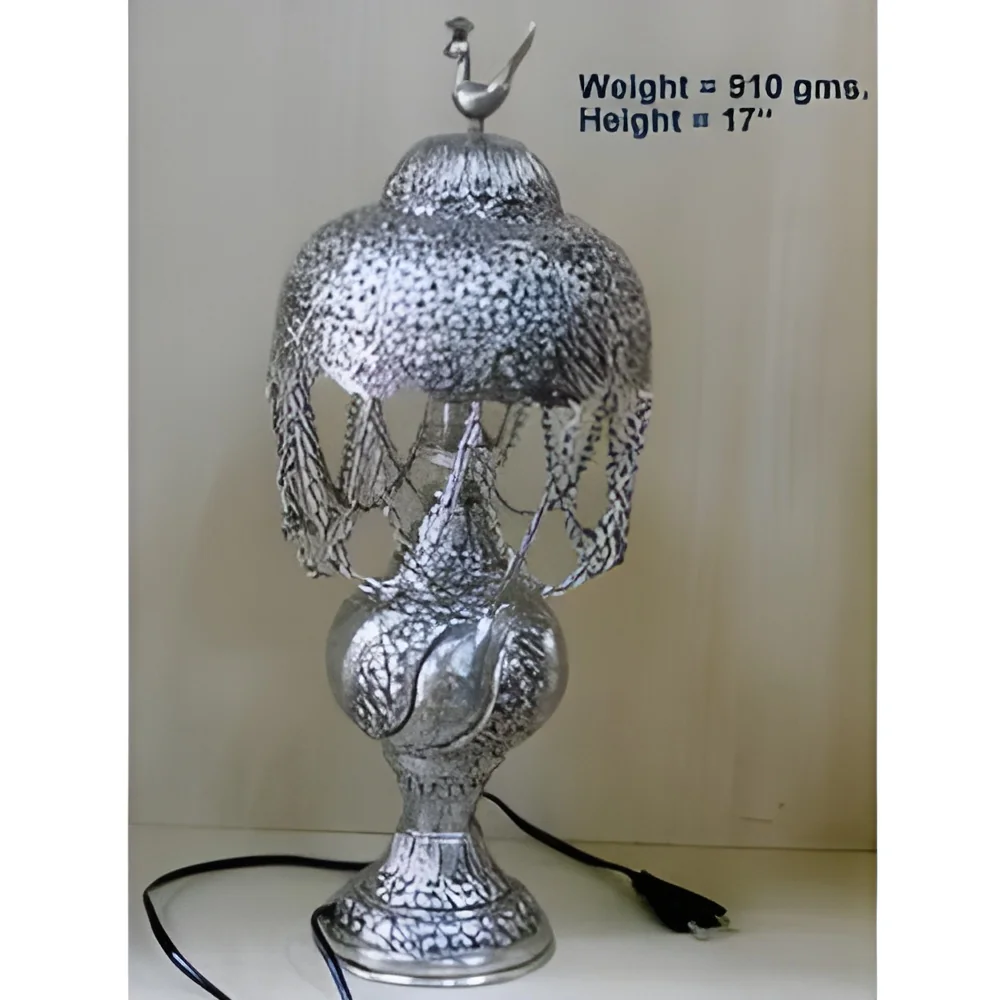
Table Lamps: Table lamps serve dual purposes as decor and functional lighting. They are available in various designs to match different interior styles.
Floor Lamps: These lamps provide flexible lighting options and can be moved easily. They are often used in living rooms or reading areas.
Benefits and Advantages
Choosing decorative lights offers several significant advantages for businesses and homeowners alike.
1. Aesthetic Enhancement: Decorative lights improve the visual appeal of spaces, making them more attractive to customers and guests.
2. Versatility: Available in numerous styles and configurations, decorative lights can suit various applications, from casual settings to elegant venues.
3. Energy Efficiency: Many decorative lights, especially LEDs, consume less energy compared to traditional lighting solutions, reducing operational costs.
4. Customization Options: Decorative lights often come in customizable designs, allowing businesses to tailor them to specific branding requirements.
5. Improved Mood: Proper lighting can enhance ambiance and mood, contributing to a more enjoyable experience for patrons or residents.
6. Increased Foot Traffic: Well-lit and aesthetically pleasing environments can attract more visitors, benefiting retail and hospitality sectors.
Buying Guide for B2B Buyers
When sourcing decorative lights, buyers should consider several critical factors to ensure they select the right products.
1. Quality Assessment: Evaluate the materials and craftsmanship of the lights. High-quality products will offer better durability and performance.
2. Supplier Verification: Ensure the suppliers are reputable and have a track record of delivering quality products. This can be done through references and reviews.
3. Pricing and MOQ: Understand the pricing structure and minimum order quantities. This information will help budget effectively and ensure sufficient inventory.
4. Delivery and Lead Times: Consider logistics and the time frame for receiving the products. Timely delivery is crucial for project planning and execution.
5. Compliance Requirements: Familiarize yourself with any industry standards or regulations that apply to decorative lights, including safety and performance certifications.
Compliance and Certifications
Decorative lights are subject to various quality standards and certifications to ensure safety and performance.
ISO 9001 is a widely recognized quality management standard that ensures manufacturers meet consistent quality control measures. This certification is beneficial for buyers seeking reliable suppliers.
CE marking indicates that the product meets European health, safety, and environmental protection standards. This certification is essential for products sold within the European market.
Safety and testing requirements include ensuring that decorative lights are free from hazards such as overheating or electrical faults. Manufacturers should conduct thorough testing to comply with safety regulations.
Regional compliance considerations may vary depending on the market. Buyers should be aware of local regulations that could impact the selection and use of decorative lights.
Why Source Decorative Lights from Pepagora?
Pepagora provides a trusted platform for sourcing decorative lights, offering several key advantages to buyers.
Verified Supplier Network: Pepagora has a robust network of verified suppliers, ensuring that buyers engage with reputable manufacturers who meet quality standards.
Streamlined RFQ Process: The platform simplifies the request for quotation process, allowing buyers to quickly obtain competitive pricing and options from multiple suppliers.
Trade Assurance and Support: Pepagora offers buyer protection through trade assurance, ensuring that transactions are secure and that support is available throughout the purchasing process.
Regional Coverage: With a strong presence in India, the GCC, and Southeast Asia, Pepagora connects buyers with suppliers across diverse markets, facilitating easier sourcing and logistics.


Frequently Asked Questions
What are Decorative Lights?
Decorative lights are lighting fixtures designed to enhance the aesthetic appeal of a space. They serve both functional and decorative purposes, often used in homes, commercial establishments, and outdoor settings.
What are the different types of Decorative Lights?
There are various types of decorative lights, including string lights, chandeliers, pendant lights, wall sconces, and LED light strips. Each type serves different decorative needs and can be used in various settings.
How do I choose the right Decorative Lights?
Choosing the right decorative lights involves considering the purpose, style, and ambiance you want to create. It's also important to assess the size of the space and the existing decor to ensure a harmonious integration.
What are the standard specifications for Decorative Lights?
Standard specifications for decorative lights may include wattage, lumens output, energy efficiency ratings, and material composition. Additionally, certain lights may have specific voltage requirements and installation guidelines.
What is the price range for Decorative Lights?
The price range for decorative lights can vary widely based on design, materials, and brand. Generally, prices can start from a few hundred rupees for basic designs and go up to several thousand rupees for premium or designer options.
What quality standards apply to Decorative Lights?
Decorative lights should comply with safety and quality standards set by regulatory bodies. In India, products may need to meet specifications from the Bureau of Indian Standards (BIS) to ensure safety and reliability.
Where can I find Decorative Lights suppliers in India?
You can find decorative lights suppliers in India through various online B2B marketplaces, trade shows, and local directories. Platforms like Pepagora.com offer a wide range of suppliers and manufacturers for easy sourcing.
Can Decorative Lights be customized?
Yes, many manufacturers offer customization options for decorative lights. This can include personalized designs, sizes, colors, and features to meet specific customer requirements.
What is the typical minimum order quantity for Decorative Lights?
The typical minimum order quantity (MOQ) for decorative lights varies by supplier and product type. Generally, MOQs can range from 10 to 100 units, depending on the manufacturer and the customization required.
What is the typical lead time for Decorative Lights?
The typical lead time for decorative lights can vary based on the supplier and the complexity of the order. Standard lead times generally range from 2 to 6 weeks, with longer times for customized orders.
Why Businesses Trust Pepagora
Thousands of companies trust Pepagora to source smarter and sell faster
Expand Your Sales Globally

Source Smarter,Grow Faster
