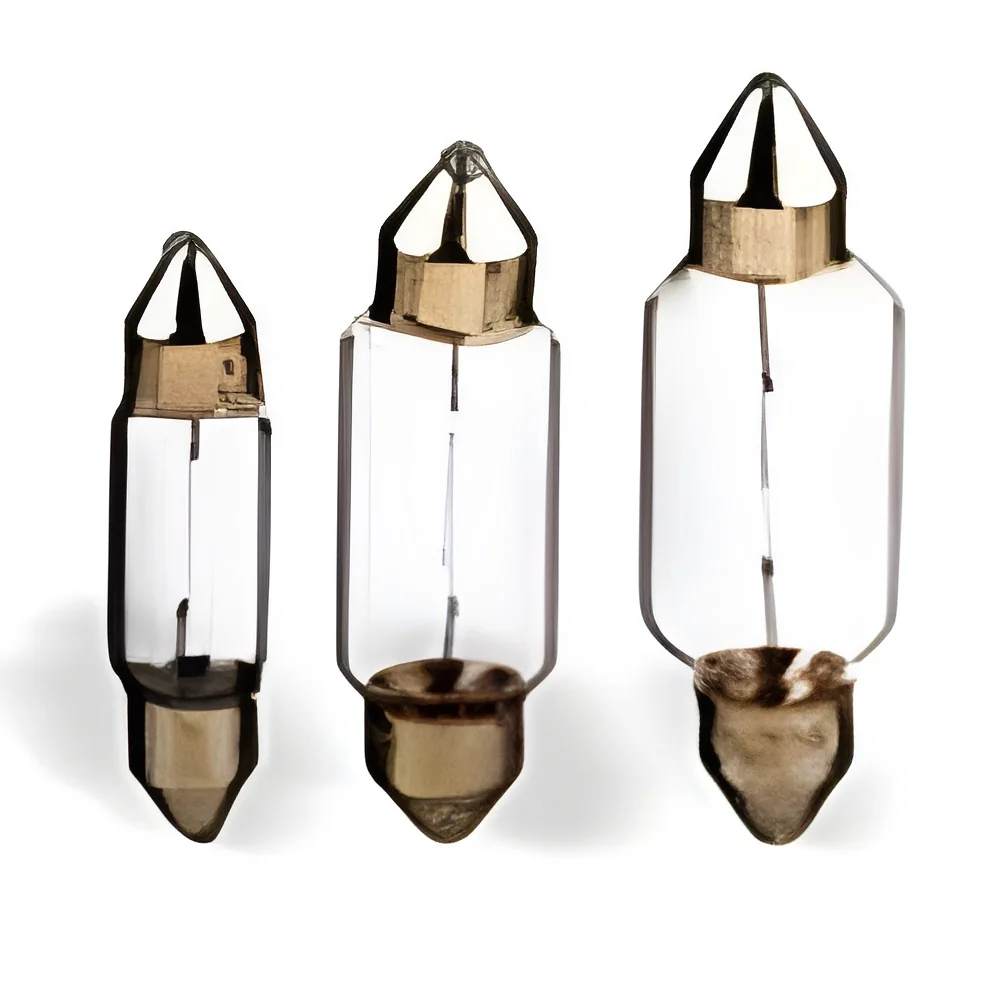
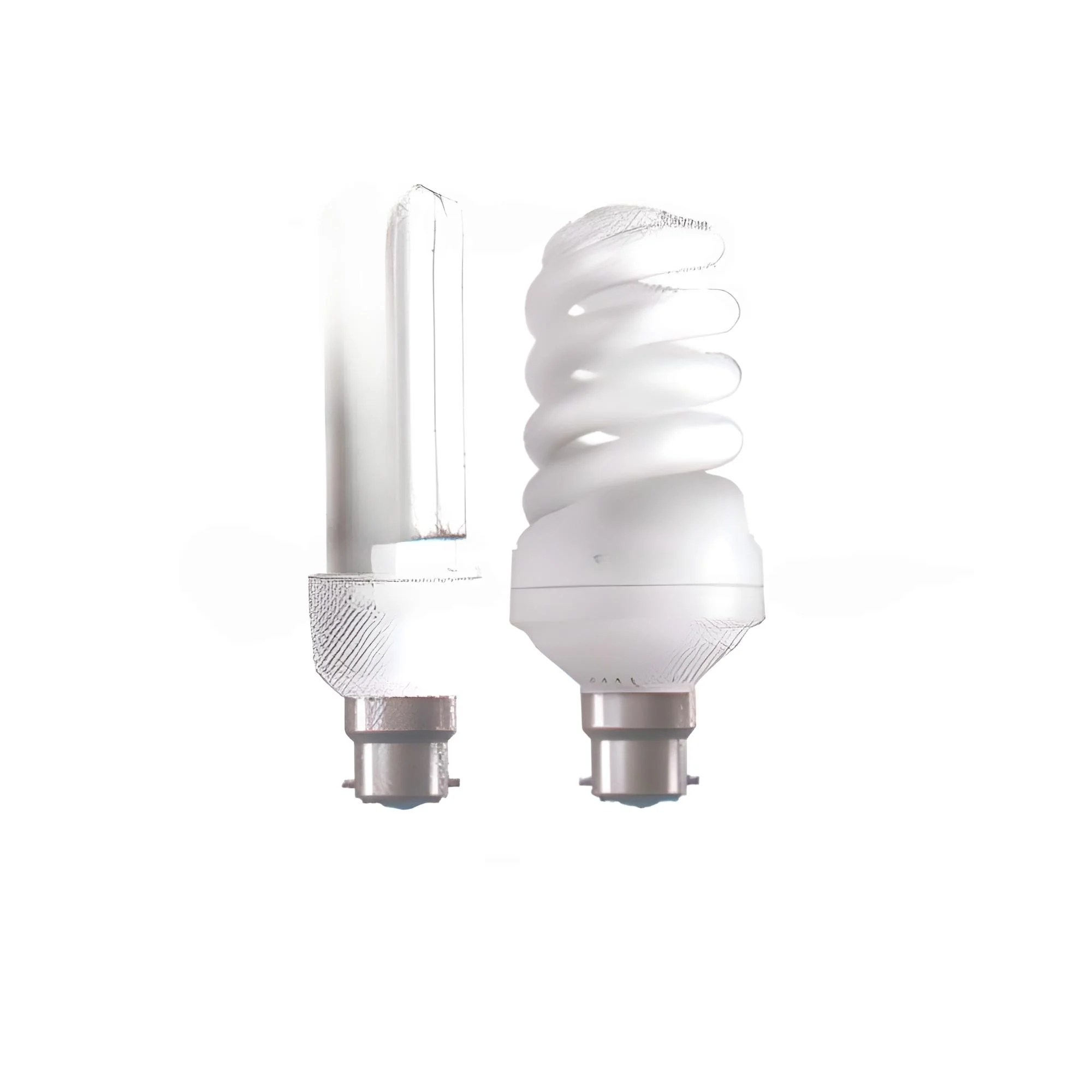
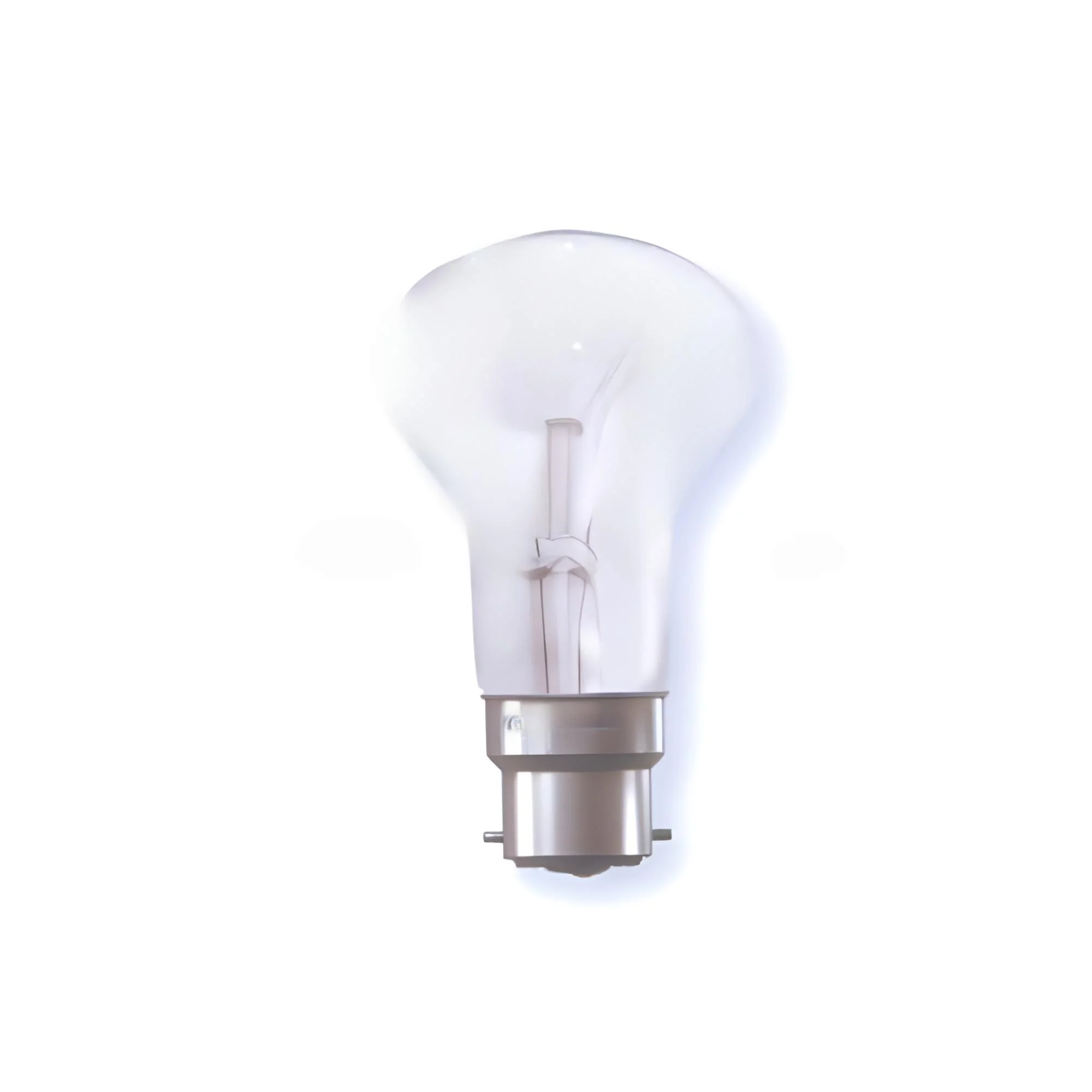
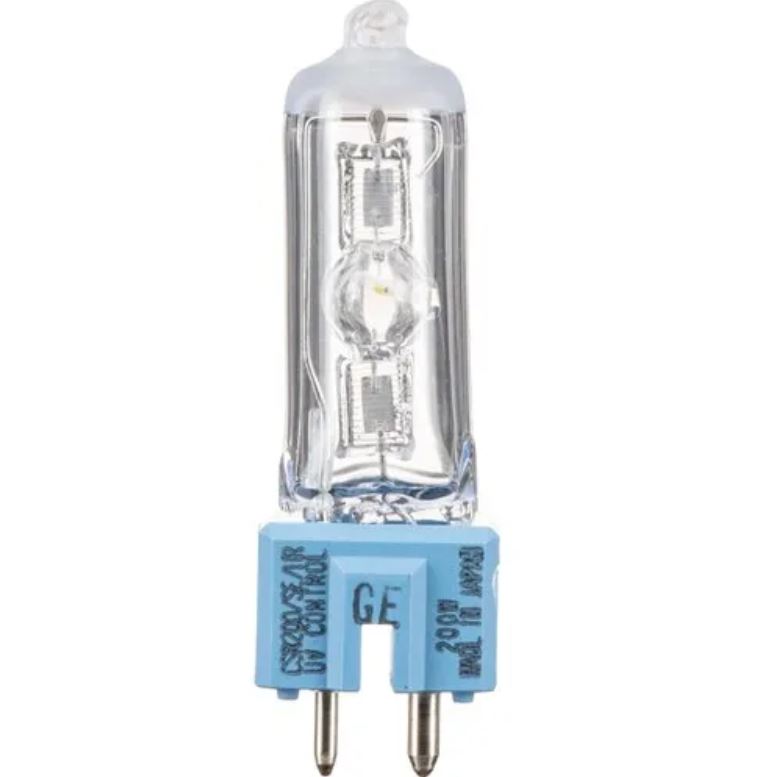
What are LED Bulbs & Lamps?
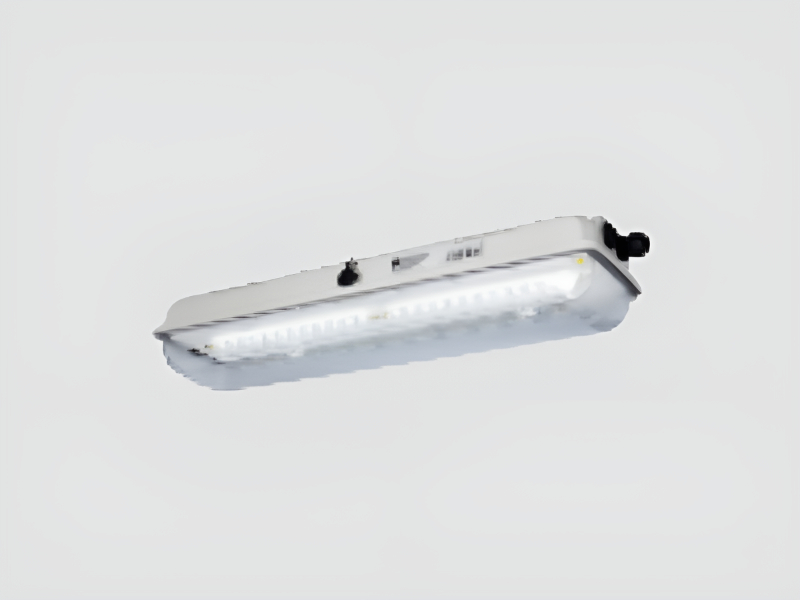
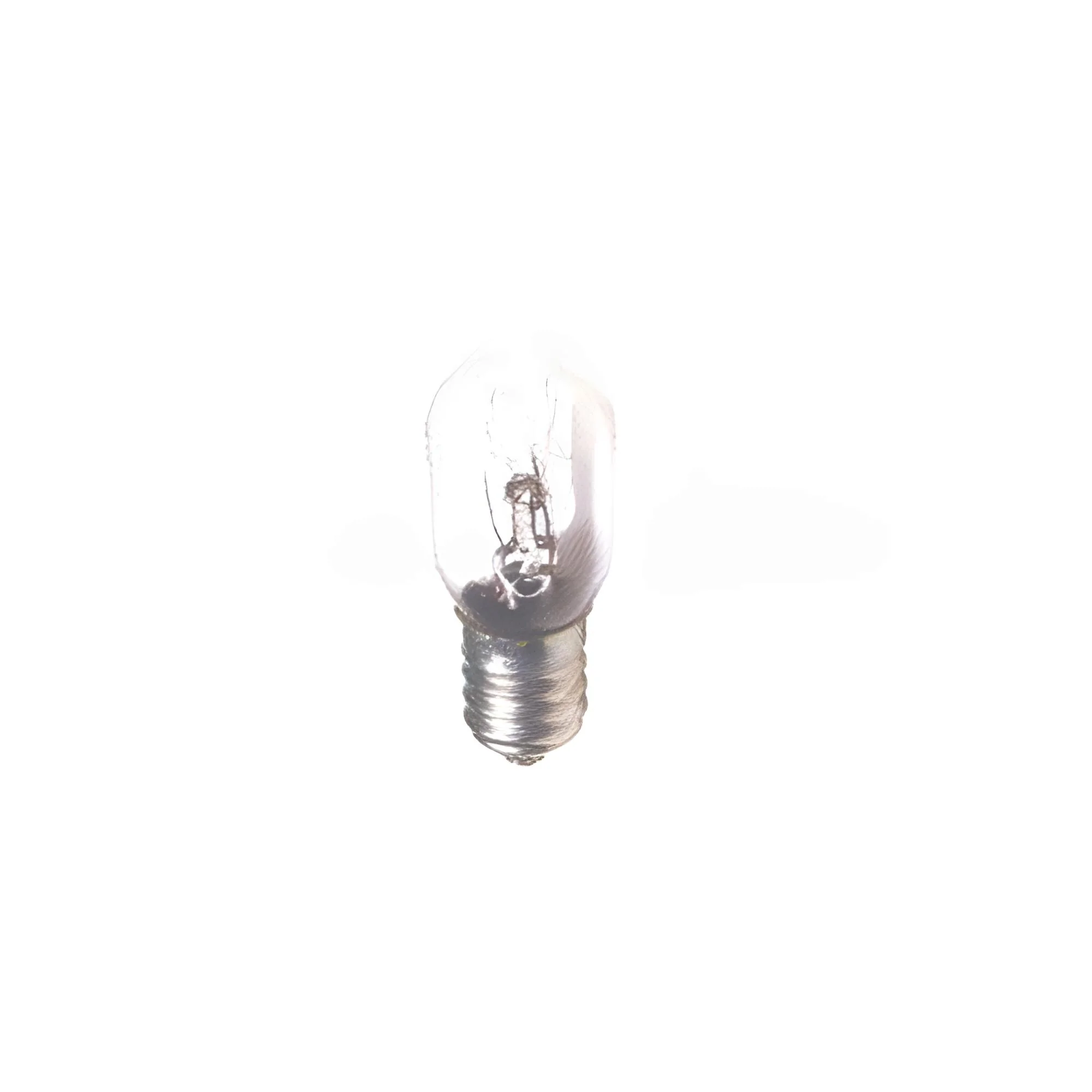
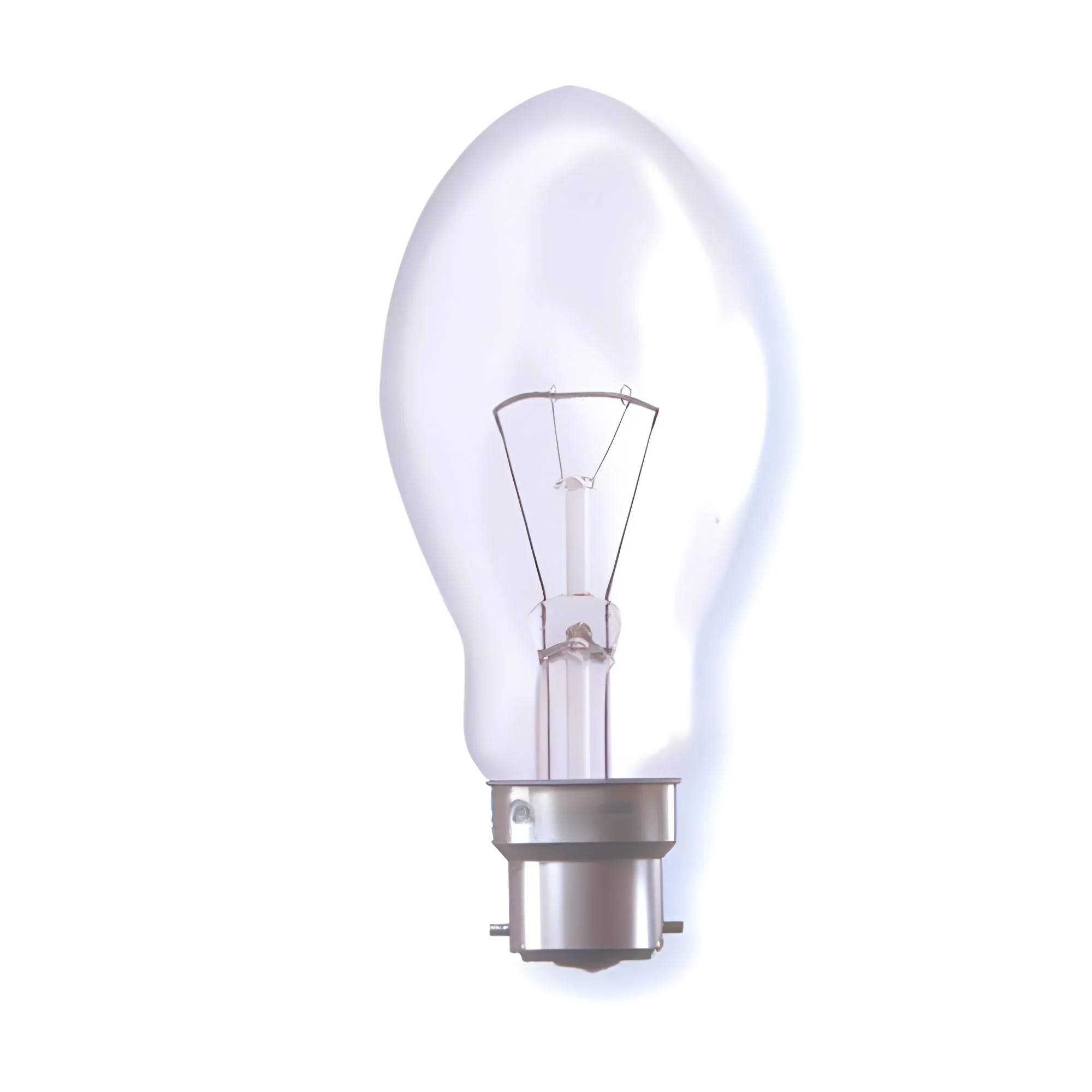
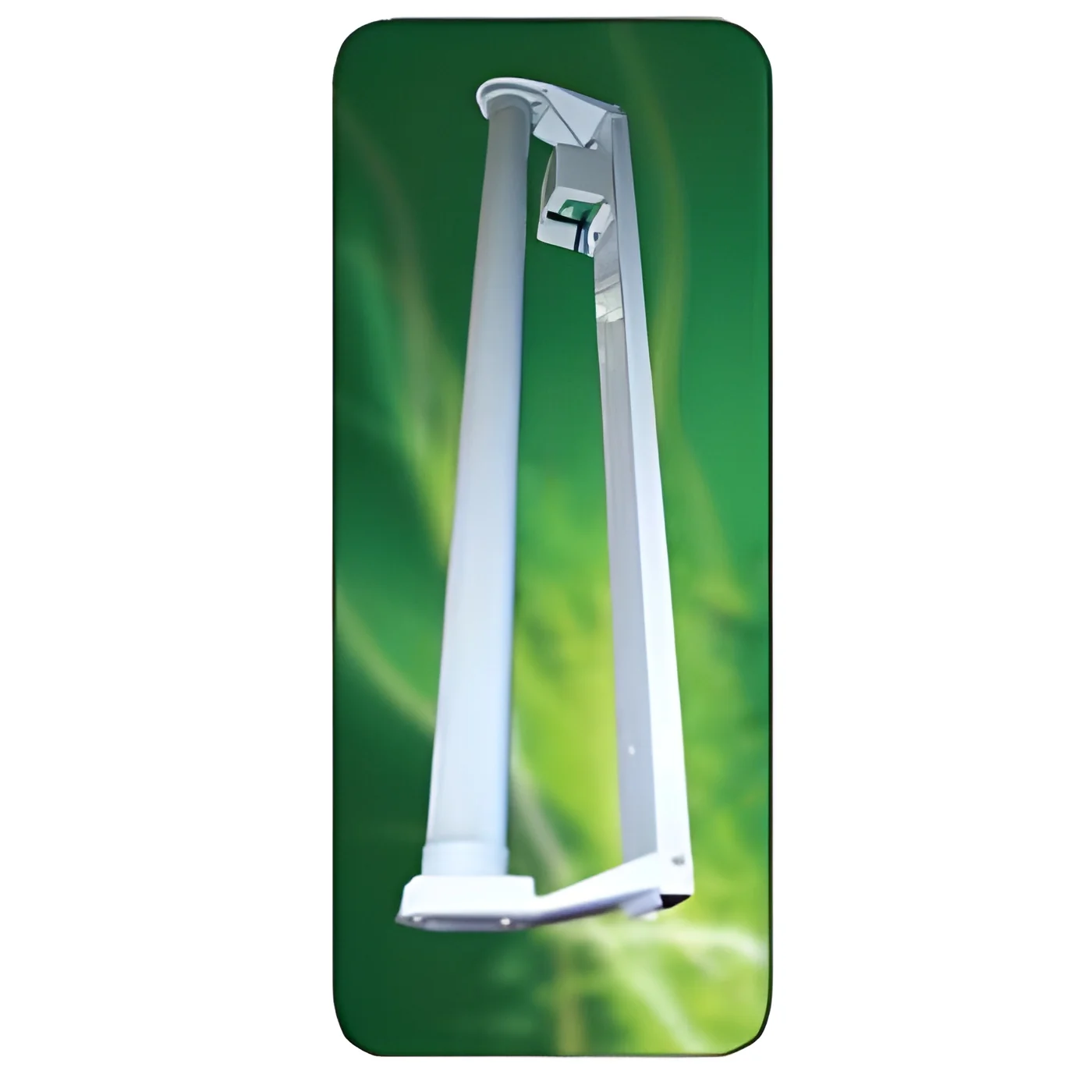
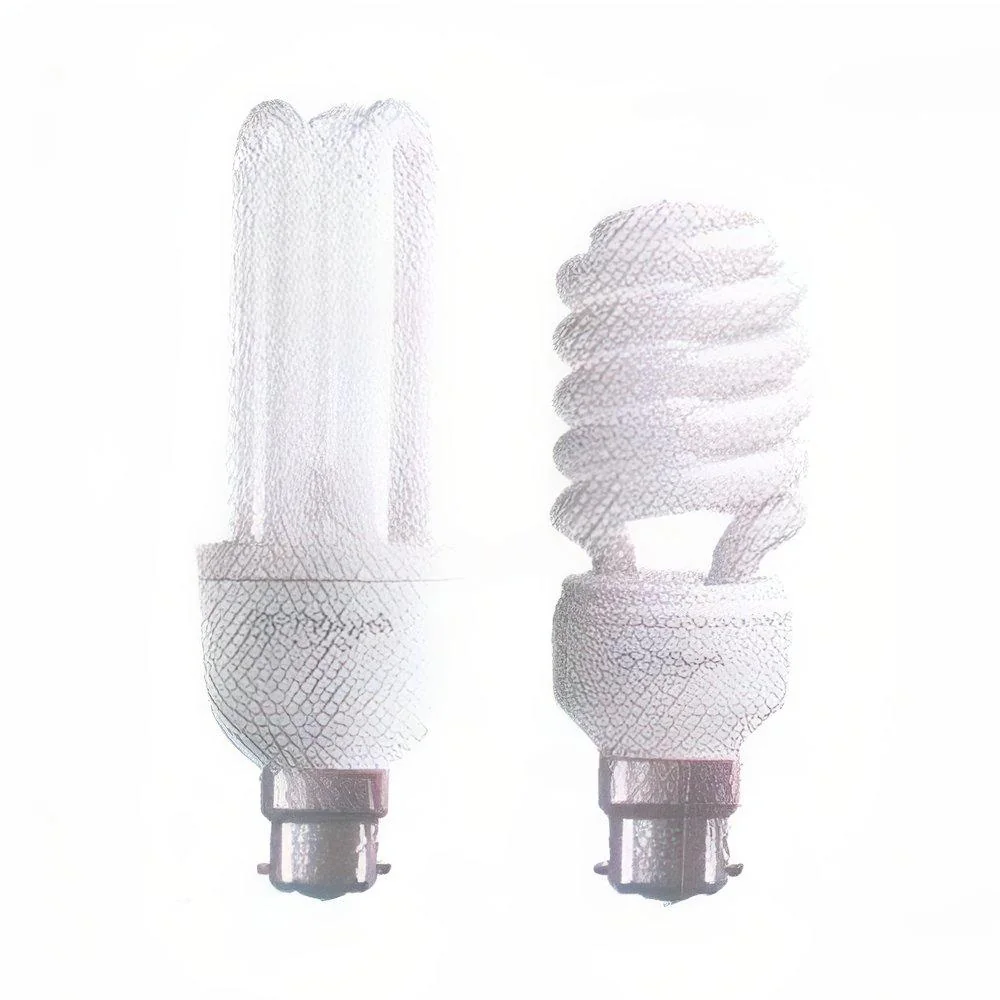
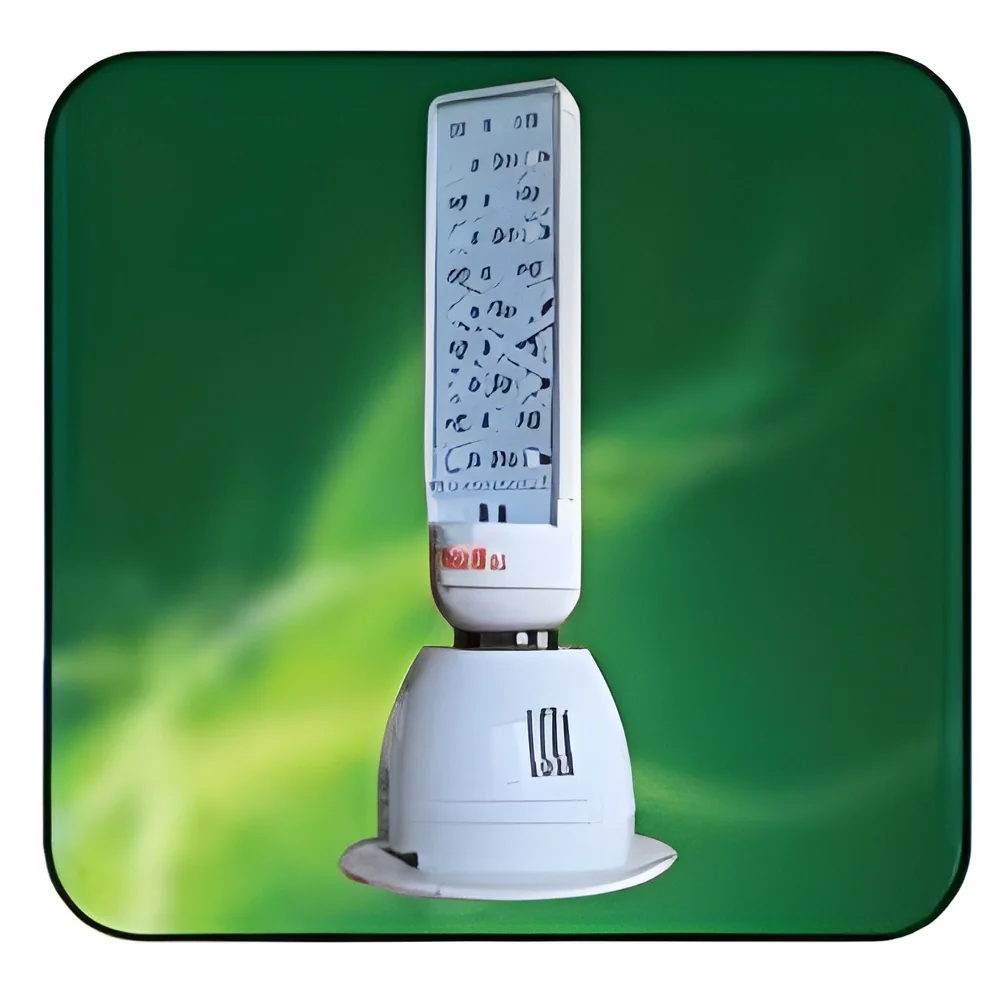
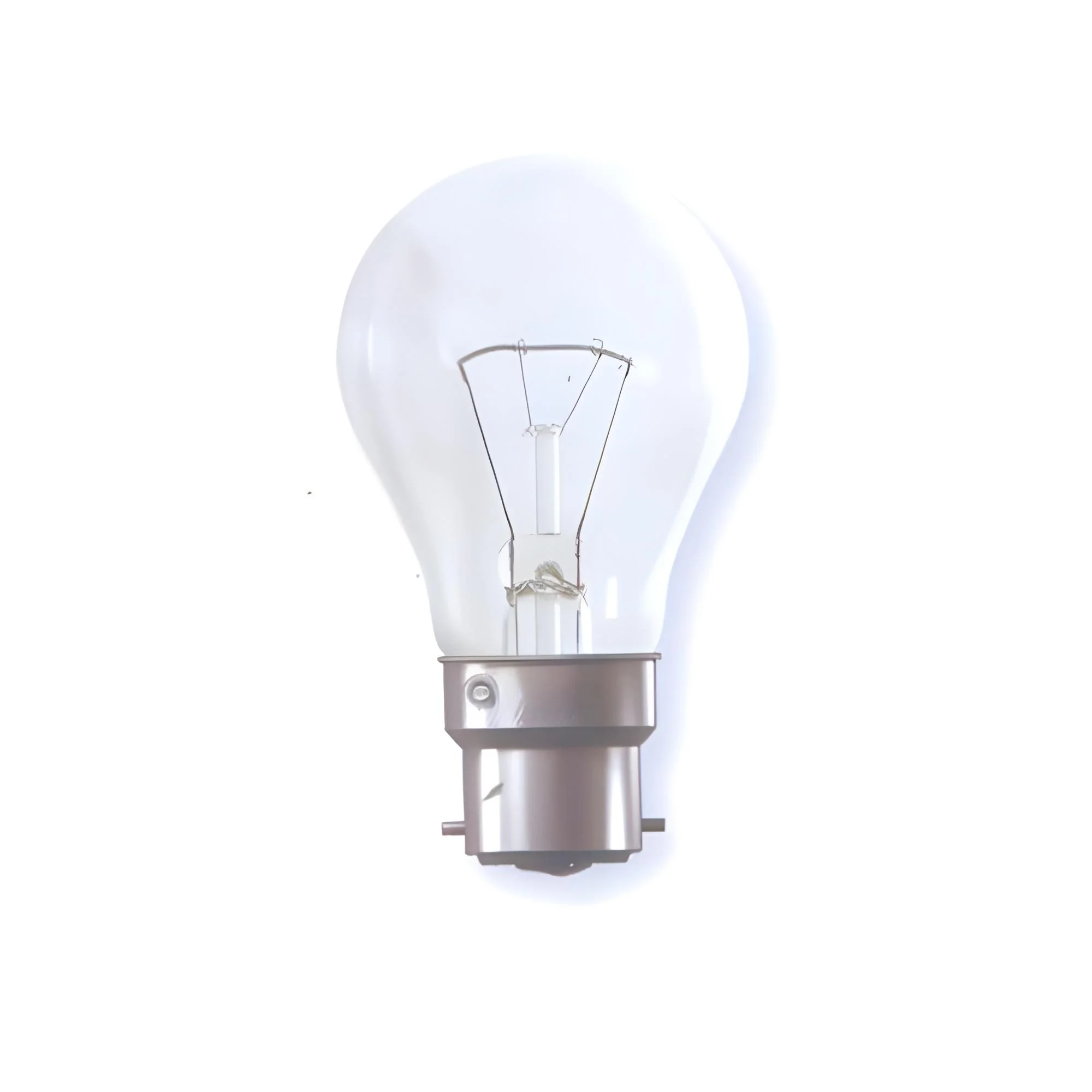
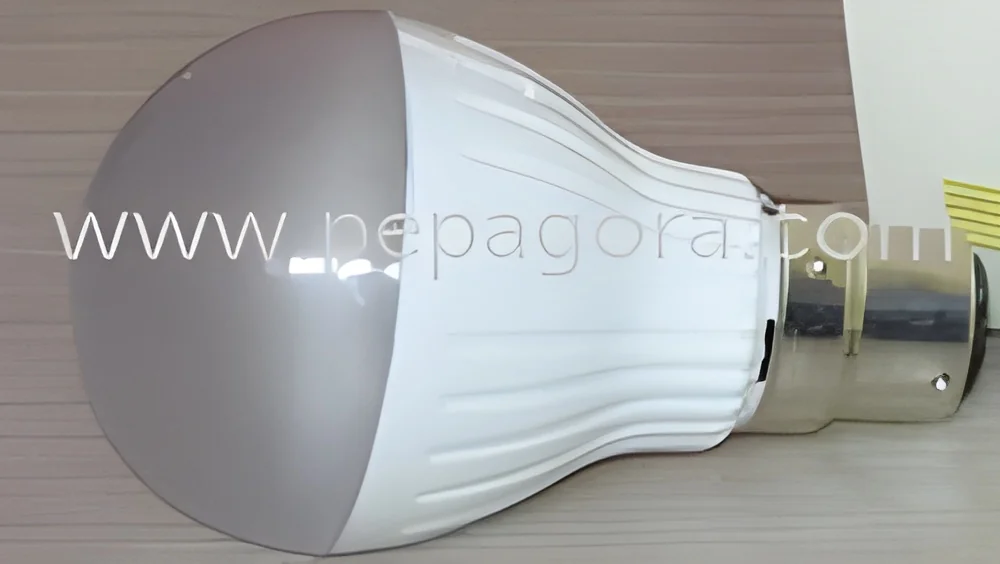
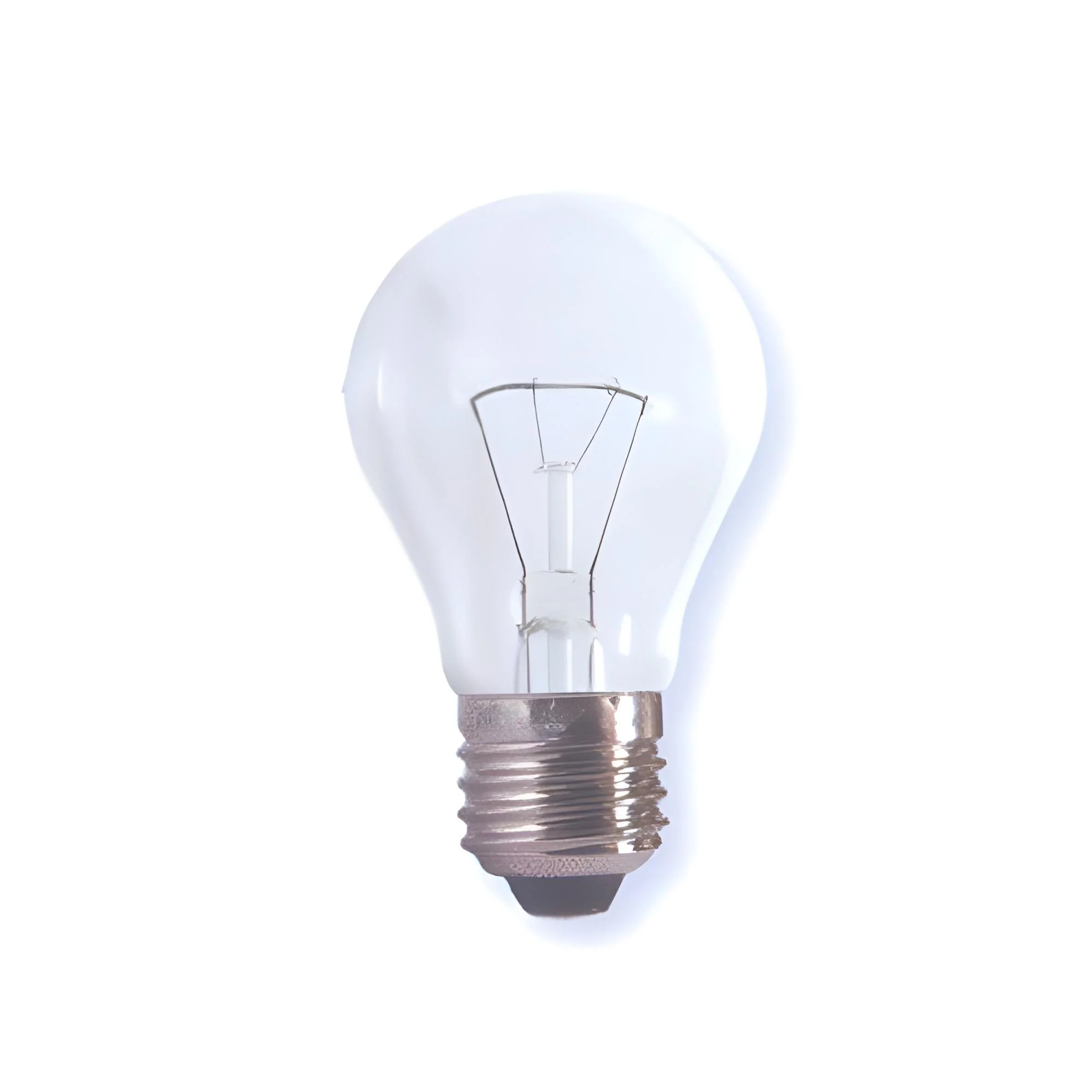
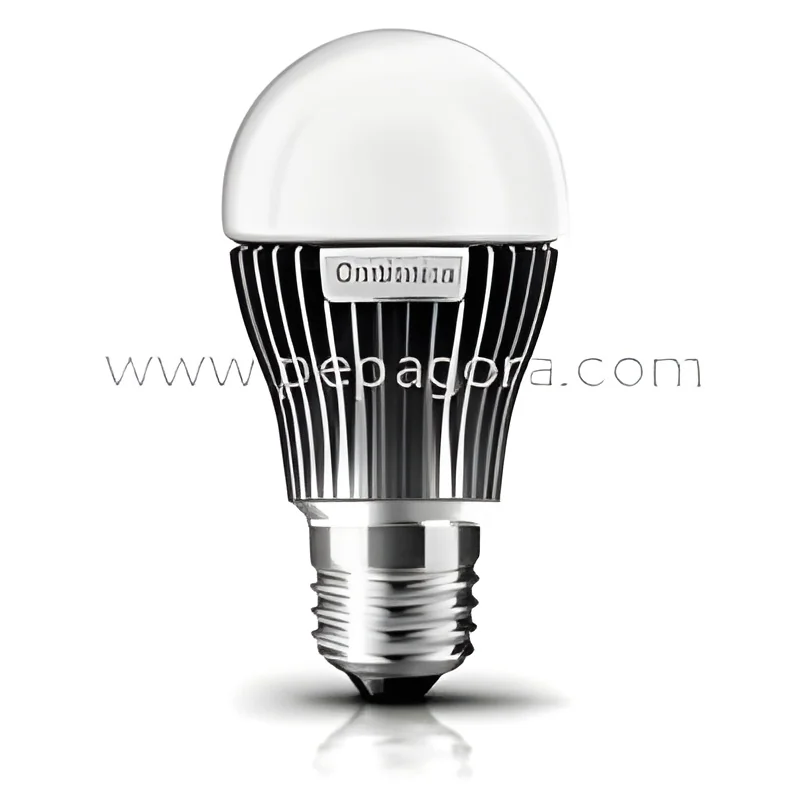
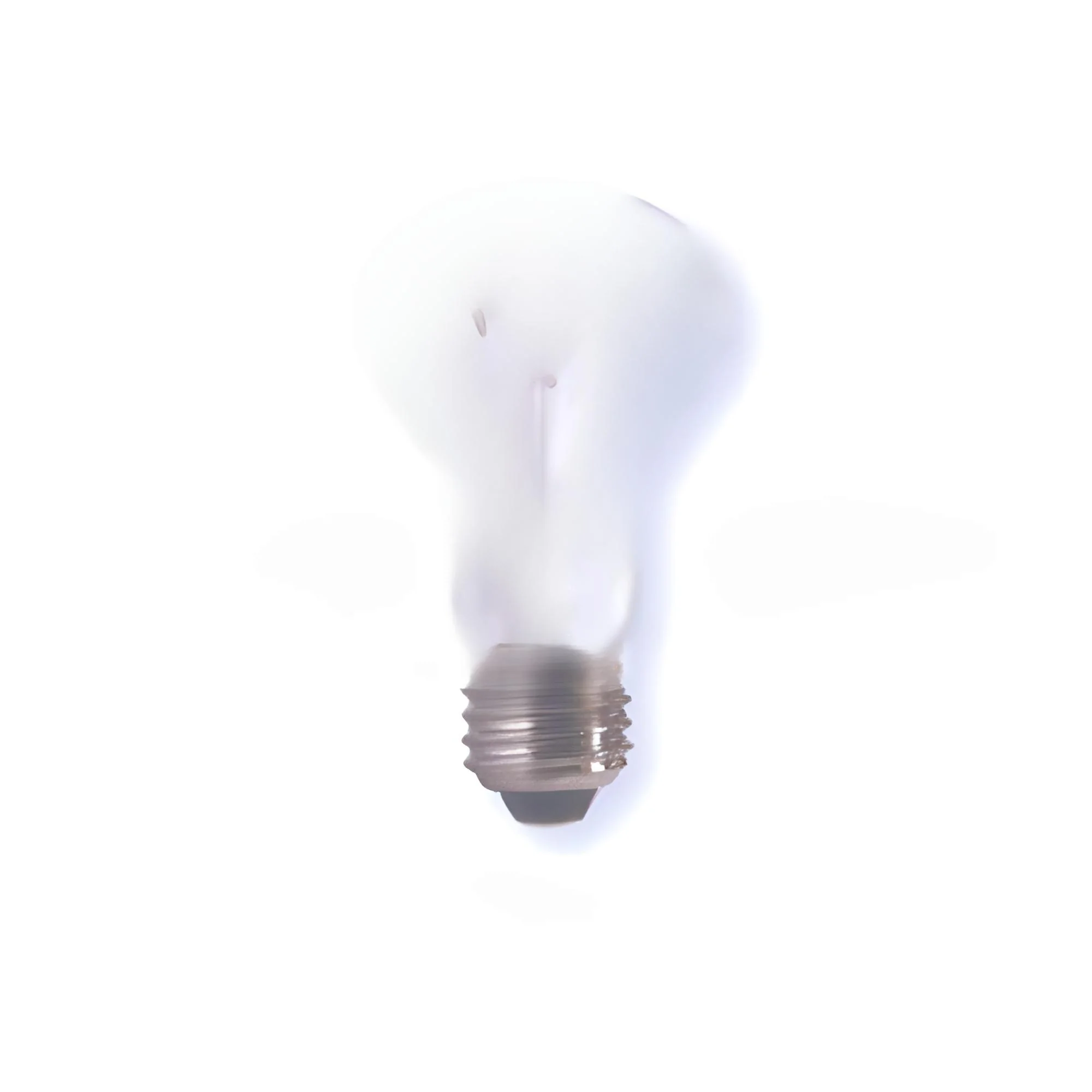
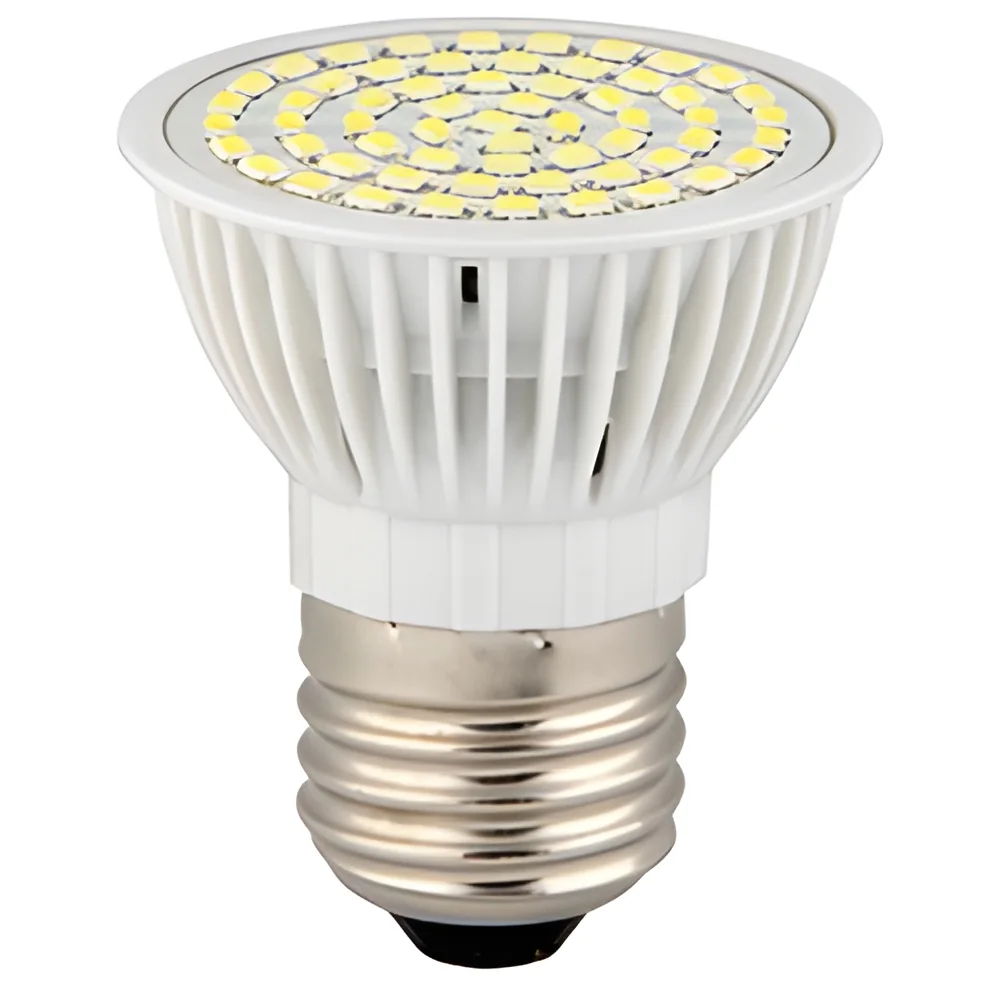
LED bulbs and lamps are advanced lighting solutions that utilize light-emitting diodes (LEDs) to produce light. Unlike traditional incandescent bulbs, LED technology operates by passing electricity through a semiconductor, which emits light. This method is more energy-efficient and has a longer lifespan, making LED bulbs a popular choice for both residential and commercial applications. They come in various shapes, sizes, and color temperatures, catering to different lighting needs.
These products are widely used in various business applications such as office lighting, retail spaces, industrial settings, and outdoor environments. Their efficient energy consumption translates into lower electricity bills, making them an appealing option for businesses looking to reduce operational costs. Furthermore, LED bulbs and lamps are environmentally friendly, as they contain no hazardous materials and have a significantly reduced carbon footprint compared to traditional lighting solutions.
In today's market, the demand for LED technology is growing rapidly due to its numerous benefits. Businesses are increasingly adopting LED solutions as part of their sustainability initiatives. With advancements in LED technology, the market continues to expand with innovative features and designs tailored to specific industry requirements.
Key Features and Specifications
LED bulbs and lamps are characterized by several key features that enhance their performance and suitability for various applications. Understanding these specifications is essential for making informed purchasing decisions.
Key specifications include:
1. Energy Efficiency
- LED bulbs consume significantly less power than incandescent or fluorescent bulbs.
- Energy consumption typically ranges from 5 to 20 watts.
2. Lifespan
- LED bulbs have a longer operational life, often exceeding 25,000 hours.
- This lifespan is about 25 times longer than traditional bulbs.
3. Light Output
- Measured in lumens, LED bulbs provide adequate brightness for various settings.
- Typical lumen output ranges from 300 to 1600 lumens.
4. Color Temperature
- Available in various color temperatures measured in Kelvin (K).
- Common options include warm white (2700K), cool white (4000K), and daylight (5000K).
5. Dimming Capability
- Many LED bulbs are compatible with dimmer switches.
- This feature allows for adjustable brightness levels.
6. Instant On
- LEDs reach full brightness instantly without warm-up time.
- This feature is beneficial in commercial environments where immediate lighting is necessary.
7. Directionality
- LED bulbs can be designed to direct light precisely where it is needed.
- This is ideal for task lighting and spotlight applications.
8. Environmental Impact
- LEDs are free from toxic materials like mercury.
- They are 100% recyclable and contribute to reducing greenhouse gas emissions.
In summary, the key features and specifications of LED bulbs and lamps highlight their energy efficiency, longevity, and versatility, making them a smart choice for businesses seeking effective lighting solutions.
Common Applications and Use Cases
LED bulbs and lamps find applications across various industries, each benefiting from their unique features.
1. Commercial Offices: LED lighting is ideal for office spaces, providing bright and energy-efficient lighting that enhances productivity and reduces energy costs.
2. Retail Stores: Retail environments utilize LED bulbs to create attractive displays and enhance the shopping experience, with options for adjustable brightness and color temperatures.
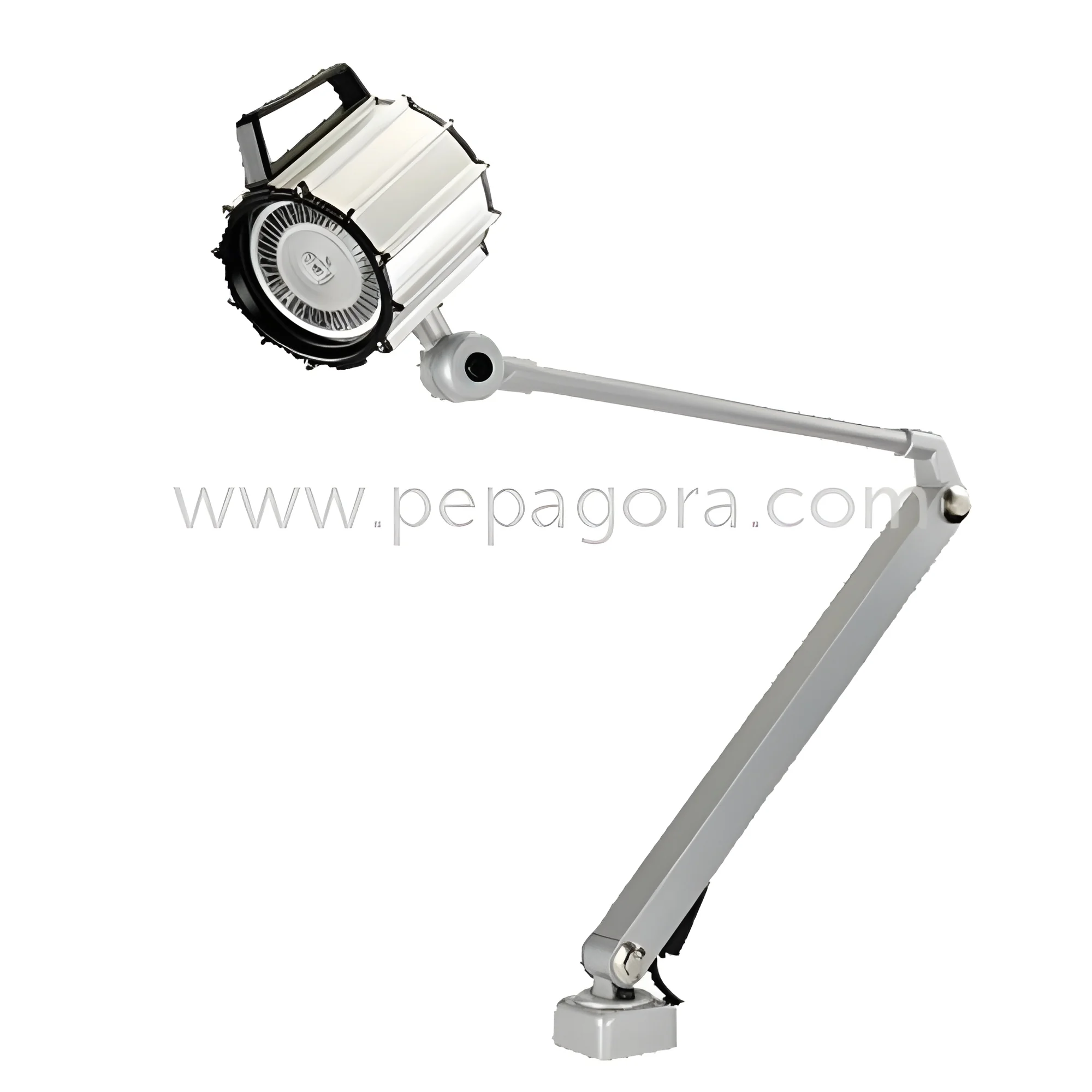
3. Industrial Facilities: In manufacturing and warehousing, LED lamps improve visibility and safety, while their durability withstands harsh conditions.
4. Hospitality: Hotels and restaurants use LED lighting for ambiance, offering customizable options to create inviting atmospheres.
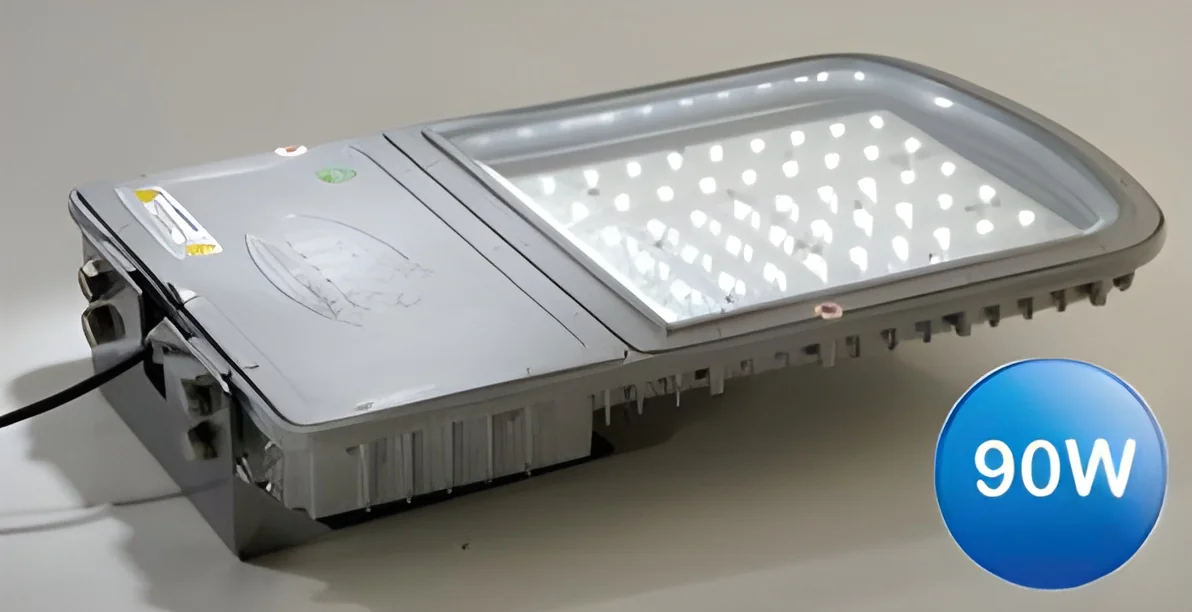
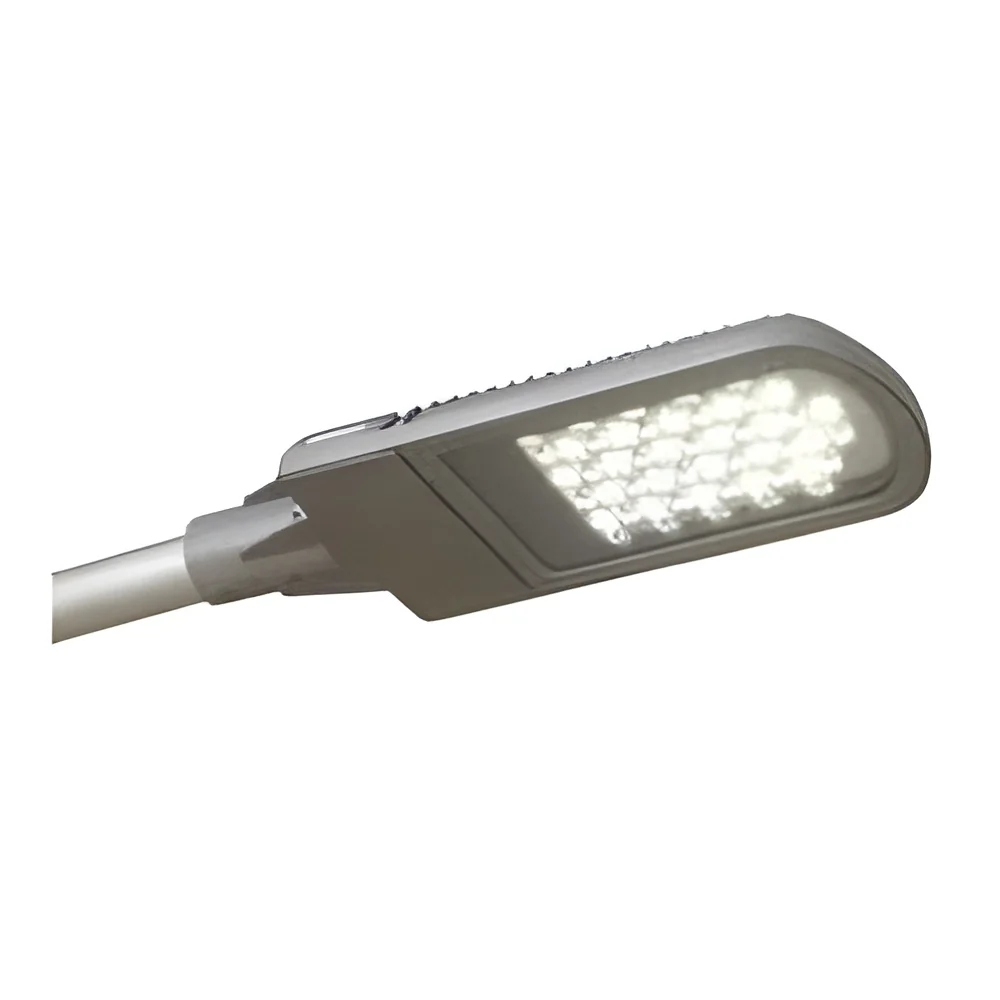
5. Outdoor Lighting: LED technology is used in streetlights and parking lots, providing long-lasting illumination with lower energy consumption.
6. Healthcare: Hospitals and clinics utilize LED lighting for its brightness and efficiency, improving visibility in critical areas while minimizing energy use.
7. Residential: Homeowners are increasingly switching to LED bulbs for interior and exterior lighting, benefiting from lower energy bills and longer-lasting products.
Product Variants and Subcategories
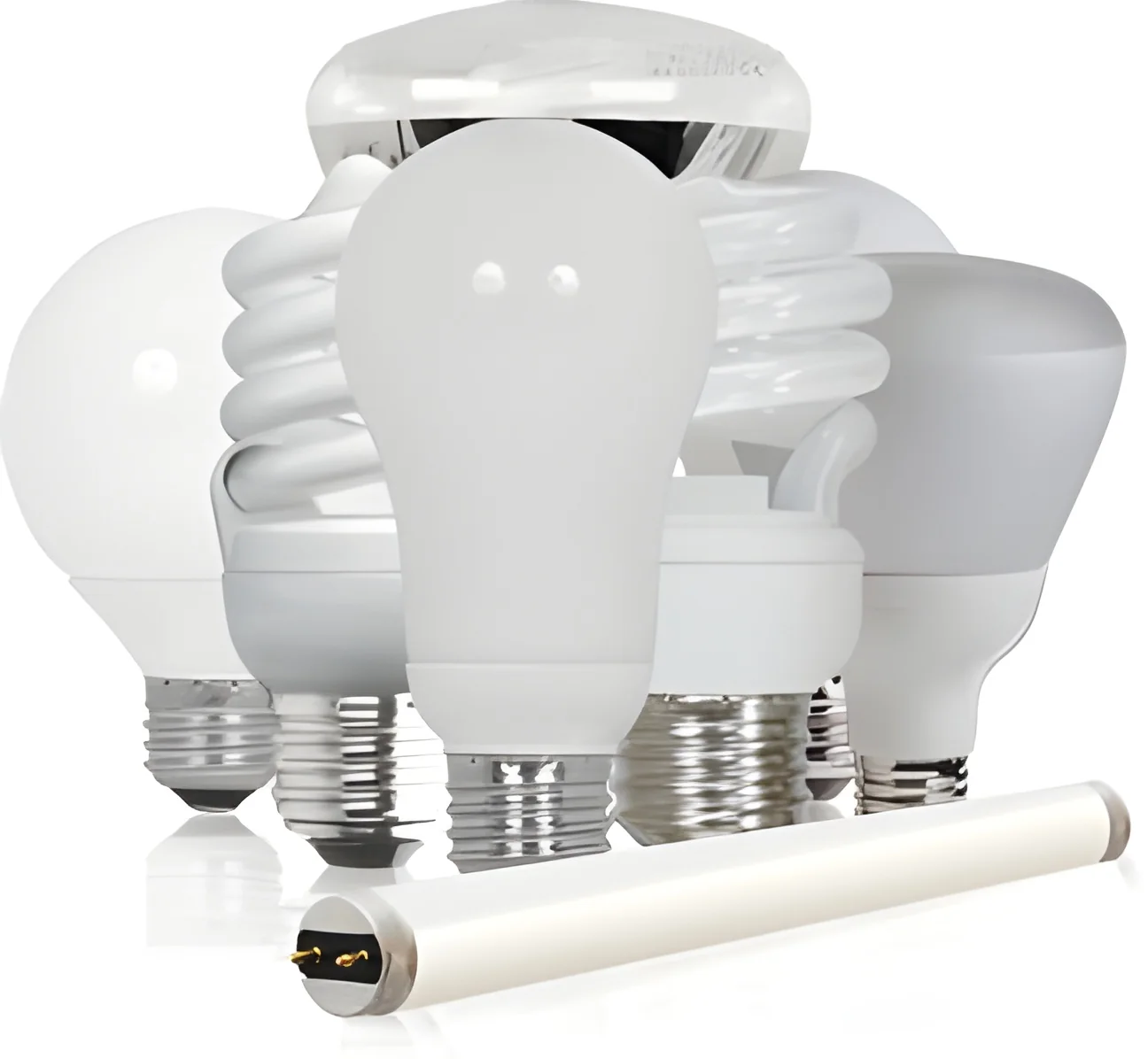
LED bulbs and lamps come in a variety of forms to meet different lighting needs. This diversity allows businesses to select products that best suit their applications.
A19 LED Bulbs
These standard bulbs are widely used in homes and offices. They provide a soft, warm light that is perfect for general lighting purposes.
PAR LED Lamps
Parabolic reflector lamps are typically used in track lighting and recessed fixtures. They offer focused lighting, making them ideal for accent or task lighting.
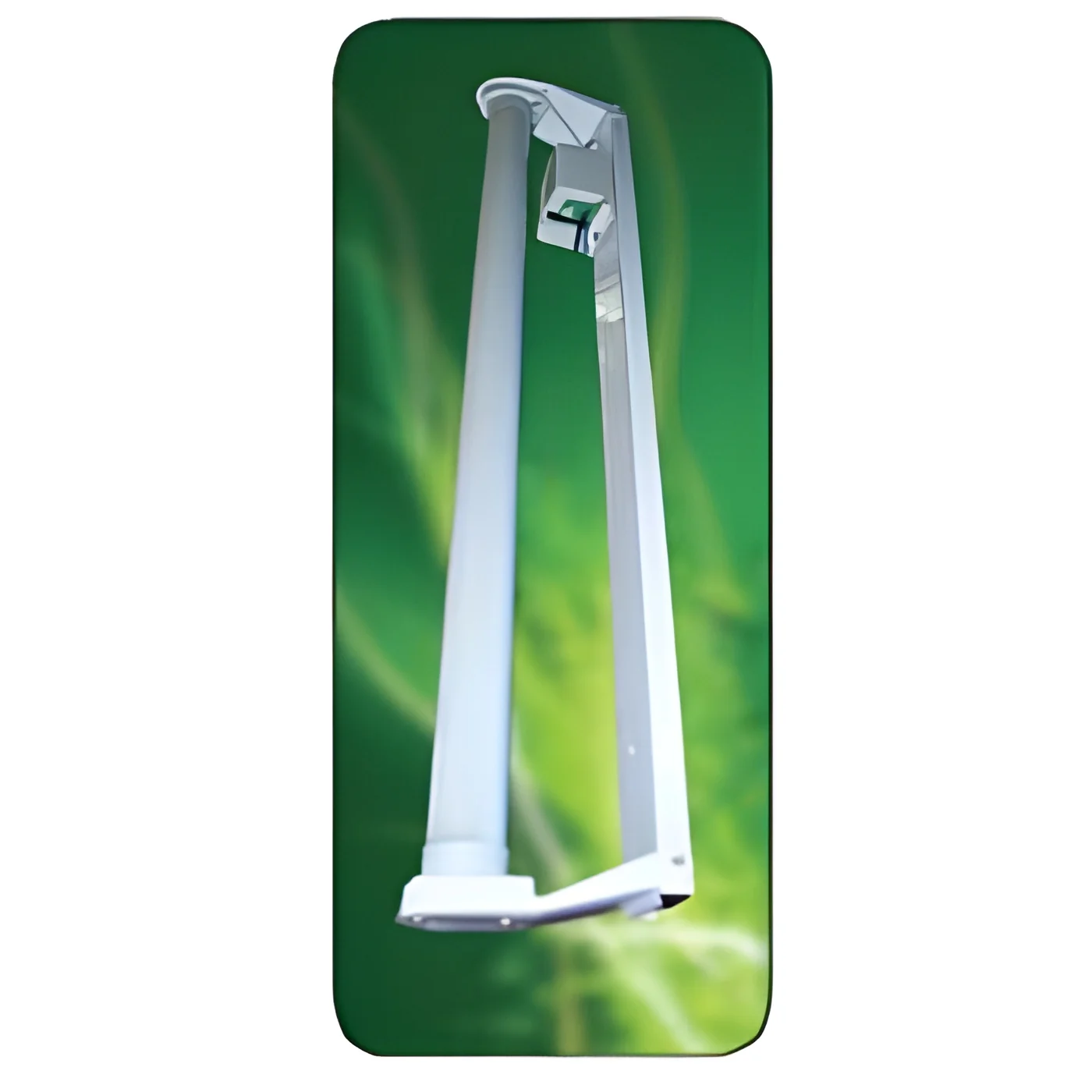
T8 LED Tubes
Designed to replace traditional fluorescent tubes, T8 LED tubes are energy-efficient and suitable for commercial spaces like offices and warehouses.
BR LED Bulbs
These bulbs are designed for use in recessed lighting and track fixtures. They provide a wide beam angle, making them ideal for general illumination.
Benefits and Advantages
LED bulbs and lamps offer numerous benefits that make them advantageous for businesses and organizations.
Key benefits include:
1. Cost Savings: LED bulbs have lower energy consumption, leading to significant savings on electricity bills over time.
2. Longevity: The extended lifespan of LED bulbs reduces the frequency of replacements, minimizing maintenance costs.
3. Environmental Sustainability: LEDs produce less waste and have a lower carbon footprint, aligning with eco-friendly business practices.
4. Versatility: Available in various shapes, sizes, and color temperatures, LED products can cater to diverse lighting needs across different settings.
5. Improved Safety: LEDs emit less heat than traditional bulbs, reducing the risk of fire hazards and improving workplace safety.
6. Enhanced Productivity: Bright, consistent lighting from LEDs can improve visibility and concentration, leading to increased productivity in work environments.
Buying Guide for B2B Buyers
When sourcing LED bulbs and lamps, several critical factors should be considered to ensure the best purchase decisions.
1. Quality Assessment: Evaluate the quality of LED products by checking for certifications and performance ratings. Look for bulbs that meet or exceed industry standards.
2. Supplier Verification: Vet suppliers by researching their reputation, customer reviews, and reliability. Confirm that they are established in the industry.
3. Pricing and MOQ: Consider the pricing structure and minimum order quantities (MOQ) offered by suppliers. Compare quotes to ensure competitive pricing.
4. Delivery and Lead Times: Inquire about delivery options and lead times to ensure that products can be received in a timely manner.
5. Compliance Requirements: Ensure that the products meet regional compliance standards and safety regulations to avoid potential liabilities.
Compliance and Certifications
LED bulbs and lamps must adhere to several quality standards and certifications that ensure their safety and performance in various applications.
Relevant quality standards include ISO 9001 for quality management systems, ensuring that manufacturers maintain high production standards. Additionally, compliance with HACCP and GDP can be relevant for specific applications in food and pharmaceutical industries.
Industry certifications such as CE and UL are critical for verifying the safety and compliance of lighting products. These certifications indicate that the products have been tested for safety and performance according to established guidelines.
Furthermore, safety and testing requirements must be met to ensure that LED products function correctly and do not pose hazards. Manufacturers should conduct rigorous testing to validate product claims and performance.
Regional compliance considerations are also essential, as different regions may have specific regulations regarding energy efficiency and environmental impact. Buyers should verify that the products they purchase comply with local standards.
Why Source LED Bulbs & Lamps from Pepagora?
Pepagora is a trusted platform for sourcing LED bulbs and lamps, offering several key advantages that benefit B2B buyers.
Verified Supplier Network: Pepagora provides access to a network of verified suppliers. Each supplier is vetted to ensure they meet quality standards and reliability, providing buyers with confidence in their purchases.
Streamlined RFQ Process: The platform features a streamlined Request for Quotation (RFQ) process, simplifying the procurement of lighting products. Buyers can easily compare quotes from multiple suppliers to find the best deals.
Trade Assurance and Support: Pepagora offers trade assurance and buyer protection, ensuring that transactions are secure. This support gives buyers peace of mind, knowing that they are safeguarded in their purchasing decisions.
Regional Coverage: With a strong presence in regions such as India, the GCC, and Southeast Asia, Pepagora connects buyers with local suppliers. This regional reach enhances logistical efficiency and reduces lead times, making it easier to source products tailored to specific market needs.

 IN
IN