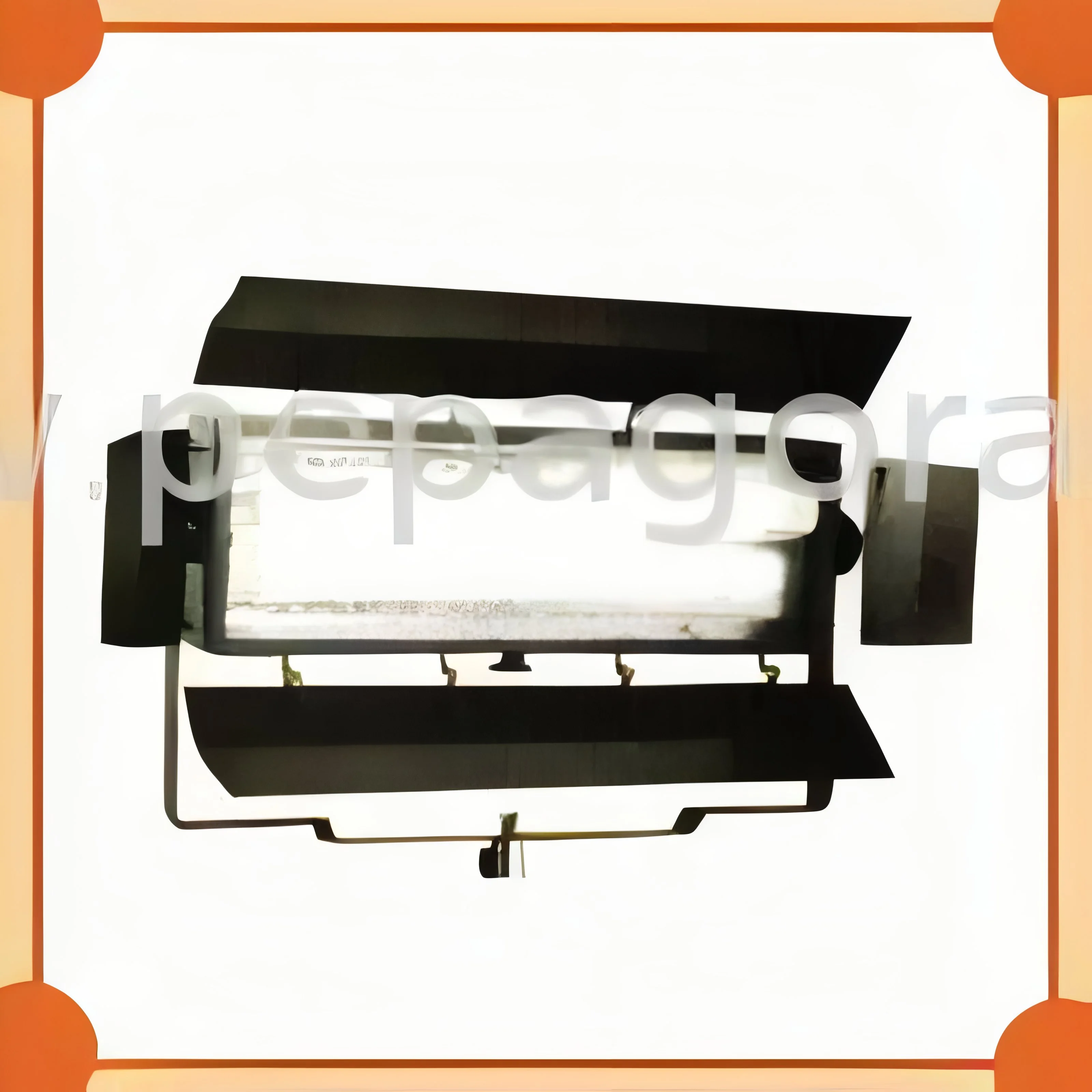
What are Panel Lights?
Panel lights are a type of lighting fixture that provides a sleek, modern appearance while delivering uniform illumination. They are typically designed to be recessed into ceilings or mounted flush, making them ideal for both commercial and industrial spaces. Panel lights utilize LED technology, which enhances energy efficiency and longevity compared to traditional lighting options. Their compact design allows for easy integration into various architectural styles.
These lights are commonly used in office buildings, retail spaces, educational institutions, and healthcare facilities. Panel lights offer versatility in lighting designs, from general ambient lighting to task-specific illumination. They can also be used in large areas to create a balanced light distribution, reducing shadows and enhancing visibility. As businesses increasingly prioritize energy-efficient solutions, panel lights have gained popularity in the market.
The relevance of panel lights extends to industries focused on sustainability and cost reduction. With the growing demand for energy-efficient lighting solutions, manufacturers are continuously innovating to meet market standards. The panel light market is witnessing significant growth as businesses invest in modern lighting technologies to improve workplace environments and reduce operational costs.
Key Features and Specifications
Panel lights come with various features that enhance their functionality and efficiency. Understanding these specifications is crucial for making informed purchasing decisions.
Key specifications include:
1. Light Output
- Measured in lumens, light output determines the brightness of the panel light.
- Typical ranges can vary from 3000 to 6000 lumens depending on the model.
2. Color Temperature
- This specification indicates the warmth or coolness of the light.
- Common ranges are between 3000K (warm white) to 6500K (cool white).
3. Energy Efficiency
- Rated in watts per lumen, energy efficiency reflects how much light is produced per watt consumed.
- Most LED panel lights achieve an efficiency of 80-100 lumens per watt.
4. Lifespan
- Lifespan of panel lights is typically over 30,000 hours, providing long-lasting performance.
5. Dimming Capability
- Some models offer dimming features, allowing users to adjust brightness levels according to needs.
6. Installation Type
- Panel lights can be recessed, surface-mounted, or suspended, providing various installation options.
7. Material and Design
- Constructed with materials like aluminum or plastic, panel lights are designed for durability and aesthetics.
8. Certification
- Many panel lights are certified for safety and energy efficiency, such as CE certification.
In summary, selecting the right panel light involves understanding these specifications to ensure optimal performance and suitability for the intended application.
Common Applications and Use Cases
Panel lights are versatile and widely used in various industries due to their modern design and efficiency.
1. Office Spaces: In offices, panel lights provide ambient lighting that enhances productivity while minimizing eye strain for employees.
2. Retail Stores: Retail environments benefit from panel lights as they create a welcoming atmosphere and highlight merchandise effectively.
3. Educational Institutions: Classrooms and lecture halls utilize panel lights for even illumination, promoting better learning conditions.
4. Healthcare Facilities: Hospitals and clinics rely on panel lights for bright, uniform lighting that enhances visibility in critical areas.
5. Hospitality: Hotels and restaurants employ panel lighting to create inviting atmospheres, enhancing the overall guest experience.
6. Warehouses: In large storage areas, panel lights are used for adequate visibility, ensuring safety and efficiency in operations.
7. Residential Applications: Homeowners are increasingly using panel lights for their energy efficiency and sleek aesthetics in living spaces.
Product Variants and Subcategories
Panel lights come in various variants to meet diverse customer needs and preferences.
Square Panel Lights
These fixtures are popular for their contemporary design and are often used in office settings and commercial spaces. They provide even light distribution and blend seamlessly into ceilings.
Round Panel Lights
Round panel lights offer a unique aesthetic and are commonly used in areas where a softer light transition is desired. They are ideal for use in hallways, lobbies, and residential spaces.
Edge-Lit Panel Lights
Designed with LED technology on the edges, these lights provide a slim profile and even light output. They are particularly effective in low-ceiling environments.
Back-Lit Panel Lights
These lights are designed with LEDs positioned behind the panel, offering a more traditional lighting experience and are often used in spaces requiring higher brightness levels.
Benefits and Advantages
Panel lights provide numerous advantages for businesses and organizations.
1. Energy Efficiency: Panel lights consume less power compared to traditional lighting, leading to significant savings on energy bills.
2. Long Lifespan: With a lifespan of over 30,000 hours, panel lights reduce the need for frequent replacements and maintenance costs.
3. Uniform Lighting: They provide even illumination, minimizing shadows and enhancing visibility in various environments.
4. Sleek Design: The modern aesthetics of panel lights fit well into contemporary architecture, complementing interior designs.
5. Dimming Options: Many panel lights come with dimming capabilities, allowing customization of lighting levels for different scenarios.
6. Environmental Impact: By using LED technology, panel lights contribute to reduced carbon footprints, aligning with sustainability goals.
Buying Guide for B2B Buyers
When sourcing panel lights for business use, several factors should be considered to ensure satisfaction and compliance with project requirements.
1. Quality Assessment: Evaluate the quality of panel lights by reviewing specifications, materials, and manufacturer reputations to ensure durability and performance.
2. Supplier Verification: Conduct thorough checks on potential suppliers, including their certifications, customer reviews, and delivery capabilities to ensure reliability.
3. Pricing and MOQ: Understand the pricing structure and minimum order quantities (MOQ) to align your purchasing strategy with budget constraints.
4. Delivery and Lead Times: Assess logistics and delivery timelines to ensure products arrive when needed, preventing project delays.
5. Compliance Requirements: Be aware of any regulatory standards applicable to panel lights in your region, such as safety and energy efficiency certifications.
Compliance and Certifications
Panel lights are subject to various quality standards and certifications that ensure safety and performance.
ISO 9001 is a globally recognized standard that demonstrates a company's commitment to quality management systems. This certification helps ensure that panel lights are manufactured consistently and meet customer expectations.
CE certification indicates that the product complies with European health, safety, and environmental protection standards. Panel lights bearing this mark have passed rigorous testing to ensure they are safe for use.
Safety and testing requirements for panel lights include assessments for electrical safety, fire hazards, and environmental impact. These tests ensure that the products are safe for both consumers and the environment.
Regional compliance considerations may vary, so businesses should familiarize themselves with local regulations and standards to ensure that their panel lights meet necessary legal requirements.
Why Source Panel Lights from Pepagora?
Pepagora offers a reliable platform for sourcing panel lights, providing several advantages for buyers.
Verified Supplier Network: Pepagora connects buyers with a network of verified suppliers, ensuring that the products are sourced from reputable manufacturers who meet industry standards.
Streamlined RFQ Process: The request for quotation (RFQ) process is simple and efficient, allowing buyers to receive competitive quotes quickly and make informed purchasing decisions.
Trade Assurance and Support: Pepagora provides trade assurance, giving buyers peace of mind with protection against payment risks and ensuring that their transactions are secure.
Regional Coverage: With a strong presence in India, the GCC, and Southeast Asia, Pepagora offers extensive regional coverage, making it easier for businesses to find and source panel lights that fit their specific needs.

 IN
IN