𝗪𝗵𝗮𝘁 𝗮𝗿𝗲 𝗜𝗻𝘀𝘂𝗹𝗮𝘁𝗶𝗼𝗻 𝗠𝗮𝘁𝗲𝗿𝗶𝗮𝗹𝘀?
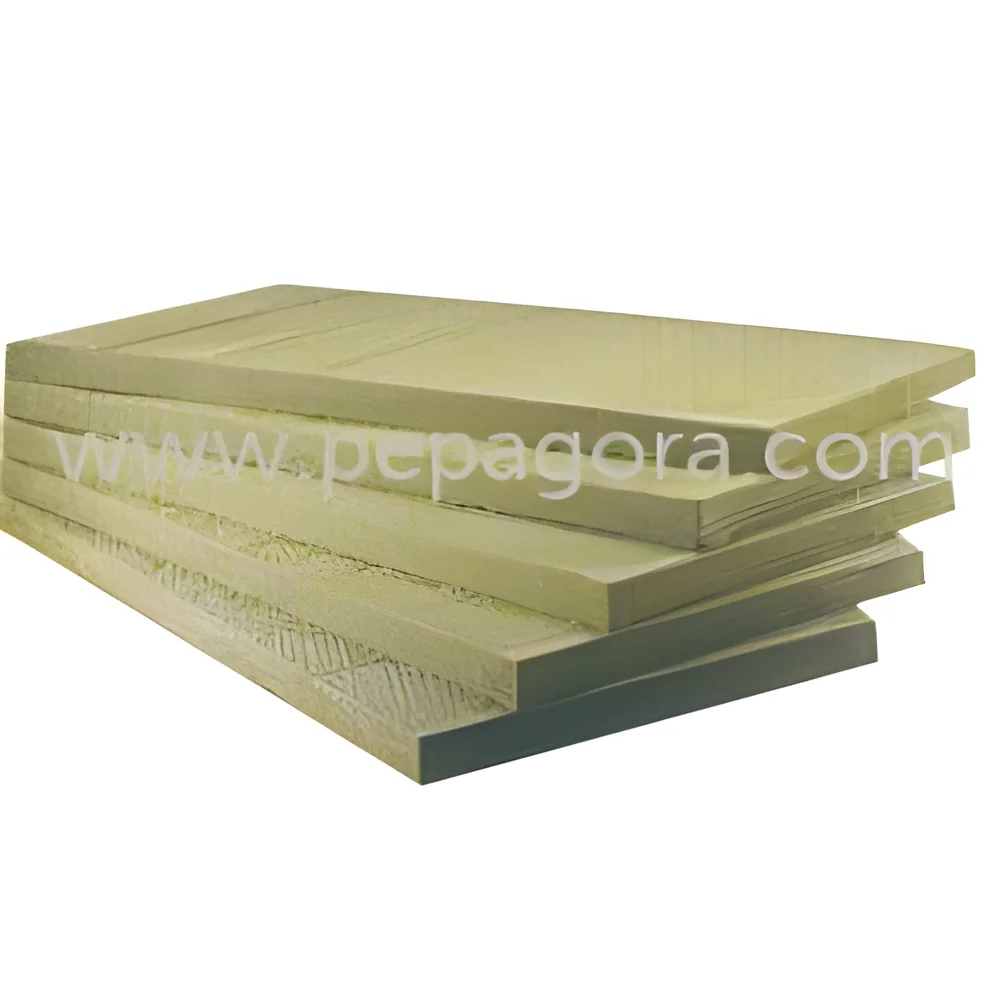
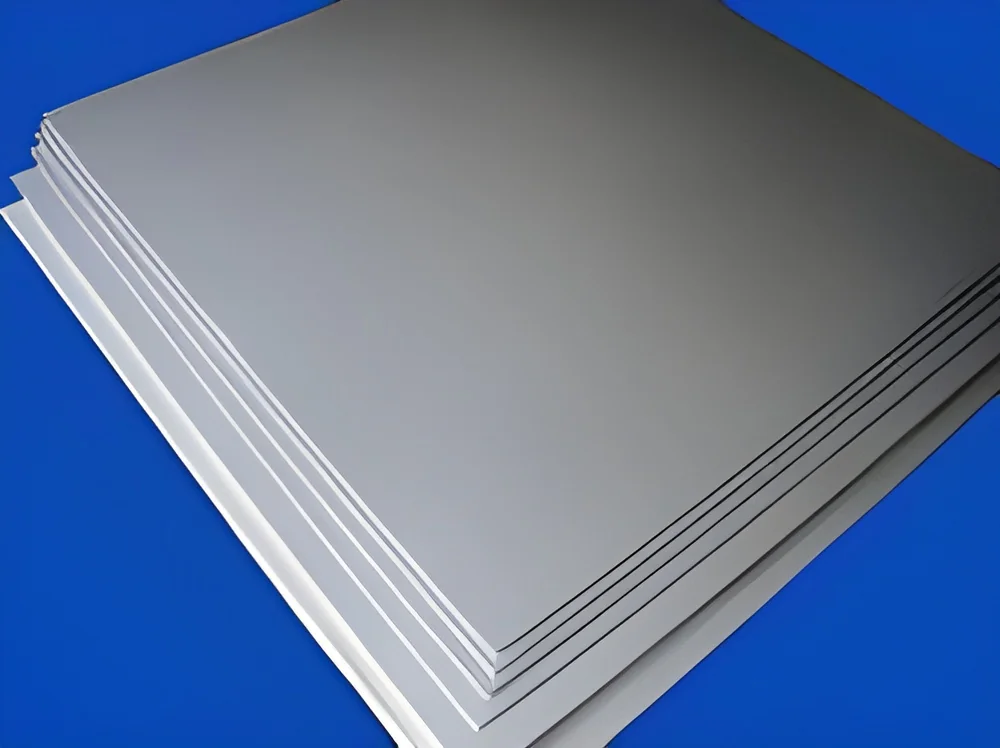
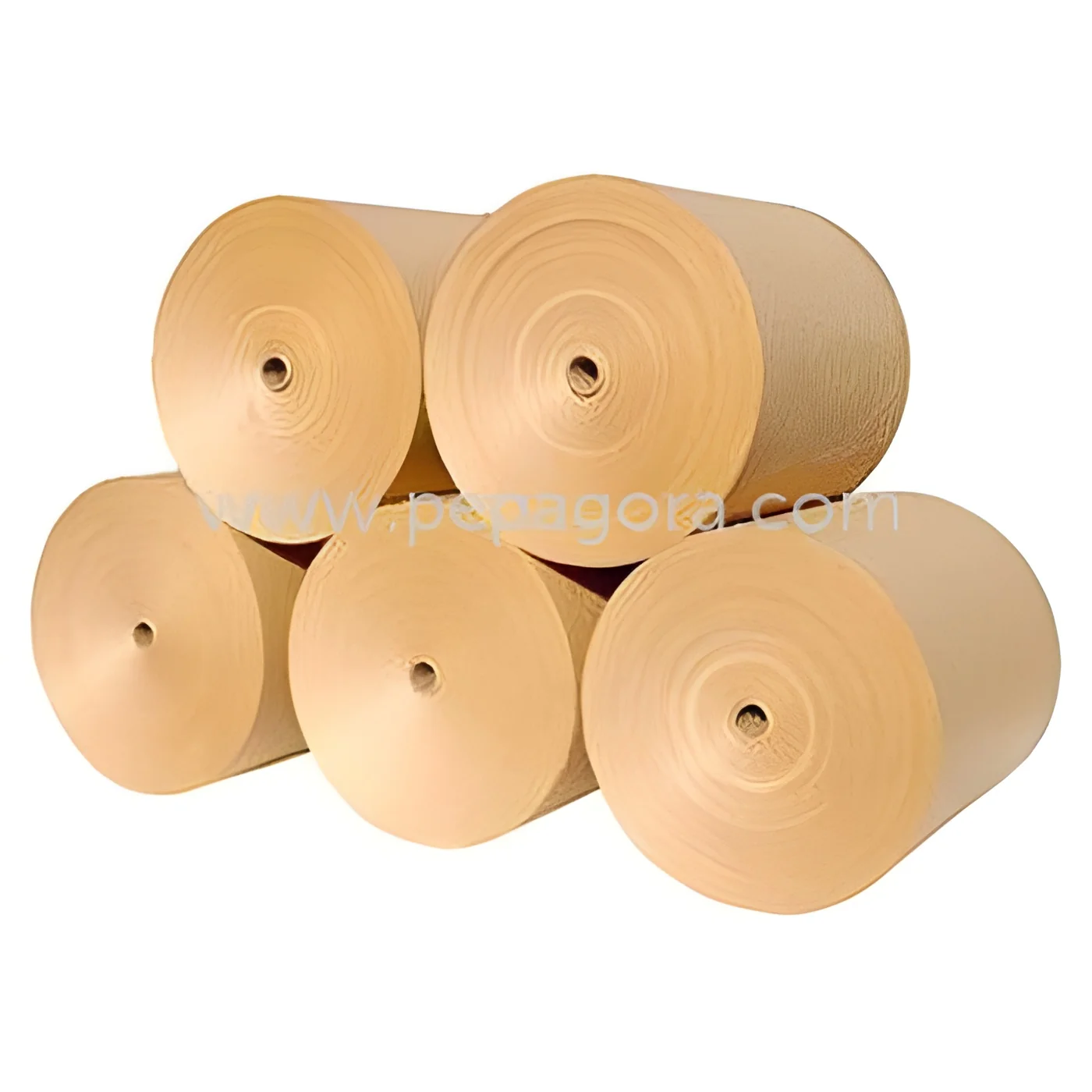
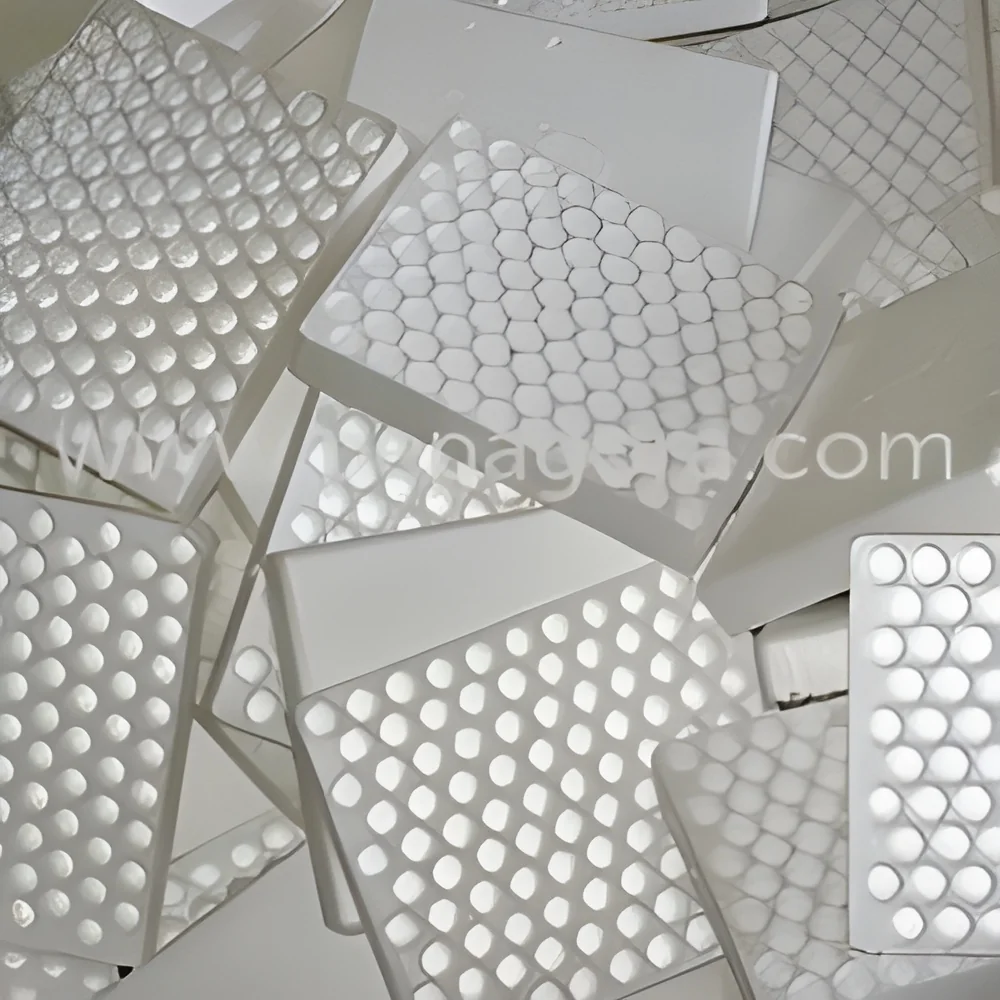
Insulation materials are substances used to reduce the transfer of heat, sound, or electricity between different environments. These materials work by creating a barrier that minimizes energy loss, noise transmission, or electrical conductivity. Depending on their composition, insulation materials can be categorized based on their thermal resistance, moisture control properties, and application methods.
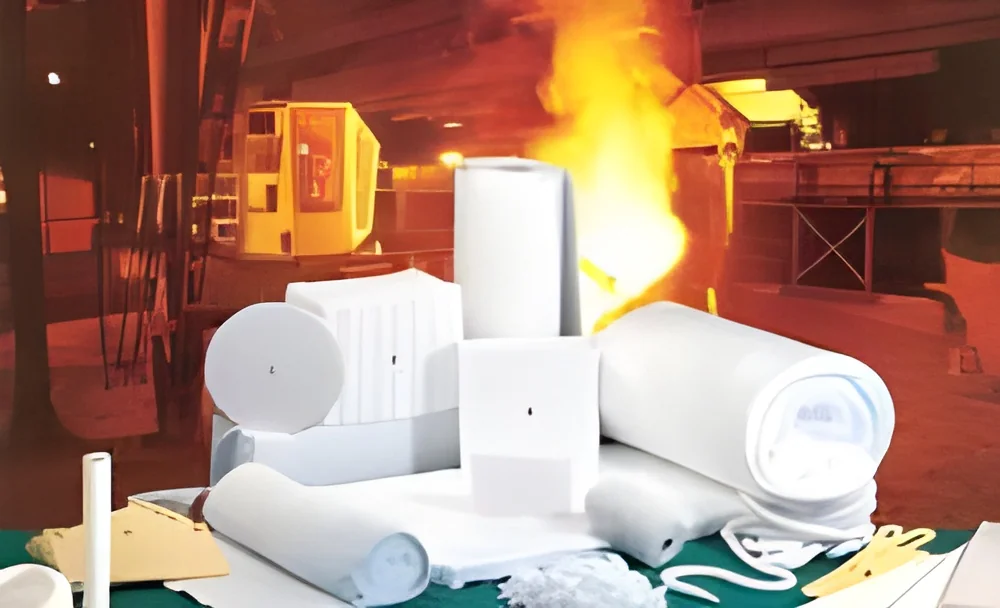
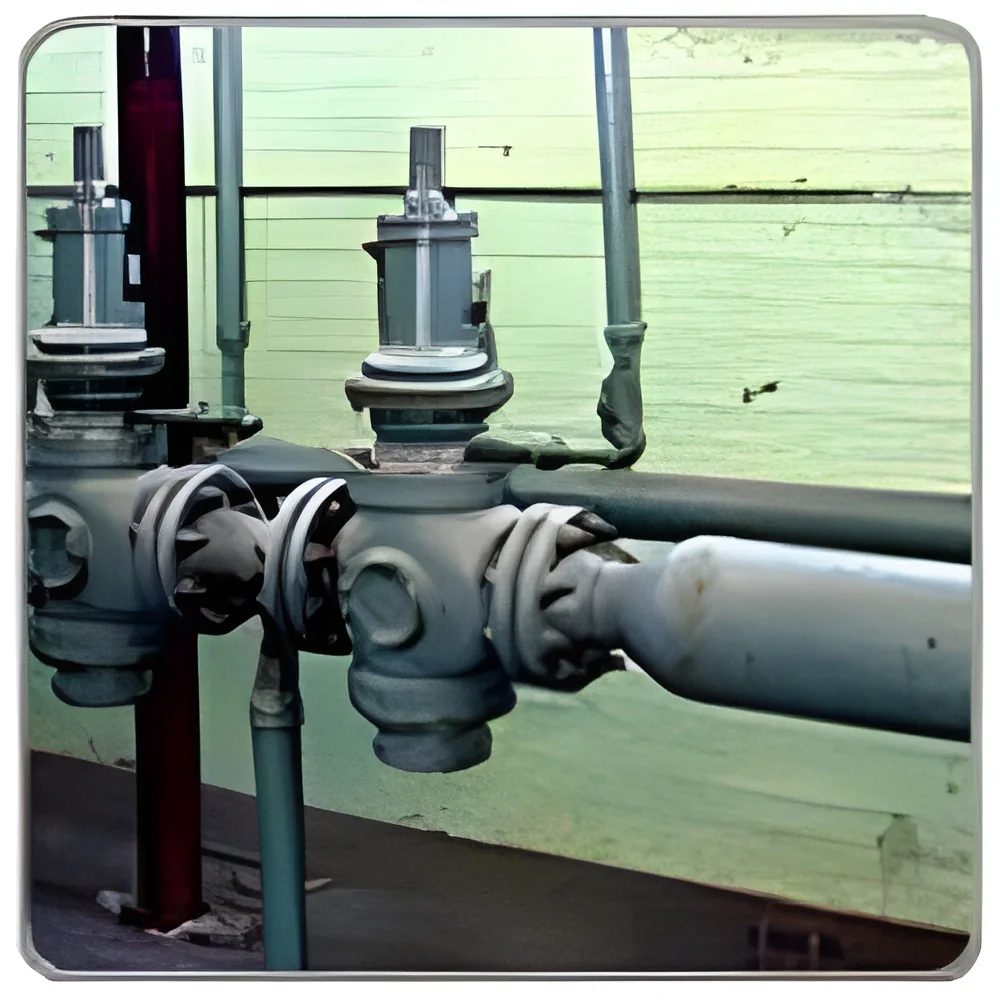
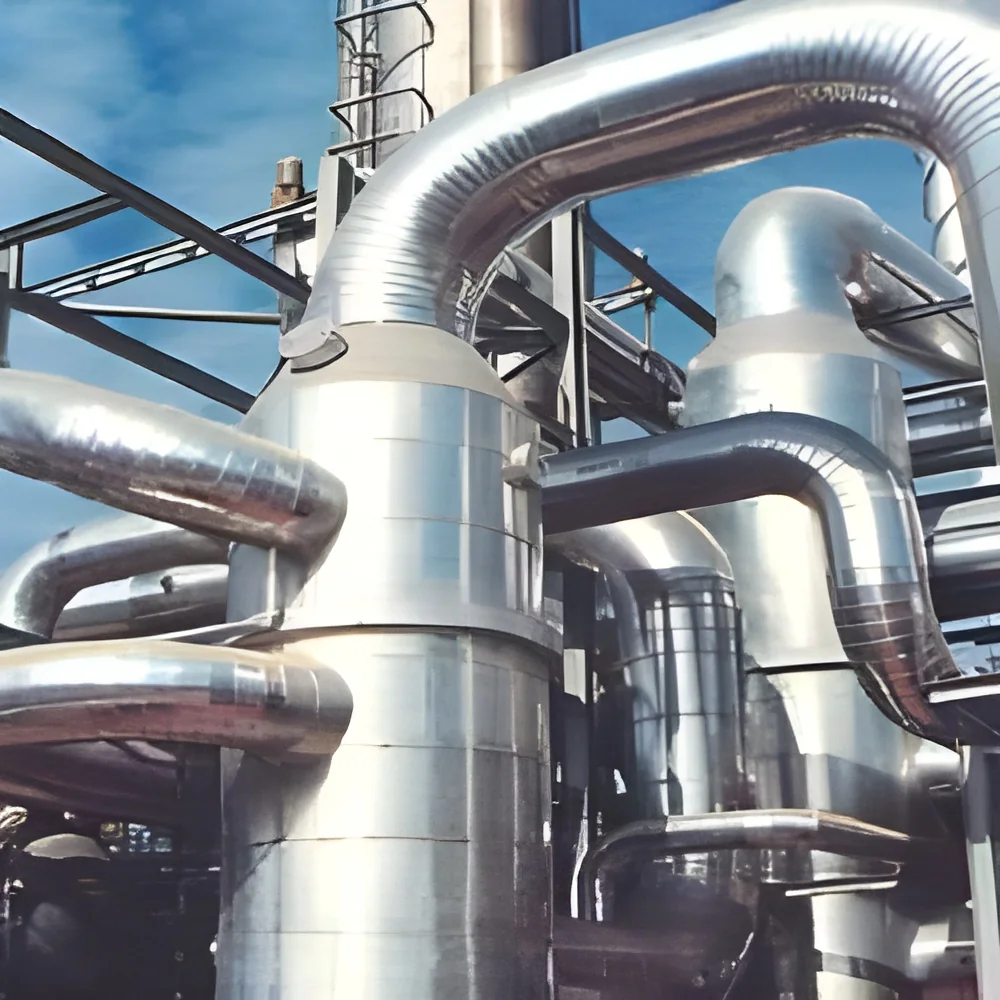
Insulation materials are primarily used in construction, manufacturing, and various industrial applications. In the construction industry, they provide thermal comfort in residential and commercial buildings, thereby enhancing energy efficiency. In manufacturing, insulation plays a crucial role in protecting equipment from temperature fluctuations. The relevance of insulation materials in today's market is underscored by increasing energy costs and growing environmental concerns, which push industries to seek efficient solutions for heat and energy management.
𝗞𝗲𝘆 𝗙𝗲𝗮𝘁𝘂𝗿𝗲𝘀 𝗮𝗻𝗱 𝗦𝗽𝗲𝗰𝗶𝗳𝗶𝗰𝗮𝘁𝗶𝗼𝗻𝘀
Insulation materials come with various features and specifications that cater to different application needs. These specifications help buyers determine the most suitable products for their projects.
Key specifications include:
1. Thermal Resistance (R-value)
- Indicates the material's ability to resist heat flow.
- Typically measured in square feet and hours per BTU.
2. Fire Resistance Rating
- Describes the material's ability to withstand fire exposure.
- Rated in hours based on standardized test results.
3. Moisture Resistance
- Determines the material's ability to resist water absorption.
- Often specified in terms of permeability ratings.
4. Density
- Refers to the mass of the insulation material per unit volume.
- Higher density often correlates with better soundproofing capabilities.
5. Environmental Impact
- Evaluates the ecological footprint of the insulation material.
- Assessed based on production methods and recyclability.
6. Installation Method
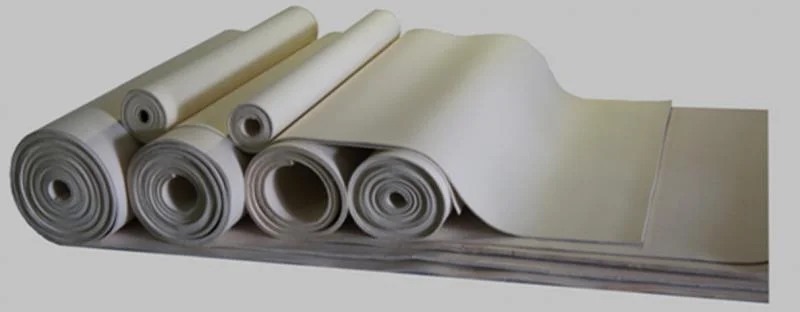
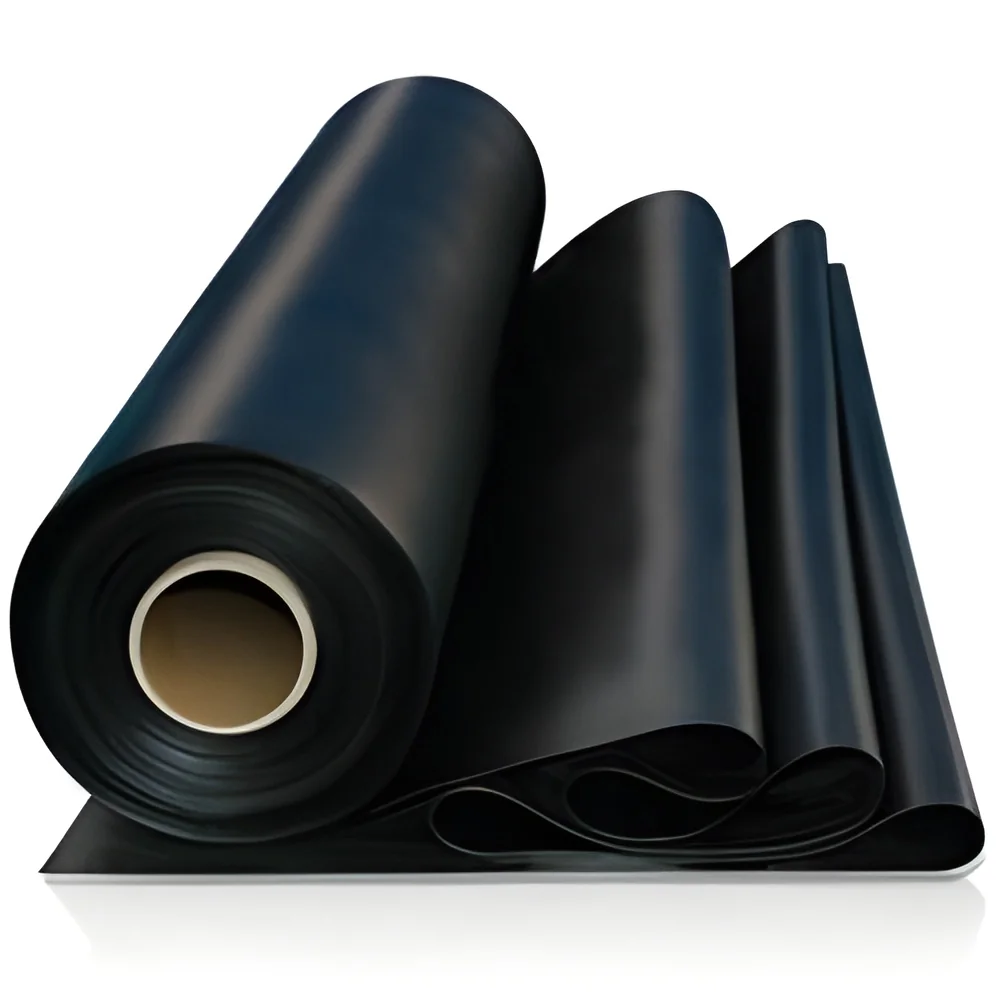
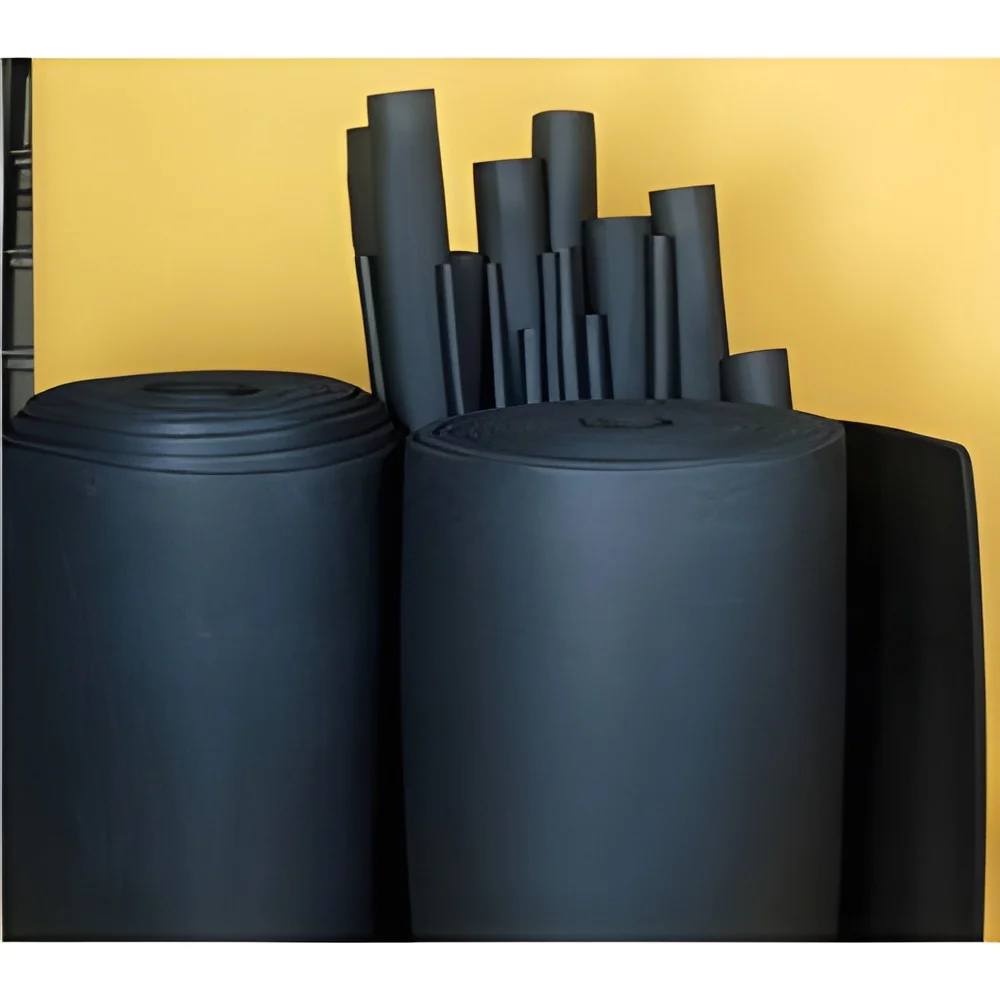
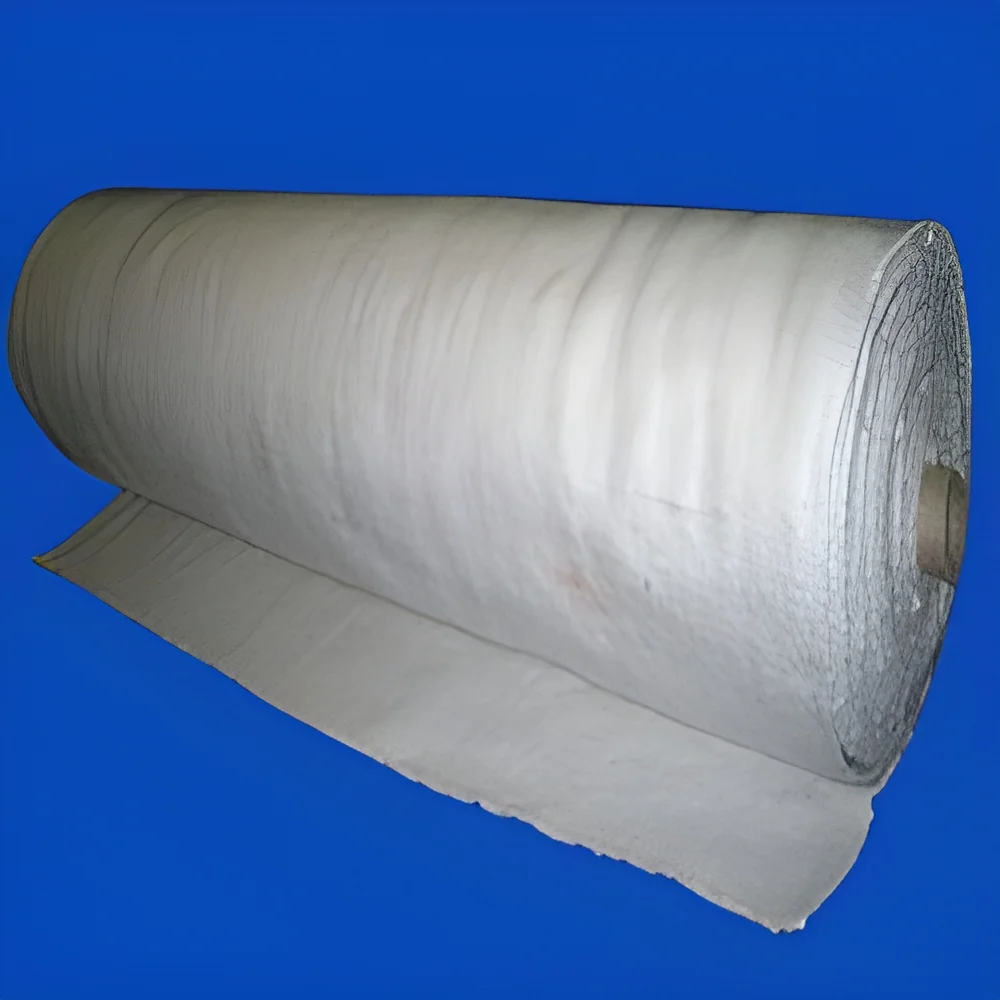
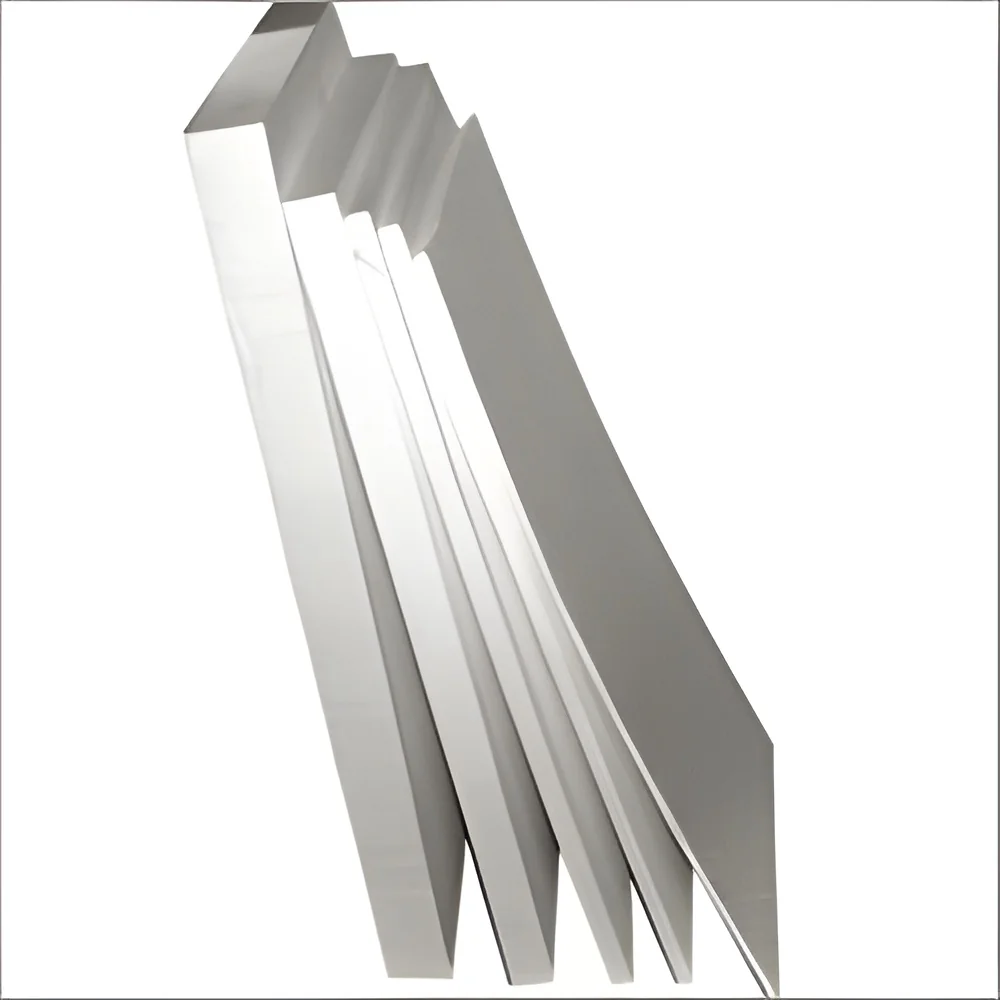
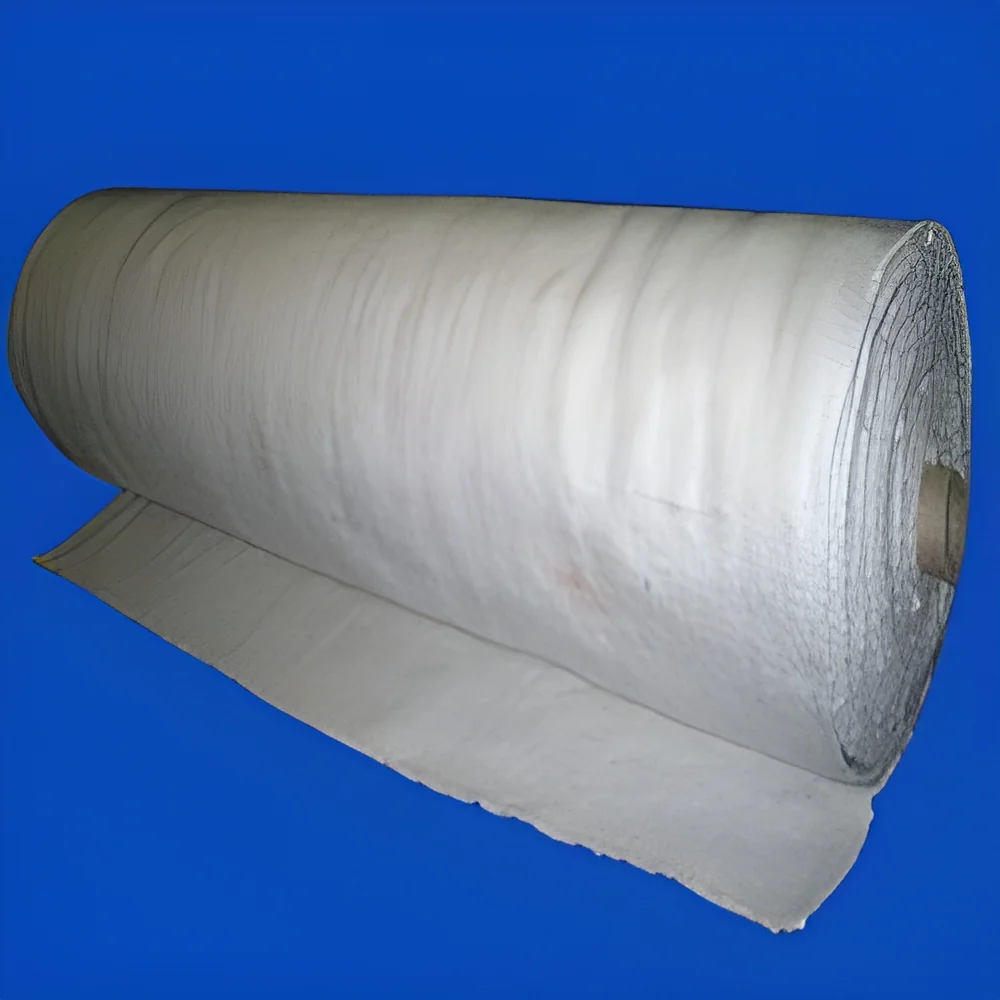
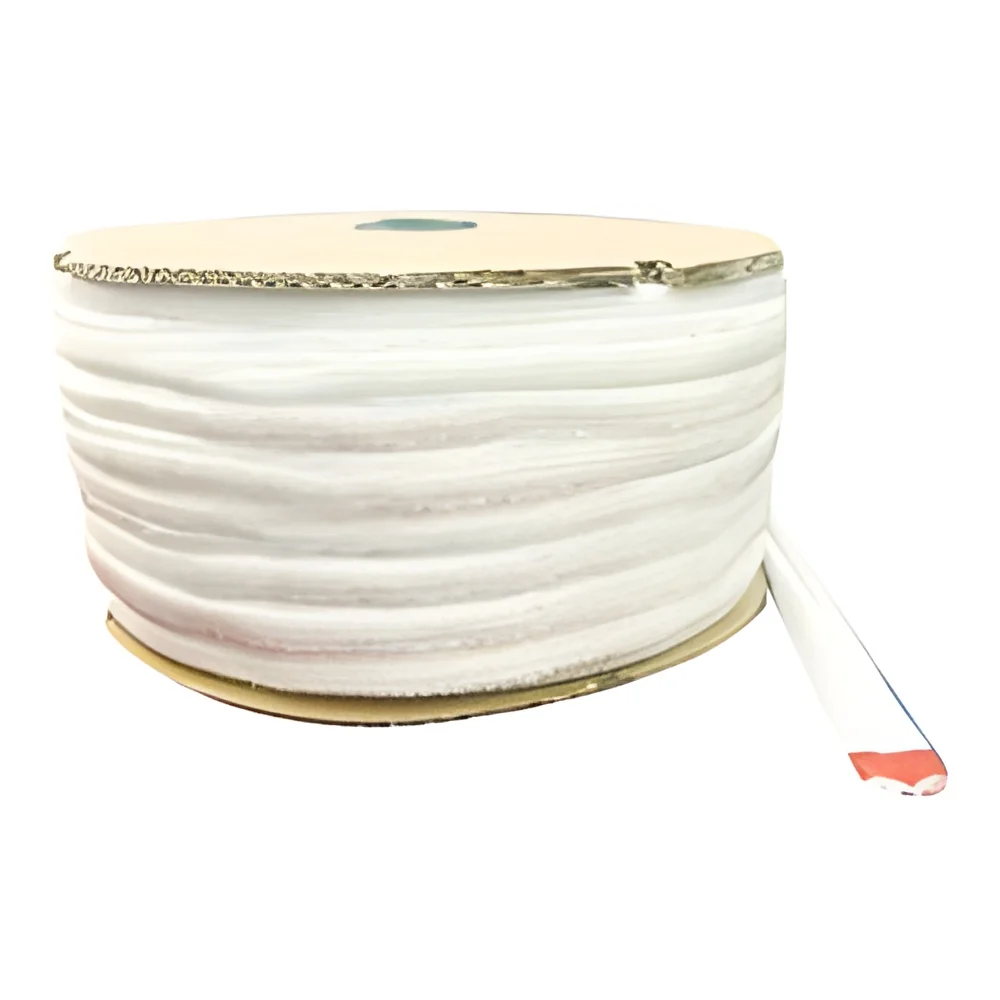
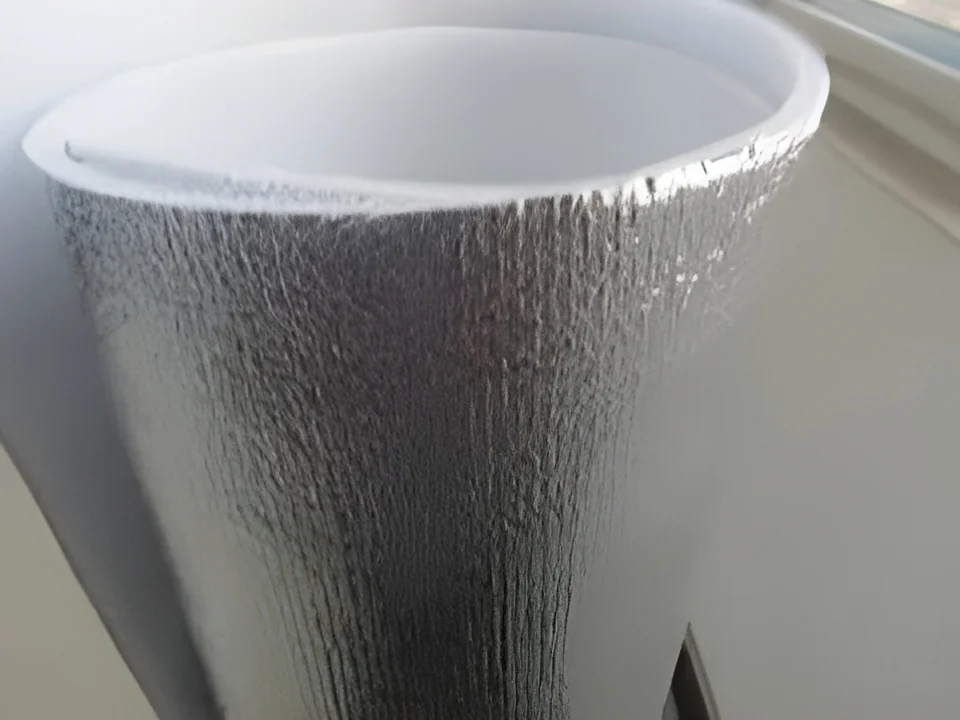
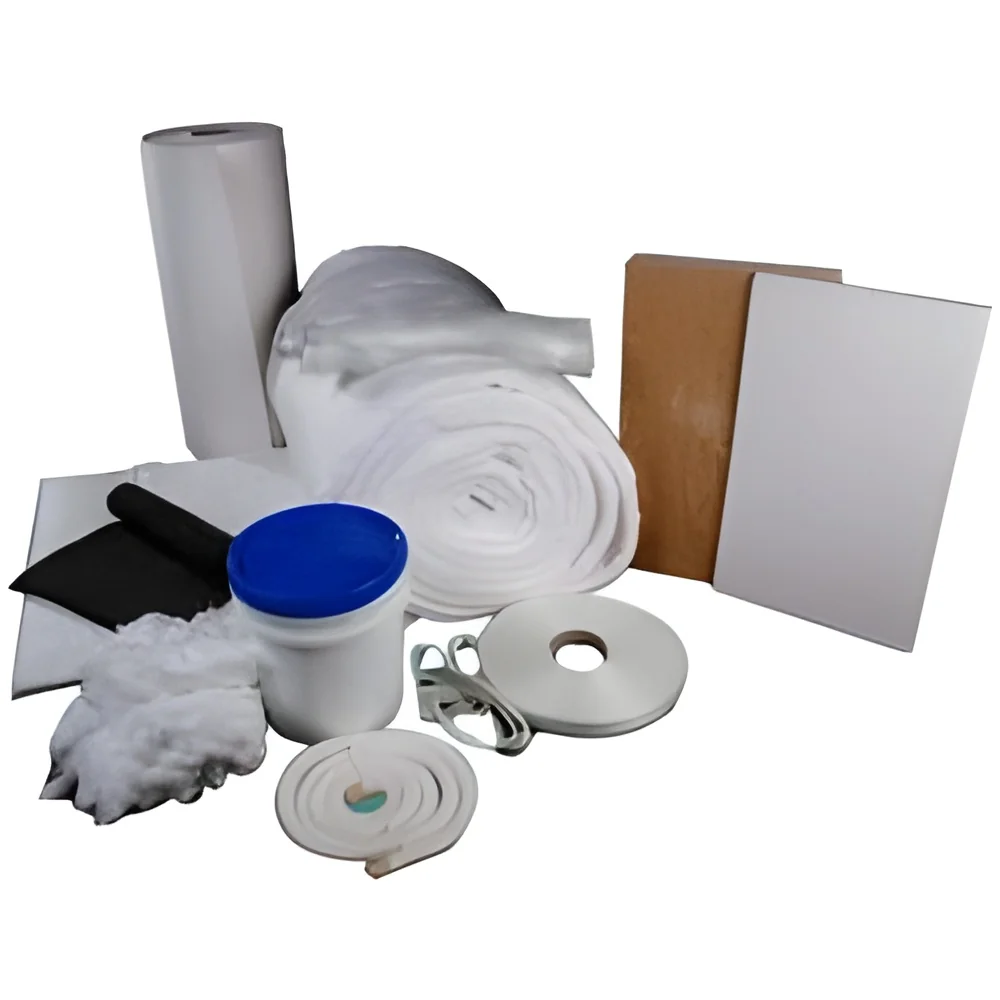
- Specifies whether the material is batts, rolls, loose-fill, or rigid board.
- Each method has distinct installation requirements and performance characteristics.
7. Temperature Range
- Defines the range of temperatures the material can effectively insulate.
- Specifications vary based on the type of insulation material.
8. Certification Standards
- Indicates compliance with industry standards such as UL and CE.
- Ensures that the material meets safety and performance benchmarks.
In summary, understanding these specifications is crucial for selecting appropriate insulation materials that align with project requirements and regulatory standards.
𝗖𝗼𝗺𝗺𝗼𝗻 𝗔𝗽𝗽𝗹𝗶𝗰𝗮𝘁𝗶𝗼𝗻𝘀 𝗮𝗻𝗱 𝗨𝘀𝗲 𝗖𝗮𝘀𝗲𝘀
Insulation materials serve various industries, each with specific applications that enhance efficiency and safety.
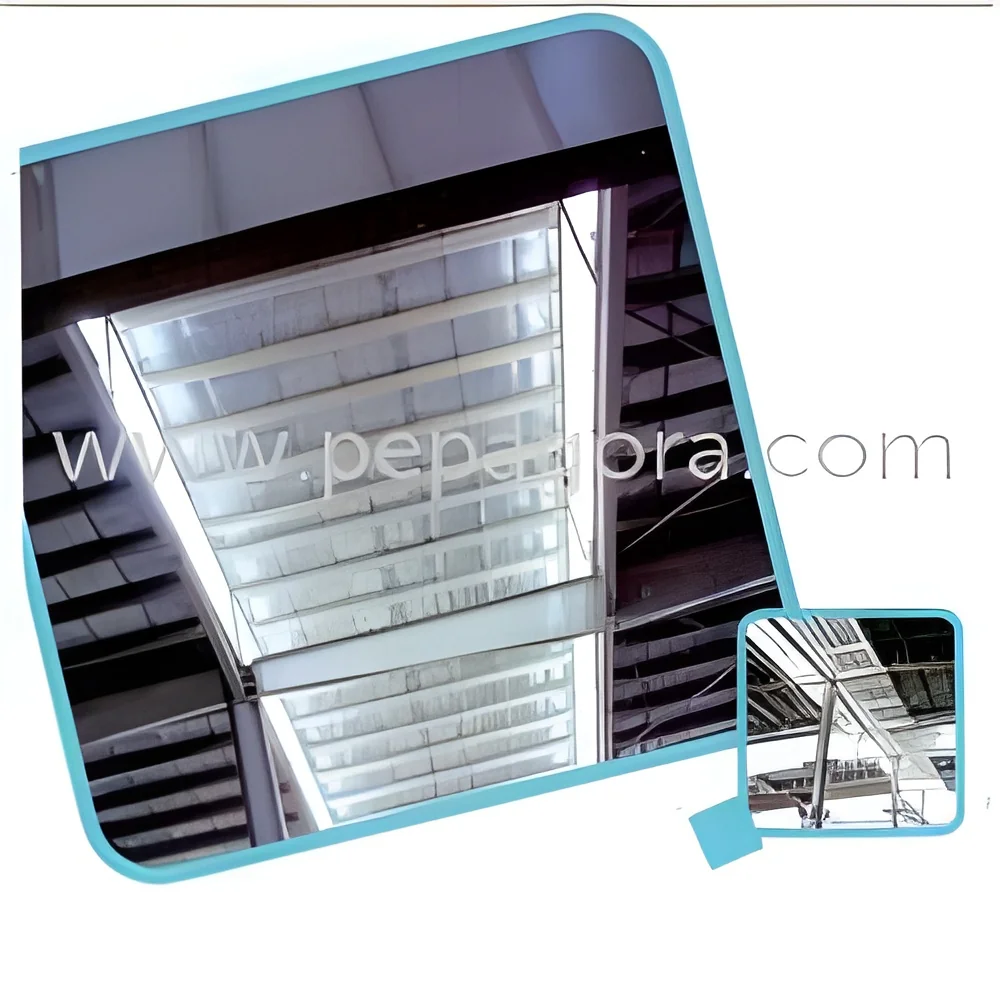
1. Construction: Insulation is widely used in walls, roofs, and floors to improve energy efficiency and comfort in buildings.
2. Manufacturing: In industrial settings, insulation protects equipment from heat loss and maintains optimal operating temperatures.
3. HVAC: Insulation is essential in heating, ventilation, and air conditioning systems, helping maintain desired temperatures and reducing energy consumption.
4. Automotive: Insulation materials are used in vehicles to minimize engine noise and improve thermal management.
5. Aerospace: Insulation is critical for protecting sensitive components from extreme temperature fluctuations during flight.
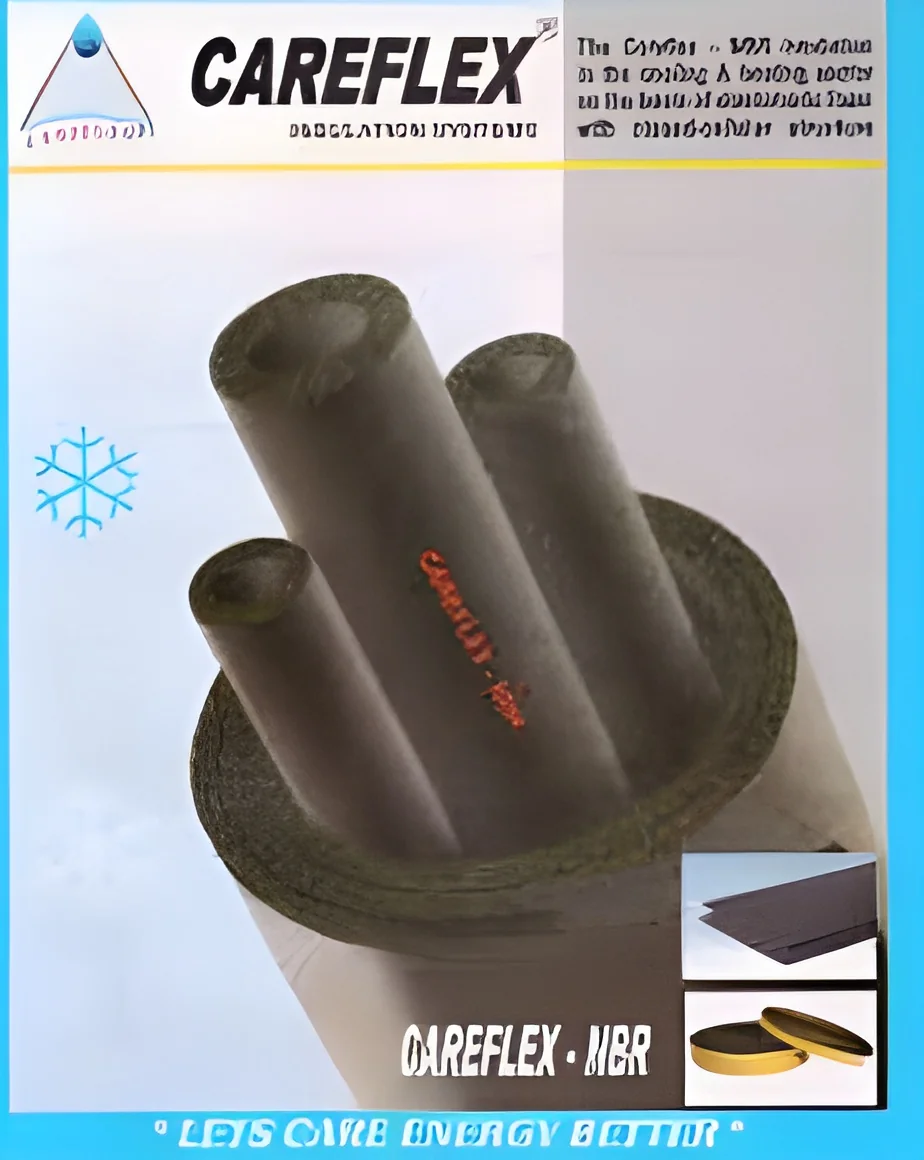
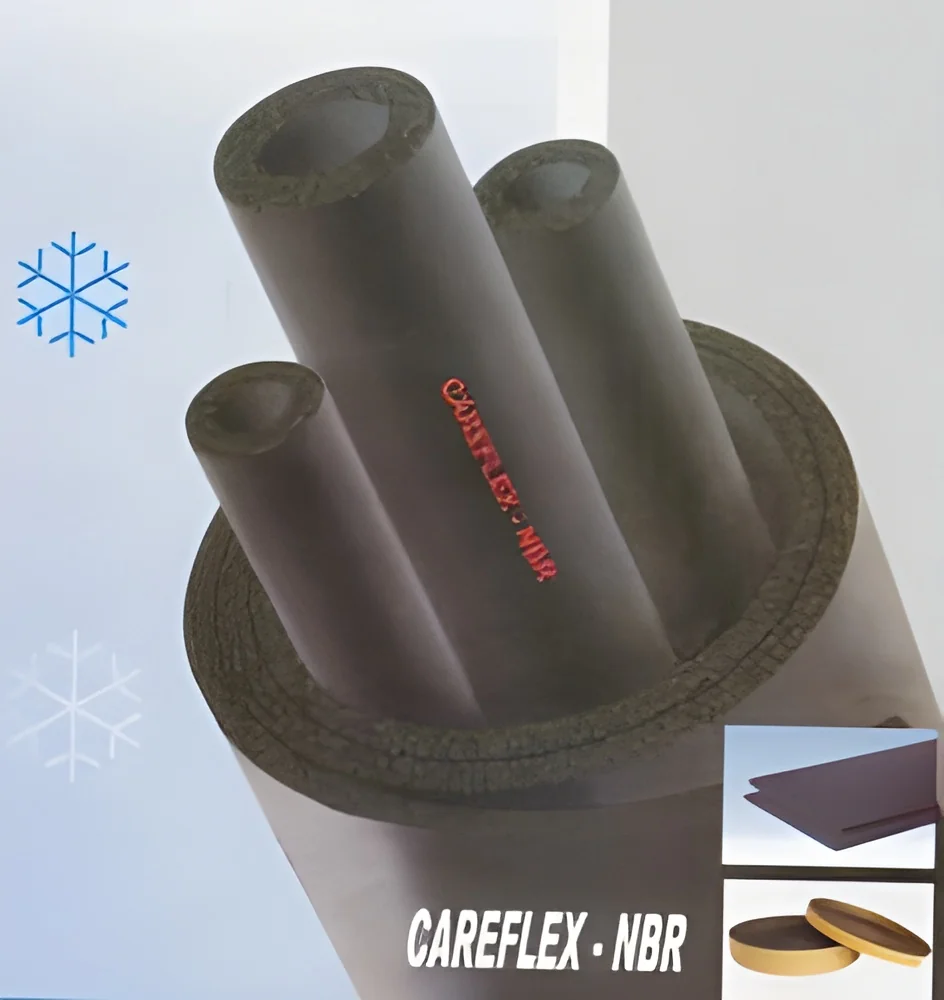
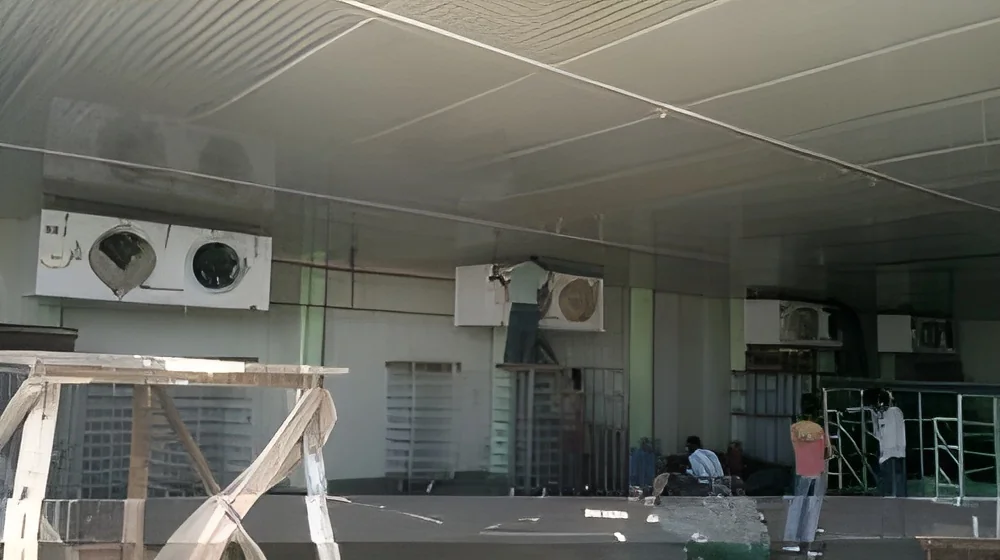
6. Refrigeration: Insulation materials help maintain cold temperatures in refrigeration units, ensuring food safety and energy efficiency.
7. Marine: Insulation is used in ships to control temperature and minimize sound transmission between different compartments.
𝗣𝗿𝗼𝗱𝘂𝗰𝘁 𝗩𝗮𝗿𝗶𝗮𝗻𝘁𝘀 𝗮𝗻𝗱 𝗦𝘂𝗯𝗰𝗮𝘁𝗲𝗴𝗼𝗿𝗶𝗲𝘀
Insulation materials come in various forms to meet diverse needs across different applications.
Fiberglass Insulation
Fiberglass insulation is made from fine glass fibers and is known for its excellent thermal resistance. It is commonly used in residential and commercial buildings for wall and attic insulation.
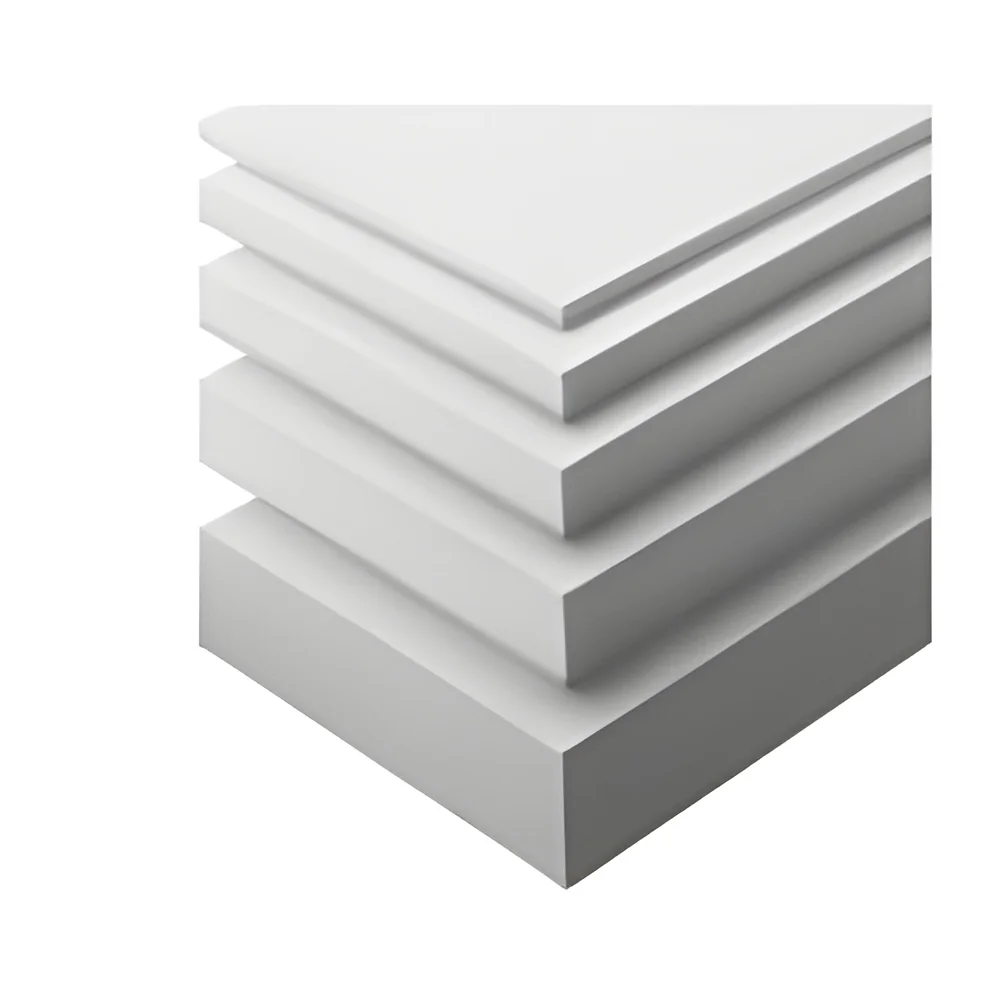
Foam Board Insulation
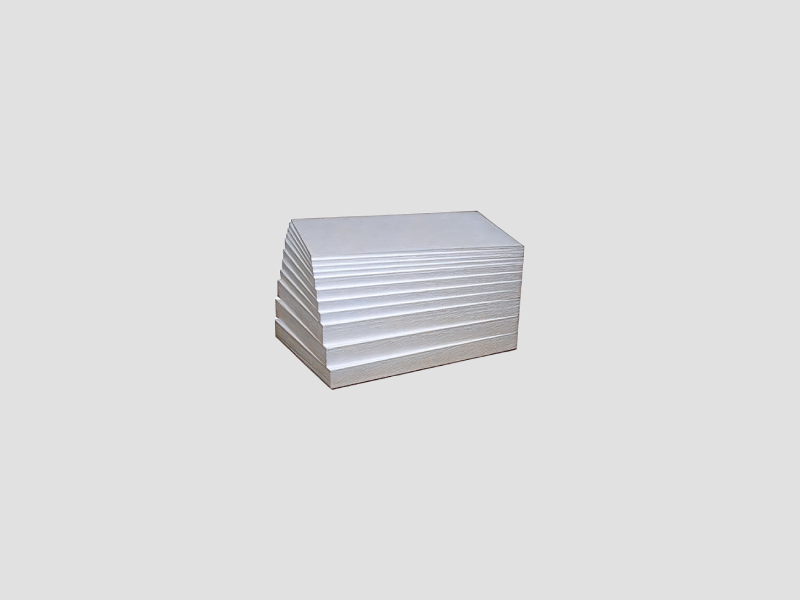
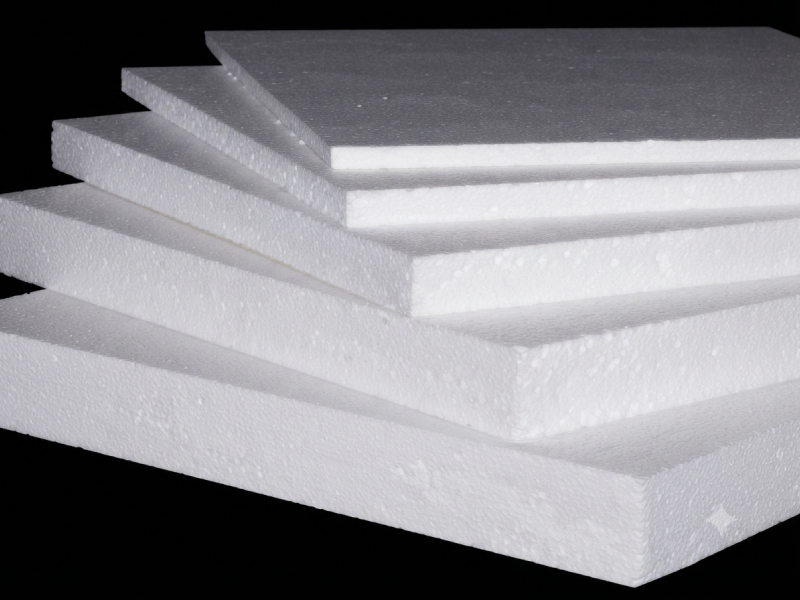
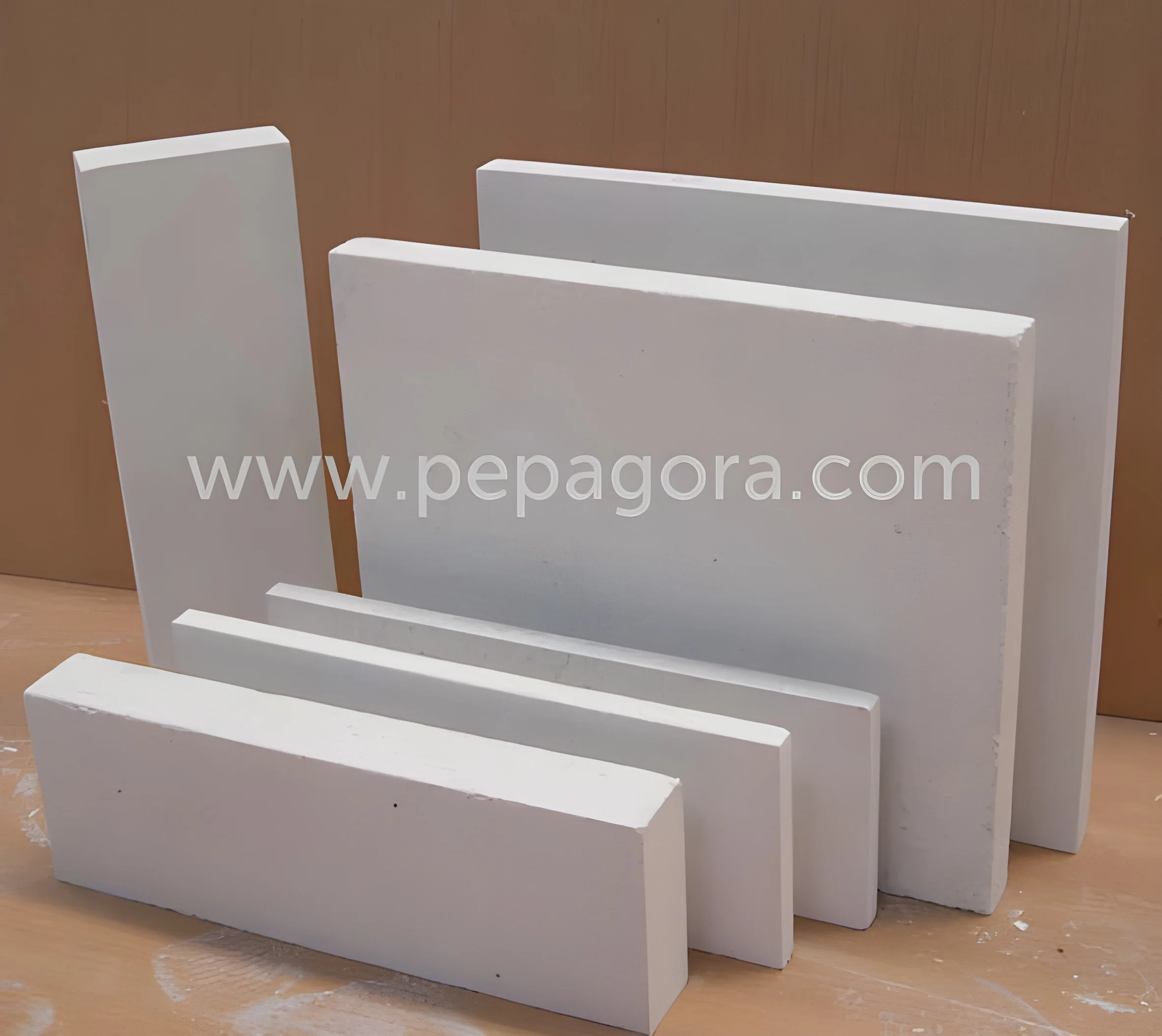
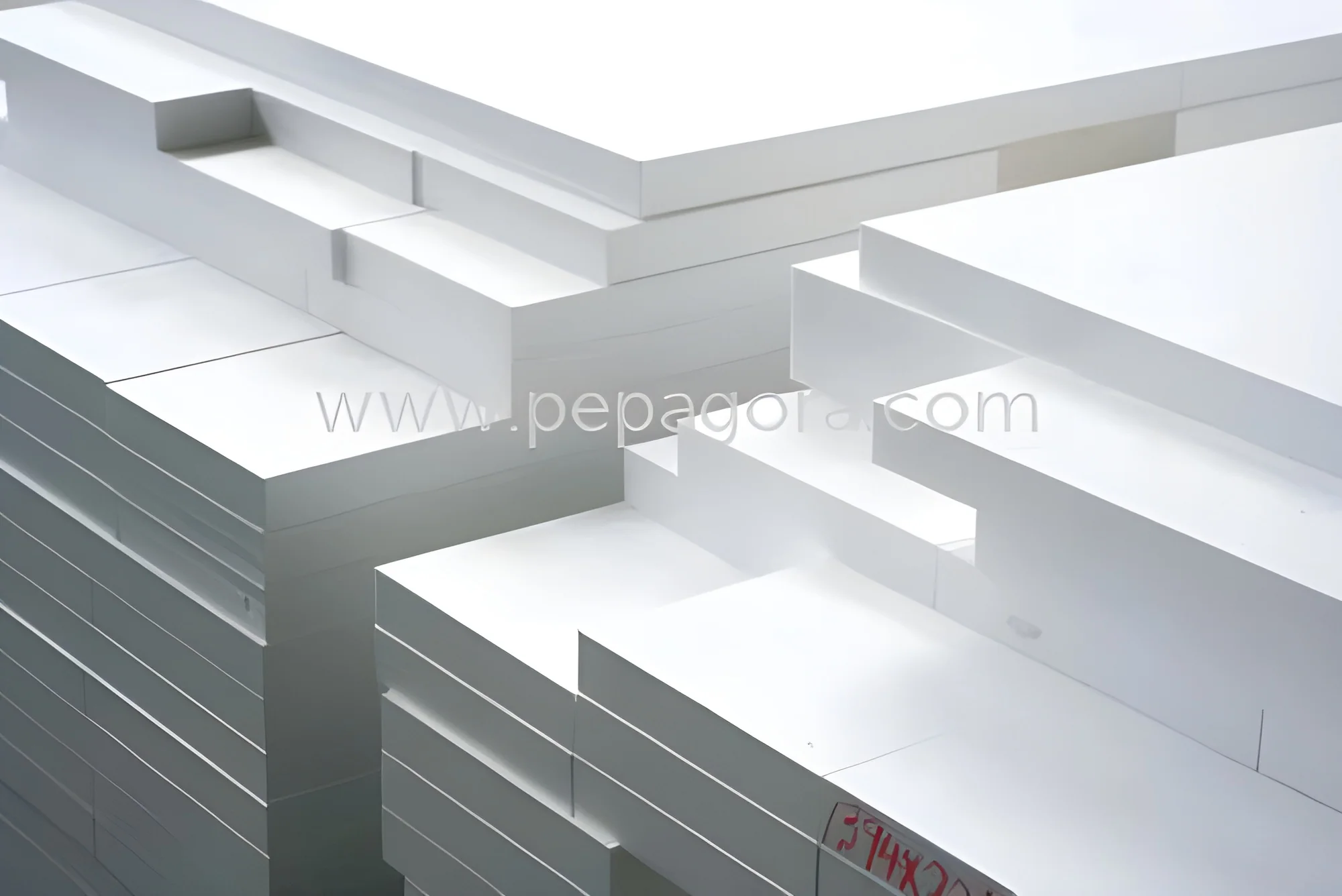
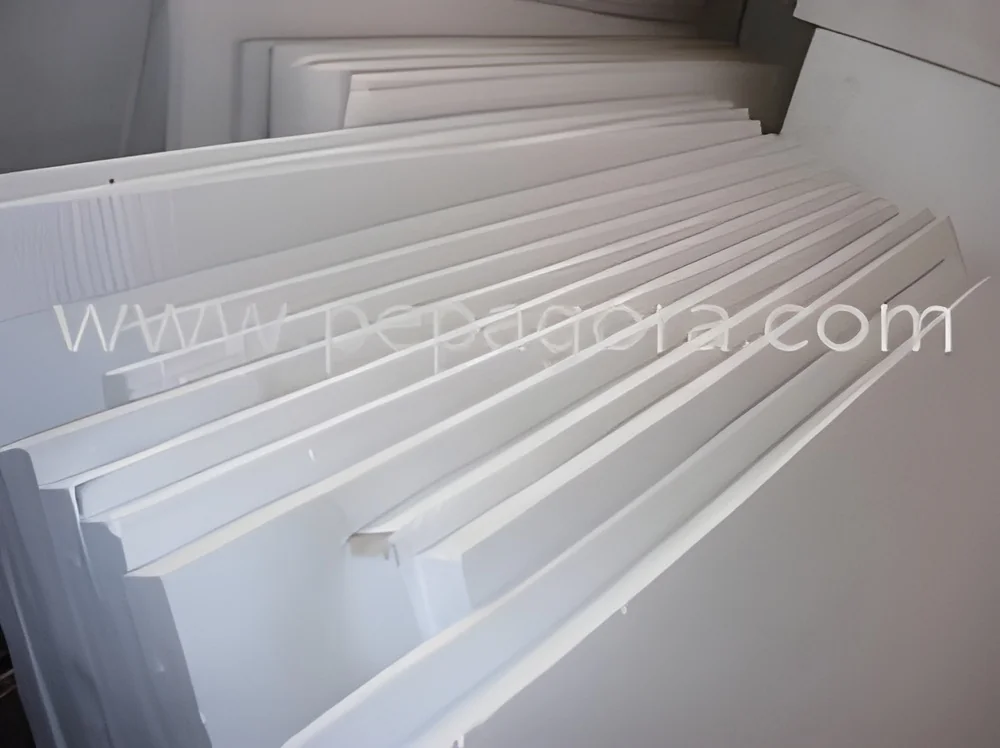
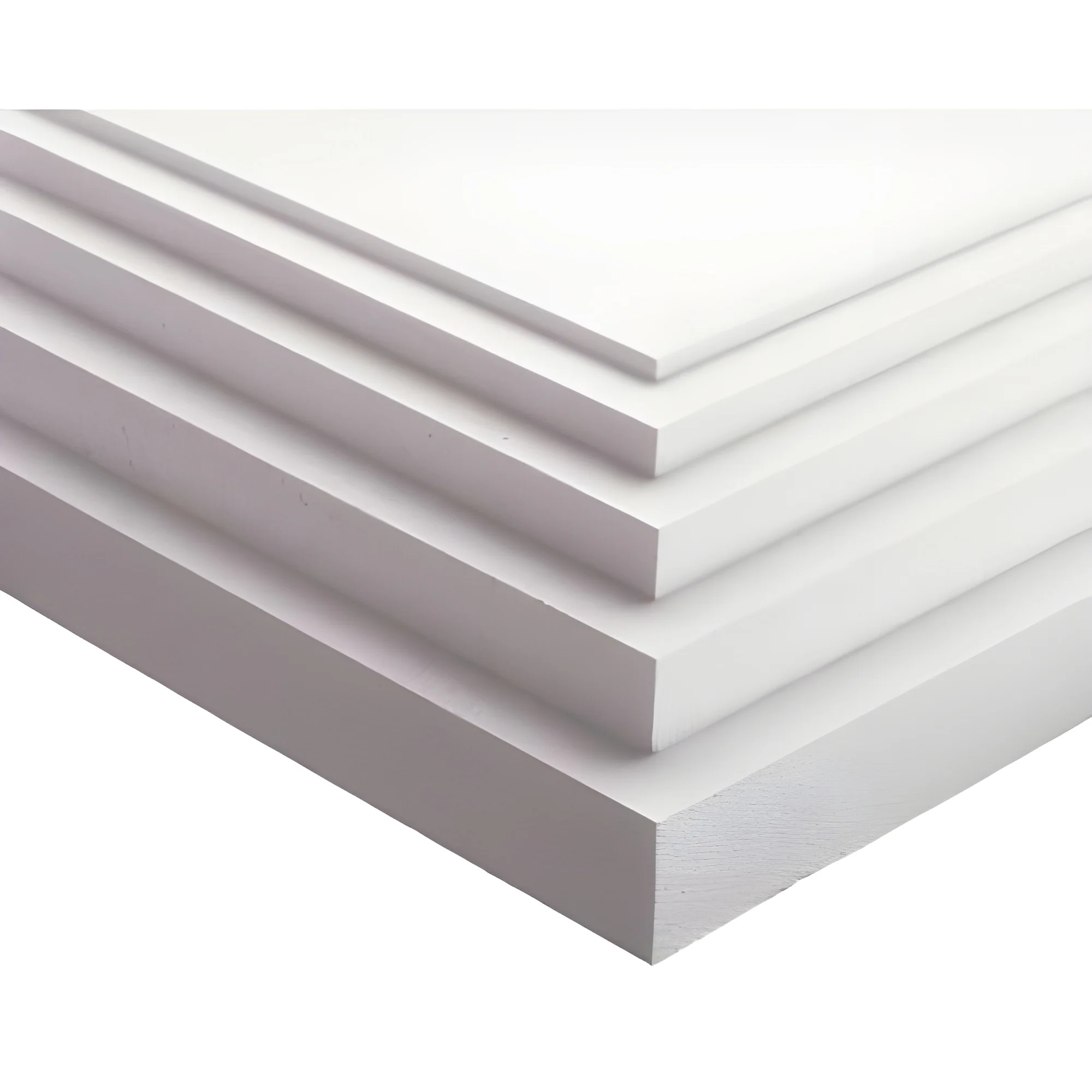
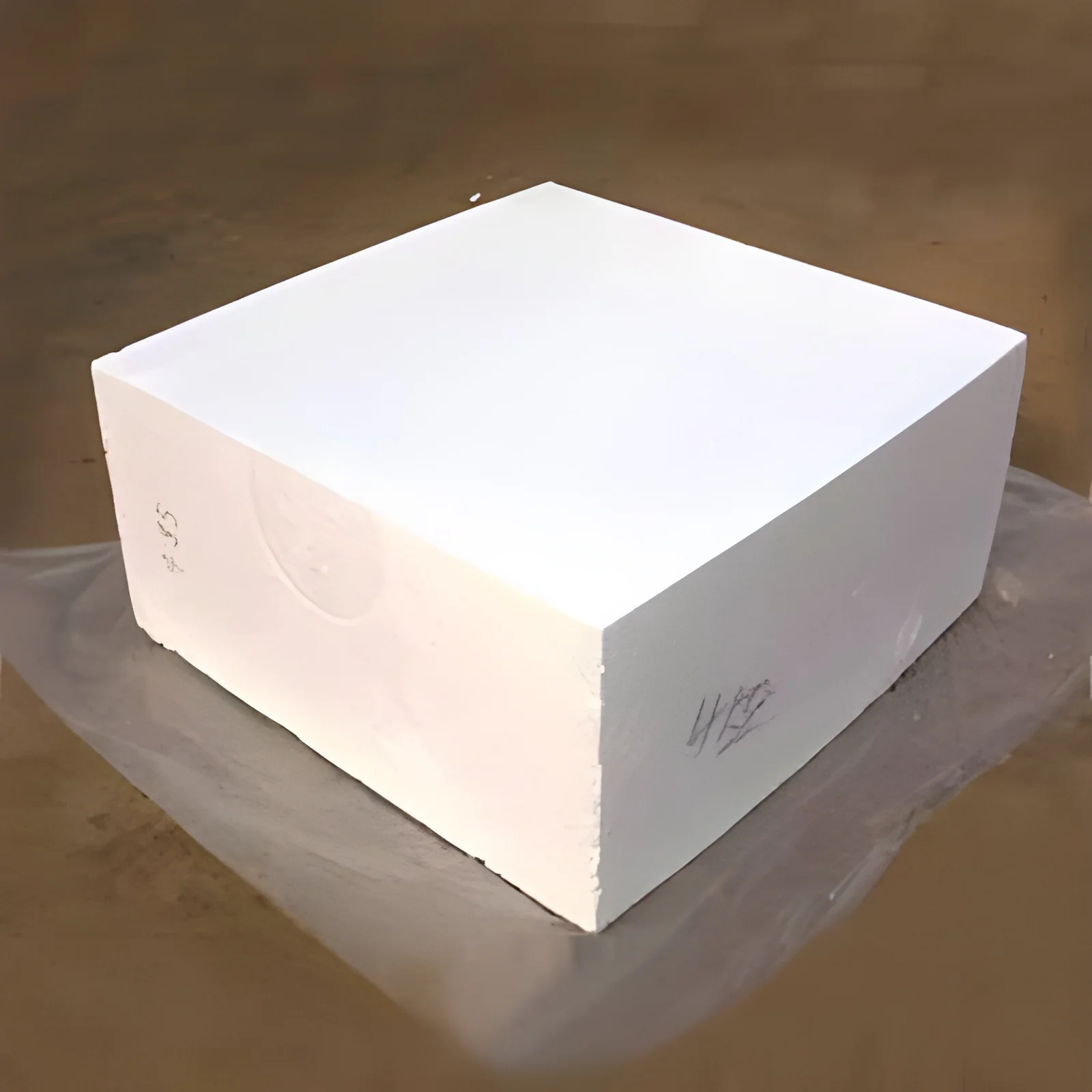
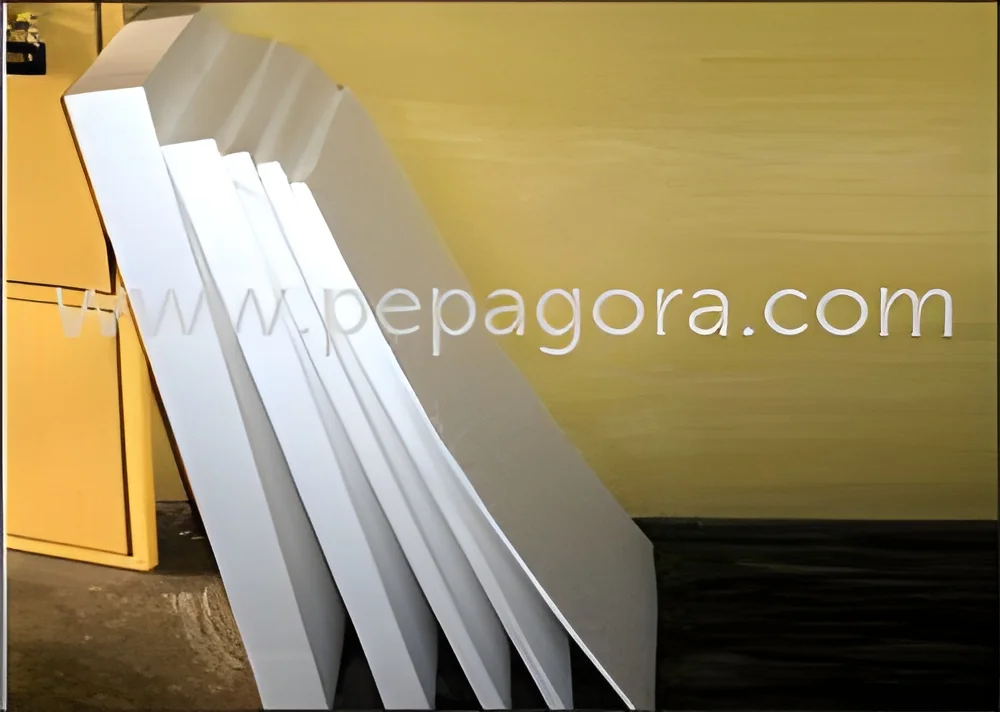
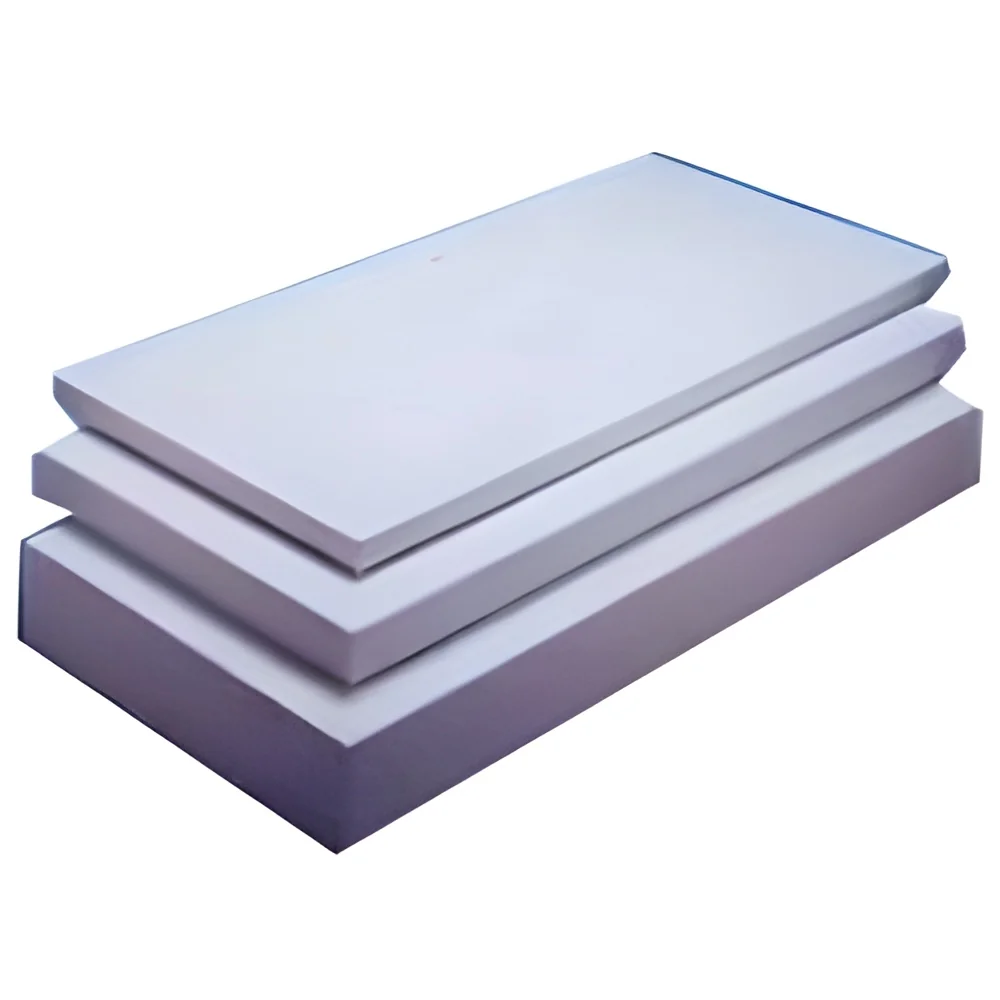
Foam board insulation provides high thermal resistance and is often used in foundation walls and roofing applications. Its rigid structure makes it suitable for both new constructions and retrofits.
Spray Foam Insulation
Spray foam insulation expands on application, filling gaps and creating an airtight seal. This type is ideal for complex spaces, improving energy efficiency and reducing air leakage.
Cellulose Insulation
Cellulose insulation is made from recycled paper products and is an eco-friendly option. It is commonly used in attics and walls, providing effective thermal and sound insulation.
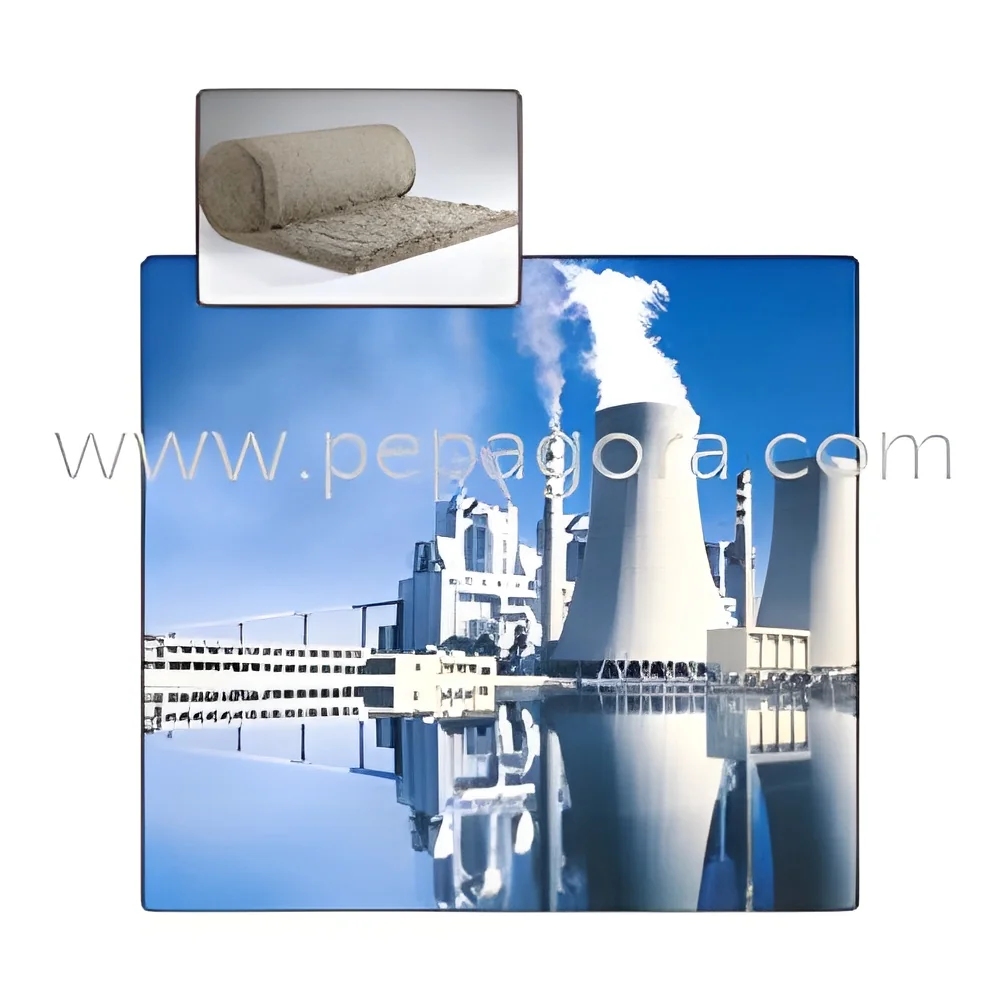
Mineral Wool Insulation
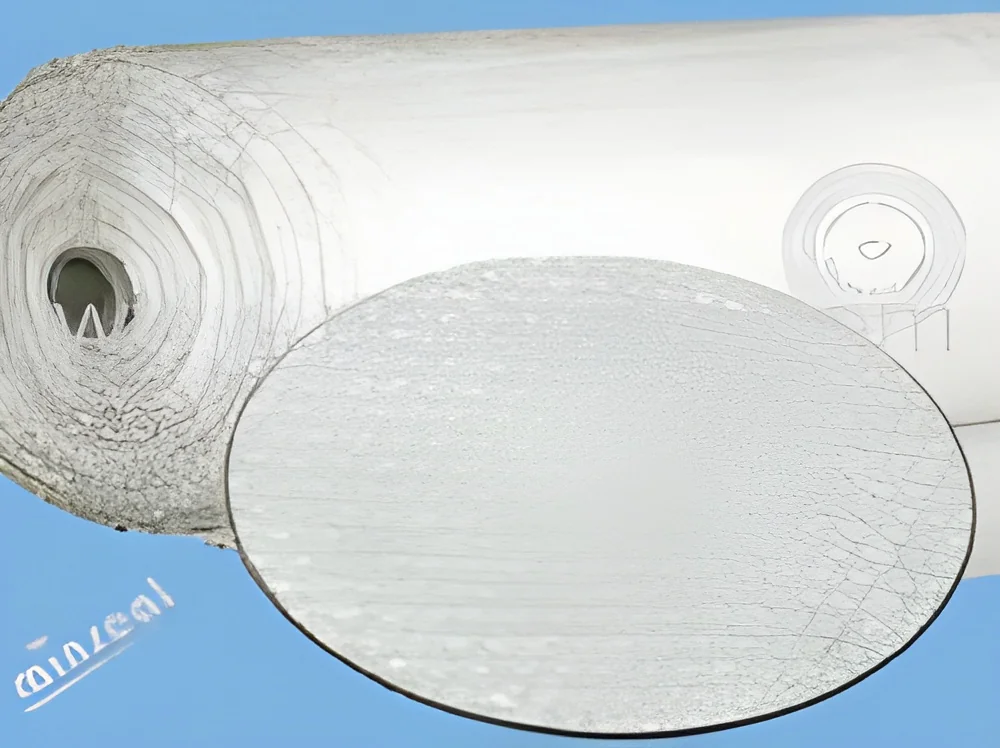
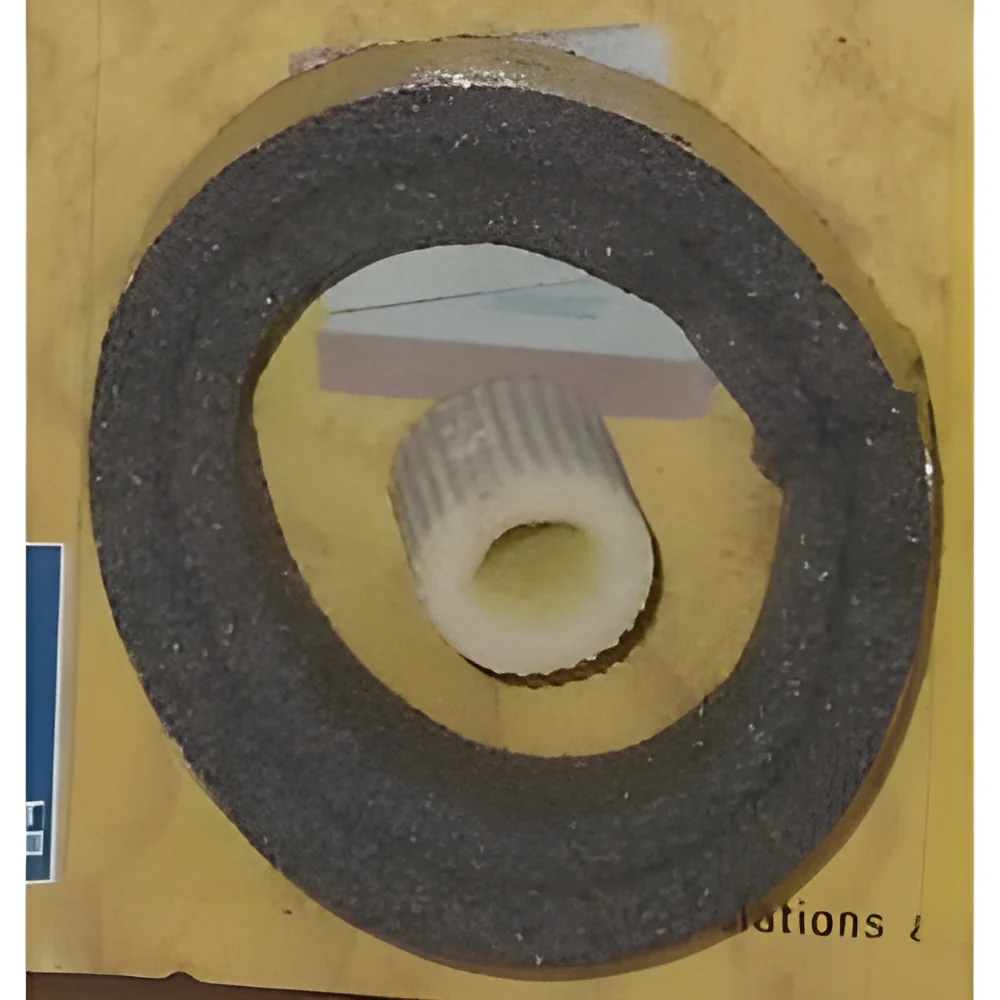
Mineral wool, or rock wool, is made from natural stone and is fire-resistant. It is suitable for use in high-temperature applications, such as industrial settings.
𝗕𝗲𝗻𝗲𝗳𝗶𝘁𝘀 𝗮𝗻𝗱 𝗔𝗱𝘃𝗮𝗻𝘁𝗮𝗴𝗲𝘀
Insulation materials offer several key benefits that contribute to their widespread use in various industries.
1. Energy Efficiency: Insulation materials significantly reduce energy consumption by minimizing heat loss, leading to lower utility bills.
2. Noise Reduction: Many insulation materials effectively dampen sound transmission, enhancing comfort in residential and commercial spaces.
3. Fire Safety: Certain insulation types enhance fire resistance, providing added safety in buildings and industrial applications.
4. Environmental Impact: Eco-friendly insulation options, such as cellulose, help reduce waste and promote sustainability.
5. Improved Comfort: Insulation materials help maintain consistent indoor temperatures, enhancing comfort for occupants.
6. Increased Property Value: Well-insulated properties are often more appealing to buyers and can lead to higher resale values.
𝗕𝘂𝘆𝗶𝗻𝗴 𝗚𝘂𝗶𝗱𝗲 𝗳𝗼𝗿 𝗕𝟮𝗕 𝗕𝘂𝘆𝗲𝗿𝘀
When sourcing insulation materials, buyers should consider several critical factors to ensure they make informed decisions.
1. Quality Assessment: Evaluate the quality of insulation materials by reviewing specifications, certifications, and performance ratings to ensure they meet industry standards.
2. Supplier Verification: Vet suppliers to ensure they have a reliable track record and positive customer feedback. This step is crucial for ensuring product quality and service reliability.
3. Pricing and MOQ: Understand the pricing structure and minimum order quantities required by suppliers. This information is essential for budgeting and planning purchases.
4. Delivery and Lead Times: Inquire about delivery options and estimated lead times to ensure that materials arrive when needed for project timelines.
5. Compliance Requirements: Familiarize yourself with relevant regulations and standards to ensure that the insulation materials comply with local and industry-specific requirements.
𝗖𝗼𝗺𝗽𝗹𝗶𝗮𝗻𝗰𝗲 𝗮𝗻𝗱 𝗖𝗲𝗿𝘁𝗶𝗳𝗶𝗰𝗮𝘁𝗶𝗼𝗻𝘀
Insulation materials must comply with various quality standards and certifications to ensure safety and performance. Common standards include ISO 9001, which emphasizes quality management systems, and HACCP, which addresses food safety in specific environments.
Industry certifications such as UL and CE indicate that insulation materials have undergone rigorous testing for safety and performance. Compliance with these certifications assures buyers that the products meet the necessary safety requirements.
Safety and testing requirements also play a vital role in the insulation industry. Materials must be tested for flammability, thermal performance, and durability to ensure they perform effectively in real-world applications. Additionally, regional compliance considerations may vary, making it essential for buyers to understand local regulations when sourcing insulation materials.
𝗪𝗵𝘆 𝗦𝗼𝘂𝗿𝗰𝗲 𝗜𝗻𝘀𝘂𝗹𝗮𝘁𝗶𝗼𝗻 𝗠𝗮𝘁𝗲𝗿𝗶𝗮𝗹𝘀 𝗳𝗿𝗼𝗺 𝗣𝗲𝗽𝗮𝗴𝗼𝗿𝗮?
Pepagora provides a trusted platform for sourcing insulation materials with several key advantages that make it an ideal choice for B2B buyers.
Verified Supplier Network: Pepagora has a robust network of verified suppliers, ensuring that buyers have access to high-quality insulation materials from reputable manufacturers.
Streamlined RFQ Process: The platform simplifies the request for quotation (RFQ) process, allowing buyers to easily compare offers from multiple suppliers and choose the best options for their needs.
Trade Assurance and Support: Pepagora offers trade assurance to protect buyers, ensuring that transactions are secure and that support is available throughout the purchasing process.
Regional Coverage: With a strong presence in India, the GCC, and Southeast Asia, Pepagora provides extensive geographic reach, making it easy for buyers to source insulation materials tailored to their specific regional requirements.

 IN
IN