What are High-Temperature Ceramic Fiber Boards?
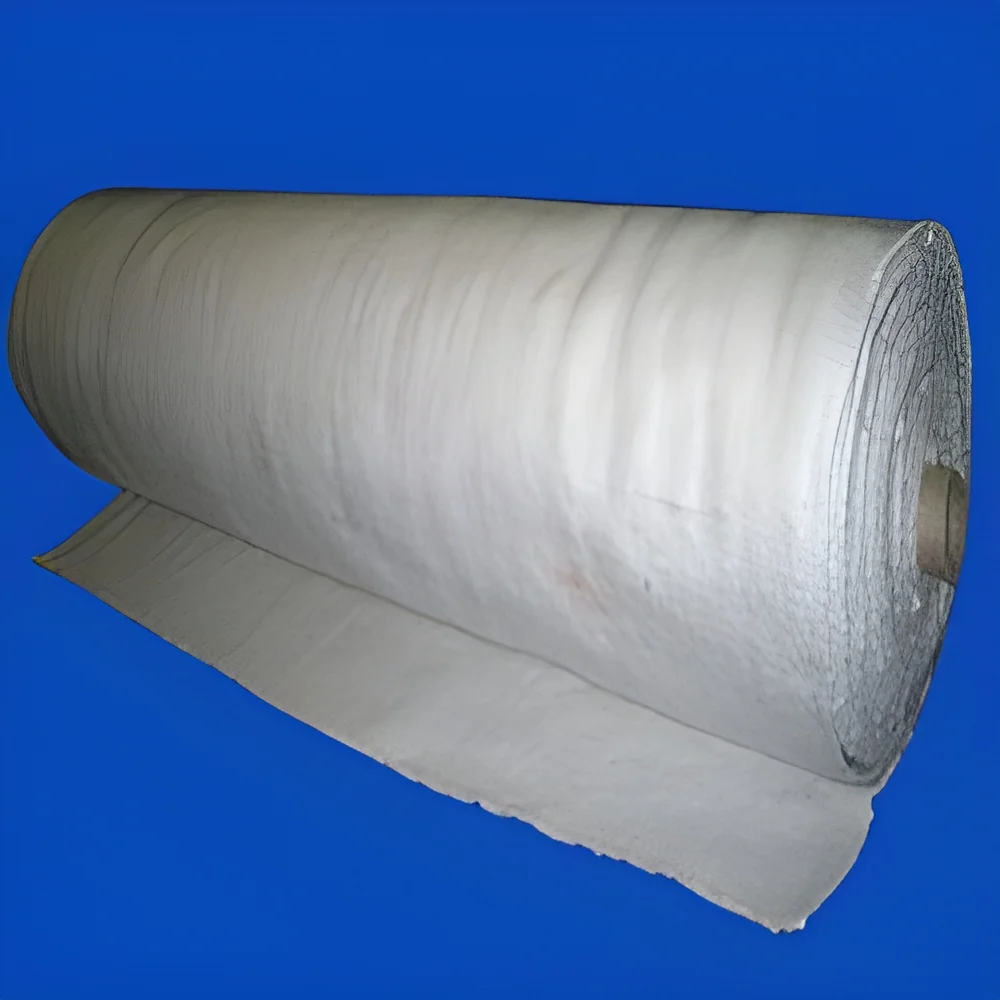
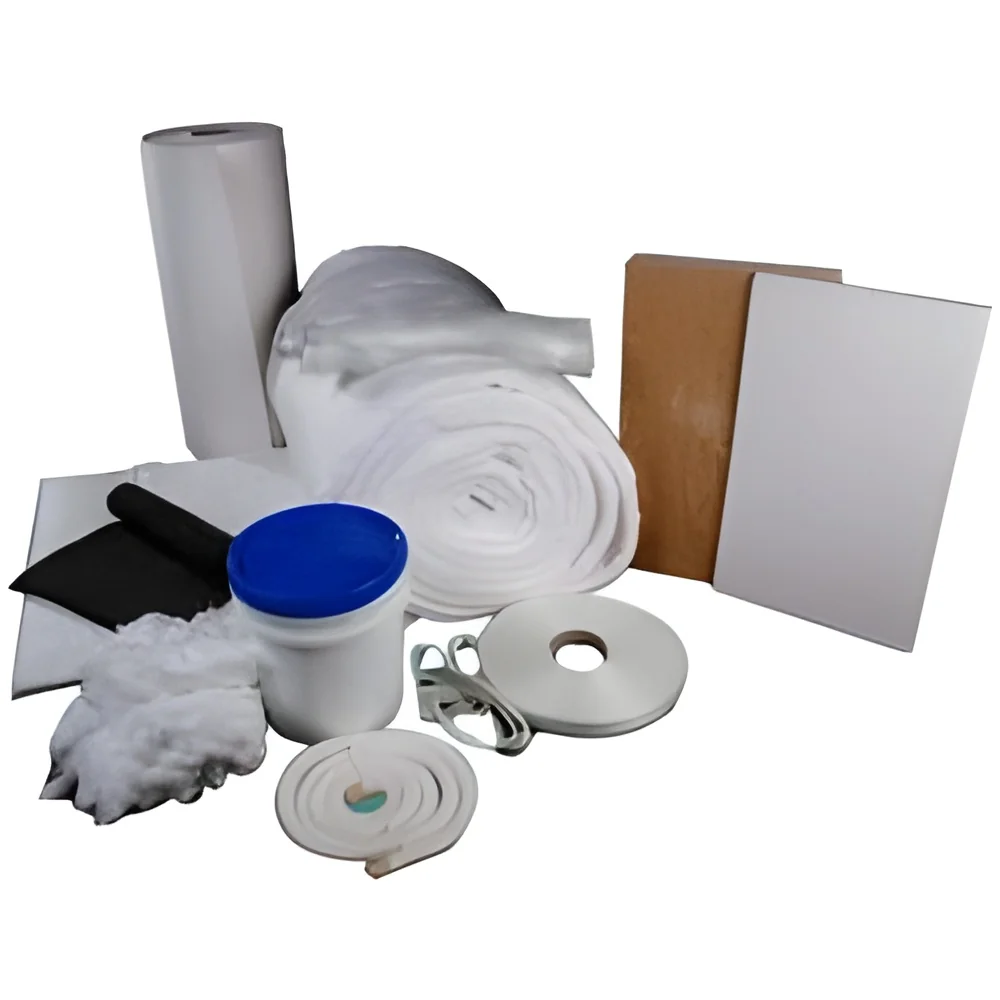
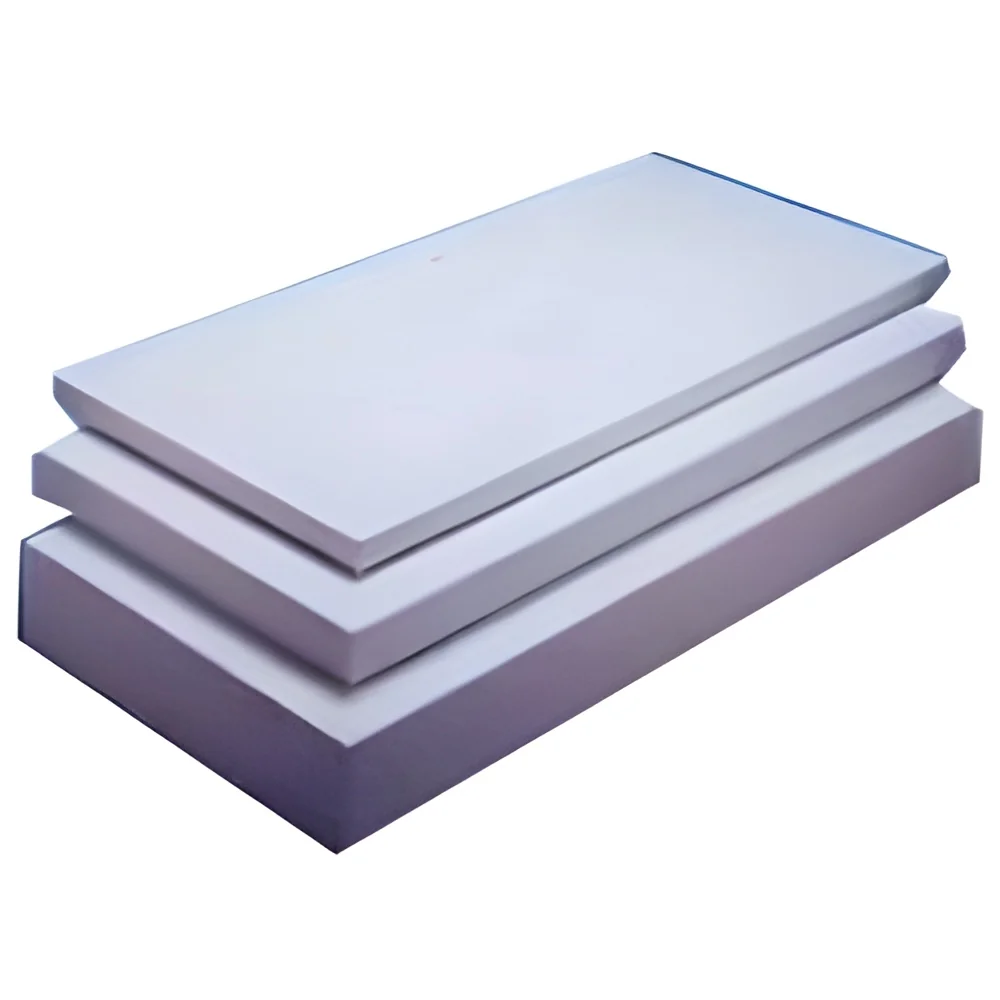
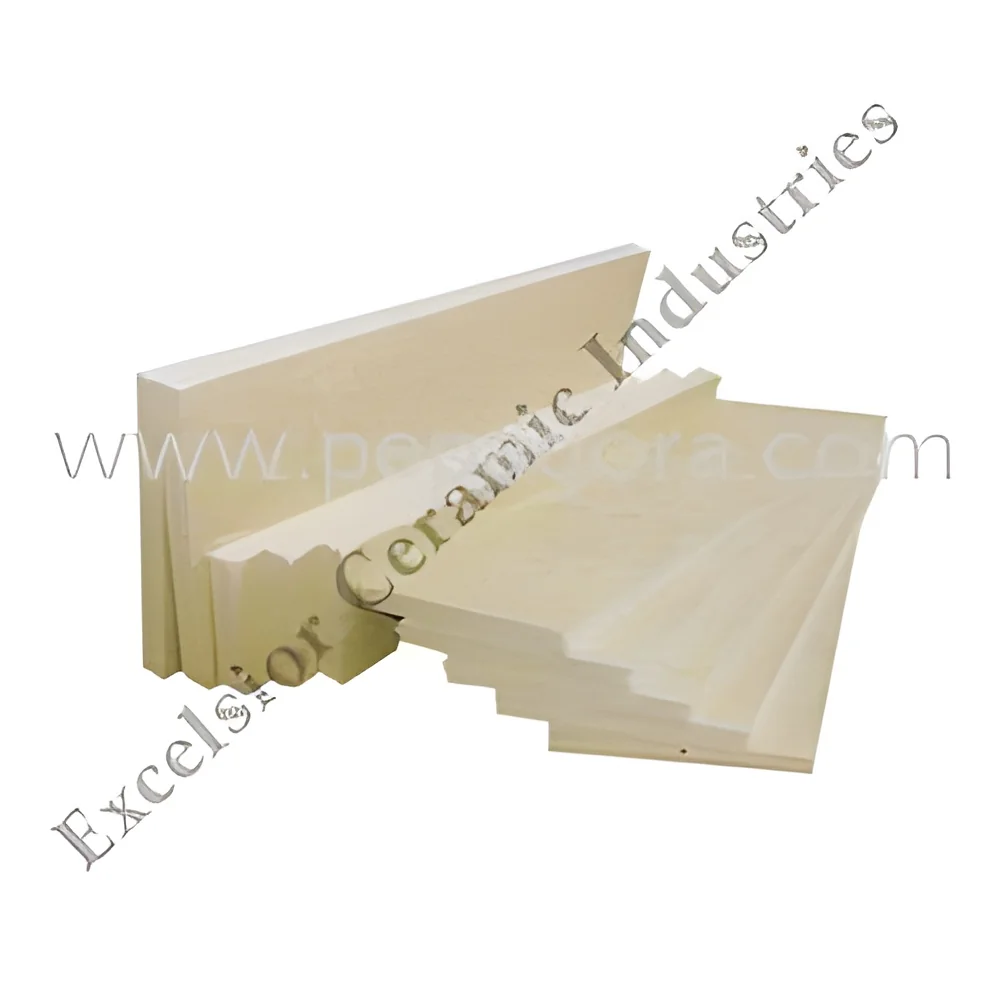
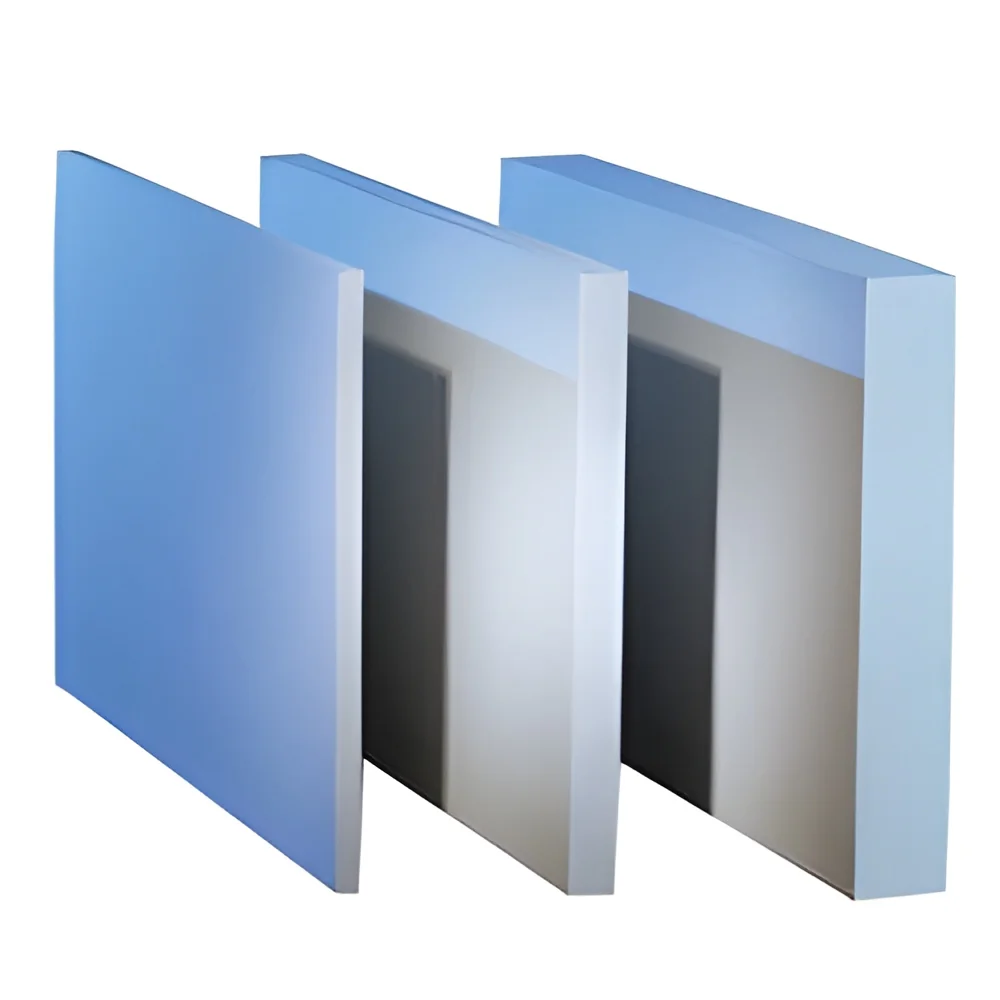
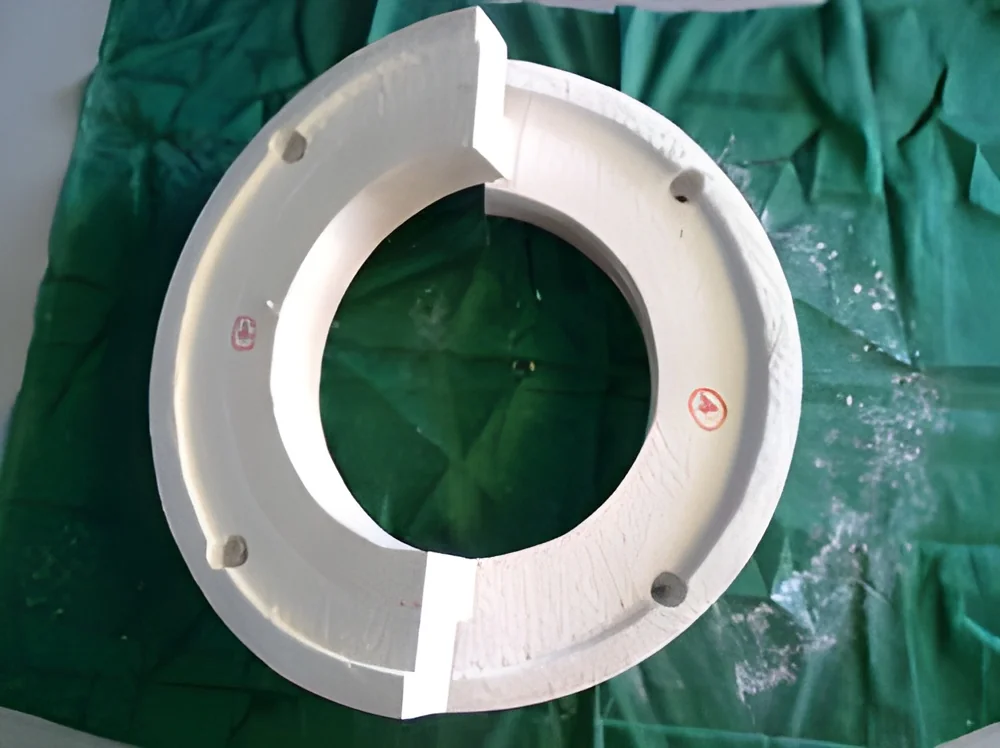
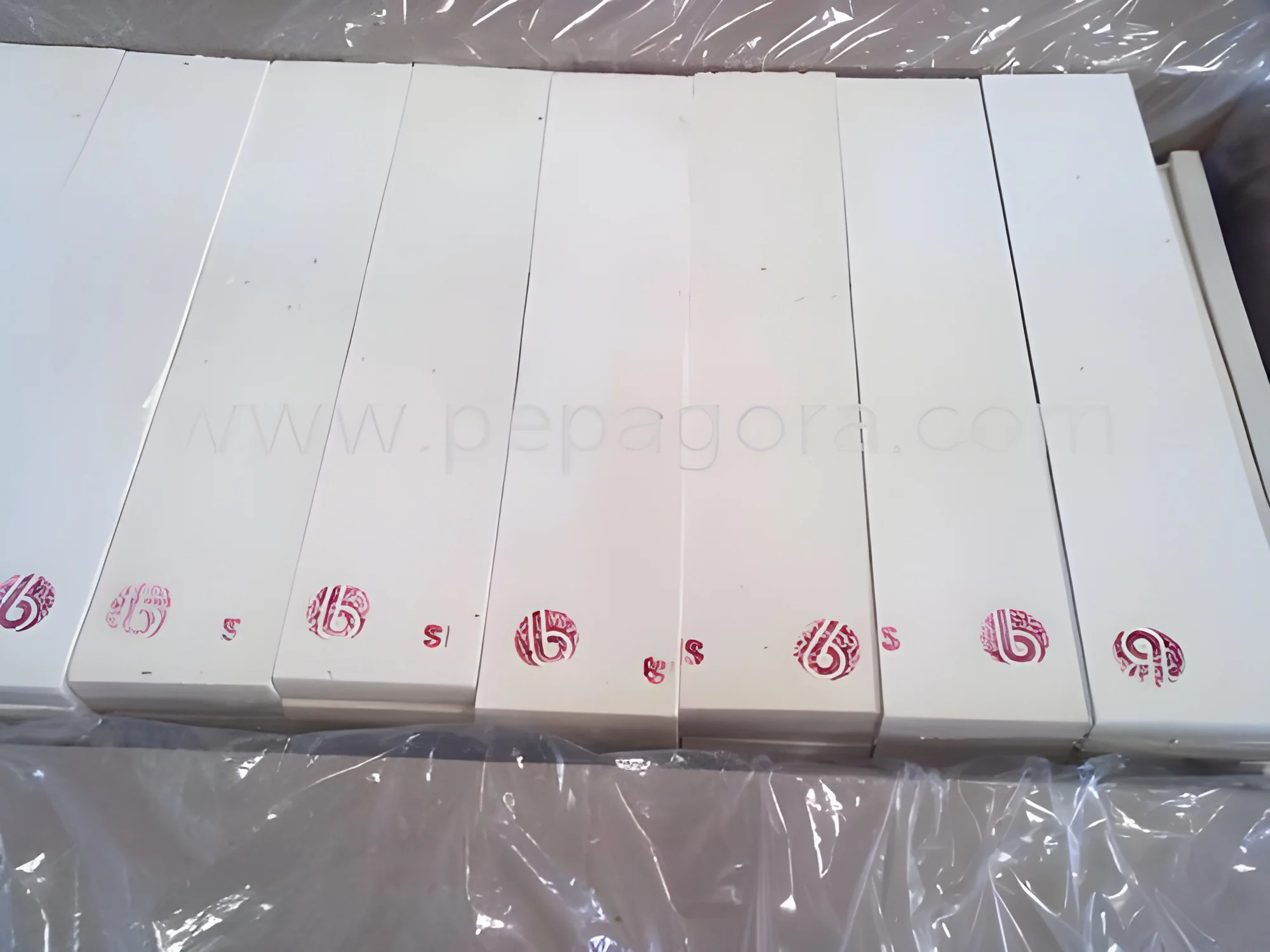
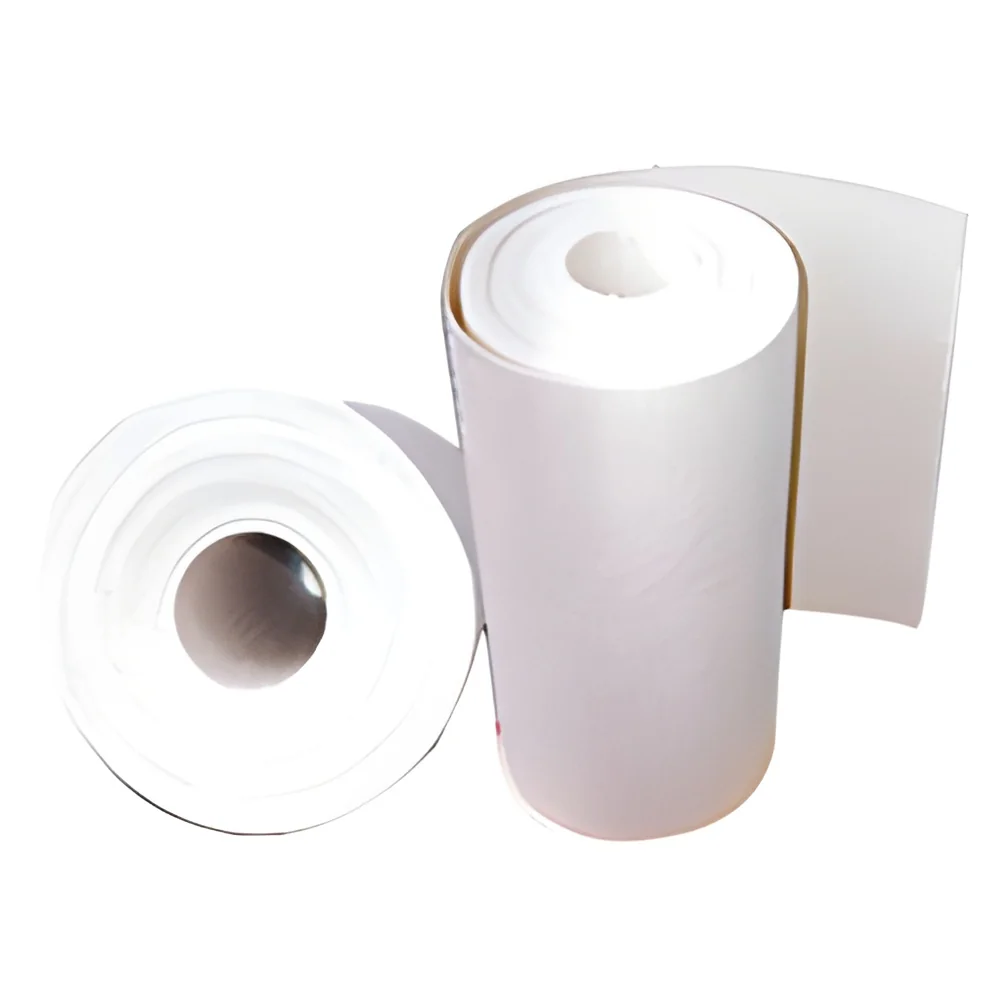
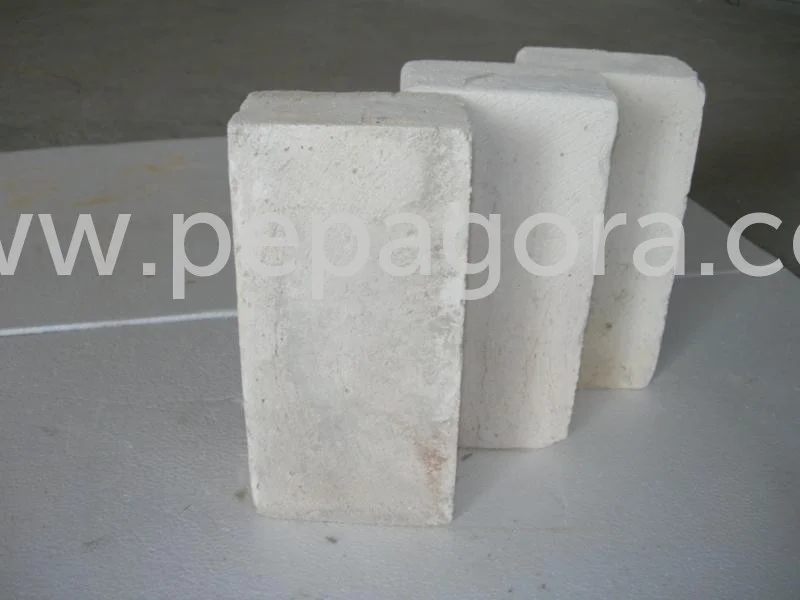
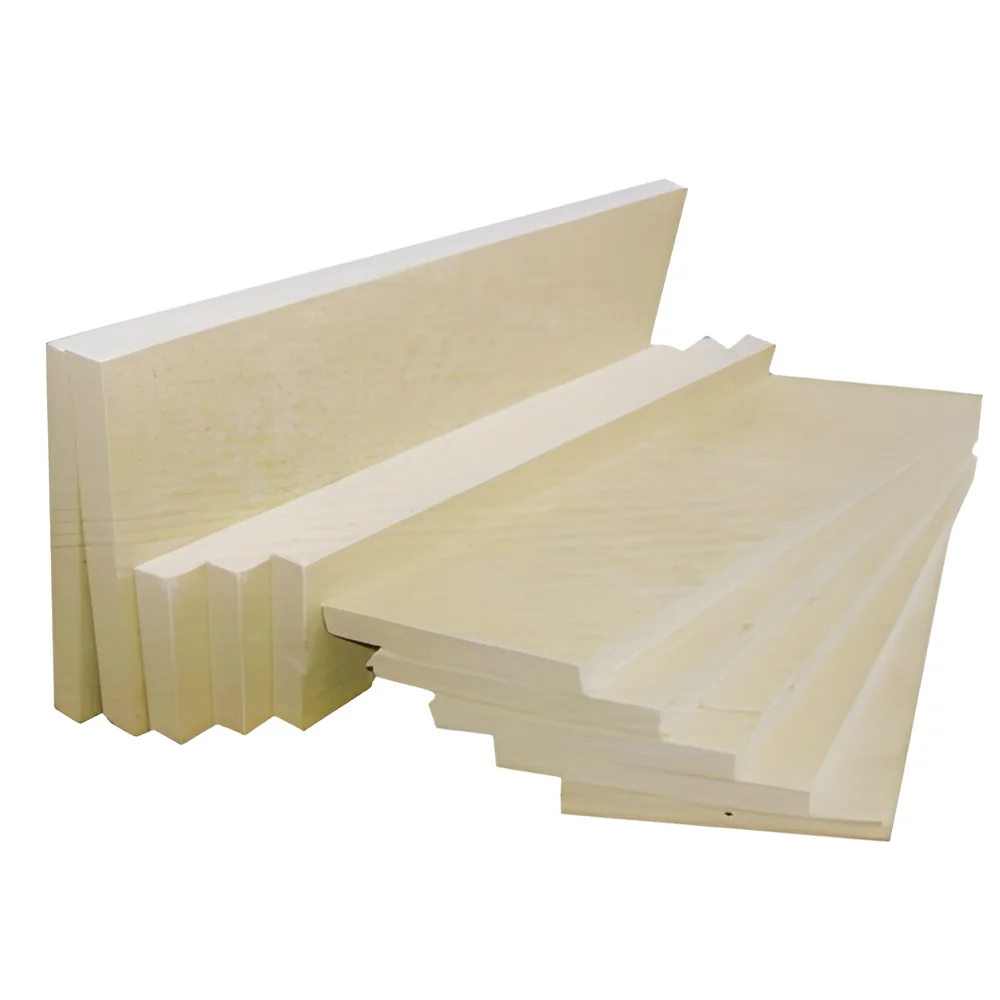
High-Temperature Ceramic Fiber Boards are high-performance insulation products designed to withstand extreme temperatures. Made from high-purity aluminosilicate fibers, these boards offer excellent thermal resistance, making them ideal for applications requiring heat management and insulation in various industrial settings. Their lightweight and flexible nature allows for easy handling and installation, providing a reliable solution for heat containment and energy efficiency.
These boards find primary use in industries such as petrochemical, metallurgy, and ceramics, where high-temperature environments are prevalent. They are commonly utilized in applications like furnace linings, kilns, and heat shields. Their ability to withstand temperatures often exceeding 1,600 degrees Celsius makes them essential in reducing heat loss and improving operational efficiency in high-temperature processes. As industries strive for energy efficiency and sustainability, the demand for high-temperature ceramic fiber boards continues to grow.
In the current market context, these products are seen as crucial components in the push towards more energy-efficient industrial operations. With increasing regulations on energy consumption and environmental impact, businesses are turning to high-temperature ceramic fiber boards to meet compliance requirements while also enhancing performance.
Key Features and Specifications
High-Temperature Ceramic Fiber Boards come with various features that cater to industrial needs. These specifications ensure that they provide the reliable performance required in demanding thermal environments.
Key specifications include:
1. Temperature Resistance
- Capable of withstanding temperatures above 1,600 degrees Celsius
- Maintains structural integrity and insulation properties at high temperatures
2. Density
- Available in various densities, typically ranging from 128 to 256 kg/m³
- Lower density boards offer better insulation, while higher density variants provide increased strength
3. Size Options
- Commonly available in standard sizes of 1,200 mm x 1,000 mm
- Custom sizes can be manufactured to meet specific application requirements
4. Thermal Conductivity
- Low thermal conductivity typically around 0.10 W/mK at 1,000 degrees Celsius
- Ensures minimal heat loss and maximizes energy efficiency
5. Chemical Resistance
- Resistant to most chemicals and moisture
- Suitable for use in corrosive environments
6. Lightweight
- Significantly lighter than traditional insulation materials
- Facilitates easier installation and handling
7. Non-combustible
- Does not burn and is classified as a non-combustible material
- Enhances safety in high-temperature applications
8. Sound Absorption
- Provides sound attenuation properties
- Useful in environments requiring noise reduction
These features make High-Temperature Ceramic Fiber Boards a versatile solution for various industrial applications.
Common Applications and Use Cases
High-Temperature Ceramic Fiber Boards serve a wide array of industries and applications, making them versatile materials in the industrial sector.
1. Petrochemical Industry: Used as insulation for reactors, furnaces, and pipelines to enhance energy efficiency and protect against heat loss.
2. Metallurgy: Applied in high-temperature furnaces and kilns to maintain optimal thermal conditions for metal processing and casting.
3. Ceramics: Utilized in kiln linings and heat shields to ensure precise temperature control during the firing process.
4. Aerospace: Used in thermal protection systems for engines and other components, providing lightweight insulation solutions.
5. Power Generation: Implemented in boilers and turbines to minimize heat loss and improve operational efficiency.
6. Glass Manufacturing: Employed in glass melting furnaces to maintain high temperatures and improve energy savings.
7. Industrial Ovens: Integrated into commercial baking and curing ovens to provide effective thermal insulation.
Product Variants and Subcategories
High-Temperature Ceramic Fiber Boards come in several variants tailored to specific applications and performance needs.
Standard Fiber Board: This variant provides excellent thermal insulation and is typically used in general industrial applications. It is lightweight and easy to handle, making it ideal for furnace linings.
High-Density Fiber Board: Designed for applications requiring enhanced mechanical strength alongside thermal insulation. This variant is suitable for use in applications where impact resistance is crucial.
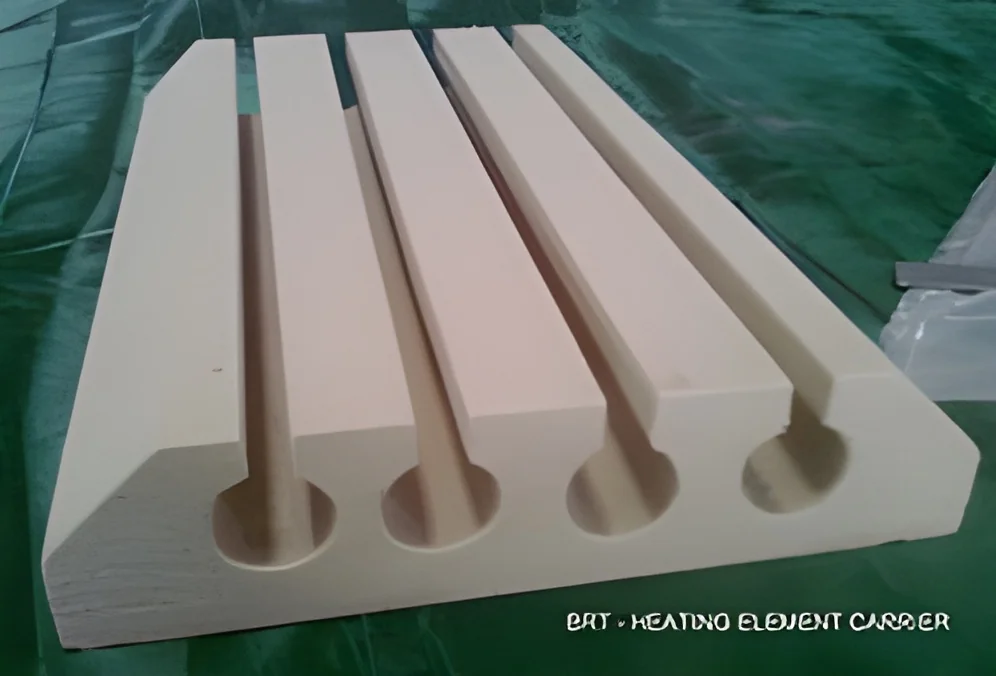
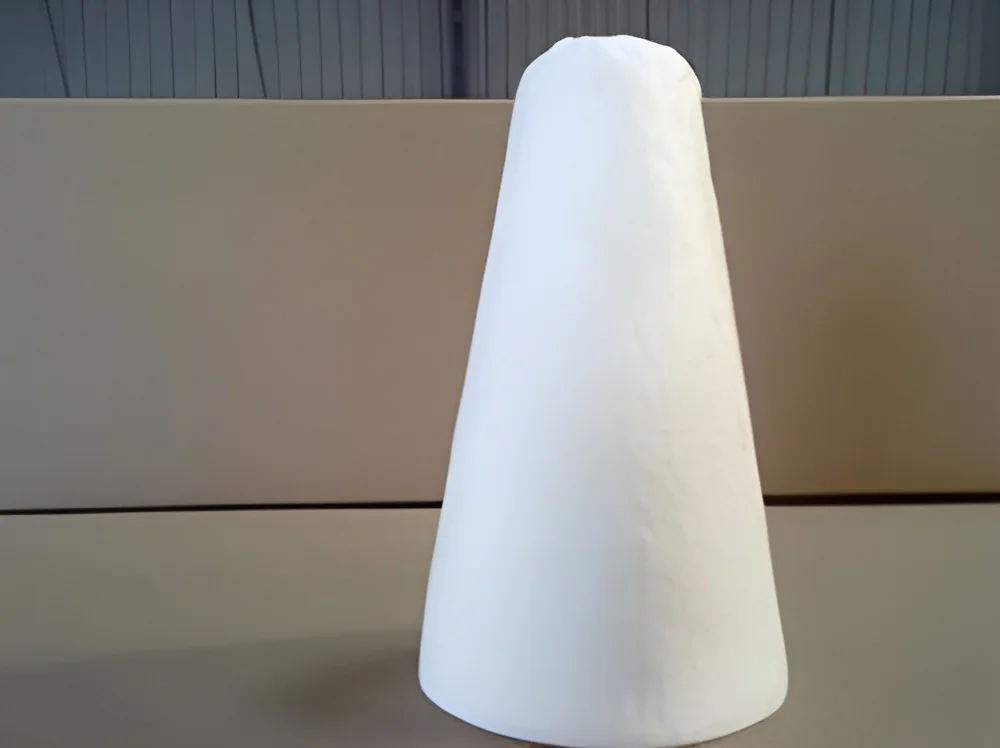
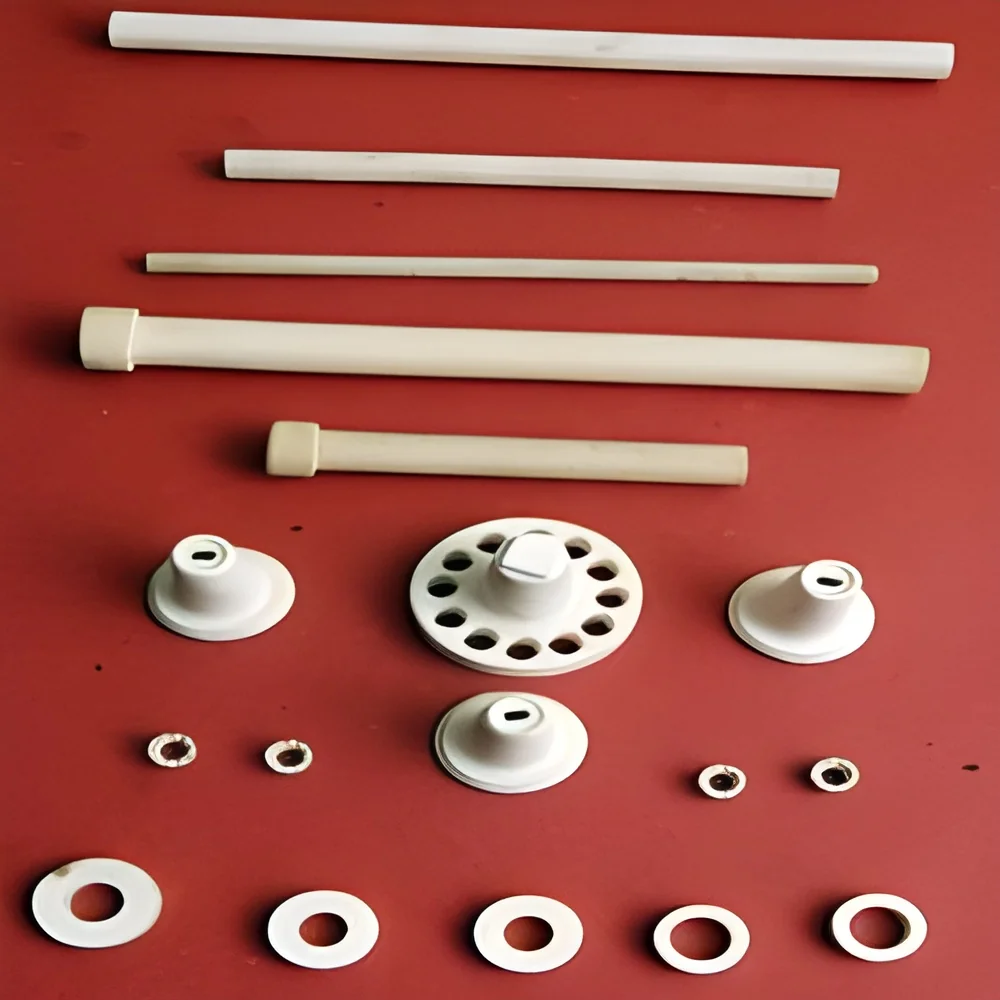
Custom Fabricated Board: Available for projects with specific size or shape requirements. These boards can be tailored to fit unique installation needs and are ideal for specialized industrial applications.
Benefits and Advantages
High-Temperature Ceramic Fiber Boards offer numerous advantages that make them a preferred choice in industrial applications.
Key benefits include:
1. Energy Efficiency: Reduces heat loss, enhancing the overall energy efficiency of industrial processes and lowering operational costs.
2. Lightweight Design: Easy to transport and install, which reduces labor costs and installation time.
3. Versatility: Can be used in a wide range of applications across multiple industries, providing flexibility in sourcing.
4. High Thermal Resistance: Capable of withstanding extreme temperatures without compromising performance or safety.
5. Low Maintenance: Durable and resistant to degradation, leading to lower maintenance costs over time.
6. Safety and Compliance: Non-combustible and compliant with industry safety standards, ensuring a safer working environment.
Buying Guide for B2B Buyers
When sourcing High-Temperature Ceramic Fiber Boards, it is essential for B2B buyers to consider several factors to ensure they make informed purchasing decisions.
1. Quality Assessment: Evaluate the quality of the boards by reviewing technical data sheets and seeking products that meet industry standards. Look for certifications that indicate compliance with safety and performance metrics.
2. Supplier Verification: Vet suppliers by checking their reputation in the industry, reviewing customer feedback, and confirming their ability to deliver consistent quality.
3. Pricing and MOQ: Understand the pricing structure and minimum order quantities (MOQ) to ensure that the purchase aligns with budget constraints and project requirements.
4. Delivery and Lead Times: Discuss logistics with suppliers to determine delivery schedules and lead times, ensuring that products arrive when needed to avoid project delays.
5. Compliance Requirements: Confirm that the boards meet relevant regulatory and compliance standards, which can vary by region and industry. This ensures that the materials are safe for use in specific applications.
Compliance and Certifications
High-Temperature Ceramic Fiber Boards are subject to various industry standards and certifications to ensure their quality and safety.
Relevant quality standards include ISO 9001, which ensures that manufacturing processes meet international quality management criteria. This certification helps maintain consistent product quality.
Additionally, compliance with CE marking confirms that the boards meet European health, safety, and environmental protection standards, allowing for safe usage in industrial applications across Europe.
Safety and testing requirements include assessments for thermal performance, mechanical strength, and chemical resistance. These tests ensure that the boards perform as expected in high-temperature environments.
Regional compliance considerations may vary, and it is crucial for buyers to understand local regulations that may impact the use of these materials in specific industries.
Why Source High-Temperature Ceramic Fiber Boards from Pepagora?
Pepagora provides a trusted platform for sourcing High-Temperature Ceramic Fiber Boards, offering several key advantages to B2B buyers.
Verified Supplier Network: Pepagora has established a network of verified suppliers, ensuring that buyers have access to high-quality products from reputable manufacturers. This network allows for greater transparency and reliability in sourcing.
Streamlined RFQ Process: The platform features an efficient Request for Quotation (RFQ) system that simplifies the procurement process. Buyers can easily request quotes from multiple suppliers, facilitating comparison and informed decision-making.
Trade Assurance and Support: Pepagora offers trade assurance, providing buyers with protection during transactions. This commitment to buyer support enhances confidence in sourcing decisions, ensuring a safer purchasing experience.
Regional Coverage: With a focus on India, the GCC, and Southeast Asia, Pepagora provides extensive geographic reach, making it easier for businesses in these regions to access high-quality High-Temperature Ceramic Fiber Boards tailored to their specific needs.

 IN
IN