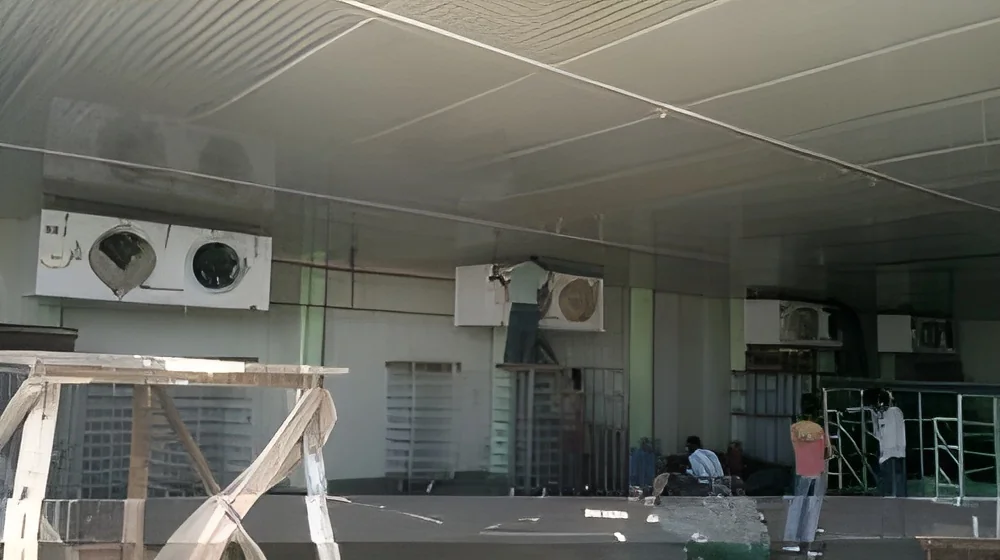
What are Insulated Floor Panels?
Insulated Floor Panels are specialized structural components designed to provide thermal insulation and support in various building applications. These panels typically consist of a core material sandwiched between two outer layers, which enhances their strength and insulation properties. They are engineered for energy efficiency, helping to maintain temperature control within a building while reducing energy costs over time.
These panels are commonly used in commercial and industrial settings, including warehouses, cold storage facilities, and manufacturing plants. Their primary function is to create a stable, insulated surface that prevents heat loss or gain, which is essential for maintaining optimal working conditions. The growing emphasis on energy efficiency and sustainability in construction has led to an increased demand for insulated floor panels across various sectors.
In the current market, insulated floor panels are recognized for their role in enhancing building performance and sustainability. As industries strive to meet energy efficiency standards and reduce their carbon footprint, these panels offer a viable solution. Their versatility and effectiveness make them relevant across numerous applications, supporting the industry's shift toward eco-friendly practices.
Key Features and Specifications
Insulated Floor Panels come with a range of features and specifications that make them suitable for various applications. These panels are designed to meet rigorous performance standards and are available in different configurations to suit specific needs. The following are key specifications associated with insulated floor panels:
1. Core Material
- Panels may feature various core materials such as polyurethane, polystyrene, or mineral wool.
- Each core material offers distinct thermal resistance and fire safety properties.
2. Thickness
- Insulated floor panels typically range from 50mm to 200mm in thickness.
- The thickness can be selected based on the required insulation value and load-bearing capacity.
3. Thermal Conductivity
- The thermal conductivity of the panels generally falls between 0.020 and 0.040 W/mK.
- Lower values indicate better insulating performance, crucial for energy efficiency.
4. Load-Bearing Capacity
- Panels can support loads ranging from 2.5 kN/m² to over 10 kN/m², depending on design.
- This capacity is critical for ensuring structural integrity in high-traffic areas.
5. Surface Finishes
- Insulated floor panels are available with various surface finishes, including smooth, textured, or coated.
- Finishes can enhance durability and aesthetics, tailored to specific applications.
6. Fire Resistance
- Panels may comply with fire safety standards such as Euroclass B, C, or D.
- Fire-resistant properties are vital for ensuring safety in commercial environments.
7. Acoustic Properties
- Some panels provide sound insulation features, reducing noise transmission.
- This is particularly beneficial in settings like offices and manufacturing plants.
8. Customization Options
- Panels can often be customized in size, color, and insulation properties.
- Customization allows for the optimization of thermal performance based on specific project requirements.
In summary, insulated floor panels are engineered to provide essential thermal insulation, structural support, and safety features, making them a vital component in modern construction.
Common Applications and Use Cases
Insulated Floor Panels are utilized in a variety of industries, showcasing their versatility and effectiveness in enhancing building performance.
1. Warehousing: In warehouse applications, insulated floor panels help regulate temperature, ensuring the integrity of stored products, particularly temperature-sensitive items.
2. Cold Storage Facilities: These panels are critical for cold storage, providing insulation that maintains low temperatures required for perishable goods.
3. Manufacturing Plants: In manufacturing environments, insulated floor panels contribute to energy efficiency and comfort for workers, supporting industrial processes that require temperature control.
4. Retail Spaces: Insulated panels can enhance the shopping experience by maintaining a comfortable environment, thus improving customer satisfaction and retention.
5. Healthcare Facilities: In hospitals and clinics, insulated flooring contributes to maintaining hygienic conditions while supporting the thermal comfort of patients and staff.
6. Educational Institutions: Schools and universities benefit from insulated floor panels by providing energy-efficient environments conducive to learning.
7. Food Processing: These panels help maintain strict temperature controls necessary for food safety and quality assurance in processing facilities.
Product Variants and Subcategories
Insulated Floor Panels come in a variety of forms to meet diverse operational needs. While specific subcategories may not be detailed, the following are notable variants:
Standard Insulated Floor Panels
These panels are designed for general use and can be tailored to fit various applications, balancing insulation and load-bearing requirements effectively.
Heavy-Duty Insulated Floor Panels
Engineered for high-load applications, these panels offer enhanced durability and are suitable for environments with heavy machinery or significant foot traffic.
Fire-Rated Insulated Floor Panels
Designed with enhanced fire resistance, these panels meet strict safety standards, making them ideal for applications that require compliance with fire safety regulations.
Benefits and Advantages
The use of Insulated Floor Panels provides numerous benefits that contribute to the overall efficiency and safety of building environments.
1. Energy Efficiency: Insulated floor panels significantly reduce heat loss and gain, leading to lower energy consumption and reduced utility costs.
2. Comfort: By maintaining consistent temperatures, these panels enhance comfort for occupants in commercial and industrial spaces.
3. Versatility: Their adaptability allows for use in various applications, from warehouses to healthcare facilities, making them a flexible solution.
4. Durability: Built to withstand heavy loads and harsh environments, insulated floor panels offer long-lasting performance.
5. Safety: Fire-rated options provide added protection, ensuring compliance with safety regulations and enhancing overall building safety.
6. Quick Installation: Insulated floor panels can be installed quickly, reducing downtime during construction and renovation projects.
Buying Guide for B2B Buyers
When sourcing Insulated Floor Panels, businesses should consider several critical factors to ensure they select the right product for their needs.
1. Quality Assessment: Evaluate panels based on insulation performance, durability, and compliance with relevant standards. High-quality materials will lead to better long-term performance.
2. Supplier Verification: Conduct thorough research on suppliers to ensure they are reputable and offer reliable products. Look for certifications and positive reviews.
3. Pricing and MOQ: Understand the pricing structures and minimum order quantities (MOQ) to ensure the supplier aligns with your budget and project requirements.
4. Delivery and Lead Times: Discuss logistics with suppliers to confirm delivery times and ensure they can meet your project deadlines.
5. Compliance Requirements: Ensure that the panels meet all necessary regulatory and safety standards relevant to your industry and location.
Compliance and Certifications
Insulated Floor Panels must adhere to various quality standards and certifications to ensure safety and performance. Relevant quality standards include ISO 9001, which focuses on quality management systems, ensuring that products are manufactured to consistent quality levels.
Industry certifications such as CE and UL signify compliance with European and North American safety standards, respectively. These certifications reassure buyers that the panels have undergone rigorous testing for safety and performance.
Safety and testing requirements are paramount for insulated floor panels, especially in applications that involve sensitive environments such as food storage or healthcare. Panels are often tested for fire resistance, thermal performance, and load-bearing capabilities to ensure they meet industry expectations.
Regional compliance considerations may also vary, making it critical for buyers to understand local regulations when selecting insulated floor panels. Ensuring compliance with these standards helps mitigate risk and ensures the safety and effectiveness of the panels in their intended applications.
Why Source Insulated Floor Panels from Pepagora?
Pepagora provides a trusted platform for sourcing Insulated Floor Panels, offering several key advantages for buyers looking for quality and reliability.
Verified Supplier Network: Pepagora connects buyers with a network of verified suppliers, ensuring that all products meet stringent quality standards. This helps businesses make informed decisions and choose reliable partners.
Streamlined RFQ Process: The platform offers a simplified Request for Quotation (RFQ) process, allowing buyers to easily compare prices and specifications from multiple suppliers. This efficiency reduces the time spent on sourcing.
Trade Assurance and Support: Buyers benefit from trade assurance features that protect their transactions. Pepagora provides support throughout the sourcing process to address any concerns that may arise.
Regional Coverage: With a broad geographic reach, Pepagora serves buyers in India, the GCC, and Southeast Asia. This regional focus enables businesses to access quality products tailored to their market needs, ensuring localized support and service.

 IN
IN