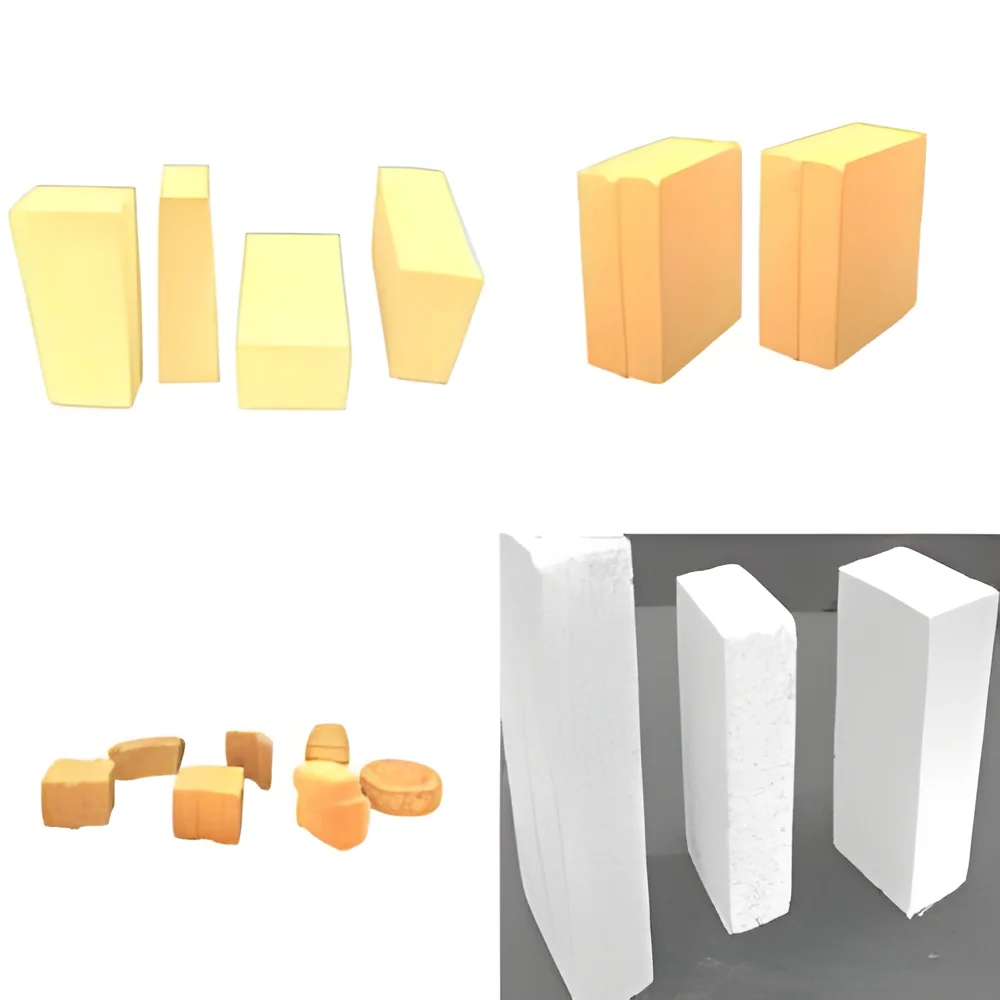
What are Thermocol Sheets?
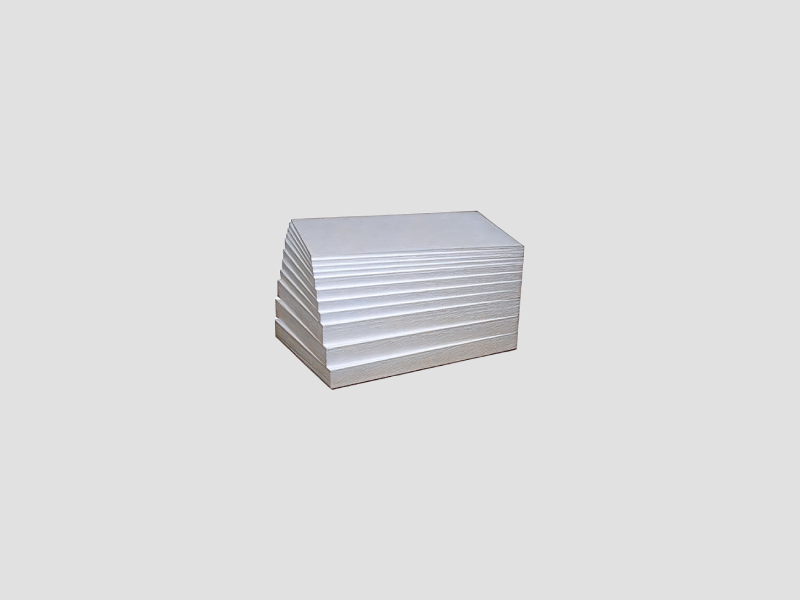
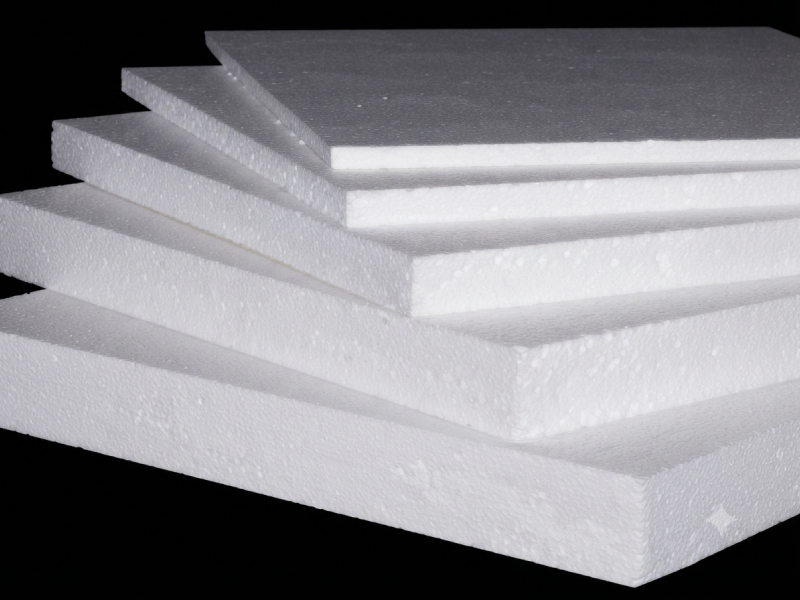
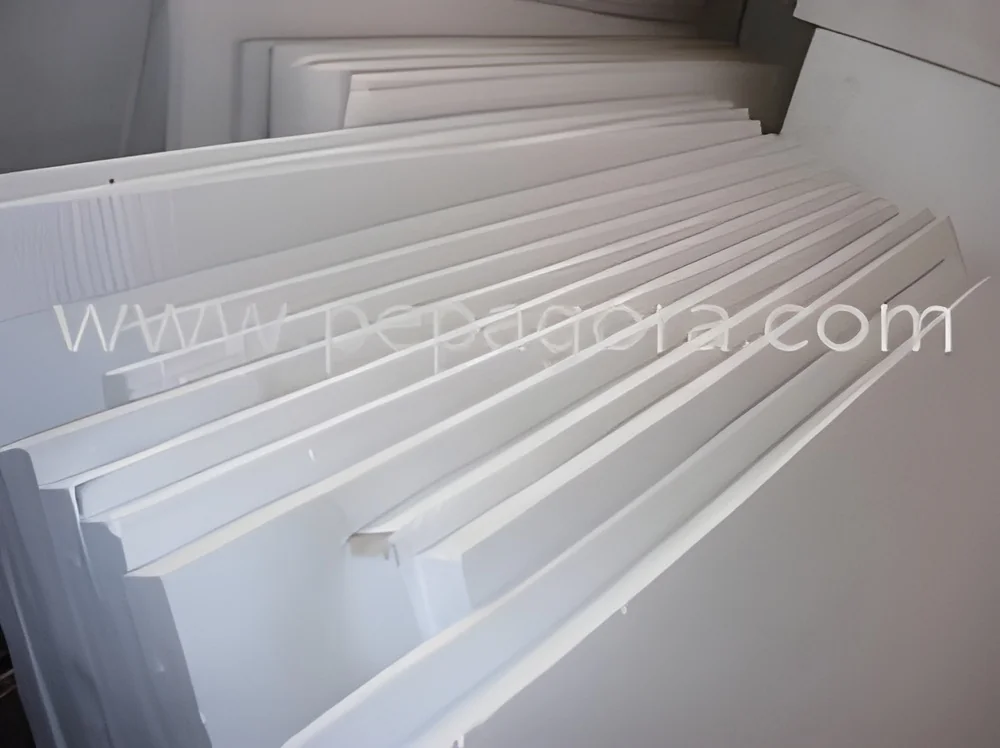
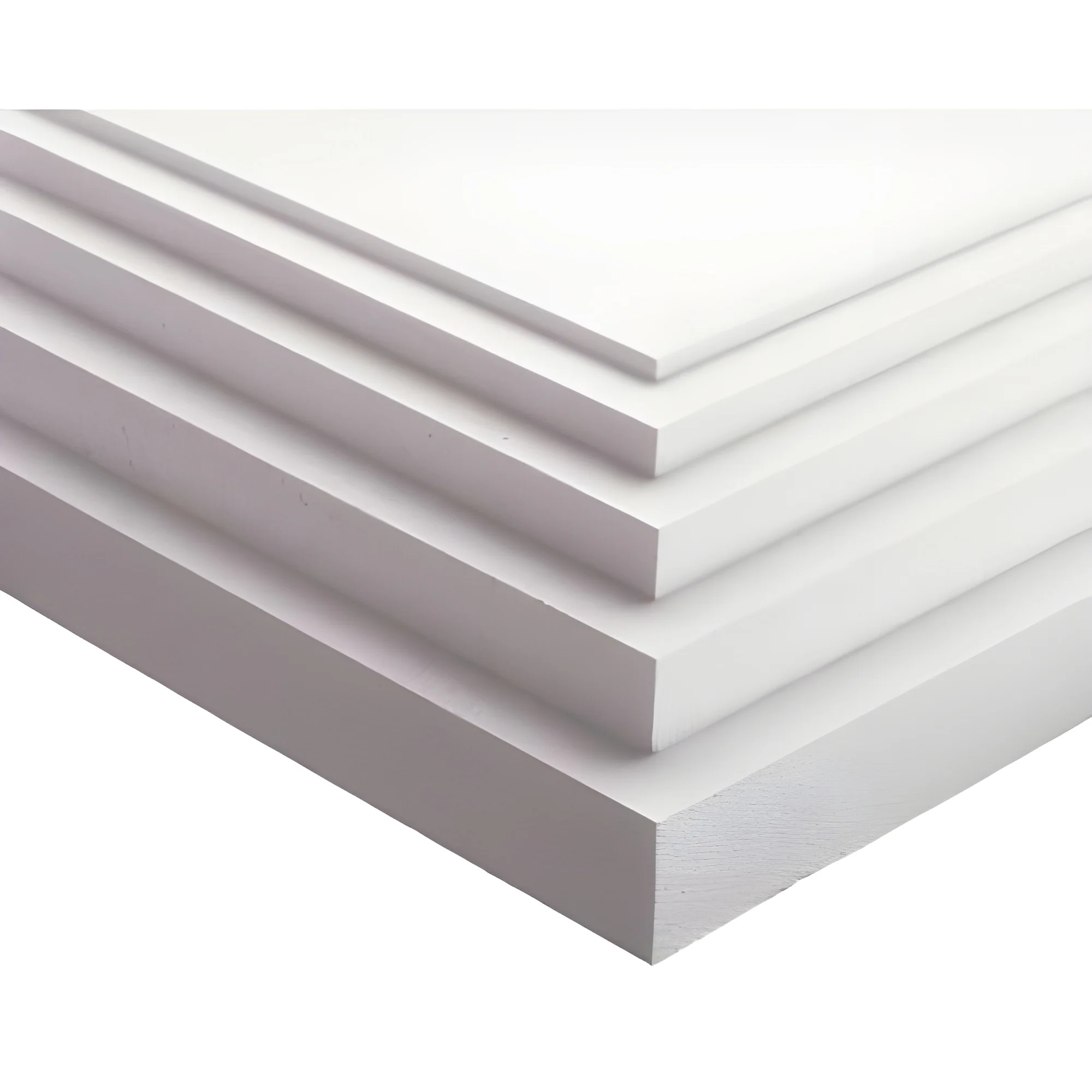
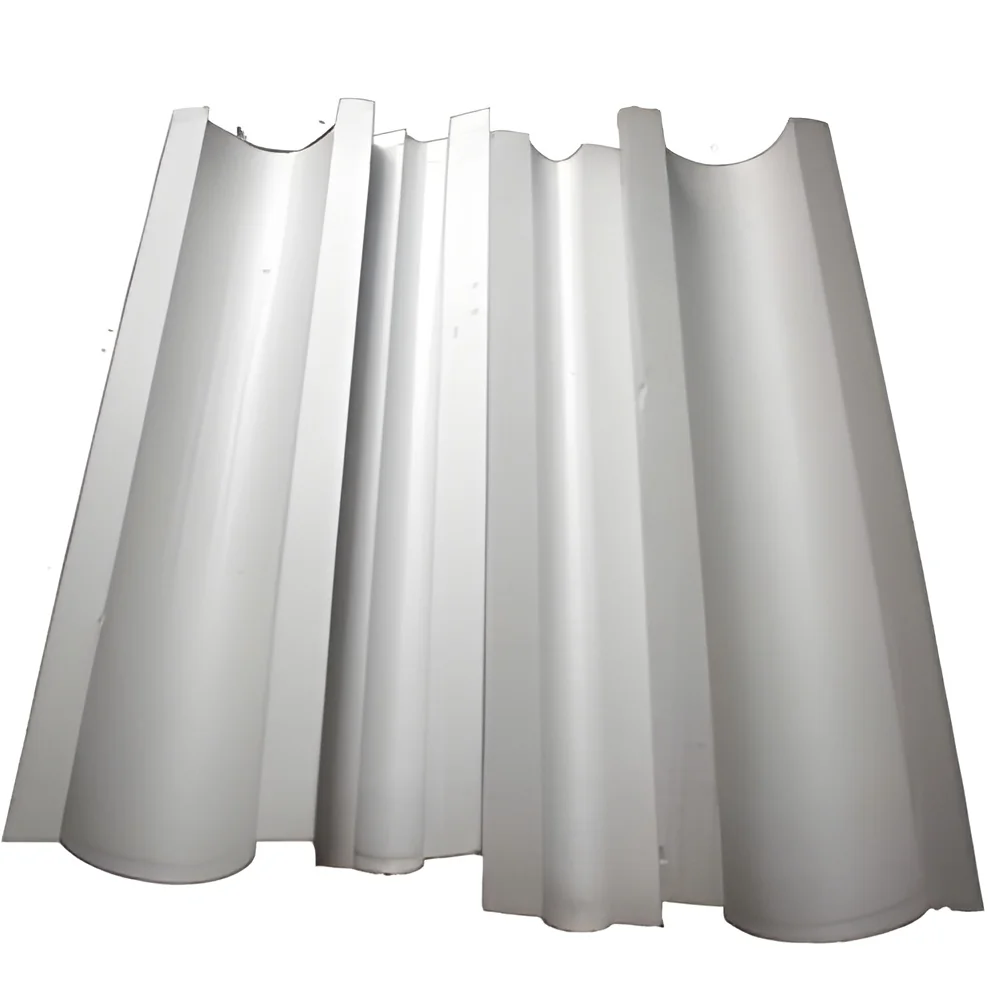
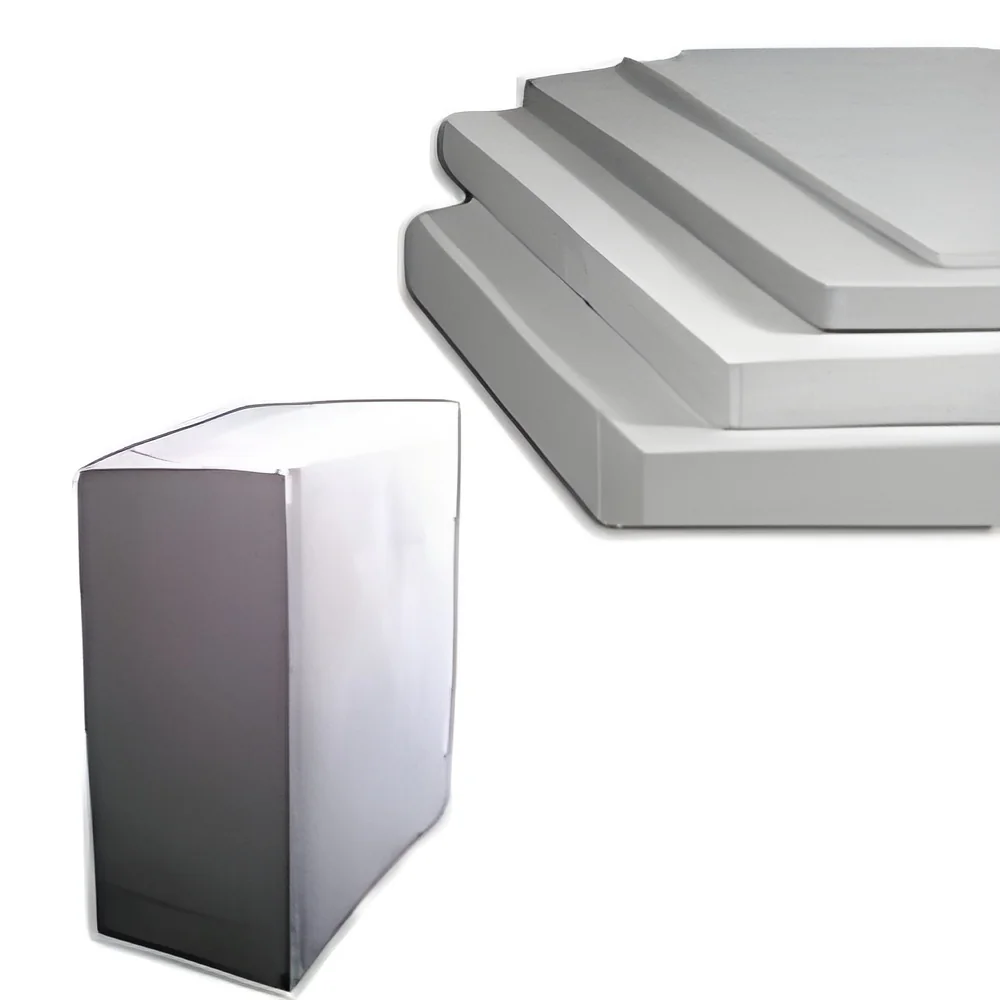
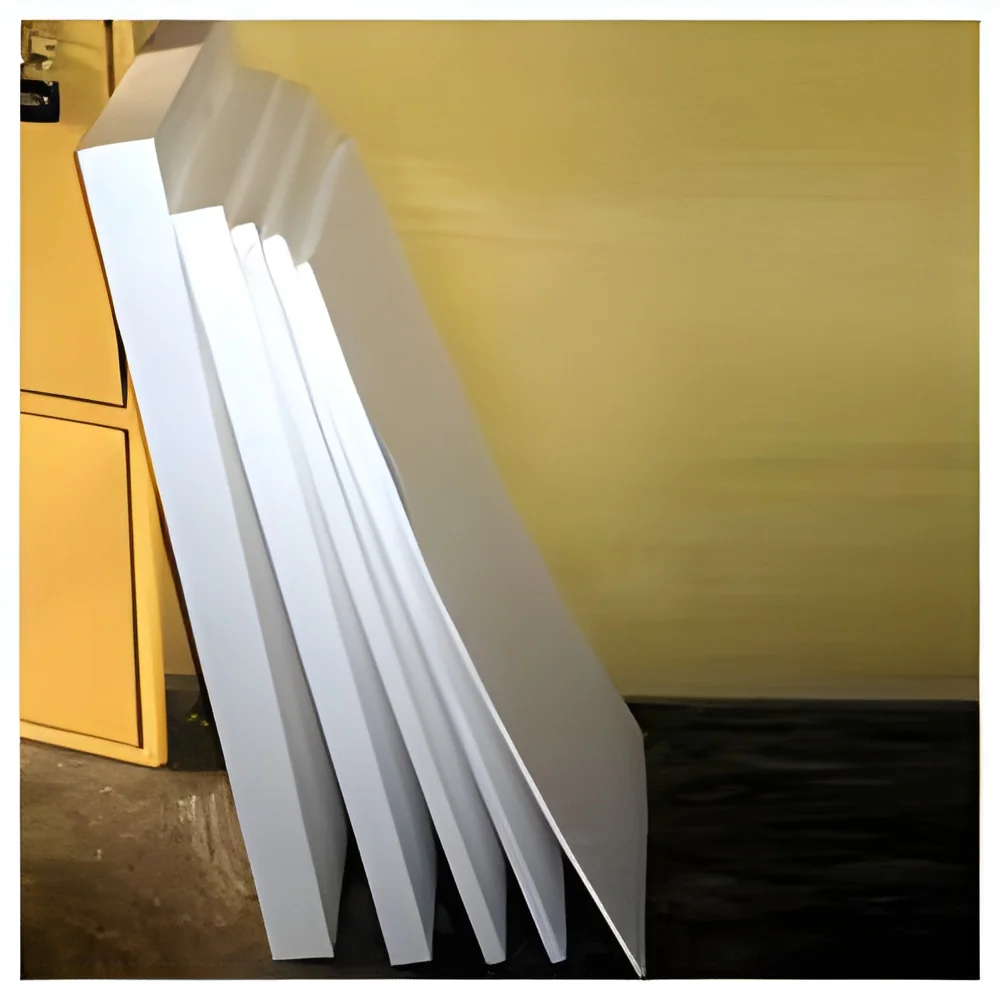
Thermocol sheets, also known as expanded polystyrene foam (EPS), are lightweight, rigid, and closed-cell foam materials. They are manufactured from polystyrene beads that are expanded and fused together, resulting in a material that is buoyant, insulating, and resistant to moisture. This unique structure makes Thermocol sheets an ideal choice for various applications across multiple industries.
These sheets are primarily used for packaging, insulation, and construction purposes. In the packaging sector, they provide excellent protection for fragile items during shipping. In construction, Thermocol is utilized for thermal insulation and soundproofing in walls, ceilings, and roofs. The material's versatility makes it relevant in several industries, including packaging, construction, refrigeration, and automotive manufacturing, where it offers solutions that enhance efficiency and safety.
Key Features and Specifications
Thermocol sheets offer a range of features that make them suitable for various applications. Their lightweight nature, combined with excellent insulation properties, provides an effective solution for temperature control and soundproofing. Additionally, these sheets are eco-friendly, as they can be recycled and reused in many applications.
Key specifications include:
1. Thermal Conductivity
- Typically ranges from 0.030 to 0.045 W/mK
- Low thermal conductivity ensures effective insulation
2. Density
- Commonly available in densities of 10 to 30 kg/m3
- Density affects strength and insulation performance
3. Compressive Strength
- Generally ranges from 100 to 300 kPa
- Important for load-bearing applications
4. Water Absorption
- Typically less than 1% by volume
- Resistant to moisture, enhancing durability
5. Fire Resistance
- Limited flammability with appropriate additives
- Complies with necessary safety regulations
6. Dimensions
- Available in various thicknesses and sizes
- Custom sizes can be manufactured based on requirements
7. Chemical Resistance
- Resistant to most chemicals, oils, and solvents
- Suitable for use in diverse environments
8. Lightweight
- Weighs significantly less than traditional materials
- Facilitates easier handling and transportation
In summary, Thermocol sheets combine lightweight properties with impressive insulation capabilities, making them a practical choice for a variety of industrial applications.
Common Applications and Use Cases
Thermocol sheets are utilized across numerous industries due to their versatility and effectiveness.
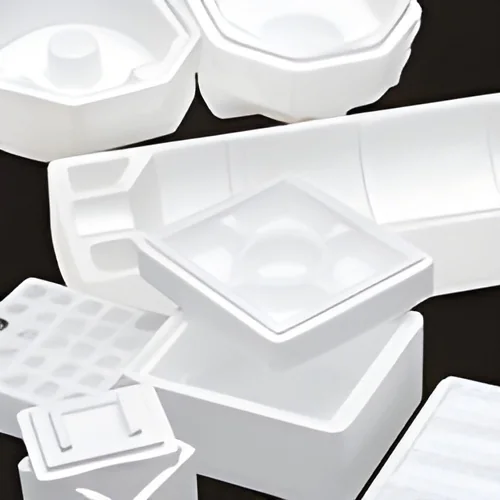
1. Packaging: They are widely used for cushioning fragile items, ensuring that products like electronics and glass are protected during transit.
2. Construction: In the building sector, Thermocol sheets serve as thermal insulation materials for walls and roofs, helping to maintain energy efficiency.
3. Refrigeration: The sheets are employed in refrigerated transport and storage to maintain temperature control, especially for perishable goods.
4. Automotive: In the automotive industry, Thermocol is used for interior soundproofing and thermal insulation.
5. Arts and Crafts: The lightweight nature of Thermocol sheets makes them a popular choice for various DIY projects and artistic creations.
6. Food Packaging: They are used in food delivery services to keep items hot or cold, ensuring quality during transport.
7. Electronics: Thermocol sheets provide protective packaging for sensitive electronic components, reducing the risk of damage.
Product Variants and Subcategories
Thermocol sheets come in various forms, catering to different needs across industries.
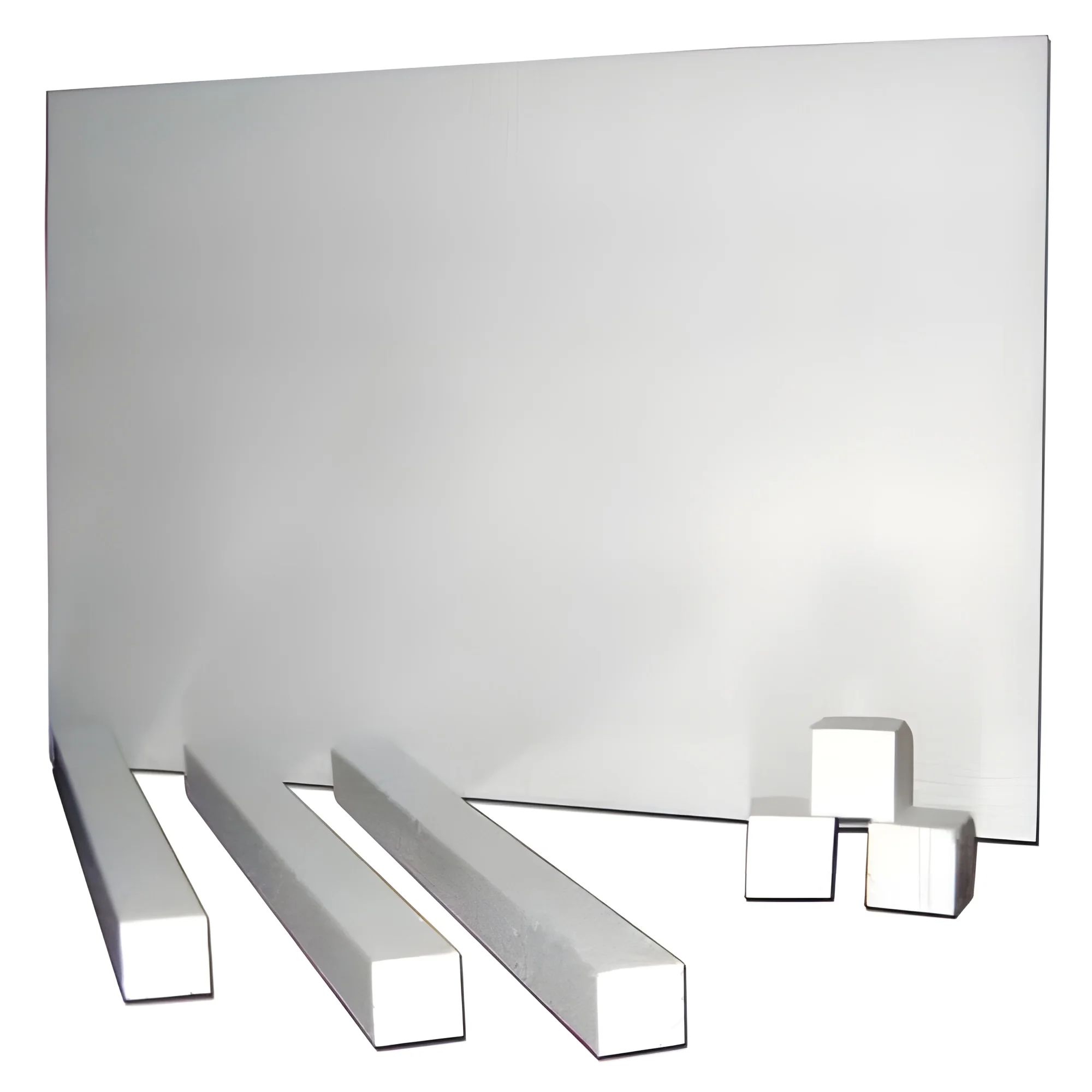
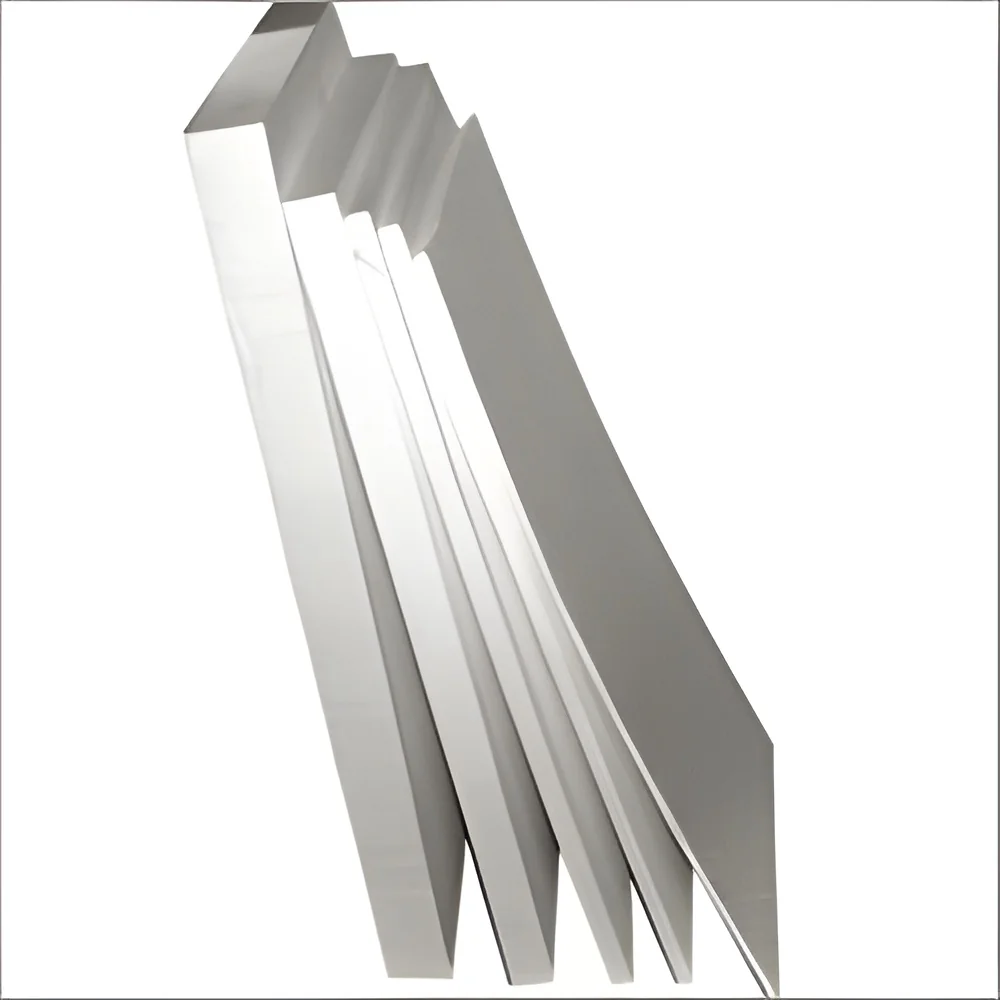
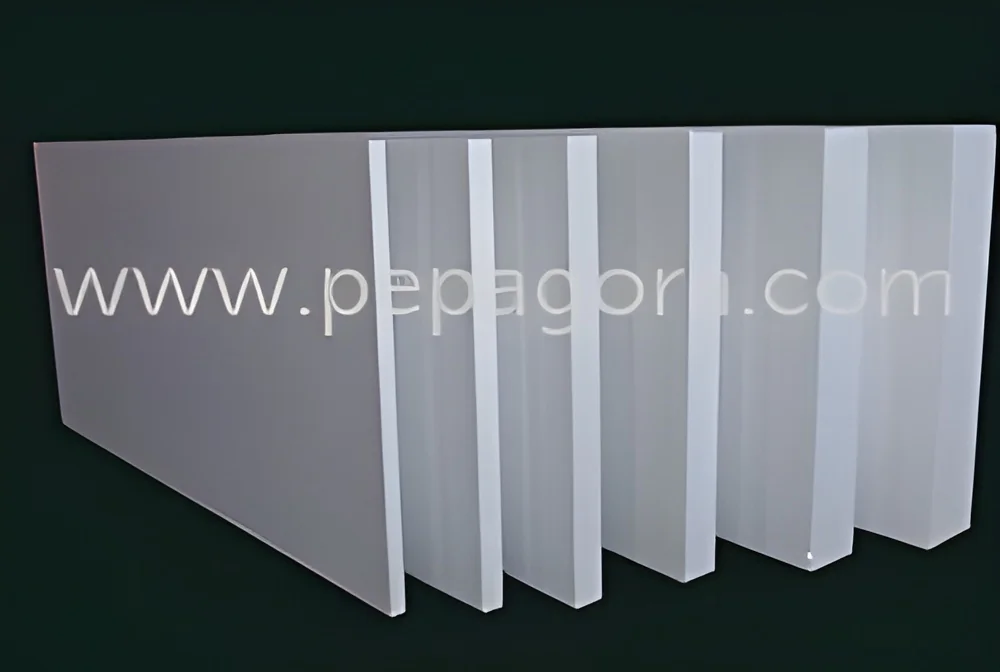
Standard Thermocol Sheets: These are the most common variant, used primarily for packaging and insulation. They are available in different thicknesses and sizes, providing flexibility for various applications.
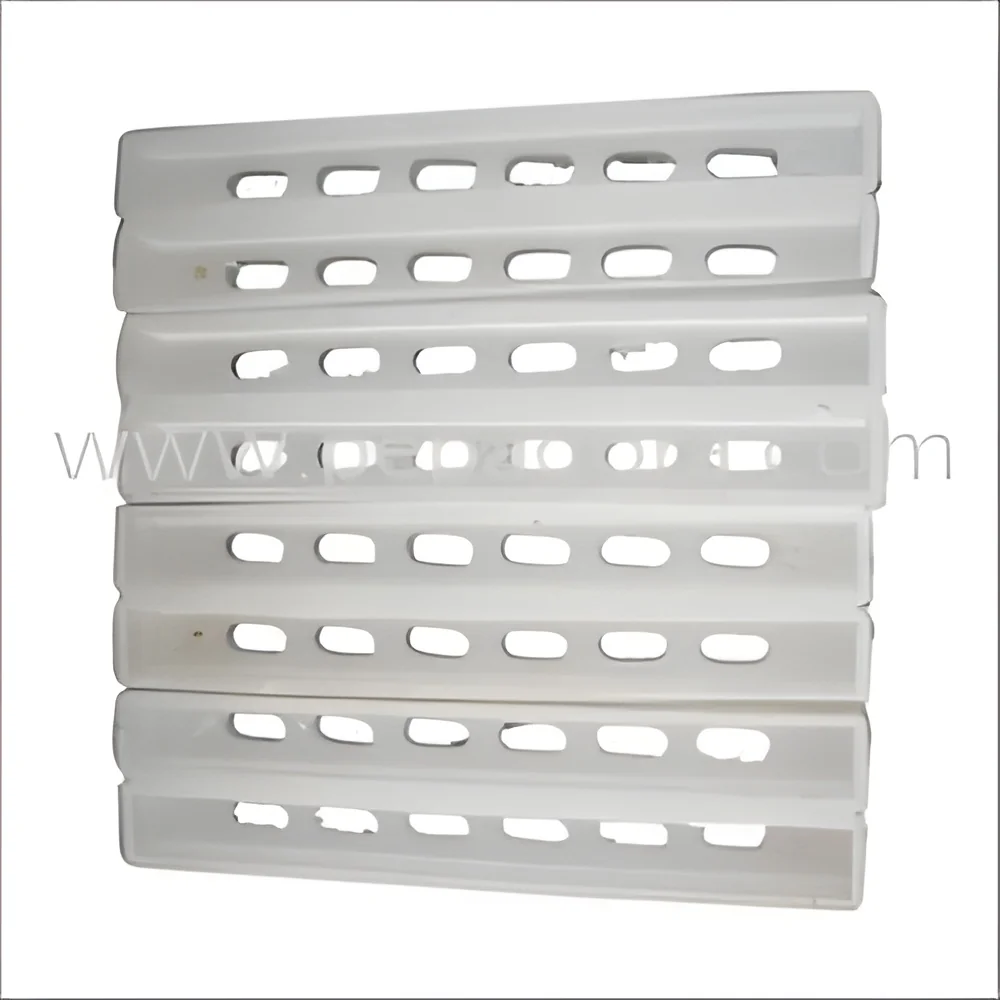
Custom Thermocol Sheets: Tailored to specific requirements, these sheets can be produced in unique dimensions and densities. They are often used in specialized packaging solutions.
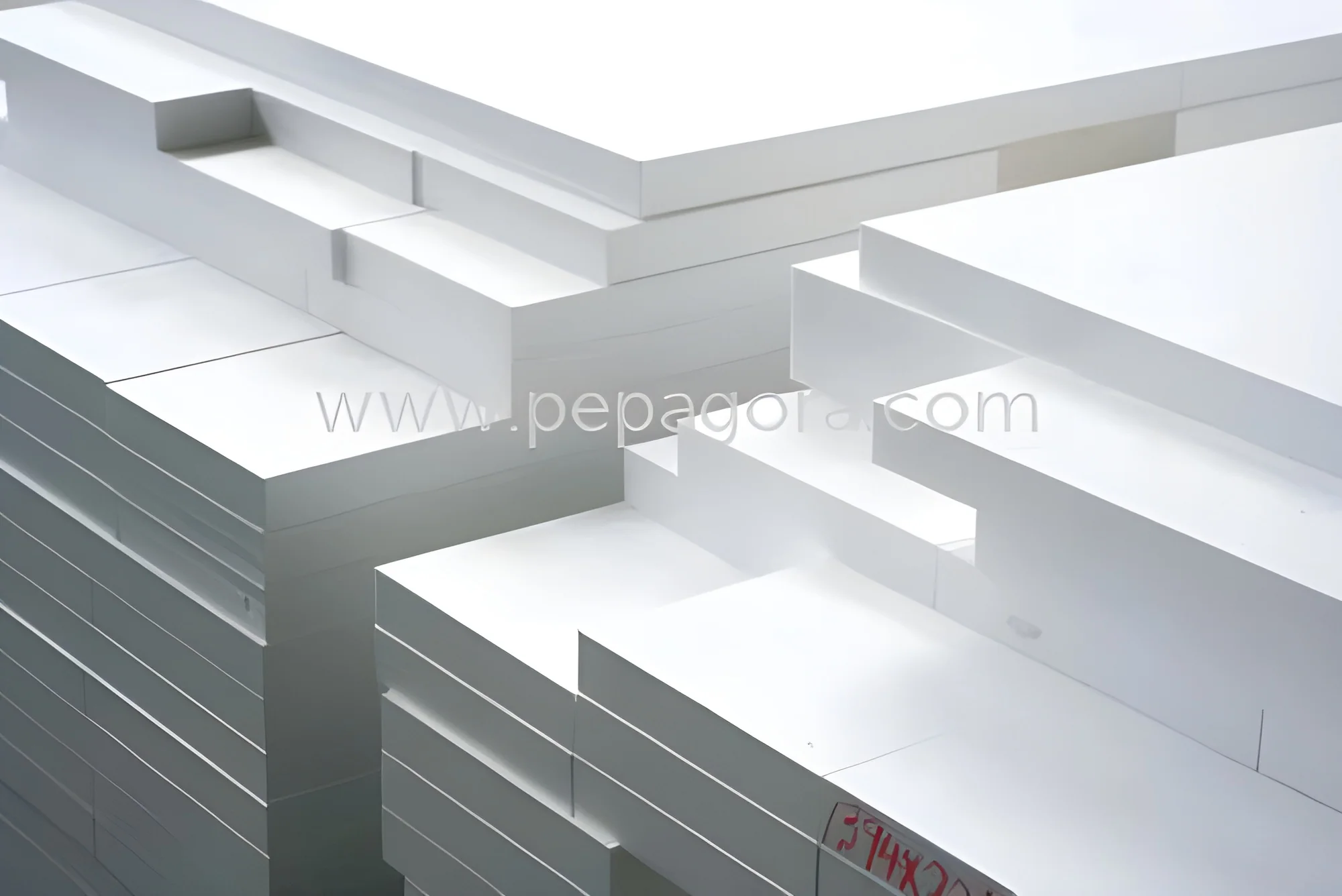
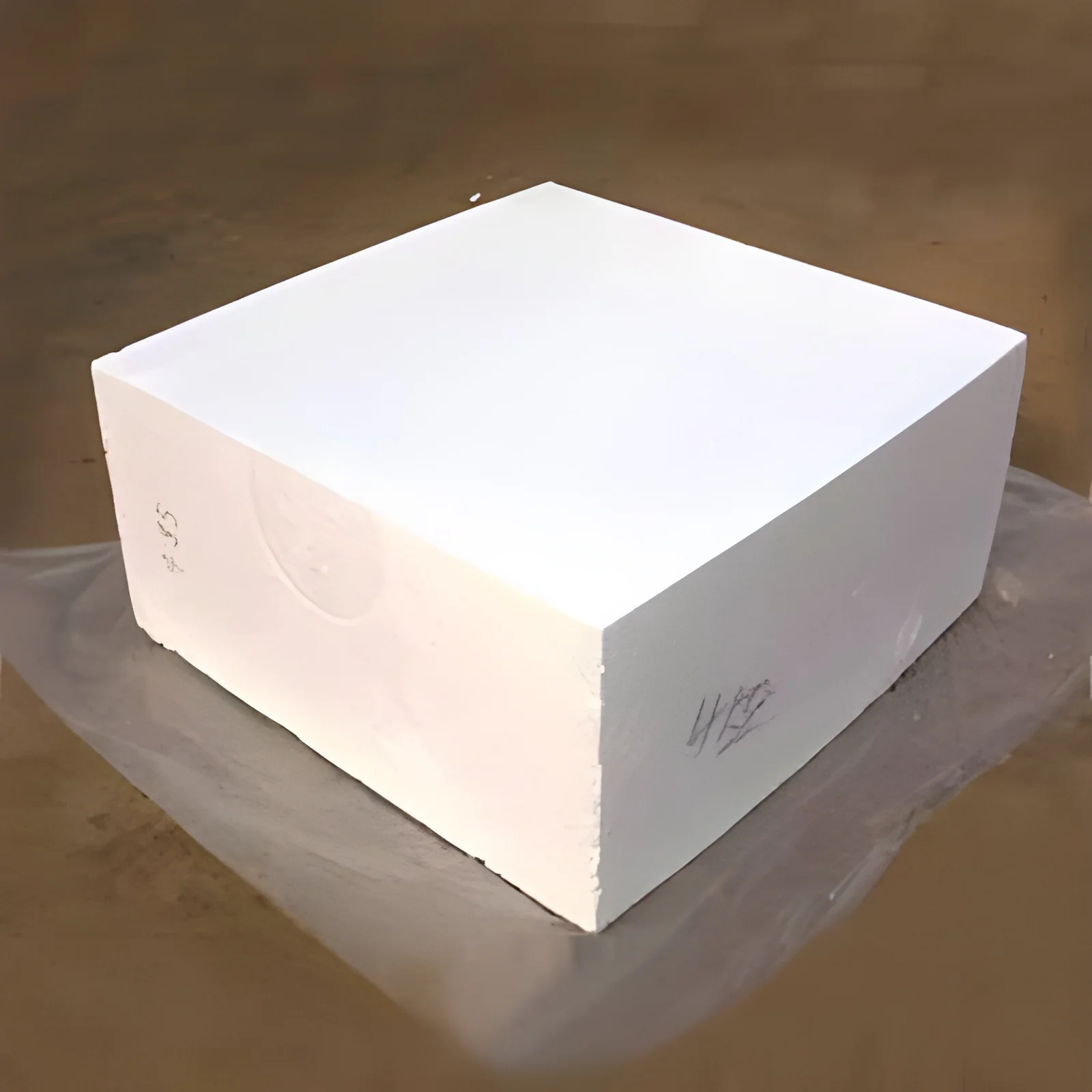
Thermocol Blocks: Larger blocks of Thermocol are available for applications that require more substantial insulation or structural support. They are commonly used in construction and manufacturing.
Benefits and Advantages
Thermocol sheets offer numerous advantages that make them a preferred choice for businesses.
1. Lightweight: Their low weight reduces transportation costs and makes handling easier.
2. Excellent Insulation: Thermocol sheets provide superior thermal and sound insulation, enhancing energy efficiency.
3. Moisture Resistance: Their closed-cell structure prevents water absorption, making them ideal for various environments.
4. Cost-Effective: Thermocol is generally less expensive compared to other insulation materials, providing a budget-friendly option.
5. Eco-Friendly: Many Thermocol products can be recycled, promoting sustainability.
6. Customization: The ability to produce sheets in various sizes and densities allows businesses to meet specific requirements.
Buying Guide for B2B Buyers
When sourcing Thermocol sheets, buyers should consider several key factors to ensure they make informed decisions.
1. Quality Assessment: Look for suppliers who provide samples and certifications that demonstrate the quality of their Thermocol sheets, including compliance with relevant standards.
2. Supplier Verification: It is essential to vet suppliers thoroughly. Check for their reputation, customer reviews, and any industry certifications they may hold.
3. Pricing and MOQ: Understand the pricing structures and minimum order quantities, which can vary significantly between suppliers.
4. Delivery and Lead Times: Discuss logistics with suppliers to ensure timely delivery of your orders, especially if you have tight project deadlines.
5. Compliance Requirements: Ensure that the Thermocol sheets meet all necessary regulatory standards relevant to your industry, such as safety and environmental regulations.
Compliance and Certifications
Thermocol sheets must adhere to specific quality standards to ensure safety and effectiveness in their applications. Common standards include ISO 9001, which ensures the quality management system of the manufacturing process. Compliance with HACCP and GDP is also essential for products used in food packaging and transportation.
Industry certifications such as CE signify that the product meets European safety standards, which can be crucial for international trade. Additionally, manufacturers should be aware of safety testing requirements that assess fire resistance and material integrity. Regional compliance considerations may vary, so it is important to understand local regulations when sourcing Thermocol sheets.
Why Source Thermocol Sheets from Pepagora?
Pepagora is a trusted platform for sourcing Thermocol sheets, offering several key advantages to businesses.
Verified Supplier Network: Pepagora vets suppliers thoroughly, ensuring that only reliable manufacturers are listed. This gives buyers confidence in the quality of the products they choose.
Streamlined RFQ Process: The platform simplifies the request for quotation (RFQ) process, allowing buyers to receive competitive quotes quickly and efficiently.
Trade Assurance and Support: Pepagora provides trade assurance, protecting buyers against risks associated with purchases. Their dedicated support team is available to assist with any inquiries or issues that may arise.
Regional Coverage: With suppliers across India, the GCC, and Southeast Asia, Pepagora offers extensive geographic reach, making it easier for businesses to source Thermocol sheets regardless of location.

 IN
IN