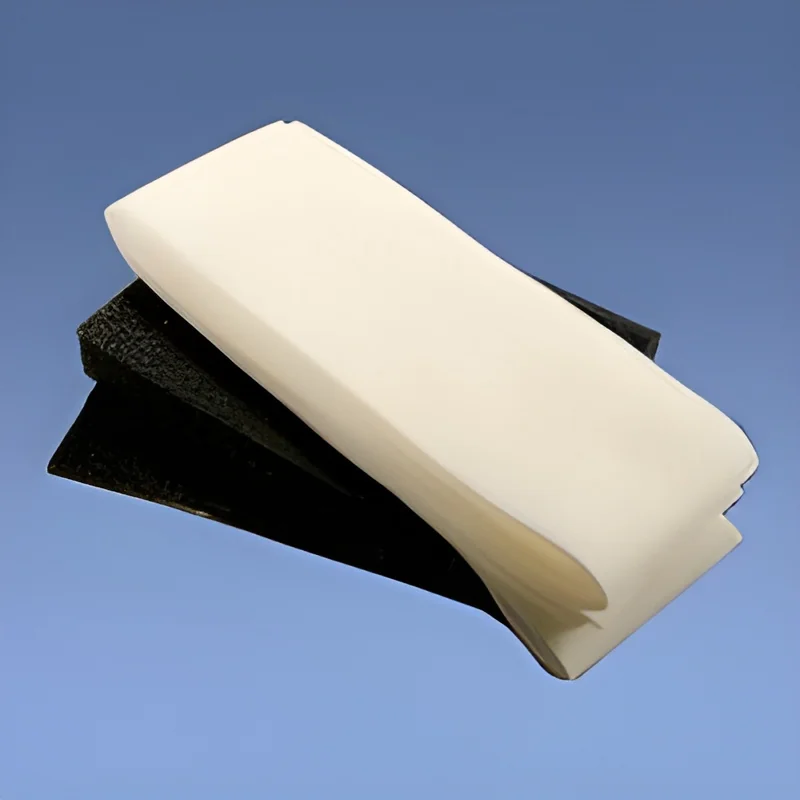
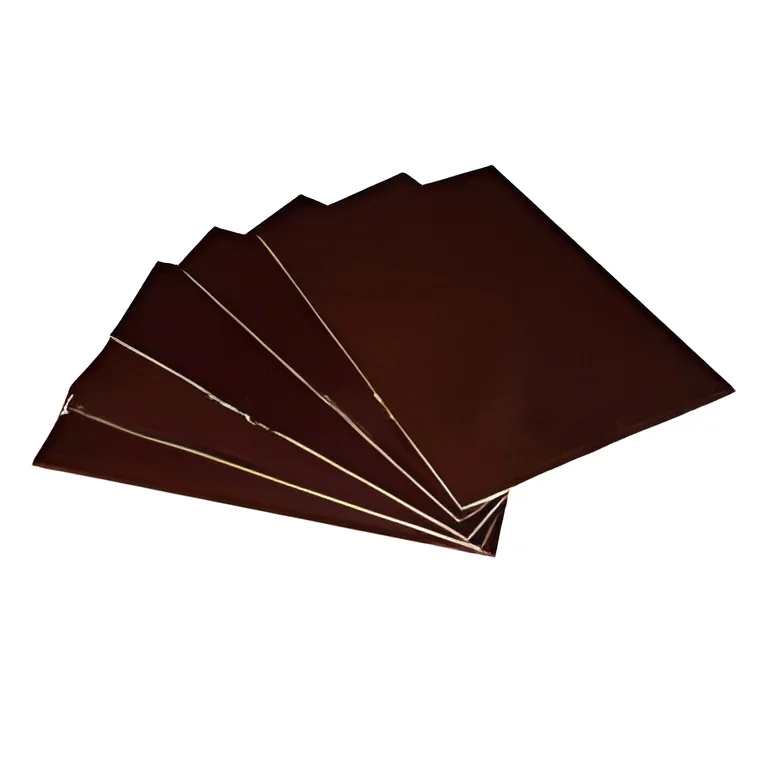
What are Phenolic Foam Insulation Boards?
Phenolic Foam Insulation Boards are high-performance insulation materials made from phenolic resin. They are characterized by their low thermal conductivity and excellent fire resistance. These boards are lightweight and easy to handle, making them suitable for various applications in construction and manufacturing. Their unique formulation allows for effective insulation while minimizing the thickness of the material, which can be crucial in space-constrained environments.
Primarily, Phenolic Foam Insulation Boards are used in building construction, HVAC applications, and refrigeration systems. They are ideal for insulating walls, roofs, and floors, providing energy efficiency and thermal comfort. In industrial settings, these boards help maintain temperature control in sensitive environments like cold storage and processing facilities. As energy efficiency regulations become stricter, the demand for Phenolic Foam Insulation Boards continues to rise in the market.
In terms of industry relevance, Phenolic Foam Insulation Boards are recognized for their superior insulation properties, which contribute to energy savings and sustainability goals. As businesses focus more on reducing their carbon footprints, these boards have become an integral part of modern insulation solutions. The growing emphasis on building performance and energy efficiency highlights the importance of selecting the right insulation materials.
Key Features and Specifications
Phenolic Foam Insulation Boards offer a range of features that make them a preferred choice for insulation needs in various sectors. These boards provide excellent thermal performance, fire safety, and moisture resistance, making them versatile for many applications.
Key specifications include:
1. Thermal Conductivity
- Typically ranges from 0.020 to 0.025 W/mK.
- Provides superior insulation compared to other materials.
2. Fire Resistance
- Classified as Class B or better according to EN 13501-1.
- Reduces the risk of fire spread in buildings.
3. Compressive Strength
- Ranges from 150 to 300 kPa.
- Ensures durability under load-bearing conditions.
4. Water Absorption
- Less than 1% by volume.
- Maintains performance in humid conditions.
5. Density
- Generally ranges from 30 to 50 kg/m3.
- Lightweight yet effective in insulation.
6. Thermal Stability
- Effective in temperature ranges from -50°C to 100°C.
- Suitable for diverse environmental conditions.
7. Environmental Impact
- Made from low-impact raw materials.
- Contributes to green building standards.
In summary, Phenolic Foam Insulation Boards combine performance and efficiency, making them an ideal choice for various insulating applications.
Common Applications and Use Cases
Phenolic Foam Insulation Boards are utilized across multiple industries due to their versatile properties.
1. Construction: Used for insulating walls, roofs, and floors to enhance energy efficiency and comfort in residential and commercial buildings.
2. HVAC: Applied in ductwork and piping insulation to maintain temperature control and improve system efficiency.
3. Refrigeration: Essential for cold storage facilities and refrigeration units, helping to maintain low temperatures and energy savings.
4. Industrial: Used in manufacturing processes where temperature control is critical, such as in chemical processing and food production.
5. Automotive: Incorporated into vehicles for thermal insulation in engine compartments and passenger areas.
6. Marine: Used in shipbuilding for thermal and acoustic insulation, enhancing comfort and energy efficiency.
7. Renewable Energy: Applied in solar panels and wind turbines to optimize thermal management and performance.
Product Variants and Subcategories
Phenolic Foam Insulation Boards come in various forms to meet different application needs.
Standard Variant
This variant is designed for general insulation purposes, featuring high thermal performance and fire resistance. It is ideal for construction and HVAC applications.
Specialized Variant
Tailored for specific industrial needs, this variant often includes additional features such as enhanced moisture resistance or higher compressive strength, suitable for refrigeration and cold storage.
Benefits and Advantages
Choosing Phenolic Foam Insulation Boards comes with several key benefits.
1. Energy Efficiency: These boards significantly reduce energy consumption by providing excellent thermal insulation.
2. Fire Safety: The superior fire resistance helps to protect buildings and occupants, reducing risk in case of fire.
3. Lightweight: Their low weight makes handling and installation easier, reducing labor costs and time.
4. Moisture Resistance: High resistance to water absorption ensures performance in humid environments.
5. Sustainable: Produced with eco-friendly materials, they contribute to green building practices.
6. Versatile Applications: Suitable for various industries, they can be customized to meet specific needs.
Buying Guide for B2B Buyers
When sourcing Phenolic Foam Insulation Boards, several factors should be considered to ensure the right choice.
1. Quality Assessment: Look for boards that meet industry standards for thermal performance and fire safety. Certifications such as CE and UL can indicate compliance with quality norms.
2. Supplier Verification: Vet potential suppliers by checking their reputation, experience, and customer reviews. Reliable suppliers should have a proven track record in delivering quality products.
3. Pricing and MOQ: Understand the pricing structure and minimum order quantities, as these can vary significantly between suppliers. Consider bulk purchasing for cost-effectiveness.
4. Delivery and Lead Times: Confirm the supplier's ability to meet your delivery schedule and lead times to avoid project delays.
5. Compliance Requirements: Ensure that the boards meet local regulations and industry standards for safety and performance.
Compliance and Certifications
Phenolic Foam Insulation Boards are subject to various quality standards and certifications that ensure their performance and safety in applications.
Key quality standards include ISO 9001, which sets out criteria for quality management systems, ensuring consistent product quality. Other standards may include HACCP and GDP, which focus on health and safety in manufacturing and distribution processes.
Industry certifications such as CE and UL are essential as they indicate compliance with European and North American safety standards. These certifications assure buyers of the product's reliability and performance.
Safety and testing requirements are critical, especially in industries with strict regulations. Products must undergo rigorous testing to meet fire safety and thermal performance standards.
Regional compliance considerations may vary, so it is crucial for buyers to be aware of the specific rules and guidelines applicable in their regions.
Why Source Phenolic Foam Insulation Boards from Pepagora?
Pepagora offers a reliable platform for sourcing Phenolic Foam Insulation Boards, providing several advantages that can benefit B2B buyers.
Verified Supplier Network: Our extensive network includes trusted suppliers who have been thoroughly vetted for quality and reliability. This ensures that buyers receive products that meet their specific needs.
Streamlined RFQ Process: The Request for Quotation system simplifies the sourcing process, allowing buyers to easily compare options and make informed decisions. This efficiency saves time and effort.
Trade Assurance and Support: Pepagora provides trade assurance, protecting buyers throughout the purchasing process. Our support team is available to assist with any questions or concerns, ensuring a smooth experience.
Regional Coverage: With a focus on markets in India, the GCC, and Southeast Asia, Pepagora connects buyers with suppliers across these regions, facilitating access to high-quality Phenolic Foam Insulation Boards. Our platform fosters connections that enhance business opportunities and growth.

 IN
IN