IN
IN₹
Apparel & Fashion
Description
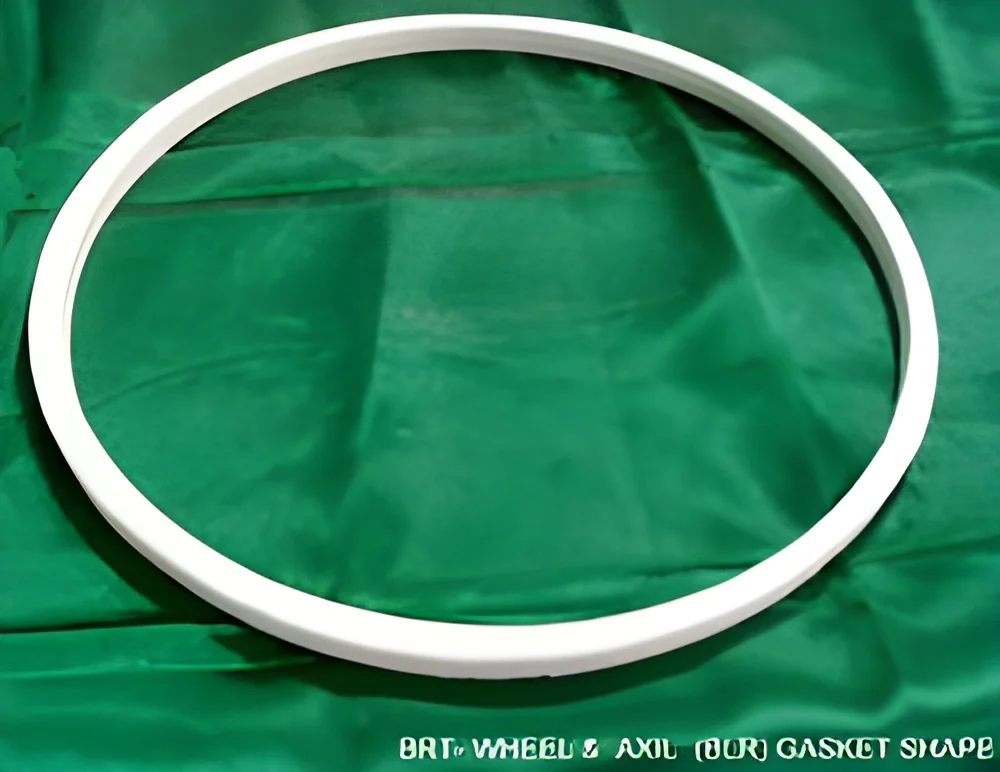
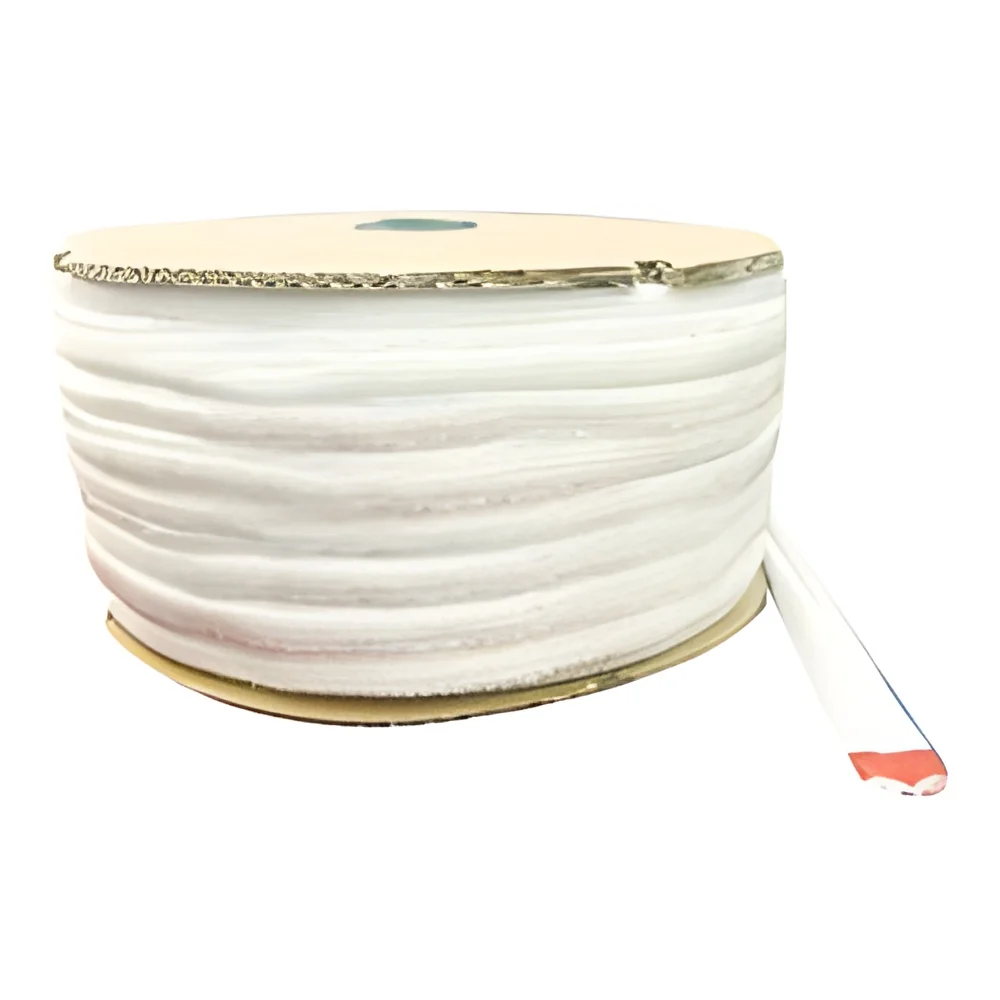
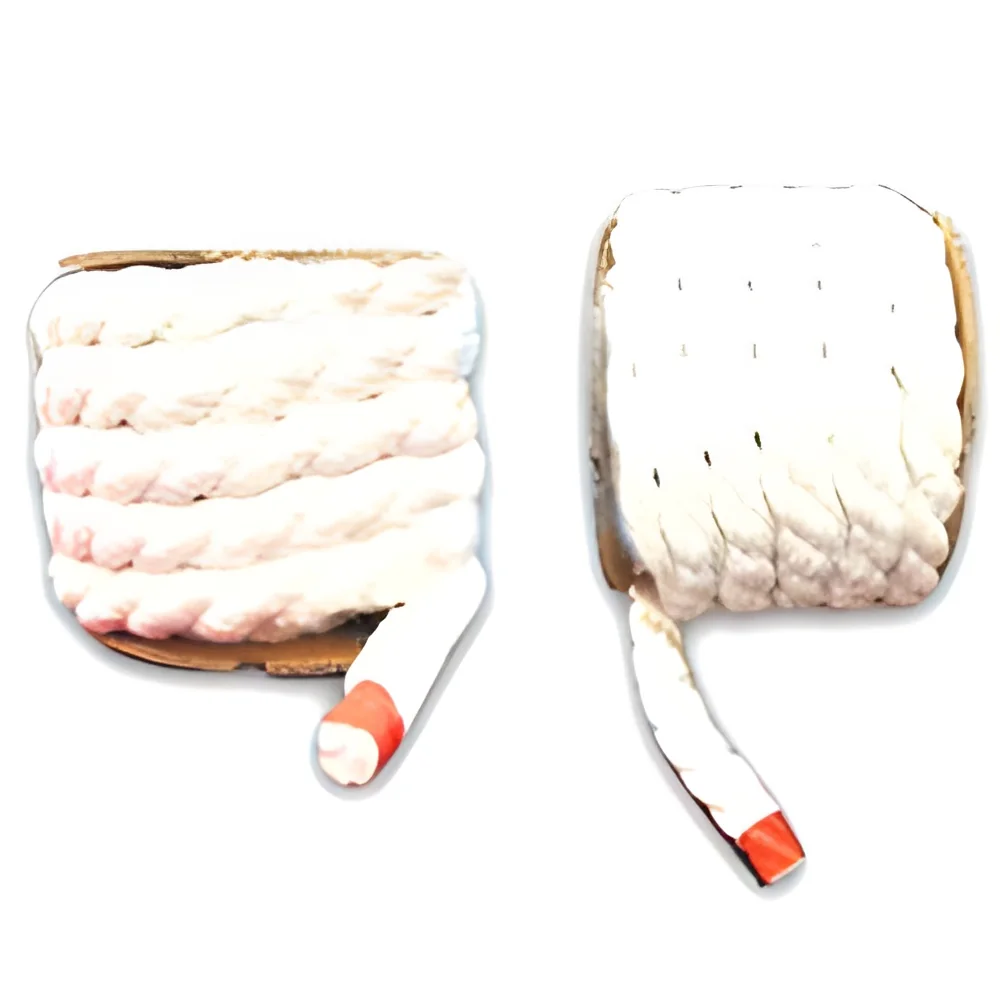
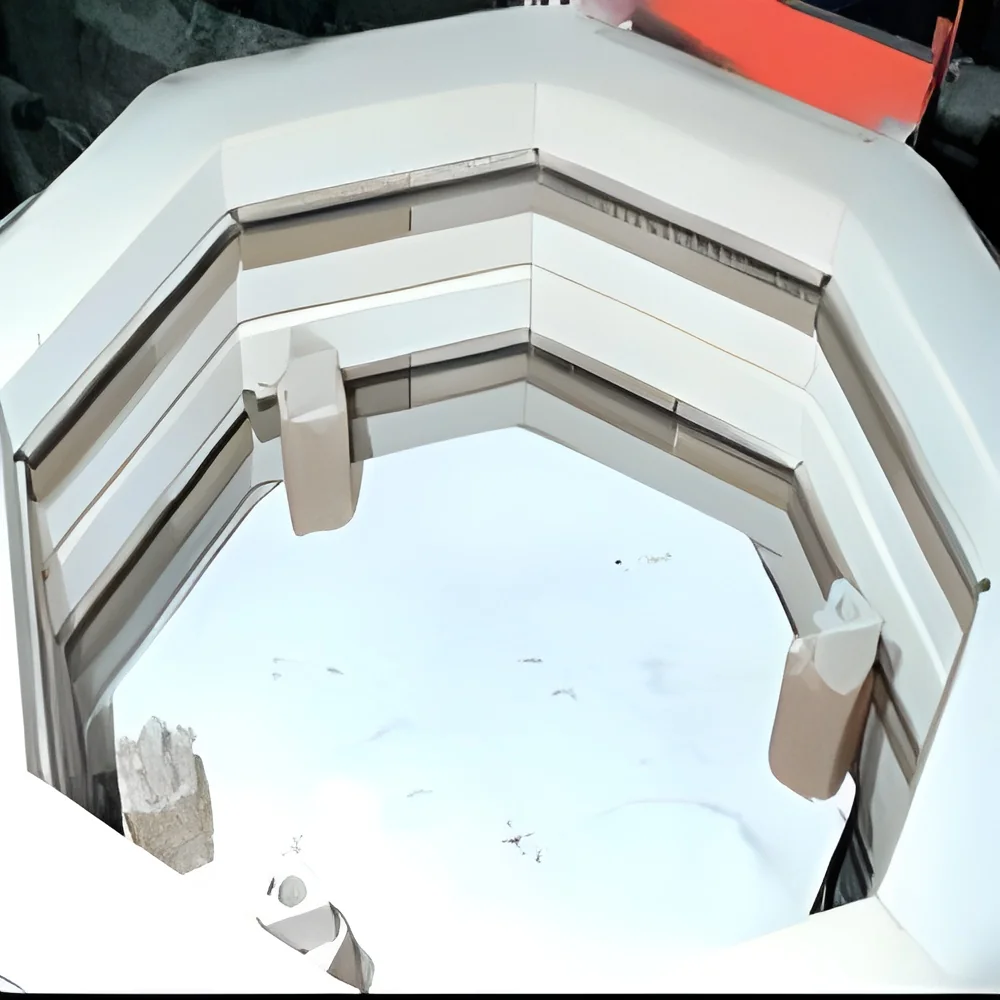
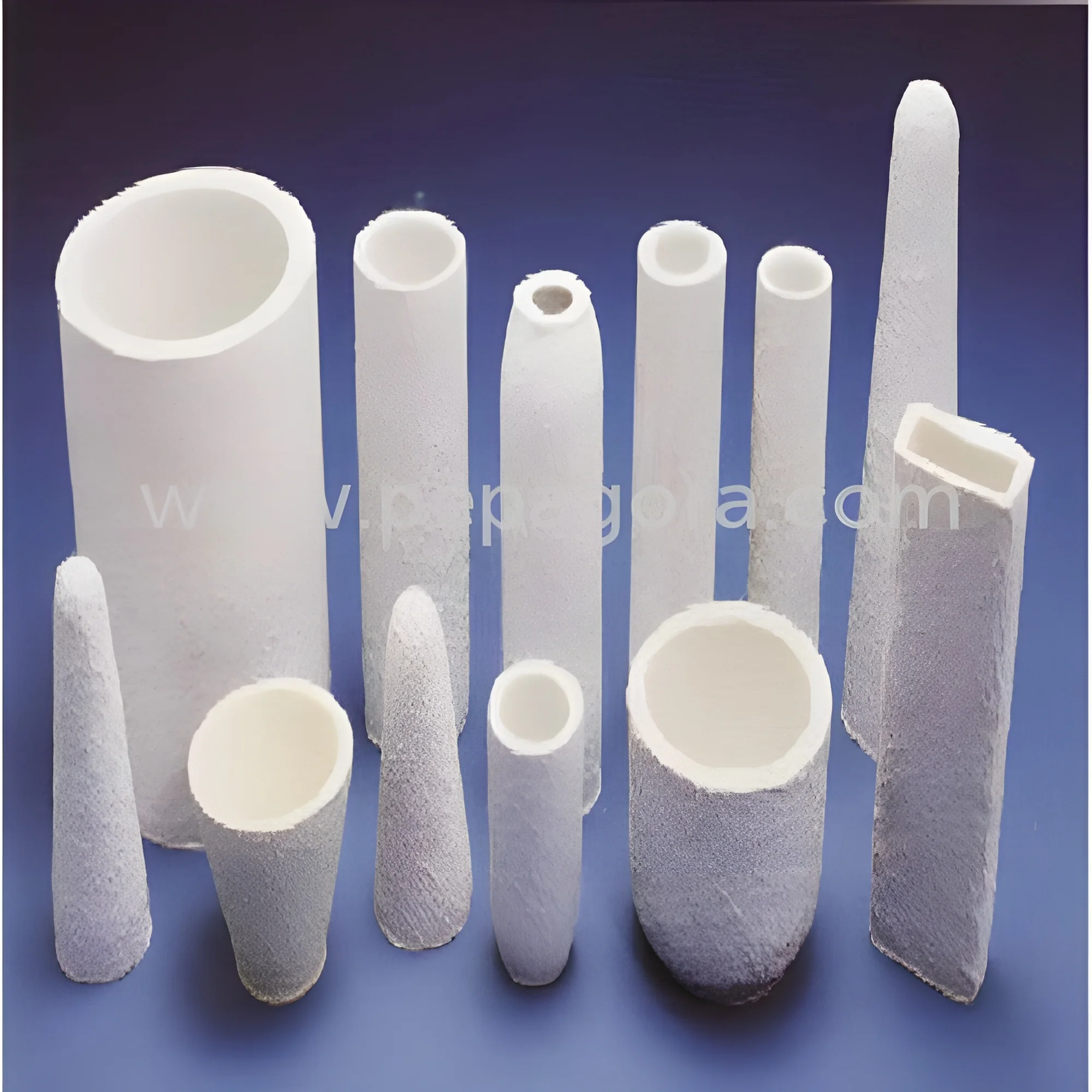
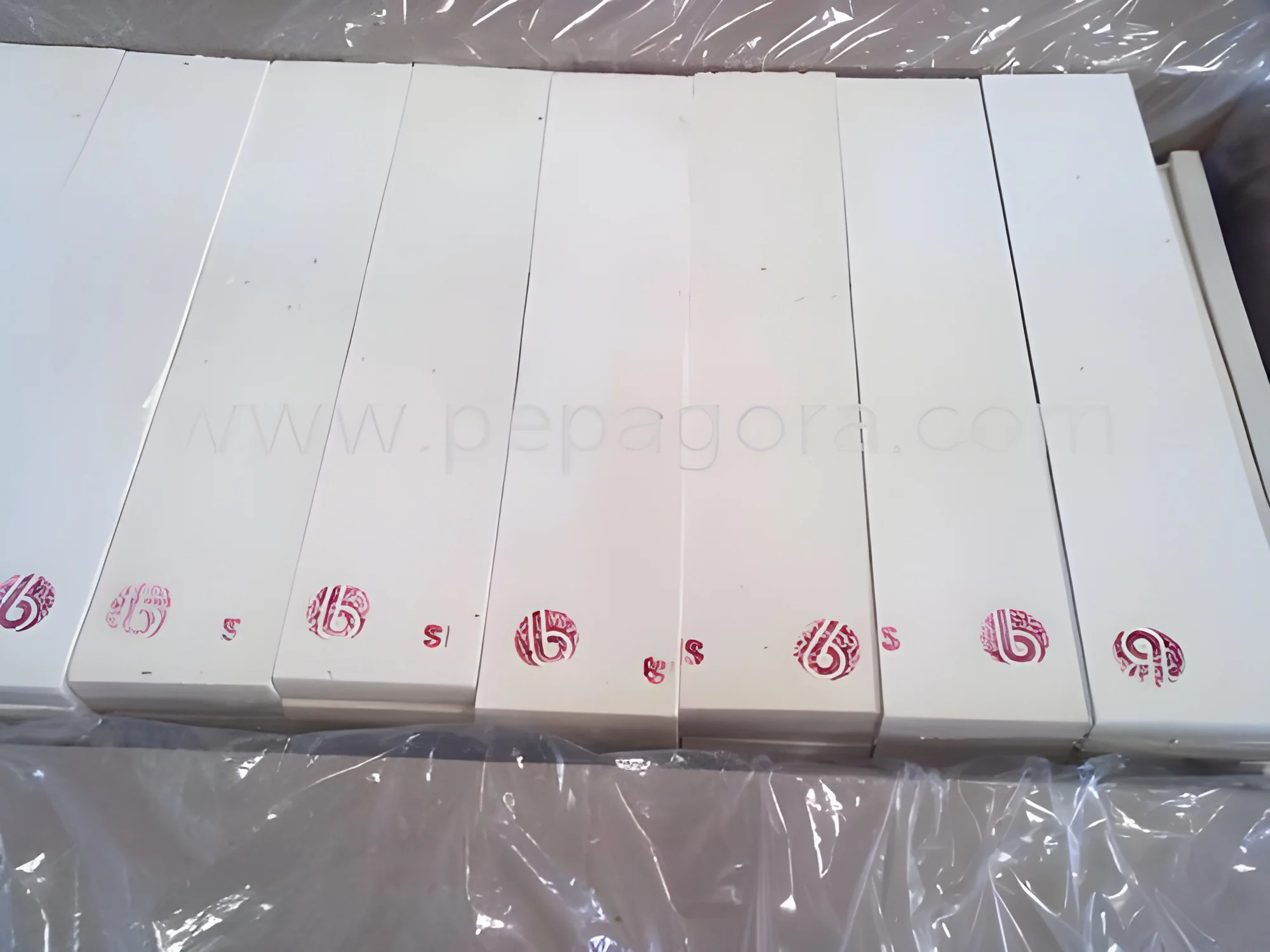
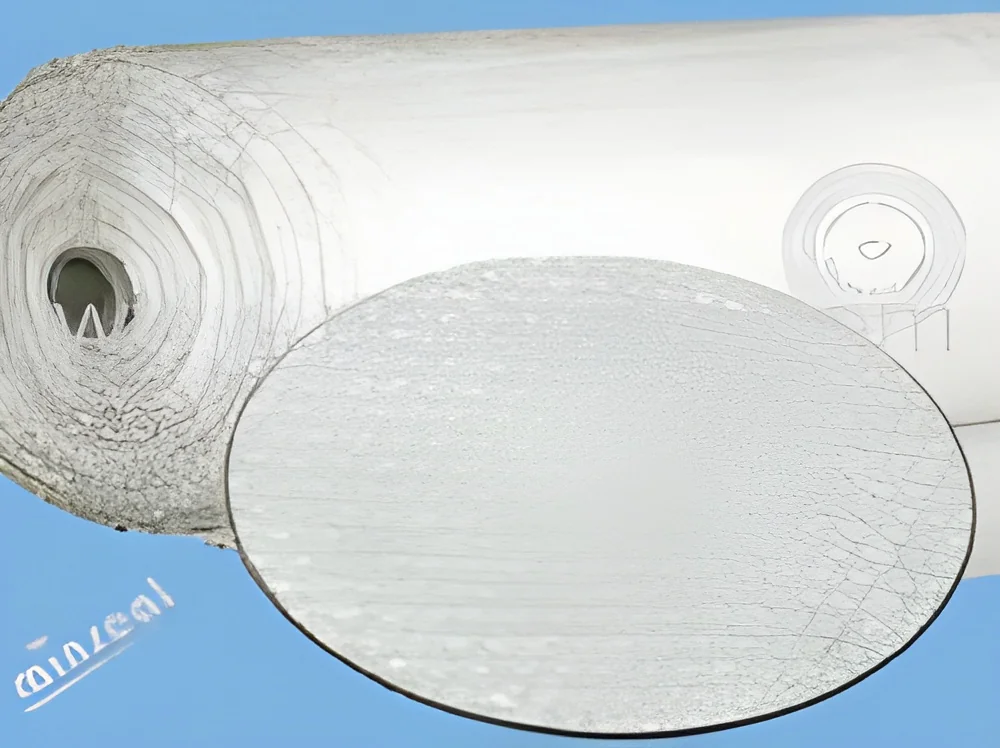
Industrial high temperature ceramic fiber textile insulation products represent advanced thermal management solutions designed for extreme industrial environments. Manufactured from high-purity alumina-silicate materials, these textiles combine exceptional heat resistance with remarkable flexibility, enabling reliable performance in applications where temperatures reach up to 1260°C continuously. Unlike conventional rigid insulation, these textile products adapt to complex geometries and confined spaces while maintaining consistent thermal protection. The product range includes various configurations such as cloth, tape, rope and sleeving, each engineered to address specific insulation challenges while delivering superior thermal stability and minimal heat storage capacity. These characteristics make them ideal for processes involving rapid temperature fluctuations where energy efficiency and operational reliability are critical considerations for industrial operations.

These ceramic ...
Industrial high temperature ceramic fiber textile insulation products represent advanced thermal management solutions designed for extreme industrial environments. Manufactured from high-purity alumina-silicate materials, these textiles combine exceptional heat resistance with remarkable flexibility, enabling reliable performance in applications where temperatures reach up to 1260°C continuously. Unlike conventional rigid insulation, these textile products adapt to complex geometries and confined spaces while maintaining consistent thermal protection. The product range includes various configurations such as cloth, tape, rope and sleeving, each engineered to address specific insulation challenges while delivering superior thermal stability and minimal heat storage capacity. These characteristics make them ideal for processes involving rapid temperature fluctuations where energy efficiency and operational reliability are critical considerations for industrial operations.

These ceramic fiber textiles serve essential functions across multiple industrial sectors where high-temperature operations are standard practice. In metal processing industries, they provide crucial insulation for furnace linings, ladle covers and pouring systems, significantly reducing heat loss while improving energy efficiency and process control. Power generation facilities utilize these textiles for boiler insulation, turbine protection and exhaust system management in both conventional and alternative energy operations. Petrochemical and refining operations depend on ceramic fiber textiles for pipeline insulation, expansion joint systems and fire protection applications where extreme temperatures and safety requirements must be balanced effectively. Aerospace and automotive manufacturers incorporate these materials for thermal barriers in engine compartments, exhaust systems and high-temperature component protection. Additional applications include glass manufacturing, ceramic production and any industrial process requiring dependable thermal management solutions that combine flexibility with outstanding heat resistance properties.

The operational value of ceramic fiber textile insulation extends beyond technical specifications to deliver measurable business advantages. These materials significantly reduce energy consumption by minimizing heat loss in high-temperature industrial processes, resulting in substantial cost savings and improved environmental compliance. Their exceptional durability and resistance to thermal degradation ensure extended service life compared to conventional insulation materials, reducing maintenance expenses and production downtime associated with frequent replacements. The flexibility and adaptability of these textiles permit precise configuration to specific equipment requirements and spatial constraints, eliminating insulation gaps and enhancing overall system efficiency. Operations benefit from improved safety through enhanced fire protection and reduced surface temperatures, contributing to better workplace conditions and regulatory adherence. The reliability of these products is demonstrated through consistent performance in challenging industrial environments and rigorous quality assurance processes, providing confidence that critical thermal management systems will perform reliably throughout their service life.

Key Features:
- Withstands continuous temperatures up to 1260°C while maintaining thermal stability
- Low thermal conductivity ensures superior insulation performance and energy conservation
- High flexibility enables custom fabrication for complex shapes and confined spaces
- Exceptional resistance to thermal shock and rapid temperature variations
- Available in multiple forms including cloth, tape, rope and sleeving configurations

Benefits:
- Reduces energy consumption and operational costs through effective heat containment
- Extends equipment service life by providing durable thermal protection
- Enhances operational safety through improved fire resistance and surface temperature reduction
- Minimizes maintenance requirements and associated production downtime
- Provides reliable performance in extreme temperature environments with consistent results
Specifications
| Additional Information | |
|---|---|
| Country of Origin | India |
Application
Ceramic fiber textiles deliver critical thermal management in demanding industrial environments where extreme temperatures are routine. These flexible insulation materials maintain structural integrity while providing superior heat resistance, making them essential for applications requiring reliable thermal protection and energy conservation across multiple processing industries. Their adaptability allows for effective installation in complex configurations where traditional rigid insulation fails to perform adequately.
Engineered specifically for high-heat industrial operations, these textile products excel in sectors where thermal efficiency and safety are paramount. From metal processing facilities to power generation plants, ceramic fiber textiles provide consistent performance while reducing heat loss and improving operational reliability. Their versatility supports various forms including cloth, tape and rope configurations to address diverse thermal challenges in different industrial settings.
- Furnace and kiln insulation systems for metal treatment and processing operations
- Boiler and pipeline insulation in power generation and industrial heating systems
- Thermal barrier protection for automotive and aerospace exhaust components
- Expansion joint sealing in refinery and petrochemical infrastructure
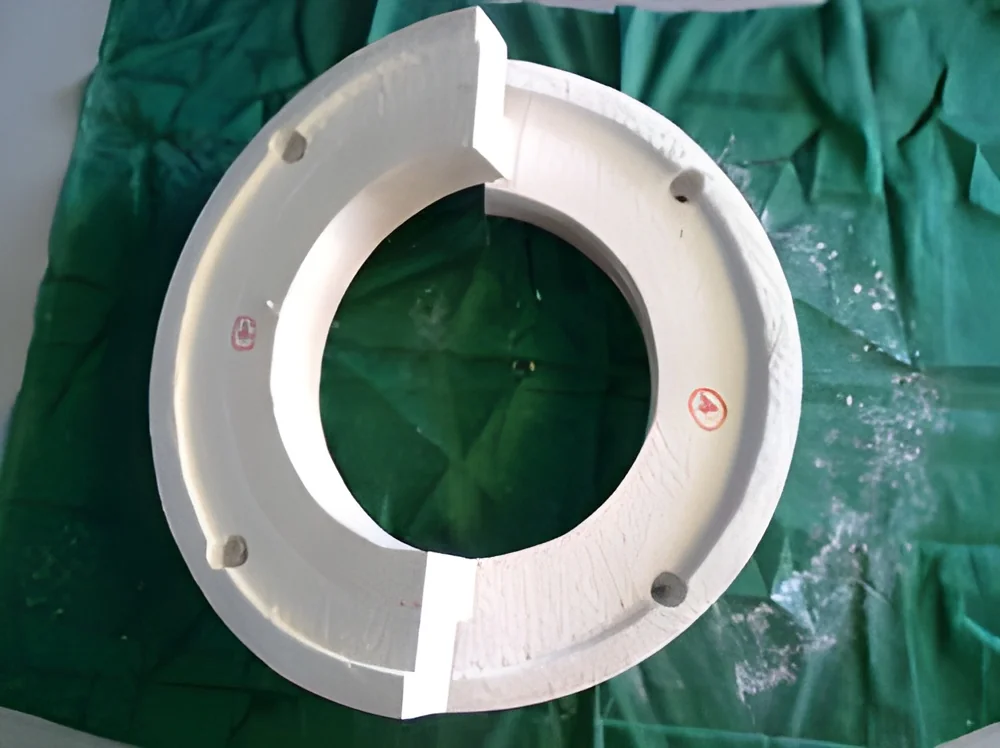
- High-temperature gaskets and seals for industrial equipment doors and openings
Trade Details
| Available Stock | In Stock |
| Sample Availability | No |
Payment Terms
| Payment Terms |
|
Company Profile

Bharathi Refractory Technologies, Andhra Pradesh
 Andhra Pradesh, India
Andhra Pradesh, IndiaManufacturer•Distributor / Wholesaler•Importer / Exporter
Factory Details
Factory SizeBelow 1000 sqm
Annual Production Capacity0
Industrial High Temperature Ceramic Fiber Textile Insulation Products
Industrial high temperature ceramic fiber textile insulation products provide reliable thermal protection for furnaces, boilers and industrial systems, withstanding extreme heat up to 1260°C while ensuring energy efficiency and operational safety.
Min. Order Quantity: 1 unit
Shipping
Shipping fee and delivery date to be negotiated. Contact supplier now for more details.
Bharathi Refractory Technologies
 Andhra Pradesh, India
Andhra Pradesh, IndiaManufacturer