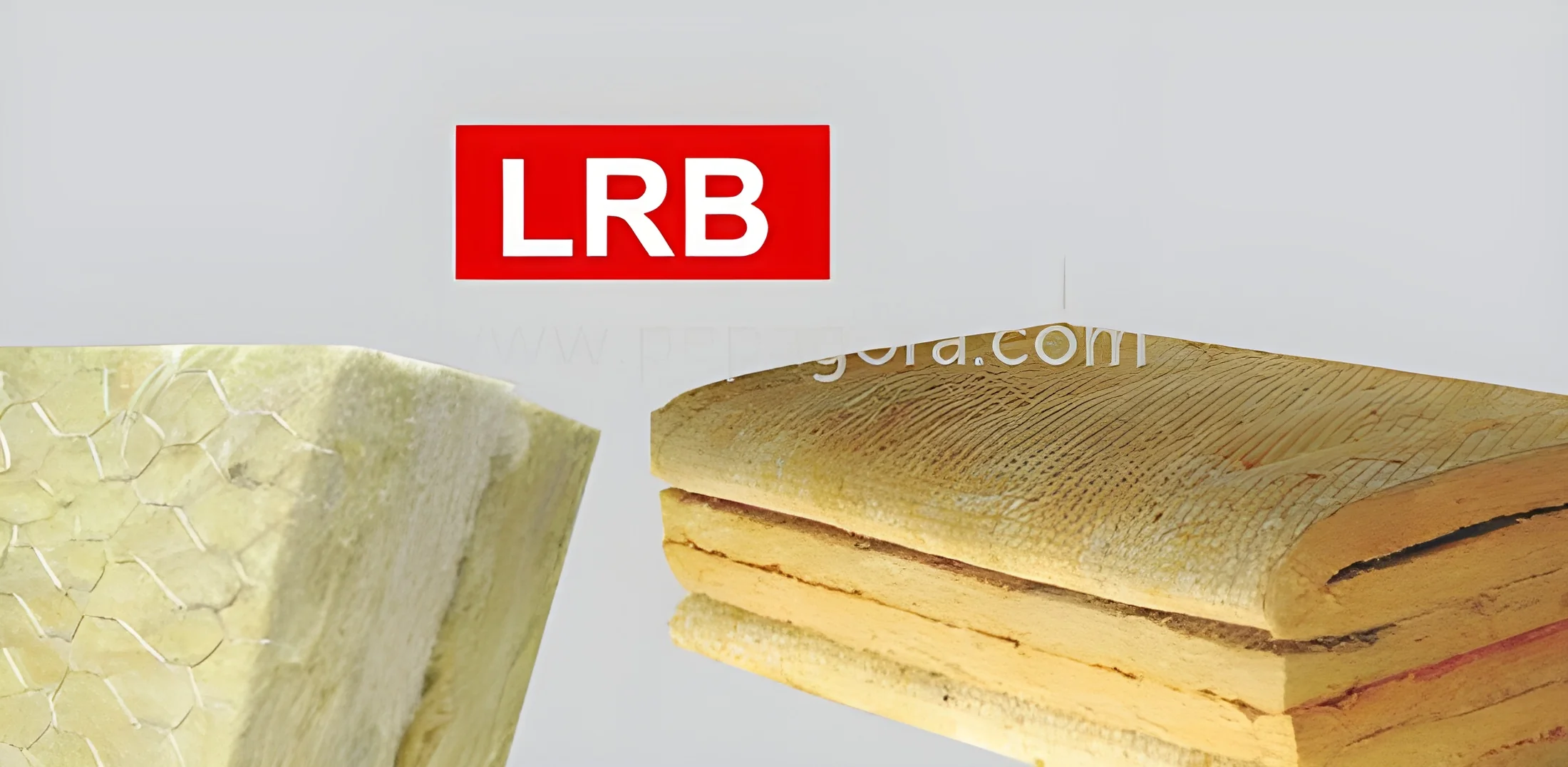
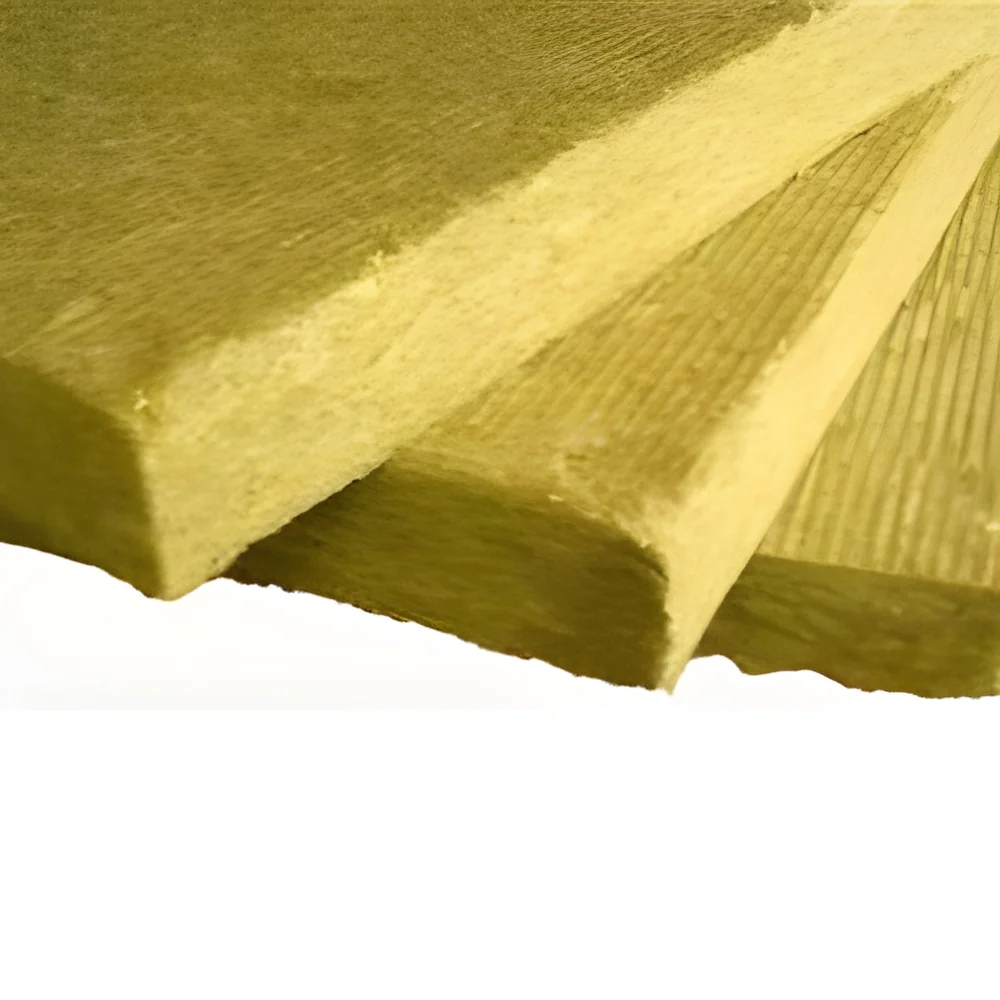
Key Features and Specifications
Rock wool boasts several key features that make it a preferred choice in various industries. Its unique properties contribute to its effectiveness as insulation, soundproofing, and fireproofing material.
Key specifications include:
1. Thermal Conductivity
- Typically ranges from 0.035 to 0.045 W/mK
- Provides effective thermal insulation
2. Density
- Commonly available in densities ranging from 30 to 200 kg/m3
- Higher density options offer better sound insulation
3. Fire Resistance
- Rated as non-combustible with a fire rating of up to 1,000 degrees Celsius
- Meets stringent fire safety regulations
4. Acoustic Performance
- Sound absorption coefficients range from 0.70 to 1.00
- Ideal for soundproofing applications
5. Moisture Resistance
- Resistant to moisture and mold growth
- Suitable for humid environments
6. Sustainability
- Manufactured from natural and recycled materials
- Contributes to LEED certification in buildings
7. Installation Flexibility
- Can be easily cut and shaped to fit various applications
- Compatible with different building systems
8. Environmental Impact
- Recyclable and reduces energy consumption when used in buildings
- Low environmental footprint compared to traditional insulation materials
Rock wool combines functionality with compliance to industry standards, making it a reliable choice for insulation solutions.
Common Applications and Use Cases
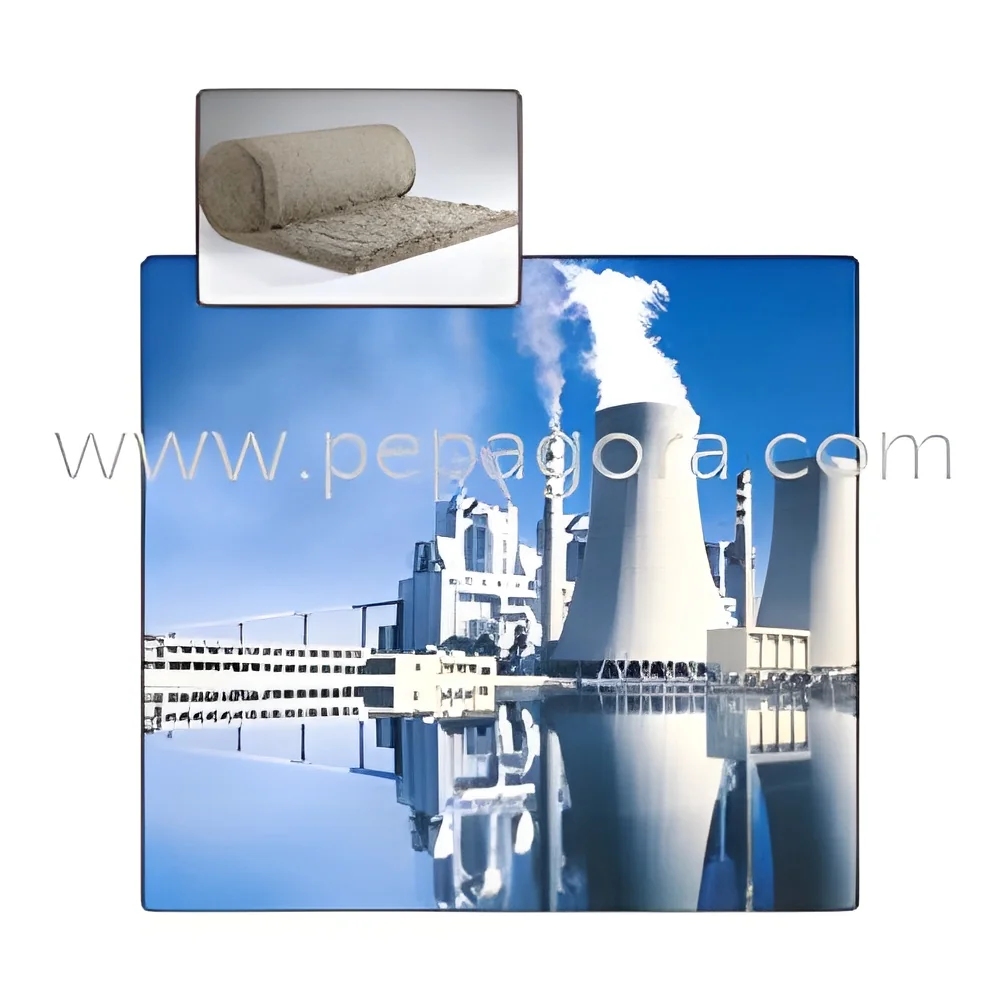
Rock wool is employed across numerous industries due to its insulation properties and fire resistance.
1. Construction: Used extensively for thermal insulation in walls, roofs, and floors, enhancing energy efficiency in buildings.
2. HVAC: Applied in ductwork insulation to improve energy efficiency and reduce noise levels in heating and cooling systems.
3. Industrial: Utilized in factories and manufacturing plants for thermal insulation of pipes and equipment, helping to maintain process temperatures.
4. Acoustic Treatment: Ideal for soundproofing in studios, auditoriums, and residential spaces, minimizing noise pollution.
5. Fire Protection: Employed in fire-rated wall assemblies and ceilings to enhance safety in commercial buildings.
6. Agriculture: Used in hydroponic systems for plant growth, providing excellent moisture retention and aeration.
7. Marine: Applied in shipbuilding for insulation against heat and sound, ensuring comfort for crew and passengers.
Product Variants and Subcategories
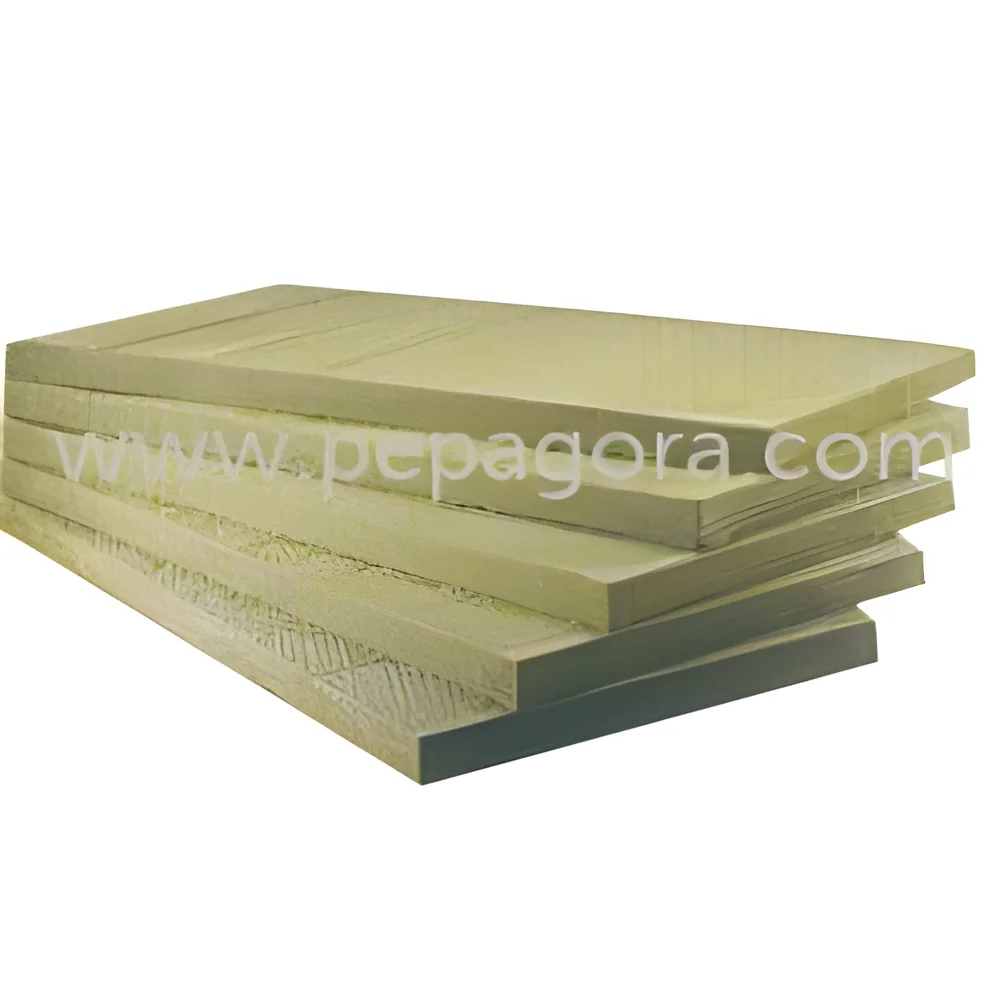
Rock wool offers diversity in its product variants to cater to various industrial needs.
Standard Rock Wool
This variant is commonly used for general insulation purposes in construction and industrial applications. Its thermal and acoustic properties make it suitable for walls, roofs, and floors.
High-Density Rock Wool
Designed for enhanced soundproofing and thermal insulation, this variant is ideal for commercial buildings and manufacturing facilities. Its higher density provides superior performance in noise reduction.
Fire-Rated Rock Wool
Specifically engineered to withstand high temperatures, this variant is essential for fire safety in construction. It is used in fire-rated walls and ceilings to prevent the spread of flames.
Benefits and Advantages
Rock wool provides numerous benefits that enhance its appeal in various applications.
1. Energy Efficiency: Rock wool insulation helps reduce heating and cooling costs by improving building energy efficiency.
2. Fire Safety: Its non-combustible nature provides excellent fire resistance, ensuring safety in residential and commercial buildings.
3. Sound Control: The acoustic performance of rock wool significantly reduces noise transmission, enhancing comfort in living and working spaces.
4. Moisture Management: Its resistance to moisture helps prevent mold growth, contributing to healthier indoor air quality.
5. Sustainability: Made from natural and recycled materials, rock wool supports eco-friendly building practices.
6. Versatility: Suitable for various applications, including insulation, soundproofing, and fire protection, making it a multi-functional material.
Buying Guide for B2B Buyers
When sourcing Rock Wool (Mineral Wool), several factors should be considered to ensure the best purchase decision.
1. Quality Assessment: Evaluate the insulation performance and durability of rock wool products. Look for certifications that indicate compliance with industry standards.
2. Supplier Verification: Research suppliers to confirm their reputation and reliability. Check for customer reviews and past project references.
3. Pricing and MOQ: Understand the pricing structure and the minimum order quantity. Compare quotes from multiple suppliers to find the best value.
4. Delivery and Lead Times: Confirm delivery schedules and lead times to ensure timely project completion. Discuss logistics and transportation options with suppliers.
5. Compliance Requirements: Ensure that the products meet local and regional building codes and regulations. Familiarize yourself with necessary safety and environmental standards.
Compliance and Certifications
Rock wool products must adhere to various quality standards and certifications to ensure safety and performance.
Relevant quality standards include ISO 9001, which ensures a consistent quality management system in manufacturing. Compliance with HACCP and GDP standards is essential for products used in specific industries, such as food processing and pharmaceuticals.
Industry certifications, such as CE marking, indicate that the products comply with EU safety, health, and environmental requirements.
Safety and testing requirements are crucial for verifying the fire resistance and acoustic performance of rock wool products. Manufacturers must conduct thorough testing to meet these standards.
Regional compliance considerations vary based on local regulations. It's important to stay informed about specific requirements that may apply to your region.
Why Source Rock Wool (Mineral Wool) from Pepagora?
Pepagora offers a reliable platform for sourcing Rock Wool (Mineral Wool) with several key advantages.
Verified Supplier Network: Pepagora connects buyers with a network of verified suppliers. This ensures that you work with reputable manufacturers who meet industry standards.
Streamlined RFQ Process: The platform facilitates a simplified request for quotation process, allowing buyers to obtain competitive quotes efficiently.
Trade Assurance and Support: Pepagora provides trade assurance, protecting buyers throughout the sourcing process. Support is available to assist with any queries or concerns.
Regional Coverage: With a wide geographic reach, Pepagora serves buyers in India, the GCC, and Southeast Asia, making it easier to find local suppliers and products tailored to your market needs.

 IN
IN