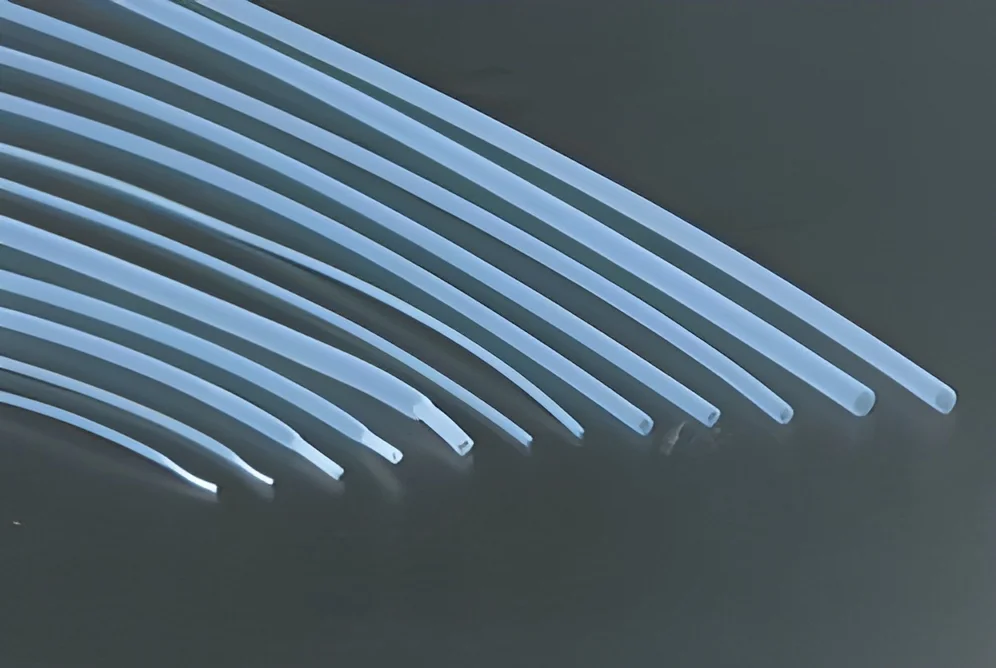
What are Polyethylene Pipe Insulation Tubes?
Polyethylene pipe insulation tubes are specialized products designed to reduce heat loss and condensation in piping systems. Made from durable polyethylene material, these tubes are lightweight and flexible, making them easy to install over various pipe sizes. The insulation serves as a thermal barrier, helping to maintain the desired temperature of fluids within the pipes.
These insulation tubes are primarily used in industries such as construction, HVAC, and plumbing. They play a crucial role in preventing energy loss in heating and cooling systems, thus enhancing efficiency. Additionally, they help protect pipes from damage due to temperature fluctuations and condensation, which can lead to corrosion and leaks. As energy efficiency becomes increasingly important in industrial applications, the demand for polyethylene pipe insulation is growing.
The market for polyethylene pipe insulation tubes is expanding, driven by the need for energy-efficient building solutions and the growing awareness of sustainable practices. As businesses seek to lower operational costs and comply with environmental regulations, these insulation products have become essential in various sectors.
Key Features and Specifications
Polyethylene pipe insulation tubes offer several features that make them suitable for a variety of applications. Their lightweight and flexible nature allows for easy installation, while their resistance to moisture and chemicals enhances their durability. Additionally, they provide effective thermal insulation, which is critical for energy conservation in industrial settings.
Key specifications include:
1. Material Composition
- High-density polyethylene (HDPE) for durability and flexibility
- Resistant to moisture, chemicals, and UV radiation
2. Temperature Range
- Suitable for a wide temperature range (data not available)
- Helps maintain the temperature of fluids within the pipes
3. Thickness
- Available in various wall thicknesses to meet different insulation needs
- Common thicknesses range from 1/2 inch to 2 inches
4. Length and Diameter
- Offered in multiple lengths and diameters to fit various pipe sizes
- Custom lengths available upon request
5. Fire Resistance
- Complies with fire safety standards (data not available)
- Minimizes fire risk in insulated piping systems
6. Environmental Impact
- Recyclable material, contributing to sustainability efforts
- Low environmental footprint during production
7. Installation Method
- Simple to install with minimal tools required
- Can be easily cut to fit specific pipe lengths
8. Cost Efficiency
- Affordable solution for insulation needs
- Reduces energy costs by maintaining temperature integrity
In summary, polyethylene pipe insulation tubes are engineered for effective thermal insulation, offering a range of sizes and specifications to cater to diverse industry needs.
Common Applications and Use Cases
Polyethylene pipe insulation tubes are versatile products used across various industries to enhance energy efficiency and protect piping systems.
1. Construction: In residential and commercial buildings, these tubes are used to insulate plumbing and HVAC pipes, ensuring optimal performance and preventing temperature loss.
2. HVAC: In heating, ventilation, and air conditioning systems, insulation tubes help maintain the temperature of air and water, enhancing system efficiency and reducing energy costs.
3. Plumbing: Used in both new installations and renovations, these tubes protect water pipes from freezing in cold climates and condensation in humid environments.
4. Food and Beverage: In processing plants, insulation tubes are critical for maintaining the temperature of fluids during transportation, ensuring product quality and safety.
5. Oil and Gas: In this sector, insulation tubes protect pipes from extreme temperature variations and environmental conditions, reducing the risk of leaks and enhancing safety.
6. Manufacturing: Insulation is vital in manufacturing processes where temperature control is essential for product integrity and equipment performance.
7. Marine: Used in shipbuilding and maintenance, these tubes protect pipes from sea water corrosion and temperature extremes encountered in marine environments.
Product Variants and Subcategories
Polyethylene pipe insulation tubes come in various forms to meet specific application needs, providing flexibility and choice for buyers.
Standard Insulation Tubes: These are the most commonly used variants, designed for general-purpose insulation in residential and commercial buildings. They offer robust thermal performance and are available in various sizes.
Self-Adhesive Insulation Tubes: This variant features a self-adhesive backing for easy installation. It eliminates the need for additional adhesives, making it a convenient option for quick repairs and renovations.
Reflective Insulation Tubes: Designed with reflective surfaces, these tubes enhance thermal performance by reflecting radiant heat. They are ideal for use in high-temperature applications.
Flexible Foam Insulation Tubes: These tubes are made from flexible foam materials, providing excellent thermal insulation while being lightweight and easy to handle. They are particularly useful for irregular pipe shapes.
Benefits and Advantages
Using polyethylene pipe insulation tubes offers numerous advantages for businesses looking to improve energy efficiency and protect their piping systems.
1. Energy Savings: These insulation tubes help reduce heat loss, leading to lower energy bills and improved efficiency in heating and cooling systems.
2. Protection Against Corrosion: By preventing condensation and temperature fluctuations, these tubes help extend the life of pipes and reduce maintenance costs.
3. Easy Installation: The lightweight and flexible nature of polyethylene makes installation quick and straightforward, reducing labor costs.
4. Durable Material: Polyethylene is resistant to moisture and chemicals, ensuring long-lasting performance in various environmental conditions.
5. Sustainable Choice: Being recyclable, these insulation tubes contribute to sustainability efforts and align with environmental regulations.
6. Customization Options: Buyers can often find customized sizes and thicknesses to meet specific project requirements, enhancing flexibility in application.
Buying Guide for B2B Buyers
When sourcing polyethylene pipe insulation tubes, it is important to consider several key factors to ensure quality and suitability for your needs.
1. Quality Assessment: Look for products that meet industry standards for insulation and durability. Check for certifications that indicate high-quality manufacturing processes.
2. Supplier Verification: Vet suppliers to ensure they have a good reputation in the market. Look for reviews and testimonials from other businesses to gauge reliability.
3. Pricing and MOQ: Understand the pricing structure and minimum order quantities (MOQ) required by suppliers. This helps in budgeting and planning for large projects.
4. Delivery and Lead Times: Discuss logistics with suppliers to confirm delivery times. Timely delivery is crucial to keep projects on schedule.
5. Compliance Requirements: Ensure that the products comply with relevant safety and regulatory standards. This may include certifications such as CE or UL.
Compliance and Certifications
Polyethylene pipe insulation tubes must adhere to various quality and safety standards to ensure their effectiveness and reliability in industrial applications.
Relevant quality standards include ISO 9001, which emphasizes consistent quality management processes. Compliance with HACCP (Hazard Analysis and Critical Control Points) ensures that insulation products are safe for use in food and beverage applications. Additionally, GDP (Good Distribution Practice) standards may apply to ensure that products are stored and transported under appropriate conditions.
Industry certifications such as CE and UL indicate that the insulation tubes meet specific safety and performance criteria. These certifications provide assurance to buyers regarding the quality and reliability of the products.
Furthermore, safety and testing requirements are integral to the manufacturing process. Regular testing for thermal performance, durability, and fire resistance ensures that the insulation tubes perform as expected in various applications.
Regional compliance considerations may also affect sourcing decisions, as regulations can vary by country or region. Buyers should familiarize themselves with local requirements to ensure compliance.
Why Source Polyethylene Pipe Insulation Tubes from Pepagora?
Pepagora provides a trusted platform for sourcing polyethylene pipe insulation tubes, offering several key advantages to B2B buyers.
Verified Supplier Network: Pepagora connects businesses with a network of verified suppliers. This ensures that buyers can source high-quality products from reputable manufacturers, reducing the risks associated with procurement.
Streamlined RFQ Process: The platform simplifies the request for quotation (RFQ) process, enabling buyers to receive competitive quotes from multiple suppliers quickly. This efficiency helps businesses make informed purchasing decisions.
Trade Assurance and Support: With trade assurance policies in place, Pepagora offers buyer protection against potential issues such as product quality or delivery delays. This support enhances buyer confidence in their sourcing decisions.
Regional Coverage: Pepagora's geographic reach extends across India, the GCC, and Southeast Asia, making it easy for businesses in these regions to access a wide range of polyethylene pipe insulation tubes. This extensive coverage ensures that buyers can find suitable suppliers close to their operational areas, enhancing logistics and reducing lead times.

 IN
IN