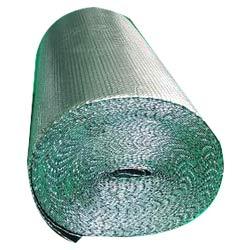
What are Reflective Foil Insulation?
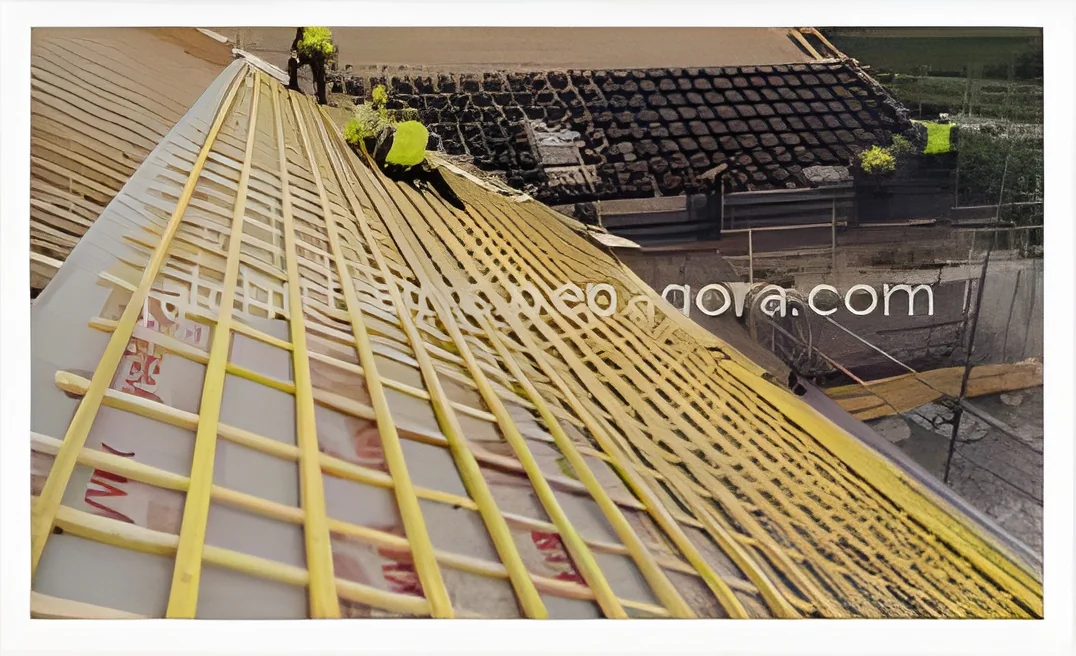
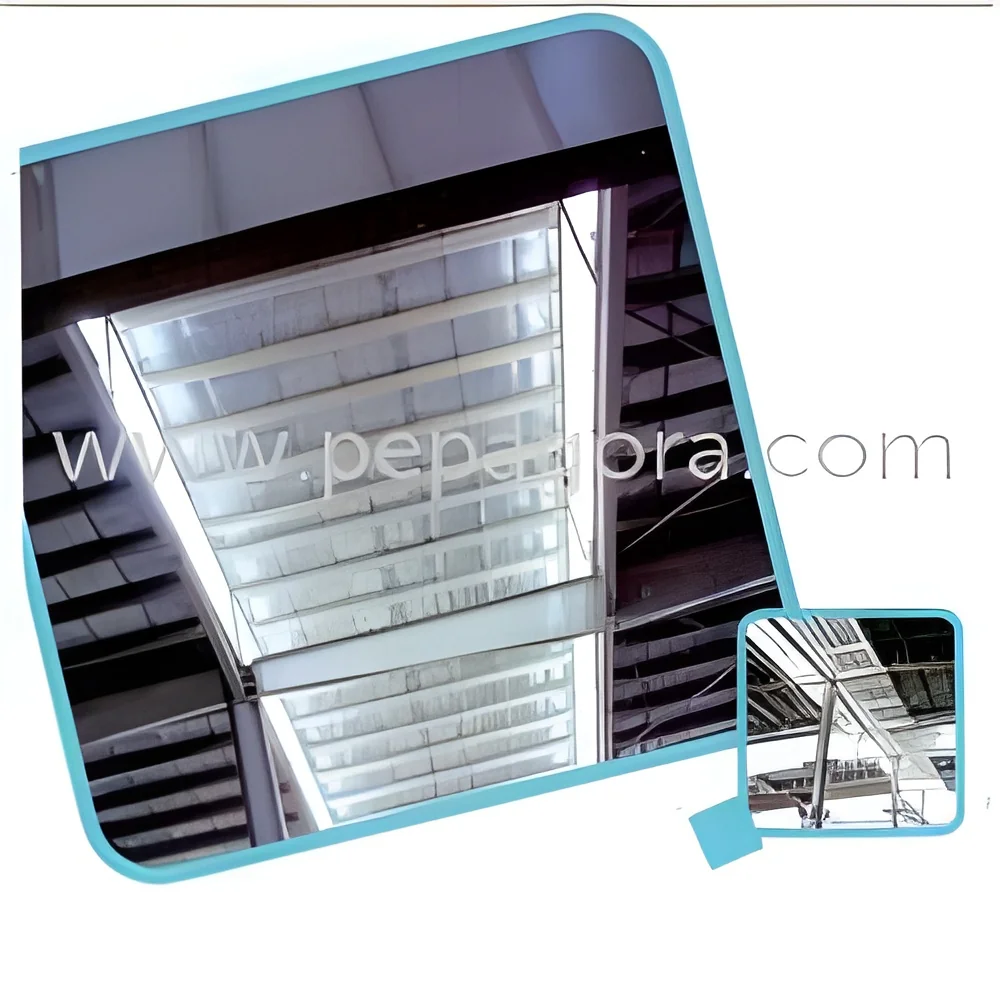
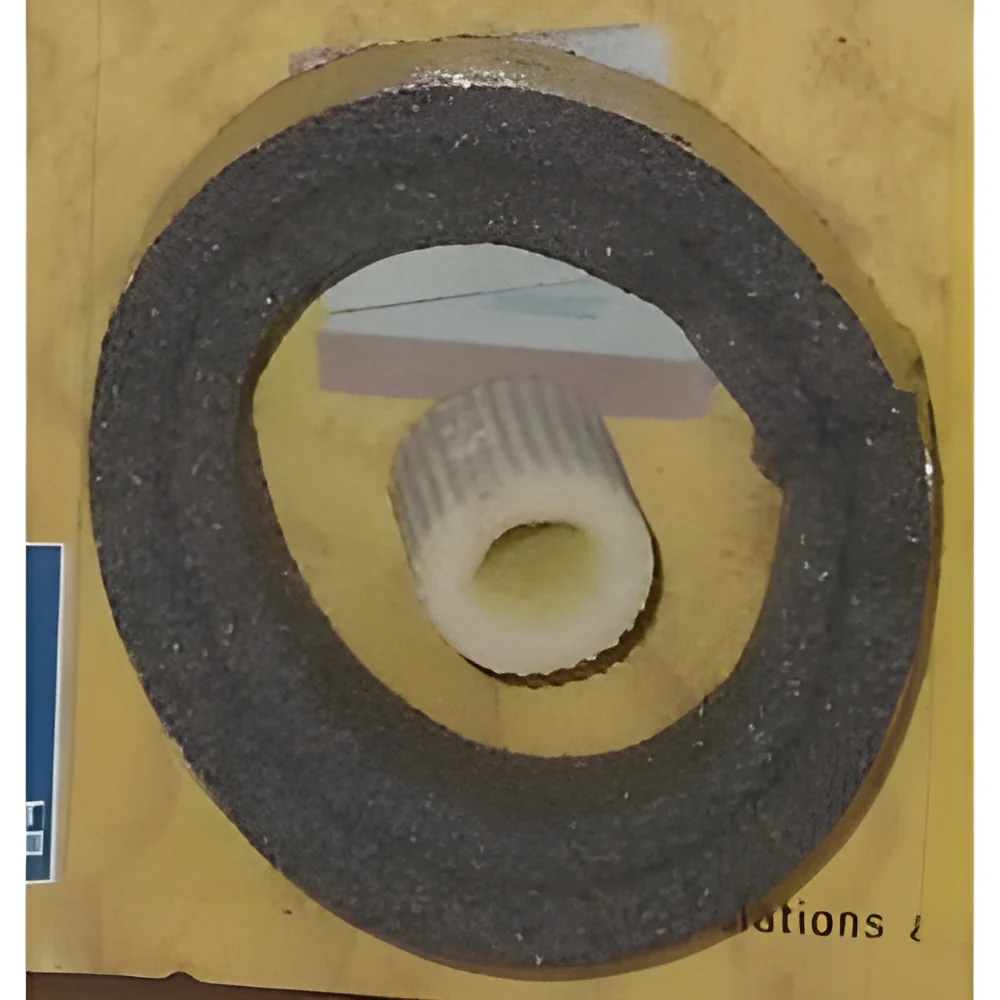
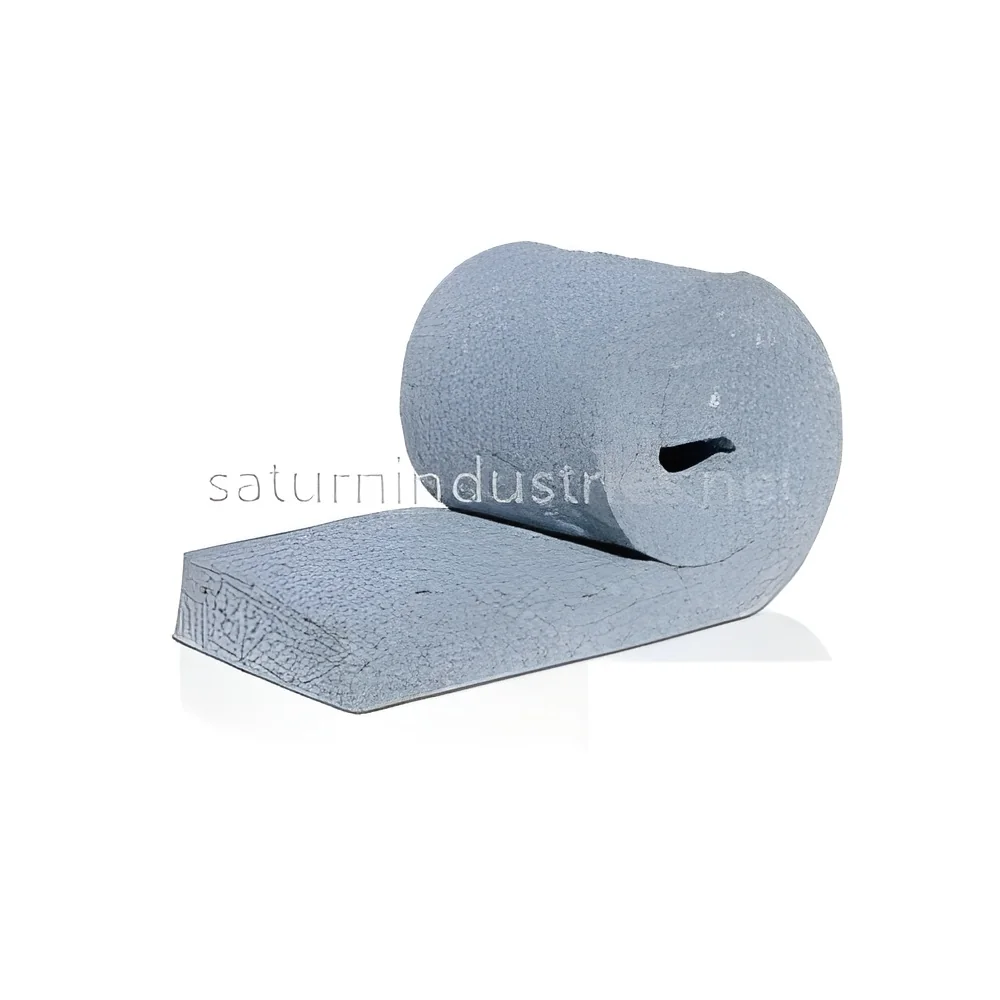
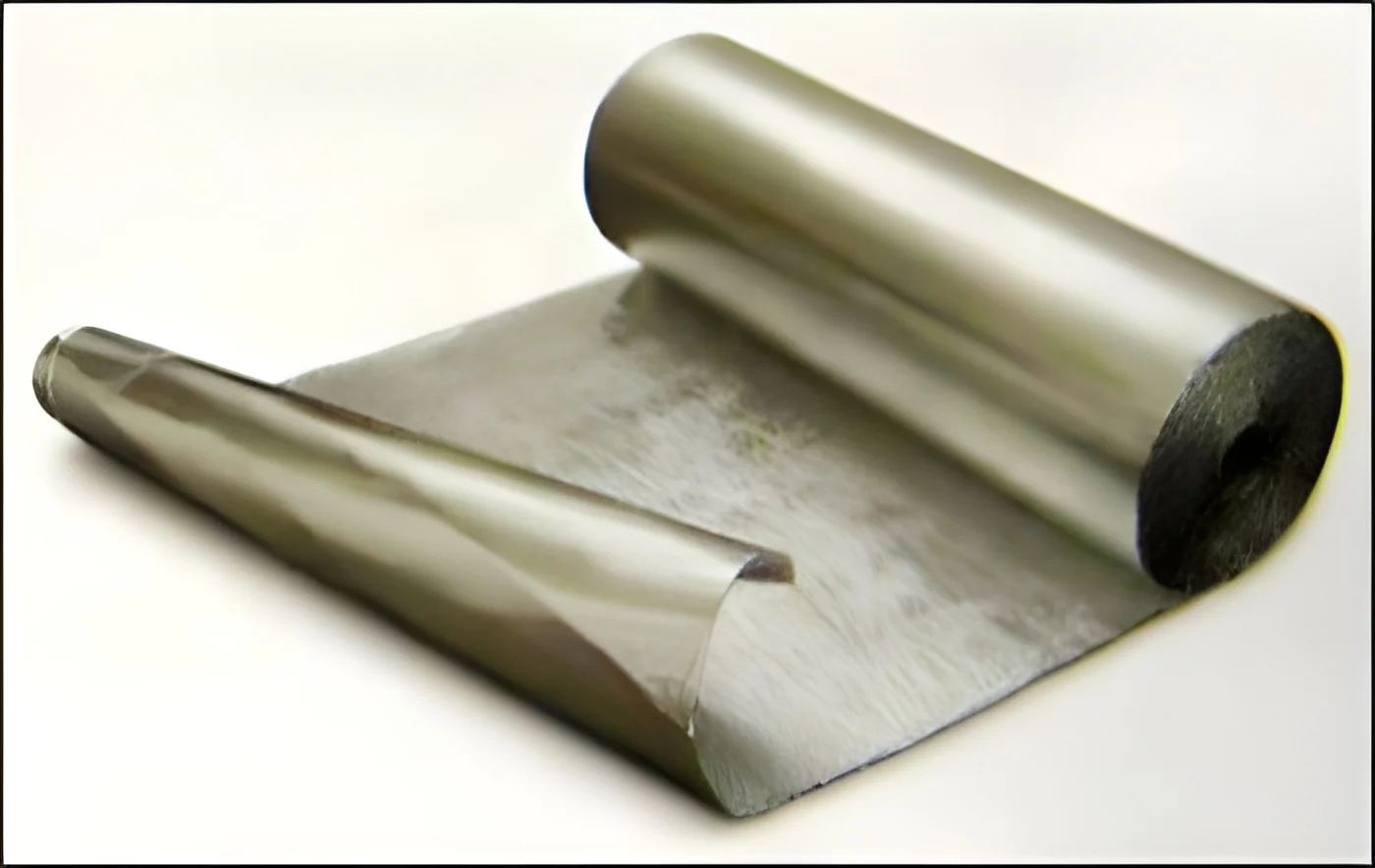
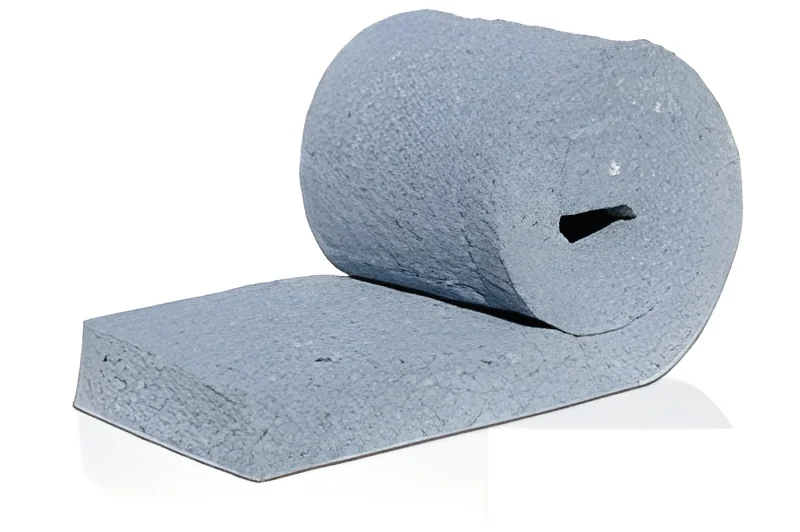
Reflective foil insulation is a type of thermal insulation material that reflects radiant heat away from living or working spaces. It consists of a thin layer of foil that is typically applied to a substrate, such as foam or fiberglass. The primary function of reflective foil insulation is to minimize heat transfer, thus enhancing energy efficiency in buildings and industrial settings.
This insulation product is widely used in various applications, including residential and commercial construction, HVAC systems, and industrial facilities. Its ability to reduce energy costs by maintaining temperature control makes it a valuable solution for businesses aiming to improve their energy efficiency. As energy prices continue to rise and sustainability becomes a priority, reflective foil insulation is increasingly relevant in the construction and energy sectors.
Key Features and Specifications
Reflective foil insulation is known for its unique features and technical specifications that cater to various industrial needs. Its lightweight design and high reflectivity make it an ideal choice for thermal management in both new constructions and retrofitting projects.
Key specifications include:
1. Reflectivity
- High reflectivity rating helps in reflecting up to 97% of radiant heat
- Essential for maintaining indoor temperature
2. Thermal Resistance
- Provides significant thermal resistance (R-value) to minimize heat transfer
- Typically ranges from R-1 to R-5 depending on the thickness and configuration
3. Moisture Resistance
- Designed to resist moisture accumulation, thus preventing mold growth
- Suitable for humid environments
4. Lightweight Design
- Easy to handle and install, reducing labor costs
- Weighs significantly less than traditional insulation materials
5. Fire Resistance
- Complies with fire safety regulations
- Reduces the risk of fire hazards in buildings
6. Durability
- Resistant to tearing and puncturing
- Long-lasting performance under various conditions
In summary, reflective foil insulation combines lightweight construction with high-performance thermal and moisture resistance, making it a versatile choice for a variety of applications.
Common Applications and Use Cases
Reflective foil insulation is utilized across many industries due to its effectiveness in thermal insulation and energy conservation.
1. Construction Industry: Used in residential and commercial buildings to enhance energy efficiency, improve indoor comfort, and comply with building codes.
2. HVAC Systems: Applied within ductwork and around HVAC units to minimize energy losses and improve system efficiency.
3. Agriculture: Helps maintain temperature control in greenhouses and storage facilities, promoting better crop yields.
4. Transportation: Used in vehicles and trailers to improve thermal efficiency and passenger comfort.
5. Industrial Facilities: Employed in warehouses and manufacturing plants to optimize energy usage and reduce heating and cooling costs.
6. Cold Storage: Essential for maintaining temperature in refrigerated storage facilities, reducing energy consumption.
7. Aerospace: Utilized in aircraft insulation to manage cabin temperature and enhance passenger comfort.
Product Variants and Subcategories
Reflective foil insulation is available in various forms to meet different application needs.
Standard Reflective Foil Insulation
This variant is designed for general use in residential and commercial applications. It features high reflectivity and moisture resistance, making it suitable for a range of environments.
Reflective Foil Insulation with Reinforcement
This variant includes reinforced layers for added durability, making it ideal for high-traffic areas and industrial applications. Its robust construction ensures longevity and effectiveness.
Reflective Foil Insulation for HVAC
Specifically designed for HVAC systems, this variant is optimized for thermal performance while being lightweight for easy installation. It contributes to improved energy efficiency in heating and cooling systems.
Benefits and Advantages
Reflective foil insulation offers several distinct advantages that make it a preferred choice for businesses.
1. Energy Savings: Significantly reduces energy costs by minimizing heat transfer, leading to lower utility bills.
2. Comfort Improvement: Enhances indoor comfort by maintaining stable temperatures, which is crucial for both residential and commercial settings.
3. Easy Installation: Lightweight and easy to handle, allowing for quick installation and reduced labor costs.
4. Versatility: Suitable for a wide range of applications across various industries, making it a flexible solution for different needs.
5. Moisture Control: Helps prevent moisture accumulation, reducing the risk of mold and improving indoor air quality.
6. Fire Safety: Meets fire safety standards, providing additional peace of mind for building owners and occupants.
Buying Guide for B2B Buyers
When sourcing reflective foil insulation, several key factors should be considered to ensure an effective purchase.
1. Quality Assessment: Evaluate the quality of insulation materials by checking for certifications and performance ratings. Reliable products should meet industry standards.
2. Supplier Verification: Conduct thorough research on potential suppliers. Look for reviews, references, and track records to ensure you're working with a reputable provider.
3. Pricing and MOQ: Compare pricing across multiple suppliers and be aware of minimum order quantities. Understanding the cost structure will help in budgeting for projects.
4. Delivery and Lead Times: Discuss delivery options and lead times with suppliers. Timely delivery is critical for project planning and execution.
5. Compliance Requirements: Ensure that the insulation meets all relevant local and international compliance standards. This may include safety and environmental regulations.
Compliance and Certifications
Reflective foil insulation is subject to various quality and safety standards to ensure its performance and reliability.
Relevant quality standards include ISO 9001, which ensures consistent quality management processes. Certifications such as CE and UL indicate compliance with safety and performance requirements, providing assurance to buyers regarding product reliability.
Additionally, many reflective foil insulation products must adhere to regional compliance requirements that govern thermal performance, fire safety, and environmental impact. Regular testing and adherence to safety regulations are essential to guarantee that the insulation performs as expected in real-world applications.
Why Source Reflective Foil Insulation from Pepagora?
Pepagora provides a trusted platform for sourcing reflective foil insulation, offering several key advantages to B2B buyers.
Verified Supplier Network: Our platform ensures that all suppliers are thoroughly vetted, providing buyers with access to high-quality products from reputable manufacturers. This reduces the risk associated with sourcing materials.
Streamlined RFQ Process: The request for quotation (RFQ) process is straightforward, allowing buyers to quickly obtain competitive pricing and terms from multiple suppliers. This efficiency saves time and facilitates informed decision-making.
Trade Assurance and Support: Pepagora offers trade assurance to protect buyers during transactions. Our support team is available to assist with any inquiries, ensuring a smooth purchasing experience.
Regional Coverage: With a strong presence in India, GCC, and Southeast Asia, Pepagora connects buyers with suppliers across these regions, facilitating access to reflective foil insulation products tailored to local market needs.

 IN
IN