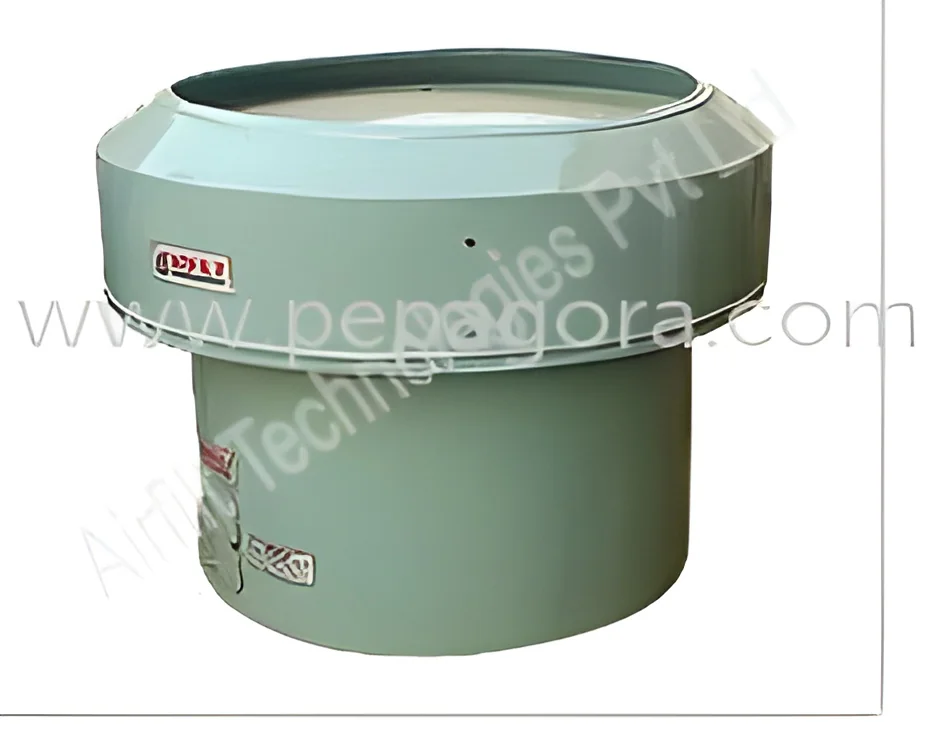
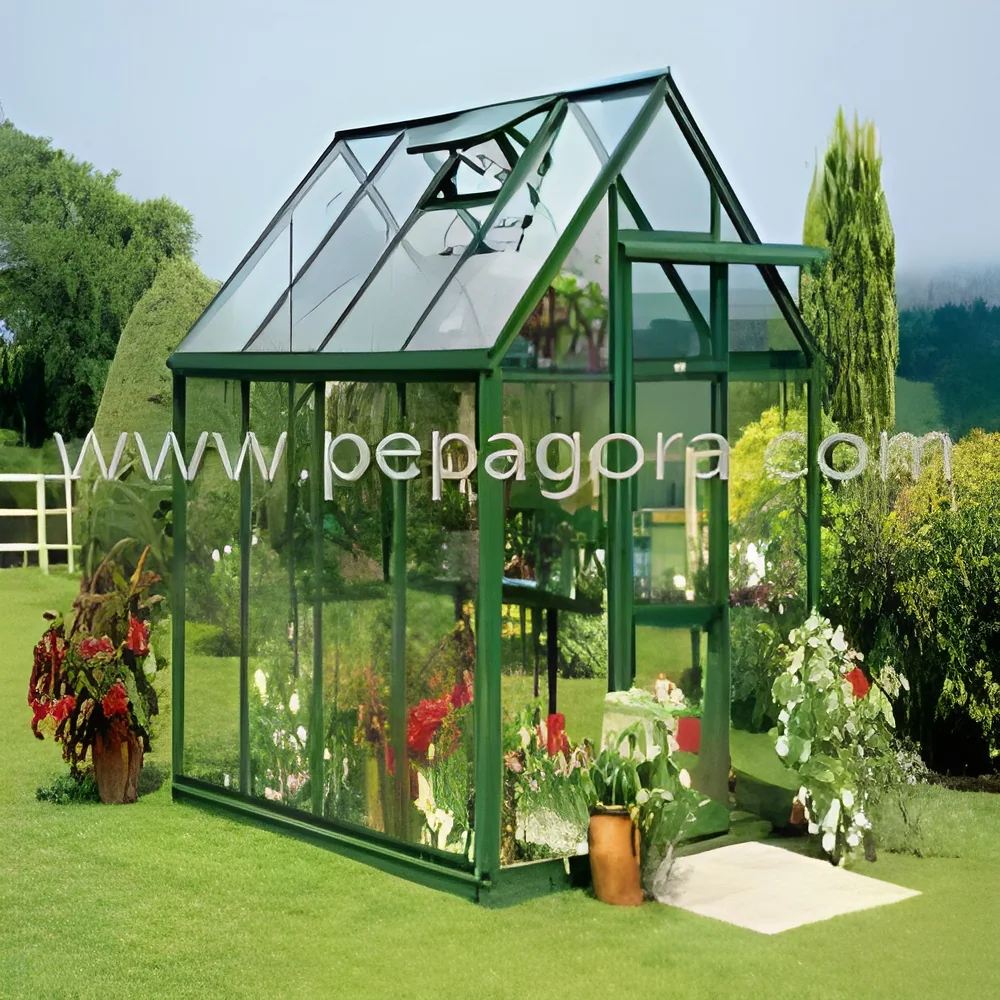
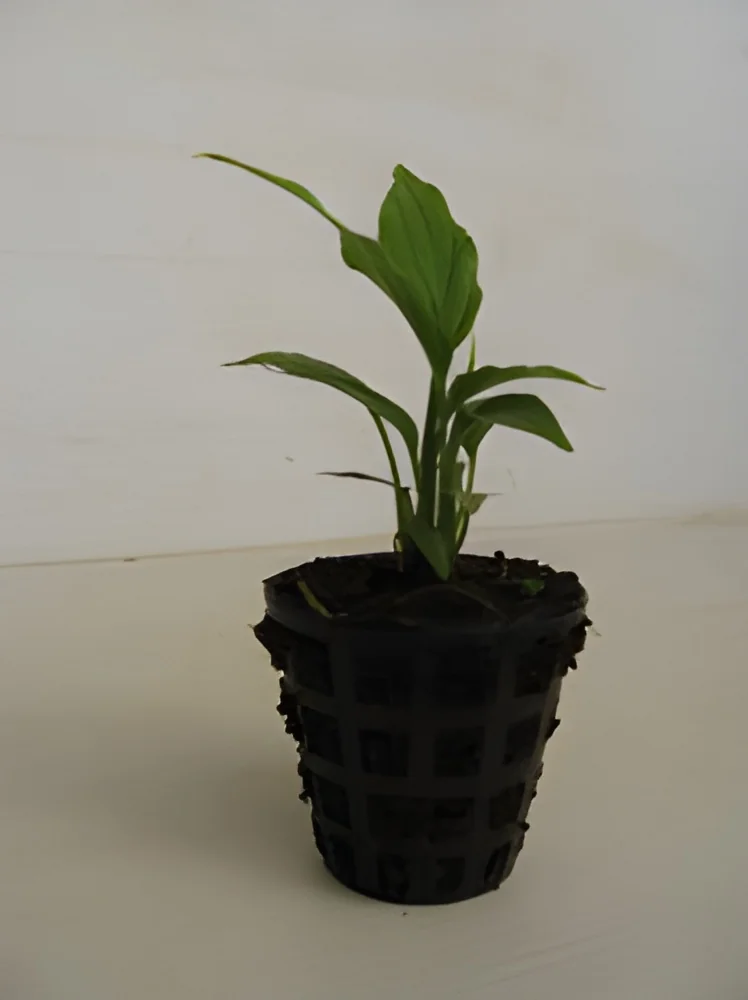
𝗪𝗵𝗮𝘁 𝗮𝗿𝗲 𝗚𝗿𝗲𝗲𝗻𝗵𝗼𝘂𝘀𝗲 𝗘𝗾𝘂𝗶𝗽𝗺𝗲𝗻𝘁 & 𝗦𝘂𝗽𝗽𝗹𝗶𝗲𝘀?
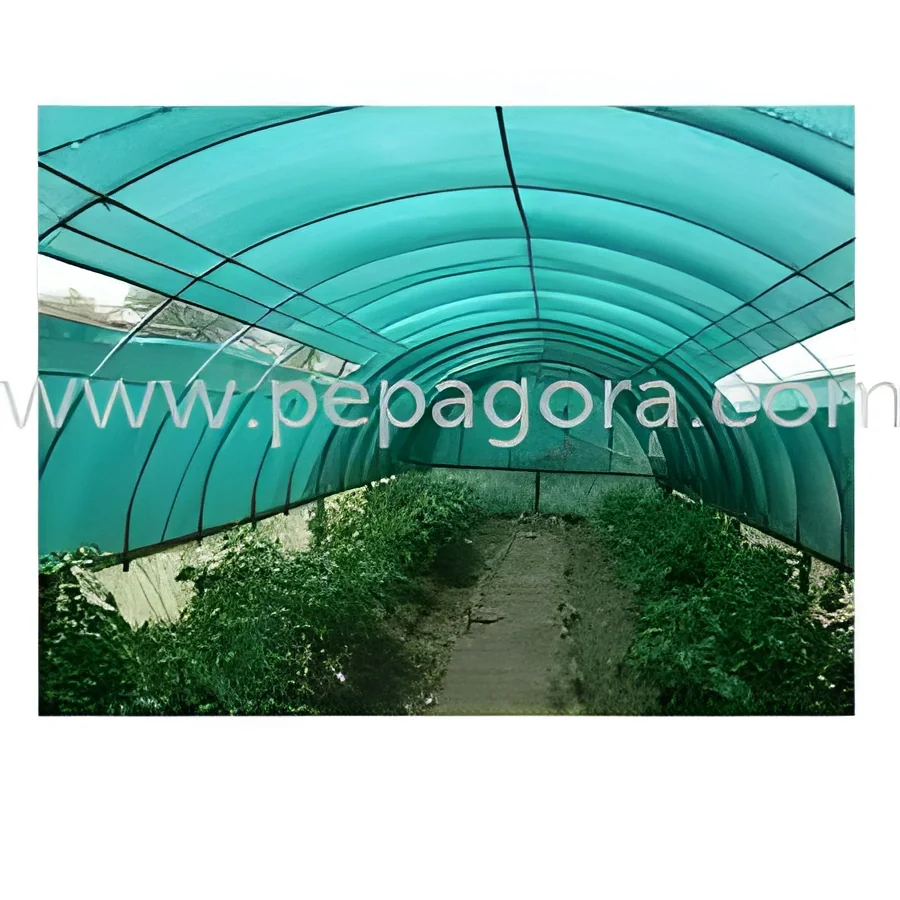
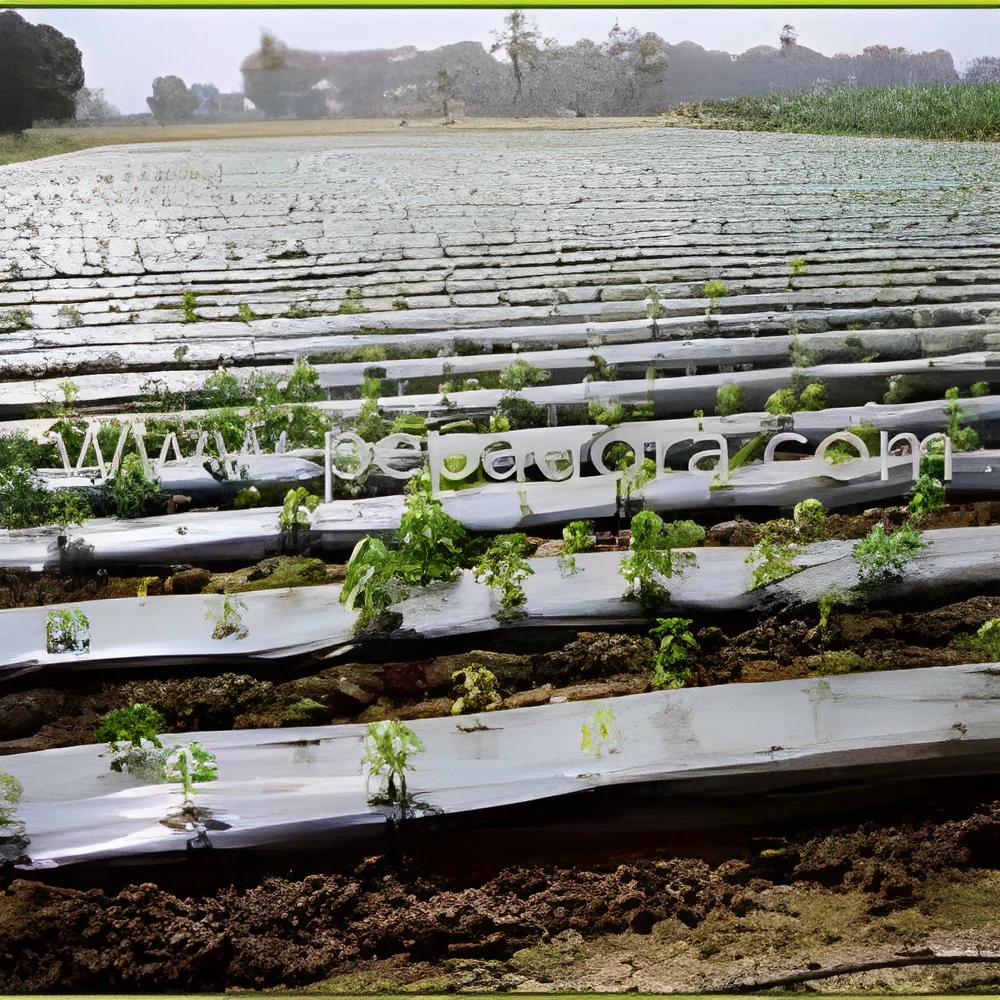
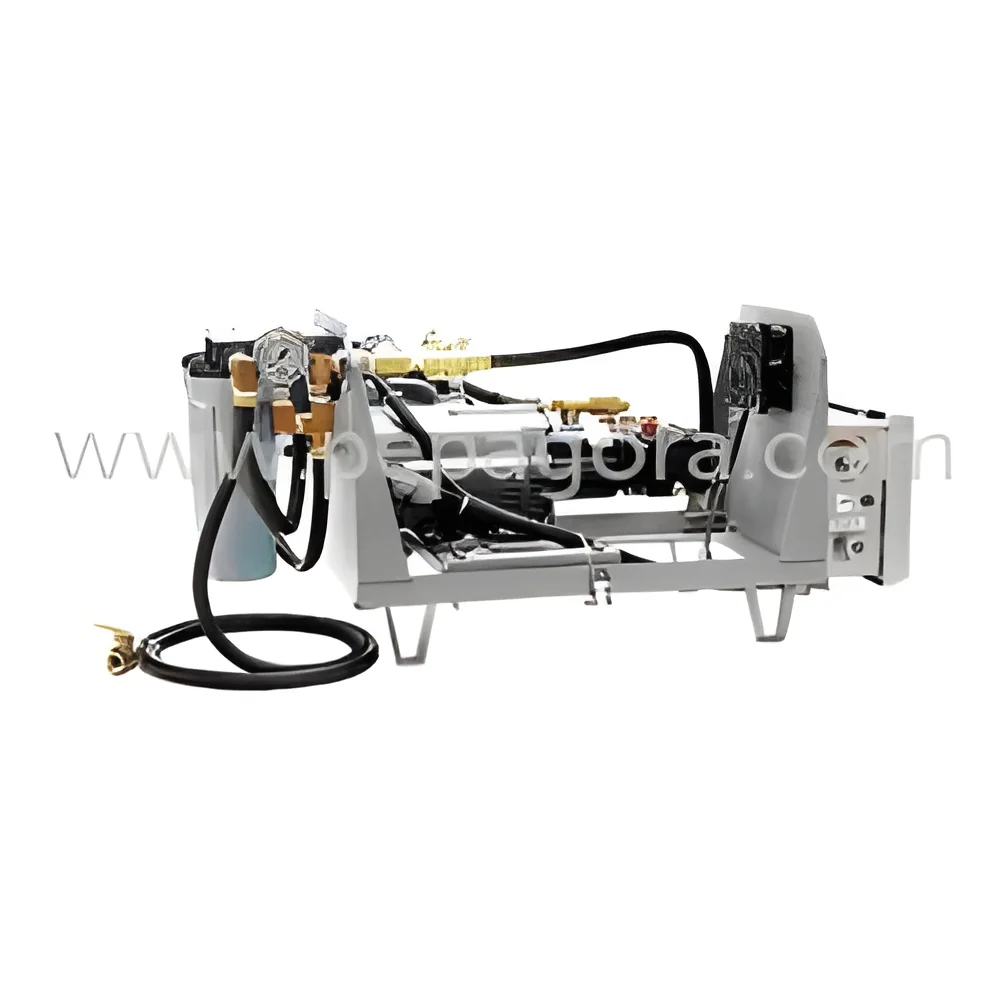
Greenhouse Equipment & Supplies encompass a wide range of tools and materials designed to optimize the growth of plants in controlled environments. This equipment includes climate control systems, irrigation systems, lighting, and various growing mediums. These supplies are essential for creating an ideal environment for plant growth, ensuring factors such as temperature, humidity, and light are managed effectively.
The primary uses of greenhouse equipment are in agriculture, horticulture, and floriculture. Businesses use these supplies to enhance productivity, extend growing seasons, and improve crop quality. Growers can monitor and adjust environmental conditions to maximize yield and minimize losses due to adverse weather or pests. The relevance of greenhouse equipment in today’s market is significant, as sustainable practices and urban agriculture continue to rise, creating a demand for efficient growing solutions.
𝗞𝗲𝘆 𝗙𝗲𝗮𝘁𝘂𝗿𝗲𝘀 𝗮𝗻𝗱 𝗦𝗽𝗲𝗰𝗶𝗳𝗶𝗰𝗮𝘁𝗶𝗼𝗻𝘀
Greenhouse Equipment & Supplies feature numerous specifications that cater to various needs in horticulture and agriculture. Understanding these specifications is crucial for selecting the right equipment to ensure optimal plant growth.
Key specifications include:
1. Climate Control Systems
- Regulates temperature and humidity levels
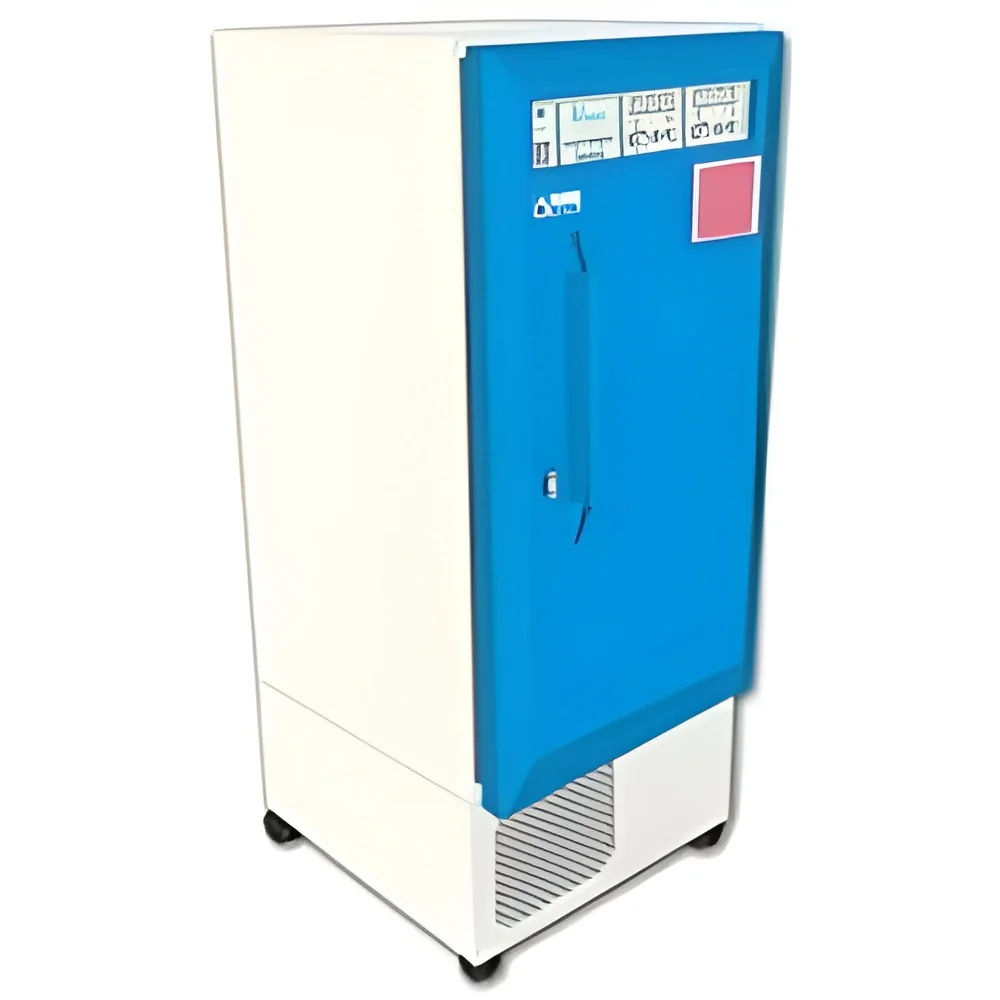
- Options include heaters, coolers, and ventilation systems
2. Irrigation Systems
- Facilitates efficient water delivery to plants
- Types include drip irrigation, sprinkler systems, and automated timers
3. Lighting Solutions
- Provides essential light for photosynthesis
- Options include LED grow lights, fluorescent tubes, and high-intensity discharge lights
4. Growing Mediums
- Supports plant roots and provides nutrients
- Options include soil, hydroponics, and aeroponics systems
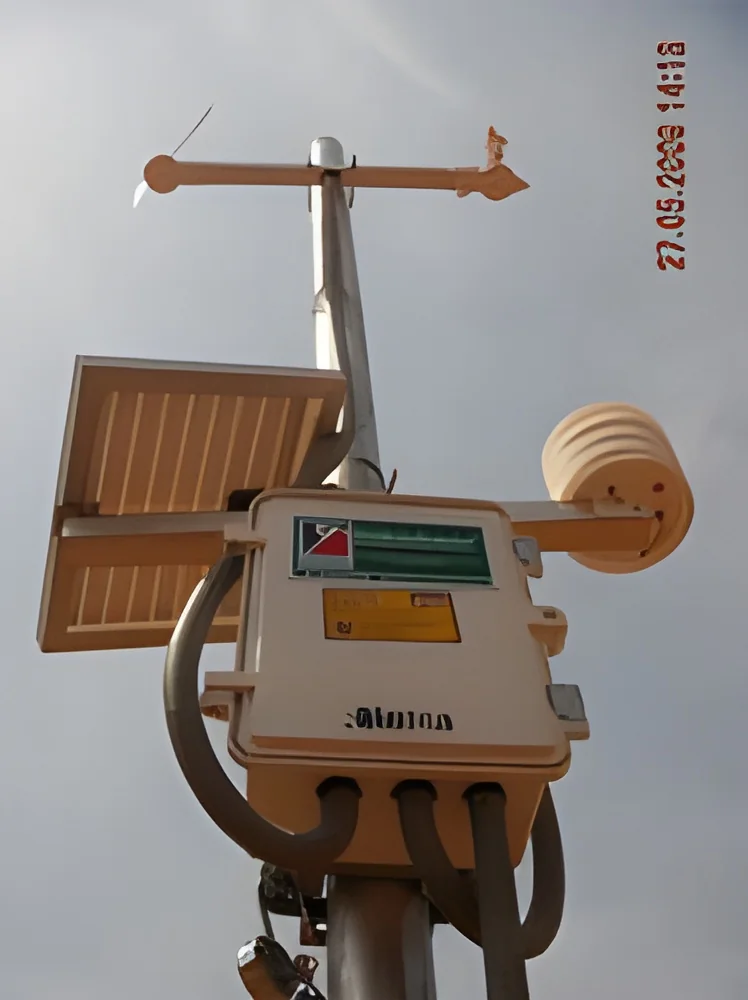
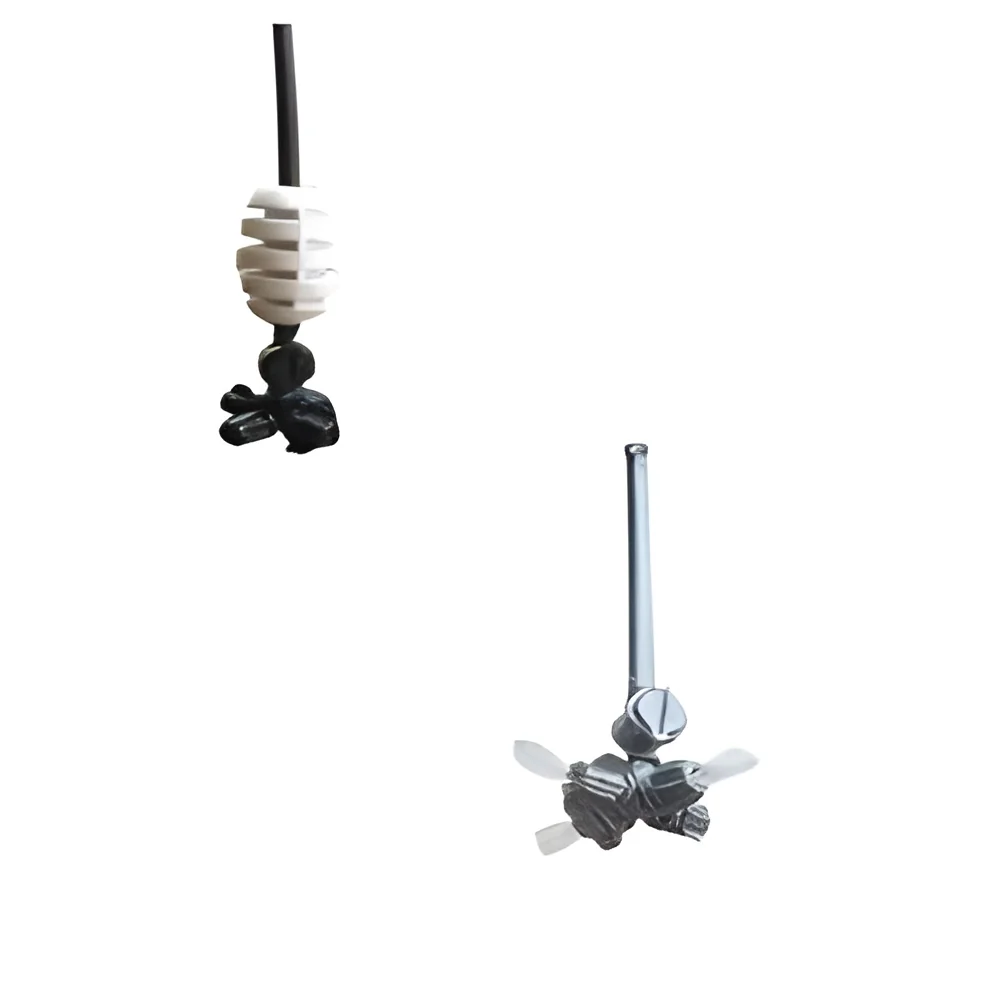
5. Monitoring Systems
- Tracks environmental conditions in real-time
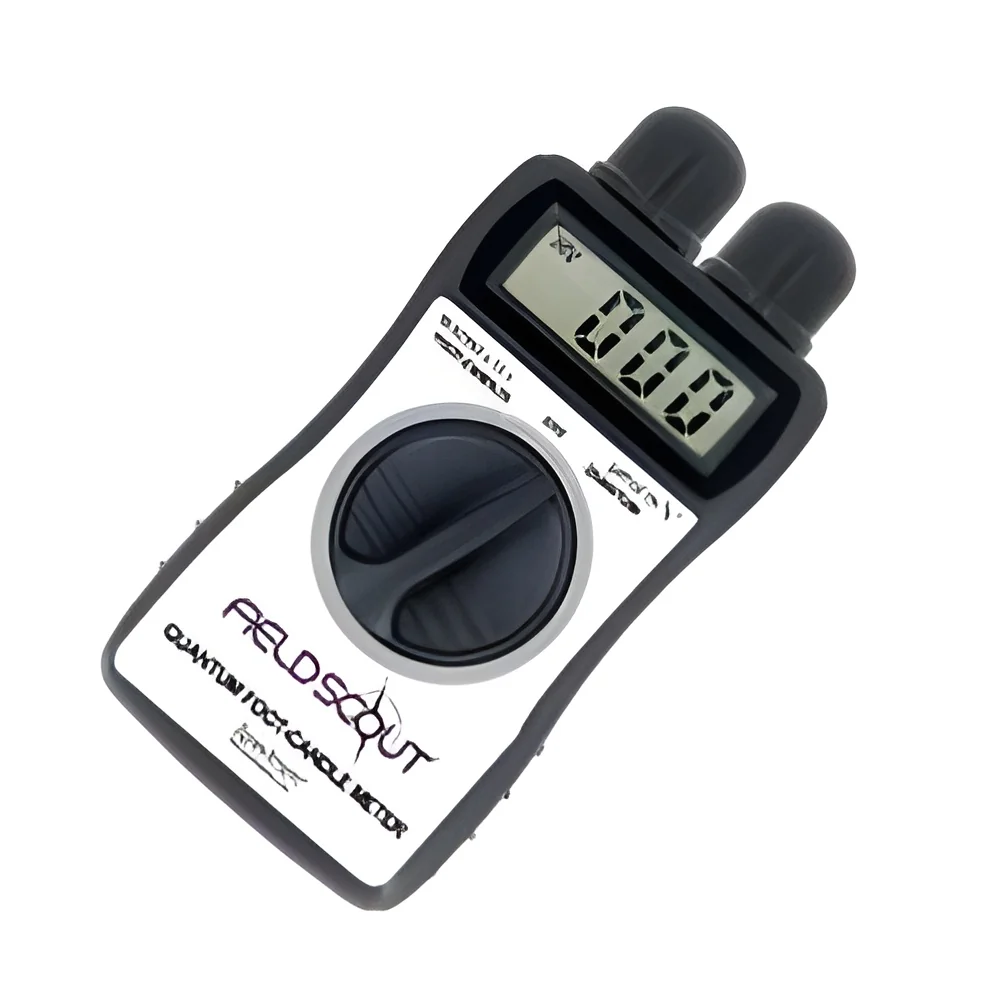
- Includes sensors for temperature, humidity, and soil moisture
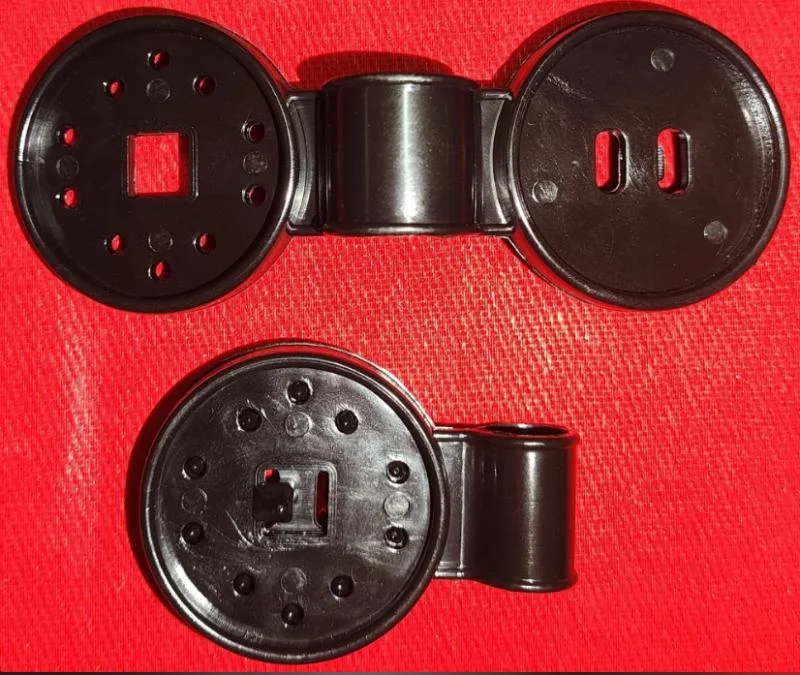
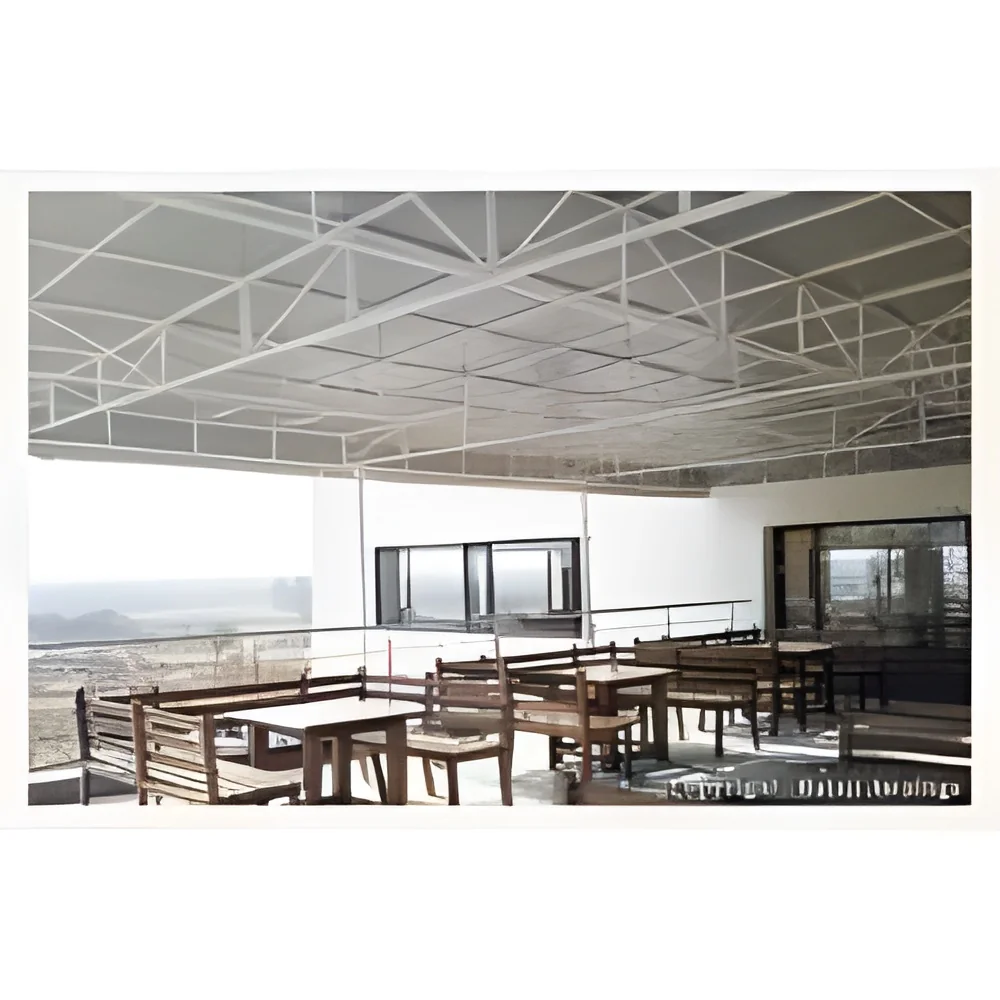
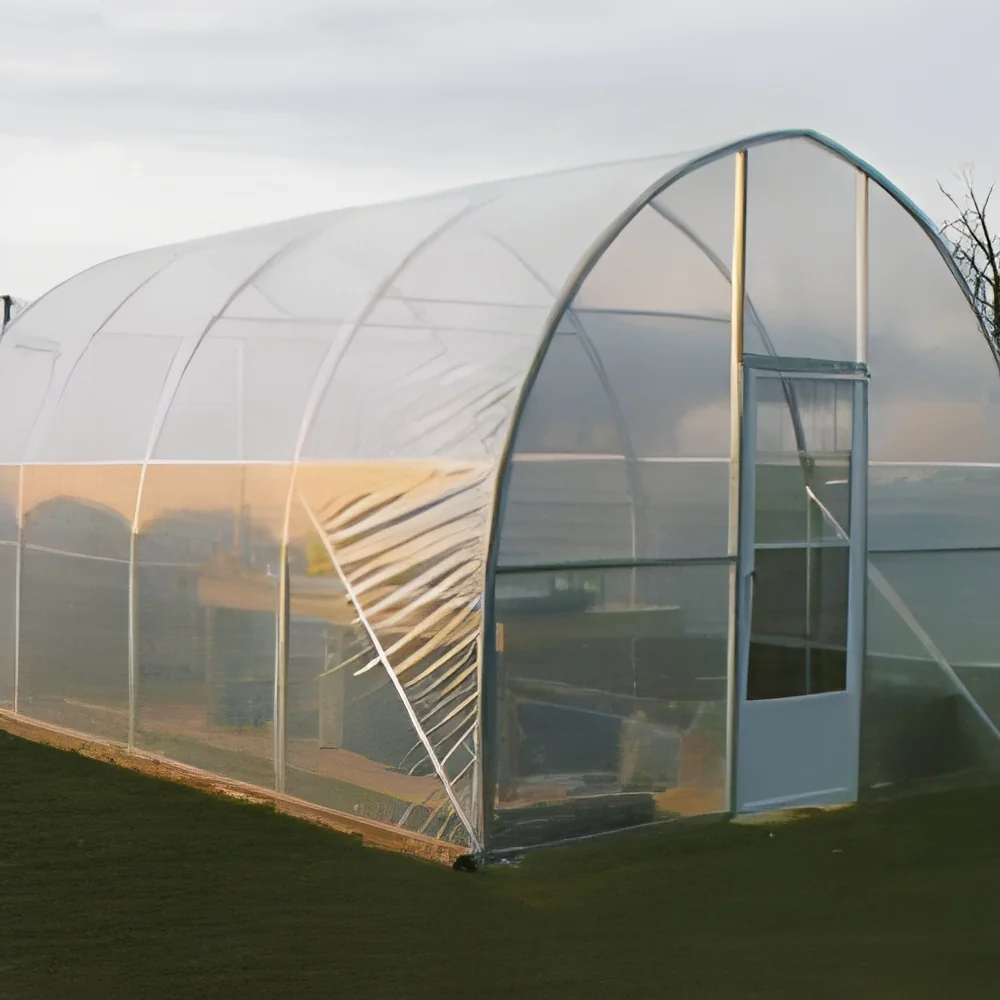
6. Structural Components
- Provides physical support for the greenhouse
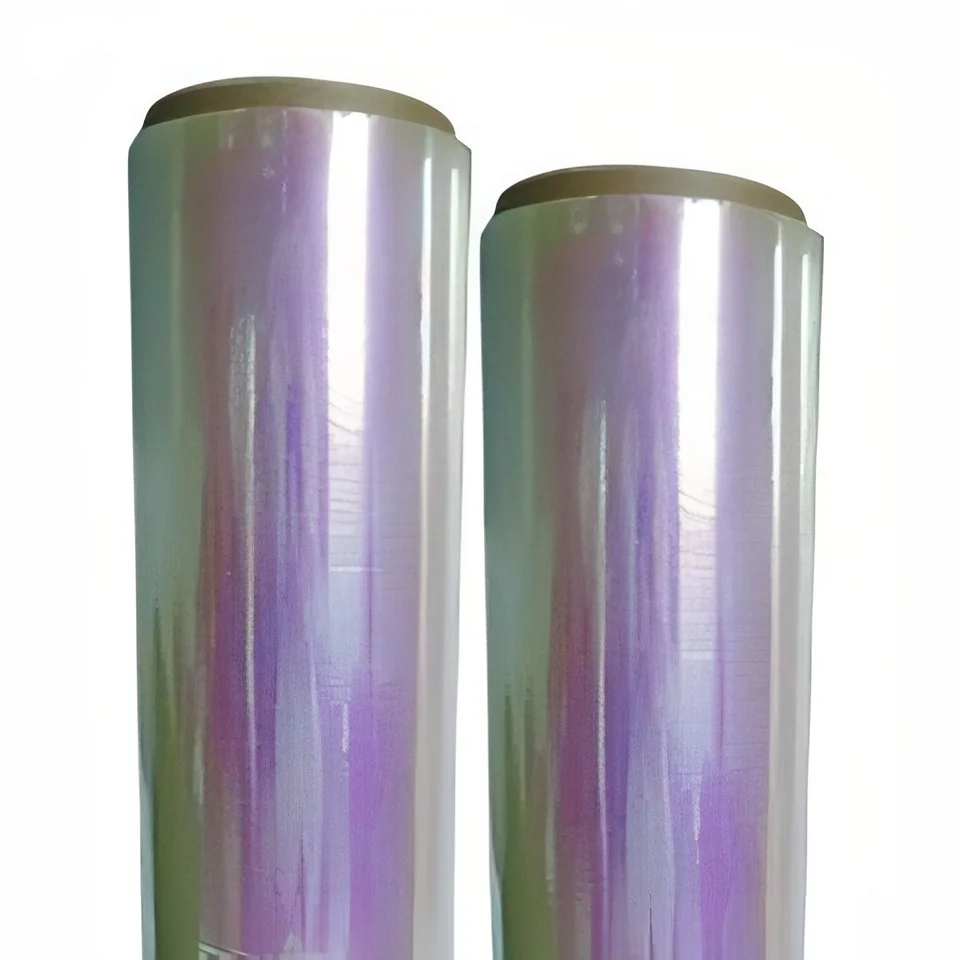
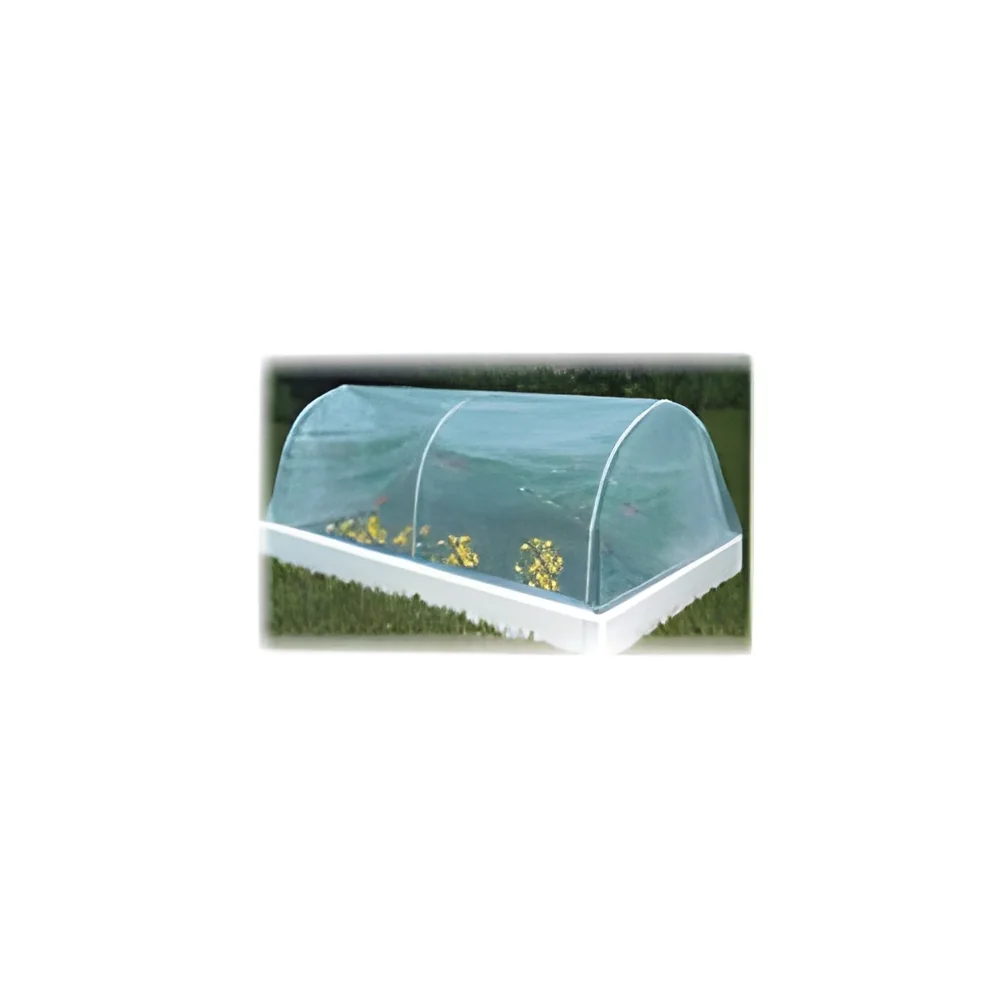
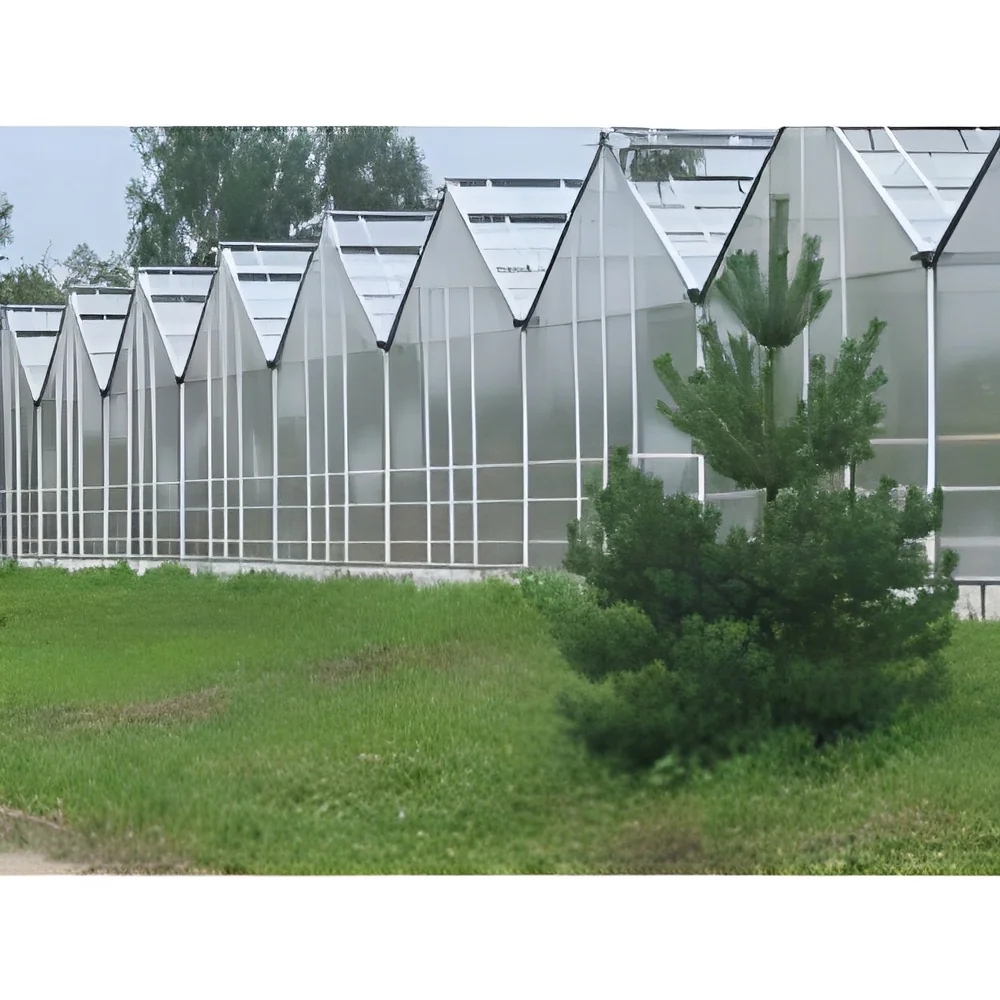
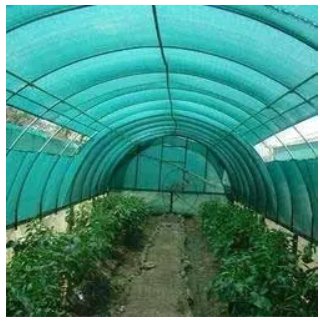
- Materials may include glass, polycarbonate, or polyethylene covers
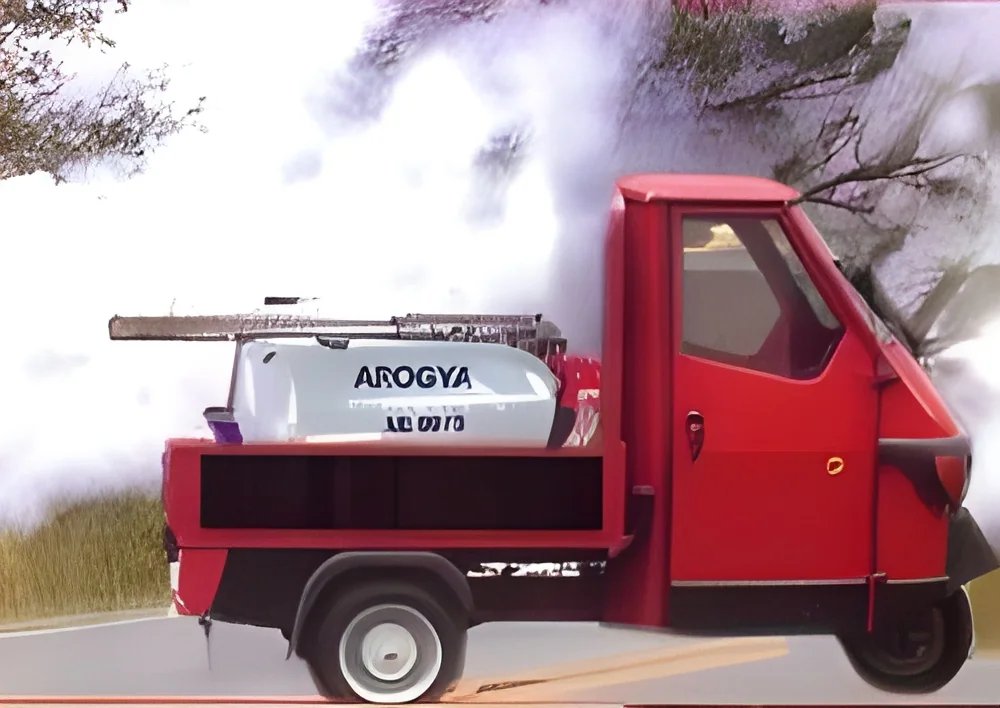
7. Pest Control Solutions
- Helps manage pests and diseases in the greenhouse
- Includes organic and chemical treatments
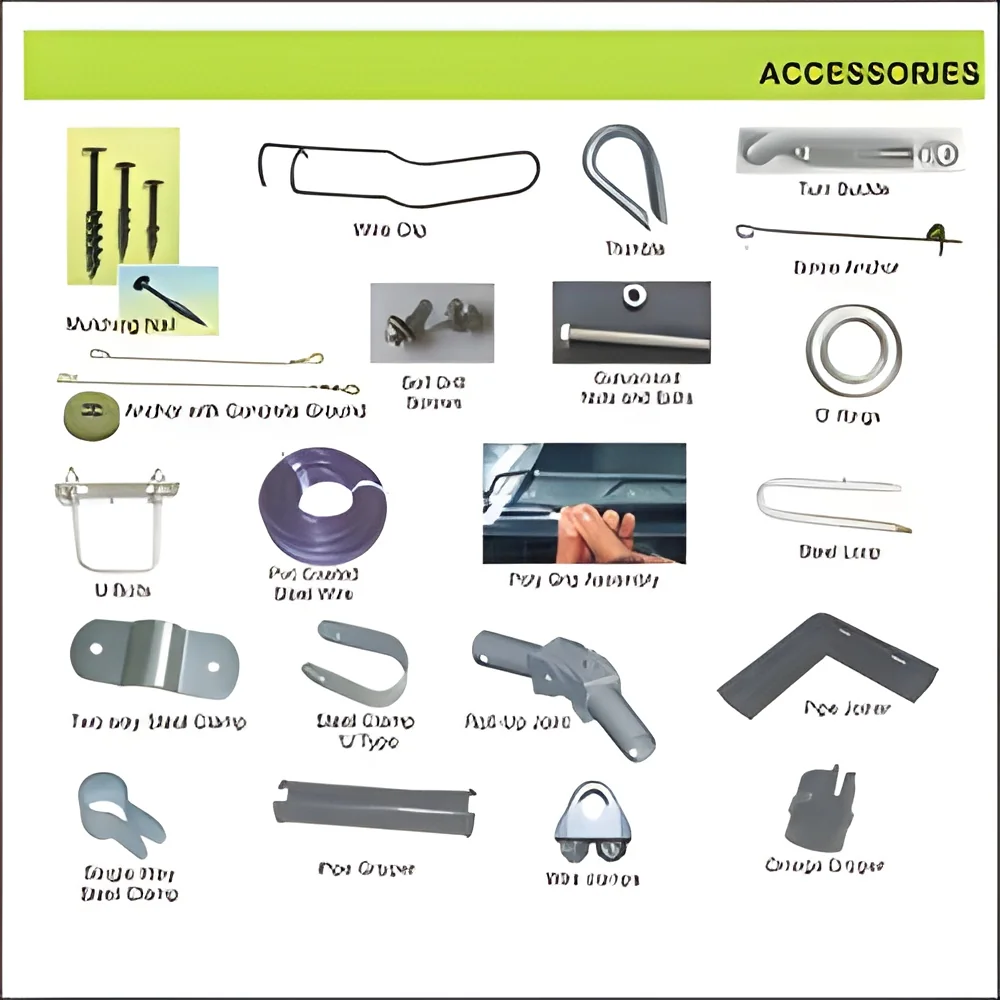
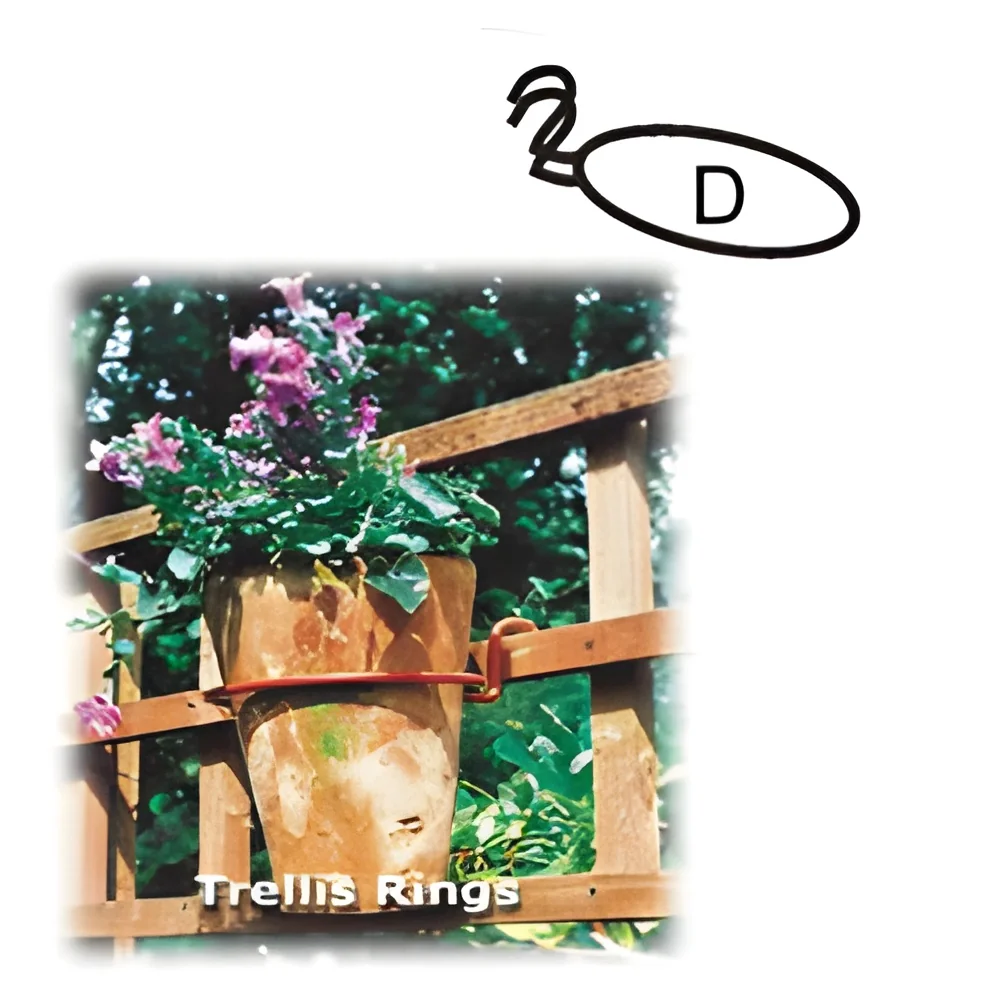
8. Accessories and Tools
- Encompasses various tools needed for maintenance
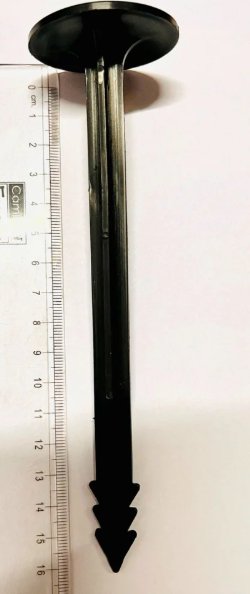
- Examples include pruning shears, soil testers, and seed trays
In summary, Greenhouse Equipment & Supplies offer vital features that enhance plant growth and streamline agricultural practices. Their specifications address various needs and ensure that growers can create optimal environments for their crops.
𝗖𝗼𝗺𝗺𝗼𝗻 𝗔𝗽𝗽𝗹𝗶𝗰𝗮𝘁𝗶𝗼𝗻𝘀 𝗮𝗻𝗱 𝗨𝘀𝗲 𝗖𝗮𝘀𝗲𝘀
Greenhouse Equipment & Supplies serve various industries, enabling efficient cultivation processes.
1. Agriculture: Farmers utilize greenhouse equipment to extend growing seasons and protect crops from adverse weather conditions. This leads to increased yields and higher quality produce.
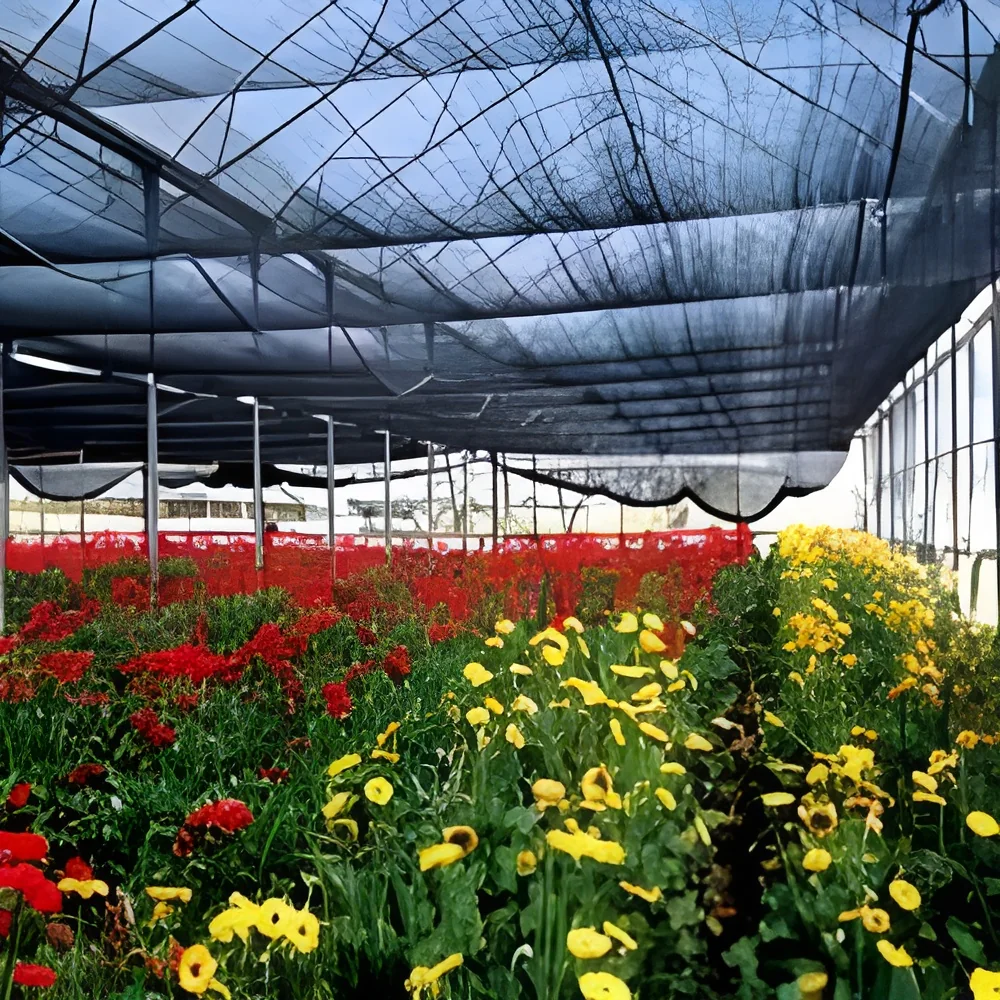
2. Horticulture: Nurseries use specialized equipment to grow flowers and ornamental plants. Controlled environments allow for consistent quality and year-round availability of flowers.
3. Floriculture: Flower growers rely on climate control systems and irrigation solutions to cultivate delicate plants. This sector benefits from precise environmental management to ensure vibrant blooms.
4. Research Institutions: Universities and research facilities employ greenhouse supplies for experimental plant growth. This aids in agricultural research and the development of new plant varieties.
5. Urban Gardening: Individuals and community organizations use greenhouse supplies to promote sustainable urban agriculture. This trend supports local food production and green initiatives.
6. Educational Programs: Schools and educational institutions incorporate greenhouses in their curricula, teaching students about plant biology and sustainable practices.
7. Hydroponics and Aquaponics: Innovative growers utilize specialized systems to cultivate plants without soil. Greenhouse equipment supports these methods with necessary infrastructure and monitoring.
𝗣𝗿𝗼𝗱𝘂𝗰𝘁 𝗩𝗮𝗿𝗶𝗮𝗻𝘁𝘀 𝗮𝗻𝗱 𝗦𝘂𝗯𝗰𝗮𝘁𝗲𝗴𝗼𝗿𝗶𝗲𝘀
Greenhouse Equipment & Supplies exhibit diversity to meet the varied needs of growers. While specific subcategories are not available, several product variants are commonly utilized.
Heating Systems
These systems provide warmth to maintain optimal temperatures for plant growth during colder months. Options include electric heaters and gas heaters, each with unique features to suit specific greenhouse sizes.
Cooling Systems
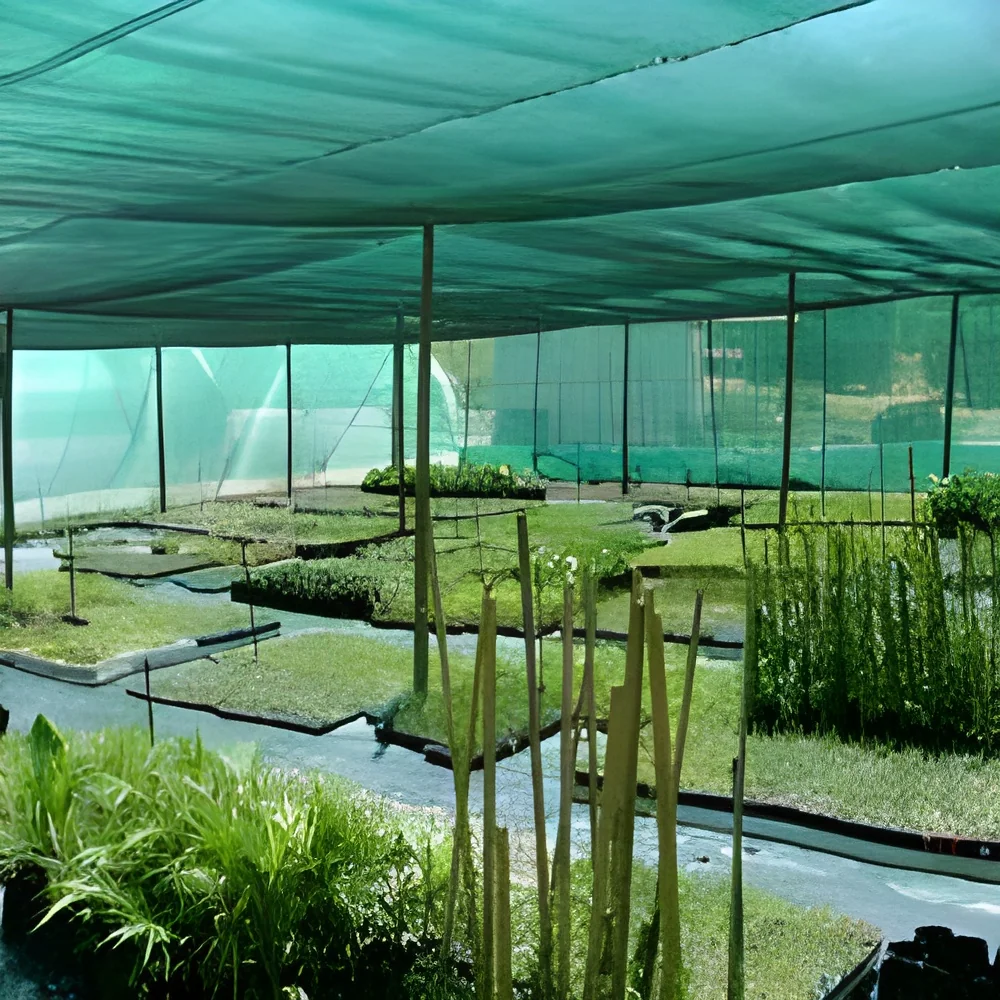
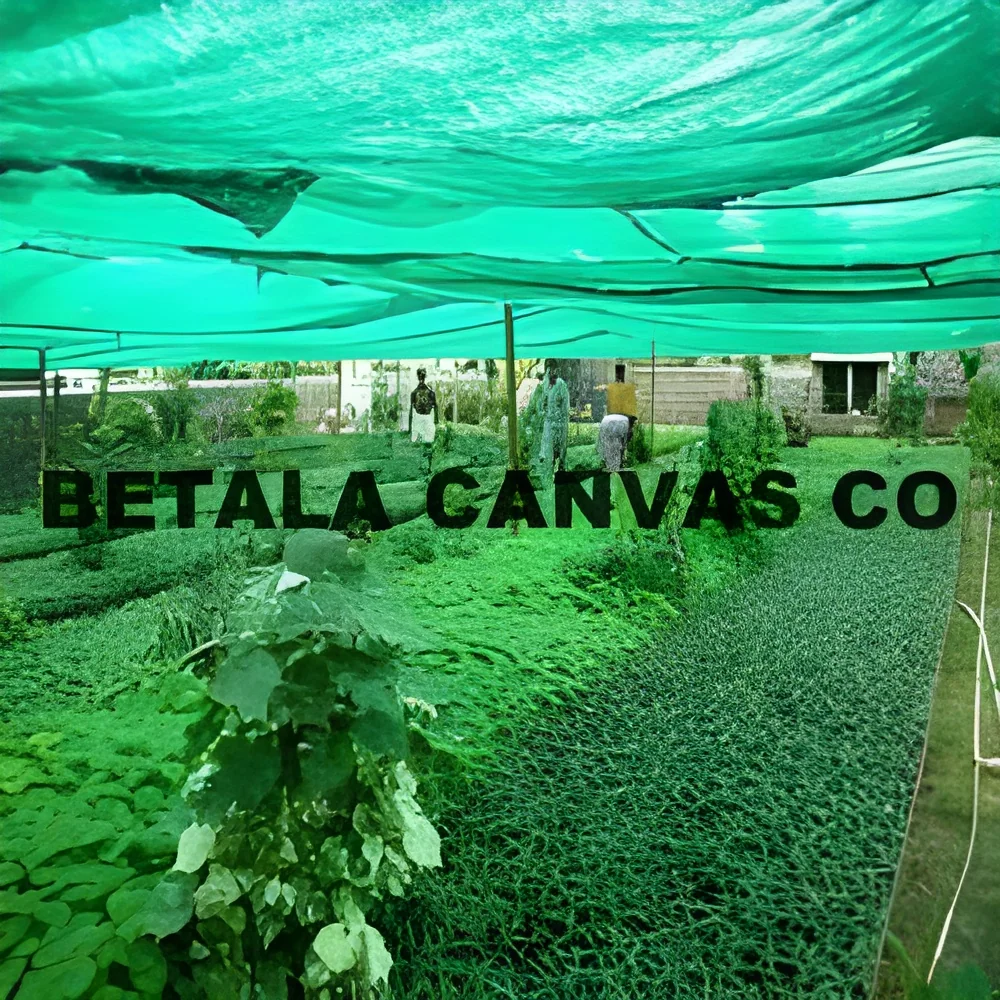
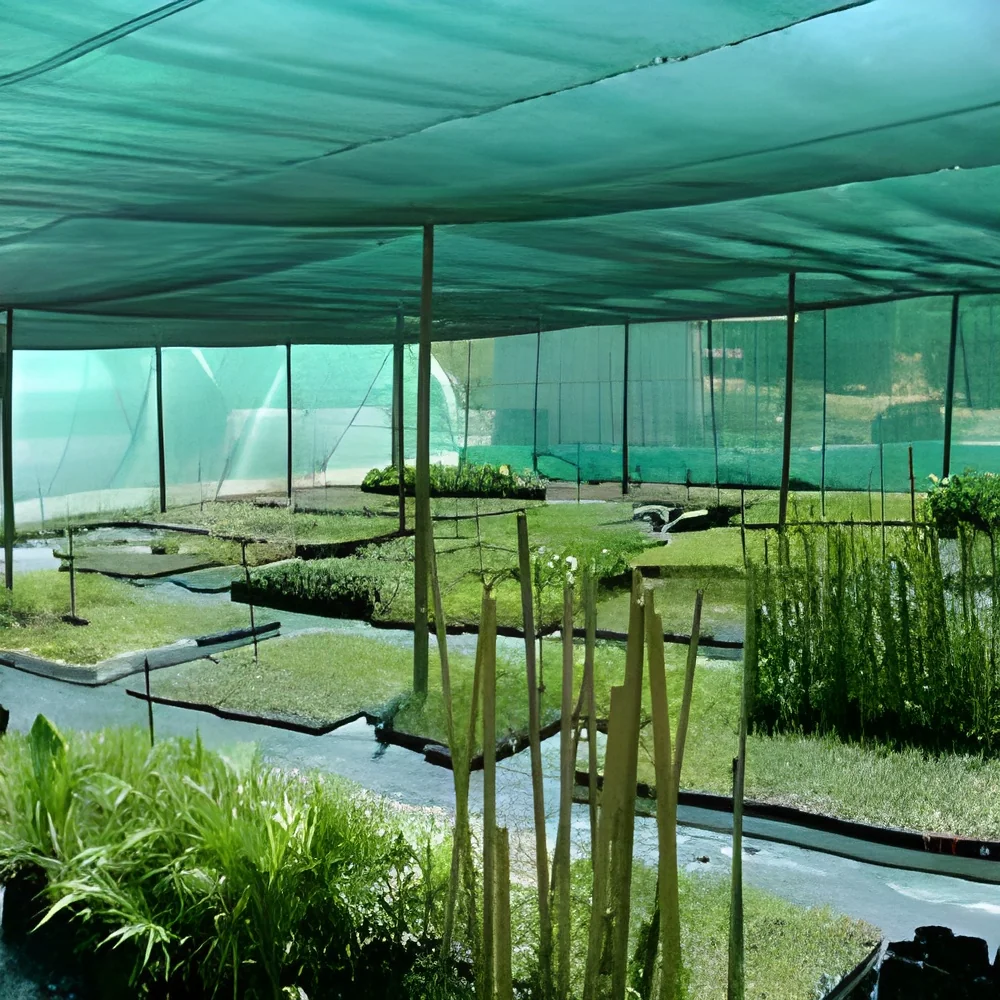
Cooling solutions are essential for preventing heat stress in plants during hot weather. Options include shade cloths, evaporative coolers, and exhaust fans, ensuring a stable growing environment.
Hydroponic Systems
These systems allow for soil-less cultivation, using nutrient-rich water solutions. Variants include nutrient film technique, deep water culture, and aeroponics, catering to different types of crops.
Irrigation Technologies
Modern irrigation systems offer precise water delivery. Variants include drip systems for targeted watering and sprinkler systems for larger areas, reducing water waste and ensuring plant health.
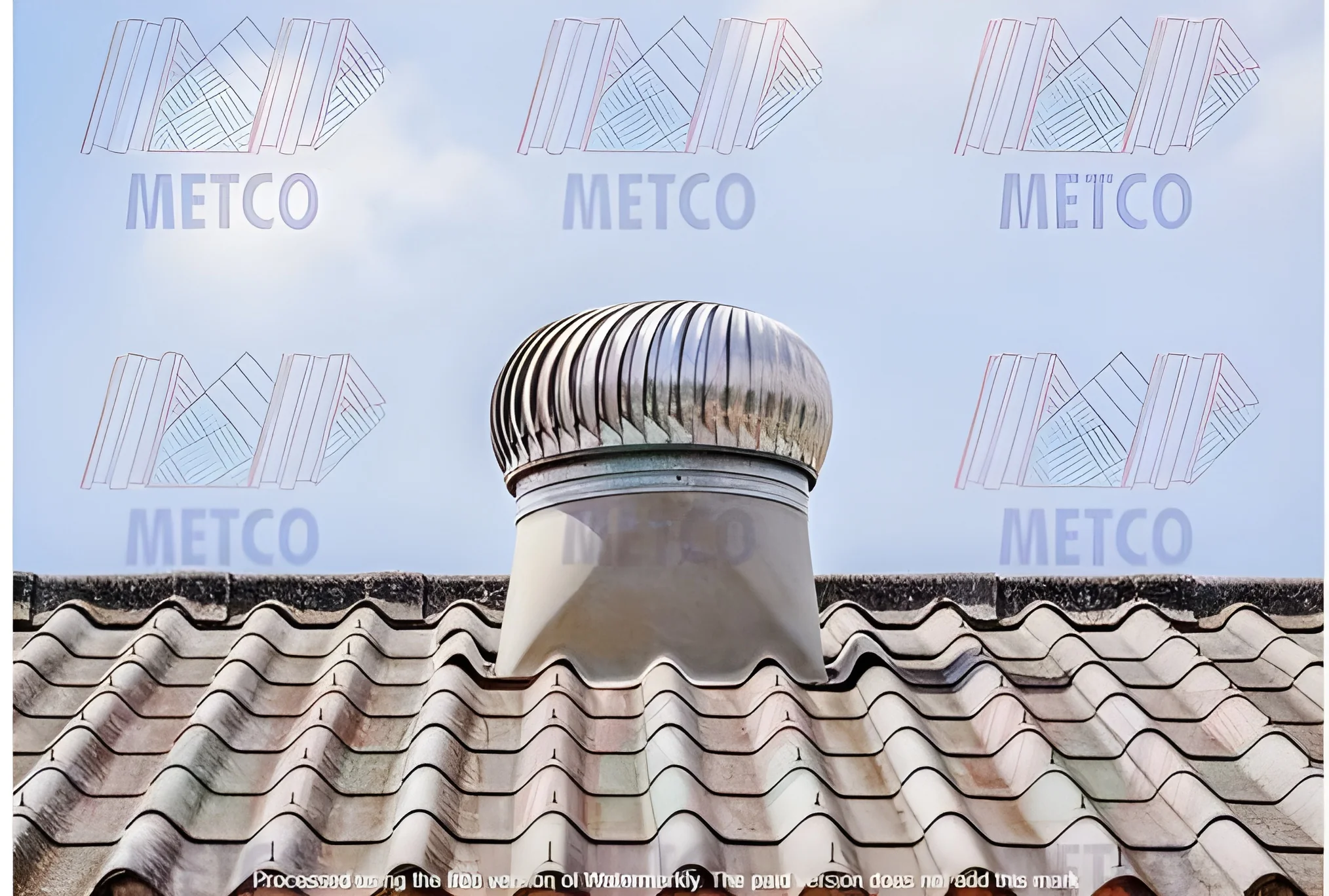
Ventilation Solutions
Effective ventilation is crucial for maintaining air circulation. Options include manual and automated ventilation systems, which help control humidity and temperature levels inside the greenhouse.
𝗕𝗲𝗻𝗲𝗳𝗶𝘁𝘀 𝗮𝗻𝗱 𝗔𝗱𝘃𝗮𝗻𝘁𝗮𝗴𝗲𝘀
Greenhouse Equipment & Supplies provide significant advantages for growers seeking to enhance their operations.
1. Increased Crop Yields: By optimizing growth conditions, greenhouse supplies help maximize production, leading to higher profits.
2. Extended Growing Seasons: Climate control allows for year-round cultivation, enabling growers to produce crops outside traditional seasons.
3. Improved Quality: Controlled environments lead to healthier plants with better quality produce, meeting market demands.
4. Water Efficiency: Advanced irrigation systems minimize water waste, promoting sustainable practices in agriculture.
5. Pest Management: Integrated pest control solutions help reduce the threat of infestations, protecting crops from damage.
6. Flexibility: With various equipment options available, growers can tailor their setups to specific crop needs and growing methods.
𝗕𝘂𝘆𝗶𝗻𝗴 𝗚𝘂𝗶𝗱𝗲 𝗳𝗼𝗿 𝗕𝟮𝗕 𝗕𝘂𝘆𝗲𝗿𝘀
When sourcing Greenhouse Equipment & Supplies, several factors should be considered to ensure the right choice for your business.
1. Quality Assessment: Evaluate the quality of materials and construction. Reliable equipment will ensure durability and consistent performance in demanding environments.
2. Supplier Verification: Vet suppliers thoroughly to ensure they have a good reputation and offer reliable products. Look for customer reviews and industry certifications.
3. Pricing and MOQ: Consider the overall cost of equipment and any minimum order quantities. Aim to find a balance between affordability and quality to maximize your investment.
4. Delivery and Lead Times: Understand logistics and delivery schedules from suppliers. Timely delivery is crucial to maintain your planting schedules.
5. Compliance Requirements: Be aware of any regulatory standards relevant to your operations. Ensure that the equipment meets necessary compliance standards for safety and environmental impact.
𝗖𝗼𝗺𝗽𝗹𝗶𝗮𝗻𝗰𝗲 𝗮𝗻𝗱 𝗖𝗲𝗿𝘁𝗶𝗳𝗶𝗰𝗮𝘁𝗶𝗼𝗻𝘀
Compliance and certification are critical in the greenhouse equipment industry. Various quality standards apply, ensuring products meet specific performance and safety criteria.
ISO 9001 is a widely recognized standard that ensures quality management systems are in place, promoting continuous improvement and customer satisfaction.
HACCP and GDP standards are essential in the food production process, especially in agricultural settings where food safety is paramount. Compliance with these standards helps mitigate risks in the production and handling of food products.
CE certification demonstrates that products meet European safety and environmental standards, enhancing marketability and consumer confidence.
Safety and testing requirements are vital to ensure equipment operates safely. Regular testing and adherence to safety protocols minimize risks in greenhouse operations.
Regional compliance considerations may vary, so it is essential for suppliers to understand local regulations governing agricultural practices.
𝗪𝗵𝘆 𝗦𝗼𝘂𝗿𝗰𝗲 𝗚𝗿𝗲𝗲𝗻𝗵𝗼𝘂𝘀𝗲 𝗘𝗾𝘂𝗶𝗽𝗺𝗲𝗻𝘁 & 𝗦𝘂𝗽𝗽𝗹𝗶𝗲𝘀 𝗳𝗿𝗼𝗺 𝗣𝗲𝗽𝗮𝗴𝗼𝗿𝗮?
Pepagora provides a trusted platform for sourcing Greenhouse Equipment & Supplies with several key advantages.
Verified Supplier Network: Pepagora connects buyers with a network of verified suppliers, ensuring that businesses can source quality equipment with confidence. This network is built on trust and reliability, giving buyers peace of mind.
Streamlined RFQ Process: The platform simplifies the request for quotation process, allowing buyers to easily compare options and select the best deals. This efficiency saves time and resources in the procurement process.
Trade Assurance and Support: Buyers benefit from trade assurance measures that protect their purchases. Pepagora offers support throughout the buying process, ensuring that any issues are promptly addressed.
Regional Coverage: Pepagora's geographic reach extends across India, the GCC, and Southeast Asia. This broad coverage enables businesses to connect with local suppliers and access a diverse range of greenhouse equipment tailored to their specific needs.

 IN
IN