
 IN
Light Diffusing Films
1 products available
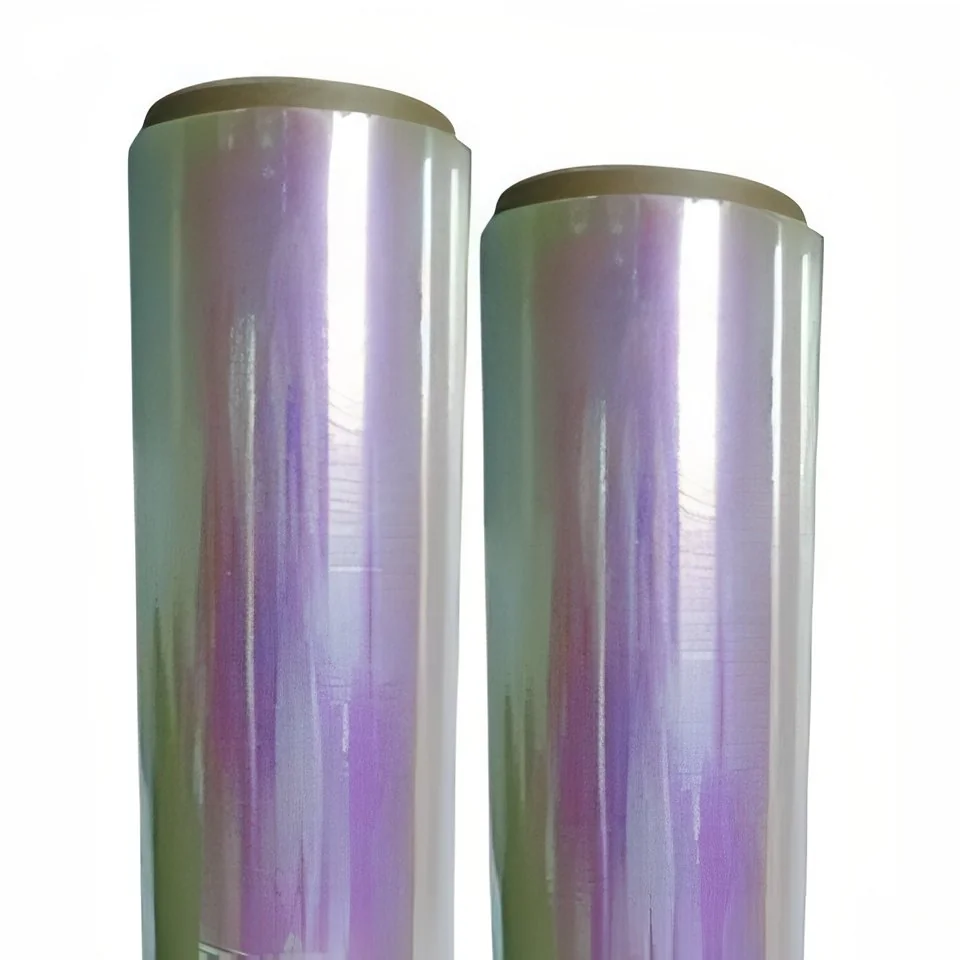
What are Light Diffusing Films?
Light diffusing films are specialized materials designed to scatter and distribute light evenly across a surface. They are typically made from polymer resins that possess unique optical properties. These films play a crucial role in controlling glare and enhancing the quality of light in various applications. By modifying the direction and intensity of light, they help create a more comfortable and visually appealing environment.
The primary uses of light diffusing films span multiple industries, including lighting, display technology, and architectural design. In lighting applications, these films are often employed in LED fixtures to soften the harsh light emitted by diodes. In display technology, they enhance the visibility and color uniformity of screens, making them ideal for use in televisions and monitors. In architectural design, light diffusing films are used in windows and skylights to create a pleasant ambiance while maintaining privacy.
The relevance of light diffusing films in today’s market cannot be overstated. With the growing emphasis on energy efficiency and sustainable design, these films are becoming increasingly essential. They align with current trends in environmental design and energy conservation, making them a valuable asset for businesses looking to innovate and improve their offerings.
Key Features and Specifications
Light diffusing films come with a variety of features that make them suitable for diverse applications. Their specifications can significantly impact performance and usability. Understanding these specifications is crucial for businesses when selecting the appropriate film for their needs.
Key specifications include:
1. Optical Clarity
- High transmission of light while diffusing it evenly
- Typically ranges from 70% to 90% light transmission
2. Thickness
- Varies based on application requirements
- Common thickness options include 50 microns to 200 microns
3. Diffusion Angle
- The angle at which light is diffused
- Common angles range from 120 to 180 degrees
4. Surface Finish
- Options include matte or gloss finishes
- Each finish affects light distribution and aesthetic appeal
5. Temperature Resistance
- Ability to withstand varying temperatures
- Generally effective in temperatures ranging from -20 to 70 degrees Celsius
6. UV Resistance
- Protection against ultraviolet light degradation
- UV-stabilized options available for outdoor applications
7. Adhesive Options
- Available with self-adhesive backing for easy application
- Non-adhesive options for alternative mounting methods
8. Customization
- Capability to produce bespoke sizes and features
- Tailored solutions for specific industry needs
Light diffusing films are designed to meet various industry needs while ensuring optimal performance and durability.
Common Applications and Use Cases
Light diffusing films have versatile applications across multiple sectors, providing solutions tailored to specific needs.
1. Lighting Industry: These films are frequently used in LED lighting to soften light output, reduce glare, and enhance aesthetic appeal in residential and commercial settings.
2. Display Technology: In screens and monitors, light diffusing films improve light uniformity and color accuracy, making them essential for televisions, computer displays, and smartphones.
3. Architectural Design: Used in windows and partition walls, these films allow natural light to filter through while ensuring privacy and reducing harsh glare.
4. Automotive Industry: Light diffusing films are applied in vehicle interiors and headlights to create a more comfortable driving experience and improve safety.
5. Medical Devices: In certain medical equipment, these films help diffuse light for better visibility during procedures while protecting sensitive components from direct light exposure.
6. Advertising: Used in illuminated signage and displays, these films enhance visibility and attract attention, making them effective for marketing campaigns.
7. Retail Displays: In retail environments, light diffusing films are employed to create eye-catching product displays that highlight merchandise without overwhelming customers.
Product Variants and Subcategories
Light diffusing films are available in various forms, catering to the diverse needs of different applications. The product diversity ensures that businesses can find the right film for their specific requirements.
Standard Light Diffusing Film
This variant provides excellent light diffusion while maintaining high optical clarity. It is suitable for a wide range of applications, from lighting fixtures to display technology.
High-Temperature Light Diffusing Film
Designed to withstand elevated temperatures, this variant is ideal for industrial settings where heat exposure is a concern. It maintains performance and integrity even under extreme conditions.
UV-Stabilized Light Diffusing Film
This film is specifically engineered to resist degradation from UV exposure, making it perfect for outdoor applications where sunlight is a factor. It ensures longevity and consistent performance.
Adhesive Light Diffusing Film
Featuring a self-adhesive backing, this variant allows for easy installation on various surfaces, making it user-friendly for both commercial and personal projects.
Benefits and Advantages
Light diffusing films offer several advantages that can significantly enhance the performance and aesthetics of various applications.
Key benefits include:
1. Improved Light Quality: These films enhance light distribution, creating a more pleasant and comfortable environment.
2. Glare Reduction: By diffusing harsh light, they minimize glare, which is especially beneficial in workspaces and consumer electronics.
3. Energy Efficiency: Enhanced light diffusion can lead to lower energy consumption in lighting applications, supporting sustainability goals.
4. Aesthetic Appeal: Light diffusing films can improve the visual quality of products, making them more attractive to consumers.
5. Versatility: Their diverse applications across multiple industries allow businesses to integrate them into various products and solutions.
6. Customization: The ability to tailor specifications ensures that businesses can meet their specific needs and requirements.
Buying Guide for B2B Buyers
When sourcing light diffusing films, several critical factors should be considered to ensure the right choice is made.
1. Quality Assessment: Evaluate the optical clarity, diffusion angle, and material durability. High-quality films are essential for achieving desired performance.
2. Supplier Verification: Vet potential suppliers to ensure they have a track record of reliability and quality. Look for certifications and positive reviews from previous customers.
3. Pricing and MOQ: Understand pricing structures and minimum order quantities. This can vary significantly between suppliers and should align with your budget and needs.
4. Delivery and Lead Times: Assess the supplier's ability to meet your delivery expectations. Timely delivery is crucial for maintaining project schedules.
5. Compliance Requirements: Ensure the films meet relevant industry standards and regulations. This may include safety certifications and environmental compliance.
Compliance and Certifications
Light diffusing films must adhere to specific quality standards and certifications to ensure safety and performance in various applications. Key standards include ISO 9001, which ensures quality management systems are in place. Certifications like CE signify that products meet European safety and health requirements.
Additionally, safety and testing requirements are crucial, ensuring that the films perform effectively without posing risks to users. Regional compliance considerations might vary based on the geographical market, and it is essential for suppliers to be aware of these standards to maintain compliance and avoid penalties.
Why Source Light Diffusing Films from Pepagora?
Pepagora provides a trusted platform for sourcing light diffusing films, offering several key advantages to businesses in need of high-quality materials.
Verified Supplier Network: Pepagora connects buyers with a network of verified suppliers, ensuring that businesses can source materials from reputable manufacturers. This reduces the risk associated with procurement.
Streamlined RFQ Process: The quotation process is designed to be straightforward, allowing businesses to request quotes from multiple suppliers quickly. This efficiency saves time and helps buyers make informed decisions.
Trade Assurance and Support: Pepagora offers buyer protection through its trade assurance program, ensuring that transactions are secure and that buyers receive the products as described.
Regional Coverage: With a presence in India, the GCC, and Southeast Asia, Pepagora provides comprehensive regional coverage, making it easier for businesses to source light diffusing films across different markets. This broad reach helps buyers find suitable suppliers tailored to their specific needs.

Frequently Asked Questions
What are Light Diffusing Films?
Light Diffusing Films are specialized materials designed to scatter light, creating a softer and more uniform illumination. They are commonly used in various applications, including lighting fixtures, displays, and architectural designs, to enhance visual comfort and reduce glare.
What are the different types of Light Diffusing Films?
There are several types of Light Diffusing Films, including micro-structured films, matte films, and holographic films. Each type has unique properties suited for specific applications, such as improving light distribution, reducing hotspots, or enhancing color rendering.
How do I choose the right Light Diffusing Films?
Choosing the right Light Diffusing Films involves considering factors such as the intended application, desired light quality, and the specific optical properties required. It is also important to evaluate the film's compatibility with existing lighting systems and other materials.
What are the standard specifications for Light Diffusing Films?
Standard specifications for Light Diffusing Films typically include thickness, light transmittance, diffusion angle, and color characteristics. Manufacturers may also provide information on durability, temperature resistance, and compatibility with adhesives.
What is the price range for Light Diffusing Films?
The price range for Light Diffusing Films can vary widely based on factors such as material type, thickness, and manufacturer. Generally, prices may range from a few hundred to several thousand Indian Rupees per square meter, depending on the specifications and quality.
What quality standards apply to Light Diffusing Films?
Quality standards for Light Diffusing Films may include compliance with ISO certifications, ASTM standards, and specific industry regulations. Manufacturers often test their products for optical performance, durability, and safety to ensure they meet these standards.
Where can I find Light Diffusing Films suppliers in India?
Light Diffusing Films suppliers in India can be found through B2B marketplaces, trade shows, and industry directories. Online platforms like Pepagora.com offer a comprehensive list of manufacturers and suppliers, allowing you to compare products and request quotes.
Can Light Diffusing Films be customized?
Yes, many manufacturers offer customization options for Light Diffusing Films, including specific dimensions, thicknesses, and optical properties. Customization can help meet unique project requirements and enhance the performance of the films in specific applications.
What is the typical minimum order quantity for Light Diffusing Films?
The typical minimum order quantity (MOQ) for Light Diffusing Films varies by supplier and product specifications. Generally, MOQs can range from 50 to 100 square meters, although some manufacturers may accommodate smaller orders for specific applications.
What is the typical lead time for Light Diffusing Films?
The typical lead time for Light Diffusing Films can range from 1 to 4 weeks, depending on the supplier, order size, and customization requirements. It is advisable to confirm the lead time with the supplier before placing an order to ensure timely delivery.
Why Businesses Trust Pepagora
Thousands of companies trust Pepagora to source smarter and sell faster
Expand Your Sales Globally

Source Smarter,Grow Faster
