
 IN
Retractable Roof Greenhouses
3 products available
What are Retractable Roof Greenhouses?
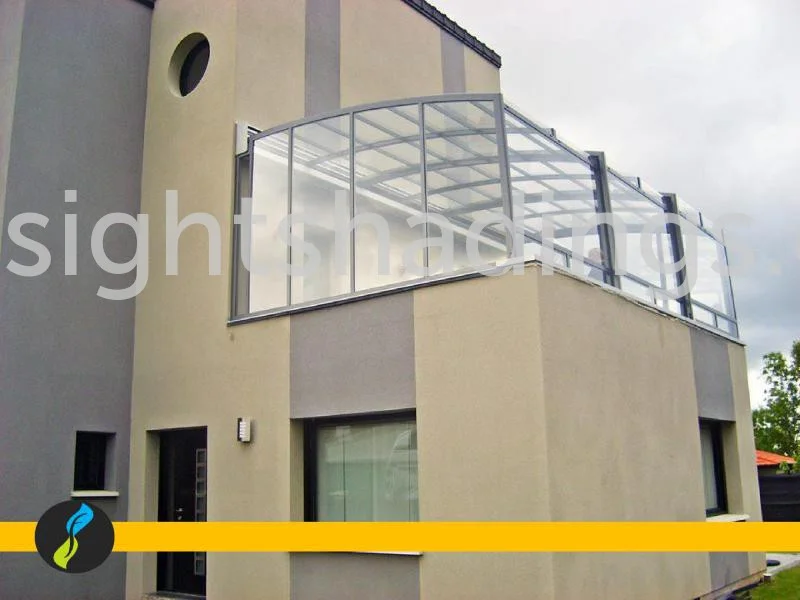
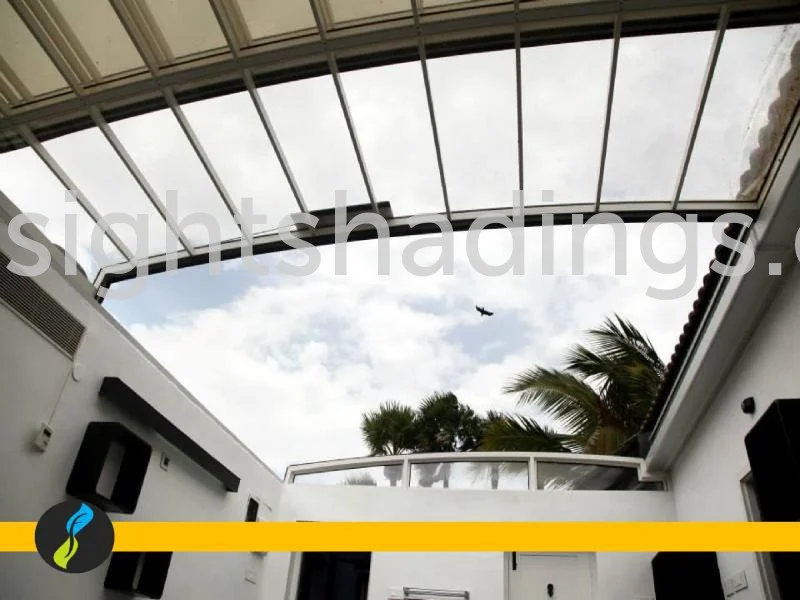
Retractable roof greenhouses are innovative structures designed to optimize plant growth by allowing for adjustable sunlight exposure and ventilation. These greenhouses feature a roof that can be mechanically or manually retracted, providing flexibility in managing environmental conditions. This design helps in controlling temperature, humidity, and light intensity, which are critical factors for plant health.
These greenhouses are widely used in commercial agriculture, horticulture, and research environments where precise control over growing conditions is necessary. They are particularly beneficial for growing sensitive plants that require specific light levels or for regions with variable weather patterns. The ability to open or close the roof can enhance crop yields and reduce energy costs associated with heating and cooling.
As sustainability and efficient resource management become more prominent in agriculture, retractable roof greenhouses are gaining traction in the market. They present a modern solution for growers looking to maximize production while minimizing environmental impact, positioning them as a relevant choice in the evolving agricultural landscape.
Key Features and Specifications
Retractable roof greenhouses come equipped with several key features that enhance their functionality and adaptability. These features cater to various agricultural needs and ensure optimal growing conditions.
Key specifications include:
1. Roof Mechanism
- The roof can be operated manually or automatically.
- Mechanisms include electric motors or hydraulic systems.
2. Structure Material
- Typically constructed from aluminum or galvanized steel for durability.
- Offers resistance to corrosion and extreme weather.
3. Glazing Options
- Available with various glazing materials such as polycarbonate, glass, or polyethylene.
- Each material offers different levels of insulation and light transmission.
4. Ventilation System
- Includes side vents and roof openings for air circulation.
- Helps in regulating temperature and humidity levels.
5. Size Variability
- Available in multiple sizes to fit different agricultural needs.
- Custom sizes can often be requested based on specific requirements.
6. Environmental Controls
- Equipped with sensors for monitoring temperature and humidity.
- Can integrate with automated systems for optimal climate control.
7. Energy Efficiency
- Designed to maximize natural light and reduce energy consumption.
- Some models include features for heat retention.
8. Safety Standards
- Complies with relevant safety and quality standards.
- Ensures durability and longevity under various operational conditions.
In summary, retractable roof greenhouses offer a range of features that enhance their usability for diverse agricultural applications, making them a valuable investment for growers.
Common Applications and Use Cases
Retractable roof greenhouses are versatile structures that find applications across various industries.
1. Commercial Agriculture: These greenhouses are used for growing fruits and vegetables, allowing for controlled environments that enhance growth rates and yields.
2. Horticulture: Floriculture businesses utilize retractable roof greenhouses to manage light exposure and temperature for delicate flowers, ensuring optimal blooming conditions.
3. Research Facilities: Academic and research institutions employ these greenhouses for experiments involving plant growth under varying environmental conditions.
4. Landscape Nurseries: Nurseries use retractable roof systems to protect seedlings and young plants from harsh weather while ensuring proper ventilation.
5. Aquaponics and Hydroponics: These systems benefit from the flexible climate control offered by retractable roofs, optimizing conditions for both plants and aquatic life.
6. Botanical Gardens: Botanical gardens utilize retractable roof greenhouses to create diverse microclimates for various plant species, enhancing biodiversity.
7. Educational Institutions: Schools and colleges integrate these greenhouses into their curriculum for teaching students about plant biology and sustainable agriculture practices.
Product Variants and Subcategories
Retractable roof greenhouses come in diverse variants to cater to specific agricultural needs. Each variant offers unique features and applications.
Compact Variant
This variant is designed for small-scale operations, such as urban gardening or home use. It provides essential features in a limited space, making it ideal for smaller growers.
Commercial Variant
Larger and more robust, this variant is suitable for extensive agricultural operations. It offers advanced environmental controls and larger capacity for growing a wide array of crops.
Climate-Controlled Variant
Equipped with sophisticated technology for precise climate management, this variant is perfect for growers focusing on high-value crops that require strict environmental conditions.
Benefits and Advantages
Retractable roof greenhouses provide numerous benefits to commercial growers and horticulturists.
1. Improved Crop Yields: The ability to control sunlight and ventilation enhances plant growth, leading to higher yields.
2. Energy Savings: By utilizing natural light and optimizing climate conditions, these greenhouses reduce energy costs related to heating and cooling.
3. Flexibility in Operations: Growers can adjust the greenhouse environment as needed, allowing for year-round cultivation regardless of external weather conditions.
4. Enhanced Pest Control: The controlled environment can help minimize pest infestations and reduce the need for chemical treatments.
5. Sustainability: These greenhouses promote sustainable practices by maximizing resource efficiency and reducing environmental impact.
6. Increased Market Opportunities: The ability to grow a wider variety of crops in controlled conditions opens up new market possibilities for growers.
Buying Guide for B2B Buyers
When sourcing retractable roof greenhouses, B2B buyers should consider several crucial factors.
1. Quality Assessment: Evaluate the materials and construction of the greenhouse. Look for durability and resistance to environmental factors, ensuring long-term performance.
2. Supplier Verification: Research and vet suppliers thoroughly. Check references, certifications, and customer reviews to ensure reliability and product quality.
3. Pricing and MOQ: Consider the pricing structure and minimum order quantities. Compare quotes from different suppliers to find competitive rates while maintaining quality standards.
4. Delivery and Lead Times: Confirm the supplier's delivery capabilities and lead times. Timely delivery is essential for aligning with planting schedules.
5. Compliance Requirements: Ensure that the greenhouse meets local regulatory standards and certifications, such as CE certification, to avoid legal issues.
Compliance and Certifications
Retractable roof greenhouses must adhere to various compliance and certification standards to ensure safety and quality in operation.
Relevant quality standards include ISO 9001, ensuring that manufacturers maintain high-quality management systems. This certification reflects a commitment to customer satisfaction and continuous improvement in production processes.
Additionally, compliance with HACCP (Hazard Analysis Critical Control Point) and GDP (Good Distribution Practice) standards is critical for producers of food-related crops. These standards help ensure that plants are grown in safe, controlled environments.
Furthermore, the CE certification indicates that the greenhouse meets European health, safety, and environmental protection standards. This certification is essential for ensuring that products are safe for consumers and the environment.
Regional compliance considerations may vary, so it is important for buyers to be aware of specific regulations in their geographical area. This knowledge helps ensure that the retractable roof greenhouse is compliant with local laws and standards.
Why Source Retractable Roof Greenhouses from Pepagora?
Pepagora provides a trusted platform for sourcing retractable roof greenhouses, offering several key advantages for B2B buyers.
Verified Supplier Network: Pepagora features a network of verified suppliers, ensuring that buyers can connect with reputable manufacturers who adhere to quality and safety standards. This reduces the risks associated with sourcing products from unknown suppliers.
Streamlined RFQ Process: The Request for Quotation process on Pepagora is user-friendly, allowing buyers to easily request quotes from multiple suppliers. This efficiency saves time and facilitates better price comparisons.
Trade Assurance and Support: Pepagora offers trade assurance, protecting buyers from potential risks associated with transactions. This support ensures that buyers can engage with confidence and receive the products as promised.
Regional Coverage: With a strong presence in India, the GCC, and Southeast Asia, Pepagora provides extensive regional coverage. This allows buyers from various markets to access high-quality retractable roof greenhouses tailored to their specific needs.
In summary, Pepagora is a reliable platform for sourcing retractable roof greenhouses, providing buyers with verified suppliers, efficient processes, and valuable support for successful purchasing decisions.

Frequently Asked Questions
What are Retractable Roof Greenhouses?
Retractable Roof Greenhouses are specially designed structures that allow the roof to be opened or closed, enabling optimal control of sunlight, temperature, and humidity. This feature enhances the growing conditions for plants, making them ideal for various agricultural applications.
What are the different types of Retractable Roof Greenhouses?
There are several types of Retractable Roof Greenhouses, including manual and automatic systems. Manual systems require manual operation to open and close the roof, while automatic systems utilize sensors and motors for more convenient operation.
How do I choose the right Retractable Roof Greenhouses?
Choosing the right Retractable Roof Greenhouse involves considering factors like size, material, climate conditions, and intended use. It is also important to evaluate the features and functionalities that best meet your agricultural needs.
What are the standard specifications for Retractable Roof Greenhouses?
Standard specifications for Retractable Roof Greenhouses typically include dimensions, frame material (such as aluminum or steel), covering material (like polycarbonate or glass), and ventilation options. Additional features may also be specified based on user requirements.
What is the price range for Retractable Roof Greenhouses?
The price range for Retractable Roof Greenhouses can vary significantly based on size, materials, and features, typically ranging from INR 50,000 to several lakhs. It is advisable to compare different suppliers to find a suitable option within your budget.
What quality standards apply to Retractable Roof Greenhouses?
Retractable Roof Greenhouses should adhere to quality standards such as durability, weather resistance, and safety. Certifications from relevant agricultural and construction authorities may also apply, ensuring that the greenhouse meets industry standards.
Where can I find Retractable Roof Greenhouses suppliers in India?
You can find Retractable Roof Greenhouses suppliers in India through B2B marketplaces like Pepagora, agricultural expos, and industry trade shows. Online directories and local agricultural supply stores may also provide leads to reliable manufacturers.
Can Retractable Roof Greenhouses be customized?
Yes, Retractable Roof Greenhouses can often be customized to meet specific requirements, such as size, design, and additional features. Discussing customization options with suppliers can help tailor the greenhouse to your particular needs.
What is the typical minimum order quantity for Retractable Roof Greenhouses?
The typical minimum order quantity (MOQ) for Retractable Roof Greenhouses varies by supplier but often starts at one unit for standard models. Larger orders may qualify for bulk pricing or additional customization options.
What is the typical lead time for Retractable Roof Greenhouses?
The typical lead time for Retractable Roof Greenhouses can range from a few weeks to several months, depending on the complexity of the order and supplier capacity. It is advisable to confirm lead times with suppliers when placing an order.
Why Businesses Trust Pepagora
Thousands of companies trust Pepagora to source smarter and sell faster
Expand Your Sales Globally

Source Smarter,Grow Faster
