What are Planter Pots for Greenhouse Crops?
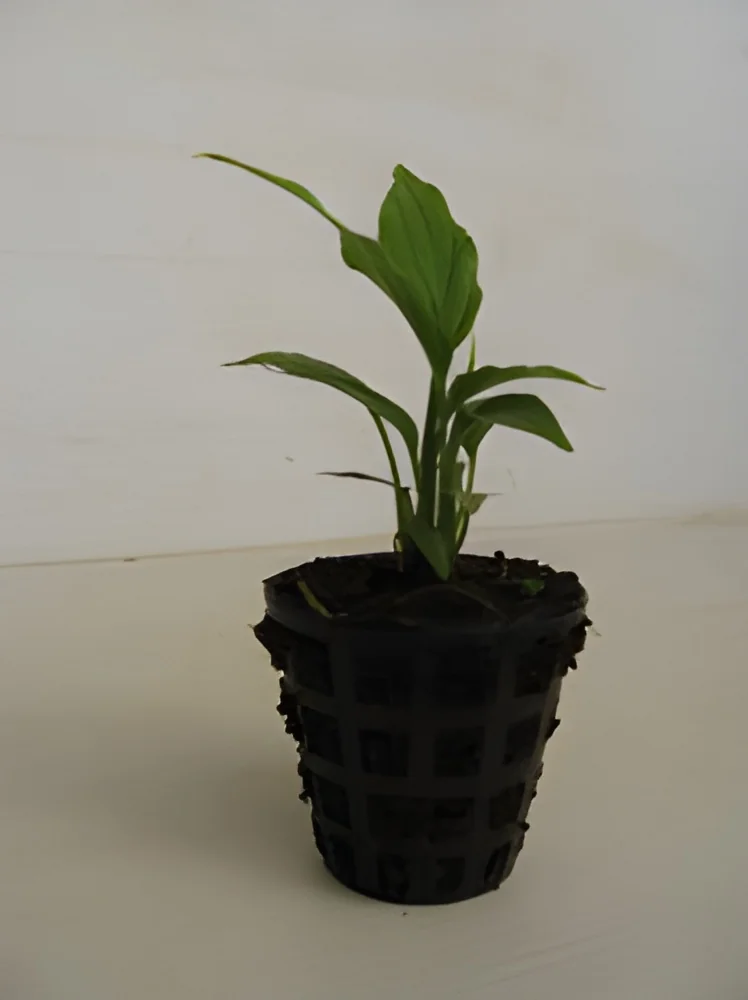
Planter pots for greenhouse crops are specialized containers designed to support the growth of plants in a controlled environment. These pots are typically made from durable materials that can withstand varying conditions within a greenhouse, such as temperature fluctuations and high humidity levels. They come in various sizes and shapes, tailored to accommodate different plant species and growth stages. The primary function of these pots is to provide a stable growing medium while facilitating proper drainage and aeration.
In a business context, planter pots are essential for nurseries, commercial greenhouses, and agricultural operations focusing on horticulture. They allow for efficient space utilization and help in managing plant health by providing optimal growing conditions. The market for planter pots is continually evolving, driven by advancements in materials and design, as well as increasing demand for sustainable agricultural practices. This relevance highlights the importance of selecting the right planter pots to enhance crop yield and maintain overall plant health.
Key Features and Specifications
Planter pots for greenhouse crops come with several key features that cater to the needs of growers. These features ensure that the pots provide optimal conditions for plant growth while being durable and efficient.
Key specifications include:
1. Material Composition
- Made from high-quality plastic or biodegradable materials
- Designed for durability and resistance to UV light
2. Size Options
- Available in various sizes ranging from small seedling pots to large containers
- Custom sizes can often be accommodated based on specific needs
3. Drainage Design
- Equipped with drainage holes to prevent waterlogging
- Some models feature integrated drainage trays
4. Lightweight Construction
- Easy to handle and transport
- Reduces labor costs associated with planting and maintenance
5. Reusability
- Many pots are designed for multiple planting cycles
- Contributes to cost savings and sustainability
6. Airflow Enhancement
- Designed to allow air circulation around the roots
- Promotes healthier root development
7. Compatibility with Automation
- Some pots are designed to work with automated irrigation systems
- Enhances efficiency in watering and nutrient delivery
In summary, these specifications highlight the importance of selecting high-quality planter pots to ensure optimal plant growth and operational efficiency in greenhouse settings.
Common Applications and Use Cases
Planter pots for greenhouse crops find application across various industries, each utilizing their unique features for specific purposes.
1. Horticulture: In horticulture, these pots are used for growing a wide variety of plants, including flowers, vegetables, and herbs, allowing for efficient space management and healthy growth.
2. Commercial Agriculture: Farmers use planter pots to start seedlings or grow crops in controlled environments, helping to maximize yield and manage crop cycles effectively.
3. Landscaping: Landscape professionals utilize these pots for growing plants in nurseries, making it easier to transport and install greenery in residential or commercial settings.
4. Research Institutions: Academic and research institutions leverage planter pots for experiments involving plant breeding, genetic studies, and the impact of different growth conditions.
5. Urban Gardening: With the rise of urban gardening, these pots are ideal for limited spaces, allowing city dwellers to cultivate their own produce in small areas.
6. Hydroponics: In hydroponic systems, specialized planter pots are used to hold plants while nutrient-rich water is circulated, promoting growth without soil.
7. Retail Nurseries: Retail outlets use these pots to display and sell various plants, making them an essential part of their inventory.
Product Variants and Subcategories
There is a wide variety of planter pots available for greenhouse crops, each designed to meet specific agricultural needs.
Standard Plastic Pots
These are the most common type of planter pots, known for their durability and lightweight nature. They are available in multiple sizes, making them suitable for various plant types.
Biodegradable Pots
Made from organic materials, these pots break down over time and are environmentally friendly. They are ideal for growers looking to reduce plastic waste.
Hanging Pots
These pots are designed for vertical gardening and are perfect for trailing plants. They save space while enhancing the aesthetic appeal of greenhouses.
Self-Watering Pots
These pots come with an integrated reservoir that allows plants to absorb water gradually, ensuring consistent moisture levels and reducing maintenance efforts.
Benefits and Advantages
Investing in planter pots for greenhouse crops offers several advantages that can significantly enhance agricultural productivity.
Key benefits include:
1. Improved Plant Health: Planter pots provide optimal drainage and aeration, which contribute to healthier root systems and overall plant vitality.
2. Space Efficiency: Their design allows for better space utilization, enabling growers to maximize plant density without compromising growth.
3. Cost-Effectiveness: Durable materials lead to longer product life, reducing the frequency of replacement and lowering overall costs.
4. Versatility: Available in various sizes and types, these pots can accommodate different plant species and growth stages, making them suitable for diverse agricultural needs.
5. Environmental Sustainability: Biodegradable options promote eco-friendly practices, appealing to environmentally conscious consumers and businesses.
6. Enhanced Management: The ability to automate watering and nutrient delivery systems leads to better resource management and labor efficiency.
Buying Guide for B2B Buyers
When sourcing planter pots for greenhouse crops, it is essential for buyers to consider several key factors to ensure they make informed decisions.
1. Quality Assessment: Evaluate the material quality and durability of the pots. Look for products that withstand greenhouse conditions and offer longevity.
2. Supplier Verification: Conduct thorough due diligence on suppliers. Check their reputation, past performance, and certifications to ensure they meet industry standards.
3. Pricing and MOQ: Understand the pricing structure and minimum order quantities (MOQ). Compare costs across different suppliers to find the best deal without compromising quality.
4. Delivery and Lead Times: Assess logistics capabilities, including delivery times and shipping methods, to ensure timely arrival of products.
5. Compliance Requirements: Be aware of any local or international regulations regarding materials used in planter pots. Ensure that products comply with relevant standards and certifications.
Compliance and Certifications
Compliance and certifications are crucial aspects of sourcing planter pots for greenhouse crops. Adhering to relevant quality standards ensures that products are safe and effective.
ISO 9001 is a widely recognized standard that focuses on quality management systems. Manufacturers of planter pots should strive for this certification to demonstrate their commitment to quality and continuous improvement.
HACCP (Hazard Analysis Critical Control Point) is vital for ensuring that products are safe for agricultural use. This standard helps identify potential hazards in the production process and implement measures to mitigate risks.
CE marking indicates that products meet European safety and environmental protection requirements. It is essential for suppliers targeting markets in Europe to have this certification.
Safety and testing requirements should also be considered to ensure that planter pots do not leach harmful substances into the soil or plants. Regional compliance considerations may vary, so it is important to understand local regulations.
Why Source Planter Pots for Greenhouse Crops from Pepagora?
Pepagora offers a reliable platform for sourcing planter pots for greenhouse crops, providing multiple advantages for B2B buyers.
Verified Supplier Network: Pepagora boasts a network of verified suppliers, ensuring that buyers can trust the quality and reliability of the products they source.
Streamlined RFQ Process: The request for quotation (RFQ) process is designed to be user-friendly, allowing buyers to easily compare options and receive competitive pricing from multiple suppliers.
Trade Assurance and Support: Pepagora offers buyer protection through trade assurance, ensuring that transactions are secure and that buyers receive the products they expect.
Regional Coverage: With a strong presence in India, the GCC, and Southeast Asia, Pepagora caters to a broad geographic market, making it easy for buyers to source products locally while benefiting from competitive pricing.

 IN
IN