What are Custom Greenhouse Design?
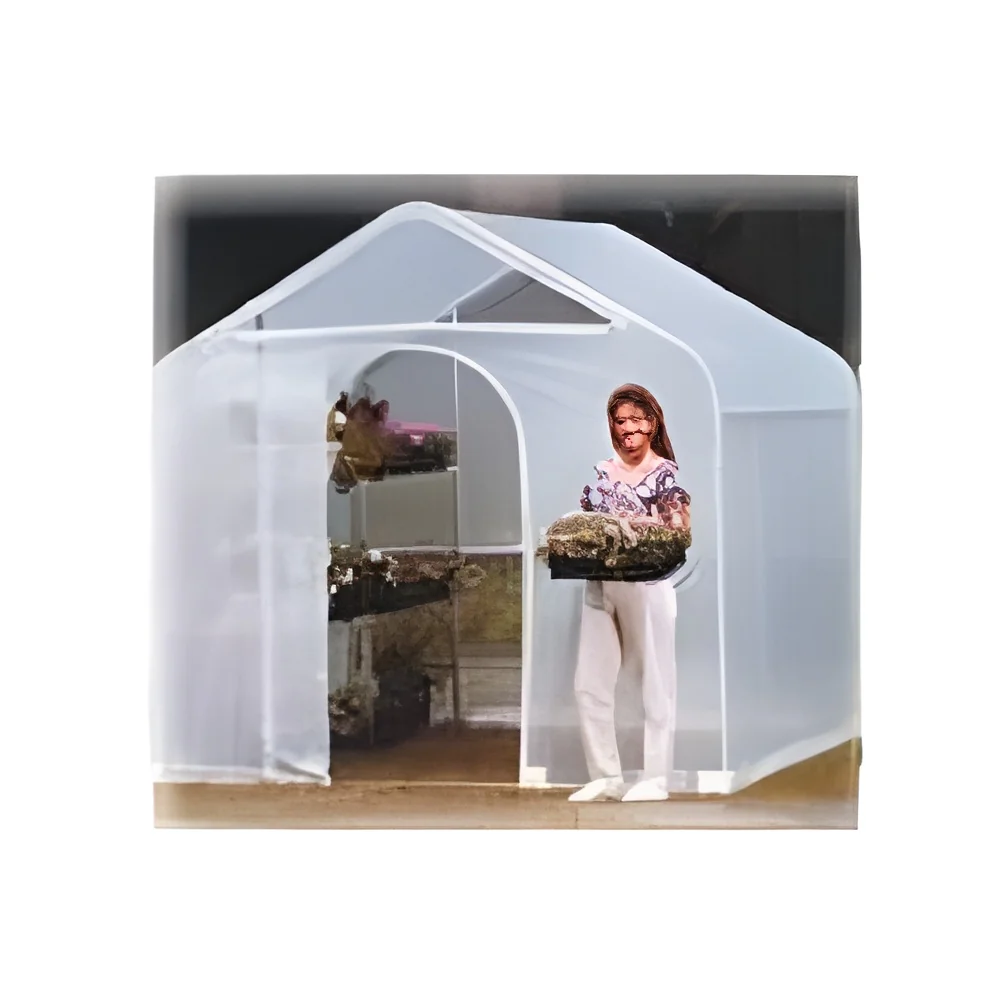
Custom greenhouse design refers to the tailored construction and planning of greenhouse structures to meet specific agricultural or horticultural needs. These designs take into account various factors such as plant types, climate conditions, space requirements, and operational workflows. Custom greenhouses can range from small-scale setups for personal use to large commercial facilities designed for extensive crop production.
The primary uses of custom greenhouses span across various sectors, including agriculture, research, and urban gardening. Businesses utilize these greenhouses to optimize plant growth by controlling environmental factors like temperature, humidity, and light exposure. This level of customization allows for year-round production, improved crop yields, and the capability to grow a wider variety of plants. In the context of market relevance, the demand for custom greenhouses is growing, driven by the increasing interest in sustainable agriculture and the need for efficient food production systems.
Key Features and Specifications
Custom greenhouse designs offer a variety of features tailored to meet unique needs. Understanding these specifications is essential for businesses looking to invest in greenhouse solutions.
Key specifications include:
1. Construction Materials
- Options include aluminum, steel, and polycarbonate.
- Each material offers different benefits in terms of durability and insulation.
2. Size and Dimensions
- Greenhouses can be customized in size to fit specific land areas.
- Common dimensions range from small hobby greenhouses to expansive commercial units.
3. Ventilation Systems
- Options include manual and automatic ventilation.
- Systems are designed to maintain optimal airflow and temperature control.
4. Lighting Systems
- Incorporates natural and artificial lighting solutions.
- LED grow lights can be integrated for enhanced plant growth.
5. Irrigation Systems
- Choices include drip irrigation and misting systems.
- Efficient water management is crucial for plant health and sustainability.
6. Climate Control Features
- Includes heating, cooling, and humidity control systems.
- Essential for maintaining ideal growing conditions year-round.
7. Automation Options
- Automated systems for monitoring and controlling environmental factors.
- Enhances efficiency and reduces labor costs.
8. Accessibility Features
- Customized layouts for ease of access and operation.
- Includes pathways, doors, and other structural elements.
In summary, understanding the key features and specifications of custom greenhouse designs helps businesses make informed decisions that align with their operational goals.
Common Applications and Use Cases
Custom greenhouses are utilized across various industries, showcasing their versatility and adaptability.
1. Agriculture: Farmers use custom greenhouses for growing vegetables, fruits, and flowers, allowing for controlled environments that enhance yield and quality.
2. Research Institutions: Universities and research facilities employ greenhouses to conduct experiments on plant growth and environmental impacts, supporting agricultural advancements.
3. Horticulture: Nurseries and landscape companies utilize greenhouses to propagate plants and maintain stock for landscaping projects, ensuring healthy and robust plants.
4. Urban Farming: City dwellers use custom greenhouses for urban agriculture, promoting local food production and sustainability in limited spaces.
5. Education: Schools and educational institutions incorporate greenhouses into their curricula to teach students about plant biology and sustainable practices.
6. Floriculture: Flower growers rely on custom greenhouses to cultivate blooms year-round, meeting market demand for fresh flowers.
7. Aquaponics: Some businesses integrate greenhouses with aquaponics systems, creating a symbiotic environment for growing fish and plants together.
Product Variants and Subcategories
Custom greenhouse design offers a range of variants tailored to different needs and applications.
Traditional Glass Greenhouse
This variant features a classic design using glass panels, providing excellent light transmission. It is ideal for serious horticulturists who prioritize aesthetics and plant growth.
Polycarbonate Greenhouse
Constructed with polycarbonate panels, this variant offers superior insulation and durability. It is suitable for regions with extreme weather conditions, ensuring a stable environment for plants.
High Tunnel Greenhouse
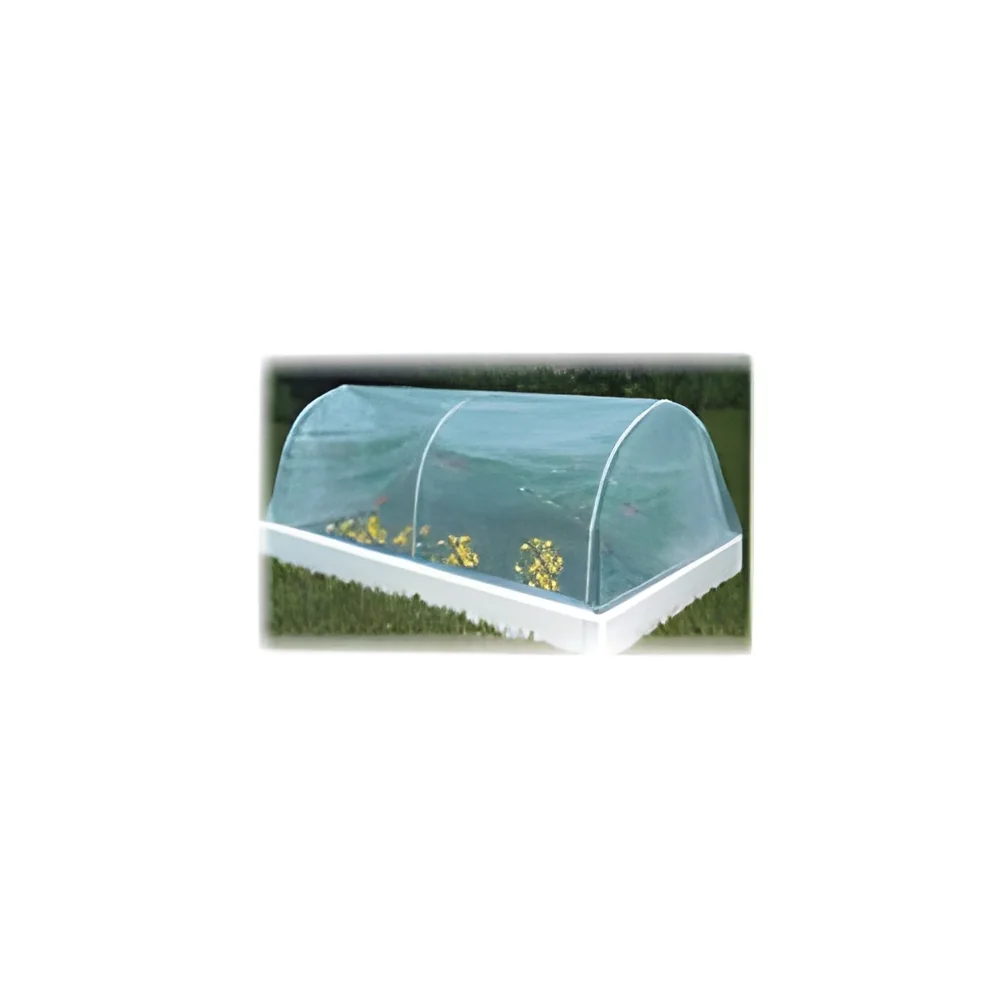
This variant is a low-cost solution that utilizes a hoop structure covered with plastic sheeting. It is popular among small-scale farmers and hobbyists for extending growing seasons.
Shade House
Designed primarily to reduce sunlight exposure, this variant is ideal for plants that require indirect light. It is commonly used in nurseries and for specialty crops.
Benefits and Advantages
Investing in custom greenhouse design provides numerous benefits for businesses.
1. Enhanced Crop Yields: Custom greenhouses allow for optimized growth conditions, resulting in higher crop production and quality.
2. Year-Round Production: Controlled environments enable growers to produce crops throughout the year, regardless of external weather conditions.
3. Water Efficiency: Advanced irrigation systems reduce water waste, promoting sustainable practices in agriculture.
4. Pest and Disease Control: Enclosed structures help minimize exposure to pests and diseases, reducing the need for chemical treatments.
5. Customization Options: Tailored designs ensure that the greenhouse meets specific operational needs, maximizing efficiency and productivity.
6. Increased Market Reach: With the ability to grow diverse crops, businesses can expand their market offerings and cater to various customer demands.
Buying Guide for B2B Buyers
When sourcing custom greenhouse design, several factors must be considered to ensure a successful investment.
1. Quality Assessment: Evaluate the materials and construction methods used in the greenhouse design. High-quality materials will ensure durability and longevity.
2. Supplier Verification: Research potential suppliers to verify their credibility. Check for reviews, past projects, and industry reputation to ensure reliable partnerships.
3. Pricing and MOQ: Understand the pricing structures and minimum order quantities (MOQ) required by suppliers. This will help in budgeting and planning for future expansions.
4. Delivery and Lead Times: Inquire about the estimated delivery times and logistics involved in transporting the greenhouse to your location. Timely delivery is crucial for project planning.
5. Compliance Requirements: Ensure that the greenhouse design meets any local or regional regulatory requirements. This includes building codes, safety standards, and environmental regulations.
Compliance and Certifications
Compliance and certifications play a significant role in the custom greenhouse design industry.
Many greenhouse manufacturers adhere to relevant quality standards such as ISO 9001, which ensures consistent quality management and production processes. Additionally, certifications like CE indicate that the products meet European safety and environmental standards.
Safety requirements also include testing for structural integrity and durability to withstand environmental stresses. Manufacturers must consider regional compliance regulations, which may vary based on location.
Ensuring that custom greenhouse designs meet these standards is essential for maintaining quality and safety in agricultural practices.
Why Source Custom Greenhouse Design from Pepagora?
Pepagora provides a trusted platform for sourcing custom greenhouse design, offering several key advantages to businesses.
Verified Supplier Network: Pepagora connects buyers with a network of verified suppliers, ensuring that each supplier meets industry standards for quality and reliability. This verification process helps mitigate risks associated with sourcing.
Streamlined RFQ Process: The request for quotation (RFQ) process on Pepagora is efficient and user-friendly. Buyers can easily submit their requirements and receive competitive quotes from multiple suppliers, saving time and effort.
Trade Assurance and Support: Pepagora offers trade assurance measures that protect buyers’ investments. This includes support for resolving disputes and ensuring that products meet specified standards.
Regional Coverage: With a wide geographic reach across India, the GCC, and Southeast Asia, Pepagora connects buyers with suppliers in key markets. This regional coverage facilitates access to diverse greenhouse solutions tailored to local needs.

 IN
IN