What are Trellis & Crop Support Systems?
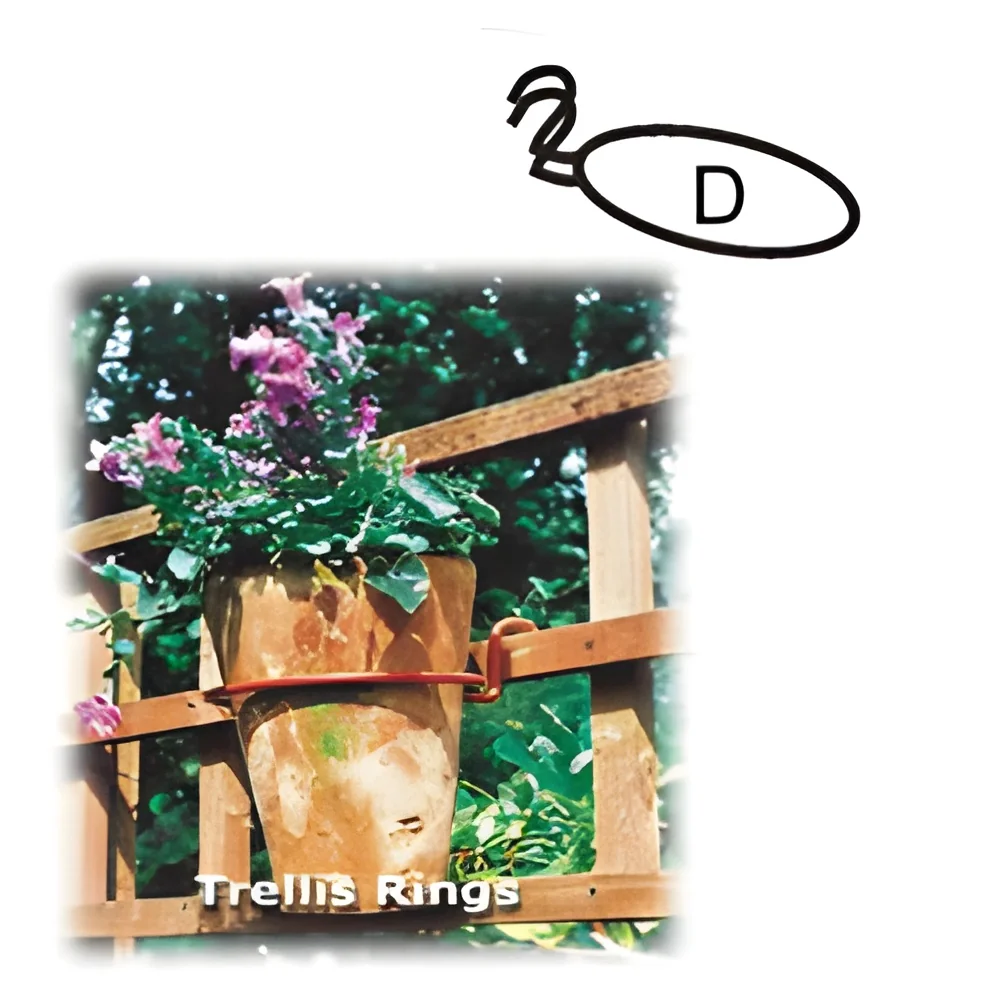
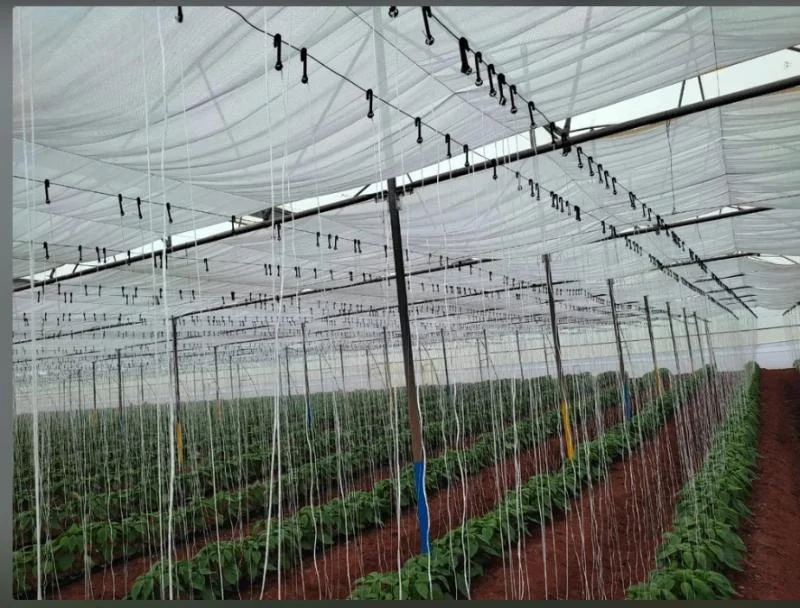
Trellis and crop support systems are designed to provide structural support for climbing plants and crops in various agricultural settings. These systems are typically constructed using materials such as metal, wood, or plastic and are designed to elevate plants off the ground, allowing for better air circulation, sunlight exposure, and moisture control. They serve as a means to train plants in a controlled manner, promoting healthy growth and maximizing yield.
These systems are commonly utilized in both commercial farming and garden settings. They are essential for supporting crops like tomatoes, cucumbers, and beans, which require vertical growth to thrive. By utilizing trellis systems, growers can enhance productivity, reduce pest infestations by improving airflow, and facilitate easier harvesting processes. The increasing demand for efficient agricultural practices underscores the relevance of trellis and crop support systems in today's market.
In the context of the agricultural industry, trellis and crop support systems play a vital role in sustainable farming practices. They align with the growing focus on maximizing space and resources in farming while ensuring high-quality produce. The global market for these systems is expanding as more growers recognize the benefits of implementing such support structures in their cultivation methods.
Key Features and Specifications
Trellis and crop support systems come with various features that enhance their functionality and effectiveness. These features cater to the diverse needs of different crops and farming practices.
Key specifications include:
1. Material Composition
- Typically made from durable materials like metal, wood, or plastic.
- Each material has varying levels of strength and longevity.
2. Design Types
- Includes vertical, horizontal, and A-frame designs.
- Different designs cater to specific crops and growth patterns.
3. Weight Capacity
- Systems are designed to support varying weights, depending on the crop.
- Capacity can range from a few pounds to several hundred pounds.
4. Installation Methods
- Can be permanently installed or temporary for seasonal use.
- Some systems are designed for easy assembly and disassembly.
5. Customization Options
- Many systems can be customized to specific farm needs.
- Options include height adjustments and modular designs.
6. Weather Resistance
- Systems are often treated to resist corrosion and weather damage.
- Longevity can depend on the material and protective coatings used.
7. Size Variability
- Available in different sizes to accommodate various crop types.
- Can be tailored to fit specific planting areas.
In summary, the features and specifications of trellis and crop support systems are designed to meet the diverse needs of growers, enhancing plant support and ultimately contributing to better crop yield and quality.
Common Applications and Use Cases
Trellis and crop support systems find application across various industries, making them versatile tools for growers.
1. Agriculture: In commercial farming, these systems are essential for crops like tomatoes and cucumbers, where vertical growth is needed to optimize space and yield.
2. Horticulture: Gardeners use trellis systems to support climbing flowers and ornamental plants, enhancing aesthetic appeal and plant health.
3. Greenhouse Farming: In controlled environments, trellis systems help manage plant growth and improve air circulation, crucial for maximizing productivity.
4. Urban Gardening: In limited spaces, such as rooftops or balconies, trellis systems allow urban gardeners to grow vertically, maximizing their planting area.
5. Vineyard Management: Grapevines benefit from trellis systems, which support the plants and facilitate easier management and harvesting.
6. Landscape Design: Trellis systems are also used in landscaping to create visual interest and support climbing plants in residential and commercial properties.
7. Organic Farming: Many organic growers use trellis systems to support their crops while adhering to sustainable farming practices.
Product Variants and Subcategories
Trellis and crop support systems are available in diverse forms to cater to different agricultural needs.
Wooden Trellis Systems
These systems are made from treated wood, providing a natural look for gardens and landscapes. They are durable and can be customized to fit various heights and widths, making them ideal for both ornamental and functional applications.
Metal Trellis Systems
Constructed from steel or aluminum, metal trellis systems offer exceptional strength and longevity. They are suitable for heavy crops and can withstand harsh weather conditions, making them popular in commercial farming.
Plastic Trellis Systems
Lightweight and easy to install, plastic trellis systems are often used in home gardens and small-scale farming. They are resistant to rust and decay, providing a cost-effective option for supporting a variety of plants.
Benefits and Advantages
Trellis and crop support systems offer numerous benefits that enhance agricultural practices.
1. Increased Yield: By promoting vertical growth, these systems maximize space and enable higher crop yields.
2. Improved Air Circulation: Elevated plants benefit from better airflow, reducing the risk of disease and pest infestations.
3. Easier Harvesting: With plants lifted off the ground, harvesting becomes more efficient and less labor-intensive.
4. Enhanced Sunlight Exposure: Vertical growth allows for more sunlight to reach the leaves, promoting healthier plants.
5. Soil Protection: By keeping crops off the ground, these systems help prevent soil erosion and maintain soil health.
6. Aesthetic Appeal: Trellis systems can enhance the visual attractiveness of gardens and landscapes, adding to property value.
Buying Guide for B2B Buyers
When sourcing trellis and crop support systems, it is essential for B2B buyers to consider several key factors.
1. Quality Assessment: Evaluate the materials and construction of the systems to ensure they meet your durability and strength requirements. Look for systems that have been tested for longevity and performance.
2. Supplier Verification: Vet suppliers by checking their reputation, certifications, and customer reviews. A reliable supplier should have a proven track record of delivering quality products.
3. Pricing and MOQ: Understand the pricing structure and minimum order quantities. Competitive pricing is essential, but ensure that quality is not compromised for cost savings.
4. Delivery and Lead Times: Confirm the expected delivery timelines, especially for large orders. Timely delivery is crucial for maintaining planting schedules.
5. Compliance Requirements: Ensure that the systems comply with relevant agricultural standards and regulations. Familiarize yourself with any regional compliance needs that may apply.
Compliance and Certifications
Trellis and crop support systems must adhere to various quality standards and certifications to ensure safety and effectiveness in agricultural applications.
ISO 9001 is a key quality management standard that signifies a company's ability to consistently provide products that meet customer and regulatory requirements. This certification is important for suppliers, as it reflects their commitment to quality.
CE certification is another critical mark that indicates compliance with European health, safety, and environmental standards. Products bearing this certification are recognized as safe and reliable for use in the EU market.
Additionally, safety and testing requirements must be observed to ensure that support systems can withstand the demands of agricultural use. This includes testing for durability under varying weather conditions and load capacities.
Regionally, compliance considerations may vary, so it is essential for buyers to be aware of local regulations that govern agricultural practices and product safety.
Why Source Trellis & Crop Support Systems from Pepagora?
Pepagora provides a trusted platform for sourcing trellis and crop support systems, offering several key advantages that benefit B2B buyers.
Verified Supplier Network: Pepagora connects buyers with a network of verified suppliers, ensuring that all listed products meet high-quality standards. This network allows buyers to access reliable manufacturers and distributors, mitigating risks associated with sourcing.
Streamlined RFQ Process: The Request for Quotation (RFQ) process is designed to simplify procurement for buyers. By allowing users to submit specifications, Pepagora facilitates quick and accurate quotations from multiple suppliers, saving time and effort.
Trade Assurance and Support: Pepagora offers trade assurance programs that protect buyers throughout the sourcing process. This includes support for dispute resolution and guarantees on product quality, ensuring a safer procurement experience.
Regional Coverage: With a strong presence in India, the GCC, and Southeast Asia, Pepagora enables buyers to access a broad range of suppliers and products. This regional coverage ensures that buyers can find suitable trellis and crop support systems tailored to their local agricultural needs.

 IN
IN