IN
IN₹
Description
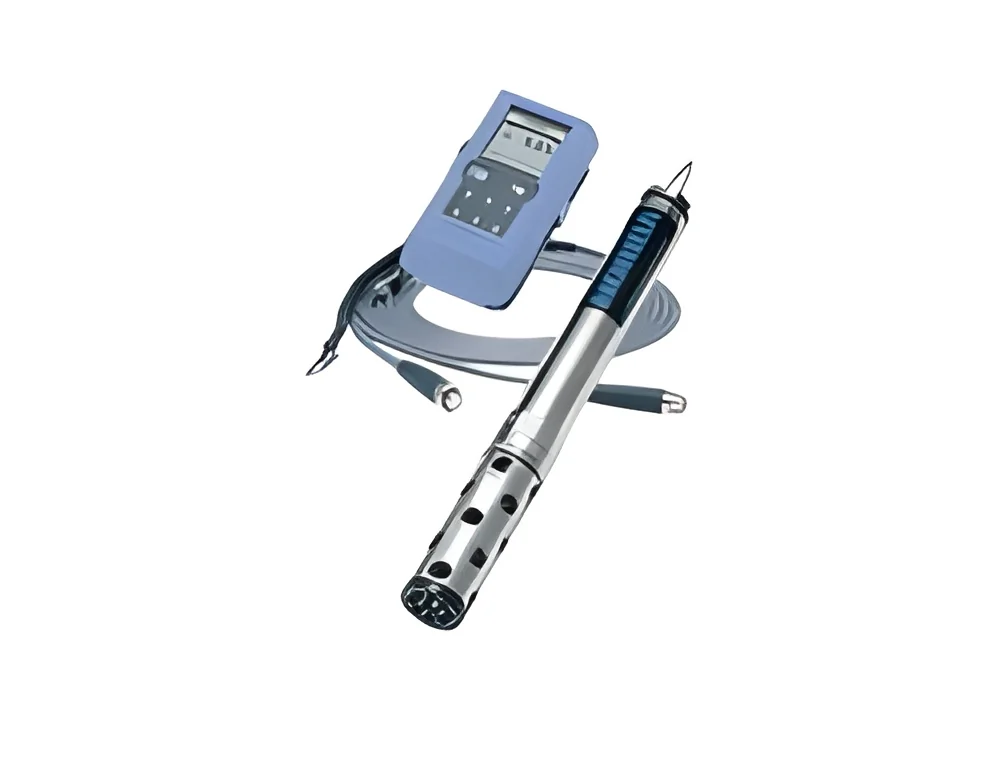
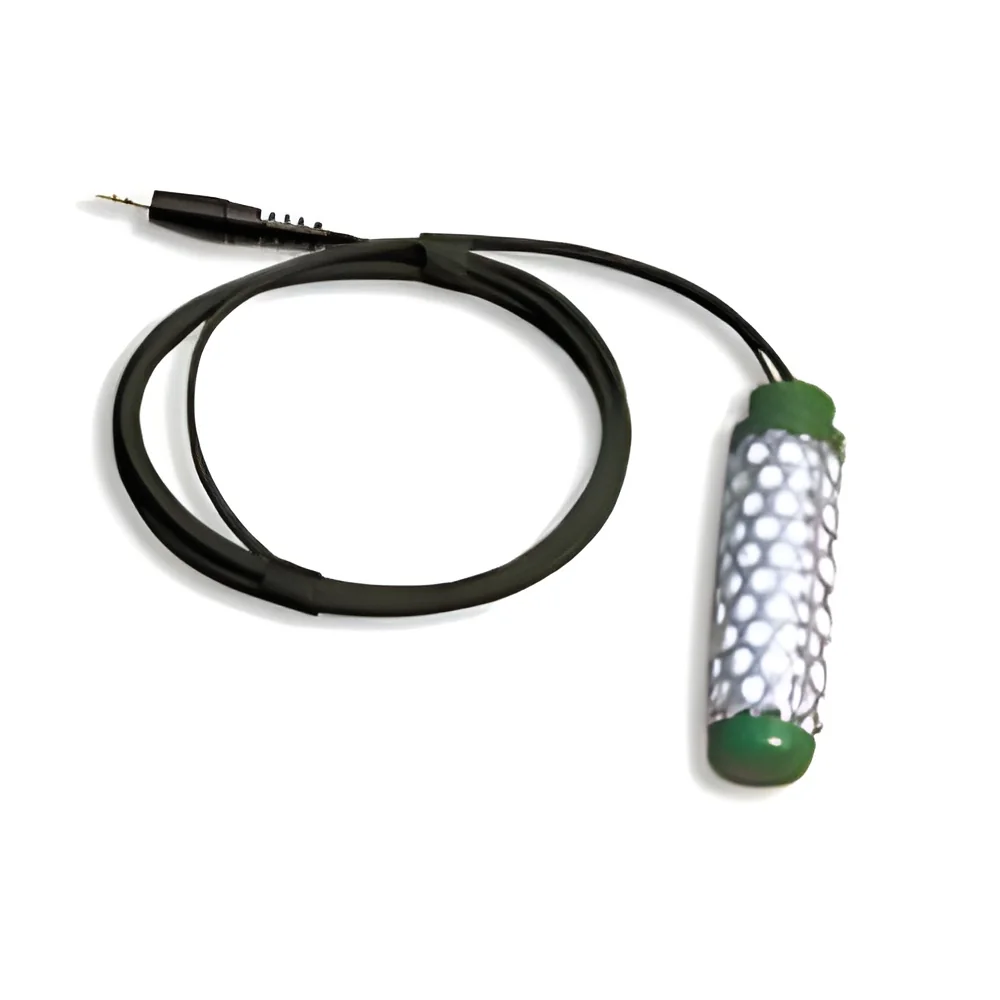
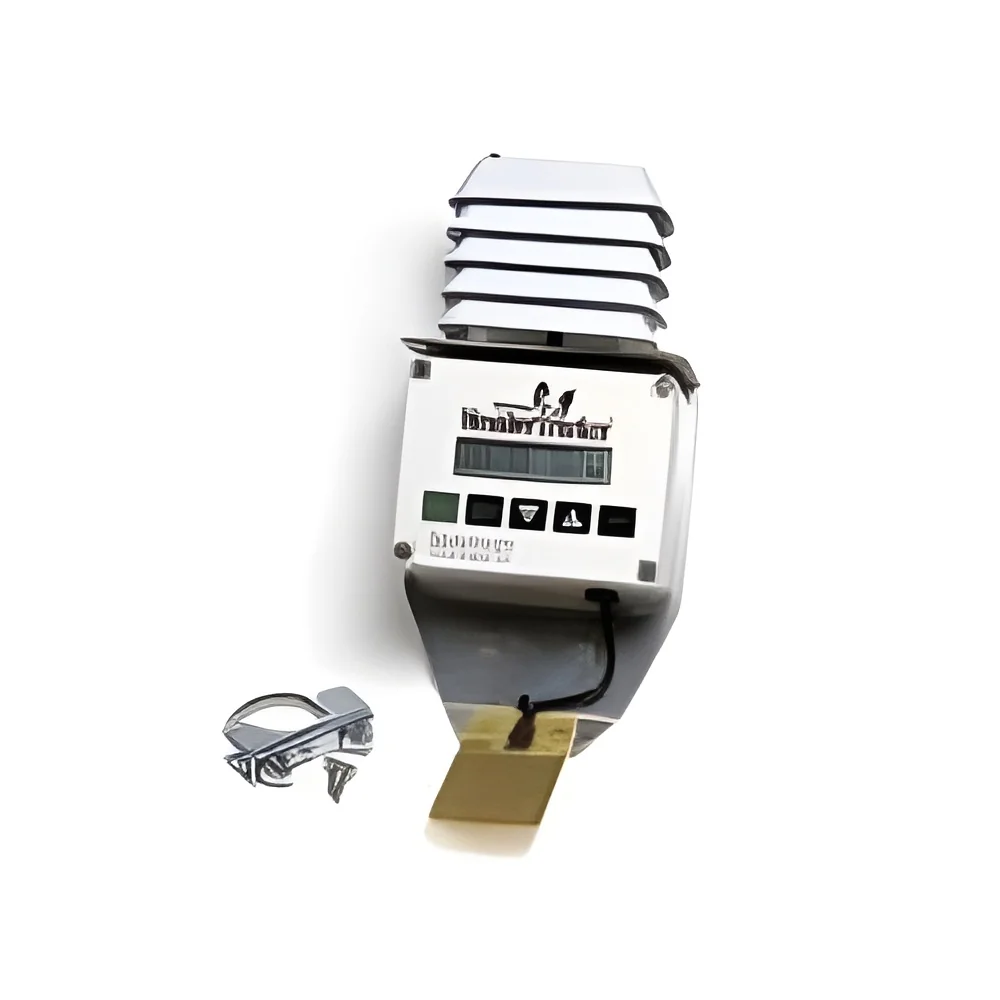
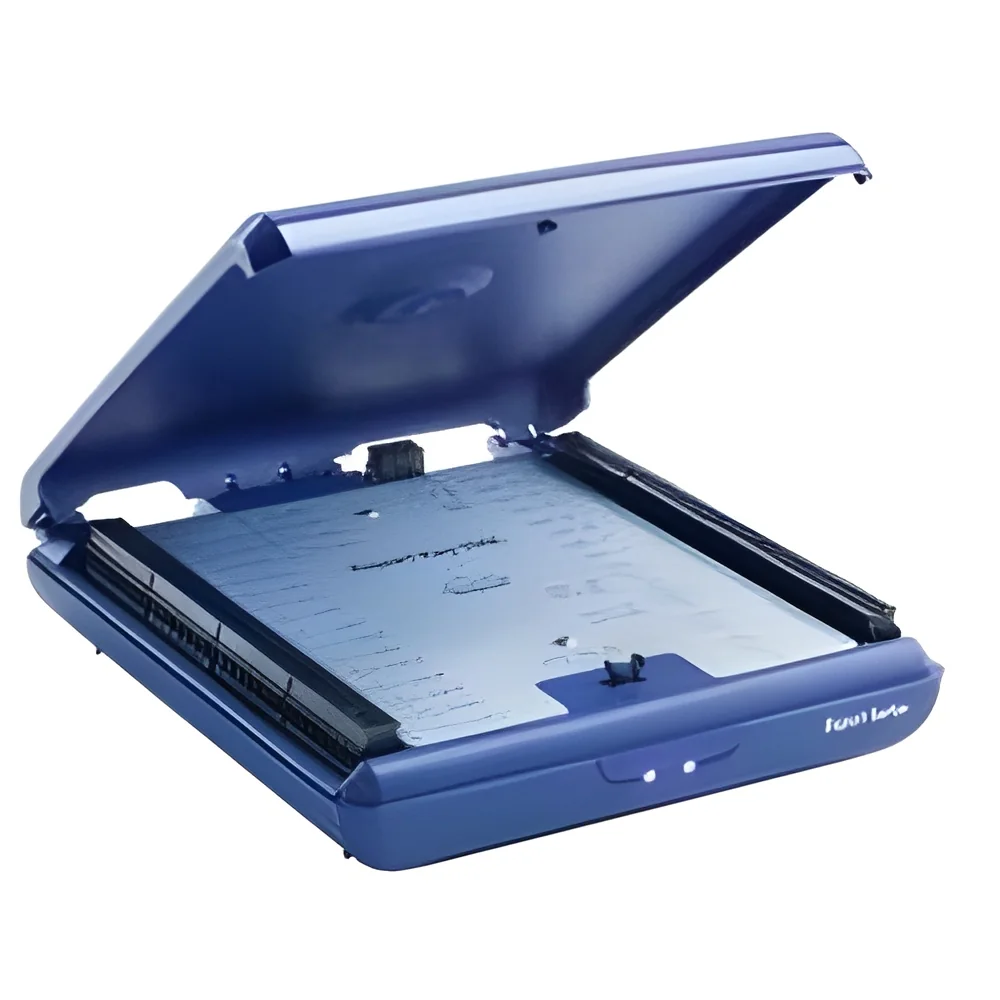
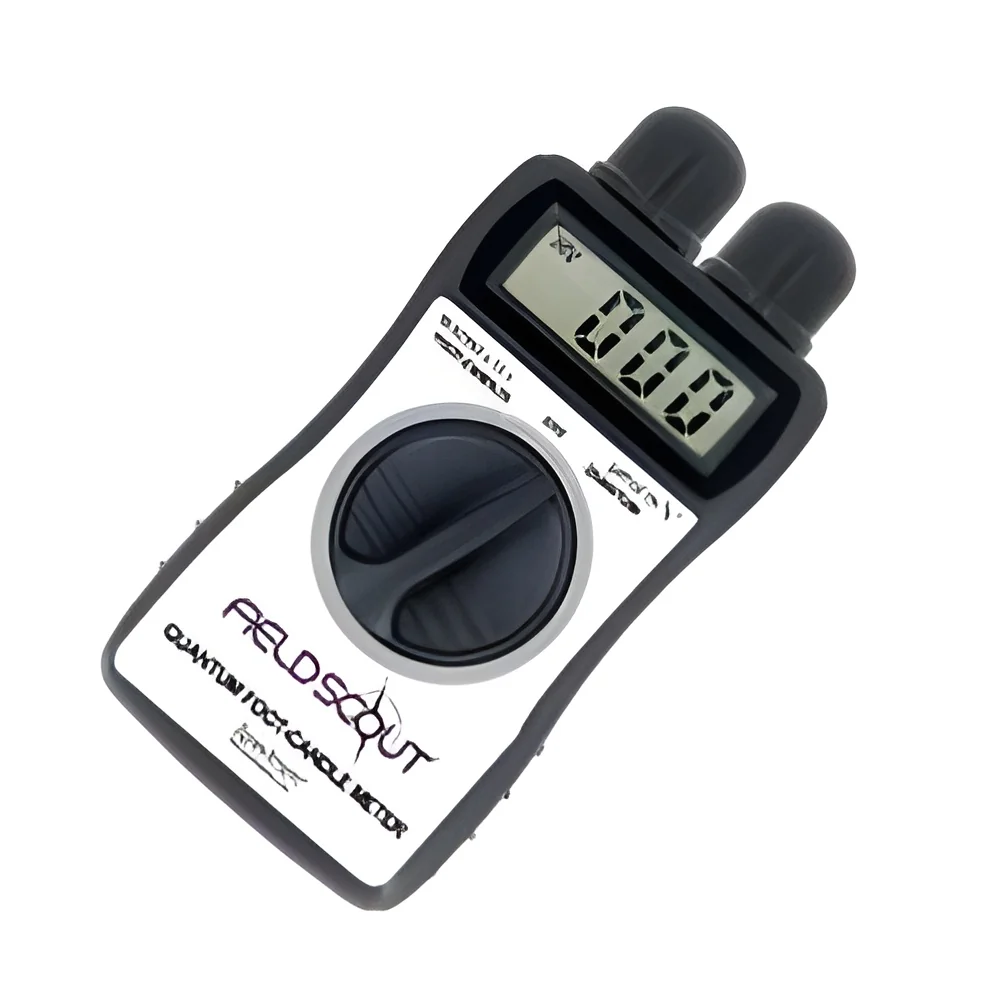
The FieldScout Quantum Light Meter is a specialized instrument designed to measure Photosynthetically Active Radiation (PAR) with exceptional precision. Unlike conventional light meters that measure lux or foot-candles, this quantum sensor focuses specifically on the 400-700 nanometer wavelength range that plants use for photosynthesis. By measuring Photosynthetic Photon Flux (PPF) in units of μmol m⁻² s⁻¹, it provides data directly relevant to plant biology and growth processes. This targeted approach eliminates the guesswork and potential errors associated with older measurement technologies, offering growers and researchers accurate, actionable insights into their light environments. The instrument's design prioritizes reliability and ease of use, making sophisticated light measurement accessible to professionals across multiple disciplines.

This precision instrument serves critical roles across numerous industries where light management directly impacts outcomes. In commercial agr...
The FieldScout Quantum Light Meter is a specialized instrument designed to measure Photosynthetically Active Radiation (PAR) with exceptional precision. Unlike conventional light meters that measure lux or foot-candles, this quantum sensor focuses specifically on the 400-700 nanometer wavelength range that plants use for photosynthesis. By measuring Photosynthetic Photon Flux (PPF) in units of μmol m⁻² s⁻¹, it provides data directly relevant to plant biology and growth processes. This targeted approach eliminates the guesswork and potential errors associated with older measurement technologies, offering growers and researchers accurate, actionable insights into their light environments. The instrument's design prioritizes reliability and ease of use, making sophisticated light measurement accessible to professionals across multiple disciplines.

This precision instrument serves critical roles across numerous industries where light management directly impacts outcomes. In commercial agriculture and horticulture, it enables optimization of greenhouse lighting systems to ensure crops receive ideal light intensity for maximum growth and productivity. Research institutions and universities utilize it for controlled environment studies, plant physiology research, and ecological monitoring projects. The vertical farming and indoor cultivation sectors depend on these meters to calibrate artificial lighting systems that must replicate optimal natural conditions for year-round production. From university research programs to large-scale commercial operations, this tool provides the data needed for evidence-based light management decisions.

The business value of the FieldScout Quantum Light Meter lies in its direct impact on operational efficiency and return on investment. By providing accurate PAR data, it enables informed decisions that reduce energy waste from excessive lighting while preventing yield losses from insufficient illumination. This translates to tangible financial benefits through higher-quality produce, reduced utility costs, and improved crop consistency. The instrument's durability ensures reliable performance in challenging environments, from humid greenhouses to dusty field conditions. Customization options, including models with external sensors and environmental calibration switches, make it adaptable to specific operational needs, providing long-term value for serious professionals.

Key Features:
- Precisely measures Photosynthetic Photon Flux (PPF) in μmol m⁻² s⁻¹ units for the PAR spectrum (400-700 nm).
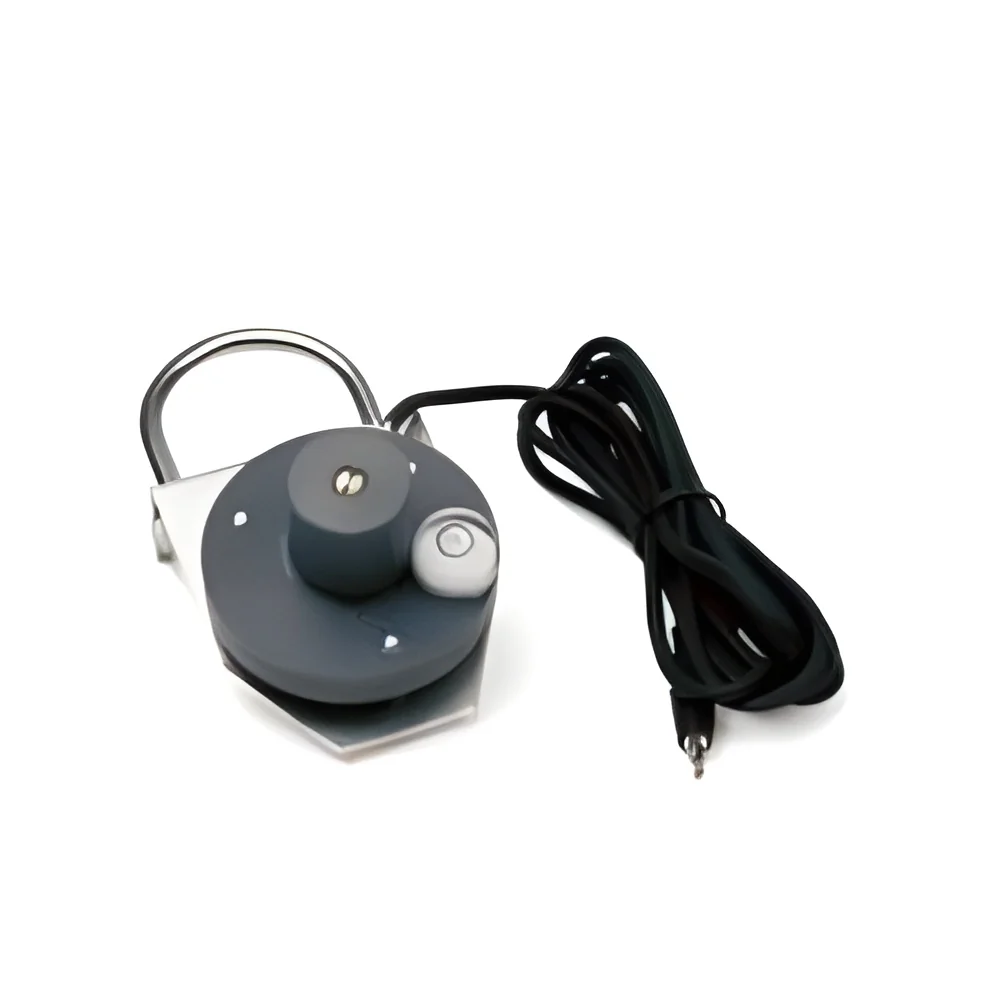
- Available with external sensor on 2-meter cable for flexible measurement positioning in complex setups.
- Options include models with indoor-outdoor calibration switch for enhanced accuracy across different environments.
- Designed for durability and reliable performance in field, greenhouse, and laboratory conditions.
- Provides direct measurement of light wavelengths plants use for photosynthesis, unlike generic light meters.

Benefits:
- Enables precise light management decisions that optimize plant growth and maximize crop yields.
- Reduces energy costs by preventing over-lighting while ensuring sufficient illumination for plant needs.
- Provides reliable, consistent data collection for research, quality control, and production optimization.
- Offers measurement flexibility with external sensor options for challenging or remote measurement locations.
- Delivers rapid return on investment through improved crop quality and reduced operational expenses.
Specifications
| Additional Information | |
|---|---|
| Country of Origin | India |
Application
The FieldScout Quantum Light Meter delivers precise photosynthetic photon flux (PPF) measurements in the critical 400-700 nm PAR spectrum. This accuracy eliminates the significant errors of traditional lux meters, providing data that directly correlates to plant biological processes. Professionals rely on this precision for making informed decisions about light management in various growing environments, from research labs to production facilities.
Built for demanding conditions, these meters offer reliable performance across diverse settings including greenhouses, vertical farms, and field research stations. The option for an external sensor with a 2-meter cable extends measurement flexibility for complex setups. This versatility makes the instrument suitable for both routine monitoring and specialized research applications where consistent, accurate data collection is essential.
- Optimizing supplemental lighting schedules in commercial greenhouses to enhance crop yield and quality.
- Conducting plant physiology research in agricultural and botanical laboratories for growth optimization studies.
- Managing LED lighting systems in vertical farming and indoor hydroponic operations for consistent production.
- Ensuring proper light intensity in nurseries and plant propagation facilities for healthy seedling development.
- Measuring PAR levels in environmental research to study plant responses to changing light conditions.
Trade Details
| Available Stock | In Stock |
| Sample Availability | No |
Payment Terms
| Payment Terms |
|
Company Profile

Auro Electronics India Private Limited, Haryana
 Haryana, India
Haryana, IndiaManufacturer•Trading Company
Factory Details
Factory SizeBelow 1000 sqm
Annual Production Capacity0
FieldScout Quantum Light Meter for Agriculture and Horticulture PAR Measurement
FieldScout Quantum Light Meter for precise PAR measurement in agriculture and horticulture. This reliable tool ensures accurate photosynthetic photon flux data for optimal plant growth and research applications.
Min. Order Quantity: 1 unit
Shipping
Shipping fee and delivery date to be negotiated. Contact supplier now for more details.
Auro Electronics India Private Limited
 Haryana, India
Haryana, IndiaManufacturer