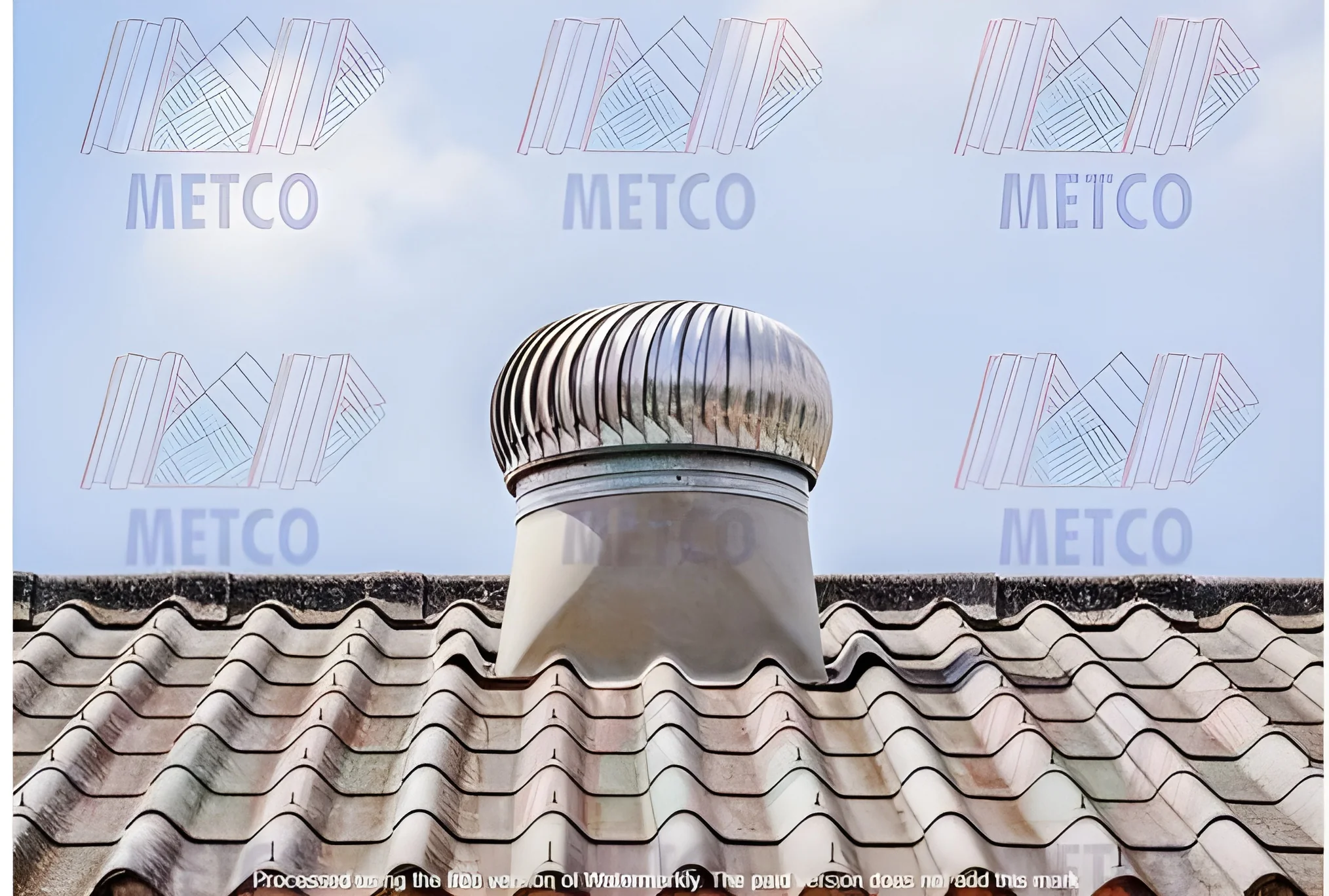
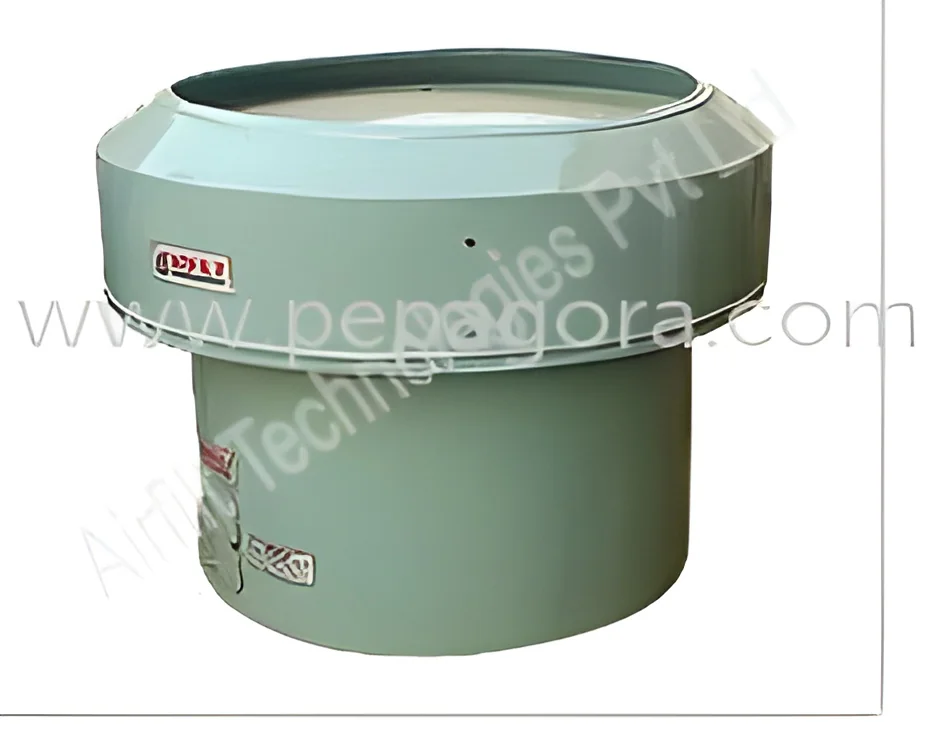
What are Roof Ventilation Systems?
Roof Ventilation Systems are essential components designed to enhance airflow within buildings. They allow for the efficient exchange of air, preventing the buildup of heat and moisture in the attic or roof space. By facilitating proper ventilation, these systems help maintain a balanced indoor environment, which is crucial for comfort and energy efficiency.
These systems are widely used in various commercial and industrial applications, including warehouses, manufacturing facilities, and large retail spaces. Proper roof ventilation is vital for prolonging the lifespan of roofing materials and improving energy efficiency by reducing the load on HVAC systems. As energy costs rise and environmental concerns grow, the market for roof ventilation systems continues to expand, emphasizing their importance in modern building design.
Key Features and Specifications
Roof Ventilation Systems come with several key features that enhance their performance and reliability. The choice of system can vary based on specific needs and environmental conditions.
Key specifications include:
1. Airflow Capacity
- Measured in cubic feet per minute (CFM), indicating how much air can be moved through the system.
- Ranges vary based on system design and application needs.
2. Material Composition
- Typically made from durable materials such as galvanized steel, aluminum, or high-density polyethylene (HDPE).
- Ensures longevity and resistance to environmental factors.
3. Installation Type
- Options include passive and active systems.
- Passive systems rely on natural airflow, while active systems use fans for enhanced ventilation.
4. Noise Level
- Measured in decibels (dB), important for applications in noise-sensitive environments.
- Lower levels are preferred for comfort and compliance.
5. Energy Efficiency Rating
- Indicates how energy-efficient the system is, often linked to operational costs.
- Higher ratings lead to cost savings over time.
6. Compliance with Standards
- Must meet regional building codes and safety standards.
- Ensures reliability and safety in operation.
7. Maintenance Requirements
- Varies by system type; some require regular checks while others are low-maintenance.
- Important for long-term performance.
8. Warranty Period
- Duration of warranty typically offered by manufacturers.
- Indicates confidence in product durability.
In summary, understanding the key features and specifications of roof ventilation systems is vital for selecting the right option for your business needs.
Common Applications and Use Cases
Roof Ventilation Systems are integral to several industries, providing tailored solutions for specific needs.
1. Warehousing: These systems help regulate temperature and humidity levels in large storage facilities, protecting goods from damage.
2. Manufacturing: In factories, roof ventilation systems improve air quality and worker comfort by removing heat and fumes generated during production.
3. Retail: Retail spaces utilize these systems to create a pleasant shopping environment while reducing reliance on air conditioning systems.
4. Agriculture: Roof ventilation systems in agricultural buildings help maintain optimal conditions for livestock and crops by controlling humidity and temperature.
5. Hospitality: Hotels and restaurants benefit from roof ventilation systems to enhance air quality and improve guest comfort.
6. Healthcare: Hospitals and clinics utilize these systems to ensure a clean and comfortable atmosphere for patients and staff.
7. Educational Facilities: Schools and universities use roof ventilation systems to maintain a conducive learning environment.
Product Variants and Subcategories
Roof Ventilation Systems come in various designs and configurations, catering to different needs and preferences.
Static Vents: These are passive ventilation solutions that allow for natural airflow without mechanical assistance. They are often used in residential and commercial buildings to promote air exchange.
Powered Vents: These systems use electrical fans to enhance airflow, making them suitable for larger spaces or areas with poor natural ventilation. They can be equipped with humidity or temperature sensors for automatic operation.
Wind Turbine Vents: Harnessing wind energy, these vents rotate to create a suction effect, promoting airflow. They are an eco-friendly option ideal for various applications.
Benefits and Advantages
Investing in Roof Ventilation Systems offers numerous advantages for businesses.
1. Improved Energy Efficiency: By reducing heat buildup, these systems lower the demand on air conditioning, leading to significant energy savings.
2. Enhanced Indoor Air Quality: Proper ventilation helps remove stale air, pollutants, and odors, contributing to a healthier environment.
3. Prolonged Roof Lifespan: Effective ventilation prevents moisture buildup, which can lead to mold and structural damage, thereby extending the life of roofing materials.
4. Comfort for Occupants: Maintaining a comfortable indoor climate enhances productivity and satisfaction among employees and customers.
5. Reduced Risk of Moisture Damage: By controlling humidity, these systems help prevent costly repairs associated with water damage and mold growth.
6. Compliance with Building Codes: Many regions require adequate ventilation in commercial buildings, making these systems essential for regulatory compliance.
Buying Guide for B2B Buyers
When sourcing Roof Ventilation Systems, several key factors should be taken into account to ensure a successful purchase.
1. Quality Assessment: Evaluate the materials and construction of the systems. Look for certifications and compliance with industry standards to ensure durability and performance.
2. Supplier Verification: It is crucial to vet suppliers by checking their reputation, customer reviews, and experience in the industry to ensure reliability.
3. Pricing and MOQ: Understand the pricing structure and minimum order quantity (MOQ) requirements. Comparing quotes from multiple suppliers can help find the best deal.
4. Delivery and Lead Times: Consider the logistics of delivery, including lead times, to align with project timelines and avoid disruptions.
5. Compliance Requirements: Ensure that the products meet local building codes and safety regulations to avoid legal complications and ensure operational safety.
Compliance and Certifications
Roof Ventilation Systems must adhere to various quality standards and certifications to ensure reliability and safety in operation. ISO 9001 is a widely recognized standard that outlines the requirements for a quality management system, helping manufacturers maintain consistent quality in their products.
Additionally, the CE marking indicates compliance with European safety, health, and environmental protection standards. This certification ensures that the products meet stringent requirements and are safe for use in commercial applications.
Safety testing requirements may also apply, depending on the application and region. Manufacturers may conduct performance tests to verify airflow capacity, energy efficiency, and noise levels. Furthermore, regional compliance considerations must be addressed, especially for businesses operating in multiple locations, to ensure adherence to local regulations.
Why Source Roof Ventilation Systems from Pepagora?
Pepagora offers a trusted platform for sourcing Roof Ventilation Systems, providing numerous advantages to B2B buyers.
Verified Supplier Network: Pepagora connects buyers with a network of verified suppliers, ensuring that all vendors meet industry standards for quality and reliability. This reduces the risk of purchasing subpar products.
Streamlined RFQ Process: The platform simplifies the request for quotation (RFQ) process, allowing buyers to receive multiple quotes from suppliers quickly. This efficiency saves time and helps in making informed purchasing decisions.
Trade Assurance and Support: Pepagora provides trade assurance, offering protection for buyers throughout the transaction process. This support ensures that buyers can source products with confidence.
Regional Coverage: With a strong presence in India, the GCC, and Southeast Asia, Pepagora offers extensive regional coverage. This geographic reach enables businesses to find local suppliers and address specific market needs effectively.

 IN
IN