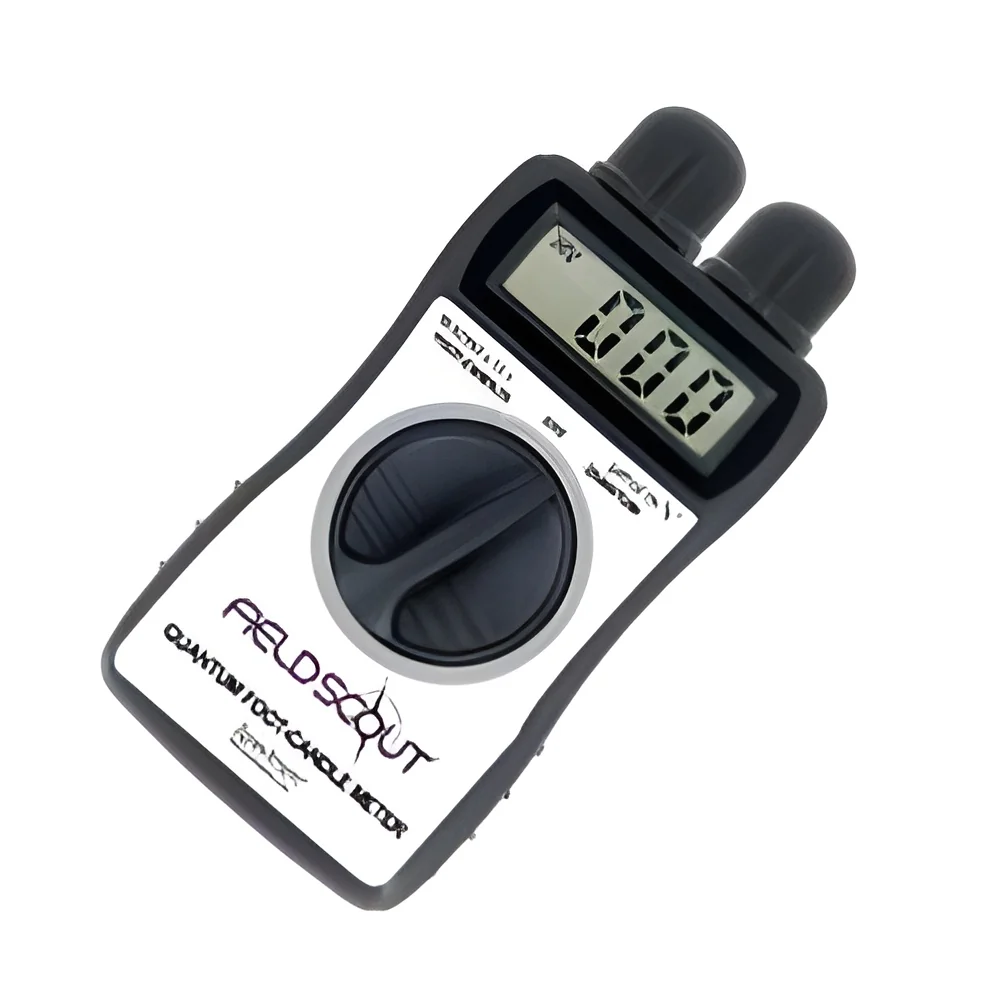
What are Data Loggers for Greenhouses?
Data loggers for greenhouses are electronic devices used to monitor and record environmental conditions such as temperature, humidity, and light levels. These devices collect data over time and store it for later analysis, allowing greenhouse operators to optimize growing conditions for various plants. They are equipped with sensors that measure environmental parameters and often feature connectivity options for data retrieval.
The primary applications of data loggers in greenhouses include monitoring climate conditions, managing irrigation systems, and ensuring optimal growth environments. By maintaining the right temperature and humidity levels, greenhouse managers can maximize crop yields and reduce energy costs. These devices are particularly relevant as the agricultural industry increasingly focuses on data-driven decision-making to improve efficiency and sustainability.
In the context of the market, data loggers are becoming essential tools for greenhouse operations. With advancements in technology, these devices have become more user-friendly and affordable. As a result, their adoption is growing across various agricultural sectors, reflecting a broader trend toward precision agriculture.
Key Features and Specifications
Data loggers for greenhouses come equipped with various features designed to enhance monitoring and data collection. Understanding these specifications helps buyers make informed decisions when selecting the right device.
Key specifications include:
1. Temperature Measurement
- Monitors ambient temperature within a specified range.
- Typical ranges may vary, but can be from -20 to 60 degrees Celsius.
2. Humidity Measurement
- Measures relative humidity levels for optimal plant growth.
- Ranges generally fall between 0% and 100% humidity.
3. Data Storage Capacity
- Stores data for extended periods.
- Some models can hold thousands of data points.
4. Connectivity Options
- Includes USB, Wi-Fi, or Bluetooth for easy data transfer.
- Allows remote monitoring via mobile apps or web interfaces.
5. Battery Life
- Long-lasting battery life ensures continuous operation.
- Some units may feature rechargeable batteries.
6. Sensor Accuracy
- High accuracy for reliable readings.
- Often specified as ±0.5 degrees Celsius for temperature.
7. Calibration Features
- Allows users to calibrate sensors for enhanced precision.
- Essential for maintaining data integrity over time.
8. User Interface
- Simple interfaces for ease of use.
- Some include LCD displays for real-time readings.
In summary, data loggers for greenhouses provide critical environmental monitoring capabilities that enhance productivity and crop management.
Common Applications and Use Cases
Data loggers for greenhouses find applications across various agricultural sectors.
1. Horticulture: In horticulture, data loggers monitor the climate to ensure optimal conditions for flowers and ornamental plants, which can enhance growth and reduce losses.
2. Vegetable Cultivation: Growers use these devices to track temperature and humidity levels, ensuring that vegetables receive the right conditions for growth, which ultimately leads to better yields.
3. Research Institutions: Agricultural researchers employ data loggers for controlled experiments, collecting data to analyze the effects of different environmental conditions on plant growth.
4. Cannabis Cultivation: In the cannabis industry, precise environmental control is crucial, and data loggers help growers maintain the ideal conditions for high-quality yield.
5. Hydroponics: Hydroponic systems benefit from real-time monitoring of nutrient solutions and environmental conditions, allowing for adjustments that can improve plant health.
6. Floriculture: Flower producers utilize data loggers to monitor conditions that affect bloom quality and longevity, leading to better marketability.
7. Organic Farming: Data loggers help organic farmers maintain compliance with organic standards by monitoring conditions without the use of synthetic inputs.
Product Variants and Subcategories
Data loggers for greenhouses come in various configurations to meet specific monitoring needs.
Wireless Data Loggers: These devices offer the advantage of remote monitoring, allowing users to access data without being physically present in the greenhouse. They’re ideal for large operations where constant monitoring is essential.
Portable Data Loggers: Lightweight and battery-operated, these units can be easily moved around different areas of the greenhouse for spot checks. They are suitable for temporary monitoring tasks.
Data Loggers with External Sensors: Some models allow for the connection of external sensors, enabling the measurement of additional parameters such as soil moisture or light intensity. This versatility makes them suitable for more complex growing systems.
Multi-Channel Data Loggers: These loggers can monitor multiple zones or parameters simultaneously, providing a comprehensive view of the greenhouse environment. They are particularly beneficial for large greenhouses with diverse crops.
Benefits and Advantages
Investing in data loggers for greenhouses offers numerous benefits that can enhance operational efficiency.
1. Improved Crop Quality: Data loggers ensure that plants grow under optimal conditions, leading to healthier crops with better market value.
2. Increased Efficiency: By monitoring environmental parameters, growers can reduce energy consumption and resource waste, enhancing overall operational efficiency.
3. Data-Driven Decisions: Access to real-time data allows growers to make informed decisions about irrigation, heating, and ventilation, ultimately improving yield and quality.
4. Enhanced Compliance: Data loggers help maintain compliance with agricultural standards by providing accurate records of environmental conditions.
5. Reduced Labor Costs: Automation of data collection reduces the need for manual monitoring, allowing staff to focus on other essential tasks within the greenhouse.
6. Long-Term Insights: Continuous data collection enables growers to identify trends over time, facilitating better long-term planning and crop management strategies.
Buying Guide for B2B Buyers
When sourcing data loggers for greenhouses, several factors should be considered to ensure the right fit for your needs.
1. Quality Assessment: Evaluate the quality of the data loggers based on reviews and specifications. Look for devices that meet industry standards for accuracy and durability.
2. Supplier Verification: It is crucial to vet suppliers by checking their credentials, reputation, and customer feedback. A reliable supplier will ensure you receive a quality product and support.
3. Pricing and MOQ: Understand the pricing structure and minimum order quantities (MOQ) offered by suppliers. Compare prices across different models to find the best value for your investment.
4. Delivery and Lead Times: Consider the logistics involved in getting the data loggers delivered. Ensure that the supplier can meet your timelines, especially if you are working on a tight schedule.
5. Compliance Requirements: Verify that the data loggers comply with relevant regulations and standards. This is particularly important in regions with strict agricultural guidelines.
Compliance and Certifications
Data loggers for greenhouses are subject to various quality standards and certifications to ensure reliability and safety.
ISO 9001: Many manufacturers adhere to ISO 9001 standards, which ensure consistent quality management systems. This certification is indicative of a commitment to quality and customer satisfaction.
CE Certification: A significant number of data loggers carry CE certification, meaning they meet European Union safety and environmental requirements. This certification is essential for products sold in European markets.
Safety and Testing Requirements: Data loggers must undergo rigorous testing to ensure they operate safely under various environmental conditions. Manufacturers should provide verification of these tests.
Regional Compliance Considerations: Depending on the geographic area, specific compliance requirements may apply. It is essential for buyers to be aware of local regulations regarding agricultural equipment.
Why Source Data Loggers for Greenhouses from Pepagora?
Pepagora is an established platform for sourcing data loggers for greenhouses, offering various advantages to B2B buyers.
Verified Supplier Network: Pepagora connects buyers with a network of verified suppliers, ensuring that you can source high-quality data loggers from reputable manufacturers. This reduces the risk associated with purchasing.
Streamlined RFQ Process: The platform simplifies the request for quotation (RFQ) process, enabling buyers to easily compare prices and features across different suppliers. This efficiency saves time and effort.
Trade Assurance and Support: Pepagora provides trade assurance, which protects buyers from potential disputes and ensures that transactions are secure. Comprehensive customer support is available to assist throughout the purchasing process.
Regional Coverage: With a focus on significant markets such as India, the GCC, and Southeast Asia, Pepagora offers a broad geographic reach, helping buyers find suitable suppliers in their regions. This local knowledge can facilitate smoother transactions and logistics.

 IN
IN