What are Greenhouse Sensors (Humidity, CO2, Temp)?
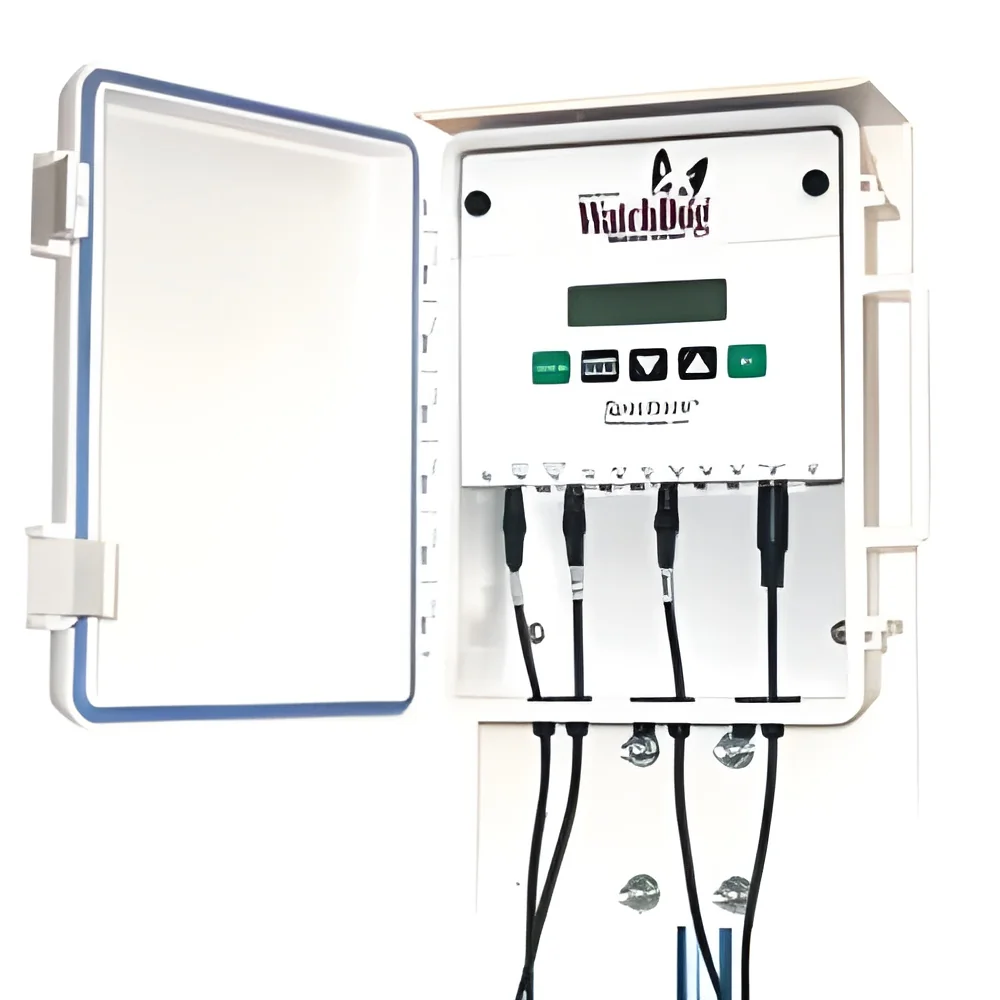
Greenhouse sensors are advanced devices designed to monitor and regulate critical environmental parameters within agricultural greenhouses. These sensors primarily measure humidity levels, carbon dioxide (CO2) concentrations, and temperature. By gathering real-time data, greenhouse sensors enable growers to optimize conditions for plant growth and ensure sustainable agricultural practices.
The primary uses of greenhouse sensors include enhancing crop yields, improving resource efficiency, and maintaining optimal growing conditions. Businesses in the agriculture sector utilize these devices to monitor climate variations and respond promptly to changes that could impact crop health. As climate change and food security concerns rise, the demand for effective greenhouse management solutions increases, making greenhouse sensors an essential tool for modern farming.
In the current market context, greenhouse sensors are gaining traction as more growers adopt precision agriculture techniques. The integration of technology in farming is transforming traditional practices, allowing for more data-driven decision-making. This trend is prevalent across various agricultural sectors, leading to increased investments in sensor technology.
𝗞𝗲𝘆 𝗙𝗲𝗮𝘁𝘂𝗿𝗲𝘀 𝗮𝗻𝗱 𝗦𝗽𝗲𝗰𝗶𝗳𝗶𝗰𝗮𝘁𝗶𝗼𝗻𝘀
Greenhouse sensors are equipped with various features that enhance their functionality and effectiveness. Understanding the key specifications helps buyers choose the right products for their needs.
Key specifications include:
1. Humidity Measurement
- Measures relative humidity levels to ensure optimal moisture for plants.
- Typically ranges from 0% to 100% relative humidity.
2. CO2 Concentration Monitoring
- Monitors CO2 levels to ensure adequate carbon supply for photosynthesis.
- Common measurement range is 0 to 5000 parts per million (ppm).
3. Temperature Sensing
- Accurately tracks temperature fluctuations within the greenhouse.
- Standard operating temperature range is not specified.
4. Data Logging Capabilities
- Records historical data for analysis and trend monitoring.
- Enables growers to make informed decisions based on past performance.
5. Connectivity Options
- Supports wireless connectivity for remote monitoring and data access.
- Integration with smart farming systems is often available.
6. User-Friendly Interfaces
- Features intuitive displays for easy operation and data interpretation.
- Provides alerts and notifications for critical environmental changes.
7. Power Supply
- Options for battery-operated or wired models to suit various setups.
- Energy efficiency is a key factor for long-term operation.
8. Calibration Requirements
- Sensors may require periodic calibration for accuracy.
- Manufacturer guidelines will typically specify calibration intervals.
In summary, greenhouse sensors are equipped with advanced features that cater to the specific needs of agricultural environments. Key specifications focus on humidity, CO2, and temperature, which are crucial for effective greenhouse management.
𝗖𝗼𝗺𝗺𝗼𝗻 𝗔𝗽𝗽𝗹𝗶𝗰𝗮𝘁𝗶𝗼𝗻𝘀 𝗮𝗻𝗱 𝗨𝘀𝗲 𝗖𝗮𝘀𝗲𝘀
Greenhouse sensors find applications across various industries to enhance productivity and sustainability.
1. Agriculture: Greenhouse sensors are used extensively in crop production to monitor and control optimal growing conditions, leading to improved yields and quality.
2. Floriculture: In flower production, these sensors help maintain the ideal environment for delicate blooms, ensuring vibrant colors and extended shelf life.
3. Horticulture: Horticulturists rely on greenhouse sensors to monitor conditions for vegetables and ornamental plants, optimizing growth and minimizing losses.
4. Research Institutions: Research facilities utilize greenhouse sensors for experiments and studies related to plant biology, climate effects, and agricultural innovations.
5. Commercial Greenhouses: Large-scale commercial operations implement these sensors to streamline processes, reduce labor costs, and maximize profit margins.
6. Indoor Farming: Vertical farms and hydroponic systems use greenhouse sensors to create the perfect microclimate for plants, often in urban settings.
7. Education: Agricultural colleges and universities incorporate greenhouse sensors into their curricula to teach students about modern farming technologies.
𝗣𝗿𝗼𝗱𝘂𝗰𝘁 𝗩𝗮𝗿𝗶𝗮𝗻𝘁𝘀 𝗮𝗻𝗱 𝗦𝘂𝗯𝗰𝗮𝘁𝗲𝗴𝗼𝗿𝗶𝗲𝘀
While specific subcategories are not available, greenhouse sensors come in various forms to meet diverse needs within the agricultural sector.
Wireless Greenhouse Sensors
These sensors offer remote monitoring capabilities, allowing users to track environmental conditions from their smartphones or computers. Features often include data logging and compatibility with IoT devices.
Analog Greenhouse Sensors
These sensors provide basic measurements without digital interfaces. They are suitable for growers seeking simple and cost-effective solutions for monitoring humidity, CO2, and temperature.
Digital Greenhouse Sensors
Digital sensors provide advanced features such as real-time data analysis and connectivity options. They are ideal for tech-savvy growers looking to implement smart farming practices.
𝗕𝗲𝗻𝗲𝗳𝗶𝘁𝘀 𝗮𝗻𝗱 𝗔𝗱𝘃𝗮𝗻𝘁𝗮𝗴𝗲𝘀
Investing in greenhouse sensors offers numerous advantages for growers and businesses alike.
1. Enhanced Crop Yields: By monitoring and adjusting environmental conditions, growers can significantly increase crop production and quality.
2. Resource Efficiency: Sensors help optimize water and nutrient usage, reducing waste and lowering operational costs.
3. Data-Driven Decisions: Real-time data empowers growers to make informed decisions, leading to better management practices.
4. Early Problem Detection: Continuous monitoring allows for quick identification of issues, minimizing potential losses.
5. Improved Sustainability: By optimizing growing conditions, greenhouse sensors contribute to more sustainable agricultural practices.
6. Increased Profitability: With higher yields and reduced resource waste, businesses can see improved financial performance over time.
𝗕𝘂𝘆𝗶𝗻𝗴 𝗚𝘂𝗶𝗱𝗲 𝗳𝗼𝗿 𝗕𝟮𝗕 𝗕𝘂𝘆𝗲𝗿𝘀
When sourcing greenhouse sensors, potential buyers should consider several key factors to ensure they make informed decisions.
1. Quality Assessment: Evaluate sensors based on performance metrics and reliability. Look for products that have undergone rigorous testing to meet industry standards.
2. Supplier Verification: Vet suppliers to ensure they have a proven track record of delivering quality products. Research their reputation and customer feedback.
3. Pricing and MOQ: Compare prices among different suppliers, keeping in mind minimum order quantities (MOQ) that may affect overall costs.
4. Delivery and Lead Times: Understand the logistics involved in shipping and the expected lead times for receiving products, especially for large orders.
5. Compliance Requirements: Ensure that the sensors meet any relevant regulatory standards and certifications that may apply in your region.
𝗖𝗼𝗺𝗽𝗹𝗶𝗮𝗻𝗰𝗲 𝗮𝗻𝗱 𝗖𝗲𝗿𝘁𝗶𝗳𝗶𝗰𝗮𝘁𝗶𝗼𝗻𝘀
Compliance with industry standards is essential for greenhouse sensors to ensure safety, reliability, and performance.
ISO 9001 is a quality management standard that many manufacturers adhere to, ensuring consistency in product quality and efficiency in processes.
Certifications such as CE indicate that the products meet European safety and environmental requirements, which can be crucial for market acceptance.
Safety and testing requirements often involve thorough evaluations to ensure sensors operate correctly under various conditions without posing risks to users or the environment.
Regional compliance considerations may vary, so it is important for buyers to be aware of local regulations that affect the import and use of greenhouse sensors in their specific markets.
Why Source Greenhouse Sensors (Humidity, CO2, Temp) from Pepagora?
Pepagora offers a trusted platform for sourcing greenhouse sensors, bringing together various suppliers and products under one roof.
Our verified supplier network ensures that buyers can connect with reputable manufacturers who meet high standards of quality and reliability. This reduces the risk of sourcing inferior products while enhancing confidence in purchasing decisions.
The streamlined RFQ process simplifies the quotation system, allowing buyers to request and compare offers from multiple suppliers quickly. This transparency promotes competitive pricing and better overall deals.
Trade assurance and support provide buyers with protection throughout the purchasing process. Our platform facilitates communication between buyers and suppliers, ensuring that any issues can be resolved efficiently.
With regional coverage extending across India, the GCC, and Southeast Asia, Pepagora connects buyers with suppliers that can meet their specific logistical needs and support their growth in diverse markets.

 IN
IN