𝗪𝗵𝗮𝘁 𝗮𝗿𝗲 𝗙𝗼𝗴𝗴𝗶𝗻𝗴 𝗦𝘆𝘀𝘁𝗲𝗺𝘀?
Fogging systems are advanced devices designed to create a fine mist of liquid, often for purposes such as pest control, humidification, or odor neutralization. These systems utilize specialized equipment to atomize liquids into small droplets, allowing for effective distribution in various environments. The mist produced can cover large areas quickly, ensuring thorough application and even dispersion of the treated substance.
Fogging systems find primary applications in a variety of industries, including agriculture, hospitality, and food processing. In agriculture, they are used to control pests and diseases in crops. In hospitality, fogging systems help maintain cleanliness and improve air quality in hotels and restaurants. In food processing, these systems are essential for sanitizing surfaces and controlling microbial growth. The relevance of fogging technology continues to grow as industries seek efficient solutions for hygiene and pest management.
𝗞𝗲𝘆 𝗙𝗲𝗮𝘁𝘂𝗿𝗲𝘀 𝗮𝗻𝗱 𝗦𝗽𝗲𝗰𝗶𝗳𝗶𝗰𝗮𝘁𝗶𝗼𝗻𝘀
Fogging systems are equipped with various features tailored to meet the needs of different applications. Understanding the specifications is crucial for selecting the right system for your business.
Key specifications include:
1. Capacity
- Refers to the volume of liquid the system can hold.
- Typically ranges from 5 to 50 liters.
2. Coverage Area
- Indicates the maximum area the fogging system can effectively treat.
- Coverage can vary from 500 to 5,000 square feet depending on the model.
3. Droplet Size
- Specifies the size of the mist droplets produced.
- Common droplet sizes range from 10 to 50 microns.
4. Power Source
- Describes the type of energy used to operate the fogging system.
- Options include electric, battery-operated, or gas-powered systems.
5. Material Construction
- Details the materials used in the system's construction, impacting durability and maintenance.
- Common materials include stainless steel and high-density plastic.
6. Flow Rate
- Refers to the volume of liquid dispensed over time.
- Measured in liters per minute, typically ranging from 1 to 10 liters per minute.
7. Control Mechanism
- Indicates how the system is operated, either manually or via automated controls.
- Features may include timers and remote operation capabilities.
8. Safety Features
- Highlights built-in safety mechanisms to prevent accidents during operation.
- Common features include automatic shut-off and pressure relief valves.
In summary, understanding these key features and specifications can significantly aid businesses in selecting the right fogging system that meets their specific operational needs.
𝗖𝗼𝗺𝗺𝗼𝗻 𝗔𝗽𝗽𝗹𝗶𝗰𝗮𝘁𝗶𝗼𝗻𝘀 𝗮𝗻𝗱 𝗨𝘀𝗲 𝗖𝗮𝘀𝗲𝘀
Fogging systems are versatile tools utilized across various sectors due to their effectiveness in applying liquids in mist form.
1. Agriculture: Farmers use fogging systems to disperse pesticides and fungicides, ensuring crops are protected from pests and diseases. The fine mist allows for even coverage without damaging the plants.
2. Hospitality: Hotels and restaurants implement fogging systems to sanitize their premises. This not only helps in pest control but also enhances the overall guest experience through improved air quality.
3. Food Processing: Fogging systems are crucial in food processing facilities to minimize microbial contamination. They are used to sanitize surfaces, equipment, and areas where food is handled.
4. Warehousing: In warehouses, fogging systems help manage humidity levels and control pests, preserving the integrity of stored goods.
5. Healthcare: Hospitals and clinics utilize fogging systems for disinfecting patient areas and equipment, ensuring a sterile environment.
6. Industrial Facilities: Factories use fogging systems for dust suppression and to maintain optimal air quality in production areas.
7. Outdoor Events: Fogging systems are employed at outdoor events to keep attendees comfortable by reducing heat and humidity levels through misting.
𝗣𝗿𝗼𝗱𝘂𝗰𝘁 𝗩𝗮𝗿𝗶𝗮𝗻𝘁𝘀 𝗮𝗻𝗱 𝗦𝘂𝗯𝗰𝗮𝘁𝗲𝗴𝗼𝗿𝗶𝗲𝘀
Fogging systems come in various designs and configurations to cater to different operational needs. These variants allow businesses to choose systems that best fit their specific applications.
Electric Fogging System: This variant is powered by electricity and is ideal for indoor applications where a consistent power supply is available. It provides precise control over droplet size and output.
Battery-Operated Fogging System: Perfect for outdoor use and areas without easy access to power sources, this portable option ensures flexibility. It is lightweight and easy to maneuver.
Handheld Fogging System: Designed for small-scale applications, this variant allows for manual operation, making it suitable for targeted treatments in confined spaces.
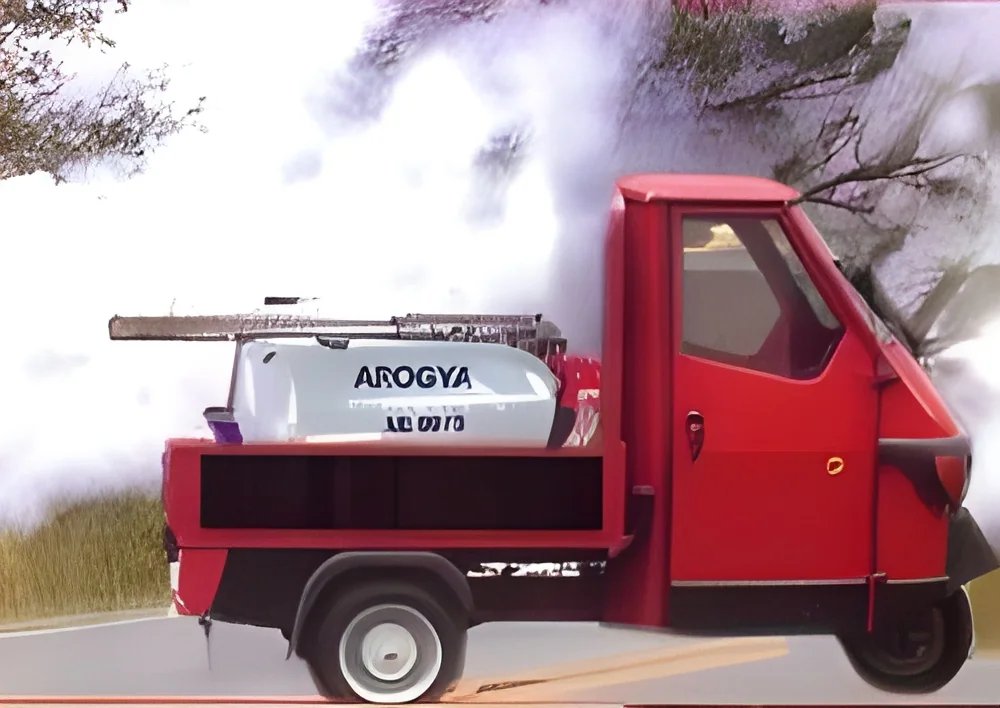
Trailer-Mounted Fogging System: This heavy-duty option is ideal for large areas, such as agricultural fields or parks. It offers a robust solution for extensive coverage and is often equipped with advanced features.
𝗕𝗲𝗻𝗲𝗳𝗶𝘁𝘀 𝗮𝗻𝗱 𝗔𝗱𝘃𝗮𝗻𝘁𝗮𝗴𝗲𝘀
Fogging systems provide numerous advantages that can enhance operational efficiency across various industries.
1. Efficiency: Fogging systems can cover large areas quickly, saving time and labor costs compared to traditional application methods.
2. Precision: The ability to produce fine droplets ensures even distribution of liquids, leading to more effective treatments and reduced waste.
3. Versatility: These systems can be used for multiple applications, including pest control, sanitation, and humidity management, making them a valuable investment.
4. Improved Air Quality: By distributing disinfectants and humidifiers, fogging systems help maintain a healthier environment, crucial for hospitality and healthcare sectors.
5. Cost-Effectiveness: The reduction in chemical usage and labor costs associated with fogging systems can lead to significant savings over time.
6. Ease of Use: Many fogging systems are designed with user-friendly controls, allowing operators to deploy them with minimal training.
𝗕𝘂𝘆𝗶𝗻𝗴 𝗚𝘂𝗶𝗱𝗲 𝗳𝗼𝗿 𝗕𝟮𝗕 𝗕𝘂𝘆𝗲𝗿𝘀
When selecting fogging systems, B2B buyers should consider several critical factors to ensure they make informed decisions.
1. Quality Assessment: Evaluate the quality of the fogging systems by checking manufacturer reputations, material durability, and customer reviews. Systems should meet industrial standards for performance and safety.
2. Supplier Verification: Engage with reputable suppliers who offer verified products. Request certifications and references to confirm their reliability and track record in the industry.
3. Pricing and MOQ: Understand the pricing structures and minimum order quantities (MOQ) set by suppliers. This will help in budgeting and ensuring you get the best value for your investment.
4. Delivery and Lead Times: Consider the logistics involved in acquiring fogging systems. Confirm delivery timelines and ensure that suppliers can meet your operational deadlines.
5. Compliance Requirements: Ensure that the fogging systems comply with local regulations and industry standards. This may include safety certifications and environmental considerations.
𝗖𝗼𝗺𝗽𝗹𝗶𝗮𝗻𝗰𝗲 𝗮𝗻𝗱 𝗖𝗲𝗿𝘁𝗶𝗳𝗶𝗰𝗮𝘁𝗶𝗼𝗻𝘀
Fogging systems must adhere to various compliance standards and certifications to ensure their reliability and safety in industrial applications. Key quality standards include ISO 9001, which emphasizes quality management systems, ensuring that products meet customer and regulatory requirements.
Additionally, compliance with HACCP (Hazard Analysis Critical Control Point) is crucial for industries like food processing, where safety and hygiene are paramount. This standard helps businesses identify potential hazards and implement controls to maintain a safe environment.
Fogging systems are often certified with CE marking, indicating compliance with EU safety, health, and environmental protection standards. This certification assures buyers of the system's reliability and compliance with applicable regulations.
Furthermore, regional compliance considerations may vary, requiring businesses to stay informed about local laws related to chemical applications, environmental impact, and safety protocols.
𝗪𝗵𝘆 𝗦𝗼𝘂𝗿𝗰𝗲 𝗙𝗼𝗴𝗴𝗶𝗻𝗴 𝗦𝘆𝘀𝘁𝗲𝗺𝘀 𝗳𝗿𝗼𝗺 𝗣𝗲𝗽𝗮𝗴𝗼𝗿𝗮?
Pepagora offers a trusted platform for sourcing fogging systems, providing significant advantages for B2B buyers looking for reliable solutions.
Verified Supplier Network: Pepagora partners with verified suppliers known for their quality products and services. This ensures buyers have access to reputable manufacturers and can make informed purchasing decisions.
Streamlined RFQ Process: The platform features an efficient request for quotation (RFQ) system that simplifies the process of obtaining competitive quotes from multiple suppliers. This helps buyers compare options easily and select the best fit for their needs.
Trade Assurance and Support: Pepagora prioritizes buyer protection, offering trade assurance that safeguards transactions. Their dedicated support team is available to assist buyers throughout the purchasing process.
Regional Coverage: With a strong presence in India, the GCC, and Southeast Asia, Pepagora provides extensive geographic reach, ensuring buyers can find fogging systems suited to their local market requirements.

 IN
IN