IN
IN₹
Apparel & Fashion
Loading subcategories...
View More
Description
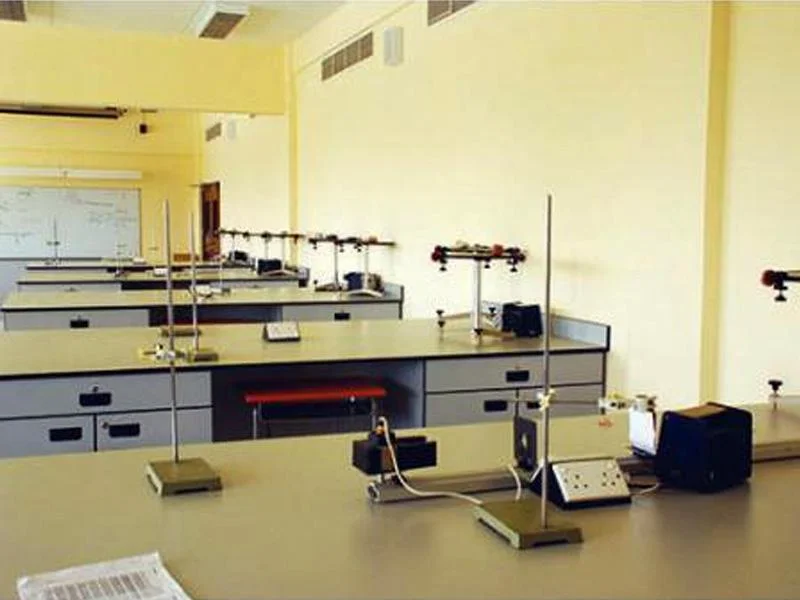
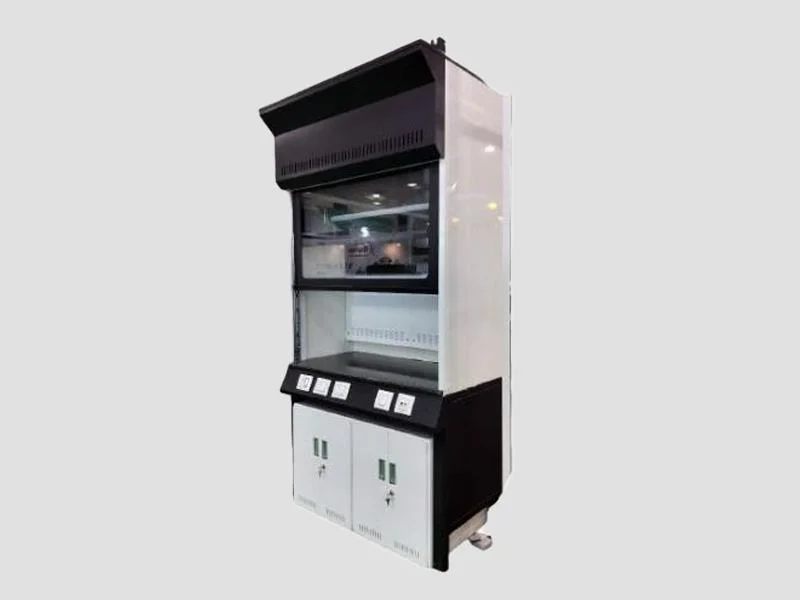
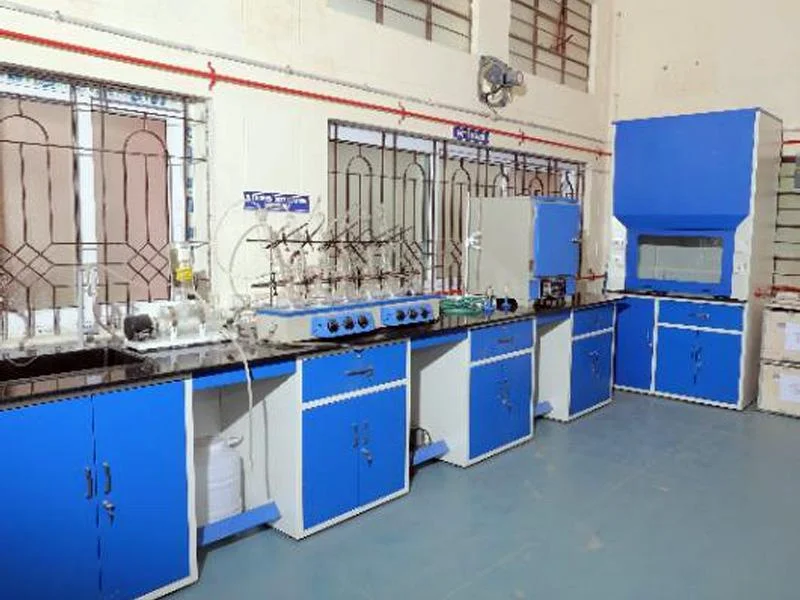
Modular Lab Furniture Systems represent the intelligent foundation for modern scientific workspaces, offering precisely engineered solutions that combine adaptability with uncompromising durability. These systems are designed with flexibility at their core, allowing laboratories to create customized layouts that optimize workflow efficiency and equipment integration. Constructed from premium materials specifically selected for resistance to chemicals, moisture, and physical stress, they ensure long-term performance in demanding environments. The modular approach enables seamless reconfiguration as research priorities evolve, making these systems a strategic investment that grows with your operational needs while maintaining consistent quality and safety standards.

These furniture systems find essential application across industries where precision, organization, and reliability directly impact outcomes. In pharmaceutical and biotechnology sectors, they support critical processes inclu...
Modular Lab Furniture Systems represent the intelligent foundation for modern scientific workspaces, offering precisely engineered solutions that combine adaptability with uncompromising durability. These systems are designed with flexibility at their core, allowing laboratories to create customized layouts that optimize workflow efficiency and equipment integration. Constructed from premium materials specifically selected for resistance to chemicals, moisture, and physical stress, they ensure long-term performance in demanding environments. The modular approach enables seamless reconfiguration as research priorities evolve, making these systems a strategic investment that grows with your operational needs while maintaining consistent quality and safety standards.

These furniture systems find essential application across industries where precision, organization, and reliability directly impact outcomes. In pharmaceutical and biotechnology sectors, they support critical processes including drug development, quality testing, and sterile sample processing. Healthcare institutions utilize them in diagnostic laboratories for accurate patient testing, while educational facilities implement them in teaching laboratories and advanced research centers. Industrial applications range from chemical analysis and material testing to production quality control, where organized, contamination-resistant workspaces are fundamental to maintaining accuracy and regulatory compliance across diverse operational requirements.

The business value of implementing modular lab furniture systems extends beyond immediate workspace organization to deliver measurable operational advantages. These systems enhance reliability through durable construction that minimizes maintenance requirements and reduces downtime in critical processes. Their adaptable nature provides cost efficiency by eliminating the need for complete replacements when laboratory needs change, supporting business growth without significant capital reinvestment. By improving workflow efficiency and safety compliance, they contribute directly to productivity gains and employee satisfaction. The ability to customize configurations to specific operational workflows gives organizations a competitive advantage in precision-driven fields where workspace design directly influences research quality and operational outcomes.

Key Features:
- Flexible modular design allowing customized configurations for specific laboratory layouts and spatial requirements
- Durable construction utilizing chemical-resistant, corrosion-proof materials that withstand demanding laboratory environments
- Integrated utility management systems for electrical, plumbing, and ventilation needs with proper safety considerations
- Ergonomic design principles enhancing user comfort during extended work periods while maintaining safety standards
- Scalable architecture supporting easy expansion and reconfiguration as laboratory needs evolve over time

Benefits:
- Enhanced workspace efficiency through optimized layouts that streamline scientific workflows and equipment accessibility
- Long-term cost savings from durable construction that reduces replacement needs and maintenance requirements
- Improved safety compliance with designs that incorporate proper containment, ventilation, and ergonomic considerations
- Operational flexibility allowing laboratories to adapt quickly to changing research priorities and equipment requirements
- Consistent performance reliability ensuring uninterrupted laboratory operations in demanding scientific environments
Specifications
| Additional Information | |
|---|---|
| Country of Origin | India |
| Customisable | No |
Application
Modular lab furniture systems create organized, efficient workspaces that adapt to evolving scientific needs. Their flexible design supports various equipment arrangements and workflow requirements while maintaining strict safety standards and compliance with laboratory regulations. This adaptability makes them suitable for both permanent installations and facilities requiring periodic reconfiguration.
These systems serve critical functions across multiple sectors where precision and reliability are paramount. From pharmaceutical development to educational research, they provide the structural foundation for accurate scientific work. Their durable construction withstands daily use while supporting specialized processes that demand contamination control, utility integration, and ergonomic operation in demanding environments.
- Pharmaceutical manufacturing facilities for drug formulation and quality control laboratories
- University research departments supporting chemistry, biology, and physics experiments
- Biotechnology companies conducting genetic analysis and cell culture work
- Hospital diagnostic laboratories for pathology and clinical testing procedures
- Industrial quality assurance labs performing material testing and chemical analysis
Trade Details
| Available Stock | In Stock |
| Sample Availability | No |
Payment Terms
| Payment Terms |
|
Company Profile

GMS Scientific India Private Limited, Tamil Nadu
 Tamil Nadu, India
Tamil Nadu, India22 yrs
Health & Personal Care•Manufacturer
Turn Over
₹5 Crore – ₹10 Crore
Factory Details
Factory SizeBelow 1000 sqm
Annual Production Capacity0
Modular Lab Furniture Systems For Scientific Environments
Modular Lab Furniture Systems provide adaptable, durable scientific workspace solutions with flexible configurations for efficient lab layouts, chemical-resistant materials, and reliable performance across research and testing environments.
Min. Order Quantity: 1 unit
Shipping
Shipping fee and delivery date to be negotiated. Contact supplier now for more details.
GMS Scientific India Private Limited
 Tamil Nadu, India
Tamil Nadu, IndiaHealth & Personal CareManufacturer