
 IN
Construction Hardware
425 products available
𝗪𝗵𝗮𝘁 𝗮𝗿𝗲 𝗖𝗼𝗻𝘀𝘁𝗿𝘂𝗰𝘁𝗶𝗼𝗻 𝗛𝗮𝗿𝗱𝘄𝗮𝗿𝗲?
Construction hardware refers to a broad range of tools, fasteners, and accessories that are essential for building and construction projects. This category encompasses items such as hinges, brackets, anchors, and various types of fasteners that help in assembling and securing structures. Construction hardware plays a pivotal role in ensuring the integrity and safety of buildings and infrastructure.
These products are utilized in numerous applications across different sectors, including residential, commercial, and industrial construction. They provide the necessary support and connection points for various construction materials, facilitating the assembly of everything from simple structures to complex engineering projects. The relevance of construction hardware in the industry is underscored by the increasing demand for durable and reliable components that can withstand environmental stresses and contribute to overall project longevity.
In today's market, construction hardware is integral to the construction supply chain. As projects become more complex and standards evolve, the importance of high-quality hardware that meets regulatory requirements and performance expectations cannot be overstated. The industry continues to advance, with innovations driving the development of new materials and designs that enhance functionality and ease of use.
𝗞𝗲𝘆 𝗙𝗲𝗮𝘁𝘂𝗿𝗲𝘀 𝗮𝗻𝗱 𝗦𝗽𝗲𝗰𝗶𝗳𝗶𝗰𝗮𝘁𝗶𝗼𝗻𝘀
Construction hardware products come with various features and specifications that cater to different applications. Understanding these specifications is crucial for making informed purchasing decisions.
Key specifications include:
1. Material Composition
- Common materials include steel, aluminum, and plastic.
- Each material offers different strength, weight, and corrosion resistance characteristics.
2. Load Capacity
- Specifies the maximum weight the hardware can support.
- Typically ranges from light-duty applications to heavy-duty uses.
3. Finish Type
- Options include galvanized, powder-coated, or painted finishes.
- Each finish offers distinct benefits in terms of aesthetics and corrosion resistance.
4. Size and Dimensions
- Available in various sizes to fit specific installation needs.
- Dimensions are critical for compatibility with construction elements.
5. Compliance Standards
- Adherence to industry standards such as CE marking for safety and quality assurance.
- Ensures products meet regulatory requirements in various regions.
6. Installation Method
- Hardware may require different installation techniques, such as welding, screwing, or bolting.
- Ease of installation can impact project timelines.
7. Durability Ratings
- Many products are rated for specific environmental conditions, such as moisture or temperature extremes.
- Durability is essential for long-term performance.
8. Warranty and Support
- Many manufacturers offer warranties that cover defects and performance issues.
- After-sale support can aid in troubleshooting and installation.
In summary, understanding the key features and specifications of construction hardware is crucial for selecting the right products for any project. These specifications not only inform quality assessments but also ensure that the hardware meets the necessary demands of various applications.
𝗖𝗼𝗺𝗺𝗼𝗻 𝗔𝗽𝗽𝗹𝗶𝗰𝗮𝘁𝗶𝗼𝗻𝘀 𝗮𝗻𝗱 𝗨𝘀𝗲 𝗖𝗮𝘀𝗲𝘀
Construction hardware serves a wide range of industries, each with unique applications.
1. Residential Construction: Construction hardware is used in building homes, including door hinges, window locks, and framing brackets. These components ensure structural integrity and security.
2. Commercial Construction: In commercial buildings, hardware like anchors and fasteners are vital for assembling walls, ceilings, and fixtures. They support heavy loads and contribute to overall safety.
3. Industrial Applications: Heavy-duty construction hardware is crucial in industrial settings, including factories and warehouses. Products like robust brackets and fasteners are essential for machinery assembly and operational efficiency.
4. Infrastructure Projects: Construction hardware is integral in infrastructure projects like bridges and highways. Specialized hardware ensures stability and safety for high-traffic areas.
5. Renovation Projects: During renovations, construction hardware is required to adapt existing structures. Items like adjustable brackets and universal fittings provide versatility in various applications.
6. Furniture Manufacturing: Hardware also finds its application in furniture production, where components like drawer slides and cabinet hinges are needed to ensure functionality and durability.
7. HVAC Installations: In heating, ventilation, and air conditioning systems, various fasteners and brackets are necessary for securing ductwork and equipment.
In summary, construction hardware is essential across multiple industries, supporting a variety of applications that ensure safety, stability, and functionality in building projects.
𝗣𝗿𝗼𝗱𝘂𝗰𝘁 𝗩𝗮𝗿𝗶𝗮𝗻𝘁𝘀 𝗮𝗻𝗱 𝗦𝘂𝗯𝗰𝗮𝘁𝗲𝗴𝗼𝗿𝗶𝗲𝘀
Construction hardware is diverse, with various variants tailored to specific applications and performance needs.
Fasteners
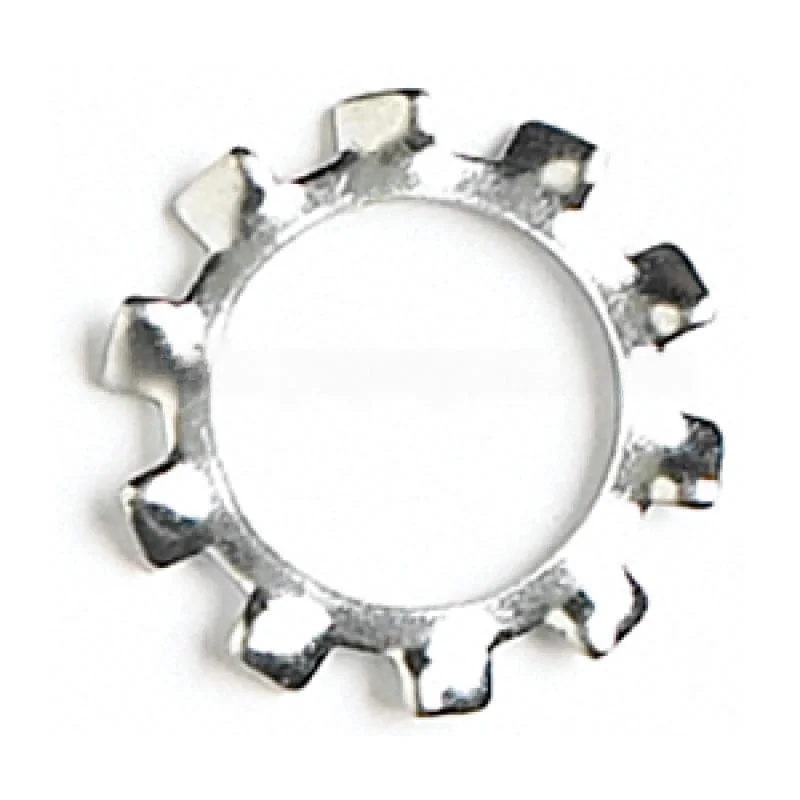
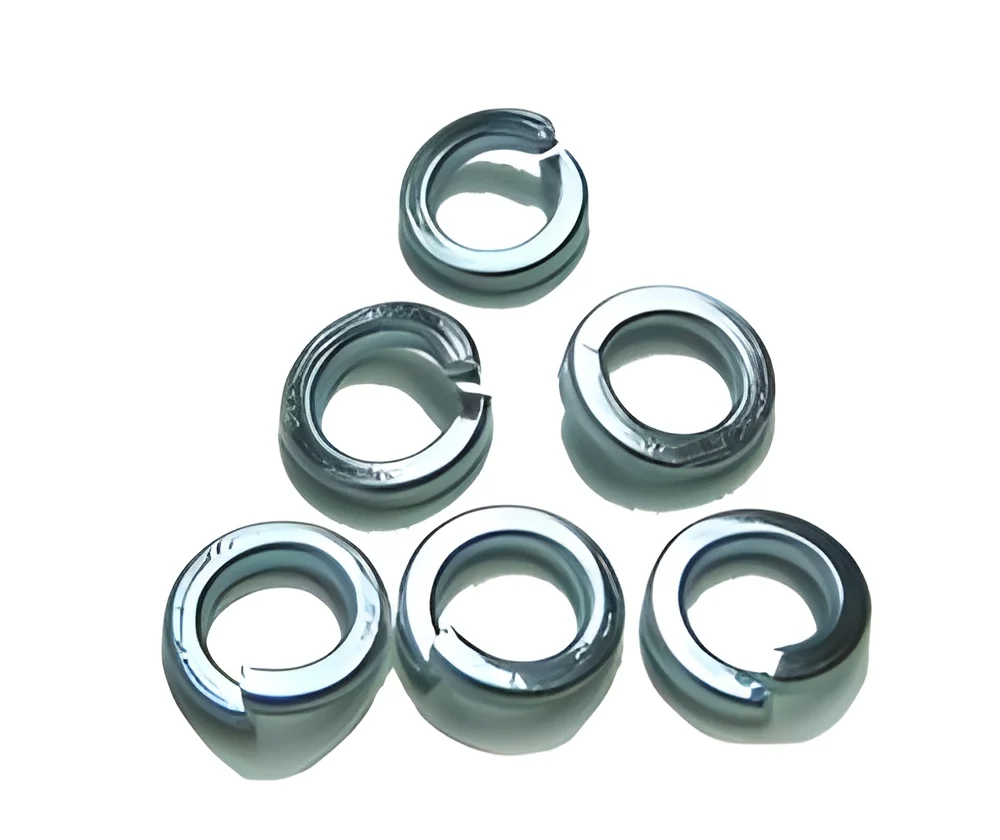
Fasteners include screws, bolts, and nuts designed for different materials and load requirements. They are crucial for securing components in both temporary and permanent setups.
Hinges
Hinges are mechanical devices that allow doors, gates, and cabinets to pivot. They come in various styles, including butt hinges and continuous hinges, catering to different weight and usage demands.
Brackets
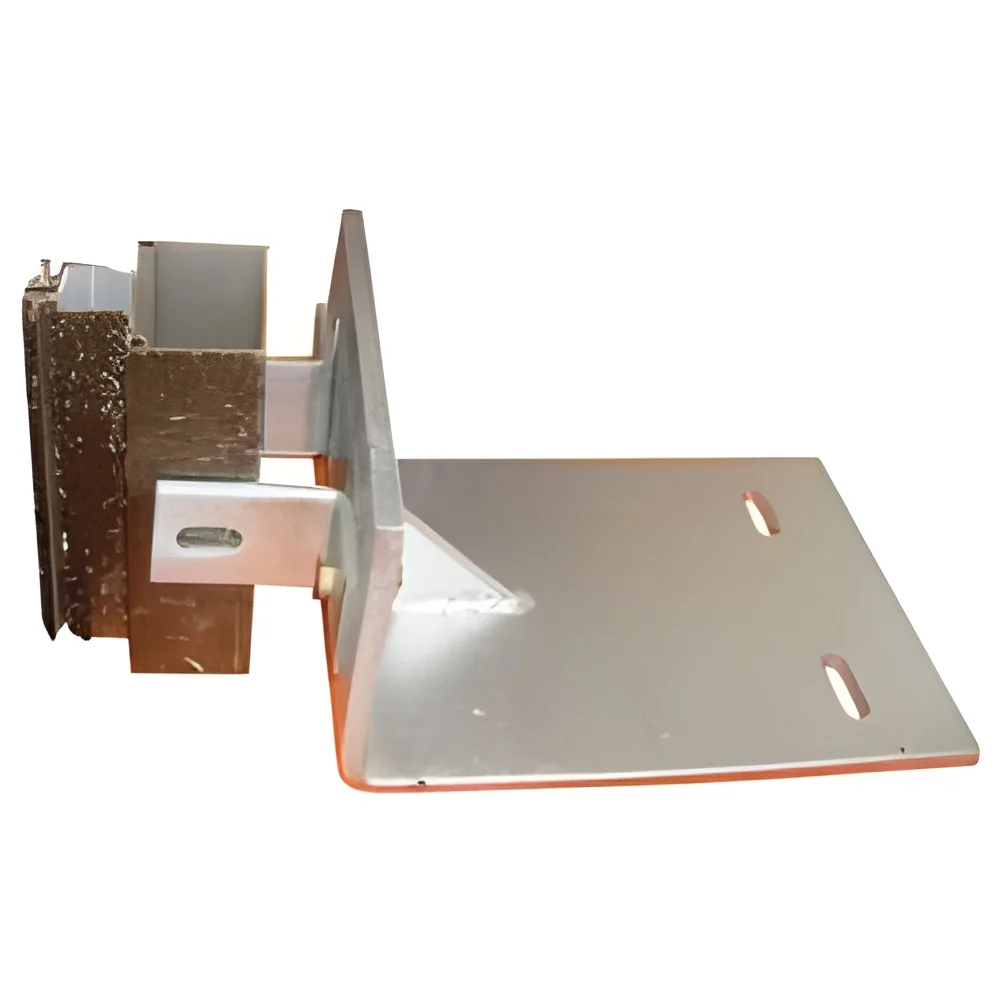
Brackets provide structural support in various applications. They are available in different shapes and sizes to accommodate beams, shelves, and cabinetry.
Anchors
Anchors are used to secure items to walls or other surfaces. Various types, such as wall anchors and toggle bolts, are available for specific installation scenarios.
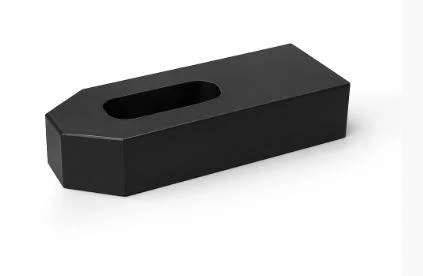
Clamps
Clamps are used to hold objects in place during assembly or construction. They come in various designs, including C-clamps and pipe clamps, for diverse applications.
𝗕𝗲𝗻𝗲𝗳𝗶𝘁𝘀 𝗮𝗻𝗱 𝗔𝗱𝘃𝗮𝗻𝘁𝗮𝗴𝗲𝘀
Sourcing high-quality construction hardware offers numerous advantages for businesses.
1. Enhanced Durability: Quality construction hardware ensures longevity and resistance to environmental stresses, reducing the need for frequent replacements.
2. Improved Safety: Reliable hardware contributes to the safety of structures, minimizing risks associated with failures or malfunctions.
3. Cost-Effectiveness: Investing in durable hardware reduces long-term costs associated with repairs and replacements, ultimately leading to better project profitability.
4. Versatility: A wide range of hardware options allows for adaptability in various projects, catering to different design and structural needs.
5. Compliance Assurance: Sourcing hardware that meets industry standards ensures compliance with regulations, reducing potential legal liabilities.
6. Streamlined Installation: High-quality hardware often features user-friendly designs that facilitate easier and faster installation, enhancing project efficiency.
In summary, choosing the right construction hardware provides businesses with significant benefits that enhance project outcomes and overall operational efficiency.
𝗕𝘂𝘆𝗶𝗻𝗴 𝗚𝘂𝗶𝗱𝗲 𝗳𝗼𝗿 𝗕𝟮𝗕 𝗕𝘂𝘆𝗲𝗿𝘀
When sourcing construction hardware, several factors must be taken into account to ensure quality and reliability.
1. Quality Assessment: Evaluate the materials and manufacturing processes of the hardware. Look for products that comply with industry standards to ensure performance and safety.
2. Supplier Verification: Vet suppliers by reviewing their credentials, reputation, and customer feedback. A verified supplier network can provide assurance of product quality and reliability.
3. Pricing and MOQ: Understand pricing structures and minimum order quantities. This helps in budgeting and ensures that you can meet project demands without overspending.
4. Delivery and Lead Times: Consider logistics and timelines for delivery. Timely access to hardware is crucial for maintaining project schedules.
5. Compliance Requirements: Be aware of any regulatory requirements related to construction hardware in your region. Ensuring compliance can prevent legal issues and project delays.
In summary, a thorough buying guide helps B2B buyers make informed decisions when purchasing construction hardware, ensuring that they acquire quality products that meet their specific needs.
𝗖𝗼𝗺𝗽𝗹𝗶𝗮𝗻𝗰𝗲 𝗮𝗻𝗱 𝗖𝗲𝗿𝘁𝗶𝗳𝗶𝗰𝗮𝘁𝗶𝗼𝗻𝘀
Compliance and certifications are critical aspects of construction hardware that ensure product quality and safety.
Relevant quality standards such as ISO 9001 signify a commitment to quality management systems. This certification helps assure buyers that products meet international quality benchmarks.
Industry certifications, such as CE marking, indicate conformity with health, safety, and environmental protection standards. This is particularly important for construction hardware, as it directly impacts structural integrity and user safety.
Safety and testing requirements vary by product type but often include assessments for load-bearing capacity, corrosion resistance, and environmental durability. Rigorous testing ensures that hardware performs as expected under real-world conditions.
Regional compliance considerations must also be taken into account, as different areas have specific regulations governing construction materials and hardware. Understanding these regional requirements is essential for compliance and successful project execution.
In summary, compliance and certifications play a vital role in assuring the quality and safety of construction hardware, making them essential considerations for B2B buyers.
𝗪𝗵𝘆 𝗦𝗼𝘂𝗿𝗰𝗲 𝗖𝗼𝗻𝘀𝘁𝗿𝘂𝗰𝘁𝗶𝗼𝗻 𝗛𝗮𝗿𝗱𝘄𝗮𝗿𝗲 𝗳𝗿𝗼𝗺 𝗣𝗲𝗽𝗮𝗴𝗼𝗿𝗮?
Pepagora provides a trusted platform for sourcing construction hardware, offering various key advantages to B2B buyers.
Verified Supplier Network: Pepagora connects buyers with a network of verified suppliers, ensuring that businesses can source high-quality construction hardware with confidence. This network is built on rigorous vetting processes to maintain standards.
Streamlined RFQ Process: The Request for Quotation (RFQ) process on Pepagora is designed to be straightforward and efficient. Buyers can easily submit their requirements and receive competitive quotes from multiple suppliers, allowing for informed decision-making.
Trade Assurance and Support: Pepagora offers trade assurance to protect buyers during transactions. This includes support for resolving disputes and ensuring that purchases meet the agreed-upon specifications.
Regional Coverage: With a strong presence in India, the GCC, and Southeast Asia, Pepagora provides extensive regional coverage. This geographic reach enables buyers to access a diverse range of construction hardware tailored to their local markets.
In summary, sourcing construction hardware from Pepagora not only simplifies the procurement process but also ensures that buyers receive quality products backed by reliable suppliers and comprehensive support.

























Frequently Asked Questions
What are Construction Hardware?
Construction hardware encompasses a wide range of products used in the construction and building industry. This includes items such as fasteners, brackets, hinges, and other essential components that facilitate structural integrity and functionality in buildings.
What are the different types of Construction Hardware?
Different types of construction hardware include fasteners like screws and bolts, structural connectors, door and window hardware, and safety equipment. Each type serves a specific purpose and is designed to meet the demands of various construction applications.
How do I choose the right Construction Hardware?
Choosing the right construction hardware involves assessing the specific needs of your project, including load requirements and environmental conditions. It's important to consider factors such as material compatibility, durability, and compliance with local building codes.
What are the standard specifications for Construction Hardware?
Standard specifications for construction hardware vary based on the type and application but generally include dimensions, load ratings, and material properties. It is crucial to refer to industry standards such as those set by ASTM or ISO for specific hardware types.
What is the price range for Construction Hardware?
The price range for construction hardware can vary widely depending on the type, material, and manufacturer. Generally, prices can start from a few rupees for basic fasteners to several thousand rupees for specialized equipment and fixtures.
What quality standards apply to Construction Hardware?
Construction hardware must meet various quality standards to ensure safety and reliability. Common standards include those set by the Bureau of Indian Standards (BIS), which specify performance criteria and testing methods for different hardware types.
Where can I find Construction Hardware suppliers in India?
You can find construction hardware suppliers in India through various channels such as online marketplaces, trade shows, and industry directories. Websites like Pepagora.com provide a comprehensive list of manufacturers and suppliers for easy access.
Can Construction Hardware be customized?
Yes, construction hardware can often be customized to meet specific project requirements. Many manufacturers offer customization options for dimensions, materials, and finishes to cater to unique construction needs.
What is the typical minimum order quantity for Construction Hardware?
The typical minimum order quantity (MOQ) for construction hardware varies by supplier and product type. Generally, it can range from a small batch of items to larger quantities depending on the manufacturer's policies and the specific hardware involved.
What is the typical lead time for Construction Hardware?
The typical lead time for construction hardware can vary based on factors such as product availability and customization requirements. Generally, lead times can range from a few days for standard items to several weeks for custom orders.
Why Businesses Trust Pepagora
Thousands of companies trust Pepagora to source smarter and sell faster
Expand Your Sales Globally

Source Smarter,Grow Faster
