
 IN
Wireless Control Systems
1 products available
What are Wireless Control Systems?
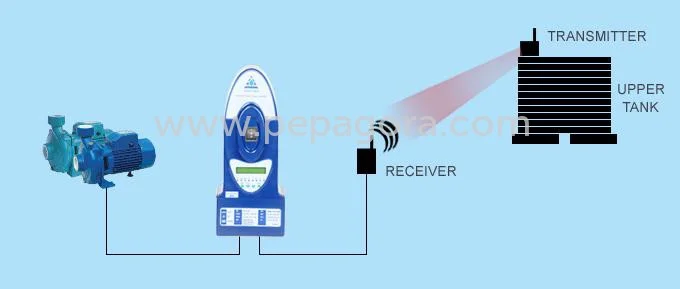
Wireless control systems are advanced technologies that enable remote management and operation of machinery and processes without the need for physical connections. These systems utilize radio signals, infrared, or other wireless communication methods to transmit commands and data between control devices and industrial equipment. This flexibility allows for improved efficiency and safety in various applications, eliminating the constraints of traditional wired systems.
Primarily, wireless control systems find use in industries such as manufacturing, logistics, and energy management. They are employed for applications like remote monitoring, equipment automation, and process control. By enabling real-time data exchange, businesses can optimize operations, reduce maintenance costs, and enhance productivity. The relevance of wireless control systems in today's market is underscored by the increasing demand for automation and smart technologies across multiple sectors, driving innovation and investment in wireless solutions.
Key Features and Specifications
Wireless control systems come equipped with a range of features that enhance their functionality and user experience. Understanding these specifications is crucial for businesses looking to implement such systems in their operations.
Key specifications include:
1. Communication Range
- The maximum distance over which devices can communicate effectively.
- Typically ranges from a few meters to several kilometers, depending on the technology used.
2. Frequency Bands
- The specific radio frequencies utilized for communication.
- Common bands include 2.4 GHz and 5 GHz, with implications for interference and range.
3. Power Supply Options
- Types of power sources available for system operation.
- Options may include battery-operated units or devices powered through mains electricity.
4. Data Transmission Rate
- The speed at which data is transmitted between devices.
- Measured in bits per second (bps), higher rates facilitate faster communication.
5. Security Features
- Measures in place to protect data and prevent unauthorized access.
- May include encryption protocols and secure authentication methods.
6. Environmental Ratings
- Specifications indicating the system's resilience to environmental conditions.
- Ratings can include temperature and humidity tolerances.
7. Integration Capabilities
- The ability of the system to work with existing infrastructure.
- Compatibility with various industrial protocols can enhance functionality.
8. User Interface
- The design and usability of the control interface.
- Intuitive interfaces can improve user adoption and efficiency.
In summary, the features and specifications of wireless control systems are integral to their performance and suitability for diverse industrial applications.
Common Applications and Use Cases
Wireless control systems are versatile and serve a broad range of industries.
1. Manufacturing: These systems are used for monitoring production lines and automating machinery, leading to increased efficiency and reduced downtime.
2. Logistics: In warehousing and distribution, wireless control systems optimize inventory management and streamline operations through real-time tracking.
3. Energy Management: They are employed in smart grids and renewable energy systems for remote monitoring and control of energy production and consumption.
4. Agriculture: Wireless control systems facilitate precision farming by monitoring soil conditions and automating irrigation systems.
5. Transportation: Used in fleet management, these systems enable real-time tracking of vehicles and assets, improving logistics efficiency.
6. Healthcare: In hospitals, wireless control systems manage medical equipment and track patient data, enhancing overall patient care.
7. Building Automation: These systems control lighting, heating, and security systems in commercial buildings, improving energy efficiency and safety.
Product Variants and Subcategories
Wireless control systems come in various configurations to meet specific needs.
Variant 1: Remote Control Units
These devices enable operators to control machinery from a distance, providing convenience and enhancing safety, especially in hazardous environments.
Variant 2: Sensor Networks
These systems consist of multiple sensors that collect data on environmental conditions. They are widely used in applications such as temperature monitoring and process control.
Variant 3: Industrial Automation Systems
These comprehensive solutions integrate various control functions, allowing for seamless operation across different machinery and processes.
Variant 4: Smart Home Systems
Designed for residential use, these systems enable users to monitor and control home appliances remotely, improving convenience and energy management.
Variant 5: IoT-Enabled Control Systems
These advanced variants connect to the Internet, allowing for remote access and monitoring via smartphones or computers, enhancing functionality and user engagement.
Benefits and Advantages
Wireless control systems offer numerous advantages for businesses looking to improve their operational efficiency.
1. Flexibility: These systems allow for easy reconfiguration and expansion, enabling businesses to adapt to changing needs without significant infrastructure changes.
2. Cost-Effectiveness: By reducing installation and maintenance costs associated with wiring, businesses can save on overall expenses.
3. Enhanced Safety: Wireless control systems minimize the risk of accidents by allowing operators to manage equipment from a safe distance.
4. Real-Time Monitoring: The ability to monitor processes and equipment in real-time leads to quicker response times and improved operational efficiency.
5. Improved Data Collection: These systems facilitate extensive data collection for analysis, aiding in decision-making and process optimization.
6. Increased Productivity: Automation and remote control capabilities streamline operations, allowing personnel to focus on higher-value tasks.
Buying Guide for B2B Buyers
When sourcing wireless control systems, businesses should consider several critical factors to ensure they select the right solution.
1. Quality Assessment: Evaluate the quality of wireless control systems by reviewing manufacturer reputation, customer feedback, and product specifications.
2. Supplier Verification: Vet potential suppliers by checking their credentials, certifications, and history of successful implementations in your industry.
3. Pricing and MOQ: Understand the cost of systems and the minimum order quantity to ensure it aligns with your budget and operational needs.
4. Delivery and Lead Times: Inquire about the supplier's delivery schedules and lead times to ensure timely acquisition and implementation of systems.
5. Compliance Requirements: Ensure that the systems meet relevant industry standards and regulations to avoid potential legal issues and ensure safety.
Compliance and Certifications
Wireless control systems must adhere to various quality standards and certifications to ensure reliability and safety in operation.
Relevant quality standards include ISO 9001, which outlines requirements for a quality management system, ensuring that products meet customer and regulatory demands. Additionally, HACCP standards may apply to systems used in food production and processing, ensuring safety and quality.
Industry certifications such as CE mark indicate compliance with European health, safety, and environmental protection standards. Adhering to these certifications ensures that the systems are safe to use and meet regulatory requirements.
Furthermore, wireless control systems must undergo rigorous safety and testing requirements to confirm they operate effectively under various conditions. Compliance with regional regulations is also crucial, as different areas may have specific requirements for wireless technology and equipment safety.
Why Source Wireless Control Systems from Pepagora?
Pepagora provides a trusted platform for sourcing wireless control systems, offering several key advantages to B2B buyers.
Verified Supplier Network: Pepagora connects buyers with a network of verified suppliers, ensuring that businesses can source high-quality products from reputable manufacturers.
Streamlined RFQ Process: The platform features a streamlined request for quotation (RFQ) process, allowing buyers to receive competitive pricing and options quickly, facilitating faster decision-making.
Trade Assurance and Support: Pepagora offers trade assurance and dedicated support to protect buyers throughout the purchasing process, ensuring a secure transaction experience.
Regional Coverage: With a focus on markets in India, the GCC, and Southeast Asia, Pepagora provides extensive geographic coverage, making it easier for businesses to find suitable suppliers in their region.


 India
Frequently Asked Questions
What are Wireless Control Systems?
Wireless Control Systems are technologies that allow for the control and monitoring of devices without the use of physical, wired connections. These systems utilize radio frequency, infrared, or other wireless communication methods to transmit signals, enabling remote operation and automation.
What are the different types of Wireless Control Systems?
Wireless Control Systems can be classified into various types, including RF (Radio Frequency) control systems, infrared control systems, Bluetooth control systems, and Wi-Fi based control systems. Each type has its specific applications and advantages depending on range, power consumption, and data transfer rates.
How do I choose the right Wireless Control Systems?
To choose the right Wireless Control System, consider factors such as the range of communication, compatibility with existing devices, required features, and the environment in which the system will operate. Additionally, evaluating the reliability and scalability of the system can help ensure it meets your long-term needs.
What are the standard specifications for Wireless Control Systems?
Standard specifications for Wireless Control Systems typically include frequency range, transmission power, communication protocols, and operating distance. Other important specifications may include power consumption, response time, and environmental resistance ratings.
What is the price range for Wireless Control Systems?
The price range for Wireless Control Systems varies significantly based on features, technology, and manufacturer. Generally, prices can start from a few thousand Indian Rupees for basic systems and can go up to several lakhs for advanced and customized solutions.
What quality standards apply to Wireless Control Systems?
Wireless Control Systems are subject to various quality standards, including ISO certifications, CE marking, and FCC compliance. These standards ensure that the systems meet safety, performance, and interoperability requirements.
Where can I find Wireless Control Systems suppliers in India?
You can find Wireless Control Systems suppliers in India through B2B marketplaces like Pepagora.com, trade shows, industry directories, and online research. These platforms can connect you with reputable manufacturers and distributors in the field.
Can Wireless Control Systems be customized?
Yes, many manufacturers offer customization options for Wireless Control Systems to meet specific user requirements. Customizations may include tailored functionalities, design modifications, and integration with existing systems.
What is the typical minimum order quantity for Wireless Control Systems?
The typical minimum order quantity (MOQ) for Wireless Control Systems varies by supplier and product type. Generally, MOQs can range from 10 to 100 units, depending on the manufacturer's policies and production capabilities.
What is the typical lead time for Wireless Control Systems?
The typical lead time for Wireless Control Systems can vary based on factors such as order size, customization options, and manufacturer capabilities. Generally, lead times can range from 2 to 6 weeks after order confirmation.
Why Businesses Trust Pepagora
Thousands of companies trust Pepagora to source smarter and sell faster
Expand Your Sales Globally

Source Smarter,Grow Faster
