
 IN
Windows, Doors & Ventilation Units
24 products available
What are Windows, Doors & Ventilation Units?
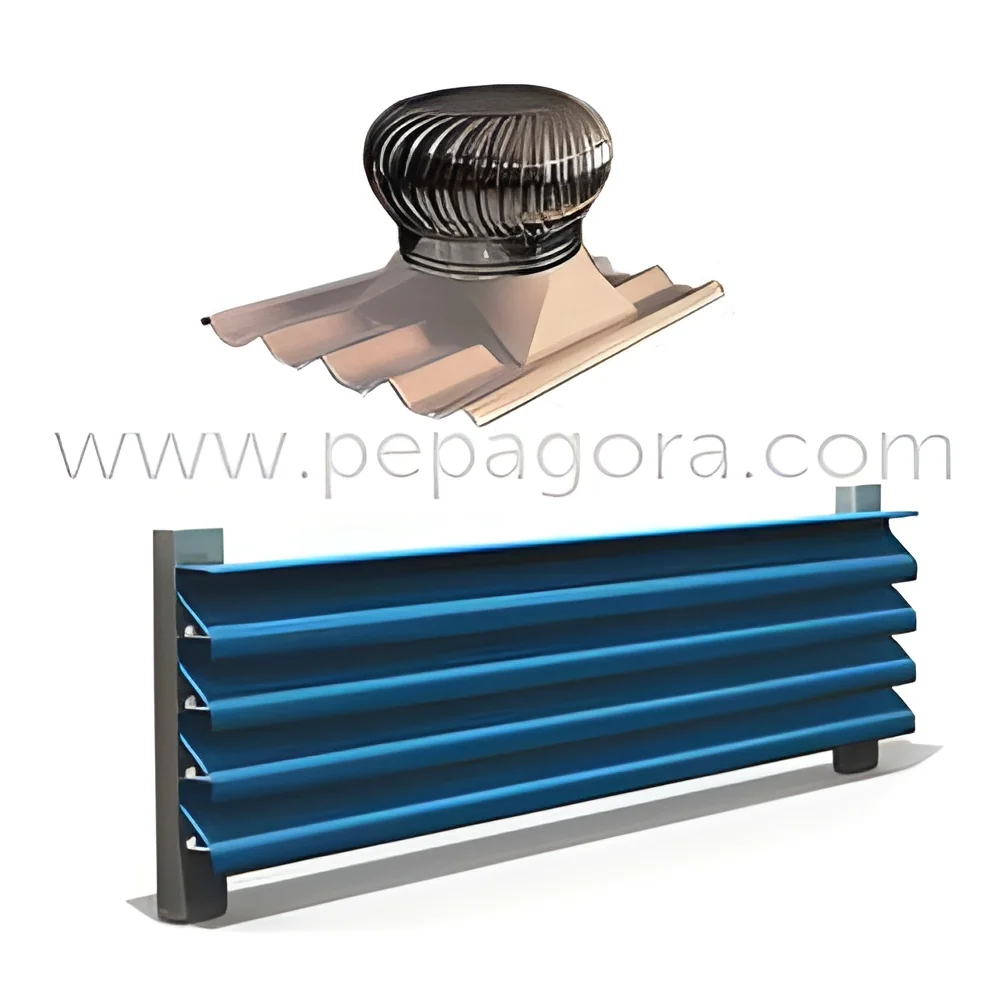
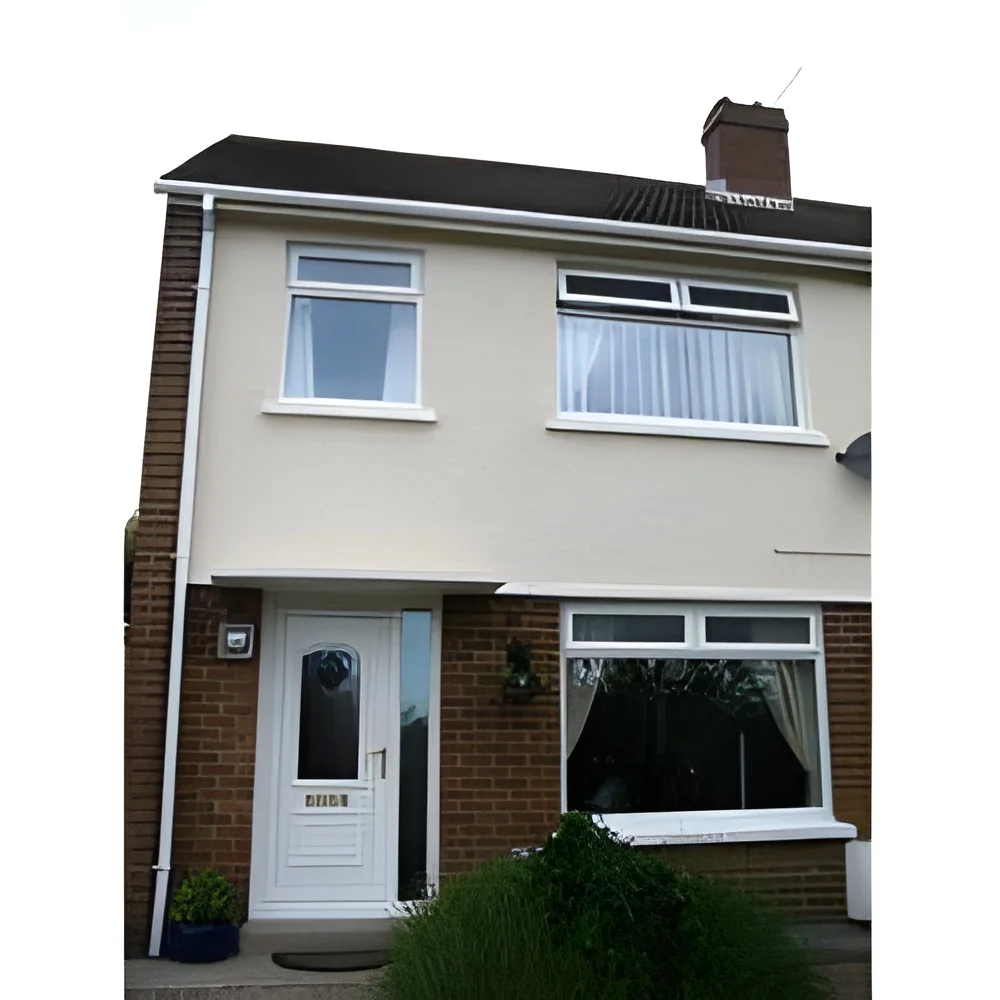
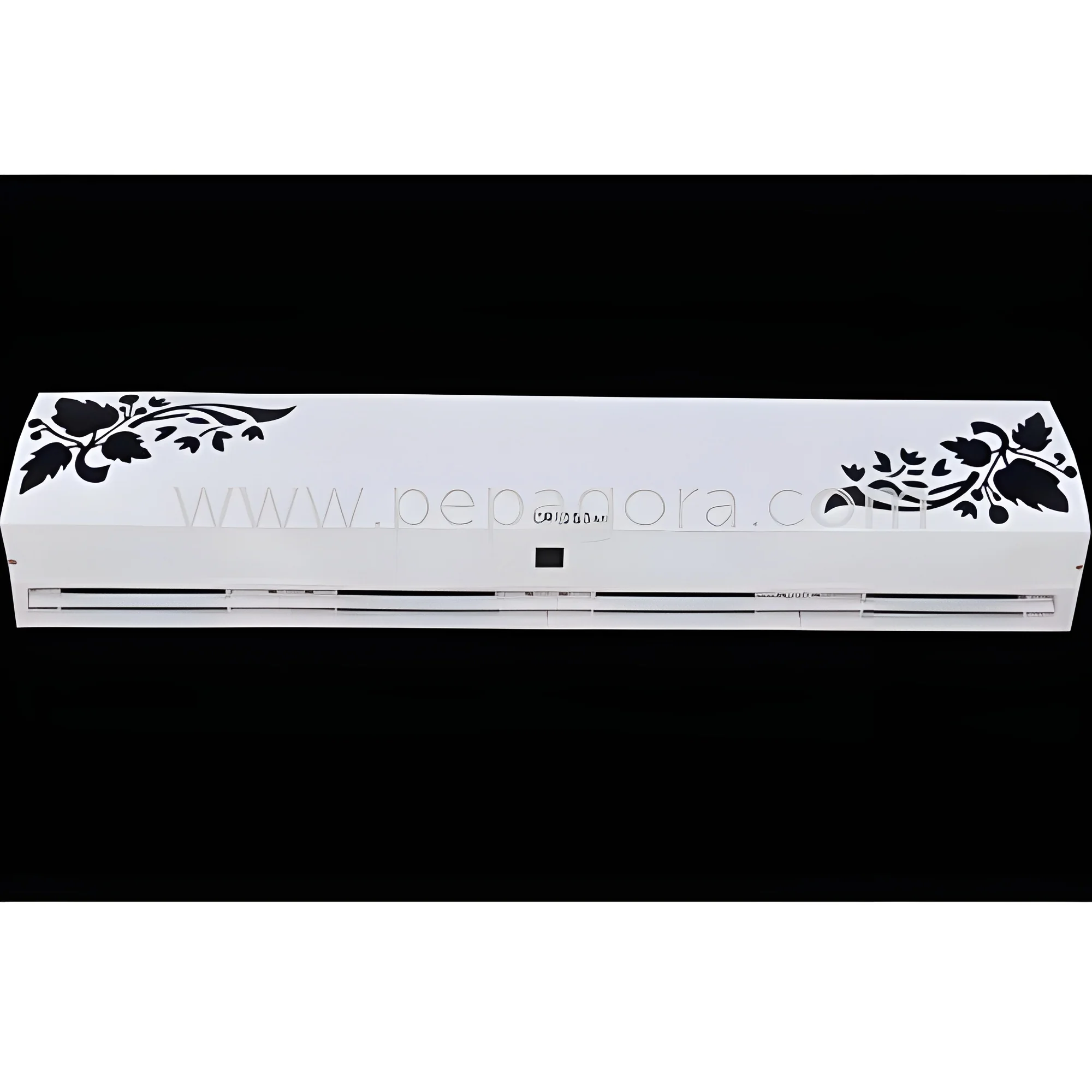
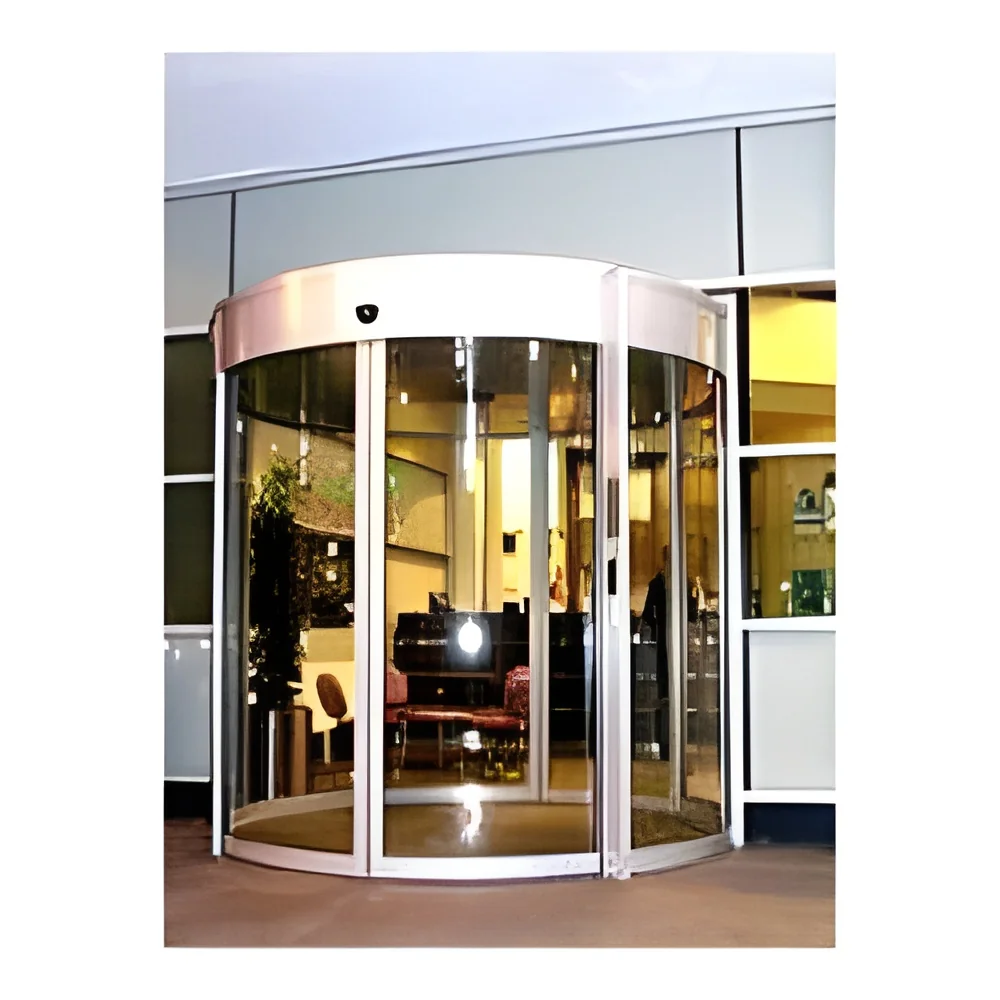
Windows, doors, and ventilation units are essential components in building construction and design. They serve multiple functions, including providing access, ensuring security, and allowing natural light and air to enter a space. Windows can vary in style and type, including sliding, casement, and fixed models. Doors can be interior or exterior, made from materials such as wood, metal, or fiberglass. Ventilation units are designed to enhance indoor air quality by controlling airflow and humidity levels.
These products are crucial for various business applications, including residential, commercial, and industrial settings. In residential buildings, windows and doors contribute to the aesthetic appeal and energy efficiency. In commercial buildings, they comply with safety regulations while enhancing the workspace environment. Industrial applications often require specialized ventilation units to manage air quality in manufacturing processes, ensuring a safe and healthy work environment.
The relevance of windows, doors, and ventilation units in today's market is significant. With increasing focus on energy efficiency and sustainability, these products are evolving. Innovations in materials and technology are leading to smarter, more efficient solutions that meet regulatory standards and consumer demands. The growth of the construction industry further drives the market, as developers seek high-quality, reliable products for their projects.
Key Features and Specifications
Windows, doors, and ventilation units come with a variety of features and specifications designed to meet diverse needs. Understanding these key specifications is critical for businesses looking to invest in these products.
Key specifications include:
1. Material Type
- Windows and doors can be made from wood, aluminum, vinyl, or composite materials.
- Each material offers different levels of durability, insulation, and aesthetic appeal.
2. Energy Efficiency Ratings
- Ratings such as U-factor and Solar Heat Gain Coefficient (SHGC) indicate energy performance.
- Higher ratings typically mean better insulation and reduced energy costs.
3. Size Options
- Customizable sizes are available to fit various architectural designs.
- Standard sizes are also offered for common applications.
4. Security Features
- Multi-point locking systems and reinforced frames enhance security.
- Impact-resistant glass options are available for high-risk areas.
5. Ventilation Capacity
- Ventilation units are rated by air changes per hour (ACH), indicating efficiency.
- Adjustable airflow settings provide flexibility in air management.
6. Sound Insulation
- Sound transmission class (STC) ratings measure noise reduction capabilities.
- Higher STC ratings lead to quieter indoor environments.
7. Aesthetic Choices
- Various finishes, colors, and designs allow for customization to match building styles.
- Options for decorative glass and hardware enhance visual appeal.
8. Compliance Standards
- Products may meet local and international building codes and safety standards.
- Certifications such as CE indicate compliance with European regulations.
Understanding these specifications helps businesses choose products that best suit their requirements and regulatory needs.
Common Applications and Use Cases
Windows, doors, and ventilation units serve a wide range of industries and applications.
1. Residential Construction: Windows and doors enhance home design while providing energy efficiency and security features. Ventilation units help maintain air quality in living spaces.
2. Commercial Buildings: These products are vital for office spaces, retail stores, and hospitality venues. They ensure comfort, security, and compliance with safety regulations.
3. Industrial Facilities: Ventilation units play a critical role in factories and warehouses. They help manage air quality and remove harmful fumes, ensuring a safe work environment.
4. Educational Institutions: Schools and universities require reliable windows and doors for safety and ventilation. Proper airflow is essential for maintaining a conducive learning environment.
5. Healthcare Facilities: Windows and ventilation units in hospitals and clinics are designed for hygiene and comfort. They help control indoor air quality and provide natural light for patient well-being.
6. Hospitality Industry: Hotels and restaurants utilize these products to enhance guest experiences while ensuring safety and comfort through effective ventilation.
7. Retail Spaces: Attractive windows and doors draw customers into shops while ventilation units keep the air fresh and comfortable for shoppers.
Product Variants and Subcategories
Windows, doors, and ventilation units exhibit significant diversity to meet various needs.
Sliding Windows: These windows operate by sliding horizontally, making them ideal for spaces with limited exterior access. They are easy to operate and provide unobstructed views.
Casement Doors: Hinged at the side, these doors open outward and are known for their energy efficiency and ease of use. They are often used in residential and commercial settings where natural ventilation is desired.
Double-Hung Windows: Featuring two operable sashes, double-hung windows allow for versatile ventilation and easy cleaning. They are popular in both traditional and contemporary architecture.
Skylights: These units are installed in roofs to provide natural light and ventilation. They are particularly effective in spaces requiring natural illumination while enhancing energy efficiency.
Bi-Fold Doors: These doors fold to one side, creating a wide opening. They are often used in modern homes and commercial spaces to create a seamless transition between indoor and outdoor areas.
Benefits and Advantages
Investing in windows, doors, and ventilation units offers numerous benefits for businesses.
1. Energy Efficiency: High-quality windows and doors reduce energy consumption, leading to lower utility bills and a reduced carbon footprint.
2. Improved Indoor Air Quality: Ventilation units ensure proper air circulation, reducing pollutants and enhancing occupant comfort.
3. Enhanced Security: Many products come with advanced locking systems and impact-resistant materials, providing peace of mind for users.
4. Aesthetic Appeal: A wide range of styles and finishes allows businesses to choose products that enhance their architectural design.
5. Customization: Many manufacturers offer customizable options to meet specific needs and preferences, ensuring that products fit seamlessly into existing structures.
6. Regulatory Compliance: Sourcing compliant products helps businesses meet local and international building codes, avoiding potential legal issues.
Buying Guide for B2B Buyers
When sourcing windows, doors, and ventilation units, several factors should be considered to ensure a successful purchase.
1. Quality Assessment: Evaluate the quality of materials and construction. Look for certifications that indicate adherence to industry standards and durability.
2. Supplier Verification: Vet suppliers by checking their reputation, customer reviews, and industry experience. Ensure they have a proven track record of reliability and service.
3. Pricing and MOQ: Understand the pricing structure and minimum order quantities (MOQ) to align with your budget and project needs. Compare quotes from multiple suppliers for the best deal.
4. Delivery and Lead Times: Discuss logistics with suppliers, including shipping options and estimated delivery times. Ensure that products arrive when needed to avoid project delays.
5. Compliance Requirements: Familiarize yourself with local regulations regarding building materials. Ensure that the products you choose comply with safety and quality standards.
Compliance and Certifications
Compliance and certifications play a crucial role in ensuring the quality and safety of windows, doors, and ventilation units. Adhering to relevant quality standards, such as ISO 9001, ensures that manufacturing processes meet international guidelines for quality management.
Industry certifications, such as CE marking, indicate that products meet European health, safety, and environmental protection standards. This certification is vital for businesses looking to operate in the European market.
Safety and testing requirements vary by region but often include assessments for structural integrity, energy efficiency, and fire safety. Businesses must consider regional compliance requirements to ensure that their products meet local building codes and regulations.
Why Source Windows, Doors & Ventilation Units from Pepagora?
Pepagora provides a trusted platform for sourcing windows, doors, and ventilation units, offering several key advantages that simplify the procurement process.
Verified Supplier Network: Pepagora connects buyers with a network of verified suppliers, ensuring that businesses can source high-quality products from reputable manufacturers. This verification process helps mitigate risks associated with purchasing from unknown sources.
Streamlined RFQ Process: The platform features a streamlined Request for Quotation (RFQ) process, allowing buyers to easily compare quotes from multiple suppliers. This efficiency saves time and helps businesses make informed purchasing decisions.
Trade Assurance and Support: Pepagora offers trade assurance, providing buyers with protection throughout the purchasing process. This support instills confidence in transaction security and product quality.
Regional Coverage: With a broad geographic reach, Pepagora serves clients across India, the GCC, and Southeast Asia. This extensive coverage allows businesses to access a diverse range of products and suppliers, enhancing their sourcing capabilities.





 India
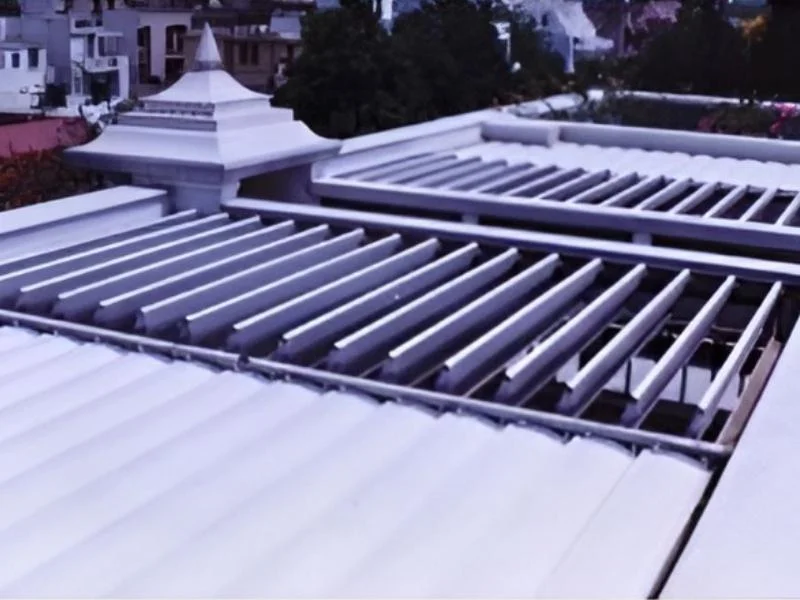
 India


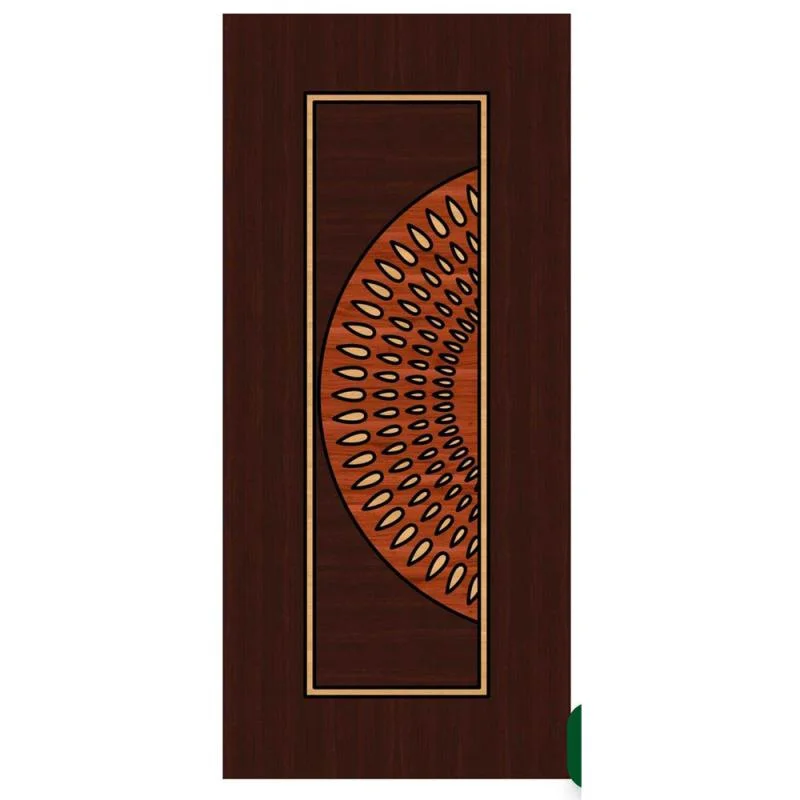
 India
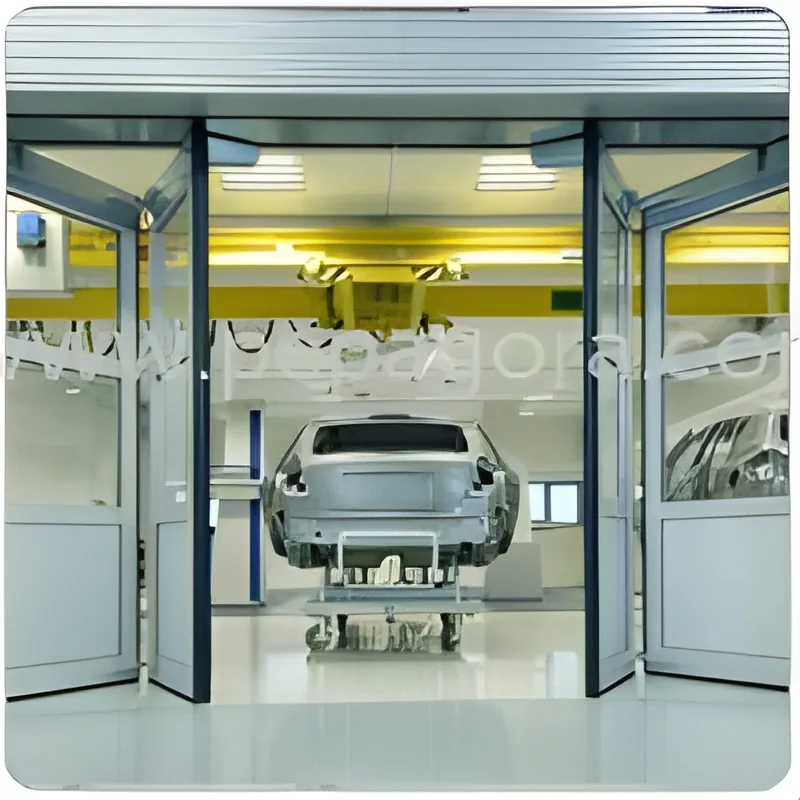
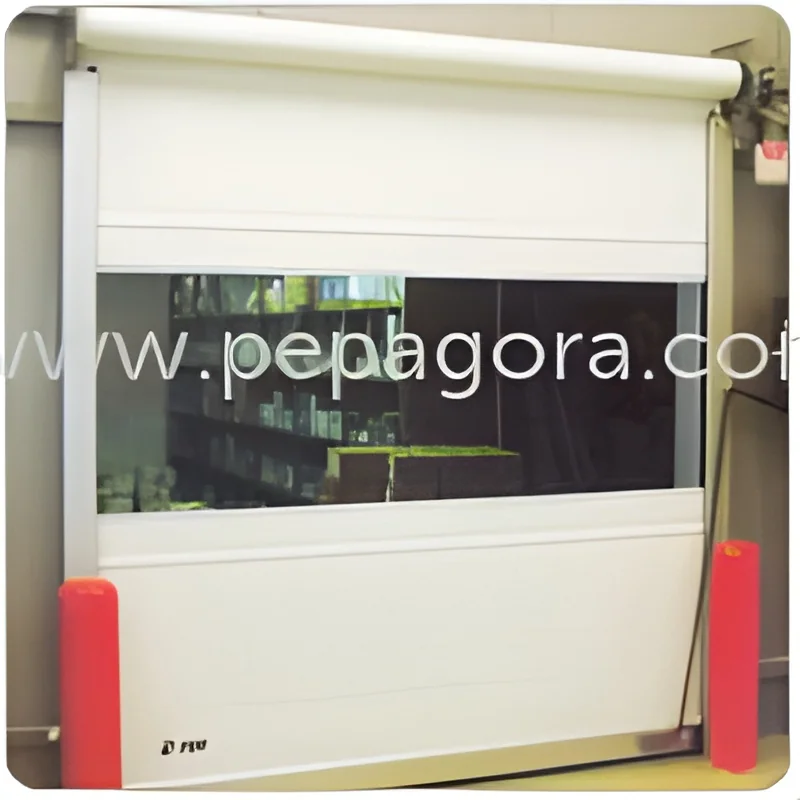
 India
 India

 India
 India


 India

 India
 India
 India
Frequently Asked Questions
What are Windows, Doors & Ventilation Units?
Windows, Doors & Ventilation Units refer to architectural elements that provide access, light, and airflow to a building. Windows allow natural light and visibility, doors serve as entry and exit points, and ventilation units ensure proper air circulation and quality.
What are the different types of Windows, Doors & Ventilation Units?
There are various types of Windows, including casement, sliding, awning, and fixed. Doors can be categorized into entry doors, interior doors, sliding doors, and bi-fold doors. Ventilation units include exhaust fans, air exchange units, and window vents.
How do I choose the right Windows, Doors & Ventilation Units?
Selecting the right Windows, Doors & Ventilation Units involves considering factors like the architectural style, functionality, and energy efficiency. It's also important to assess the material, size, and purpose of each unit to meet your specific needs.
What are the standard specifications for Windows, Doors & Ventilation Units?
Standard specifications for Windows, Doors & Ventilation Units typically include dimensions, material types, insulation values, and safety ratings. These specifications are important for ensuring compliance with building codes and energy efficiency standards.
What is the price range for Windows, Doors & Ventilation Units?
The price range for Windows, Doors & Ventilation Units can vary significantly based on the type, material, and size. Generally, you can expect prices to start from a few thousand rupees and can go up to several lakhs for high-end or customized options.
What quality standards apply to Windows, Doors & Ventilation Units?
Quality standards for Windows, Doors & Ventilation Units often include compliance with IS (Indian Standards) and ISO certifications. These standards ensure durability, safety, and performance in various weather conditions.
Where can I find Windows, Doors & Ventilation Units suppliers in India?
You can find suppliers of Windows, Doors & Ventilation Units through online B2B marketplaces like Pepagora, trade shows, and industry directories. It's advisable to compare multiple suppliers for quality and pricing.
Can Windows, Doors & Ventilation Units be customized?
Yes, many manufacturers offer customization options for Windows, Doors & Ventilation Units. Customization can include specific dimensions, materials, and design features to meet the unique requirements of your project.
What is the typical minimum order quantity for Windows, Doors & Ventilation Units?
The typical minimum order quantity (MOQ) for Windows, Doors & Ventilation Units can vary by supplier and product type. Generally, the MOQ ranges from a single unit for standard products to bulk quantities for specialized or custom orders.
What is the typical lead time for Windows, Doors & Ventilation Units?
The typical lead time for Windows, Doors & Ventilation Units varies depending on the supplier and whether the products are standard or custom-made. Generally, lead times can range from a few days to several weeks.
Why Businesses Trust Pepagora
Thousands of companies trust Pepagora to source smarter and sell faster
Expand Your Sales Globally

Source Smarter,Grow Faster
