IN
IN₹
Apparel & Fashion
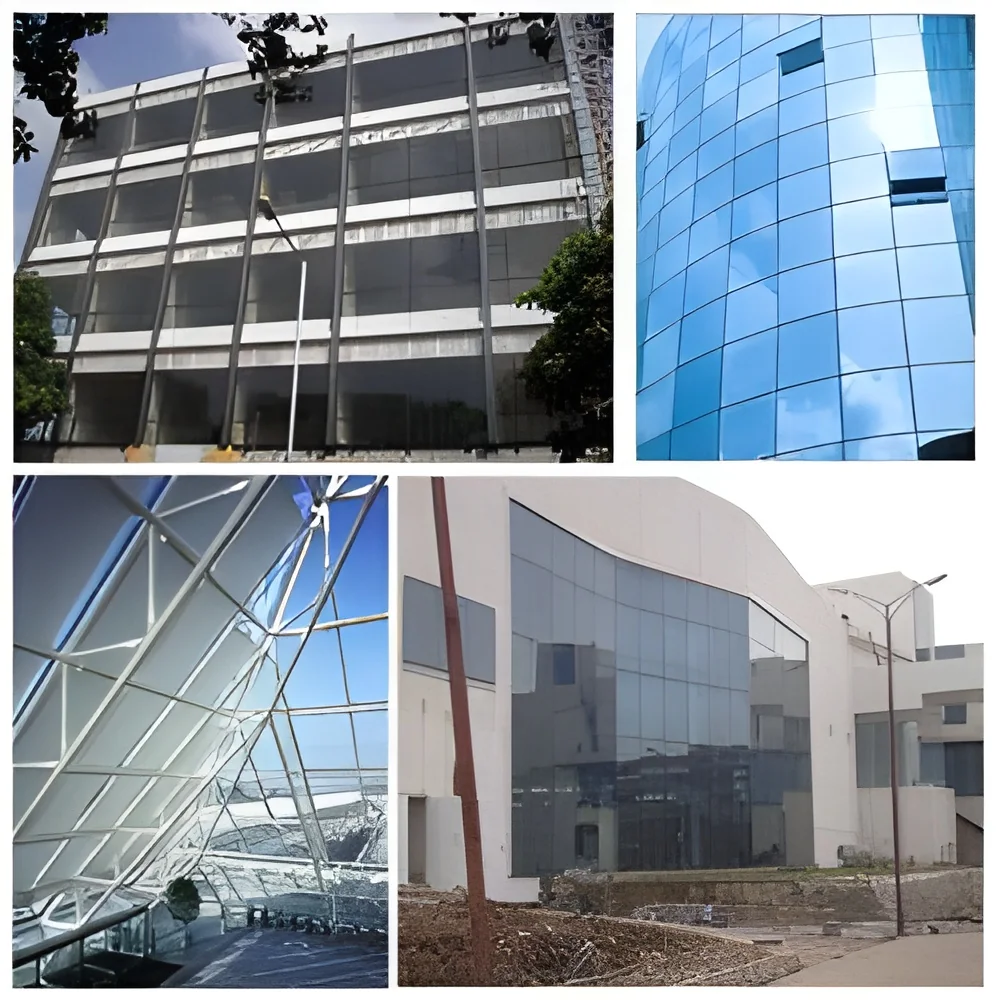
Description
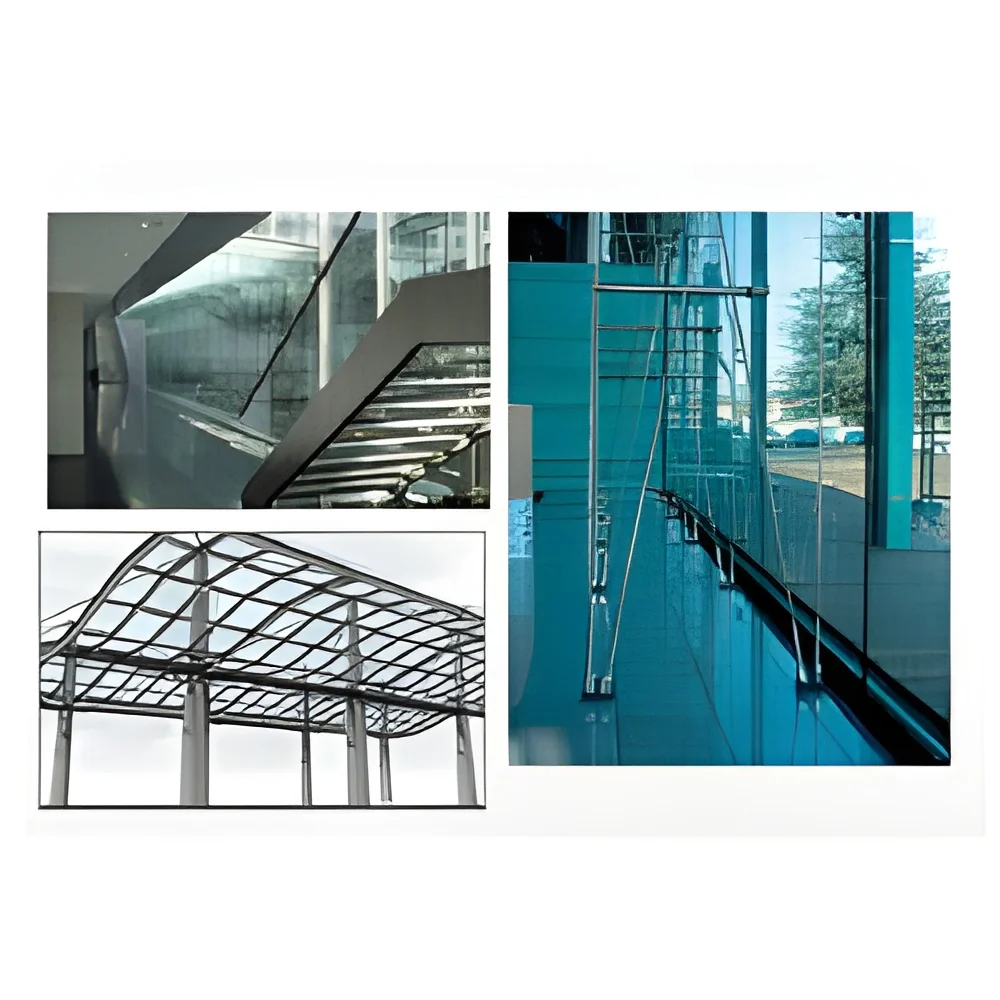
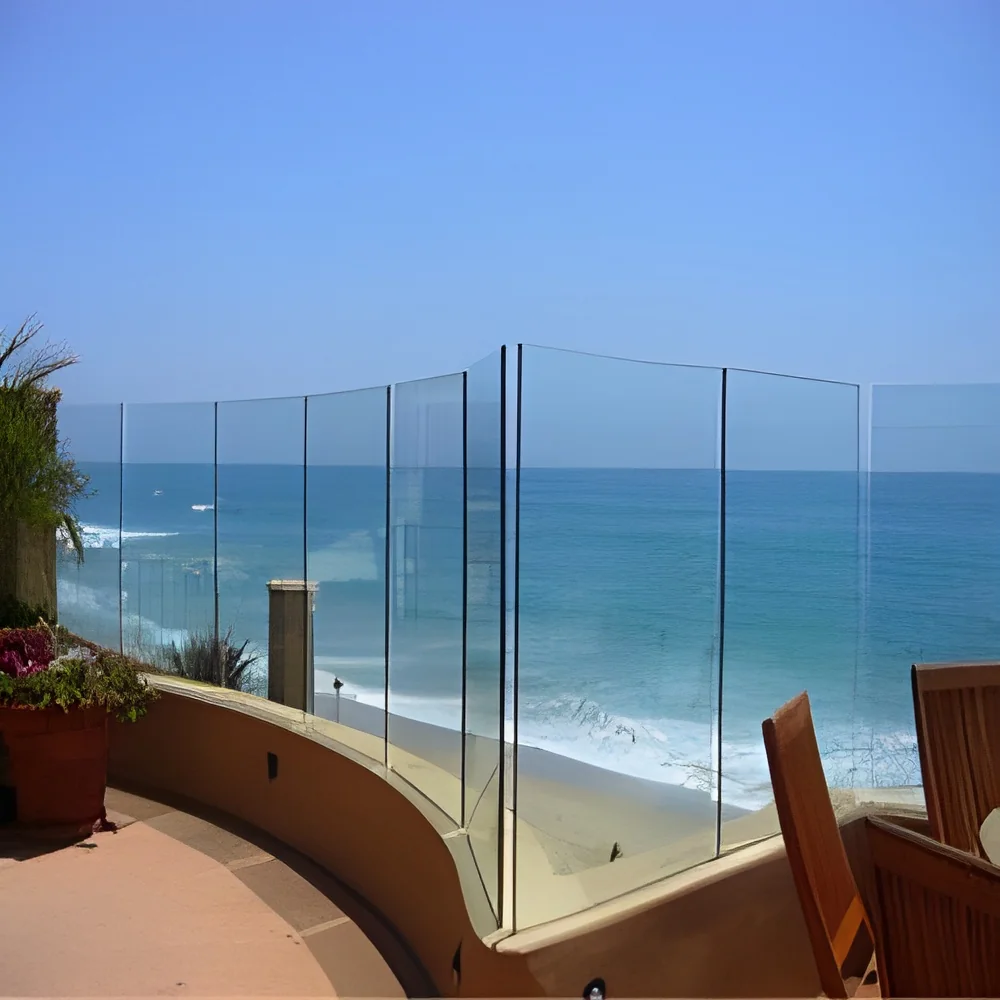
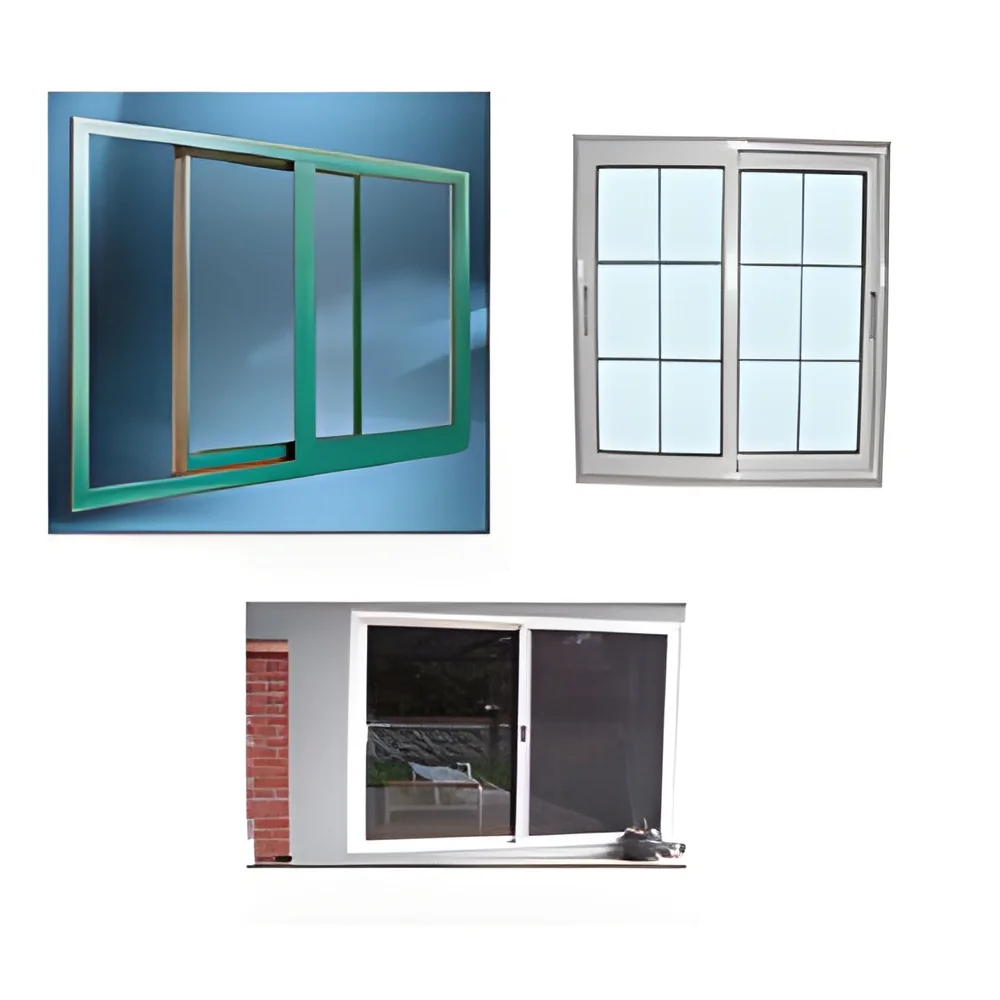
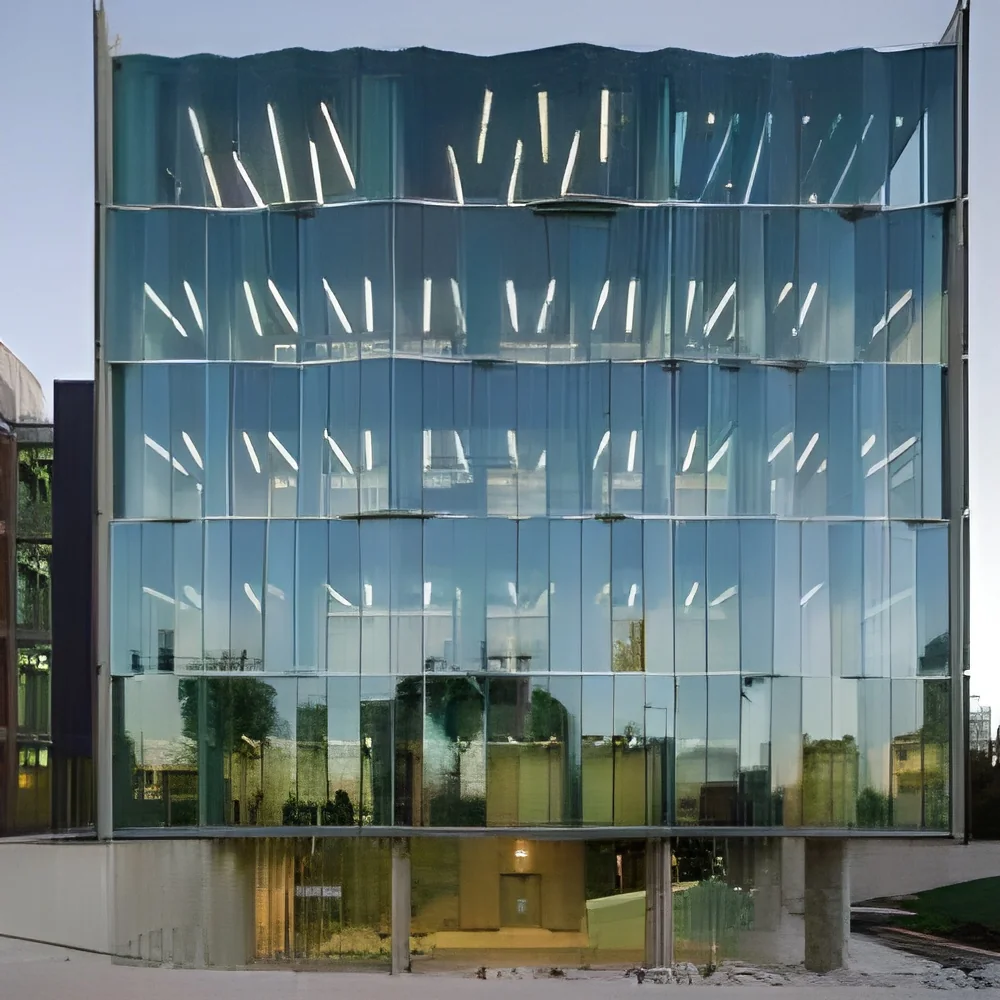
Commercial structural glazing systems represent advanced engineering solutions that seamlessly integrate architectural design with superior building performance. These systems are specifically engineered to withstand significant wind loads while providing excellent thermal insulation and sound reduction properties. Unlike conventional glazing methods, structural glazing creates continuous, flush surfaces that enhance building aesthetics without visible frames or supports. The technology maintains consistent indoor temperatures regardless of external weather conditions through advanced thermal breaks and insulating materials. Simultaneously, it offers superior acoustic performance that reduces external noise transmission, creating more comfortable interior environments. This combination of structural strength, energy efficiency, and acoustic control makes these systems ideal for architects and builders seeking comprehensive, high-performance building envelope solutions.

These glazing s...
Commercial structural glazing systems represent advanced engineering solutions that seamlessly integrate architectural design with superior building performance. These systems are specifically engineered to withstand significant wind loads while providing excellent thermal insulation and sound reduction properties. Unlike conventional glazing methods, structural glazing creates continuous, flush surfaces that enhance building aesthetics without visible frames or supports. The technology maintains consistent indoor temperatures regardless of external weather conditions through advanced thermal breaks and insulating materials. Simultaneously, it offers superior acoustic performance that reduces external noise transmission, creating more comfortable interior environments. This combination of structural strength, energy efficiency, and acoustic control makes these systems ideal for architects and builders seeking comprehensive, high-performance building envelope solutions.

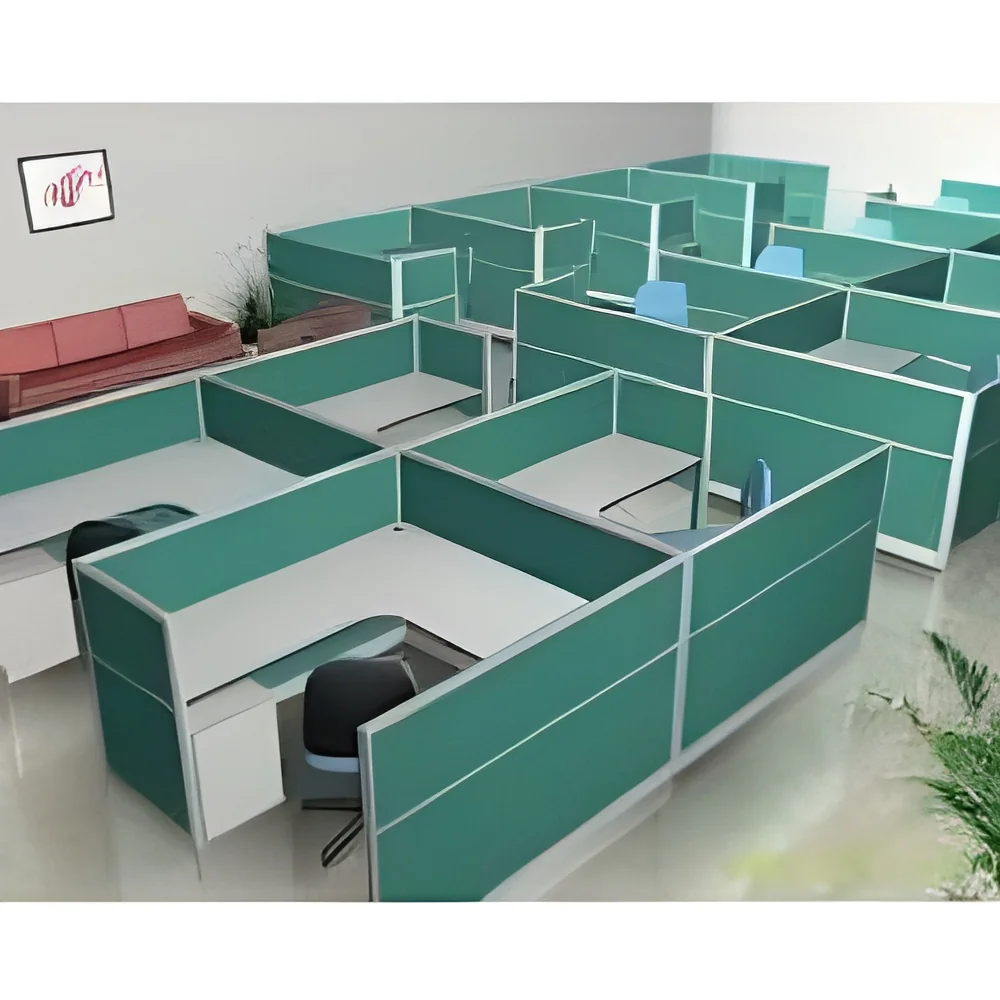
These glazing systems serve critical roles across multiple commercial sectors where performance, durability, and appearance intersect. In commercial real estate, they are preferred for office towers, corporate headquarters, and business parks that require modern aesthetics combined with energy efficiency. The healthcare industry utilizes these systems for hospitals and medical facilities where hygiene, natural light penetration, and noise control are essential for patient recovery and staff productivity. Educational institutions implement them in schools, universities, and research centers where safety, durability, and acoustic comfort support learning environments. Retail establishments leverage the sleek, modern appearance to create inviting commercial spaces while maintaining thermal efficiency. Transportation hubs including airports, railway stations, and bus terminals benefit from the durability, weather resistance, and visual transparency that enhance passenger experience and operational efficiency.

The business value of commercial structural glazing extends well beyond initial installation to deliver substantial long-term operational advantages and reliability. These systems significantly reduce energy consumption through superior thermal insulation, leading to measurable savings on heating and cooling costs throughout the building's lifecycle. Their durable construction and reduced maintenance requirements lower total ownership costs while maintaining aesthetic appeal over time. The enhanced acoustic performance creates more productive work environments and comfortable spaces, potentially increasing property value and tenant satisfaction. Reliability is engineered into every component, with rigorous testing for wind load resistance, water penetration, structural movement, and thermal performance ensuring consistent operation under demanding conditions. The systems' adaptability allows integration with various architectural designs while maintaining all performance characteristics, providing both creative flexibility and technical assurance for project stakeholders.

Key Features:
- Engineered for high wind load resistance and structural stability
- Superior thermal insulation properties reducing energy transfer
- Advanced sound reduction capabilities for acoustic comfort
- Seamless, flush appearance enhancing architectural aesthetics
- Durable construction with long-term weatherproof performance

Benefits:
- Reduces energy consumption and lowers HVAC operational costs
- Creates quieter interior environments improving comfort and productivity
- Enhances building aesthetics with modern, seamless appearance
- Provides reliable performance under demanding environmental conditions
- Offers long-term durability with minimal maintenance requirements
Specifications
| Additional Information | |
|---|---|
| Country of Origin | India |
Application
These structural glazing systems are engineered for demanding commercial environments where both performance and aesthetics are non-negotiable. They withstand significant wind pressures and environmental stresses while maintaining their structural integrity, making them suitable for high-rise buildings and complex architectural designs. The systems provide reliable protection against extreme weather conditions across diverse geographical locations.
Beyond structural strength, these glazing solutions deliver exceptional thermal insulation that significantly reduces heat transfer, lowering energy consumption for heating and cooling. Their advanced sound reduction properties create quieter interior environments essential for concentration and comfort. The seamless, flush appearance enhances building aesthetics without compromising on functionality or durability, offering a complete building envelope solution.
- Corporate office towers and high-rise buildings requiring wind-resistant facades with energy efficiency
- Airport terminals and transportation hubs needing thermal insulation and noise control for passenger areas
- Hospital and healthcare facilities requiring hygienic surfaces, natural light, and acoustic comfort
- Educational institutions and research centers benefiting from safety, durability, and noise reduction
- Retail complexes and shopping malls seeking modern aesthetics with high-performance weatherproofing
Trade Details
| Available Stock | In Stock |
| Sample Availability | No |
Payment Terms
| Payment Terms |
|
Company Profile
Alufinns India Glass Fabricators, Maharashtra
 Maharashtra, India
Maharashtra, IndiaManufacturer•Distributor / Wholesaler
Factory Details
Factory SizeBelow 1000 sqm
Annual Production Capacity0
Commercial Structural Glazing Systems For Wind Load And Thermal Insulation
Commercial structural glazing systems provide superior wind load resistance and thermal insulation for modern building facades. Engineered for durability and energy efficiency, these systems combine architectural aesthetics with high-performance weatherproofing and sound reduction.
Min. Order Quantity: 1 unit
Shipping
Shipping fee and delivery date to be negotiated. Contact supplier now for more details.
Alufinns India Glass Fabricators
 Maharashtra, India
Maharashtra, IndiaManufacturer