
 IN
Welded Fittings
34 products available
What are Welded Fittings?
Welded fittings are specialized components used in piping systems to connect pipes or tubes. They are manufactured by welding two or more pieces of metal together to form a permanent joint. This process enhances the strength and durability of the fittings, making them suitable for high-pressure and high-temperature applications. The welded structure provides a seamless flow path, reducing turbulence and the risk of leaks, which is crucial in many industrial settings.
These fittings are primarily utilized in industries such as oil and gas, chemical processing, and construction. They serve various purposes including changing the direction of flow, connecting different pipe sizes, and closing off sections of piping. The reliability and strength of welded fittings make them a preferred choice in critical applications where safety and performance are paramount. The demand for these fittings continues to grow as industries evolve and require more robust solutions for their piping needs.
Key Features and Specifications
Welded fittings are characterized by several important features that make them suitable for various applications. Understanding these specifications is essential for selecting the right type for your needs.
Key specifications include:
1. Material Composition
- Typically made from stainless steel, carbon steel, or alloy steel
- Provides resistance to corrosion and high temperatures
2. Size and Dimensions
- Available in various sizes ranging from small to large diameters
- Custom sizes can be manufactured based on project requirements
3. Pressure Rating
- Rated for different pressure classes, commonly from 150 to 2500 psi
- Ensures compatibility with the piping system’s pressure requirements
4. Temperature Tolerance
- Designed to withstand temperatures ranging from cryogenic to over 1000 degrees Fahrenheit
- Critical for applications involving steam, hot fluids, or cryogenic gases
5. Joint Configuration
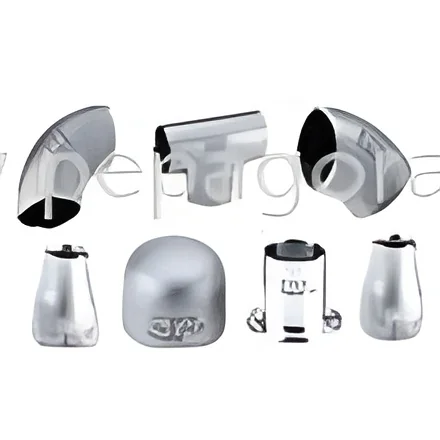
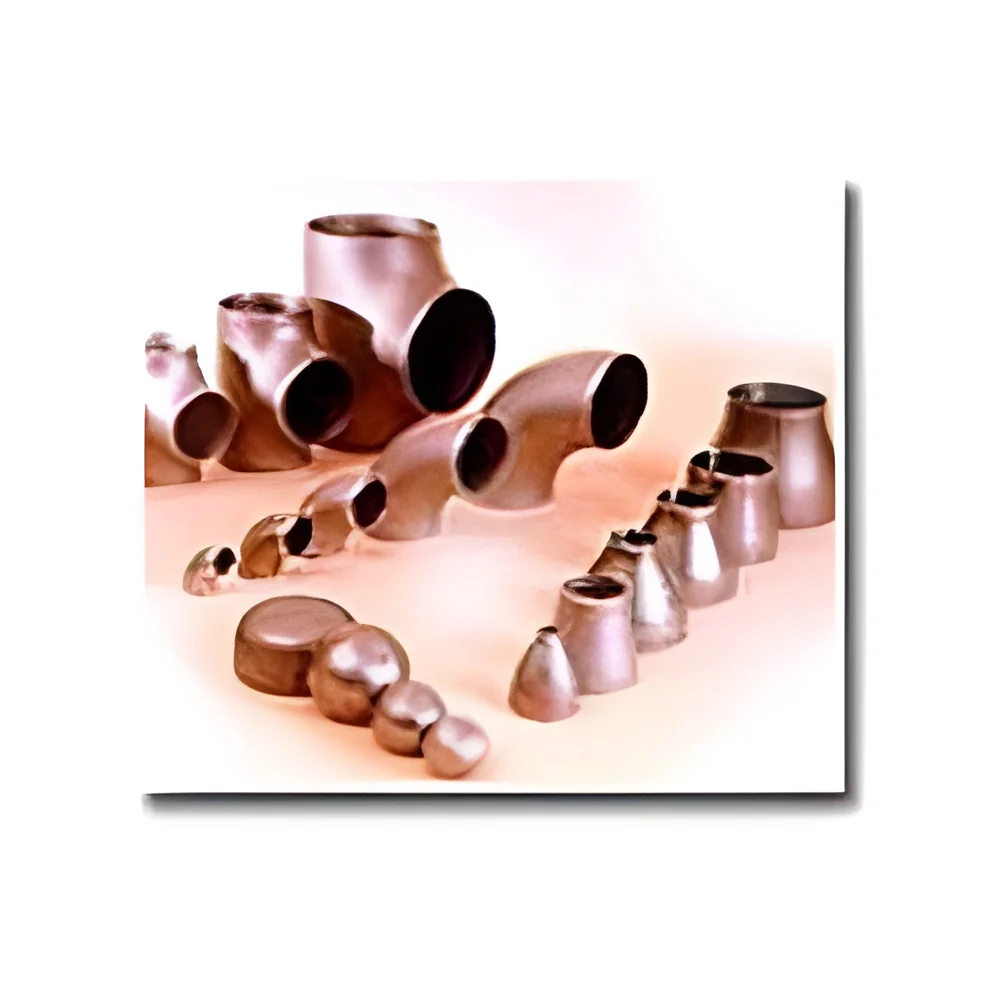
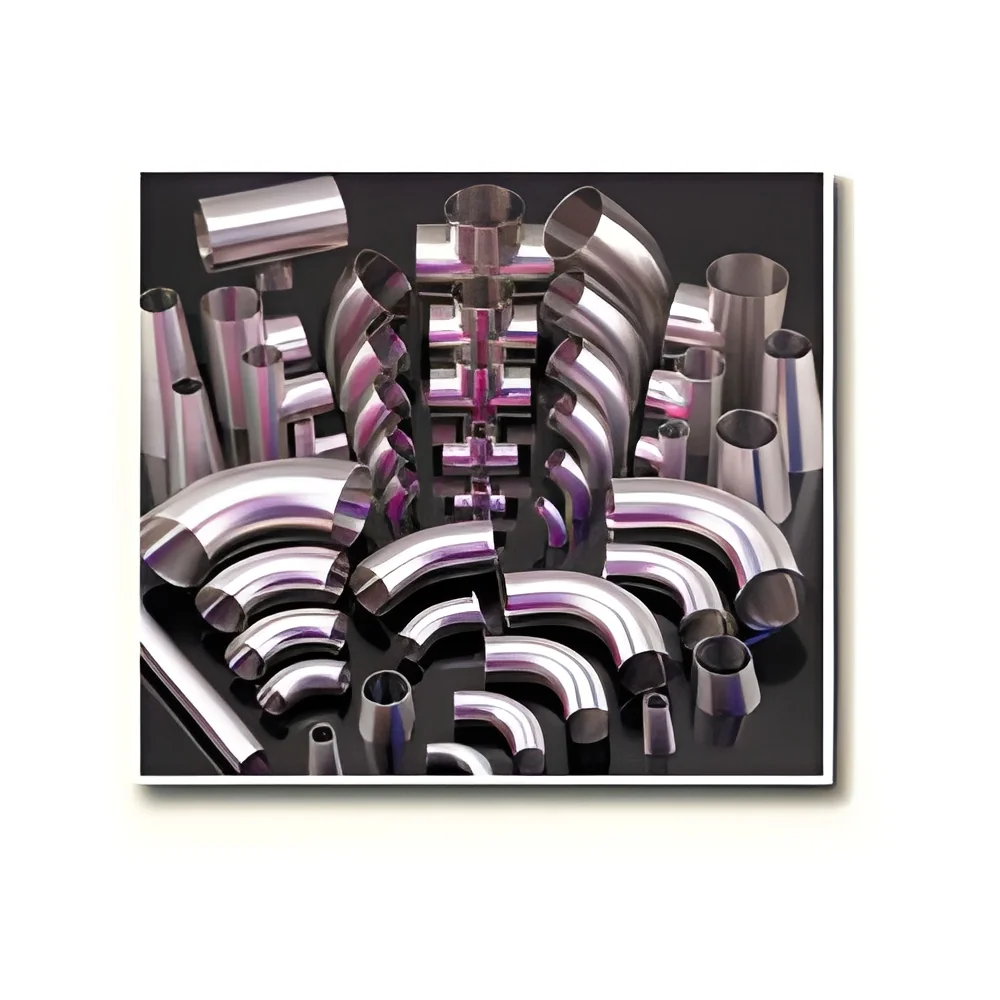
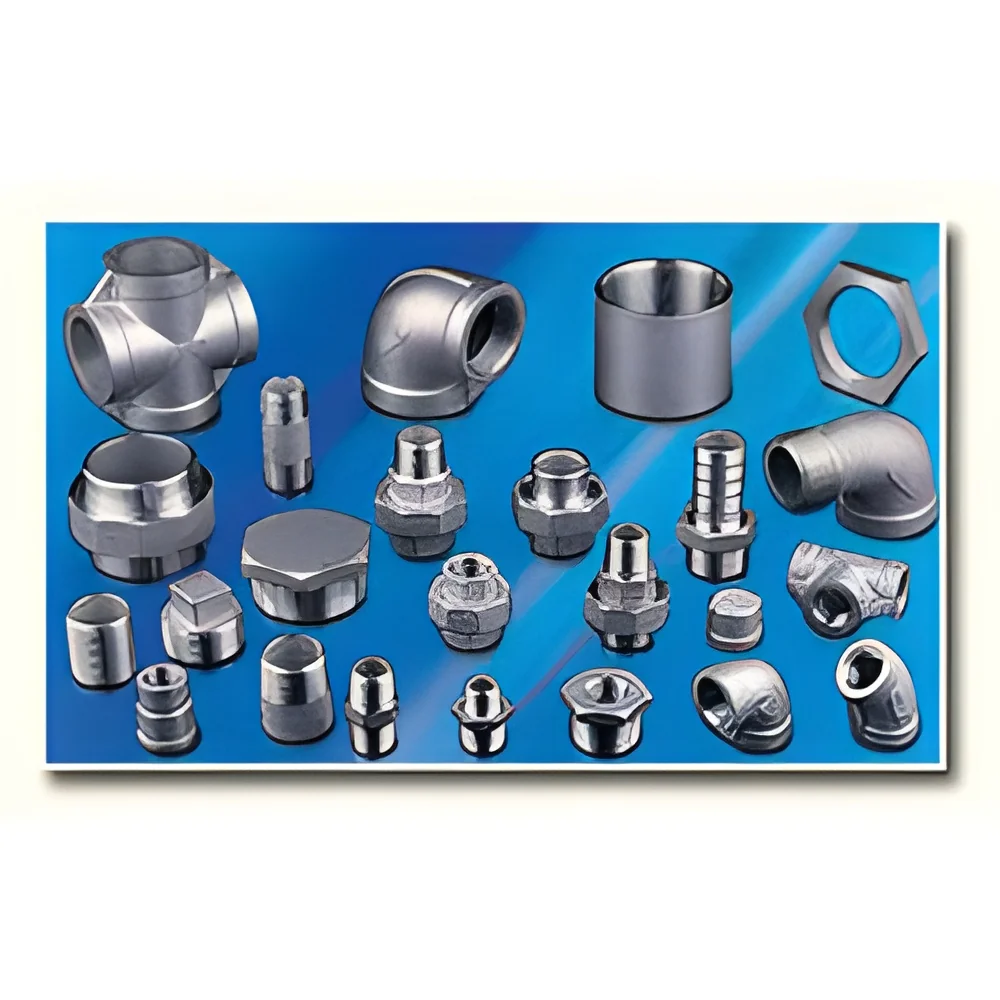
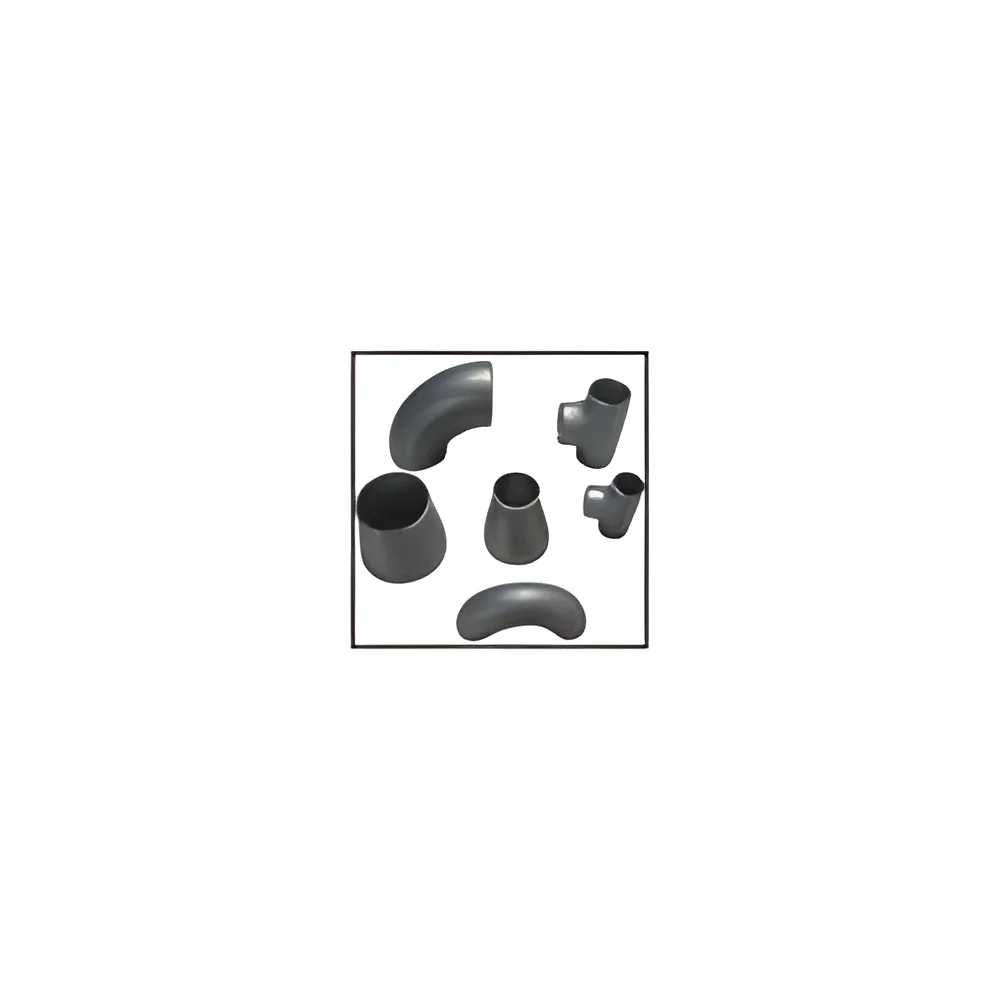
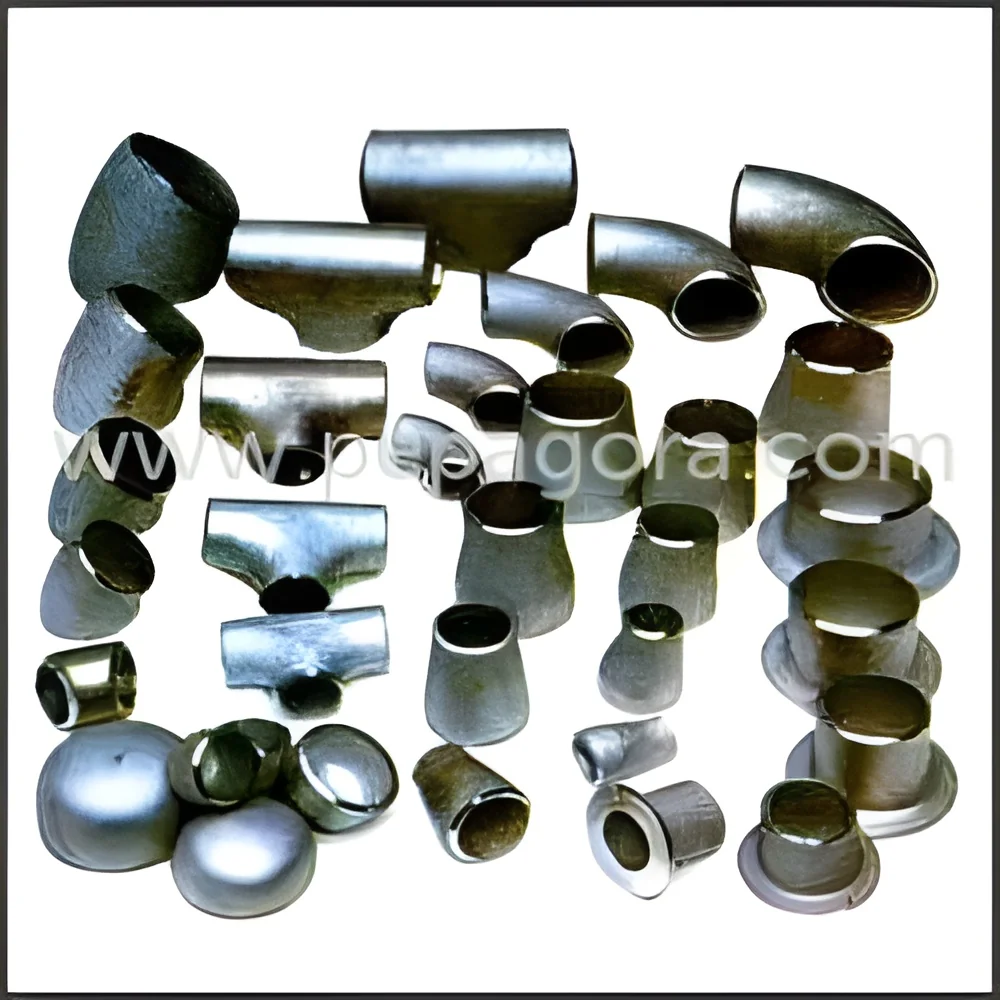
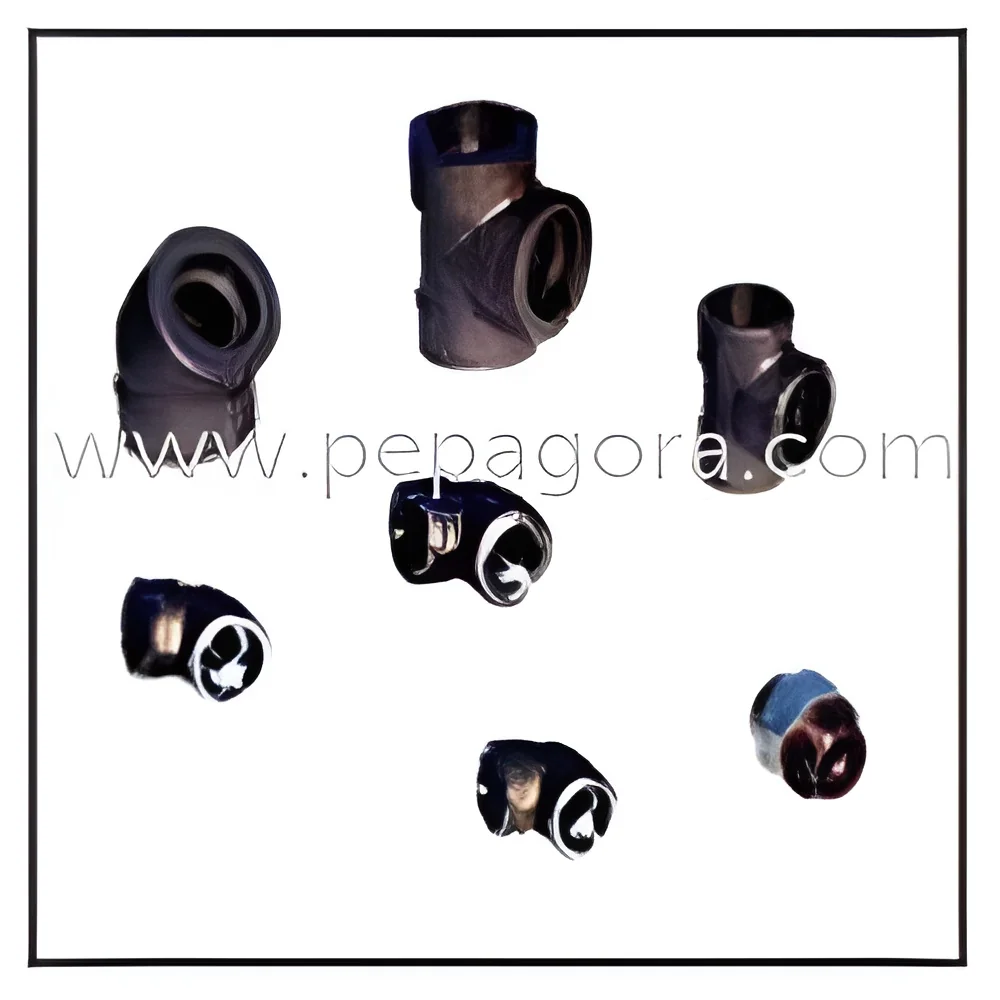
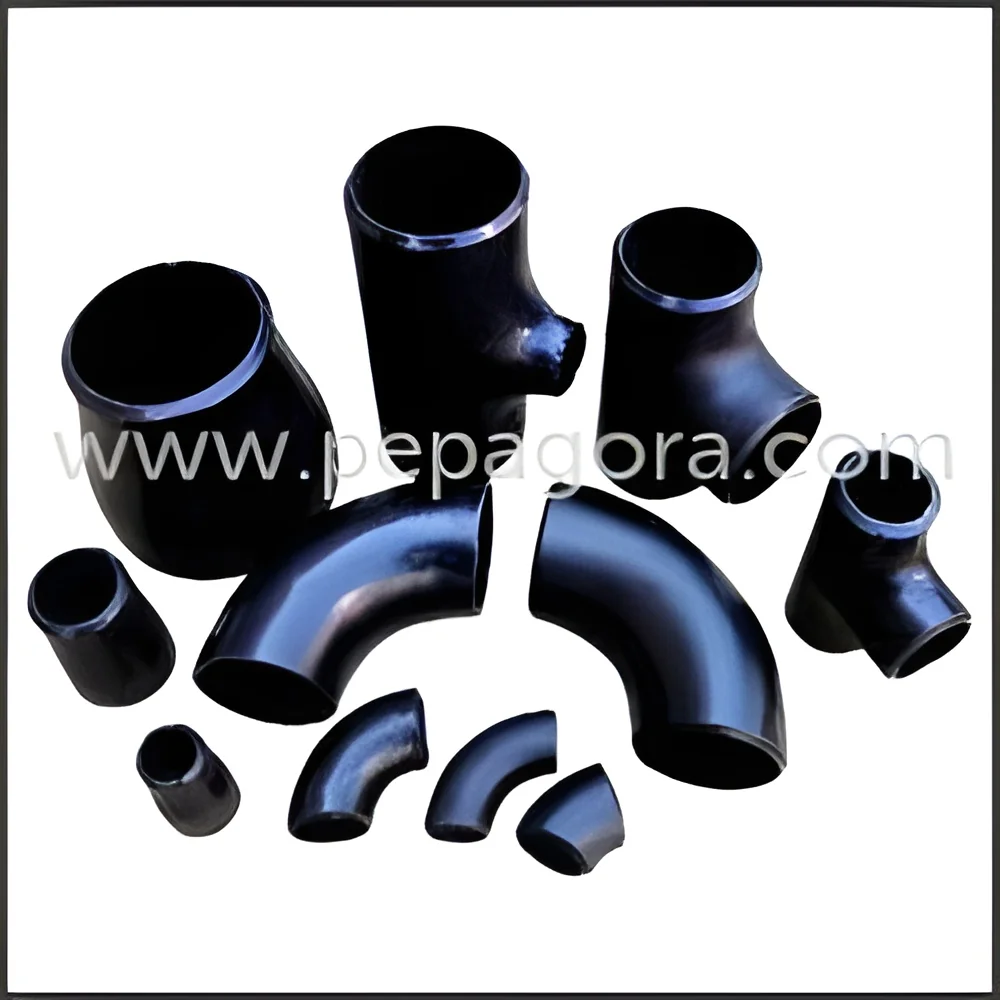
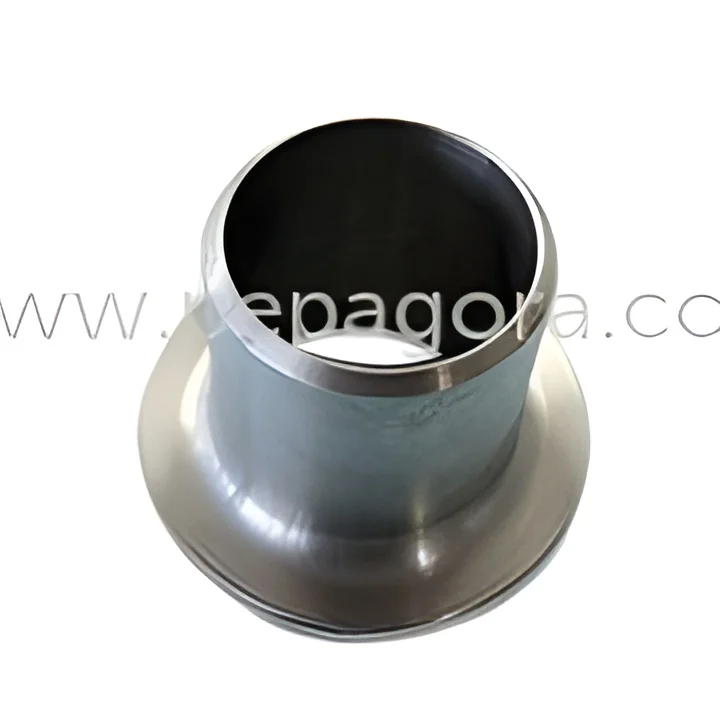
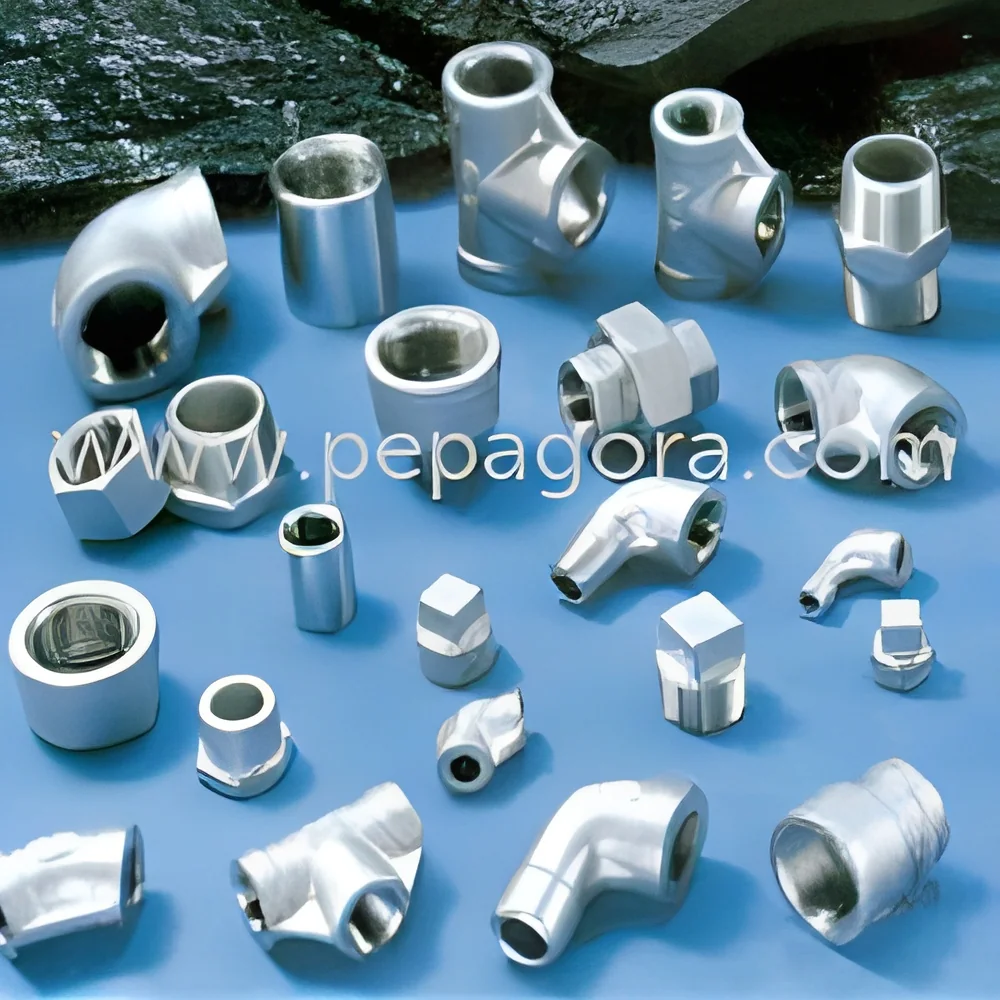
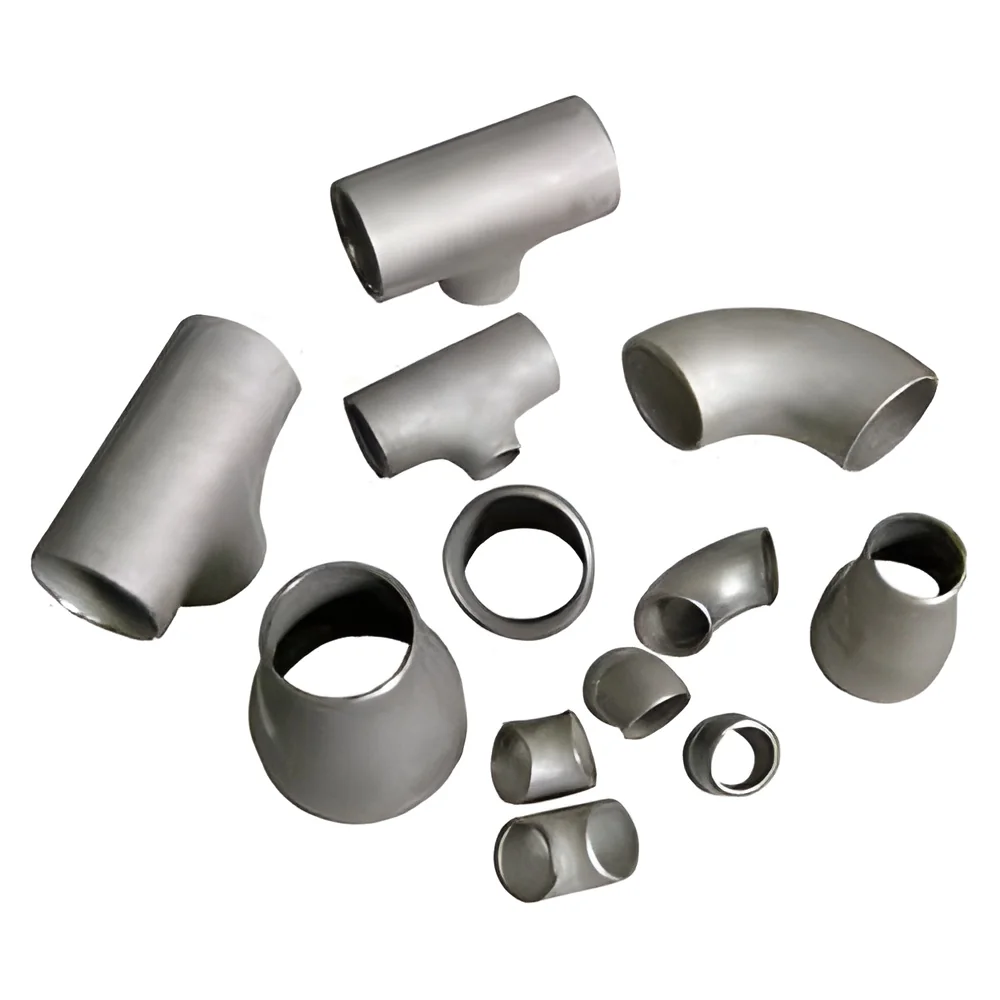
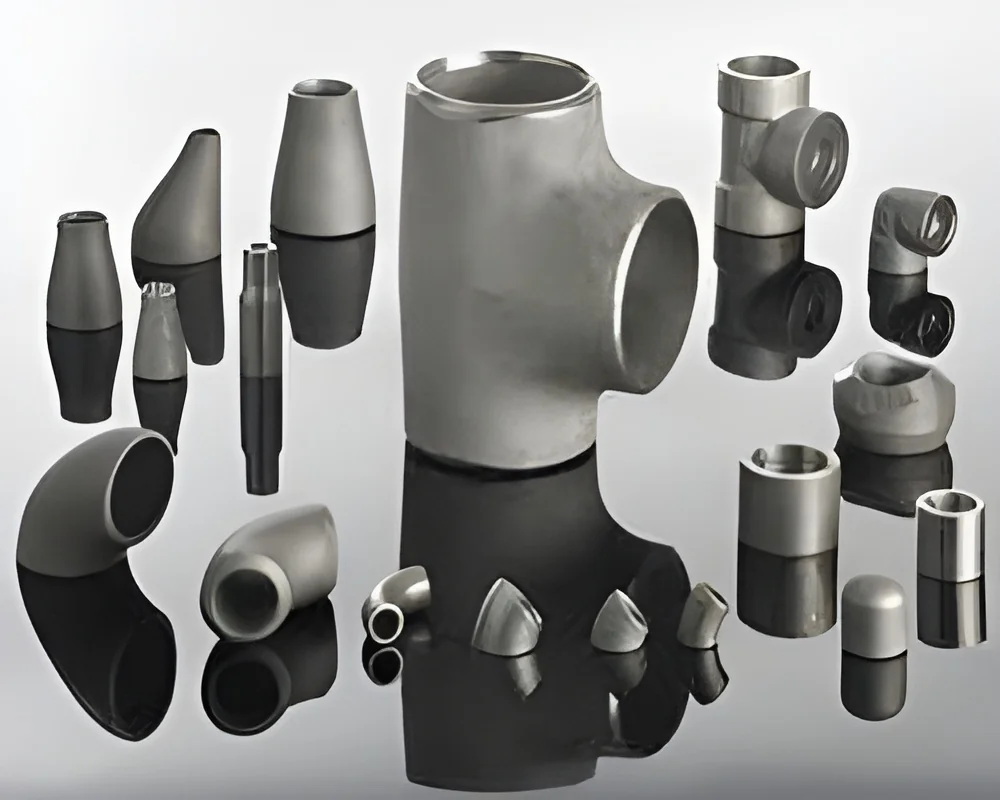
- Available in various configurations such as elbows, tees, reducers, and caps
- Allows for versatile piping arrangements
6. Surface Finish
- Options may include polished, rough, or coated finishes
- Affects corrosion resistance and aesthetic appeal
7. Welding Standards
- Manufactured according to specific welding standards such as ASME and API
- Ensures the integrity and quality of the welds
8. Certification
- Often certified by organizations such as CE to meet safety and quality standards
- Provides assurance of product reliability and compliance
In summary, the features and specifications of welded fittings are crucial for ensuring they meet the demands of various industrial applications.
Common Applications and Use Cases
Welded fittings are utilized across a wide range of industries due to their strength and reliability.
1. Oil and Gas: Used in pipelines for transporting crude oil and natural gas, welded fittings ensure secure connections that withstand high pressures.
2. Chemical Processing: In chemical plants, these fittings connect reactors, vessels, and pipelines, ensuring safe handling of corrosive materials.
3. Construction: Welded fittings are commonly used in building infrastructure, such as bridges and high-rise buildings, to provide strong and durable connections.
4. Water Treatment: Employed in water filtration and treatment systems, they help maintain the integrity of water distribution networks.
5. Marine Applications: Welded fittings are used in shipbuilding and repair to ensure strong connections in piping systems exposed to seawater.
6. HVAC Systems: Used in heating, ventilation, and air conditioning systems to connect ducts and pipes, ensuring efficient airflow.
7. Power Generation: In power plants, these fittings are used in various pipelines to transport steam and other fluids safely.
Product Variants and Subcategories
Welded fittings come in a variety of forms to cater to different piping needs. Each variant is designed for specific applications.
Elbows
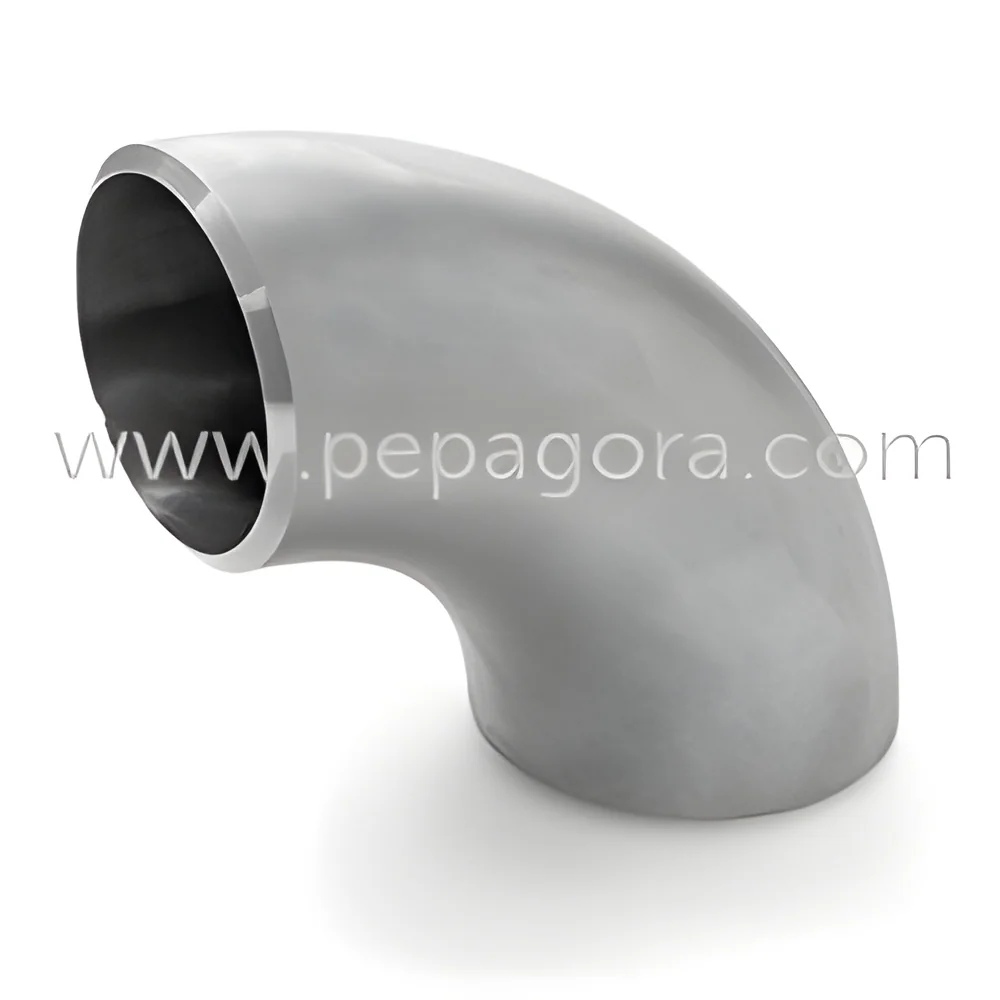
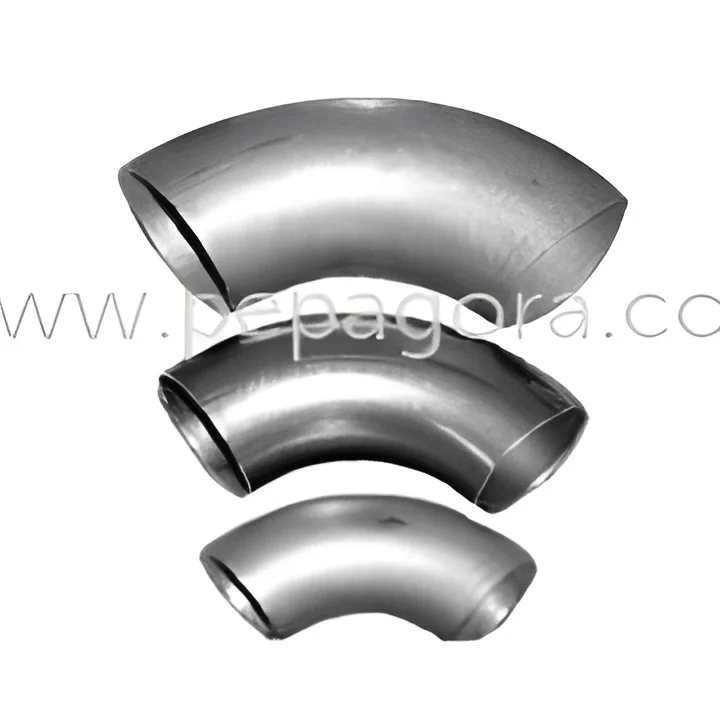
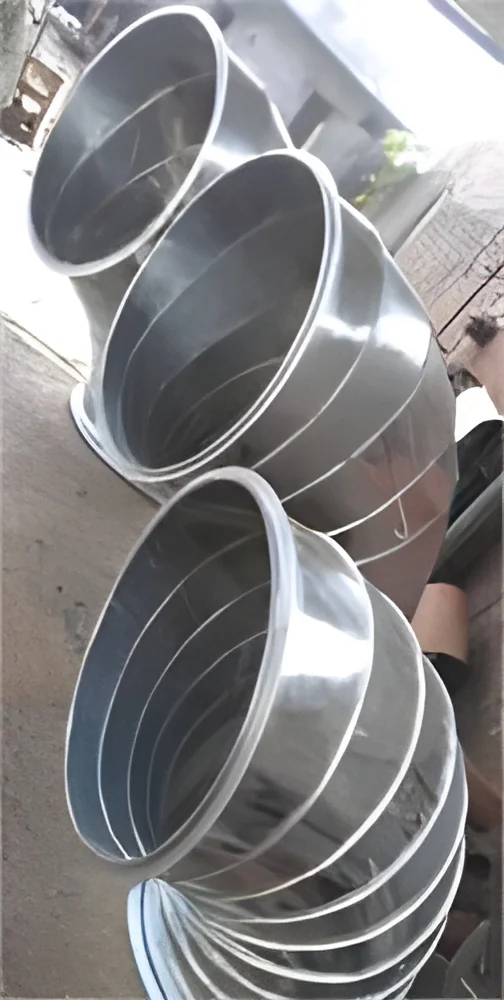
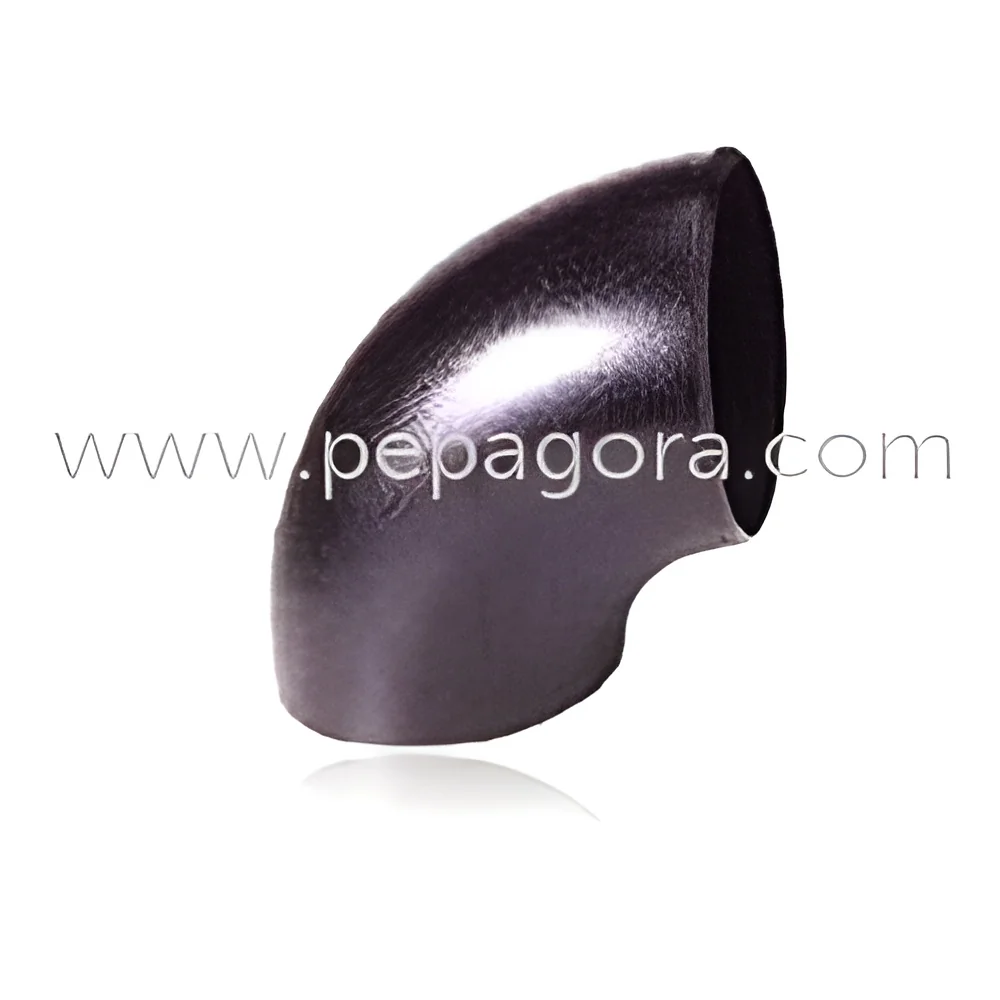
Elbows are used to change the direction of flow in piping systems. Commonly available in 45-degree and 90-degree angles, they facilitate smooth transitions between pipes.
Tees
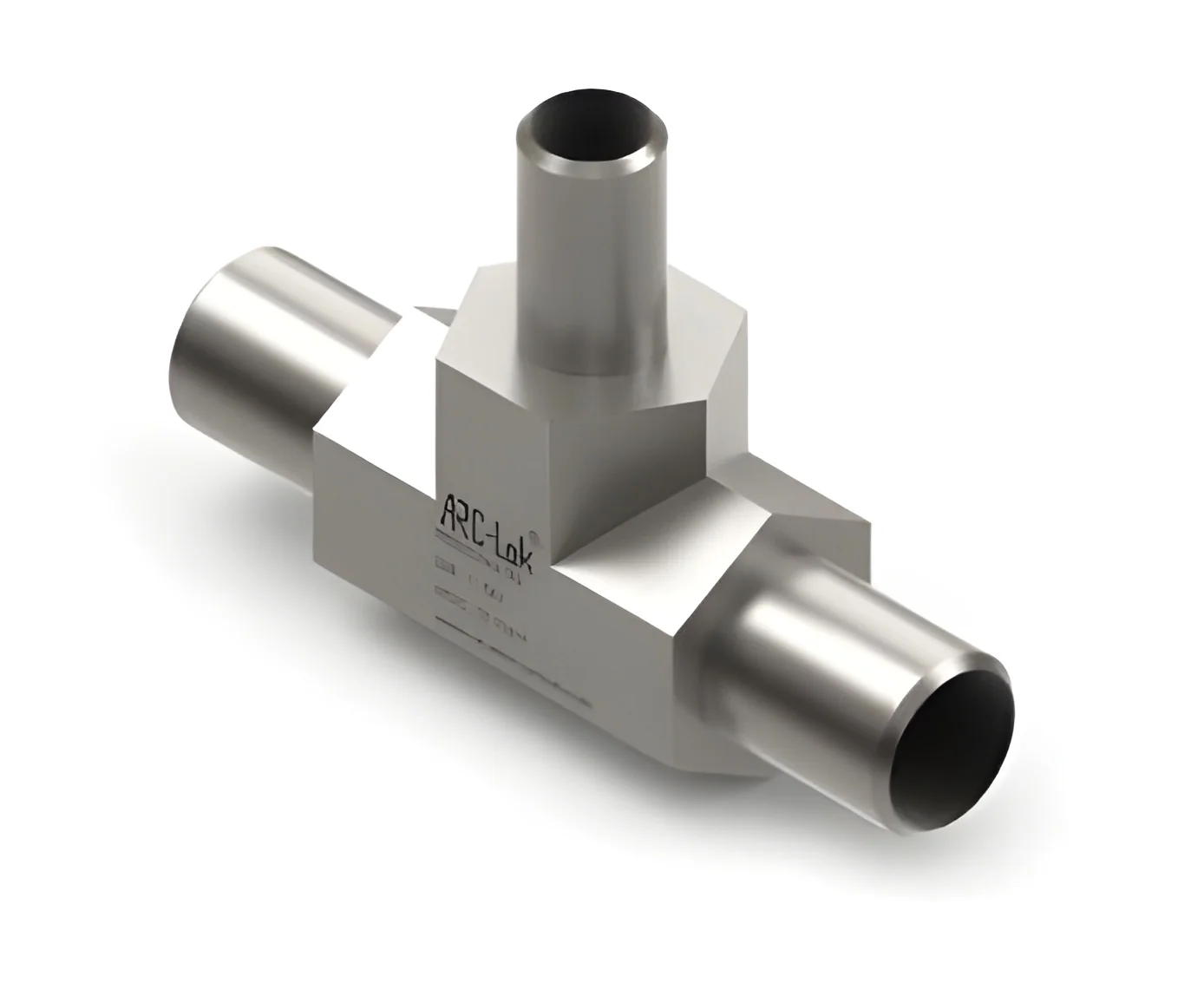
Tees allow for the branching of pipelines at a right angle. They are essential for creating junctions where multiple lines converge.
Reducers
Reducers are utilized to connect pipes of different diameters. They provide a smooth transition, minimizing turbulence and pressure loss.
Caps
Caps are used to seal the ends of pipes. They are critical for applications that require isolation or closure of a pipeline section.
Benefits and Advantages
Welded fittings offer numerous advantages that make them an ideal choice for industrial applications.
Key benefits include:
1. Strength: Welded fittings provide superior strength compared to threaded or flanged fittings, making them suitable for high-pressure applications.
2. Leak Resistance: The continuous welds eliminate the risk of leaks, ensuring a secure and reliable piping system.
3. Durability: Resistant to corrosion and extreme temperatures, welded fittings have a long service life, reducing maintenance costs.
4. Versatility: Available in various shapes and sizes, they can be used in diverse applications across multiple industries.
5. Customization: Welded fittings can be tailored to meet specific project requirements, including size and material.
6. Compliance: Many welded fittings are manufactured to meet industry standards, ensuring they adhere to safety and quality regulations.
Buying Guide for B2B Buyers
When sourcing welded fittings, careful consideration is essential to avoid costly mistakes.
1. Quality Assessment: Evaluate the material quality and manufacturing processes. Ensure that the fittings meet relevant industry standards for safety and performance.
2. Supplier Verification: Vet potential suppliers by checking their certifications, customer reviews, and production capabilities. A reliable supplier will provide consistent quality.
3. Pricing and MOQ: Compare pricing from multiple suppliers while considering minimum order quantities. Look for suppliers that offer competitive rates without compromising quality.
4. Delivery and Lead Times: Understand the logistics involved, including delivery schedules. Ensure that the supplier can meet your project timelines.
5. Compliance Requirements: Verify that the welded fittings comply with local regulations and industry standards to avoid legal issues in the future.
Compliance and Certifications
Welded fittings must adhere to various quality standards to ensure safety and reliability in their applications. Key standards include ISO 9001, which focuses on maintaining quality management systems, and CE certification, which indicates conformity with European safety requirements.
In addition to these standards, specific industries may have unique compliance requirements. For example, chemical and food processing industries might demand adherence to HACCP (Hazard Analysis and Critical Control Points) guidelines to ensure product safety.
Testing requirements are also crucial. Welded fittings should undergo rigorous testing to assess their integrity, pressure ratings, and performance under extreme conditions. Compliance with regional regulations is essential, especially in markets like the EU, where stringent safety measures are enforced.
Why Source Welded Fittings from Pepagora?
Pepagora provides a trusted platform for sourcing welded fittings, ensuring that B2B buyers have access to high-quality products and reliable suppliers.
Verified Supplier Network: Pepagora works with a network of verified suppliers, ensuring that buyers receive products that meet industry standards. This verification process helps eliminate risks associated with sourcing.
Streamlined RFQ Process: The quotation system at Pepagora simplifies the procurement process. Buyers can easily request quotes from multiple suppliers, allowing for better comparison and decision-making.
Trade Assurance and Support: Pepagora offers buyer protection through trade assurance, providing peace of mind when sourcing products. Their support team is also available to assist with any inquiries or issues.
Regional Coverage: With a strong presence in India, GCC, and Southeast Asia, Pepagora facilitates access to a wide range of suppliers and products. This regional coverage ensures that buyers can find suitable welded fittings for their specific needs across different markets.


 India
 India
 India
 India
 India
 India
 India
 India
 India
 India
 India
 India
 India
 India
 India
 India
 India
Frequently Asked Questions
What are Welded Fittings?
Welded fittings are components used in piping systems that are joined to pipes or other fittings through the welding process. They are designed to change direction, connect pipe sections, or allow for the branching of piping systems, providing a strong and leak-proof connection.
What are the different types of Welded Fittings?
The different types of welded fittings include elbows, tees, reducers, caps, and flanges. Each type serves a specific purpose, such as changing the direction of flow, connecting multiple pipes, or closing off the ends of a pipe.
How do I choose the right Welded Fittings?
Choosing the right welded fittings involves considering the material compatibility, pressure rating, and size of the pipes being used. It is also important to ensure that the fitting meets the specific requirements of the application, such as temperature and corrosion resistance.
What are the standard specifications for Welded Fittings?
Standard specifications for welded fittings typically include dimensions, material properties, and pressure ratings as defined by organizations such as ASTM and ASME. Common specifications include ASTM A234 for carbon steel and ASTM A403 for stainless steel fittings.
What is the price range for Welded Fittings?
The price range for welded fittings can vary significantly based on factors such as material, size, and manufacturer. Generally, prices can range from a few hundred to several thousand Indian Rupees per piece, depending on these variables.
What quality standards apply to Welded Fittings?
Welded fittings must comply with various quality standards, including ISO 9001 for quality management and specific material standards like ASTM or ASME. Adherence to these standards ensures the fittings are reliable and suitable for their intended applications.
Where can I find Welded Fittings suppliers in India?
You can find welded fittings suppliers in India through online B2B marketplaces like Pepagora, trade shows, and industry directories. Additionally, contacting local manufacturers and distributors can also provide options for sourcing welded fittings.
Can Welded Fittings be customized?
Yes, welded fittings can be customized to meet specific dimensions, materials, and designs as per customer requirements. Many manufacturers offer customization options to cater to unique project specifications.
What is the typical minimum order quantity for Welded Fittings?
The typical minimum order quantity (MOQ) for welded fittings can vary by supplier and product type, but it generally ranges from 10 to 100 pieces. It is advisable to check with specific suppliers for their MOQ policies.
What is the typical lead time for Welded Fittings?
The typical lead time for welded fittings can range from one week to several weeks, depending on the supplier, order size, and whether the fittings are standard or customized. It is best to inquire directly with the supplier for precise delivery timelines.
Why Businesses Trust Pepagora
Thousands of companies trust Pepagora to source smarter and sell faster
Expand Your Sales Globally

Source Smarter,Grow Faster
