What are Pipe Support Brackets?
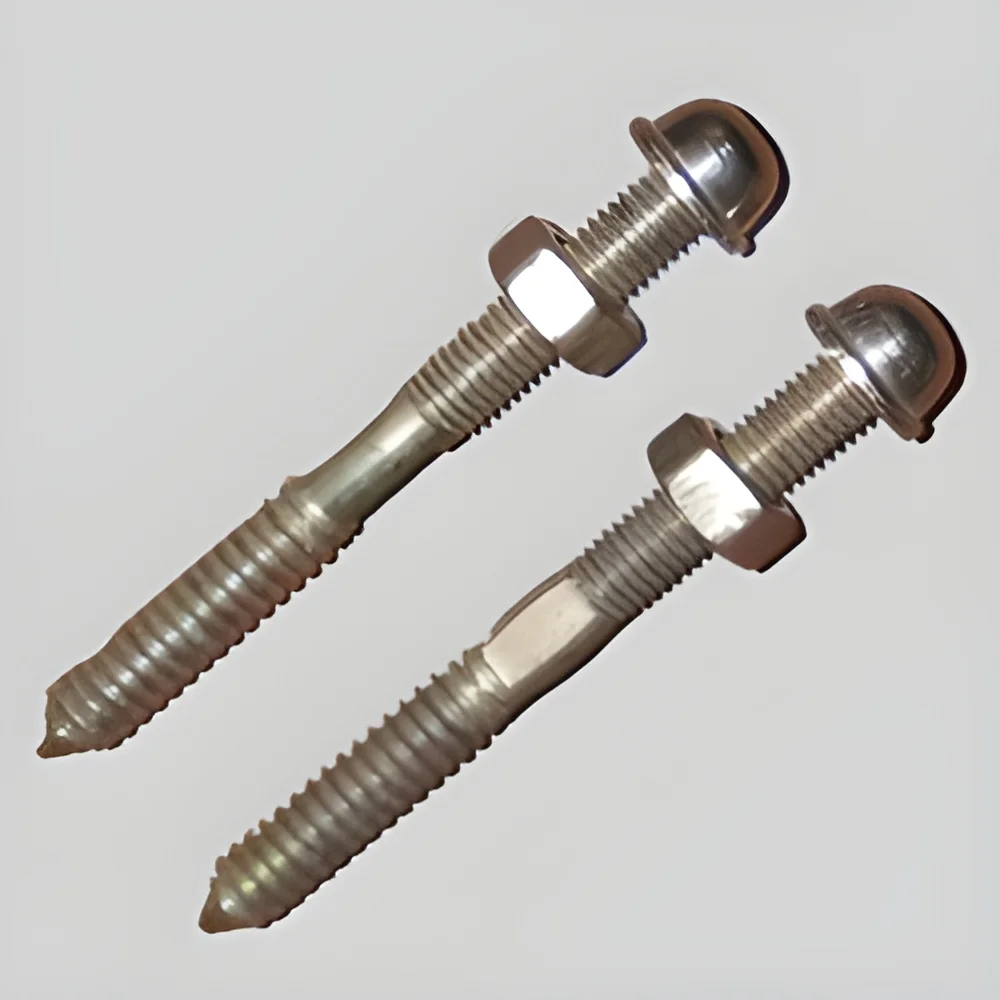
Pipe support brackets are essential components used in various industries to secure and support piping systems. They are designed to hold pipes in place, preventing movement due to thermal expansion, vibration, or other mechanical forces. Made from durable materials such as steel, aluminum, or plastic, these brackets help maintain the integrity of the piping system and ensure efficient operation.
Primarily, pipe support brackets find applications in construction, manufacturing, and utilities sectors. They assist in the installation of piping for water, gas, oil, and other fluids, providing stability and alignment. Proper installation of these brackets is crucial for preventing leaks and ensuring the longevity of the piping system. The relevance of these brackets in critical industries underscores their importance in ensuring safety and reliability.
As industries expand and evolve, the demand for high-quality pipe support brackets continues to grow. Organizations are increasingly recognizing the significance of selecting the right support systems to enhance operational efficiency. This has led to a competitive market where quality, durability, and compliance with industry standards are paramount.
Key Features and Specifications
Pipe support brackets come with a range of features that cater to different industrial needs. Their design and specifications can vary based on the intended application, load capacity, and environmental conditions.
Key specifications include:
1. Material Composition
- Common materials include carbon steel, stainless steel, and aluminum.
- Each material has unique properties suited for specific environments.
2. Load Capacity
- Load capacities can range from light-duty to heavy-duty applications.
- Typical capacities can vary from 50 kg to several tons, depending on design.
3. Size and Dimensions
- Brackets are available in various sizes to accommodate different pipe diameters.
- Common sizes range from 1 inch to 24 inches in diameter.
4. Finish and Coating
- Options include galvanized, painted, or powder-coated finishes.
- These finishes provide corrosion resistance and enhance longevity.
5. Mounting Options
- Brackets can be designed for wall-mounted, floor-mounted, or overhead applications.
- Versatile mounting options allow for flexible installation.
6. Compliance with Standards
- Many brackets meet specific industry standards for safety and performance.
- Compliance with CE certifications is common in many regions.
7. Temperature Resistance
- Brackets are designed to withstand various temperature ranges.
- Specifications can include extreme heat or cold resistance.
8. Customization Options
- Customization may be available to meet specific project requirements.
- Tailored solutions can enhance performance for unique applications.
In summary, pipe support brackets are versatile components that come with a range of features and specifications tailored to meet diverse industrial needs.
Common Applications and Use Cases
Pipe support brackets serve essential functions across multiple industries, ensuring the safe and efficient operation of piping systems.
1. Oil and Gas: Pipe support brackets are critical for securing pipelines in oil and gas extraction and transportation. They provide stability against environmental factors and mechanical stresses.
2. Water Treatment: In water treatment facilities, brackets support piping systems that transport water and chemicals. Their reliable performance helps maintain system integrity.
3. HVAC Systems: Brackets are widely used in heating, ventilation, and air conditioning systems. They support ductwork and piping, ensuring proper airflow and temperature control.
4. Chemical Processing: In chemical plants, pipe support brackets hold pipes that transport hazardous materials. Their durability and resistance to corrosion are vital for safety.
5. Power Generation: In power plants, brackets support piping for steam, water, and fuel systems. Their reliability contributes to the overall efficiency of energy production.
6. Food and Beverage: In the food and beverage industry, brackets are used to support sanitary piping systems. They must meet strict hygiene standards to ensure food safety.
7. Construction: Brackets are used in various construction applications to support plumbing and mechanical systems. Their robust design ensures structural integrity.
Product Variants and Subcategories
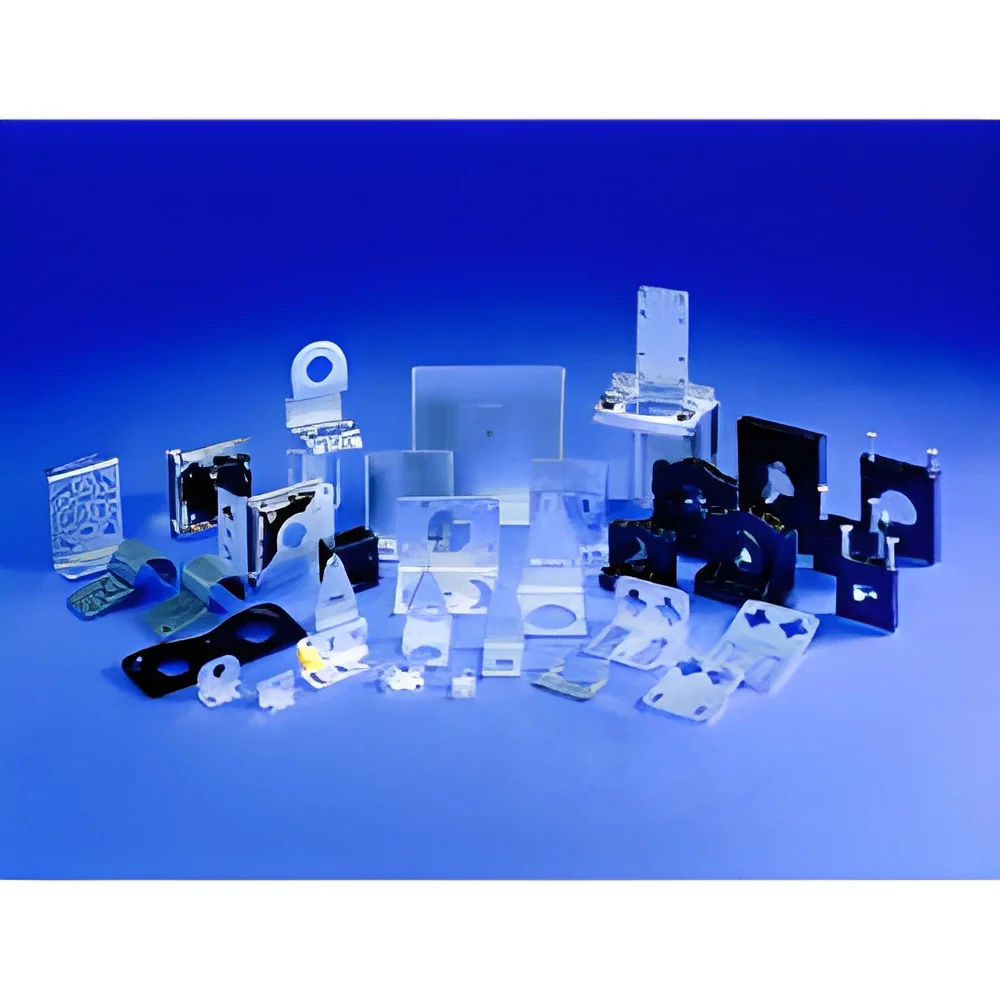
Pipe support brackets come in various forms to suit different applications. This diversity helps address specific industry requirements.
Standard Pipe Brackets
These brackets are designed for general use in supporting pipes of various sizes. They typically feature a simple design that allows for easy installation and adjustment.
Heavy-Duty Pipe Brackets
These variants are made for high-load applications, often used in industrial settings. They are constructed from robust materials and can accommodate larger pipe diameters.
Adjustable Pipe Brackets
These brackets offer flexibility by allowing for adjustments in pipe positioning. This feature is particularly useful in installations where precise alignment is necessary.
Vibration-Damping Brackets
Designed to minimize vibrations, these brackets are crucial in applications where movement can lead to wear or damage. They often include materials that absorb shock and reduce noise.
Benefits and Advantages
The use of pipe support brackets provides numerous advantages to businesses across various sectors.
1. Enhanced Stability: Brackets provide critical support, ensuring that pipes remain securely in place and aligned even under stress.
2. Improved Safety: By preventing movement and potential leaks, pipe support brackets contribute to a safer working environment.
3. Increased Longevity: Quality brackets help extend the life of piping systems by reducing wear and tear caused by vibration and thermal expansion.
4. Versatility: Available in various types and sizes, these brackets can meet the unique requirements of different industries and applications.
5. Cost-Effectiveness: Investing in reliable pipe support brackets can reduce maintenance costs and downtime, leading to greater operational efficiency.
6. Compliance Assurance: Using certified brackets ensures compliance with industry standards, which is essential for regulatory approvals.
Buying Guide for B2B Buyers
When sourcing pipe support brackets, there are several crucial factors to consider to make an informed decision.
1. Quality Assessment: Evaluate the materials and construction of the brackets. Look for certifications and compliance with industry standards to ensure durability and performance.
2. Supplier Verification: Research potential suppliers to confirm their credibility and reliability. Seek out suppliers with a proven track record in providing high-quality products.
3. Pricing and MOQ: Consider the price range and minimum order quantities. Ensure that the pricing aligns with your budget while maintaining quality standards.
4. Delivery and Lead Times: Discuss delivery options and lead times with suppliers to ensure timely receipt of products for your projects.
5. Compliance Requirements: Verify that the brackets meet any specific regulatory compliance requirements relevant to your industry and location.
Compliance and Certifications
Pipe support brackets are subject to various quality standards and certifications that ensure their safety and reliability.
ISO 9001 is a widely recognized standard that outlines quality management systems. Manufacturers of pipe support brackets often adhere to this standard to demonstrate their commitment to quality.
CE certification is crucial in Europe, indicating that the product meets safety and environmental protection standards. This certification assures buyers of the product's compliance with European regulations.
Additionally, manufacturers may follow safety and testing requirements specific to their industry. This includes rigorous testing for load capacity, durability, and resistance to environmental factors.
In regions with stringent regulations, compliance with local standards is critical. Buyers should ensure that the products they source meet all necessary compliance requirements to avoid potential legal issues.
Why Source Pipe Support Brackets from Pepagora?
Pepagora provides a trusted platform for sourcing pipe support brackets, offering several key advantages to B2B buyers.
Verified Supplier Network: Pepagora has established a network of verified suppliers that undergo rigorous vetting processes. This ensures that businesses can confidently source high-quality products from reliable manufacturers.
Streamlined RFQ Process: The platform facilitates a smooth request for quotation process, allowing buyers to easily compare options and make informed decisions without unnecessary delays.
Trade Assurance and Support: Pepagora offers trade assurance to protect buyers throughout the purchasing process. This includes support for resolving issues and ensuring satisfaction with the products received.
Regional Coverage: With a strong presence in India, GCC, and Southeast Asia, Pepagora provides extensive regional coverage, making it easier for businesses to access pipe support brackets tailored to their local markets.
In conclusion, sourcing pipe support brackets from Pepagora ensures quality, reliability, and efficiency, ultimately supporting the operational needs of various industries.

 IN
IN