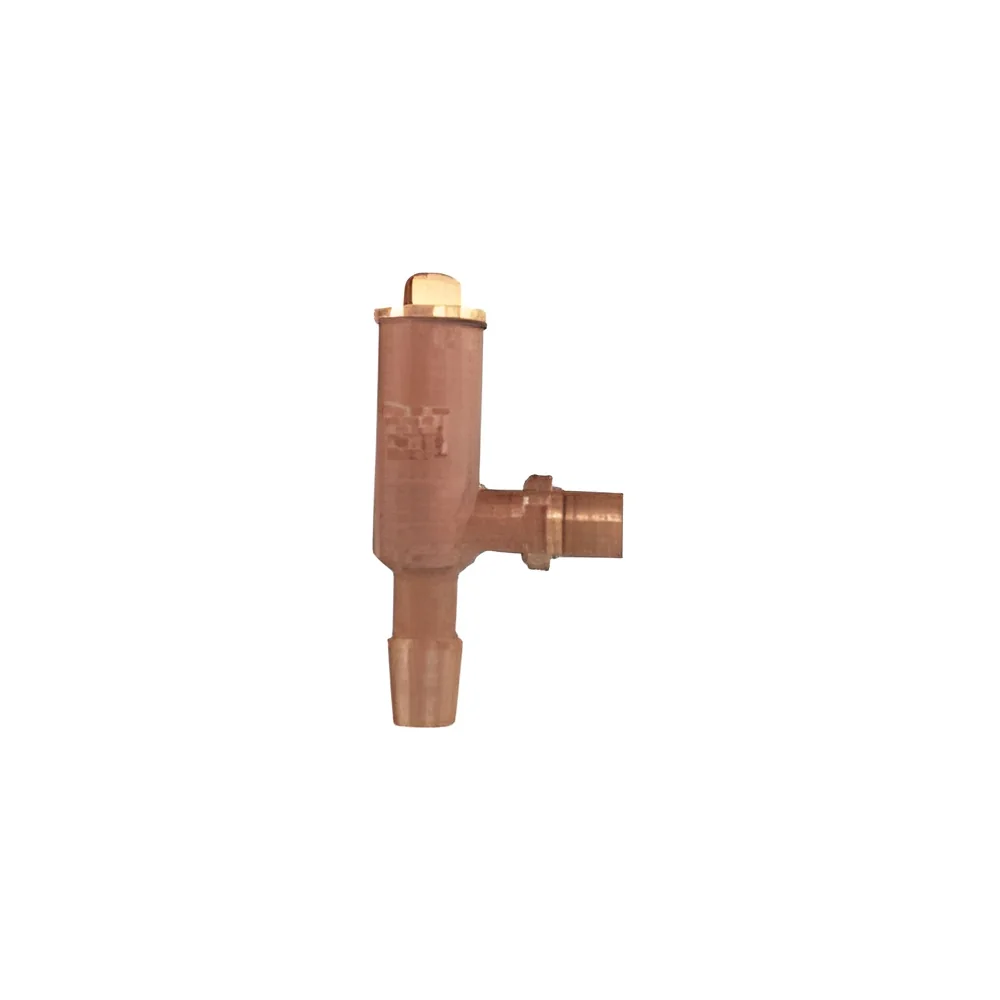
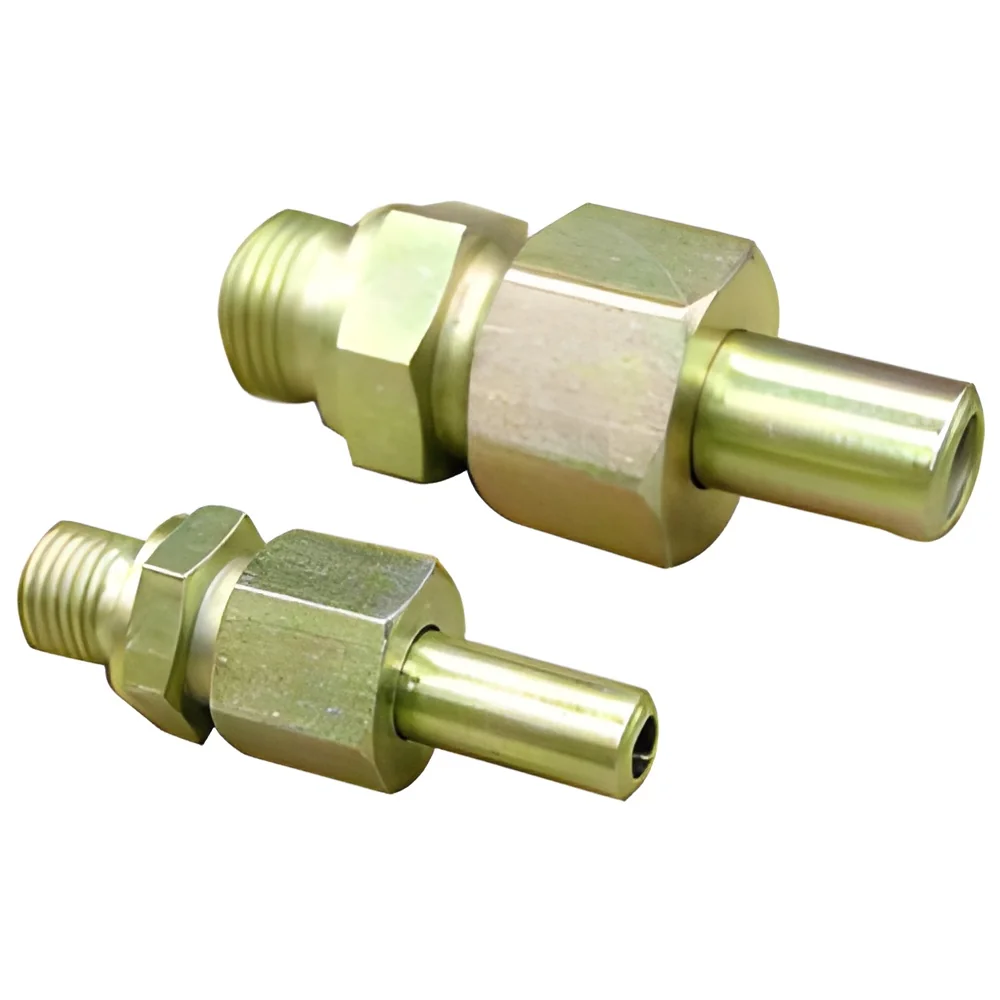
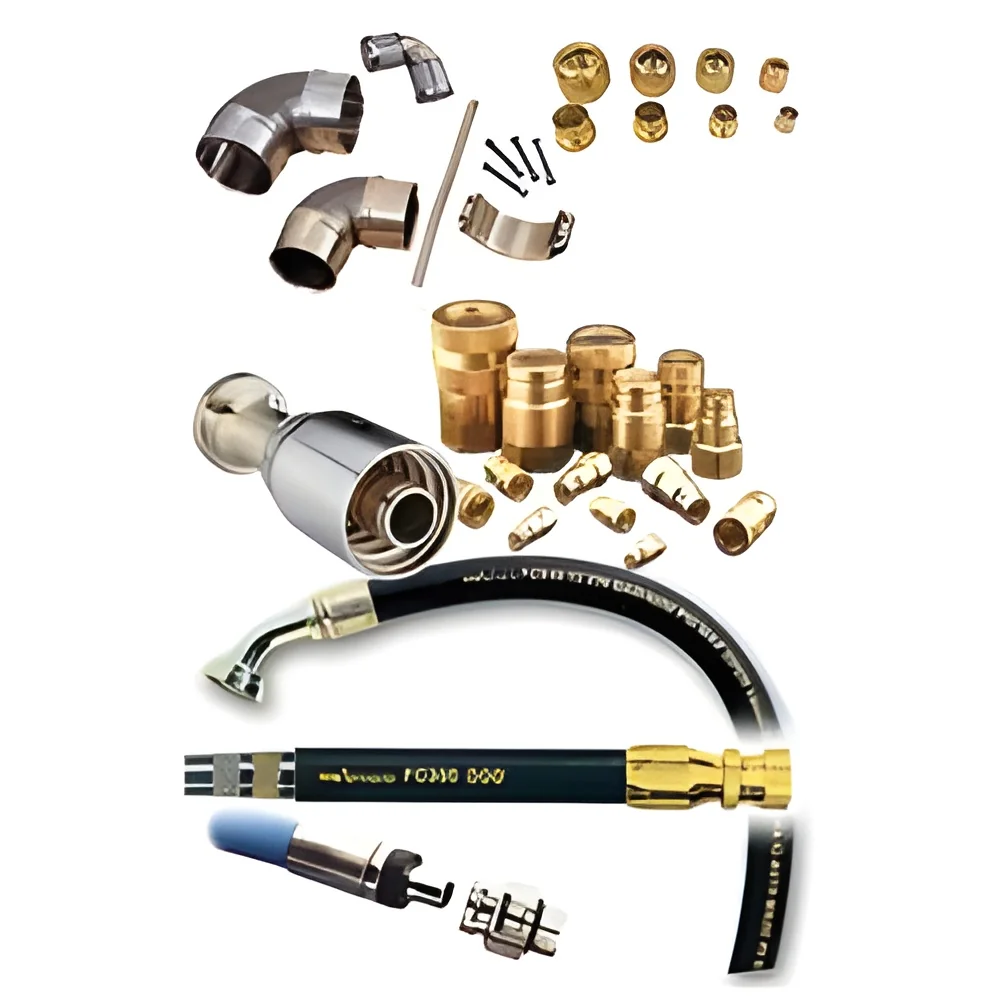
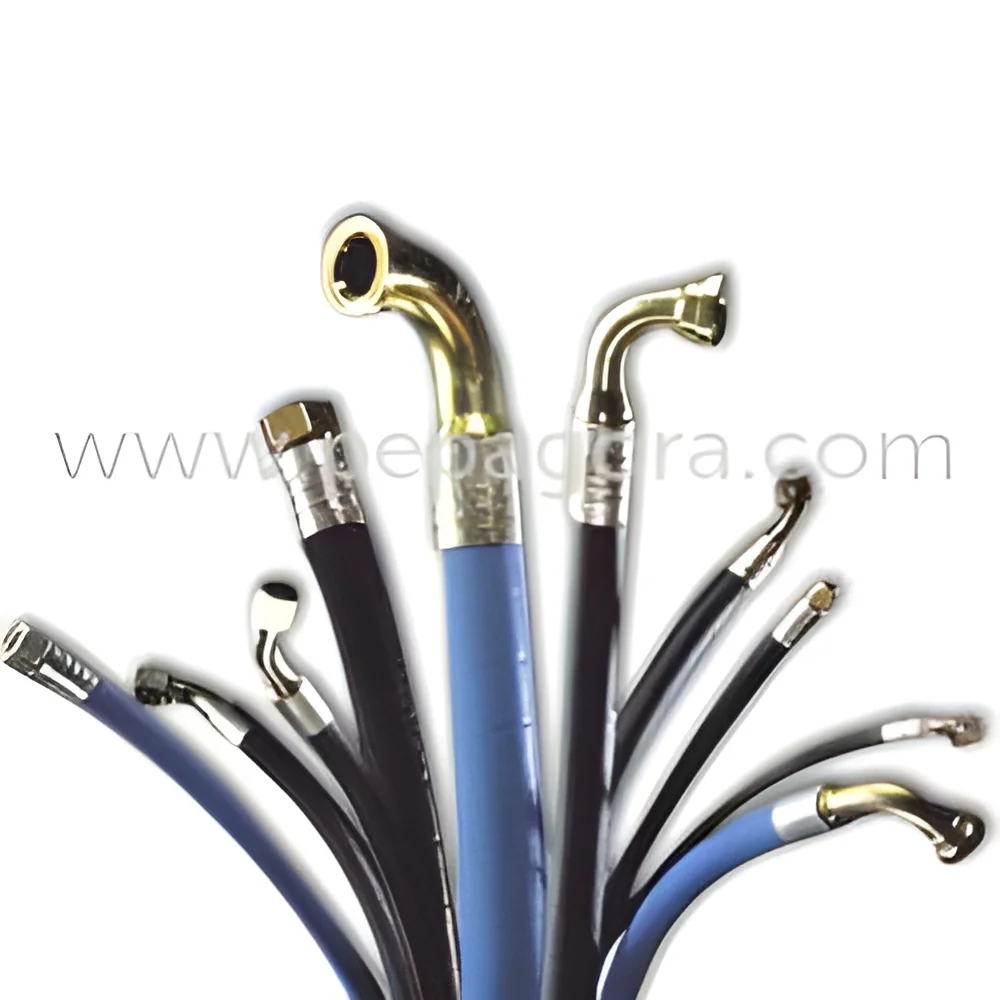
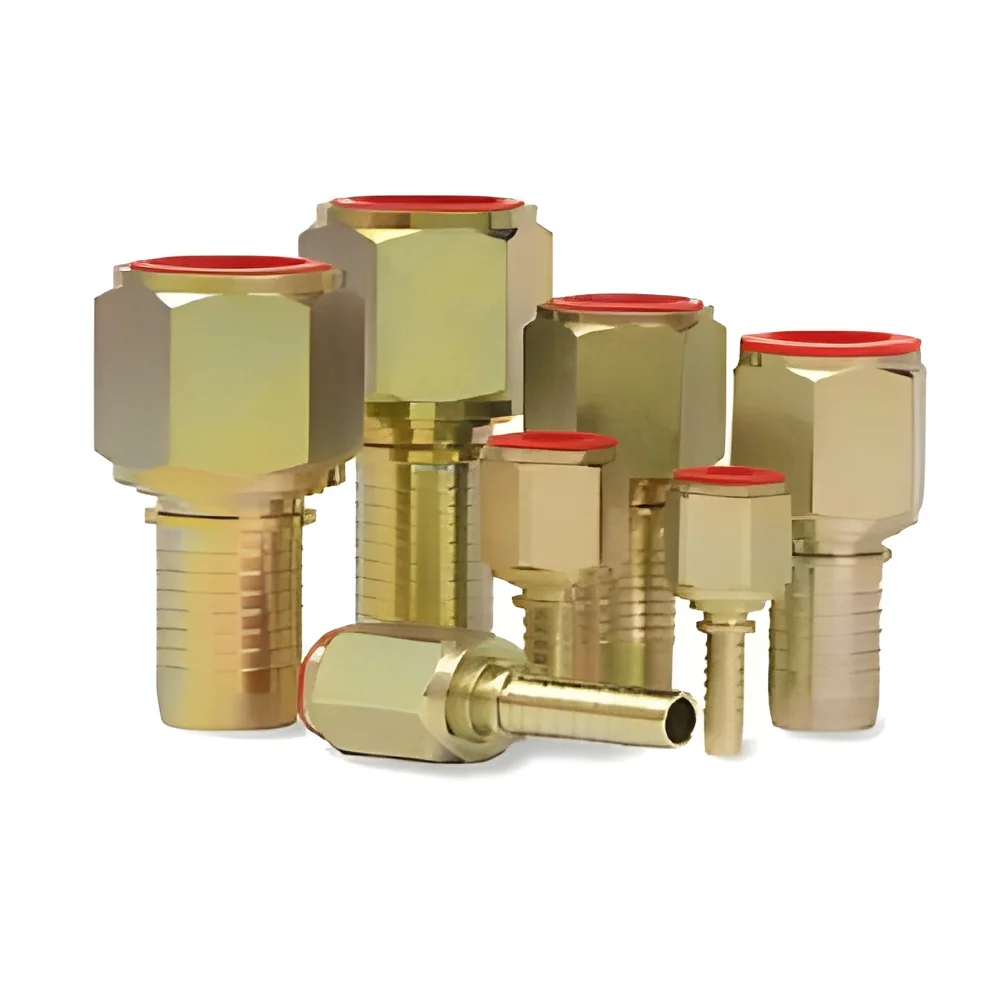
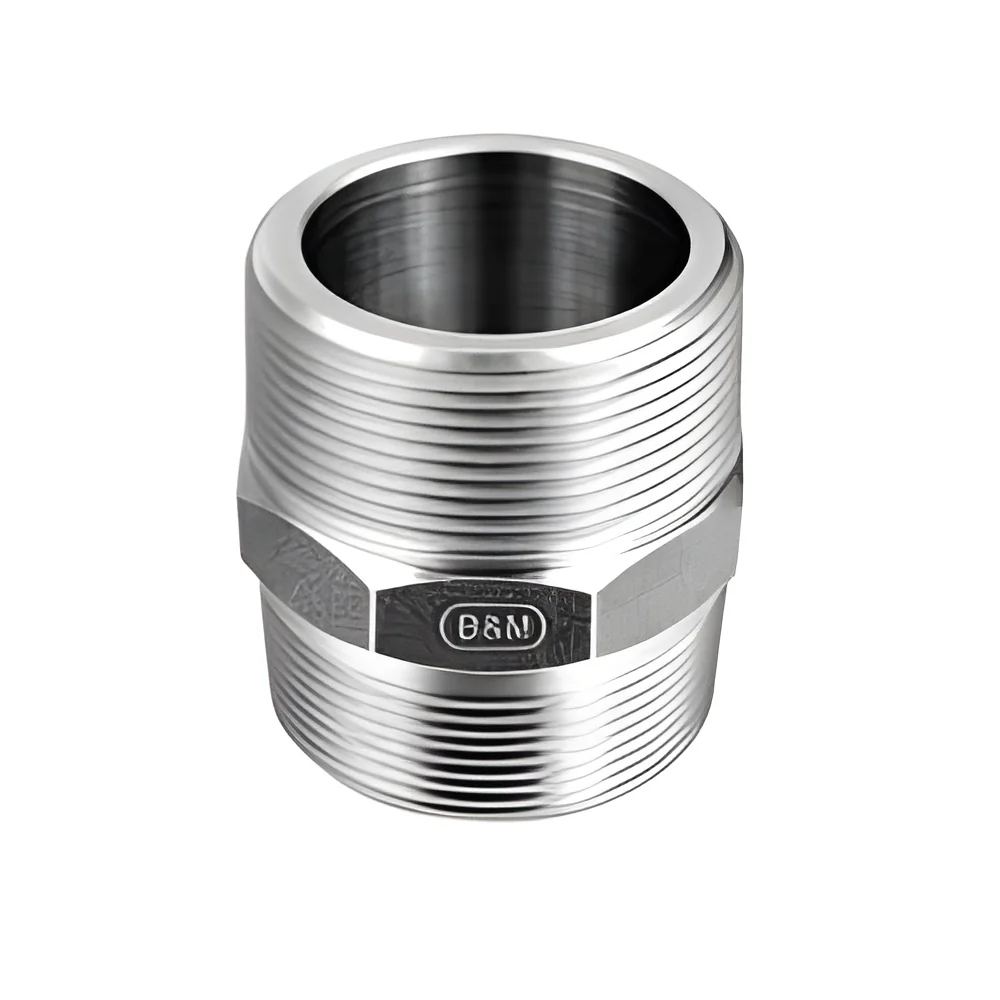
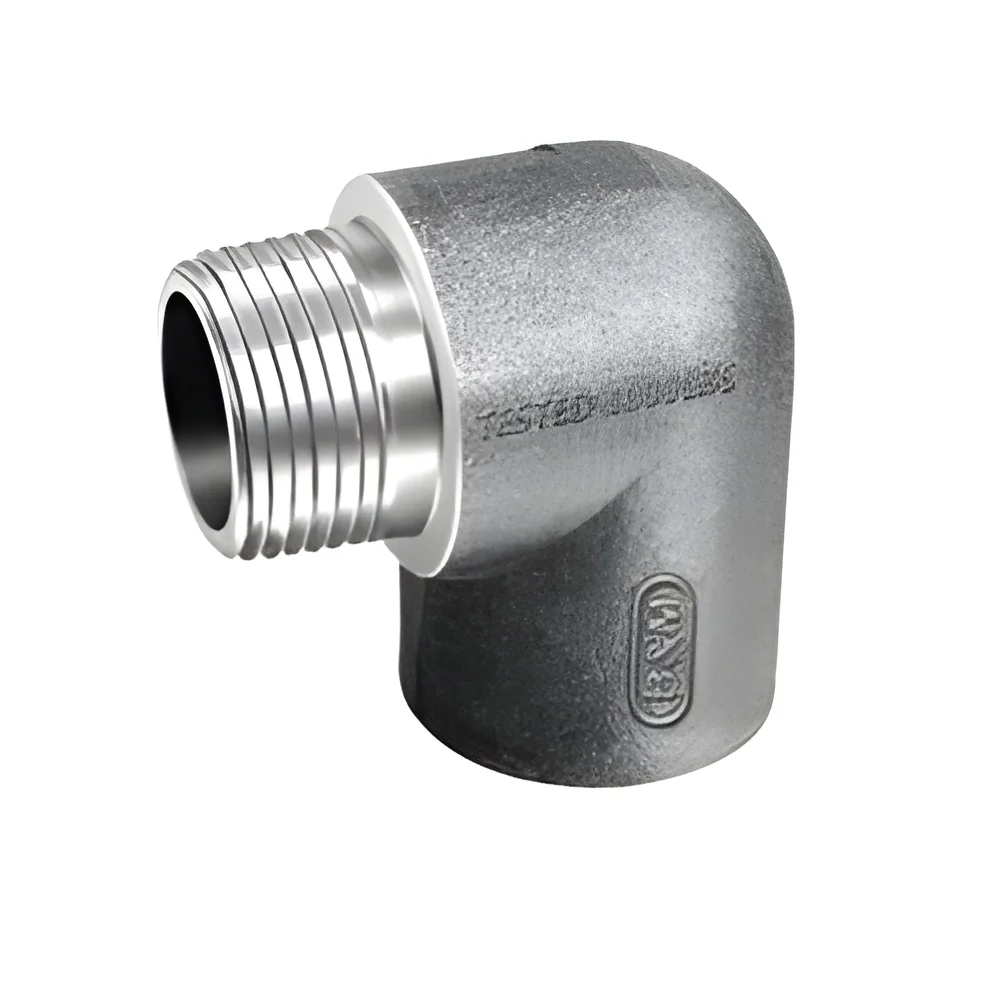
What are Hydraulic Fittings?
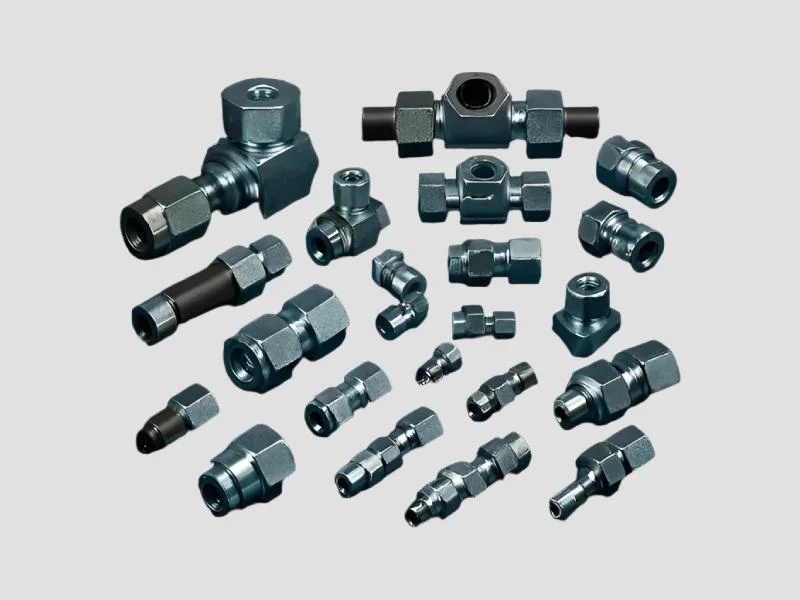
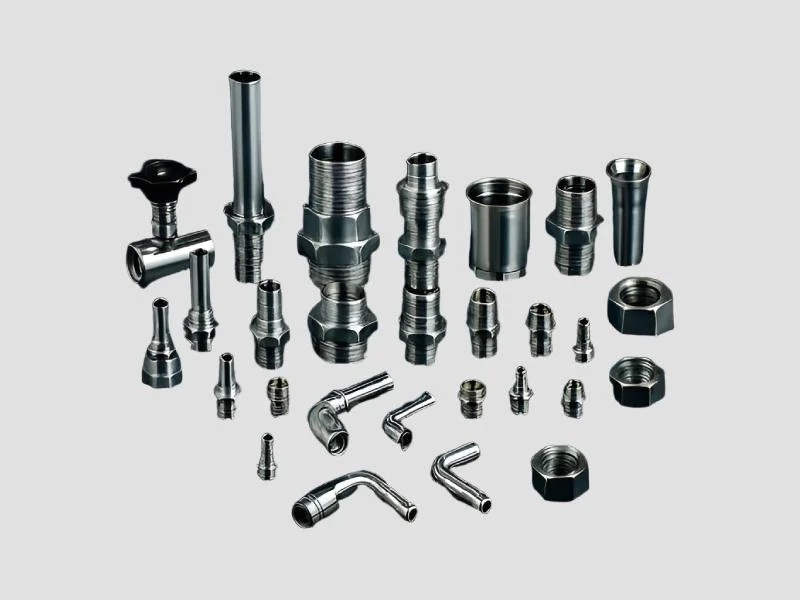
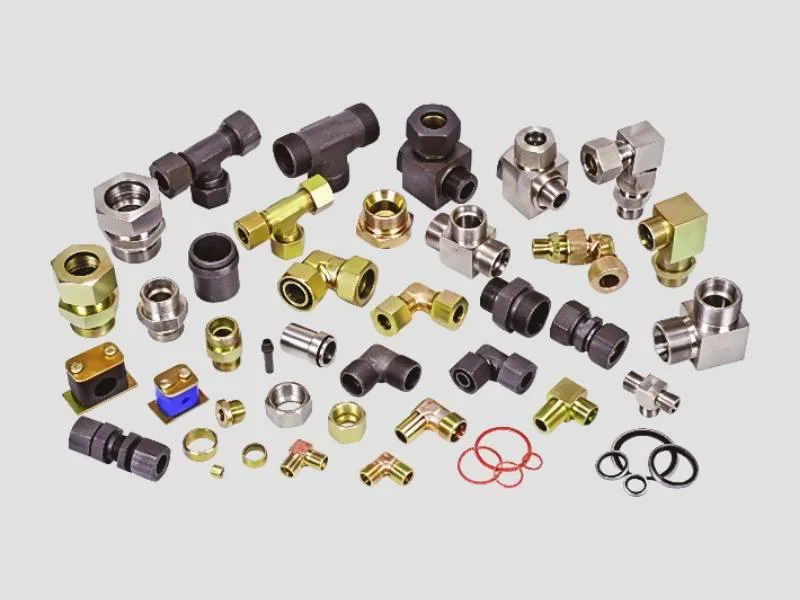
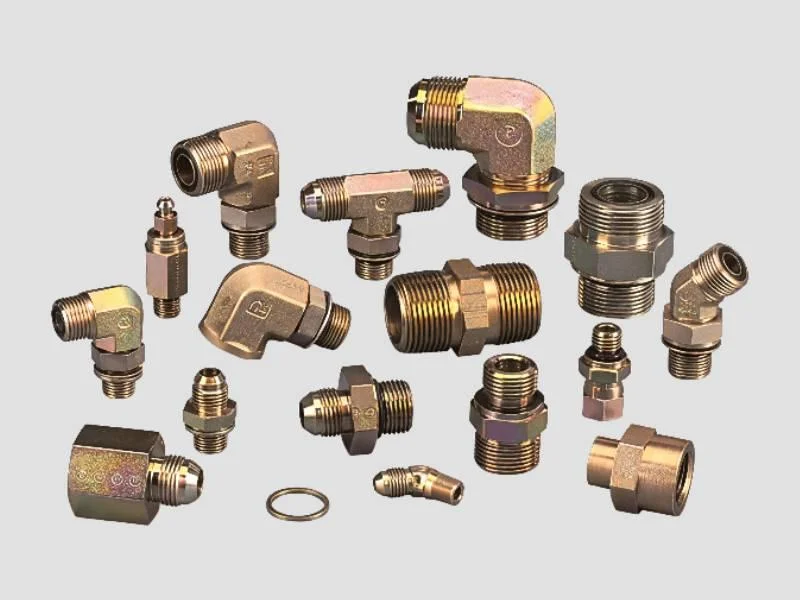
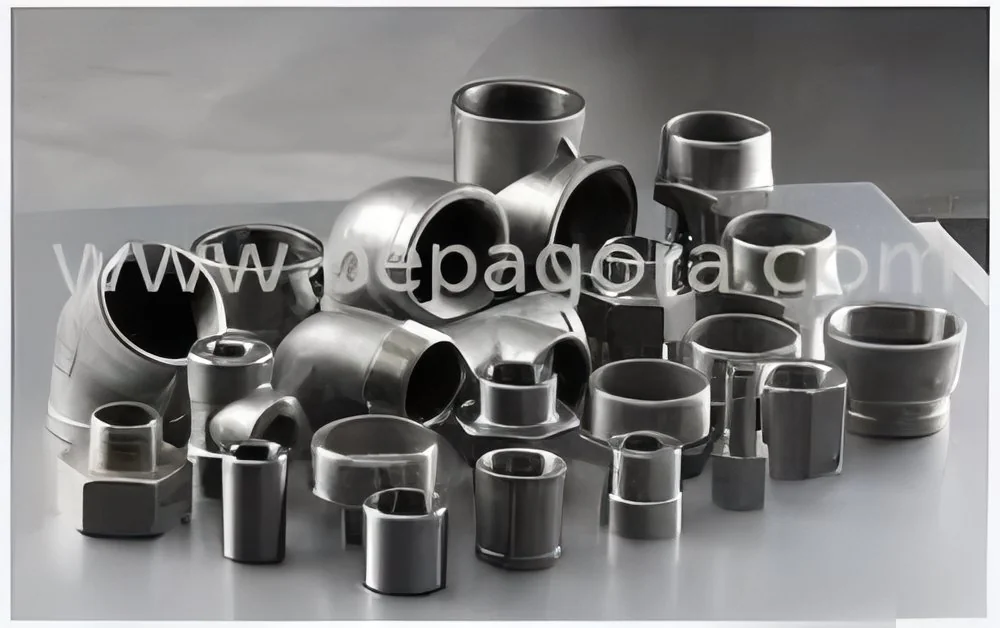
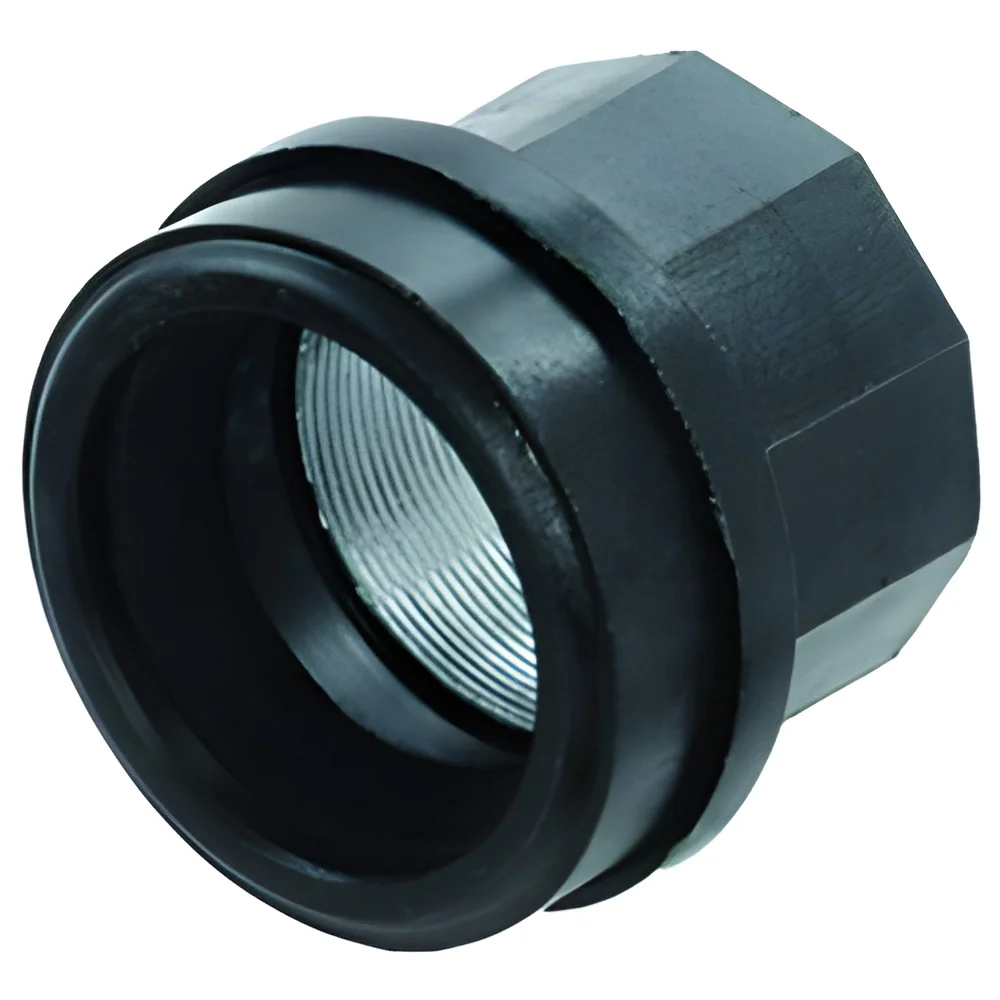
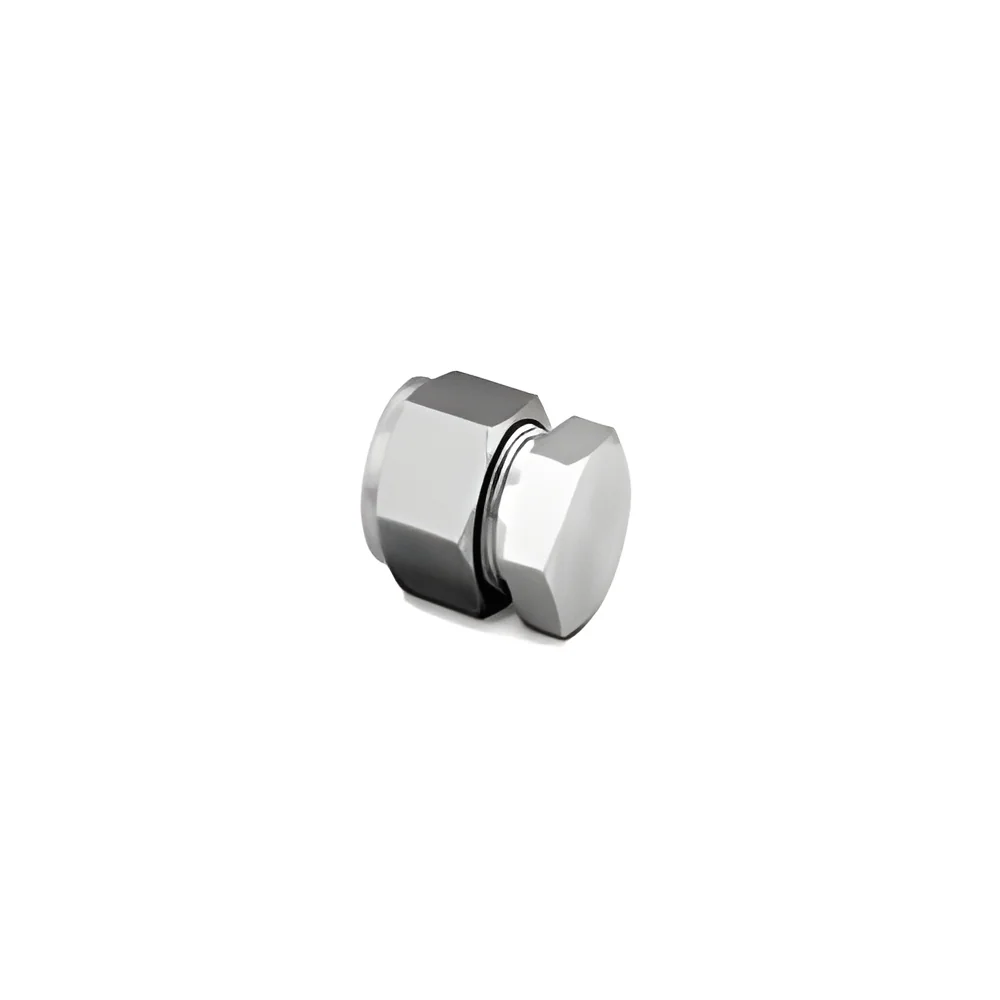
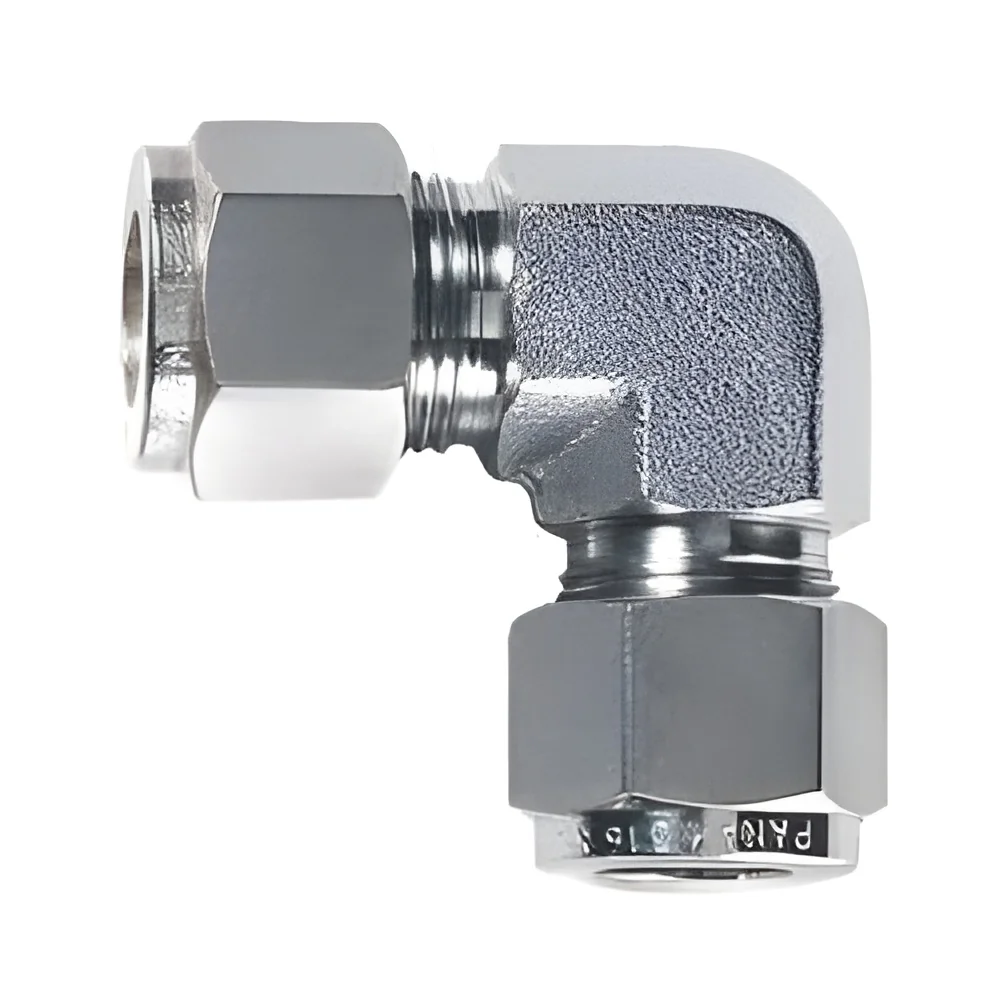
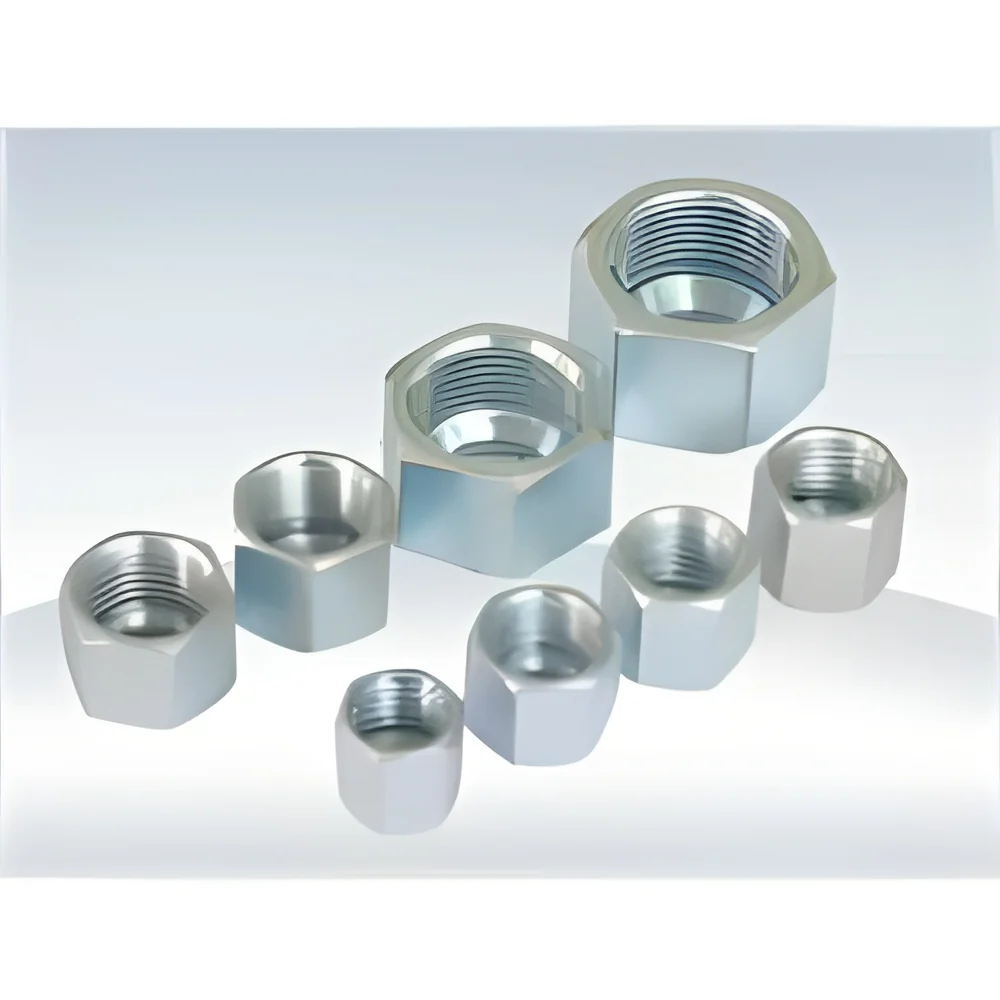
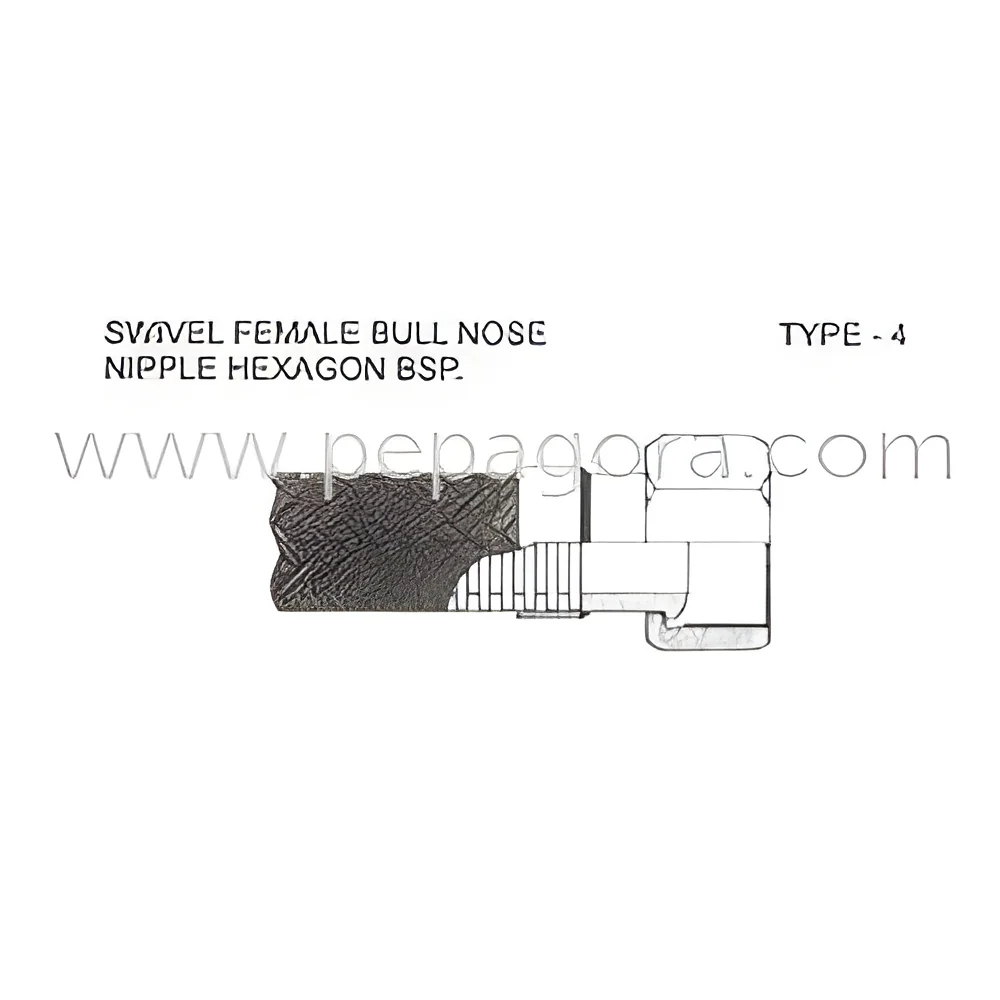
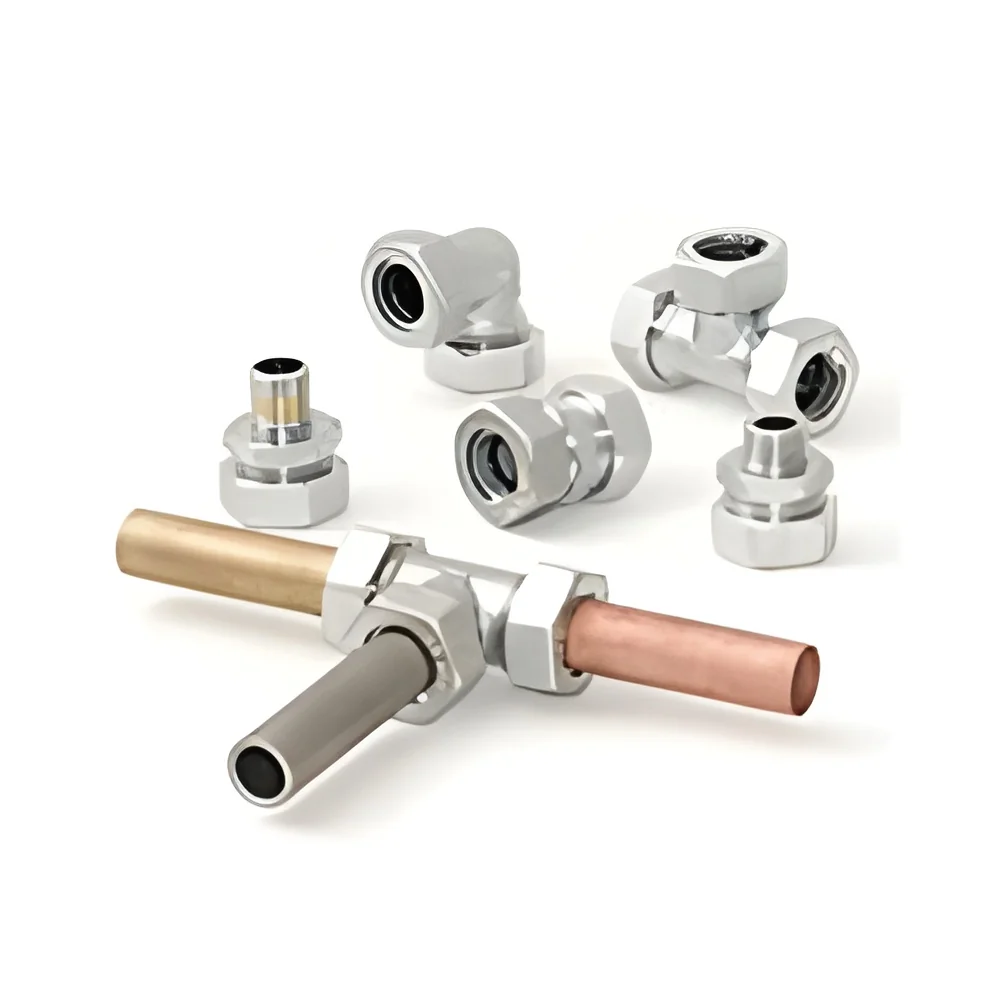
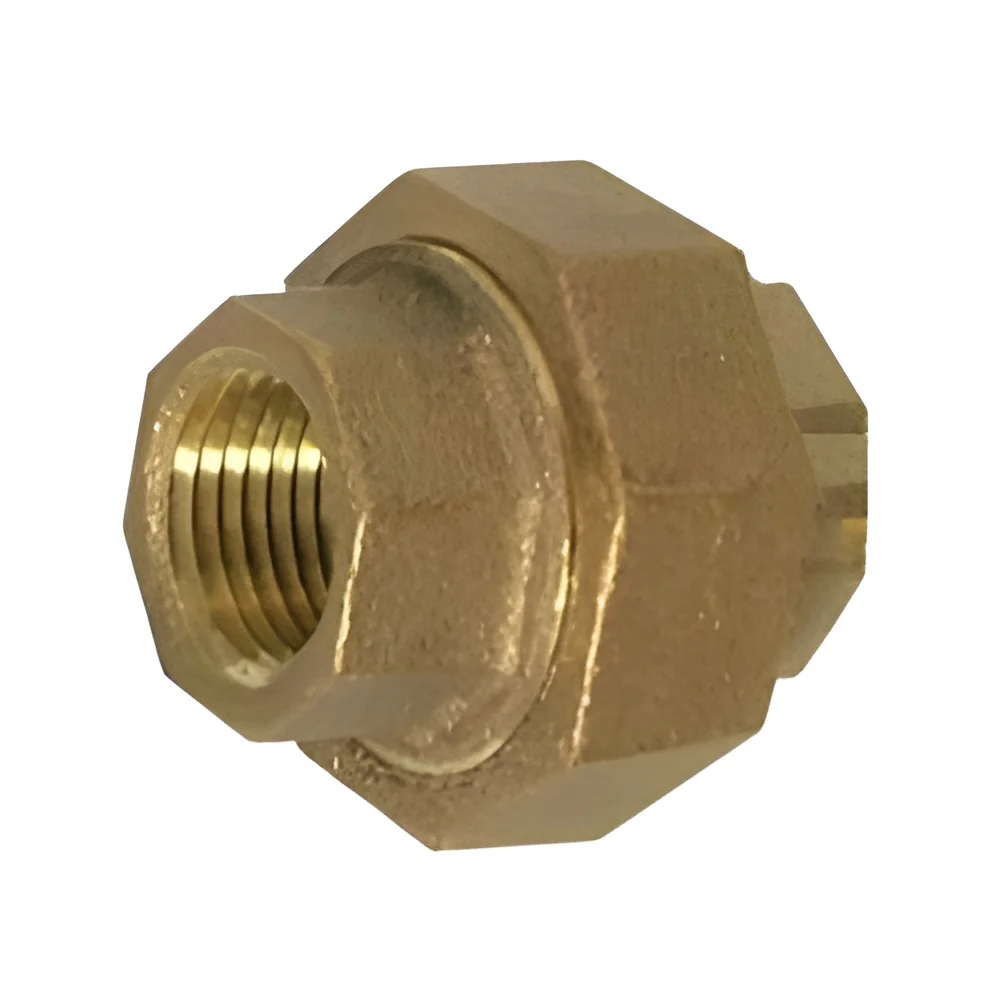
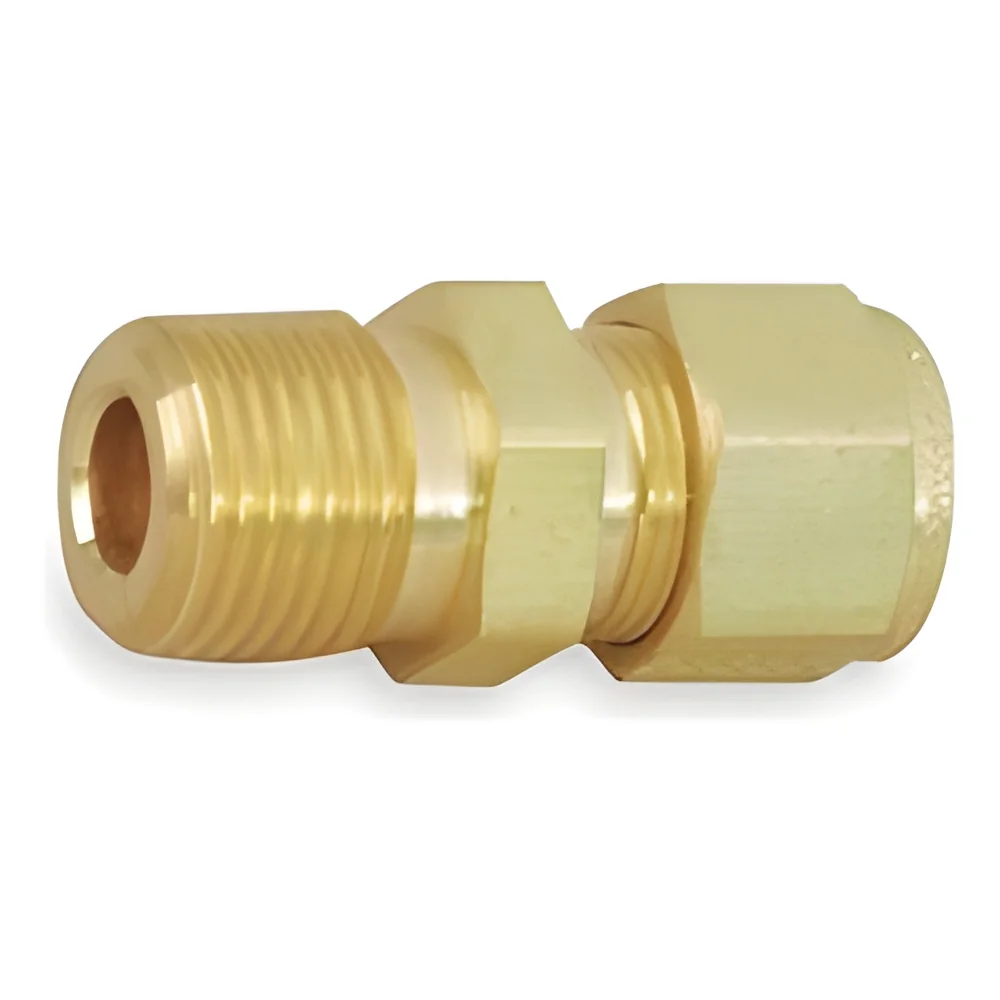
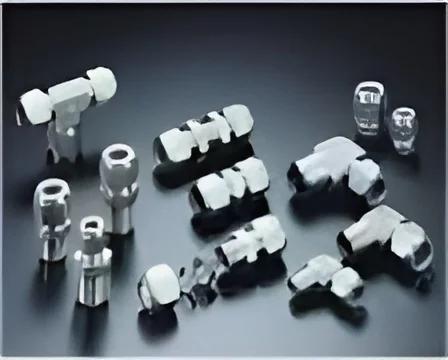
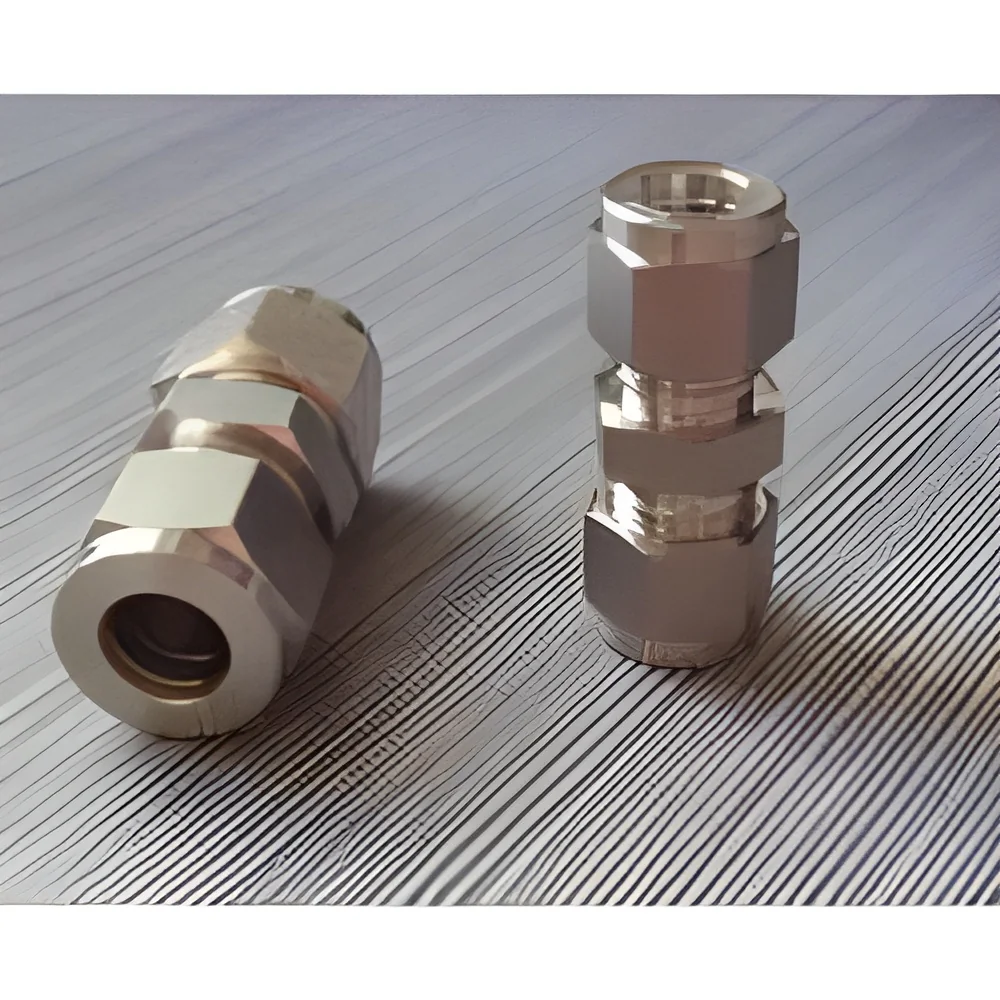
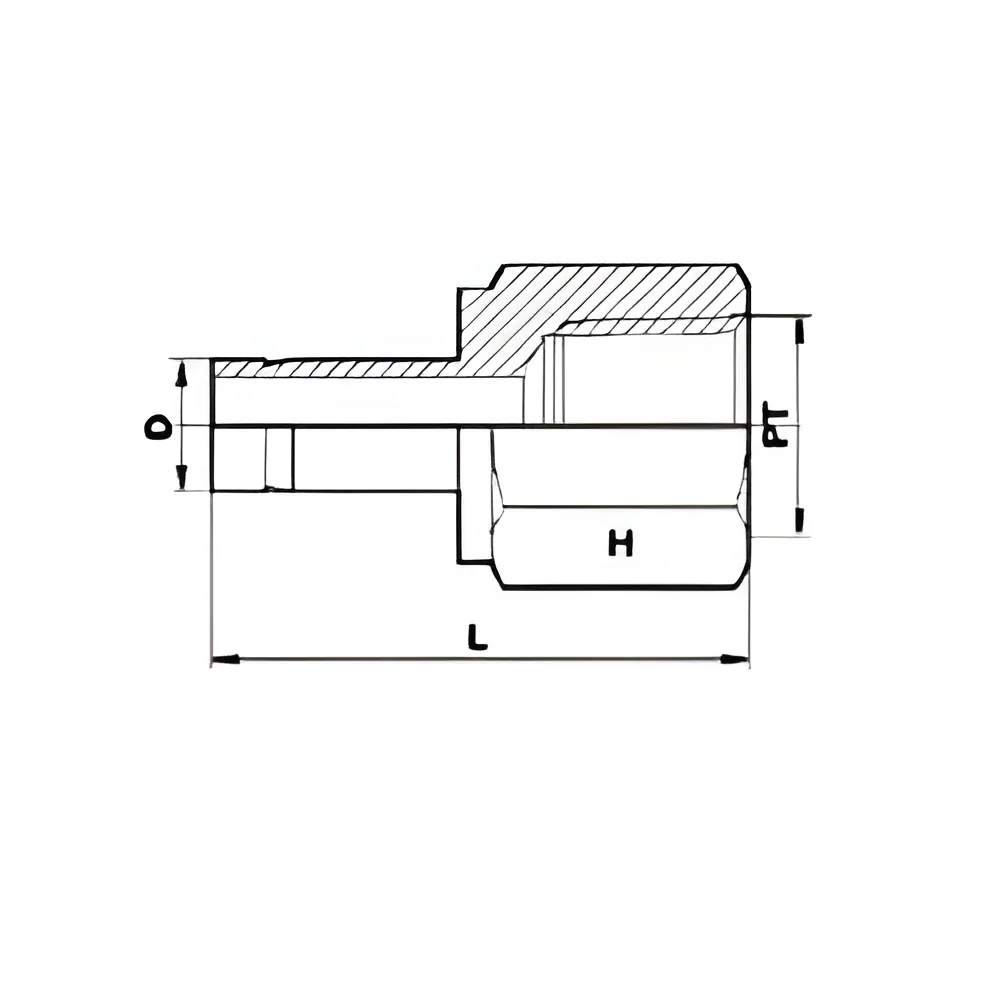
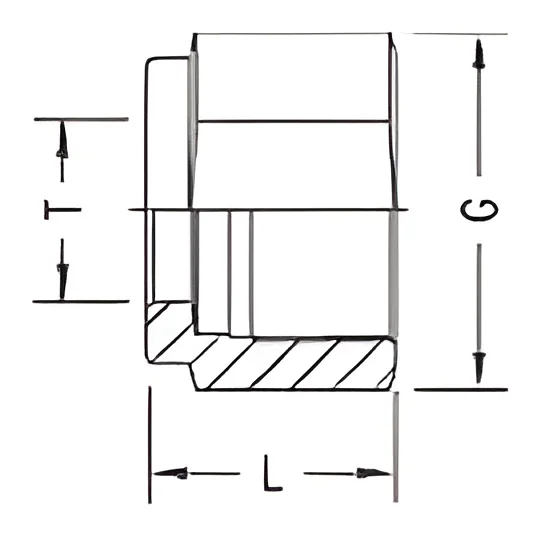
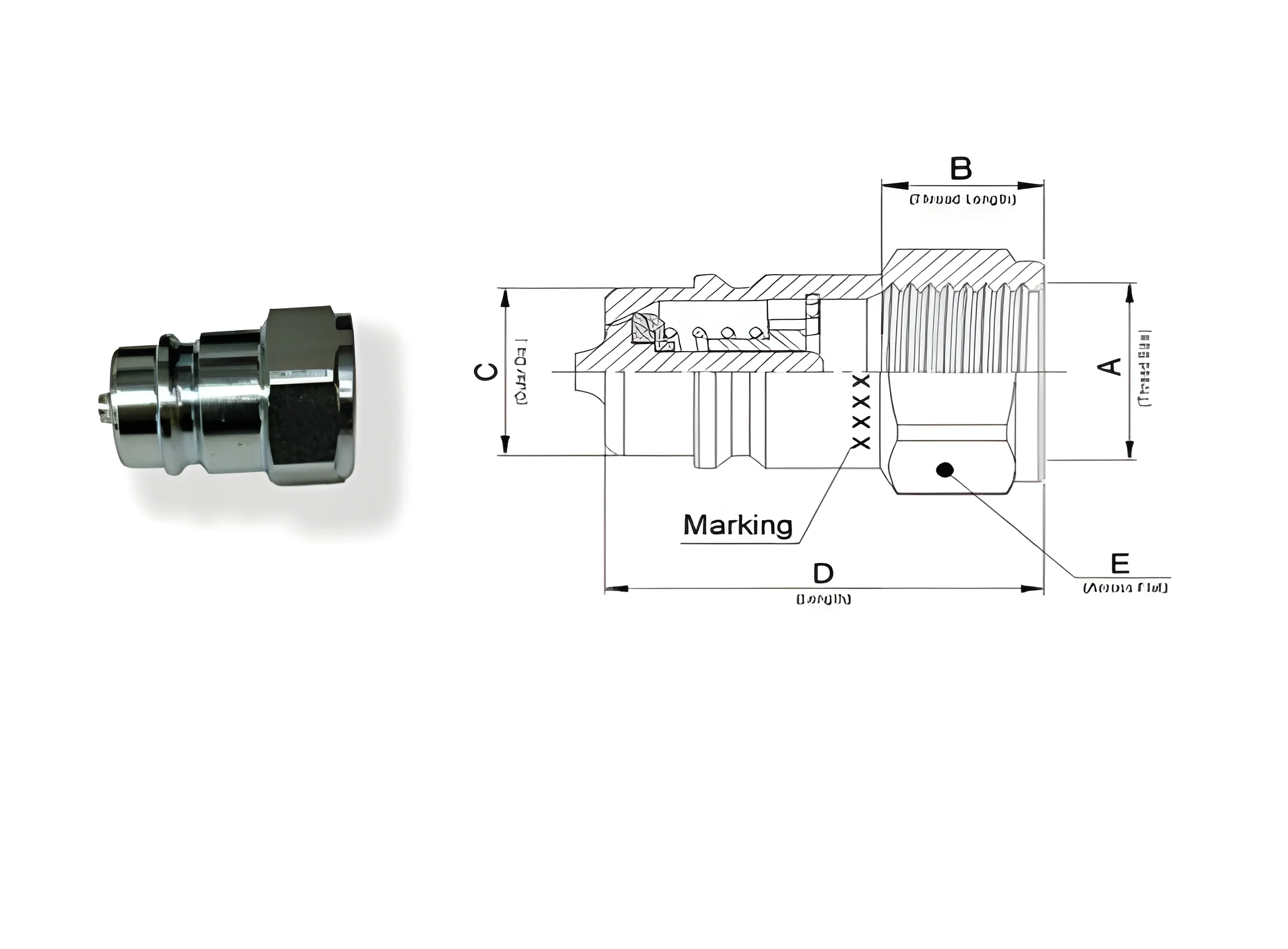
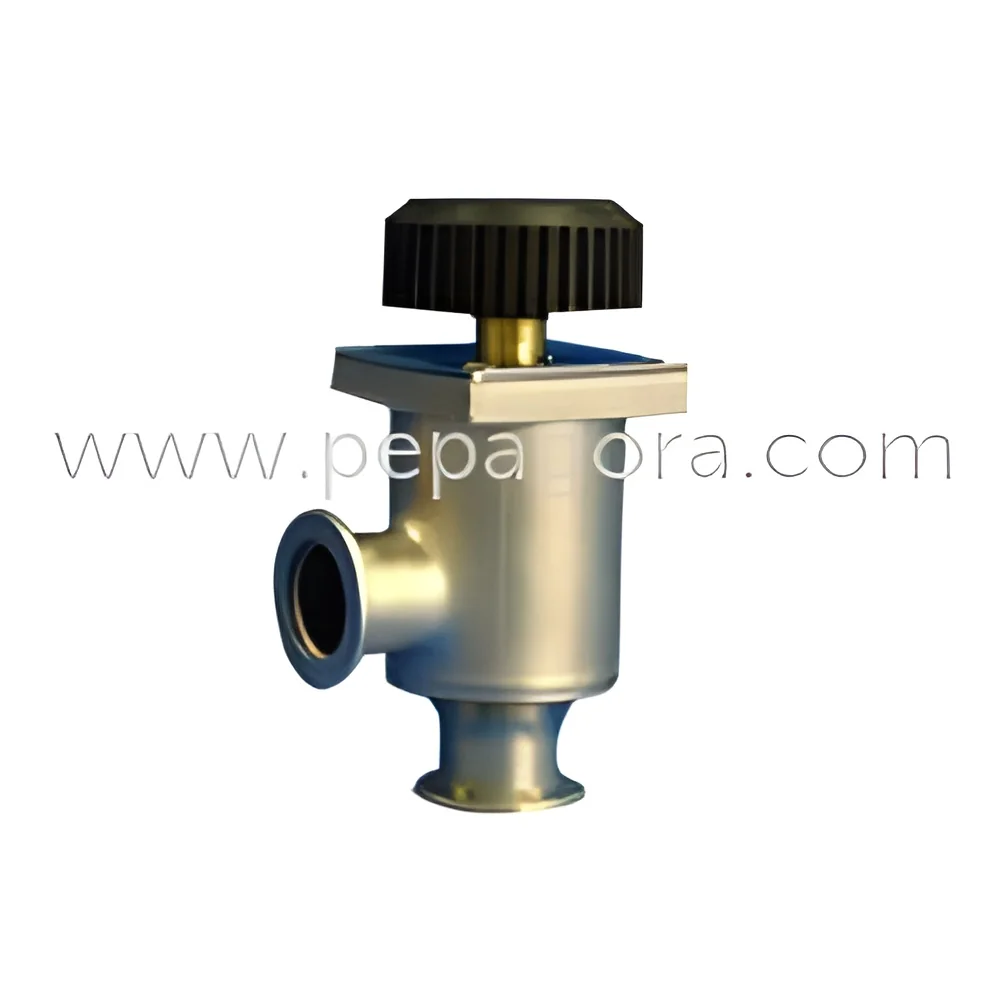
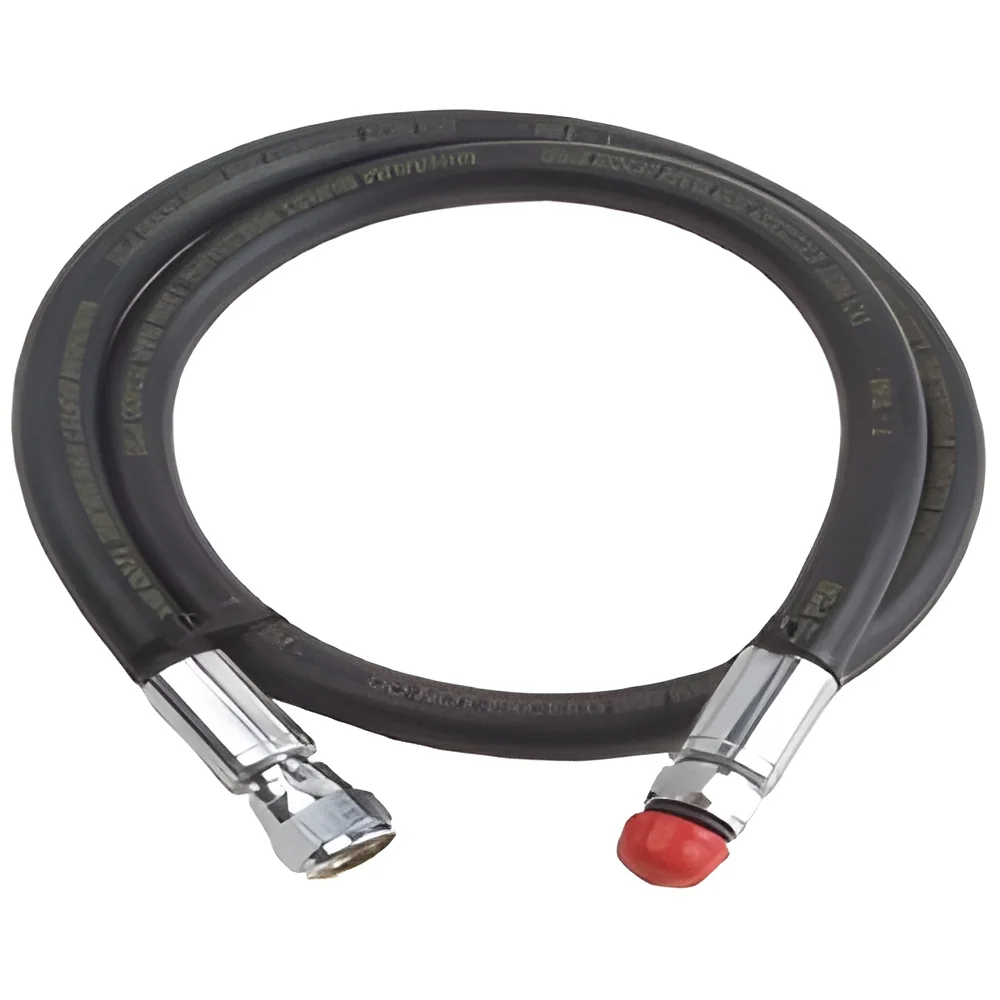
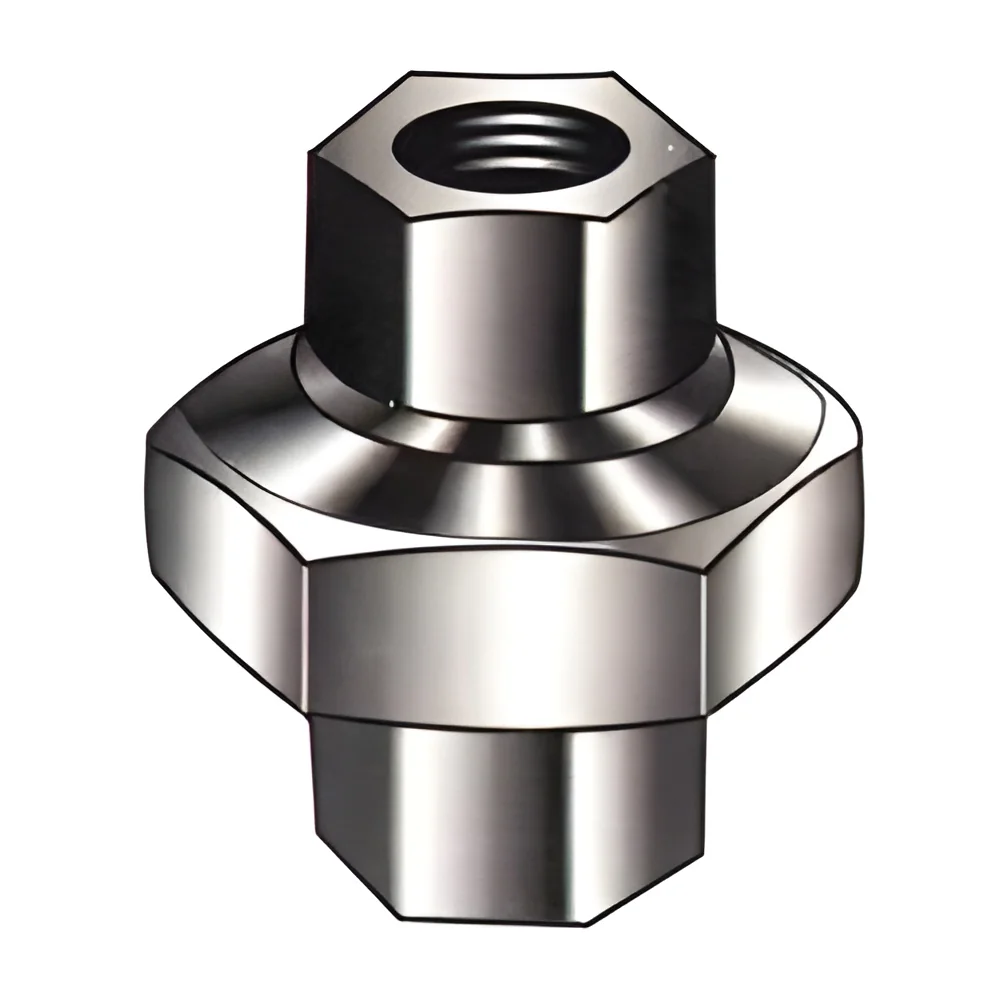
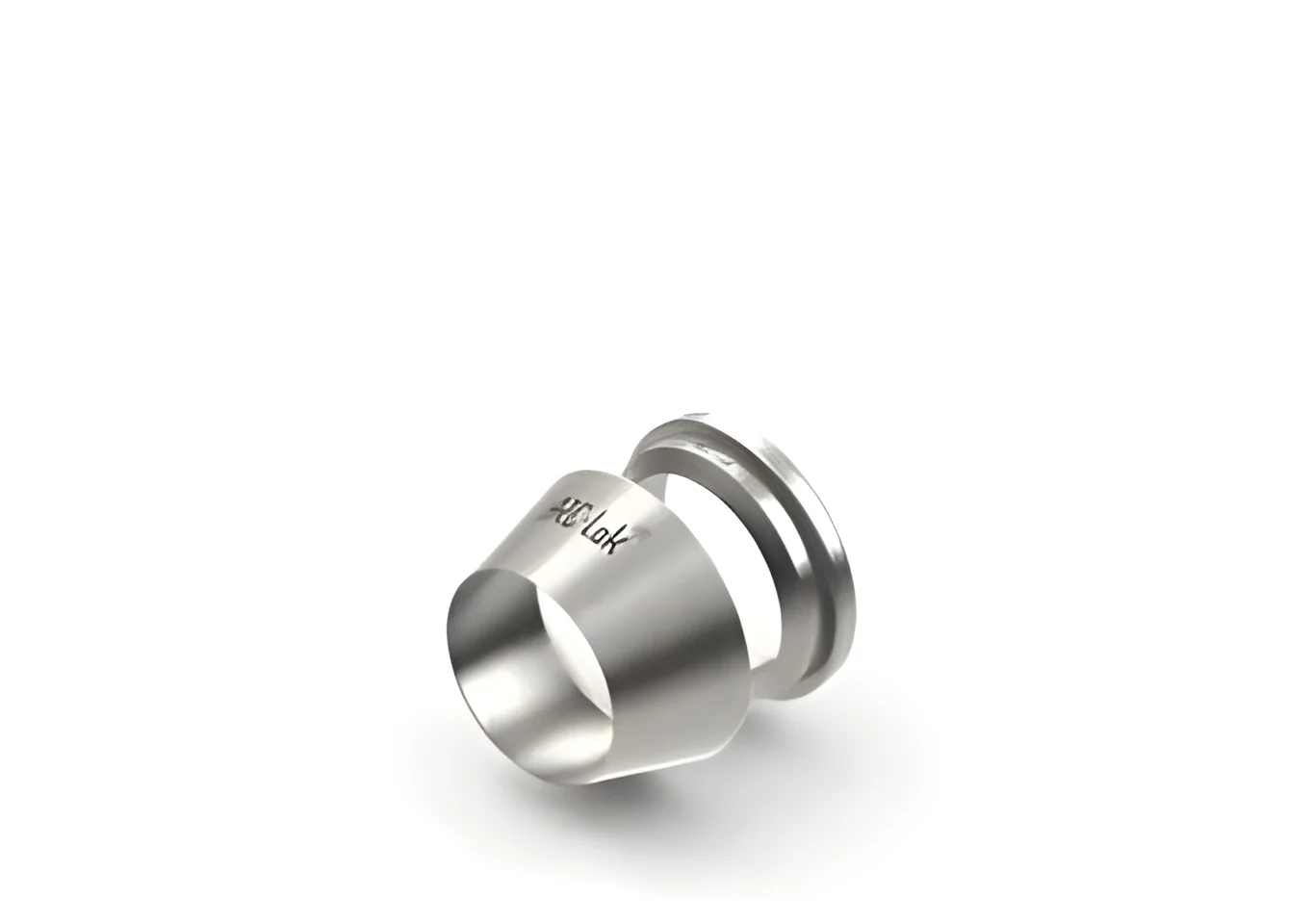
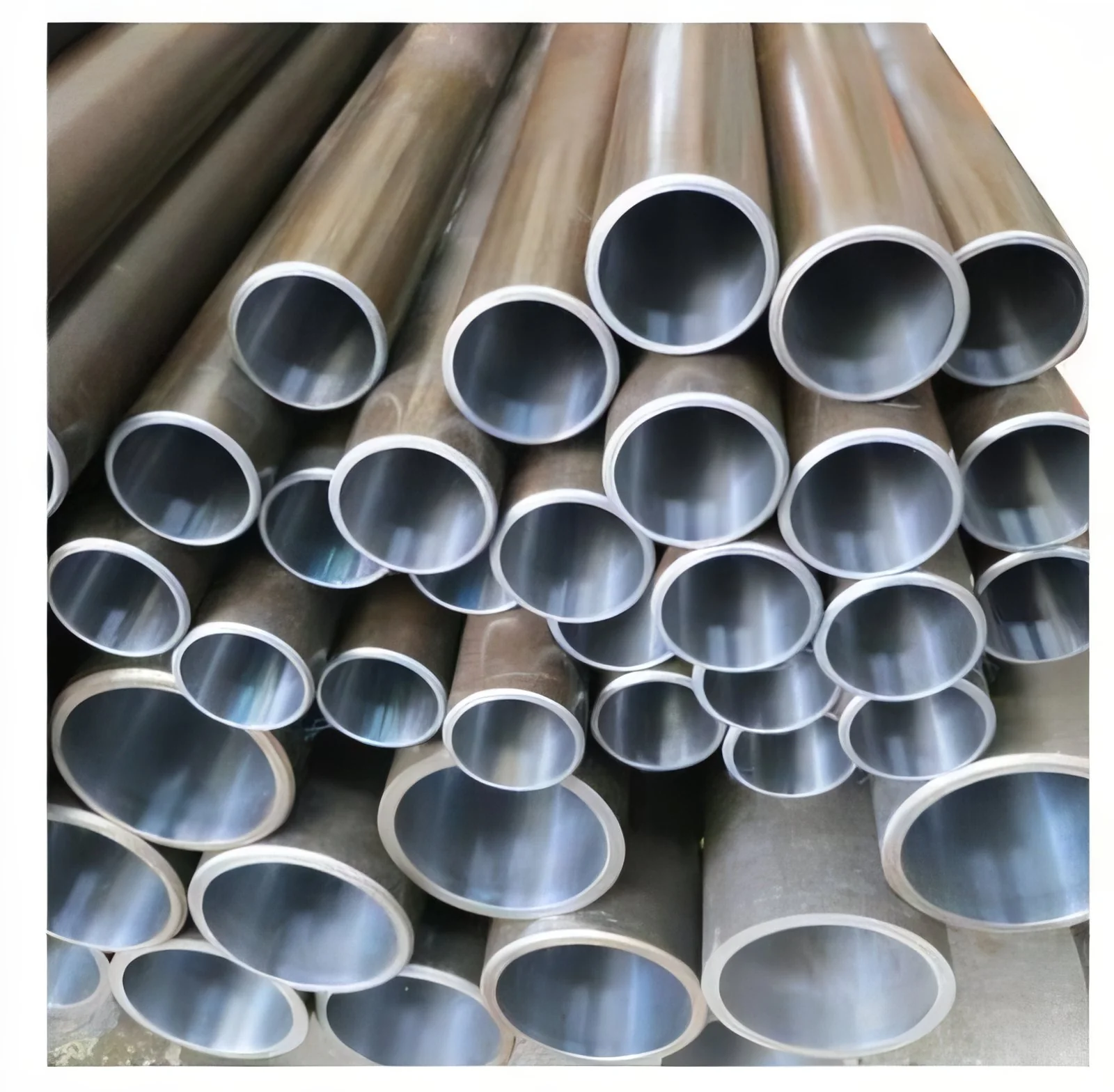
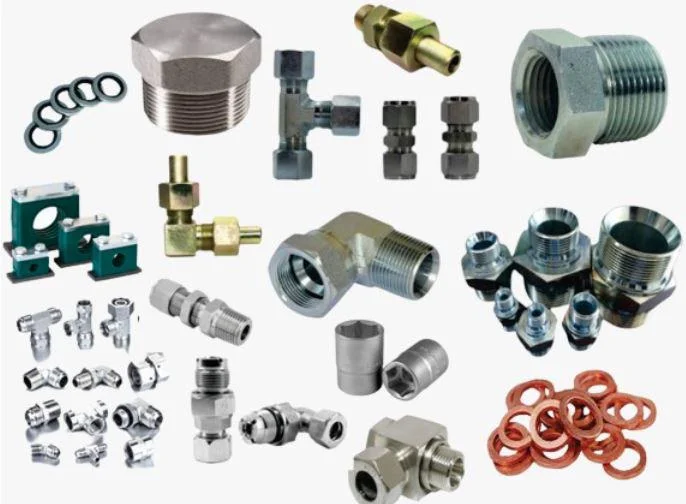
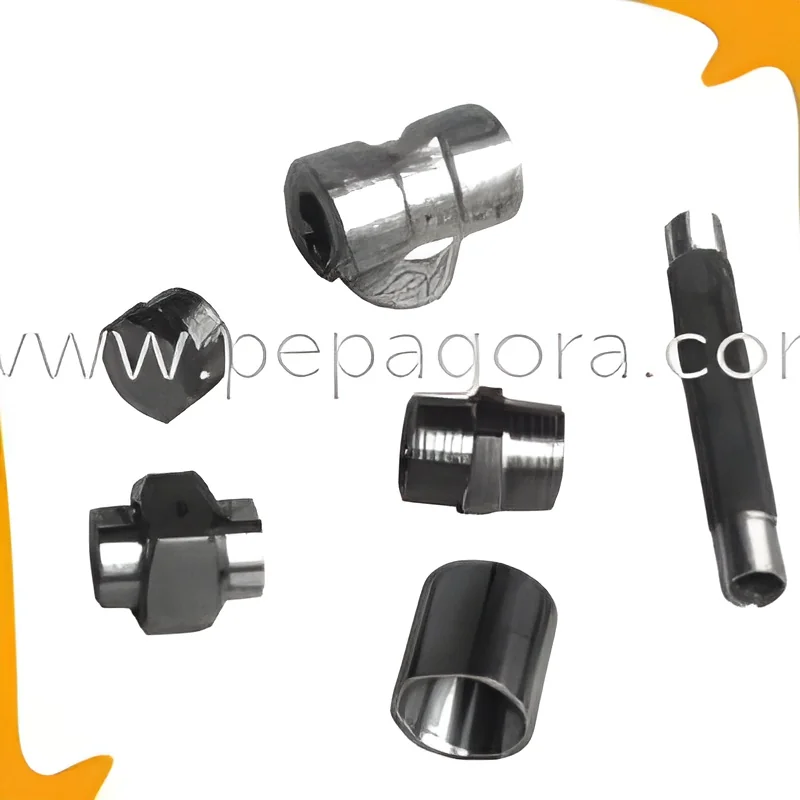
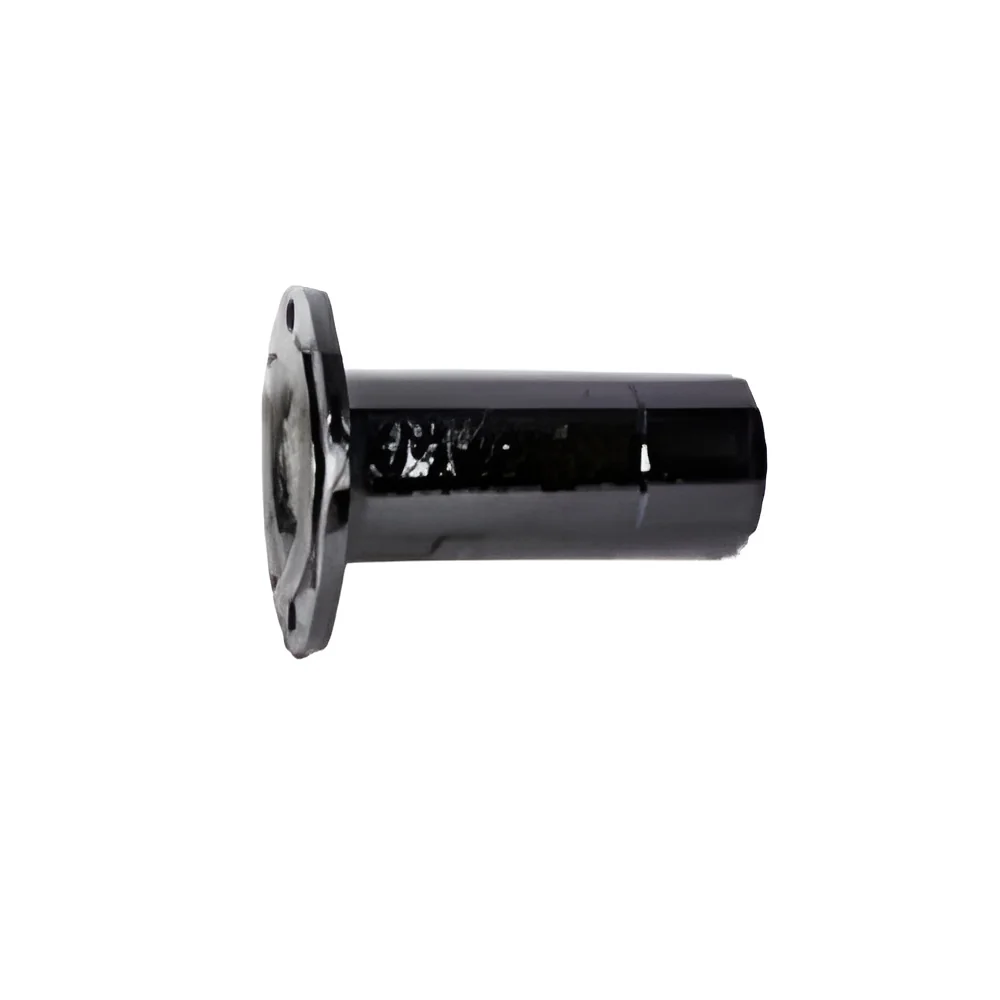
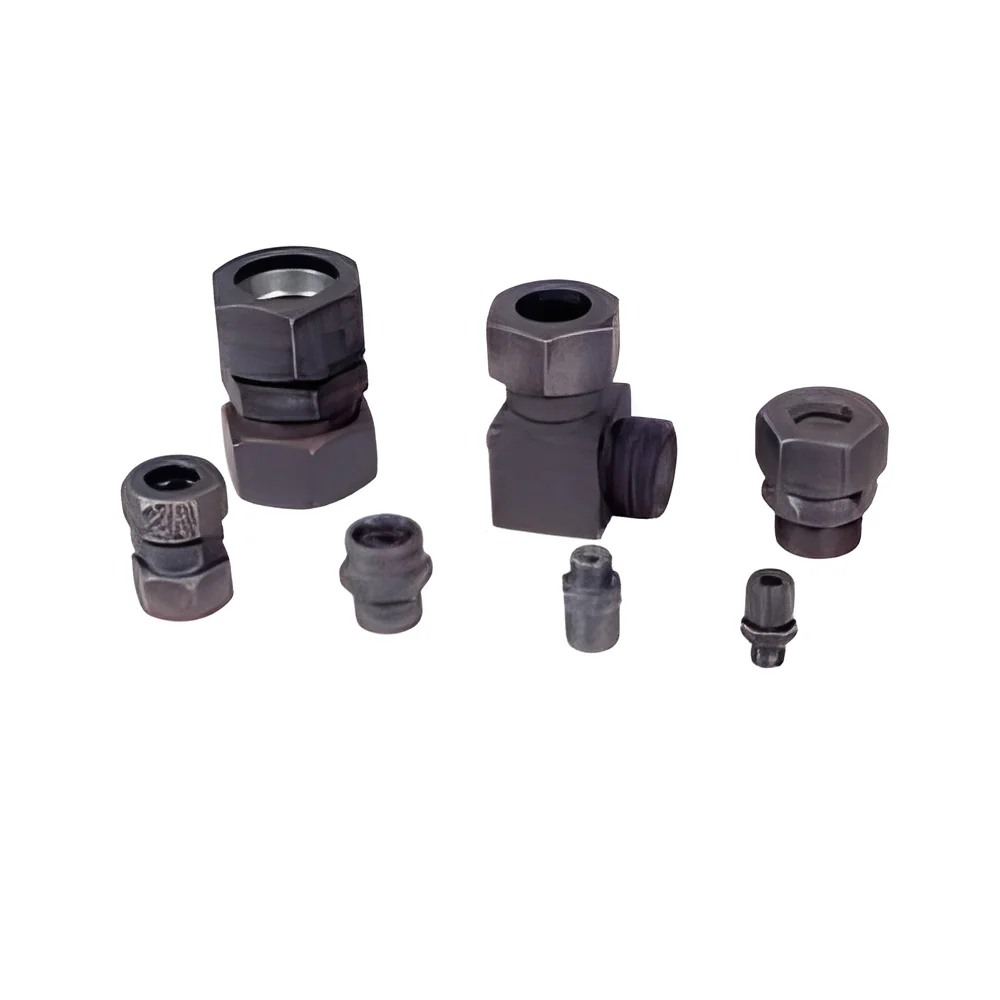
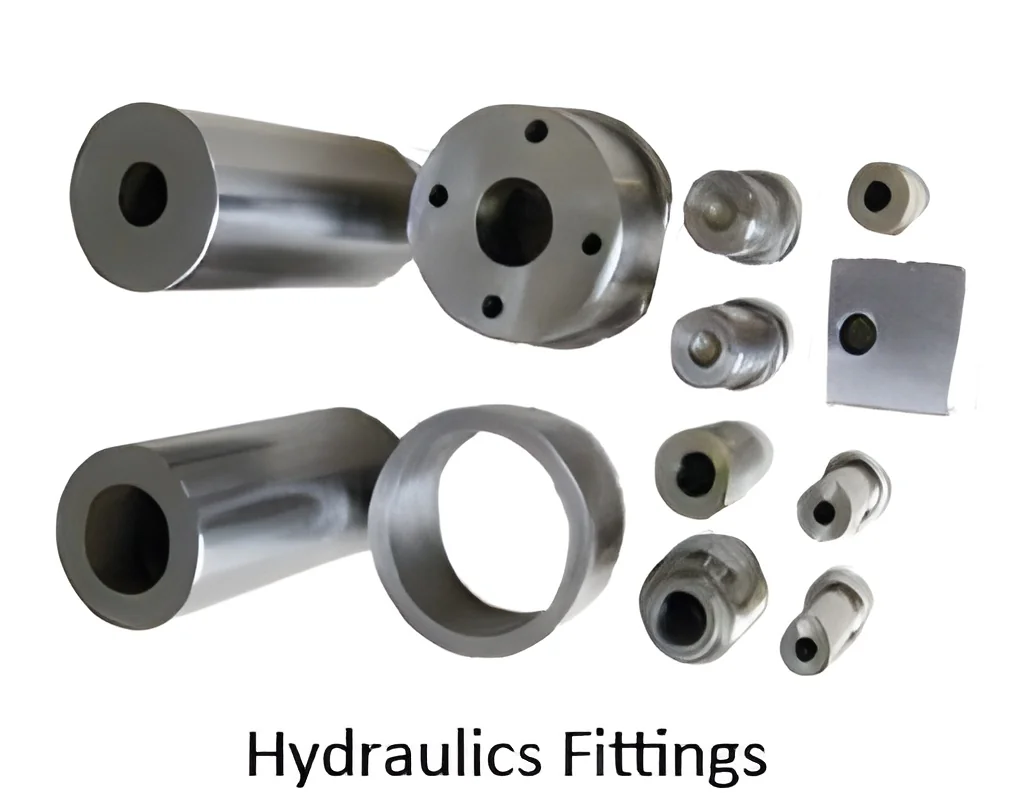
Hydraulic fittings are essential components used in hydraulic systems to connect hoses, pipes, and tubes. They facilitate the transfer of fluids and ensure that the system operates efficiently and safely. Typically made from durable materials such as steel, brass, or plastic, hydraulic fittings come in various shapes and sizes to meet the specific needs of different applications. Their primary function is to create a secure and leak-proof connection, which is crucial in high-pressure environments.
These fittings are widely utilized in various industrial applications, including manufacturing, construction, and agriculture. In hydraulic machinery, they play a vital role in controlling the flow and direction of hydraulic fluid. Businesses rely on hydraulic fittings to maintain operational efficiency, minimize downtime, and enhance safety in their machinery and equipment. Their significance in the industry cannot be overstated, as they contribute to the overall performance and reliability of hydraulic systems.
Key Features and Specifications
Hydraulic fittings are characterized by several key features that determine their suitability for specific applications. Understanding these specifications is crucial for selecting the right fittings for any hydraulic system.
Key specifications include:
1. Material
- Common materials include steel, brass, and plastic
- Provides strength, corrosion resistance, or lightweight options
2. Size
- Available in various diameters and thread types
- Ensures compatibility with different hoses and pipes
3. Pressure Rating
- Indicates the maximum pressure the fitting can withstand
- Ranges typically from 1000 to 5000 PSI, depending on the application
4. Connection Type
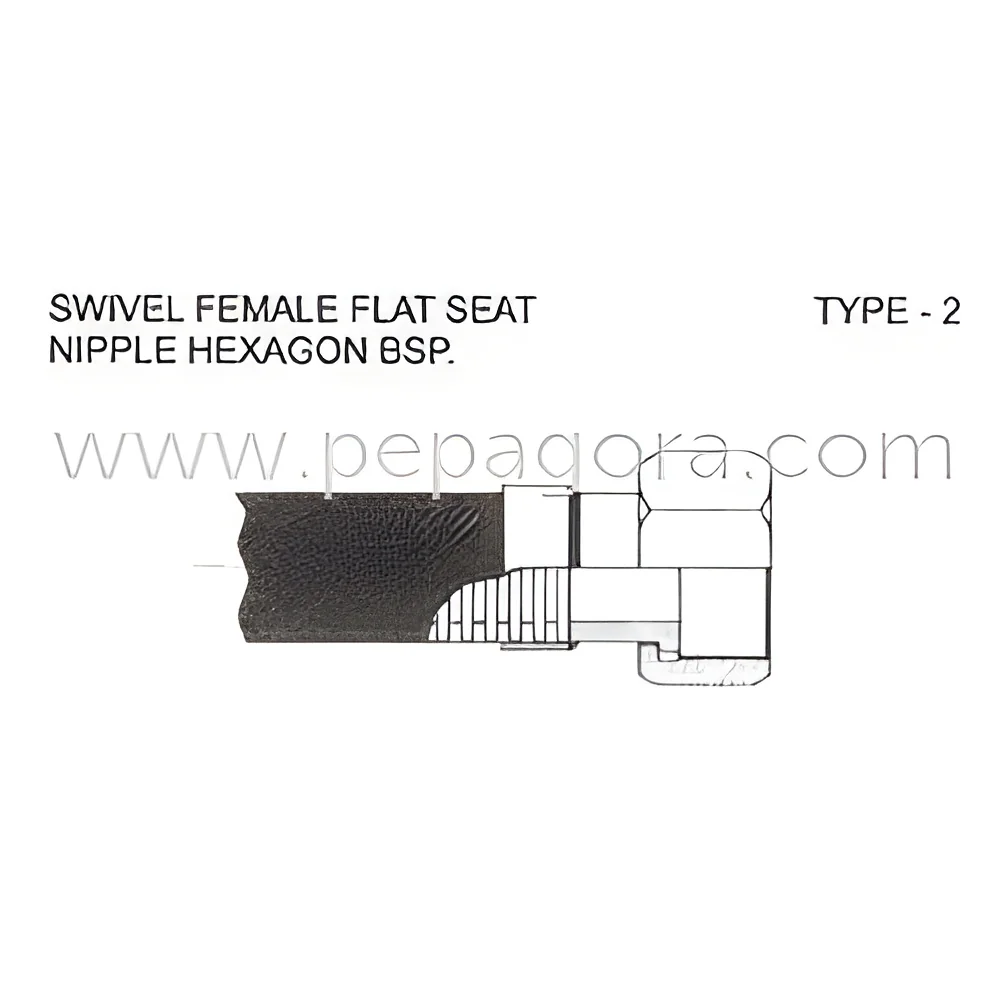
- Includes threaded, flanged, or quick-connect options
- Facilitates easy installation and maintenance
5. Temperature Range
- Suitable for a variety of operating temperatures
- Specific ranges are not available but should be considered based on fluid type
6. Sealing Method
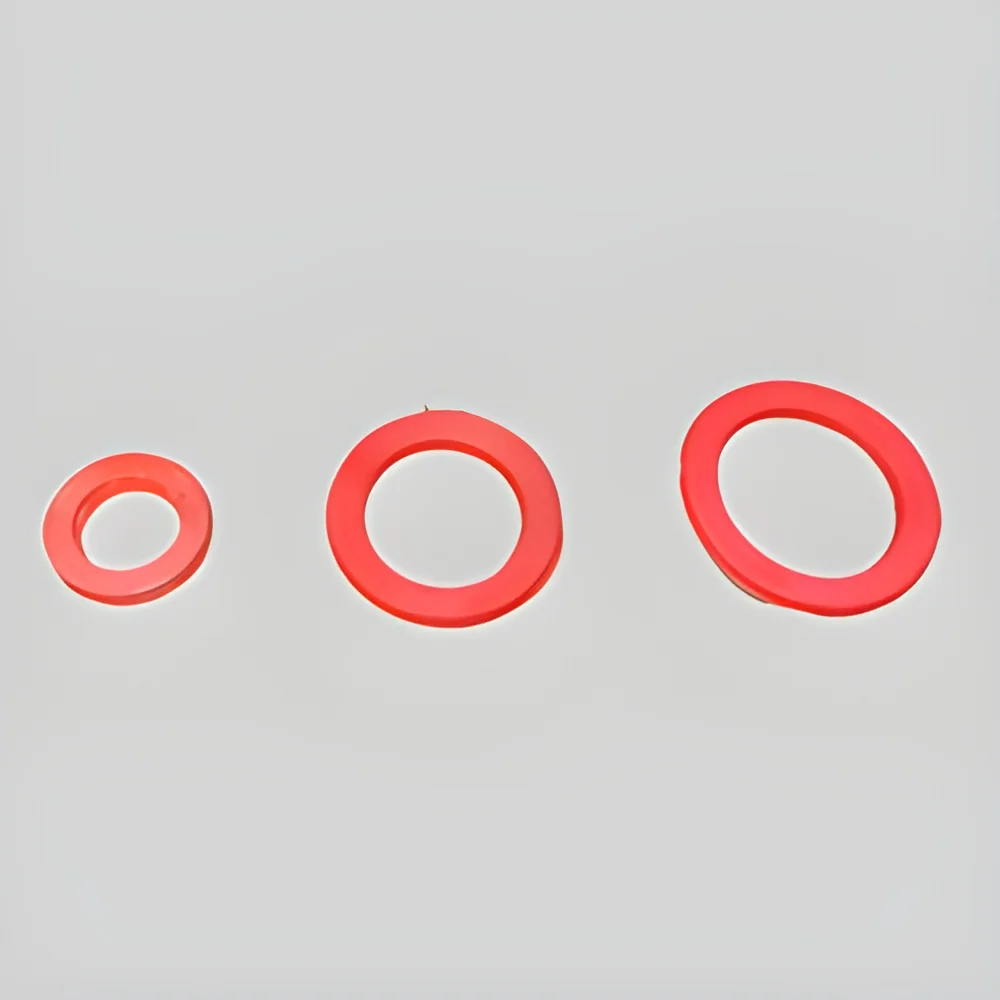
- Options include O-rings, gaskets, or metal-to-metal sealing
- Ensures a leak-proof connection under pressure
7. Finish
- Options may include zinc plating or anodizing
- Enhances corrosion resistance and durability
Hydraulic fittings are integral to ensuring the safe and effective operation of hydraulic systems. Selecting the right specifications can significantly impact system performance and longevity.
Common Applications and Use Cases
Hydraulic fittings are utilized in a variety of industries, each with specific applications that highlight their importance.
1. Manufacturing: In manufacturing plants, hydraulic fittings connect machinery that relies on hydraulic fluid for operation, enabling tasks such as molding, pressing, and cutting.
2. Construction: In construction, these fittings are vital for connecting hydraulic hoses and cylinders in equipment like excavators, bulldozers, and cranes, facilitating heavy lifting and earth moving.
3. Agriculture: Agricultural machinery, including tractors and harvesters, uses hydraulic fittings to control attachments and implements, ensuring efficient operation in the field.
4. Automotive: Hydraulic systems in automotive repair and manufacturing utilize fittings to manage fluid flow in brakes, steering, and transmission systems.
5. Mining: Hydraulic fittings are essential in mining equipment, where they connect hydraulic systems responsible for drilling, transporting, and processing materials.
6. Aerospace: In aerospace applications, hydraulic fittings are used in landing gear and control systems, where reliability and safety are crucial.
7. Oil and Gas: Hydraulic fittings play a significant role in drilling operations, connecting equipment for fluid transport in exploration and extraction processes.
These applications demonstrate the versatility of hydraulic fittings across various sectors, highlighting their critical role in machinery and equipment performance.
Product Variants and Subcategories
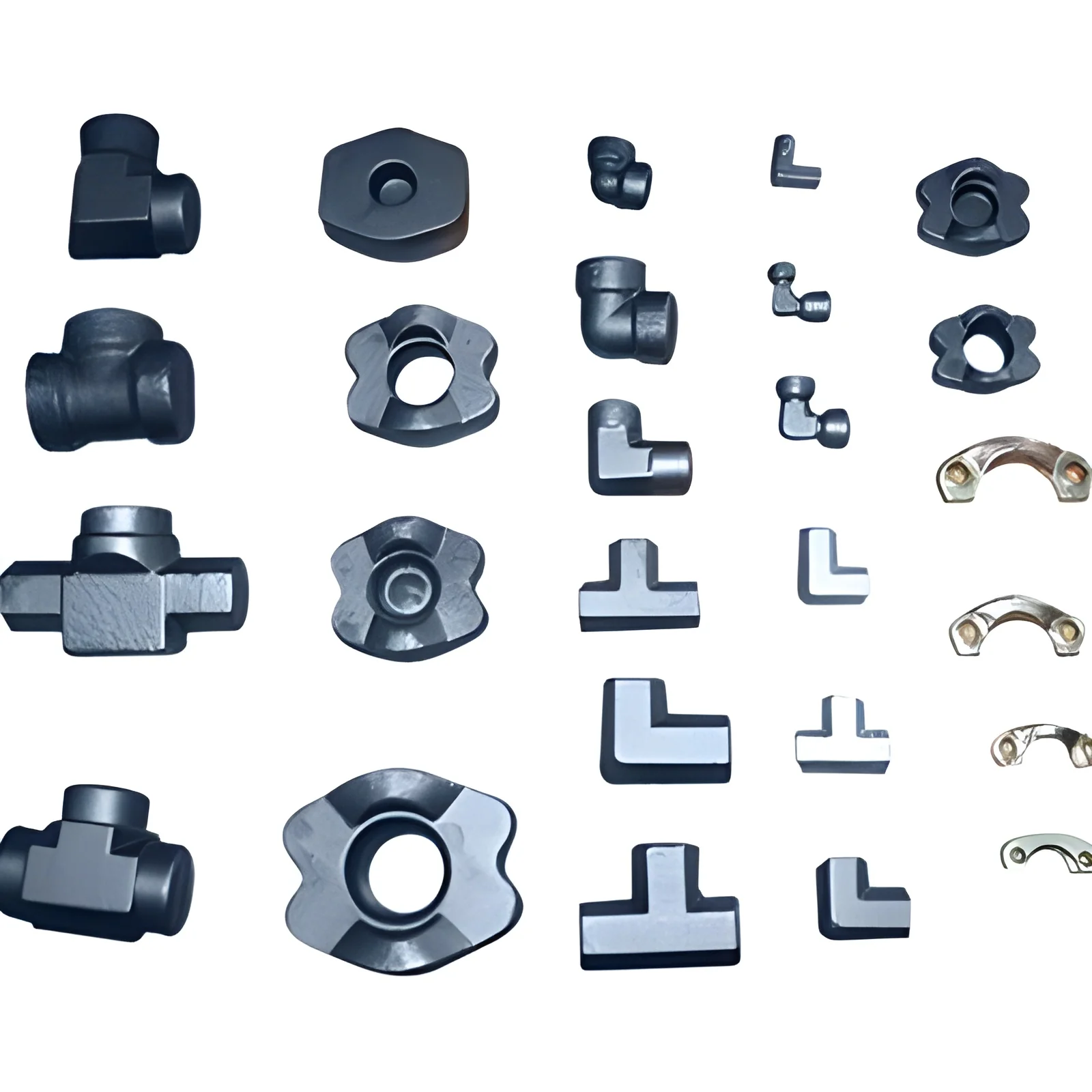
Hydraulic fittings come in a range of variants to cater to diverse industrial needs. Each variant serves specific functions and applications.
Straight Fittings
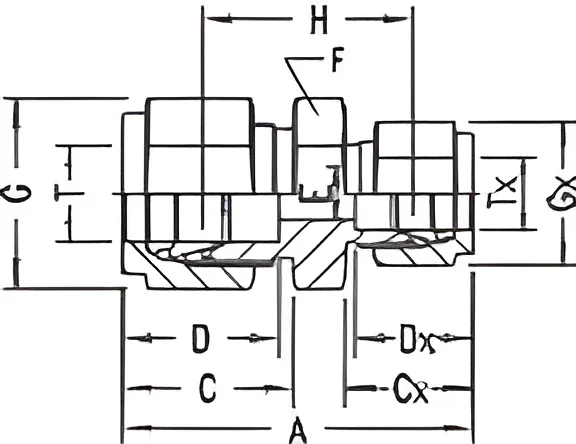
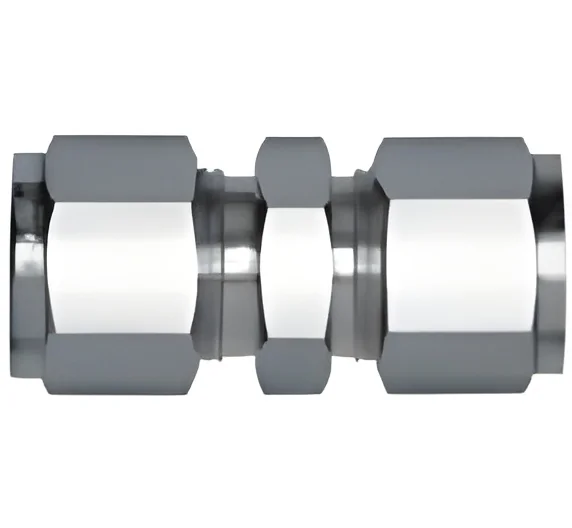
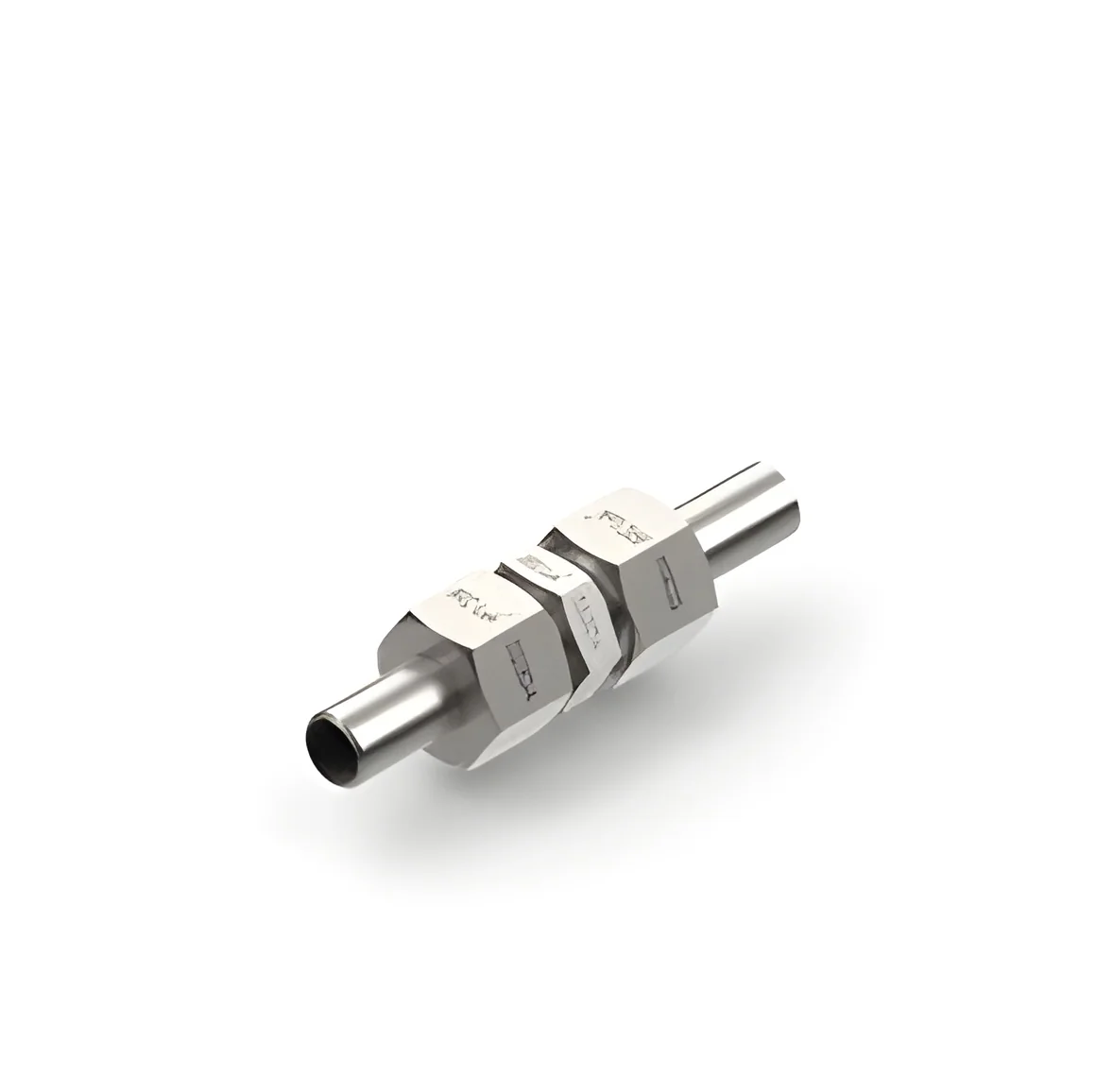
Straight fittings are designed to connect two hoses or pipes in a linear alignment. They are commonly used in situations where space allows for a direct connection, ensuring minimal fluid flow resistance.
Elbow Fittings
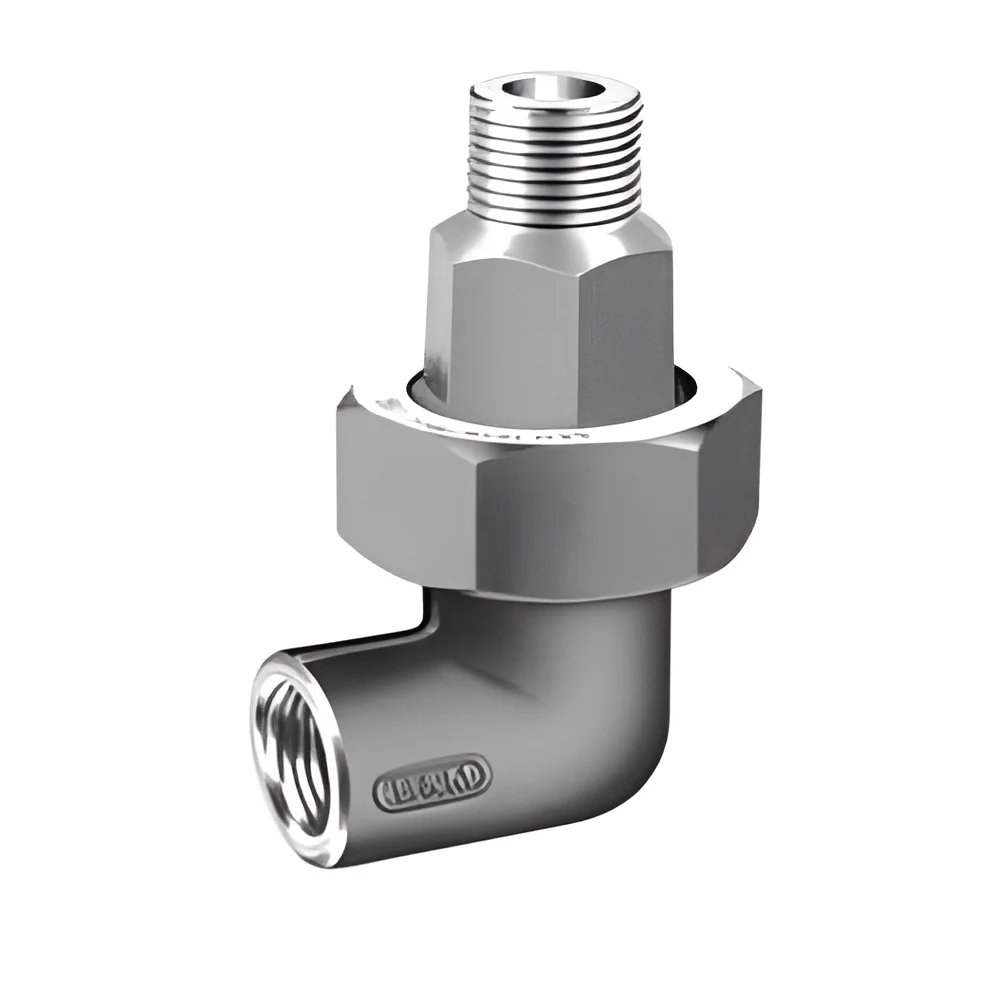
Elbow fittings allow for directional changes in piping systems. They are essential in applications where space constraints require hoses or pipes to change direction, helping to maintain optimal flow rates.
Tee Fittings
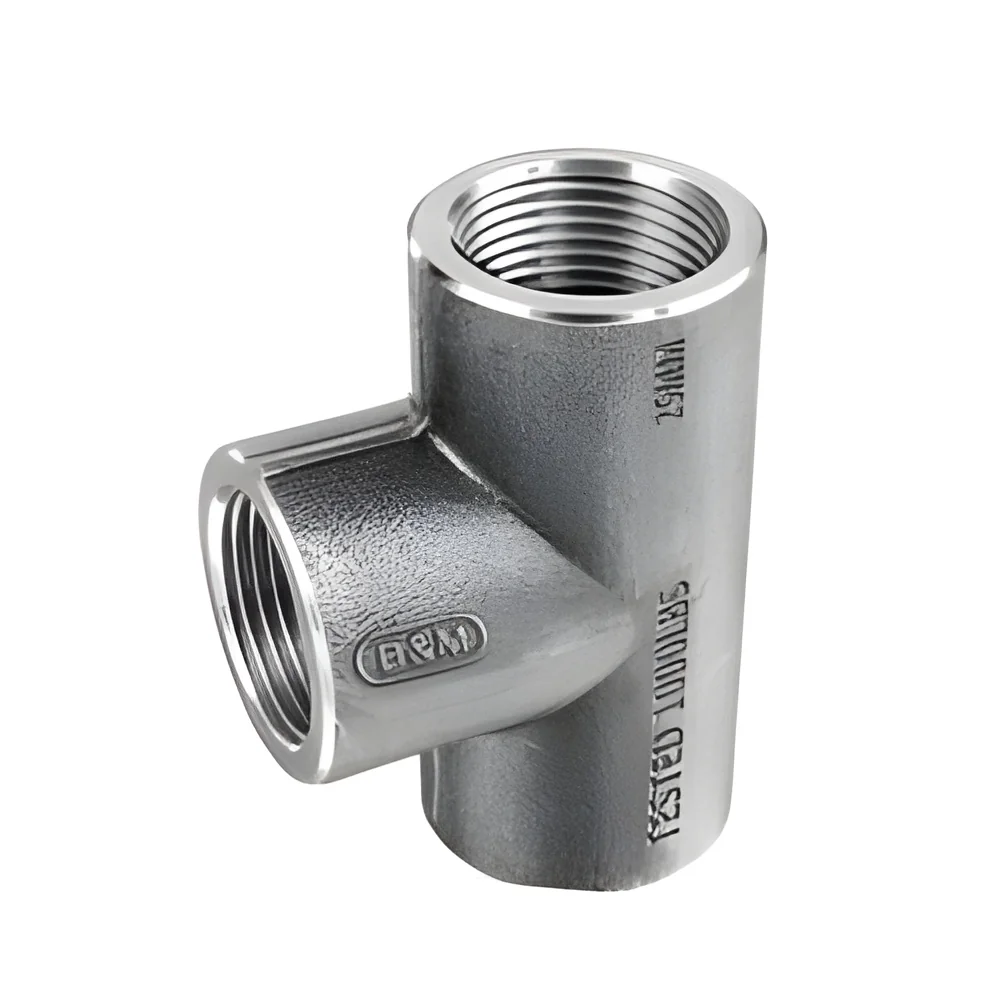
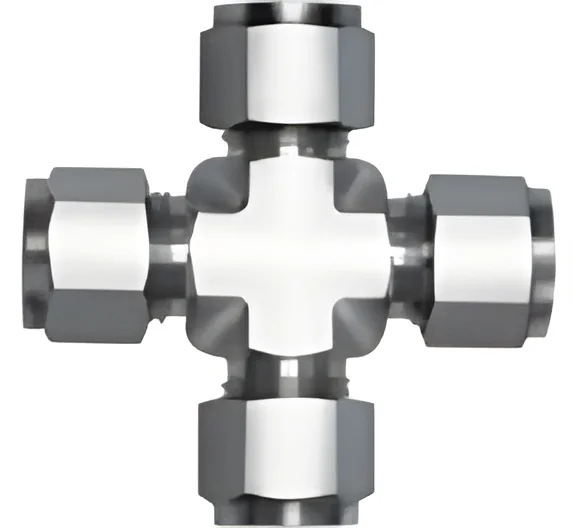
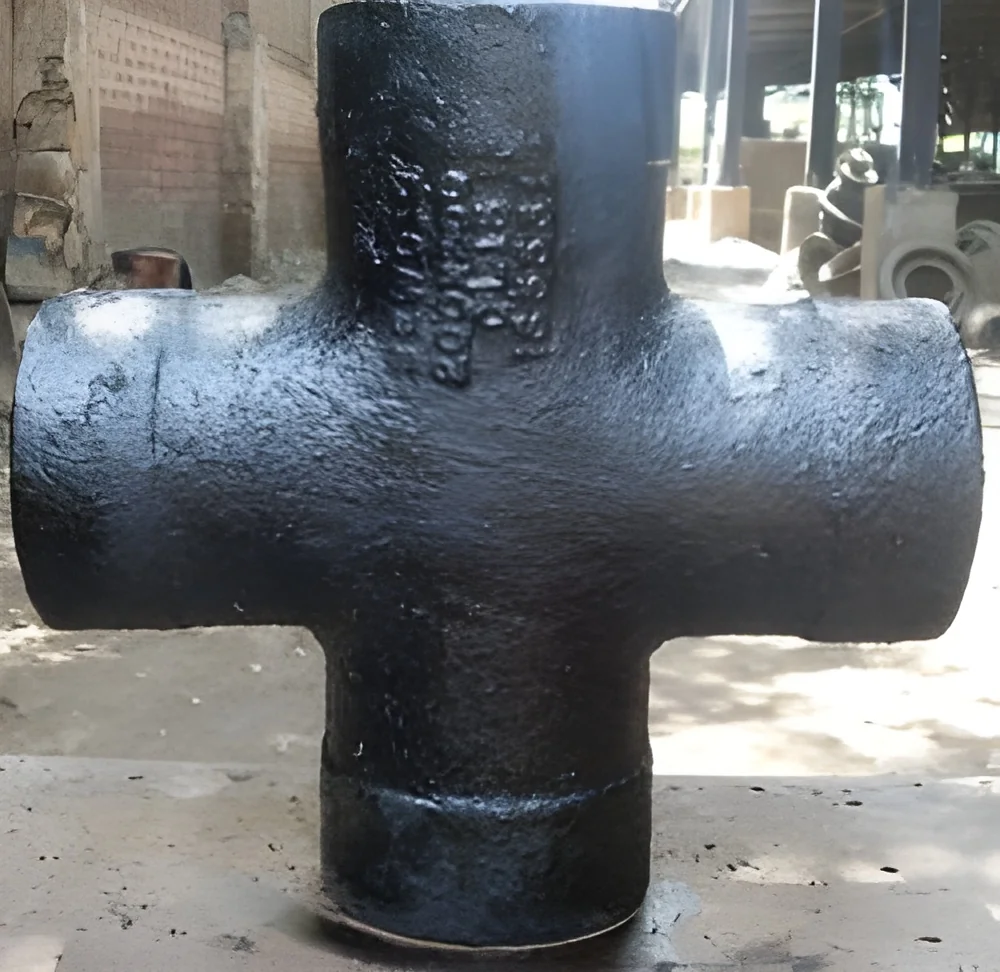
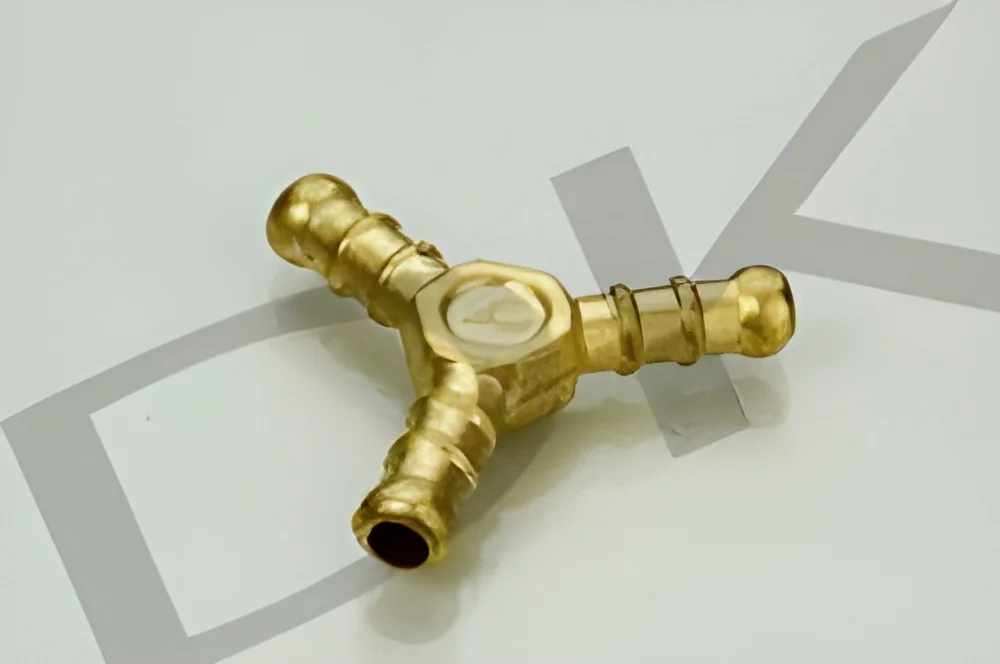
Tee fittings enable the branching of fluid flow in multiple directions. They are useful in systems that require fluid to be distributed to different locations from a single source.
Quick-Connect Fittings
Quick-connect fittings facilitate easy connection and disconnection of hoses without the need for tools. They are ideal for applications requiring frequent changes or maintenance of hydraulic equipment.
Flanged Fittings
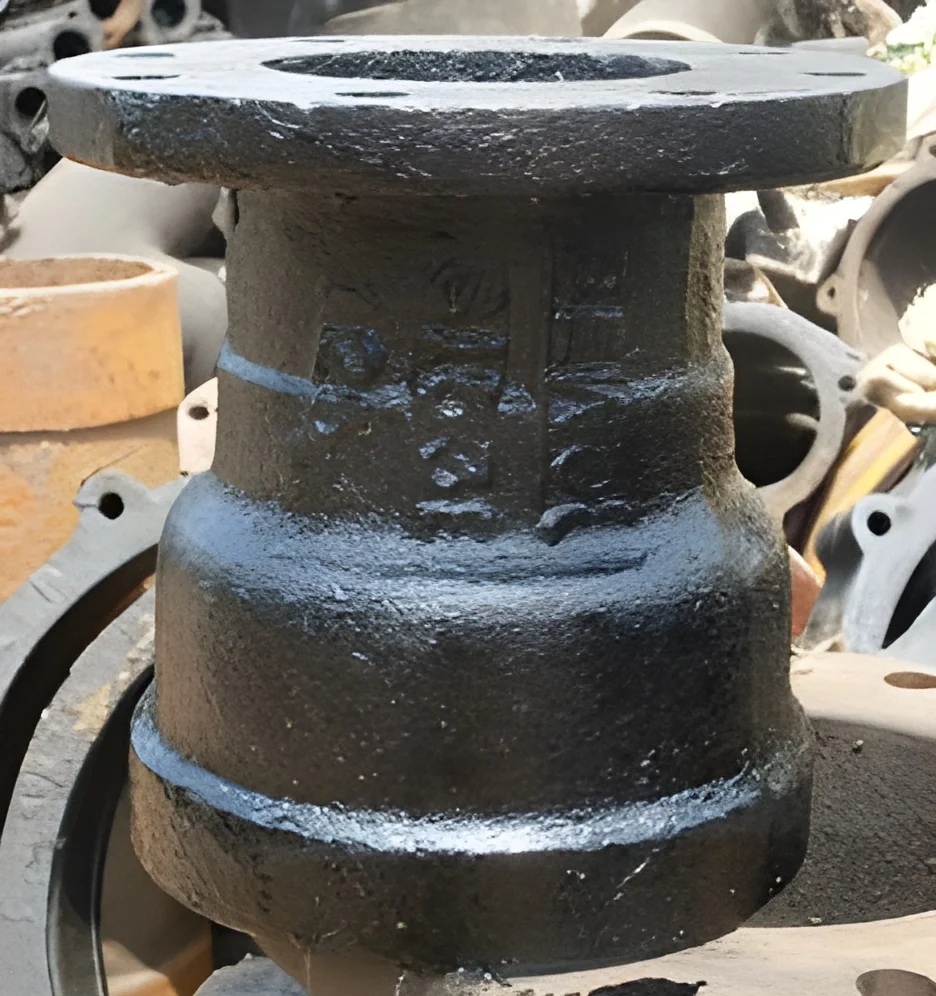
Flanged fittings provide a robust connection between pipes or equipment using a flange and bolts. They are commonly used in high-pressure applications where a secure, leak-proof seal is necessary.
Benefits and Advantages
Investing in quality hydraulic fittings offers several advantages for businesses that rely on hydraulic systems.
1. Enhanced Safety: Reliable hydraulic fittings minimize the risk of leaks and failures, ensuring safer operation in high-pressure environments.
2. Increased Efficiency: Properly selected fittings optimize fluid flow, enhancing the overall efficiency of hydraulic systems and reducing energy consumption.
3. Durability: High-quality materials and construction increase the lifespan of hydraulic fittings, leading to lower maintenance and replacement costs.
4. Versatility: The wide range of fittings available allows for customized solutions tailored to specific industry needs and applications.
5. Easy Installation: Many hydraulic fittings are designed for straightforward installation, reducing downtime and labor costs during setup and maintenance.
6. Improved Performance: Correctly chosen fittings contribute to the overall performance of hydraulic systems, ensuring they operate at peak efficiency.
Buying Guide for B2B Buyers
When sourcing hydraulic fittings, B2B buyers should consider several factors to ensure they make informed decisions.
1. Quality Assessment: Evaluate the quality of materials and construction. Look for fittings that meet industry standards and certifications to ensure reliability.
2. Supplier Verification: Vet suppliers by checking references and reviews. Reliable suppliers should have a proven track record of delivering quality products.
3. Pricing and MOQ: Compare pricing among different suppliers and understand the minimum order quantity requirements. This helps in budgeting and inventory management.
4. Delivery and Lead Times: Consider logistics and delivery timelines. Timely delivery is critical to maintain operational schedules and avoid production delays.
5. Compliance Requirements: Ensure that the fittings meet relevant regulatory and industry standards. Compliance with quality and safety regulations is essential for operational integrity.
Compliance and Certifications
Hydraulic fittings must adhere to various quality standards and certifications to ensure safety and reliability in their applications. Relevant quality standards include ISO 9001, which focuses on quality management systems, ensuring that manufacturers maintain consistent quality in their products.
Industry certifications such as CE and UL indicate that the fittings meet specific safety and performance criteria recognized internationally. These certifications assure buyers that the fittings have undergone rigorous testing and comply with regulatory requirements.
Safety and testing requirements are paramount in industries dealing with high-pressure systems. Manufacturers must provide documentation that verifies the fittings' ability to withstand specified pressures and temperatures.
Additionally, regional compliance considerations may vary, so it is important for buyers to be aware of local regulations that govern the use of hydraulic fittings in their specific industries.
Why Source Hydraulic Fittings from Pepagora?
Pepagora provides a trusted platform for sourcing hydraulic fittings, offering several key advantages to B2B buyers. The verified supplier network ensures that businesses can connect with reputable manufacturers and distributors who meet quality standards.
The streamlined RFQ process simplifies the quotation system, allowing buyers to request multiple quotes easily and make informed purchasing decisions based on competitive pricing and quality.
Trade assurance and support is another critical advantage. Pepagora offers buyer protection features, giving businesses confidence in their transactions and minimizing risks associated with sourcing products.
Lastly, Pepagora's regional coverage extends across India, the GCC, and Southeast Asia, making it easier for businesses in these regions to access a vast range of hydraulic fittings tailored to their operational needs. This geographic reach enhances the platform's ability to meet diverse industrial demands effectively.

 IN
IN