
 IN
Stainless Steel Fittings
66 products available
What are Stainless Steel Fittings?
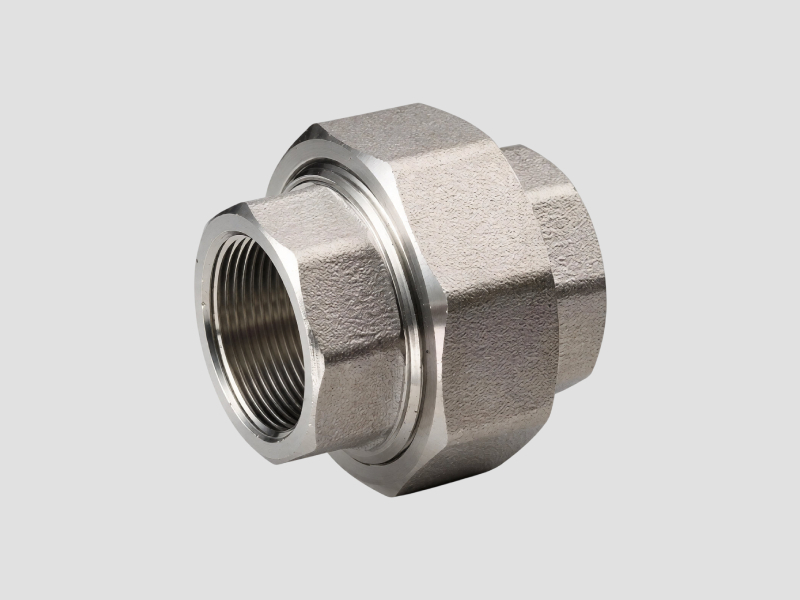
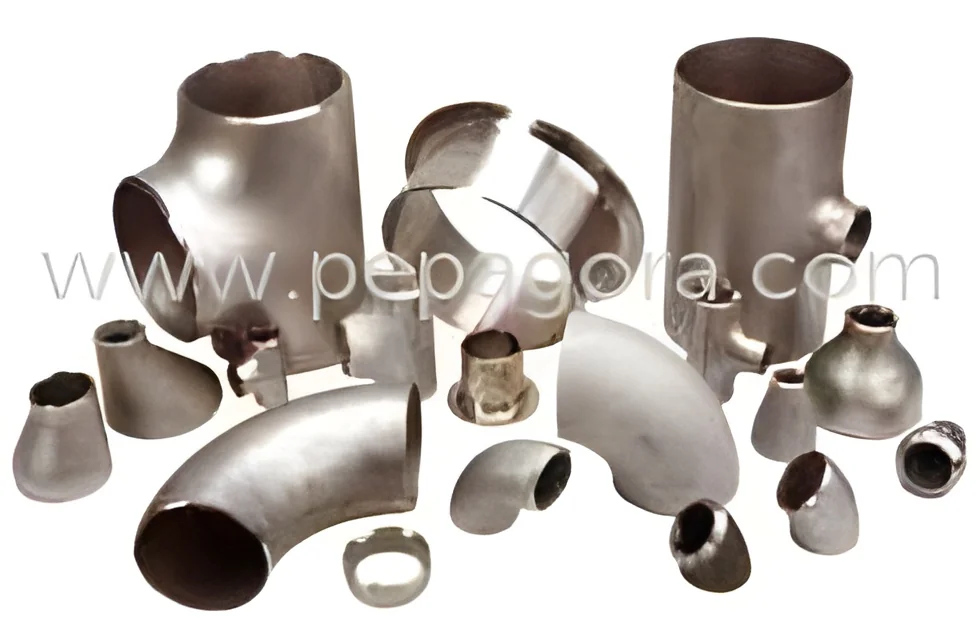
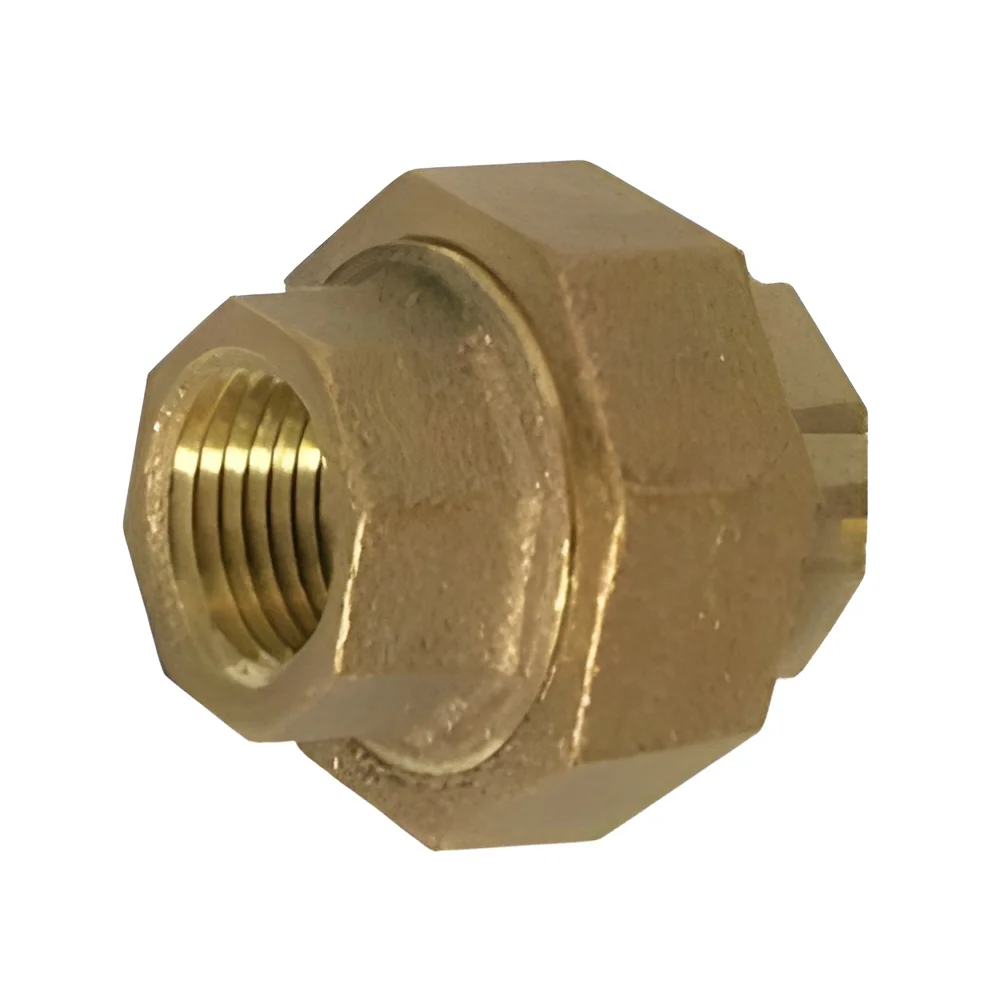
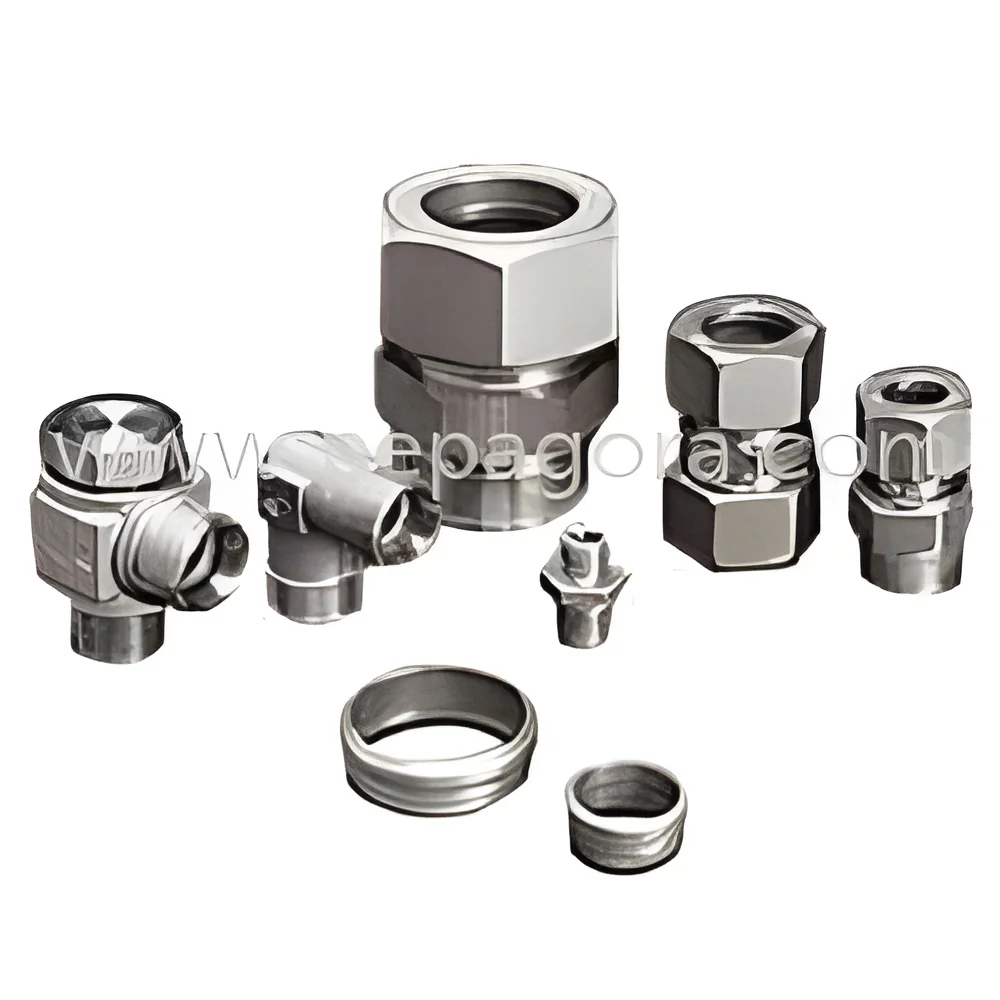
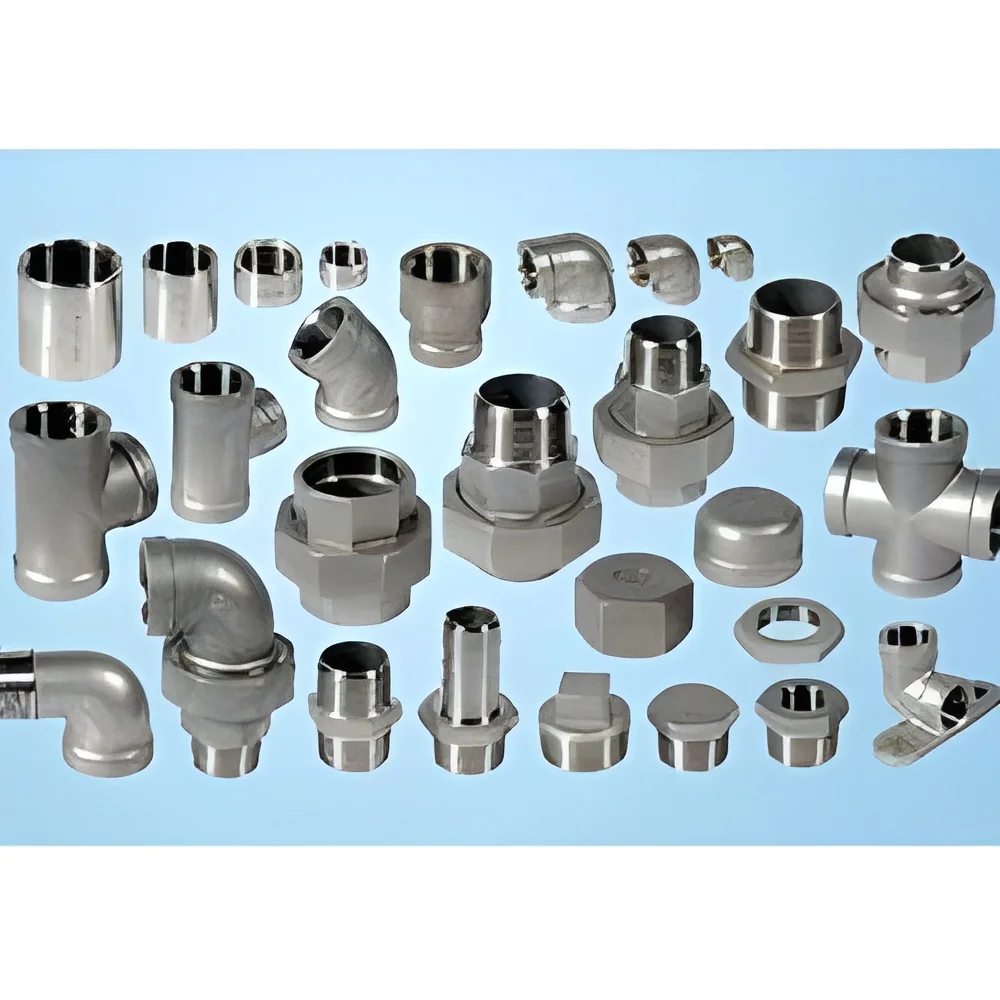
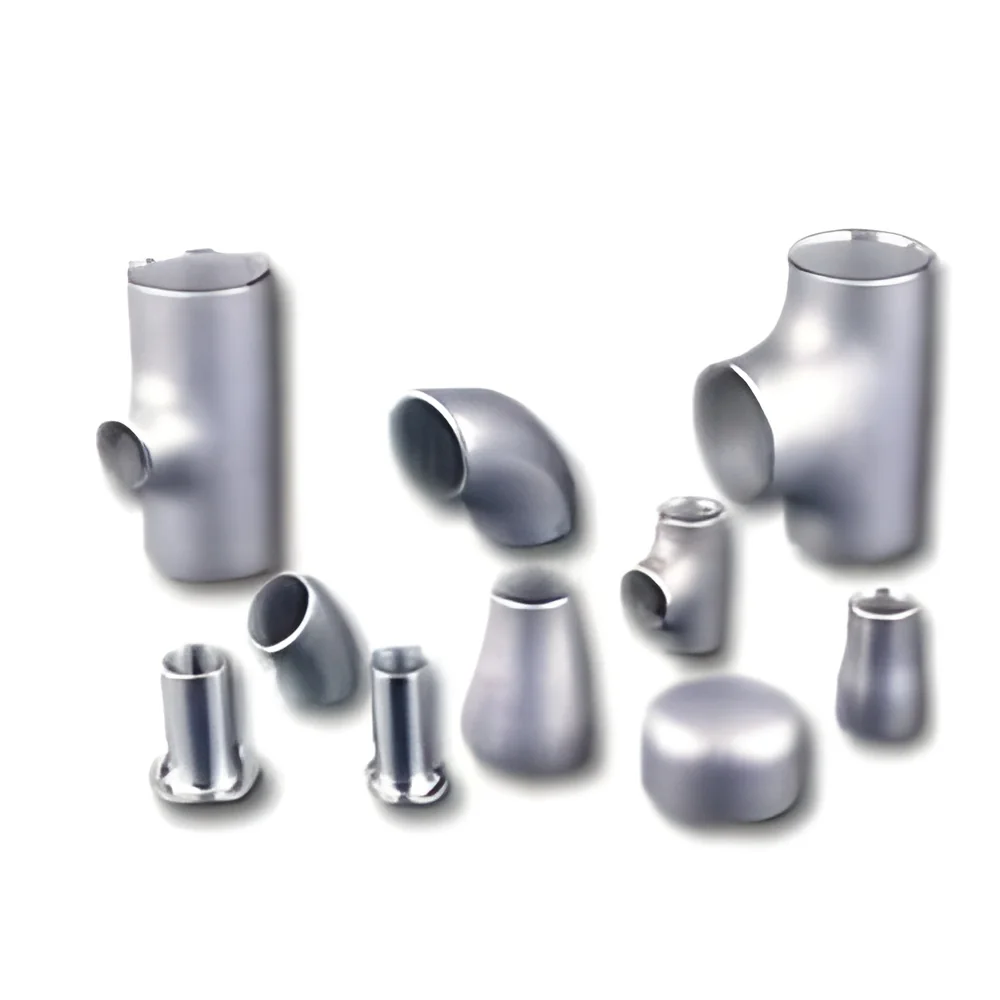
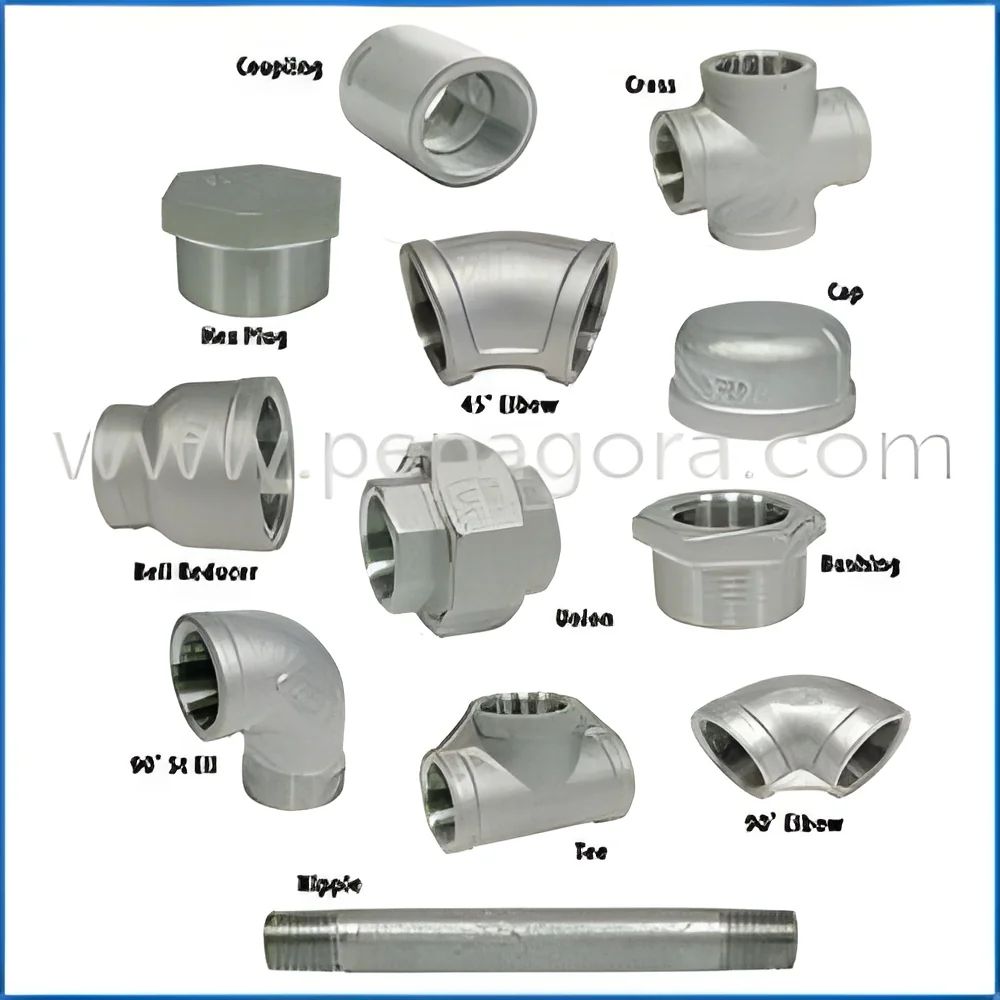
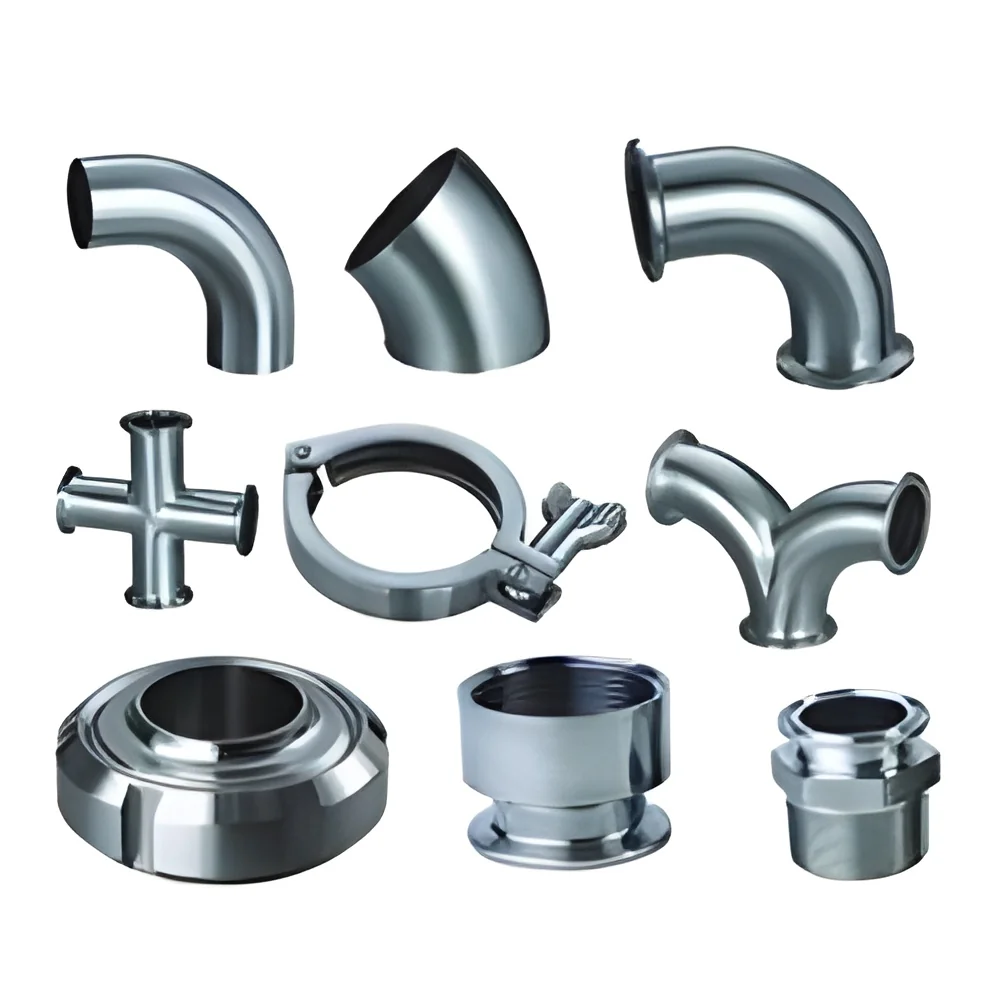
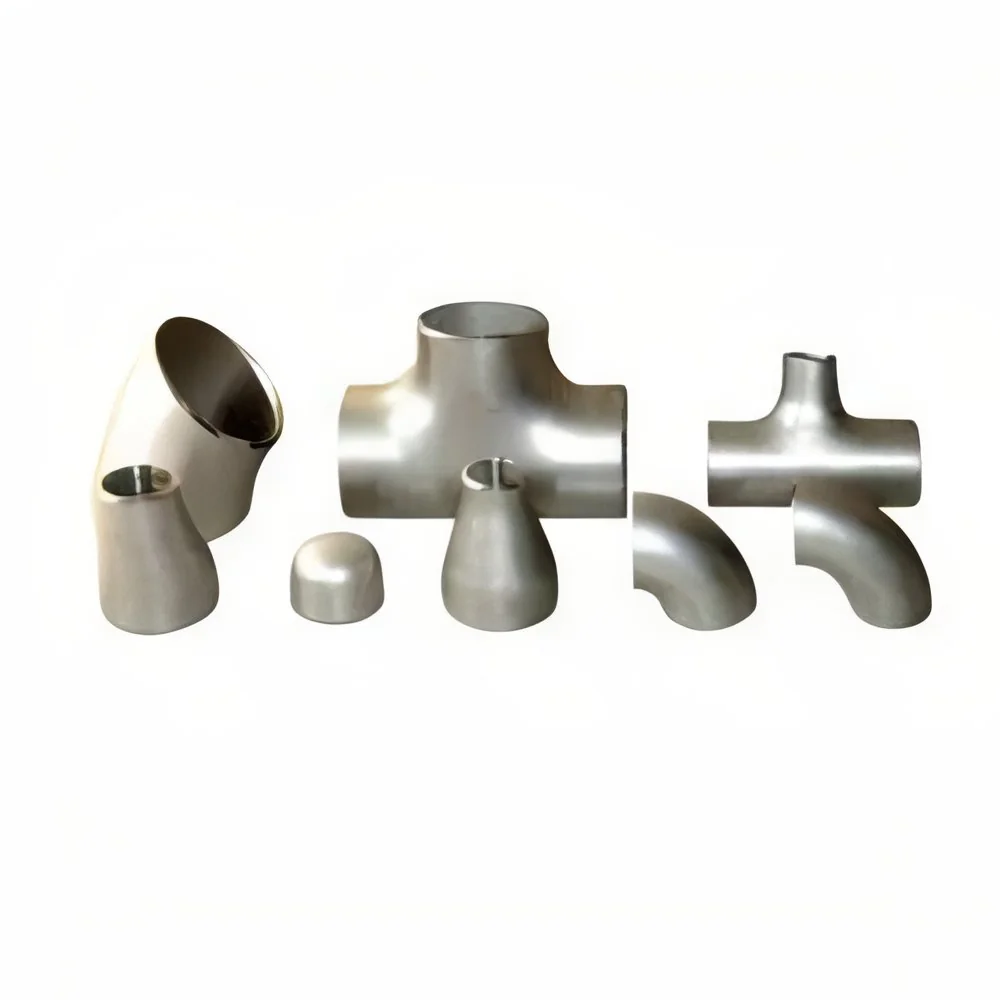
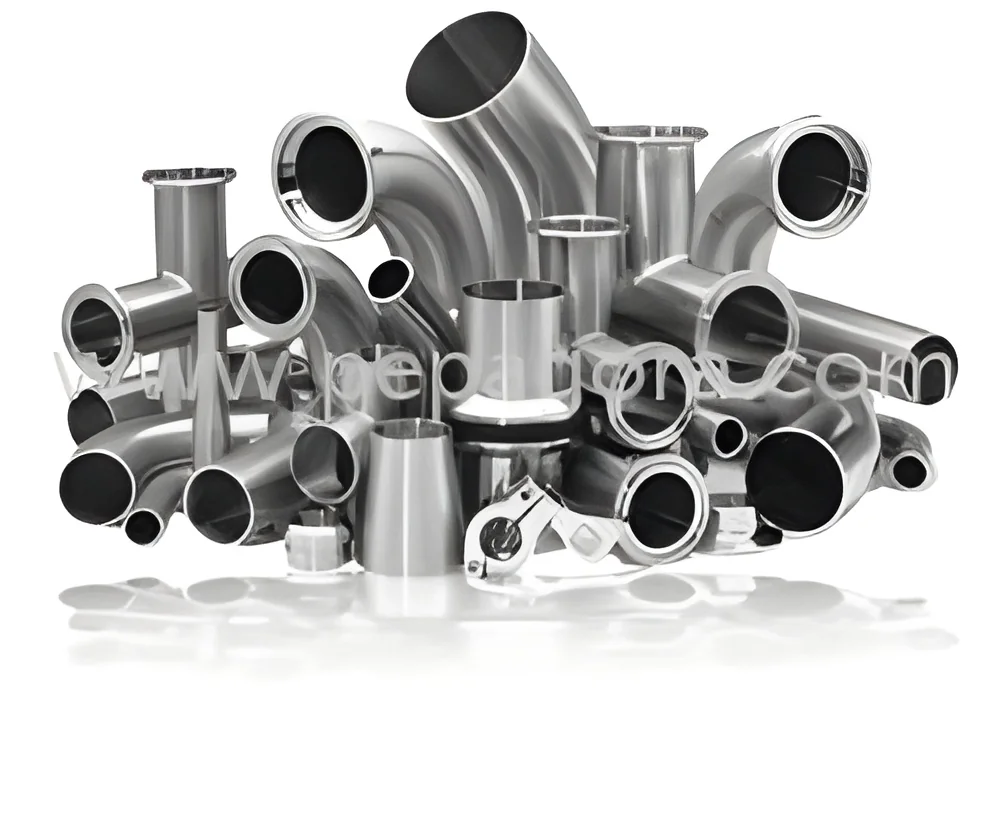
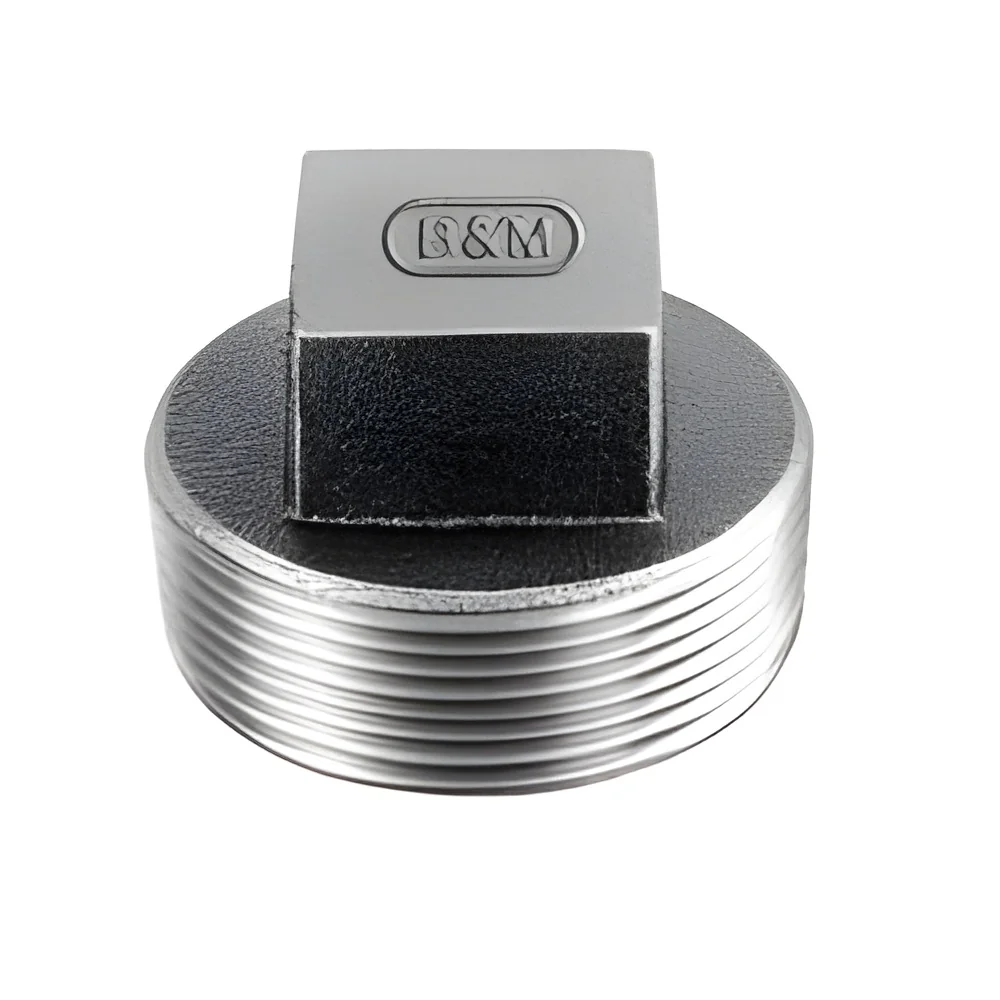
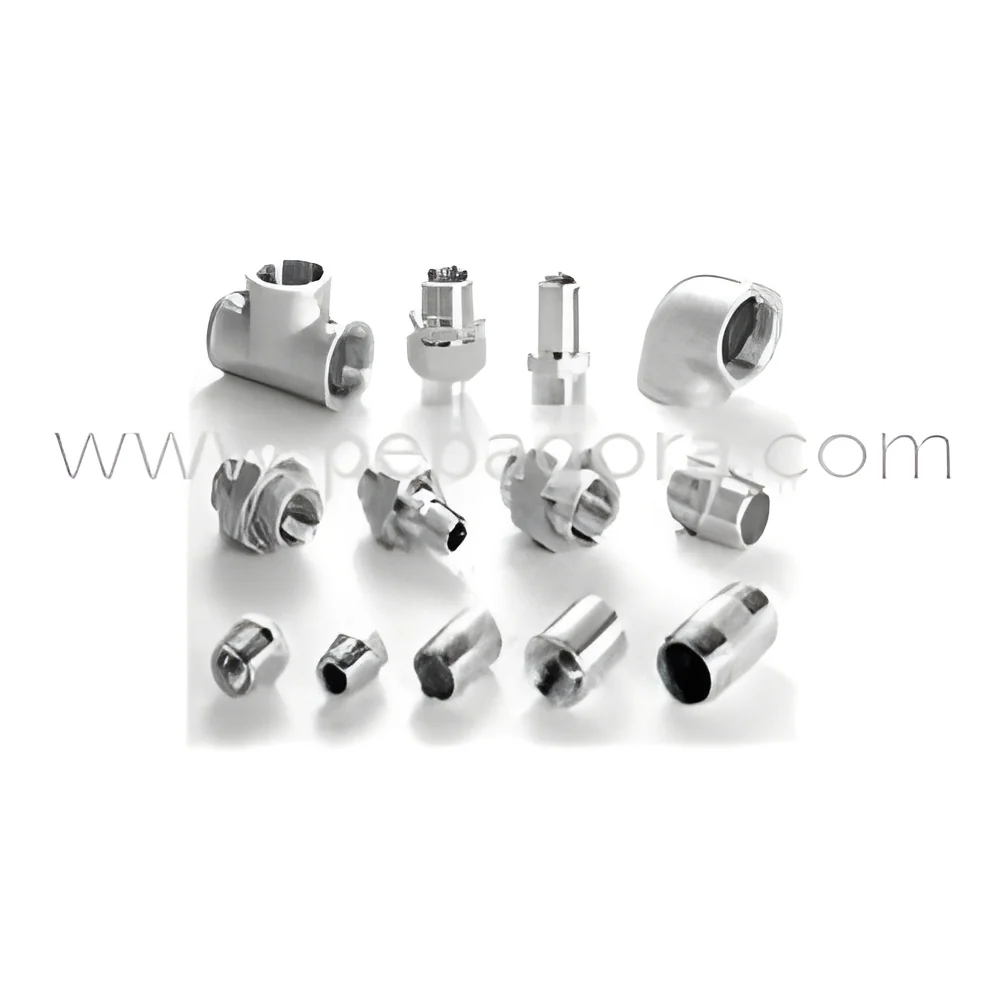
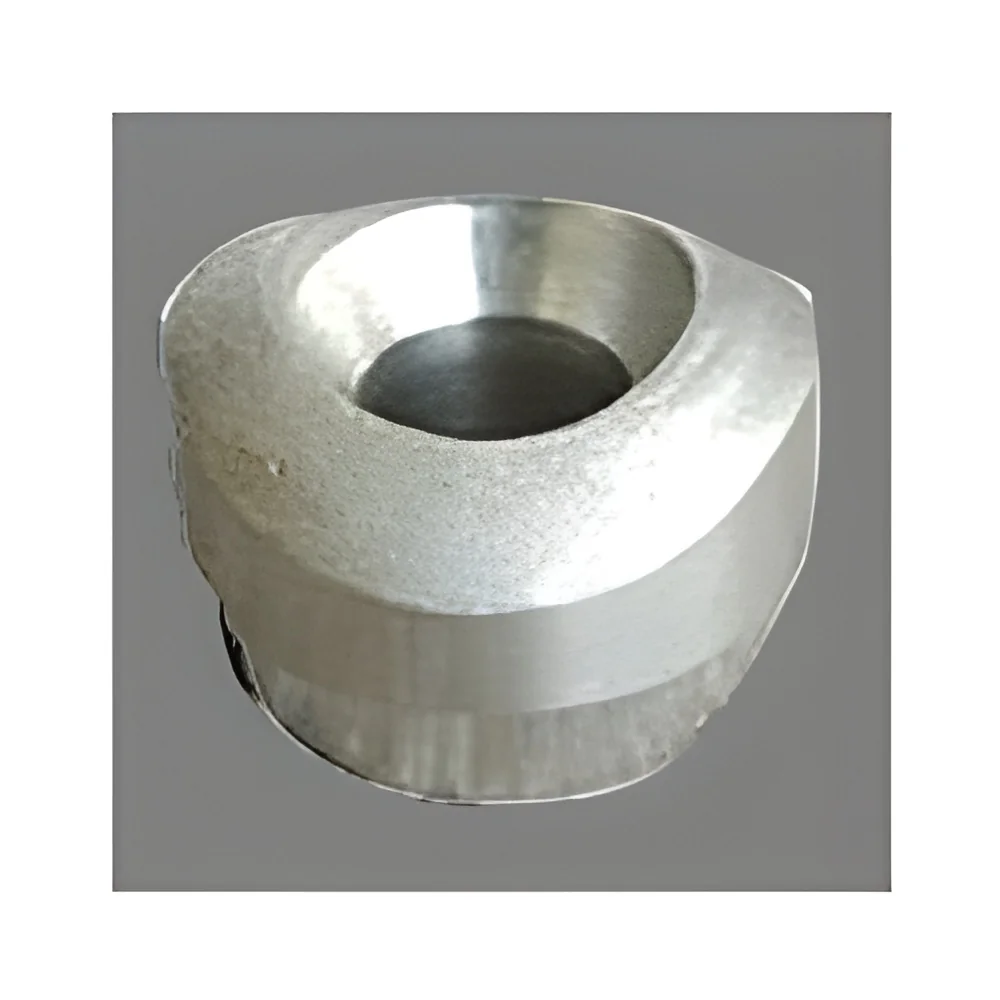
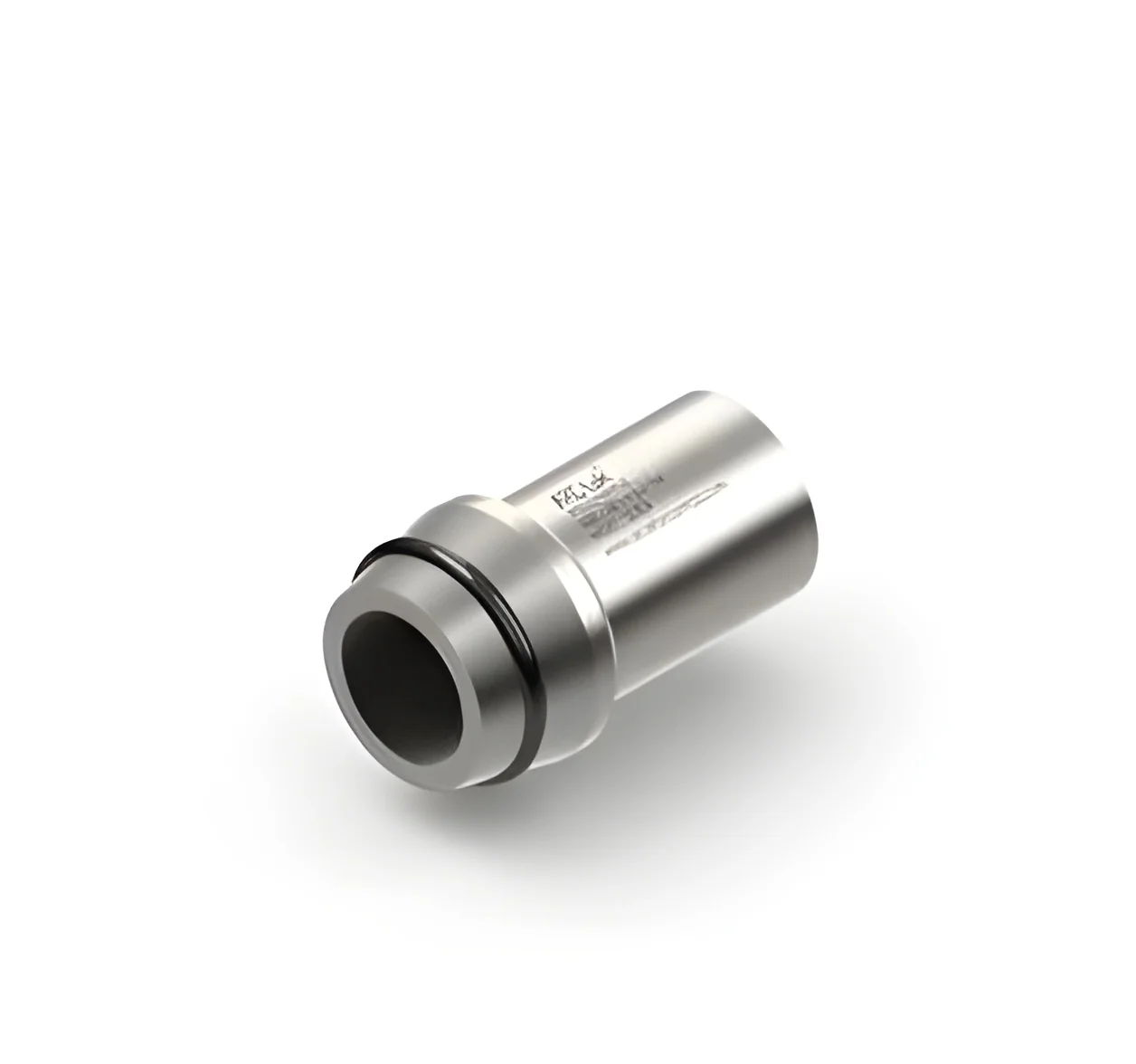
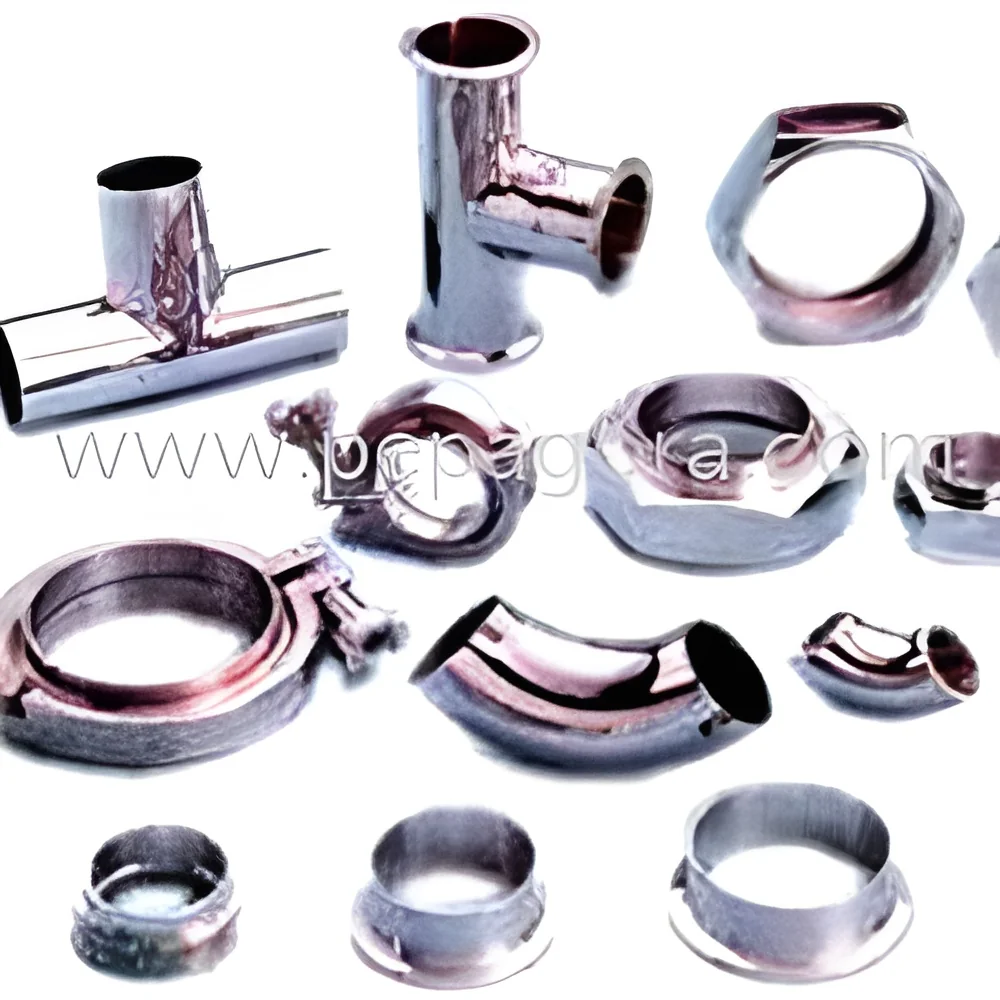
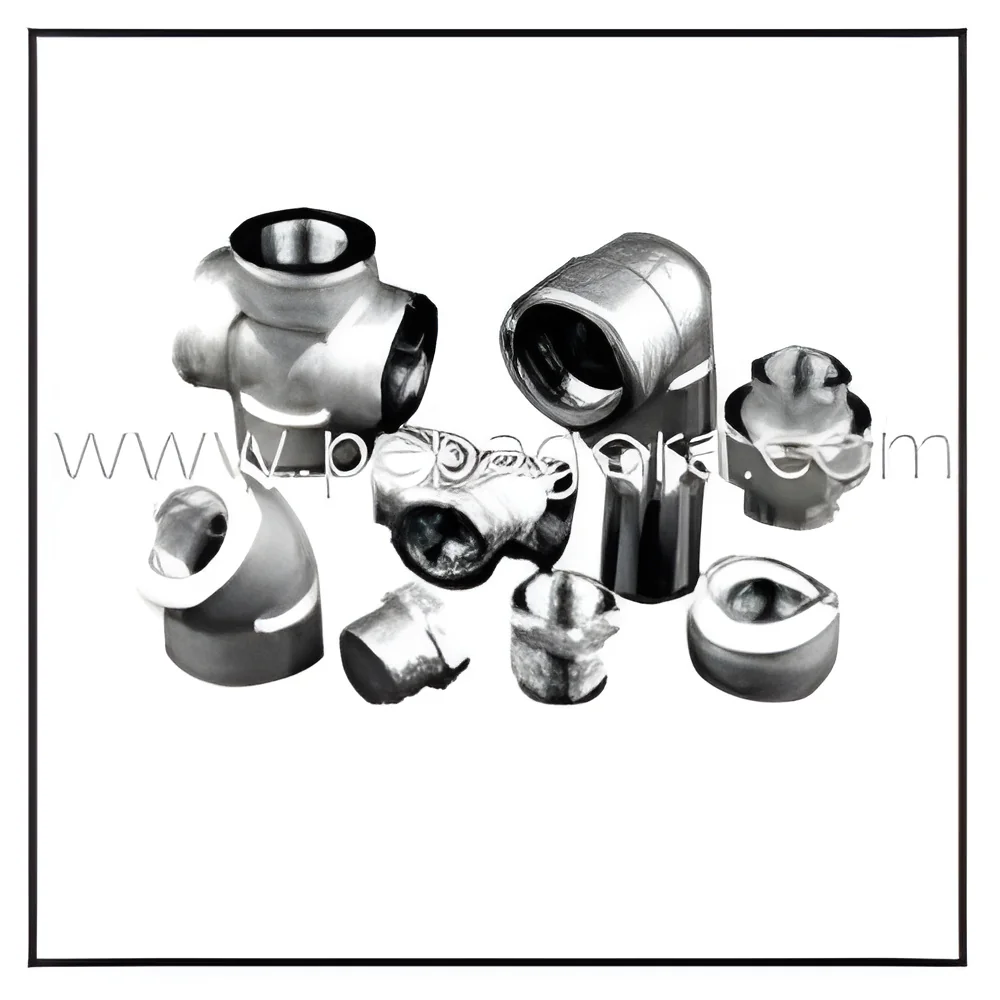
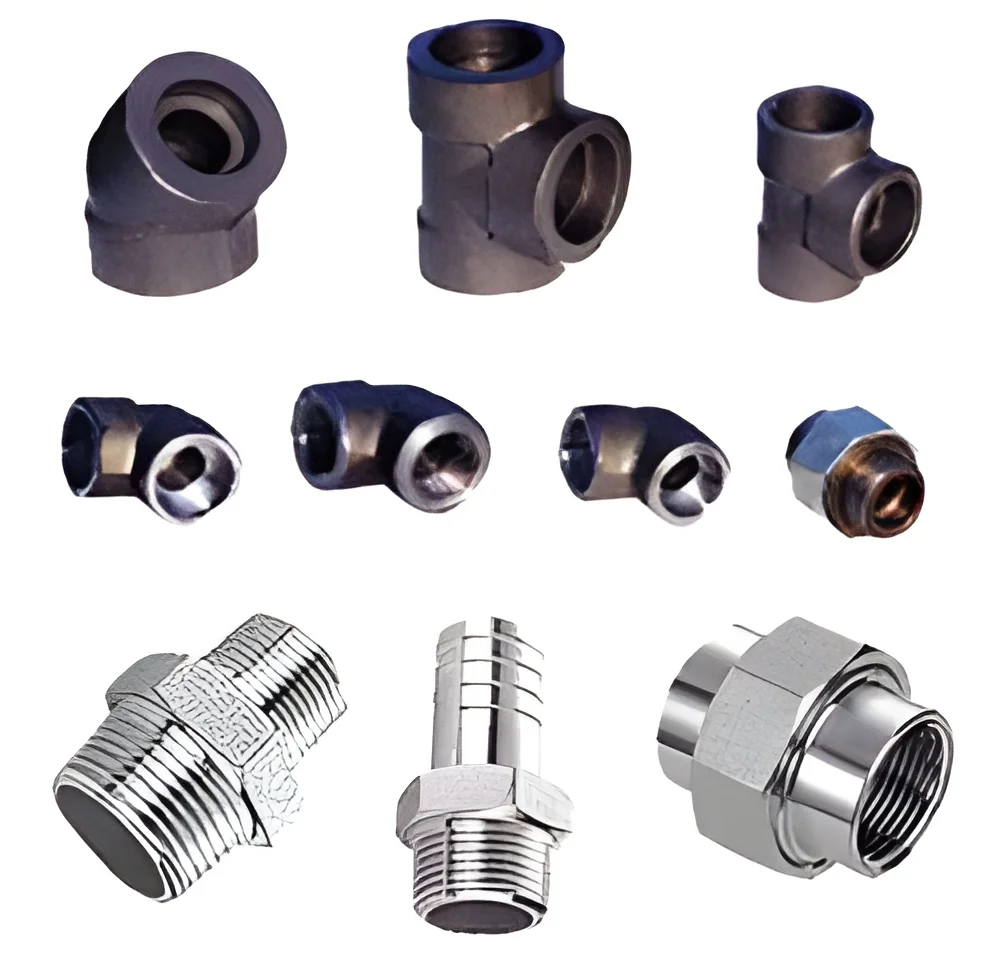
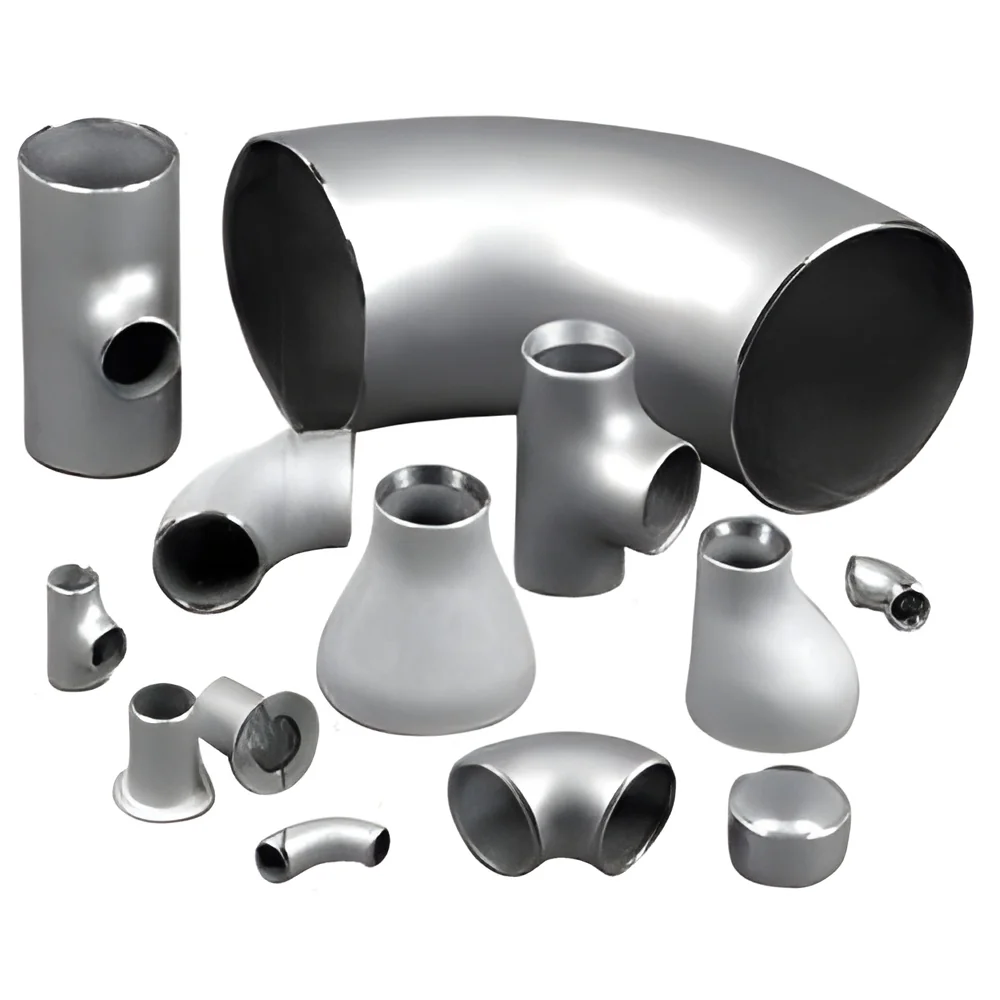
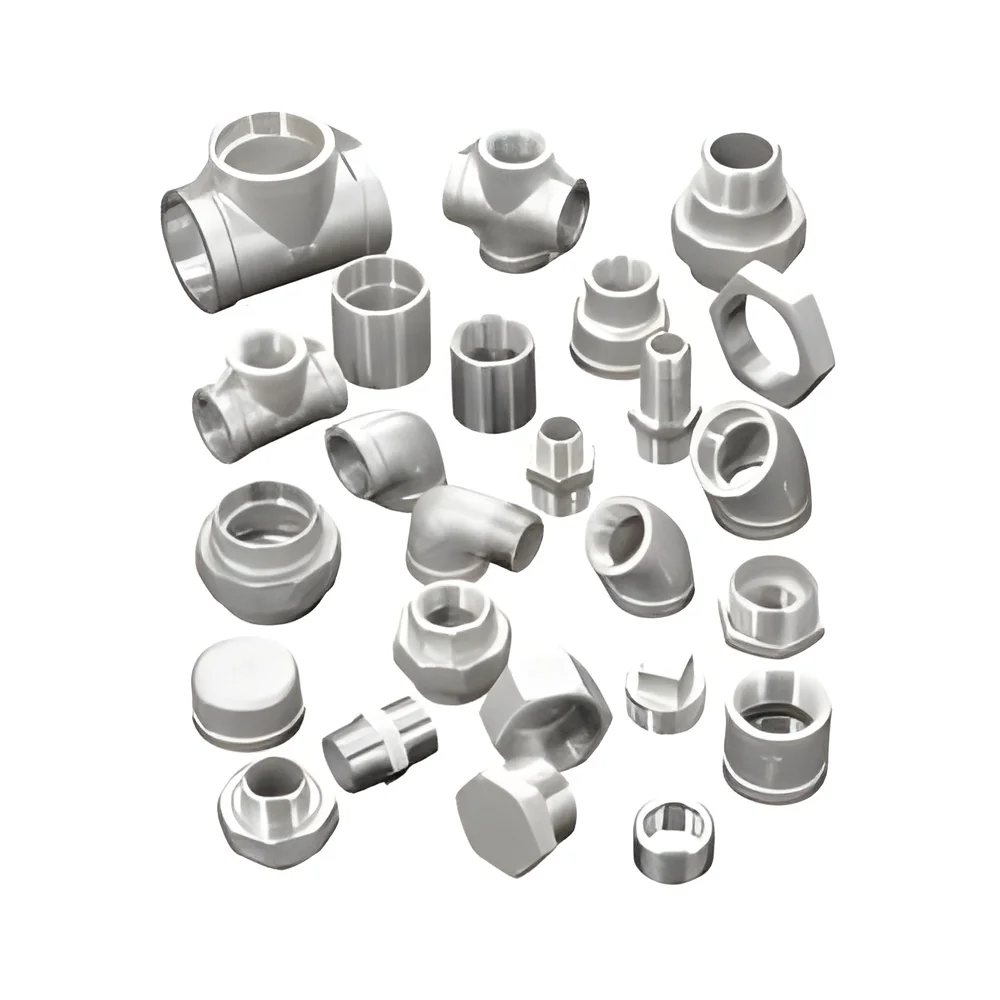
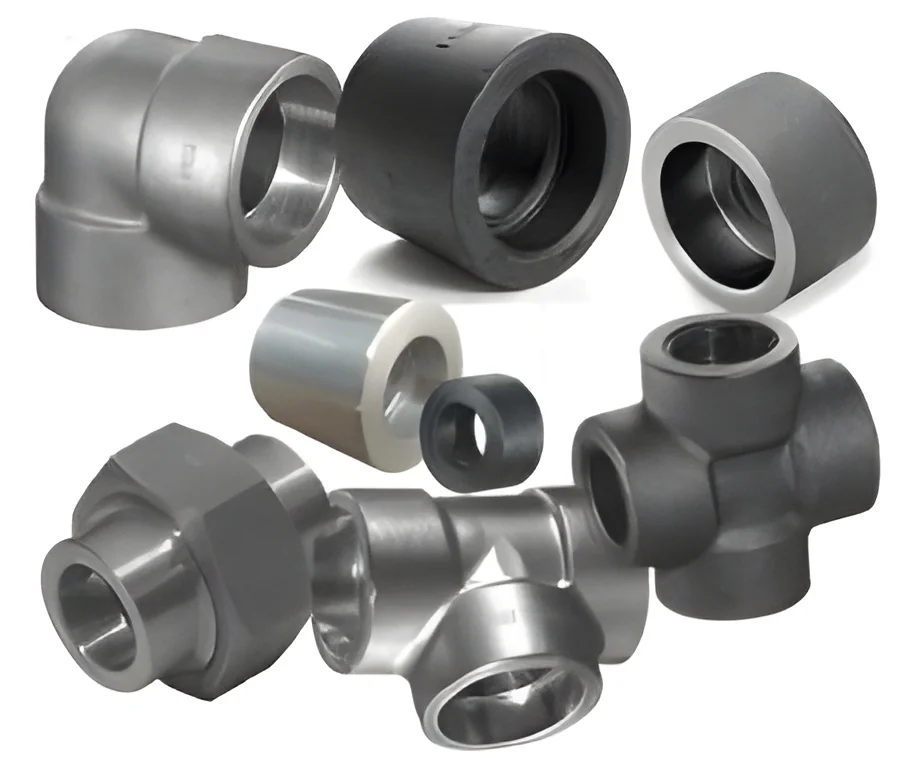
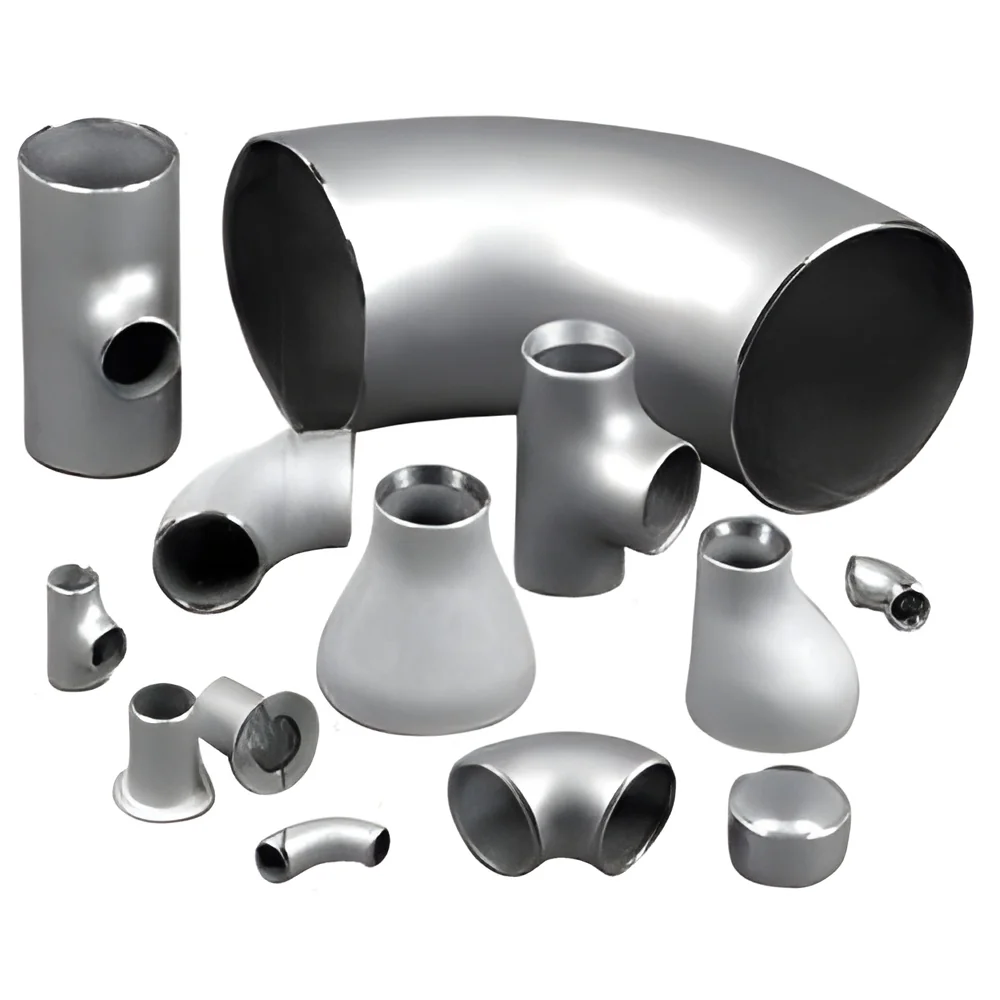
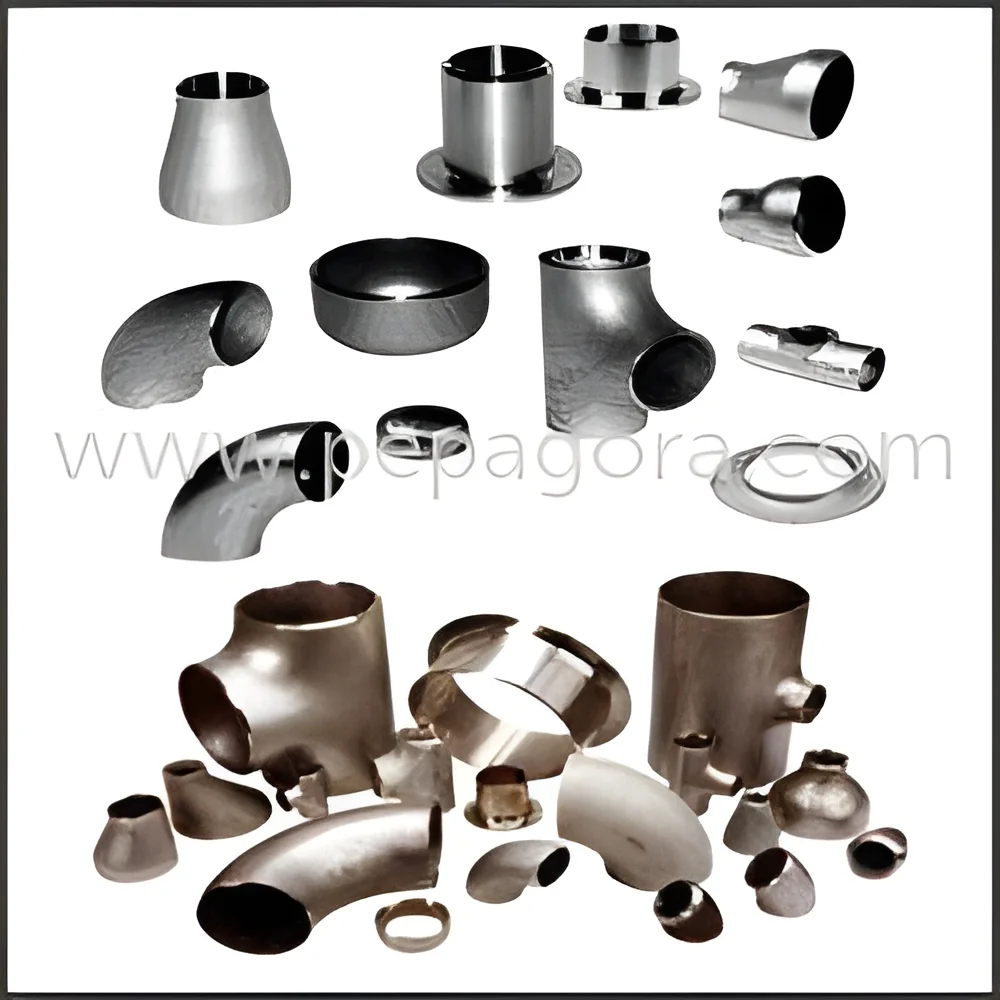
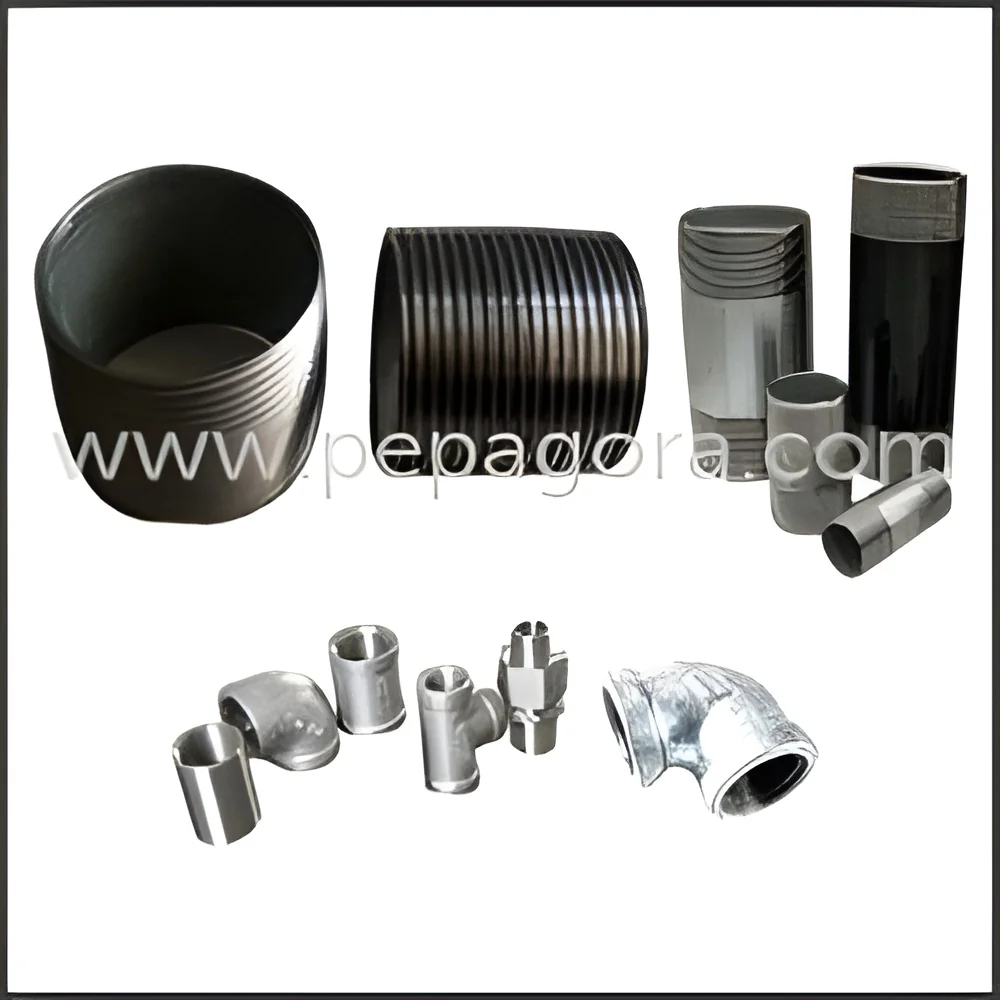
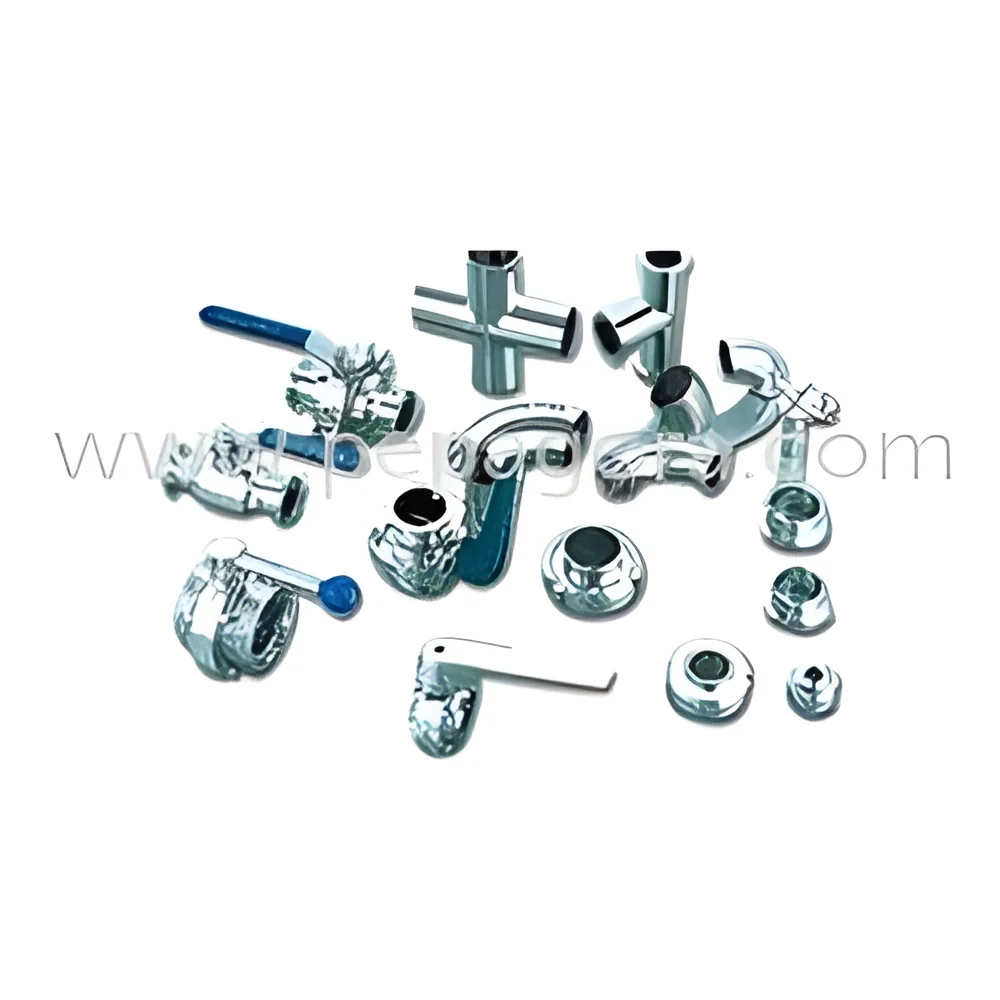
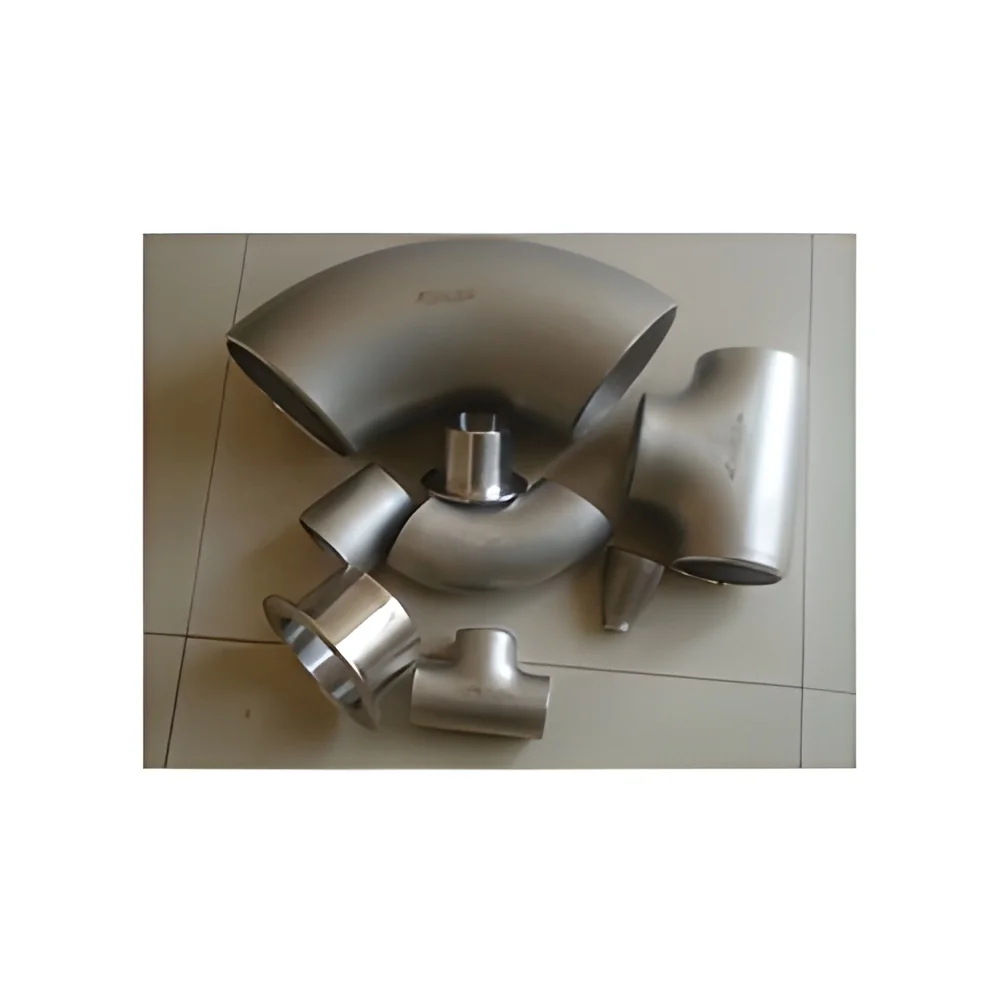
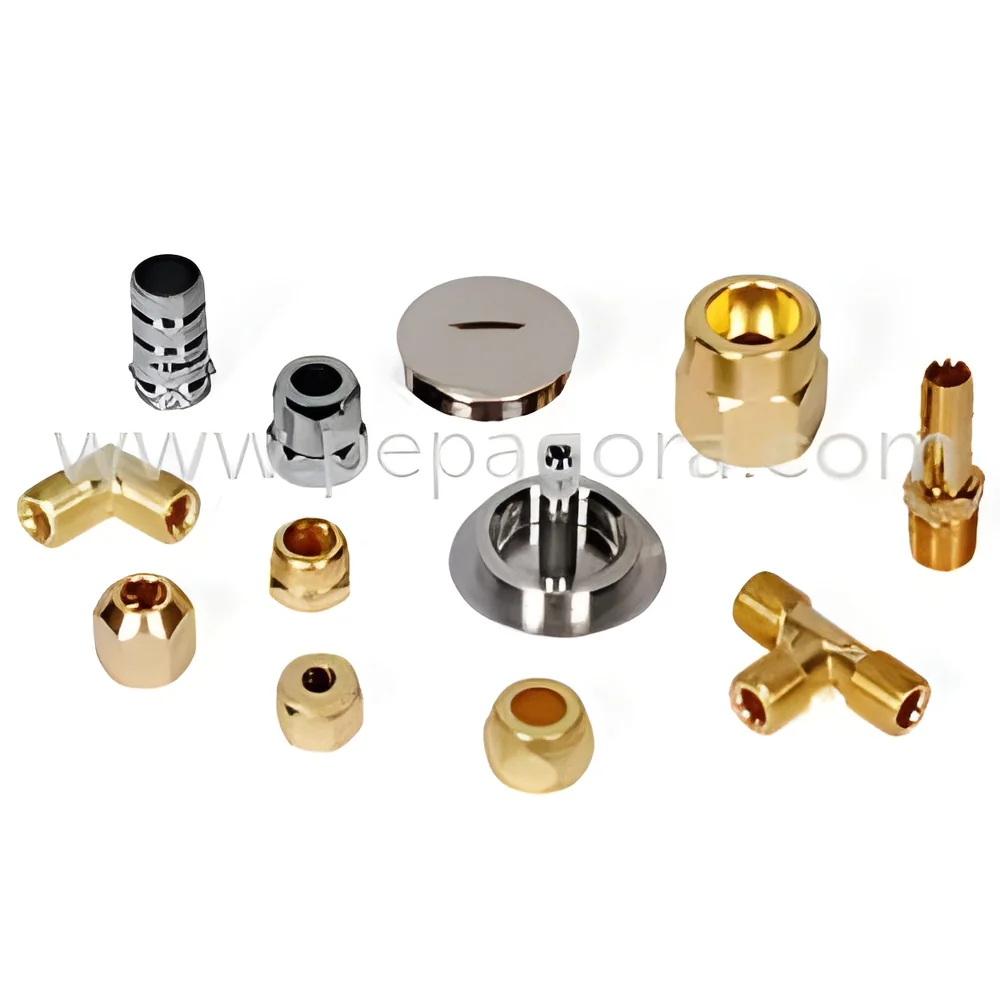
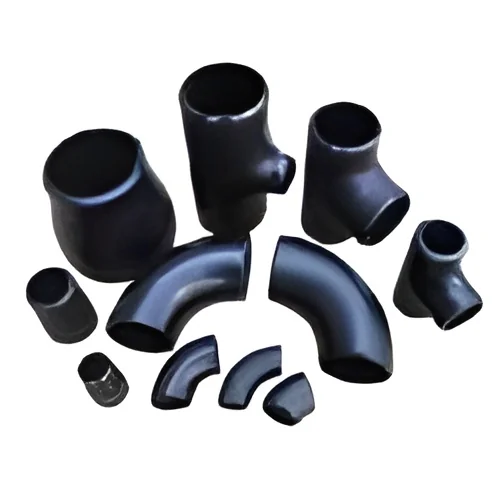
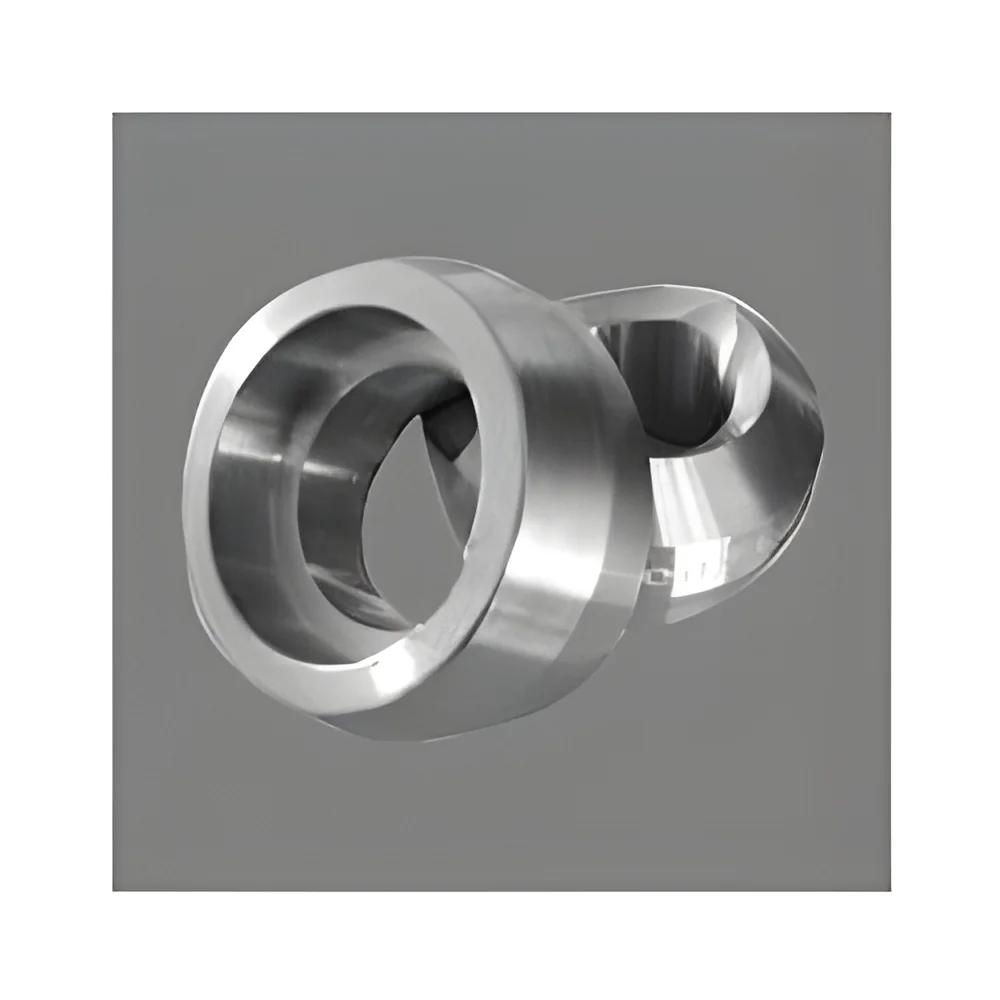
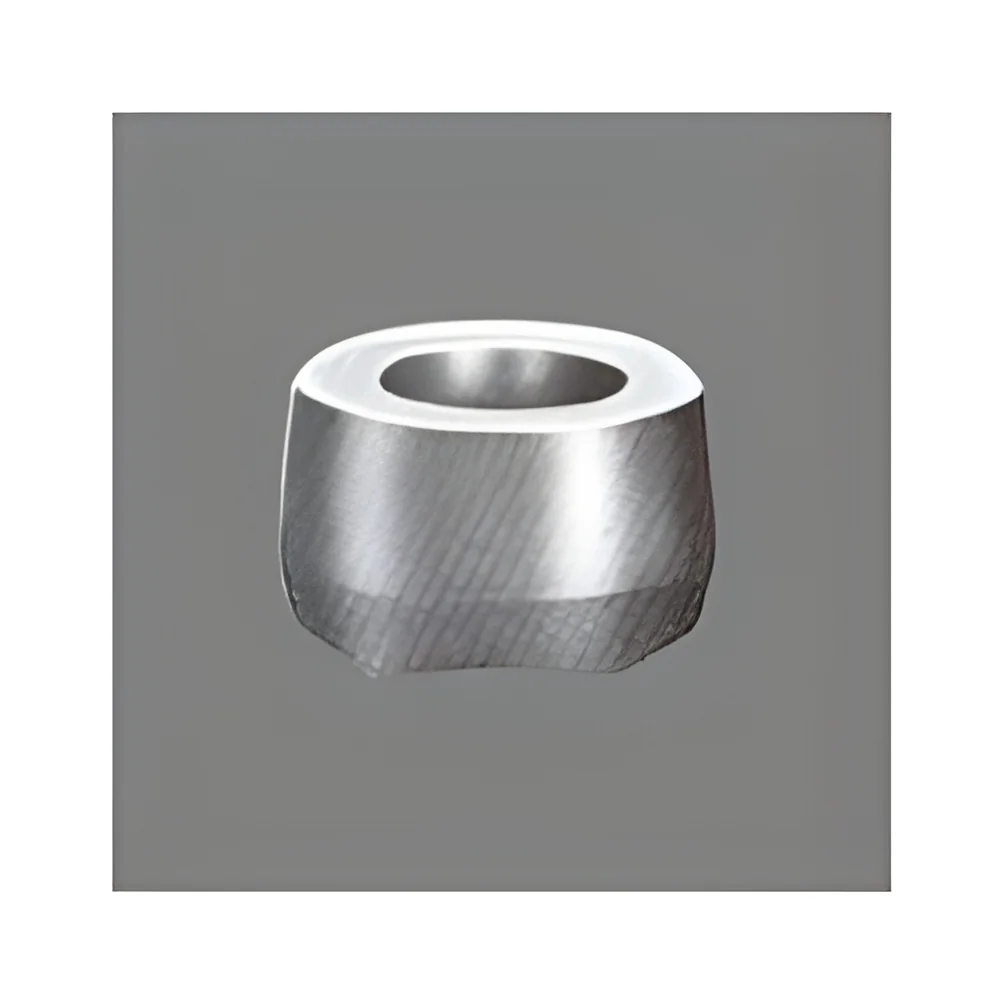
Stainless steel fittings are essential components used to connect various piping systems. They are manufactured from stainless steel, a durable and corrosion-resistant material, making them ideal for a range of industries. These fittings come in various shapes and sizes, including elbows, tees, reducers, and couplings, designed to facilitate the seamless flow of fluids and gases in industrial applications.
The primary uses of stainless steel fittings include plumbing, heating, and cooling systems, where they ensure secure connections between pipes. They are widely utilized in the food and beverage industry, pharmaceuticals, and chemical processing, where hygiene and safety are paramount. The relevance of stainless steel fittings in these sectors is underscored by their ability to withstand extreme temperatures and pressures, ensuring reliable and efficient operation in demanding environments.
As industries continue to prioritize safety and efficiency, the demand for stainless steel fittings remains strong. The market context reflects a growing trend towards sustainable and long-lasting solutions, positioning stainless steel fittings as a preferred choice for businesses looking to invest in quality infrastructure.
Key Features and Specifications
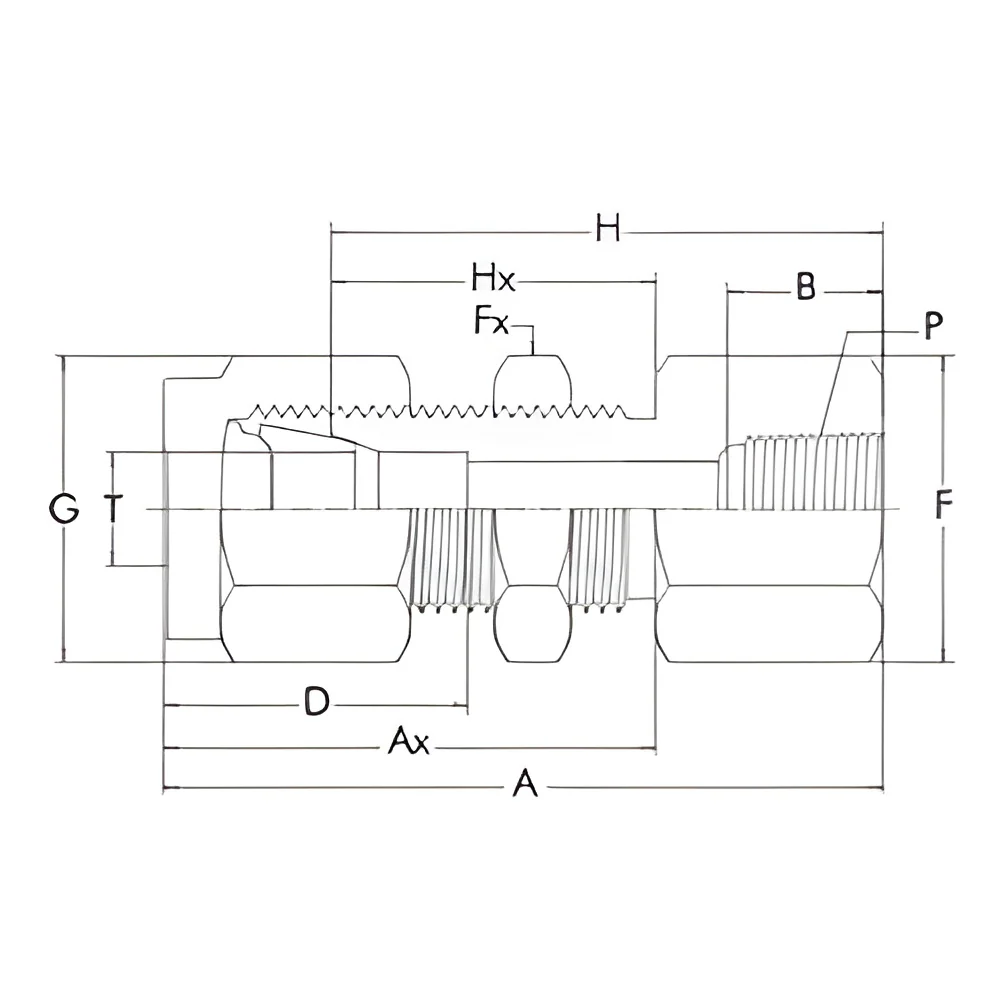
When evaluating stainless steel fittings, several key features and specifications define their performance and usability. Understanding these specifications helps buyers choose the right fittings for their specific applications.
Key specifications include:
1. Material Grade
- Typically made from 304 or 316 stainless steel
- Offers varying levels of corrosion resistance
2. Pressure Rating
- Rated for different pressure classes, often ranging from 150 to 300 psi
- Ensures compatibility with system requirements
3. Temperature Range
- Designed to withstand high temperatures, often up to 150°C
- Suitable for hot and cold applications
4. Wall Thickness
- Available in various wall thicknesses to suit different applications
- Affects durability and pressure handling capabilities
5. Connection Type
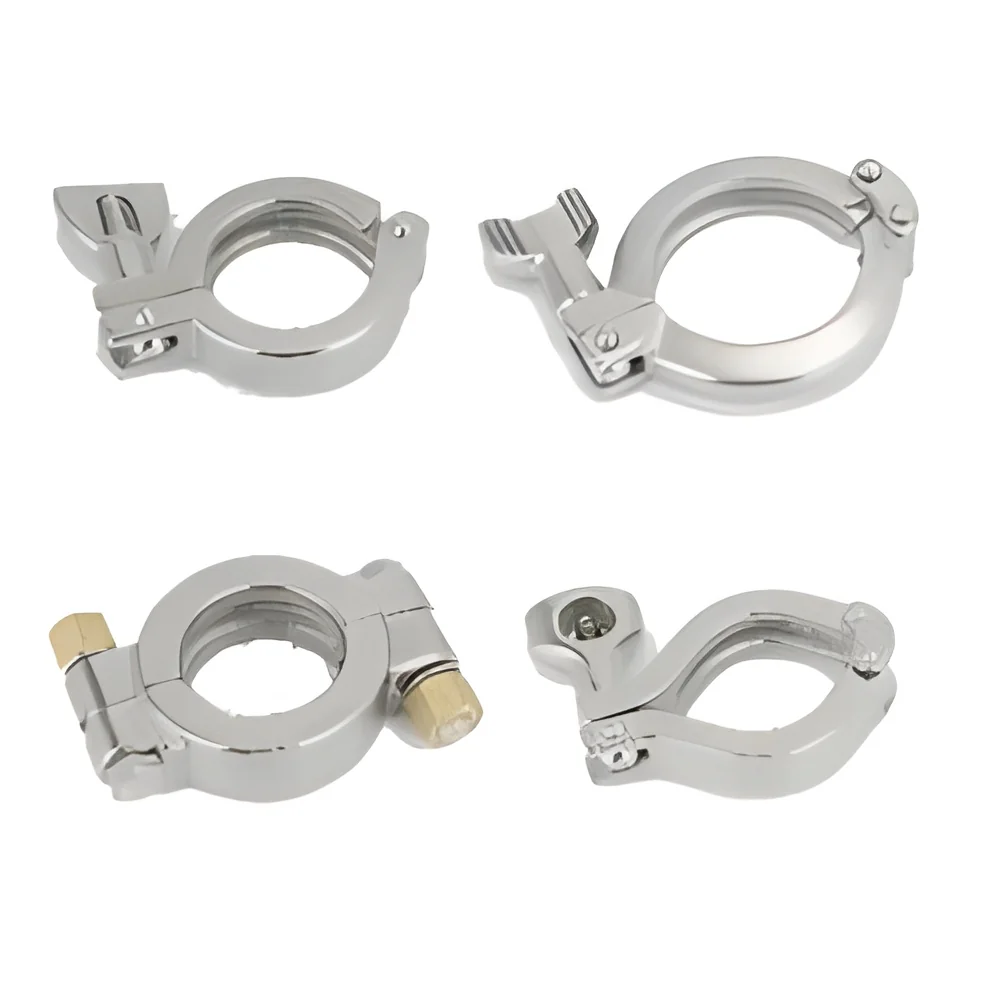
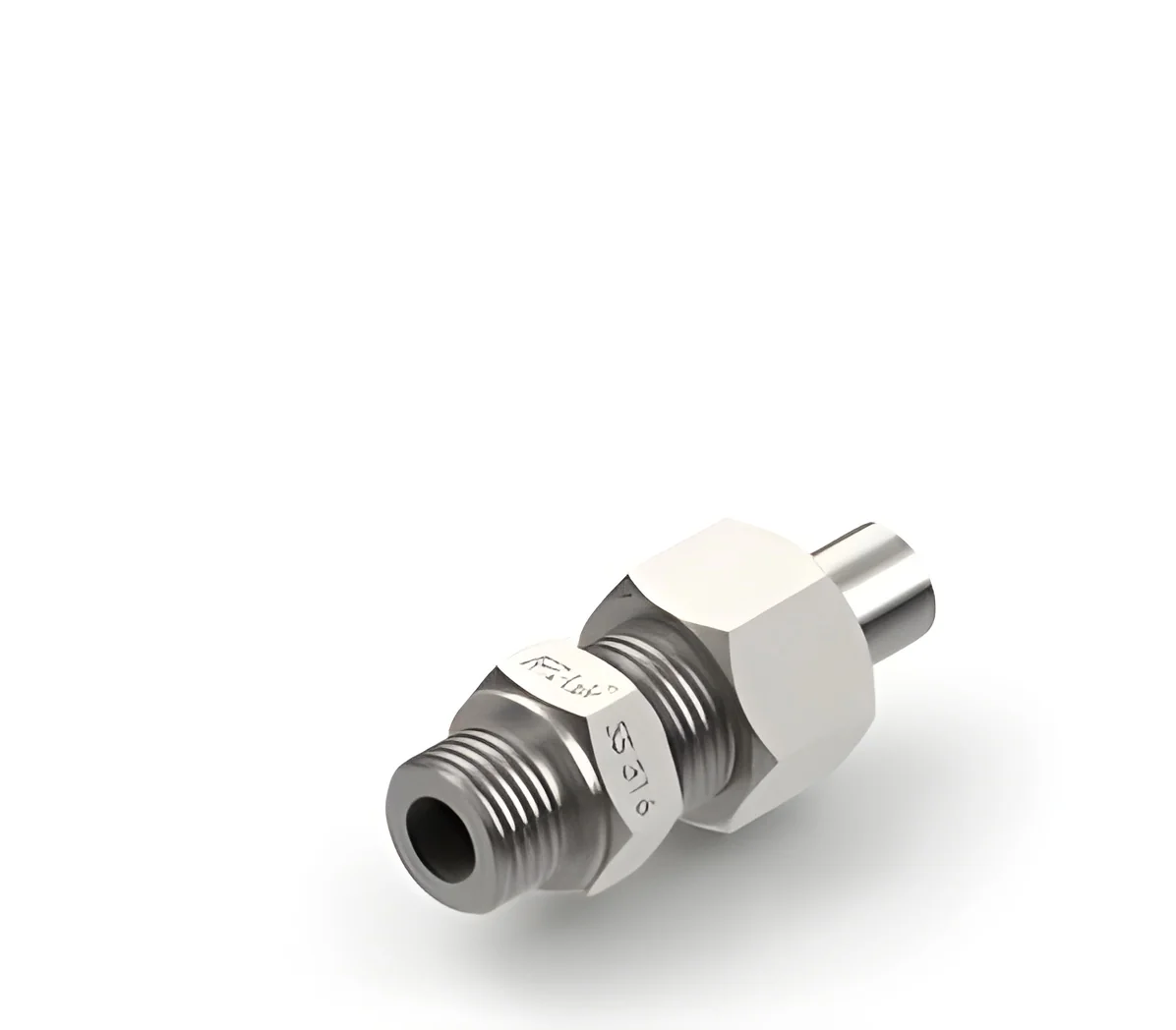
- Options include threaded, welded, and flanged connections
- Facilitates integration with various piping systems
6. Finish
- Can come in different finishes, such as polished or brushed
- Affects aesthetics and cleanliness in hygienic applications
7. Certification
- Compliance with industry standards such as CE certification
- Ensures quality and safety in usage
8. Customization Options
- Potential for custom sizes and configurations
- Allows for tailored solutions based on specific needs
In summary, understanding these features and specifications allows businesses to make informed choices regarding stainless steel fittings, ensuring optimal performance and compatibility in their operations.
Common Applications and Use Cases
Stainless steel fittings serve a wide array of industries, each with specific applications that highlight their versatility.
1. Food and Beverage Industry: Used to create sanitary piping systems for transporting liquids, ensuring hygiene and safety standards are met.
2. Pharmaceutical Industry: Essential for connecting pipes in sterile environments, minimizing contamination risks in drug manufacturing processes.
3. Chemical Processing: Employed in systems handling corrosive substances, where durability and resistance to chemical reactions are crucial.
4. Oil and Gas Industry: Utilized in pipelines and refineries, where they must withstand high pressure and extreme conditions.
5. HVAC Systems: Integral to heating, ventilation, and air conditioning systems, ensuring efficient airflow and temperature control.
6. Water Treatment Facilities: Used in systems for purifying and distributing water, maintaining high standards of cleanliness and safety.
7. Marine Applications: Suitable for shipbuilding and maintenance, where resistance to saltwater corrosion is essential.
Product Variants and Subcategories
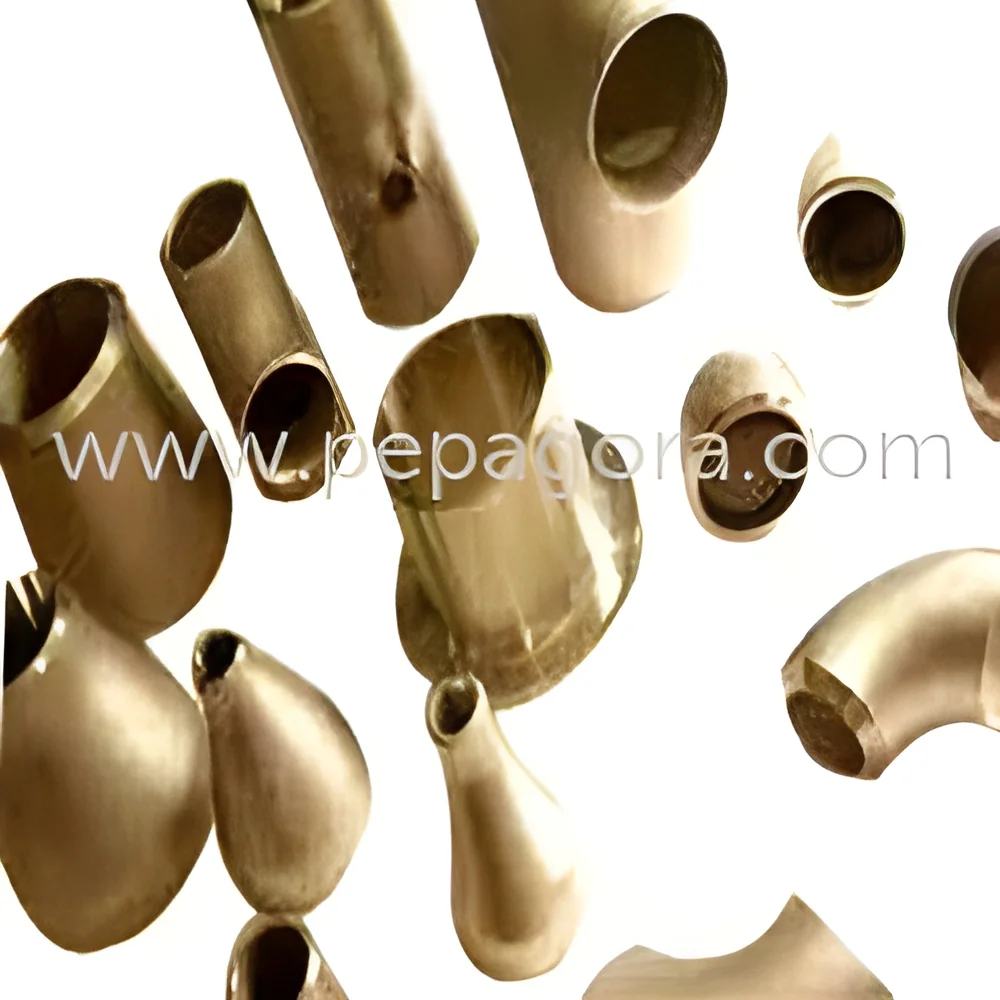
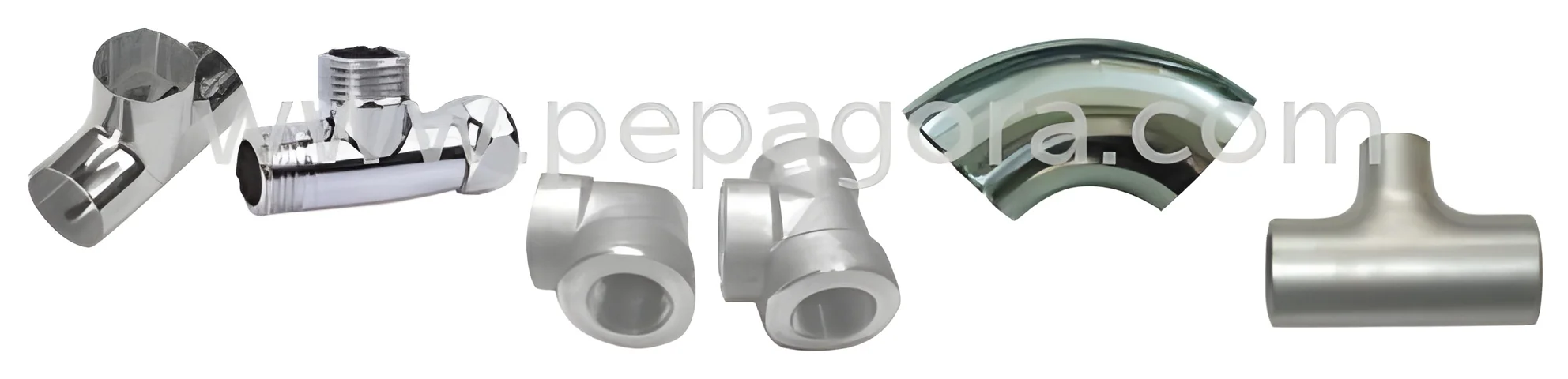
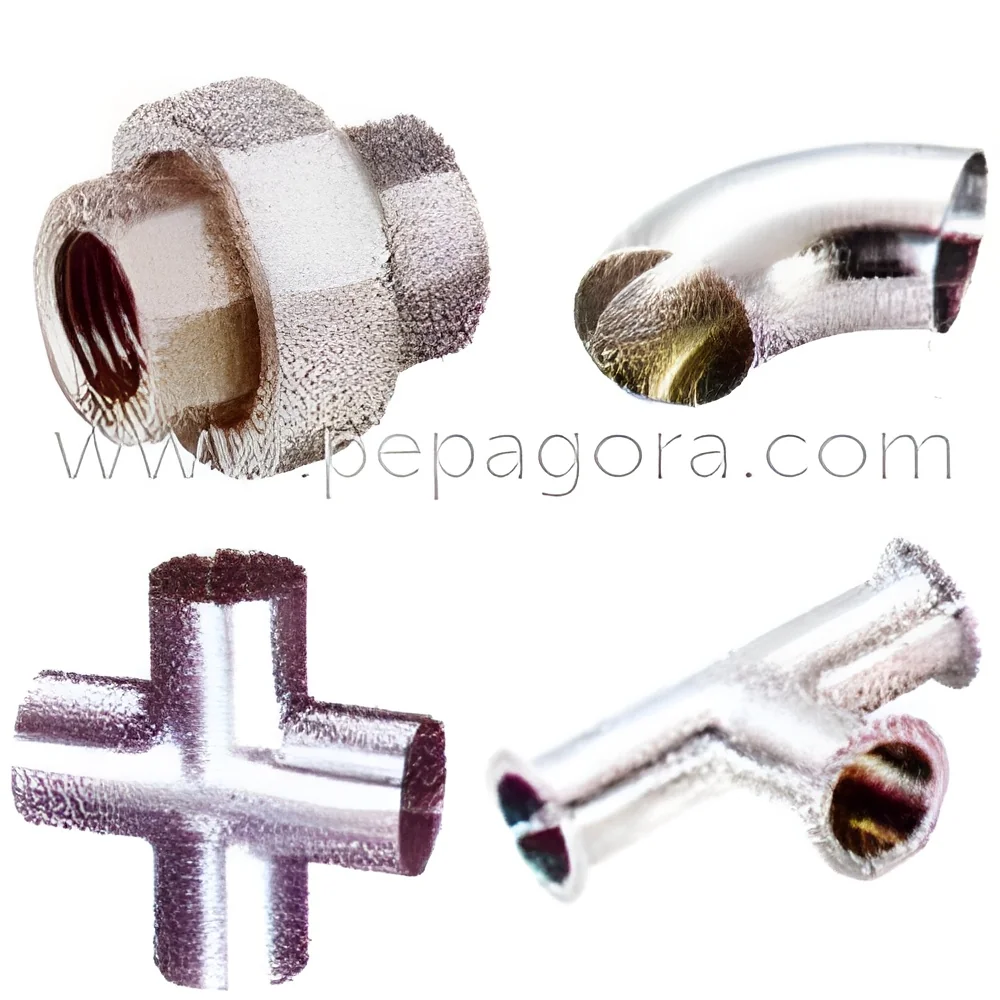
The diversity of stainless steel fittings allows for various types designed to meet specific industry needs.
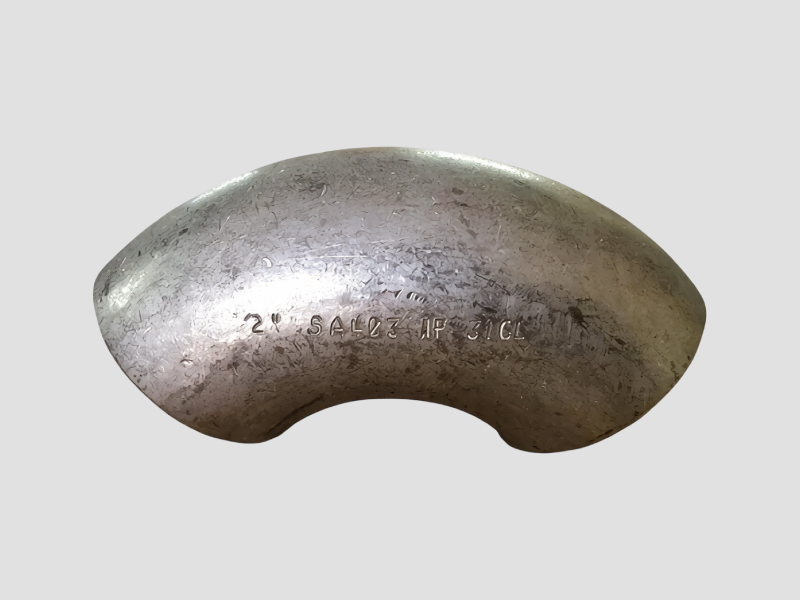
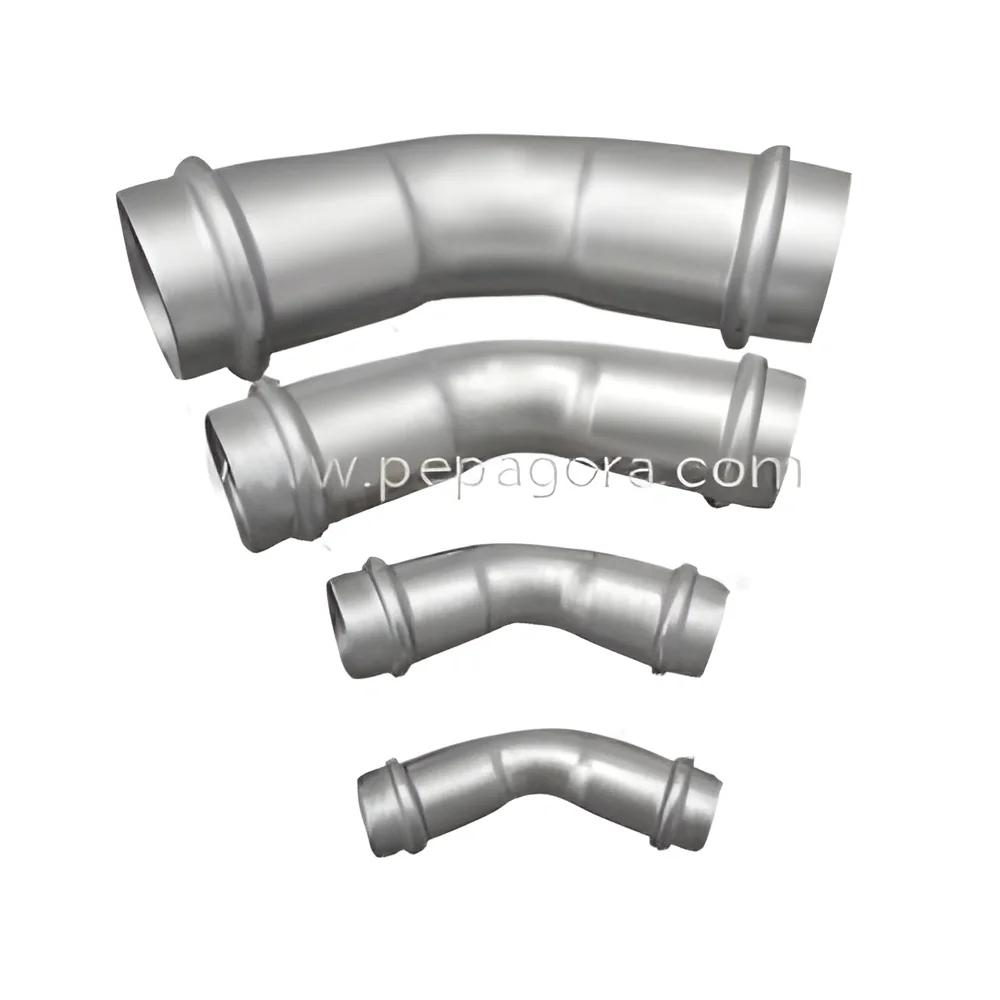
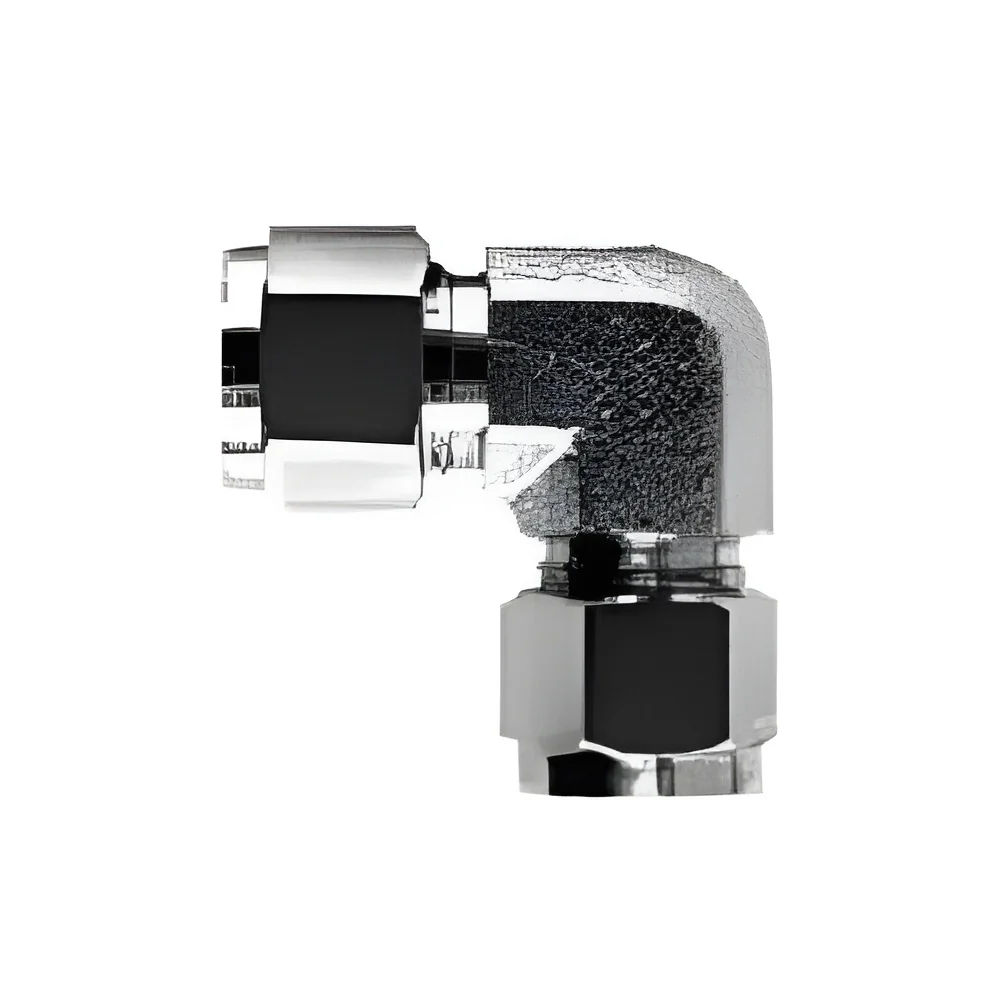
Elbows
Elbows are used to change the direction of the piping system. They come in 45-degree and 90-degree variants, making them suitable for different layout requirements.
Tees
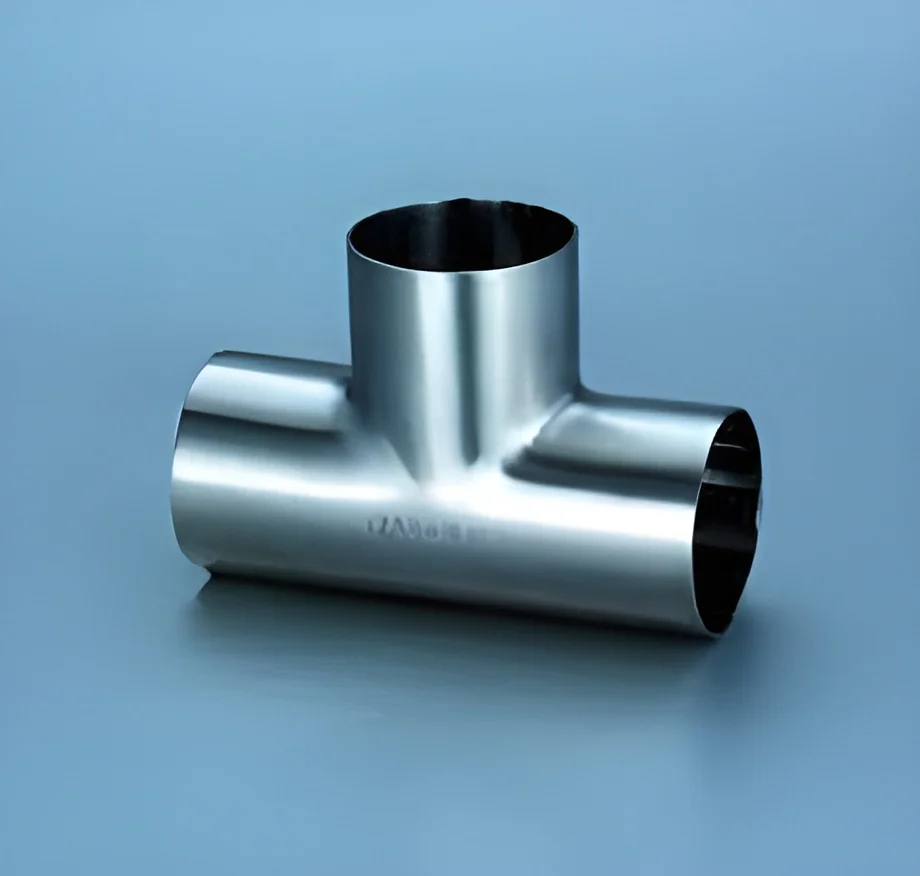
Tees enable the branching of a piping system. They are crucial for creating splits in direction while maintaining flow efficiency.
Reducers
Reducers are designed to connect pipes of different diameters. They help in minimizing turbulence and maintaining flow rates.
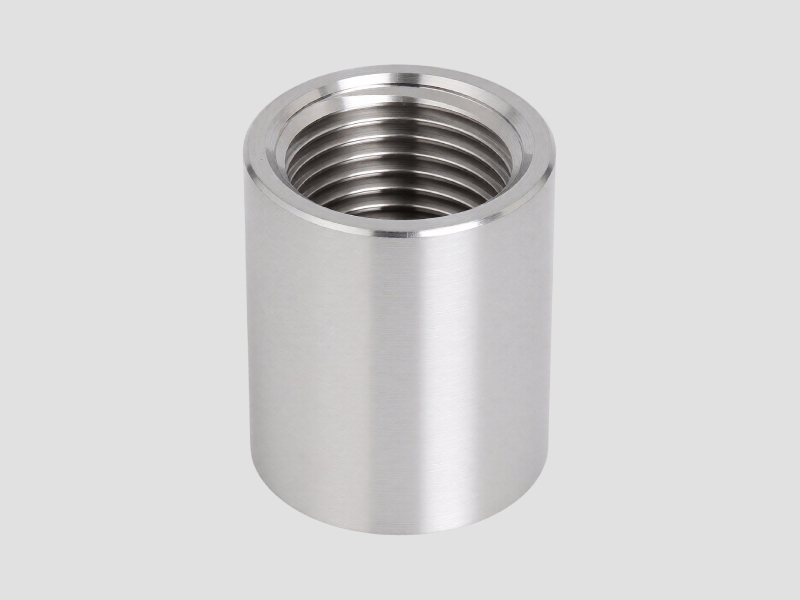
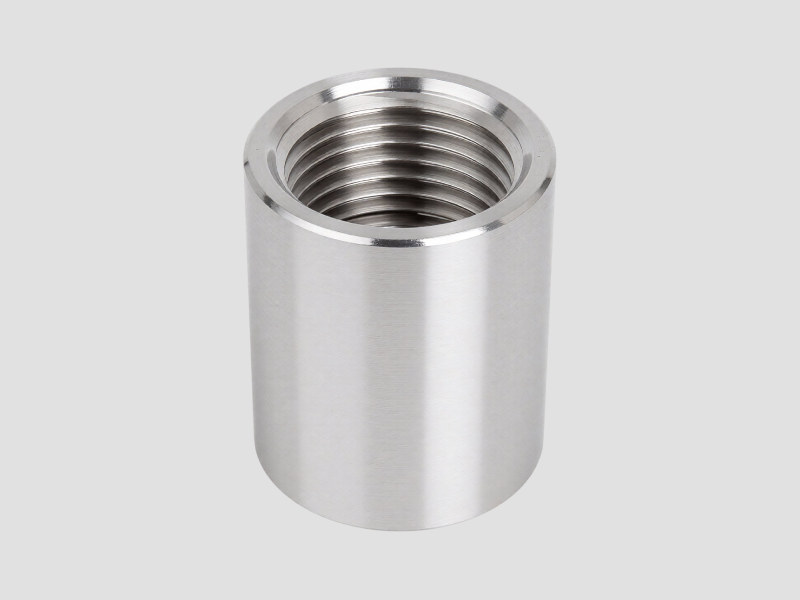
Couplings
Couplings are used to connect two sections of pipe. They provide a strong and secure connection, ensuring minimal leakage.
Benefits and Advantages
Stainless steel fittings offer numerous benefits that enhance their appeal in industrial applications.
1. Corrosion Resistance: Stainless steel fittings resist rust and corrosion, extending their lifespan and reducing maintenance costs.
2. High Strength: They provide exceptional strength and durability, capable of withstanding high pressure and temperature fluctuations.
3. Hygienic Properties: Ideal for sanitary applications, stainless steel fittings prevent bacterial growth and contamination.
4. Versatility: Available in various sizes and shapes, they can be used in multiple applications across different industries.
5. Ease of Installation: Many stainless steel fittings come with user-friendly designs, making installation straightforward and efficient.
6. Cost-Effectiveness: Although the initial investment may be higher, their durability leads to lower long-term costs due to reduced need for replacements.
Buying Guide for B2B Buyers
When sourcing stainless steel fittings, it is essential to consider various factors to ensure quality and reliability.
1. Quality Assessment: Evaluate the material and manufacturing processes to ensure that the fittings meet industry standards and specifications.
2. Supplier Verification: Research potential suppliers to verify their credentials, experience, and reputation in the market.
3. Pricing and MOQ: Consider the pricing structure and minimum order quantity (MOQ) to align with your budget and project requirements.
4. Delivery and Lead Times: Assess the supplier's logistics capabilities and expected delivery times to ensure timely availability of fittings.
5. Compliance Requirements: Make sure the fittings comply with relevant regulations and certifications to avoid issues in usage and installation.
Compliance and Certifications
Stainless steel fittings must adhere to several quality standards and certifications to ensure their safety and effectiveness in various applications.
Relevant quality standards include ISO 9001, which establishes a framework for consistent quality management systems, ensuring that products meet customer and regulatory requirements.
Industry certifications, such as CE marking, indicate compliance with European Union safety and health standards, reinforcing the credibility of the products being sourced.
Safety and testing requirements are critical in verifying that stainless steel fittings can withstand the conditions they are intended for, including pressure and temperature extremes.
Moreover, regional compliance considerations must be taken into account, as different regions may have specific regulations governing the use of stainless steel fittings in various applications.
Why Source Stainless Steel Fittings from Pepagora?
Pepagora provides a trusted platform for sourcing stainless steel fittings, offering several key advantages to B2B buyers.
Verified Supplier Network: Pepagora connects buyers with a network of verified suppliers, ensuring that all listed products meet high-quality standards. This reduces the risk of sourcing subpar components.
Streamlined RFQ Process: The platform features an efficient Request for Quotation (RFQ) system, allowing buyers to easily request quotes from multiple suppliers. This simplifies the procurement process and helps in obtaining competitive pricing.
Trade Assurance and Support: Pepagora offers buyer protection through trade assurance policies, ensuring that purchases are secure and that buyers receive the products as described.
Regional Coverage: With a broad geographic reach that spans India, the GCC, and Southeast Asia, Pepagora is well-positioned to meet the needs of businesses looking for stainless steel fittings across various markets. This regional presence facilitates faster delivery and local support for buyers.



Frequently Asked Questions
What are Stainless Steel Fittings?
Stainless Steel Fittings are components used to connect, control, or change the direction of piping systems. They are manufactured from stainless steel, which provides durability and resistance to corrosion, making them suitable for various applications in industries like plumbing, HVAC, and manufacturing.
What are the different types of Stainless Steel Fittings?
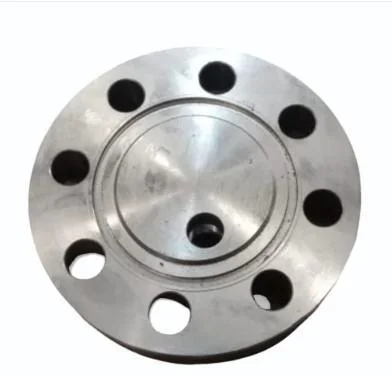
The different types of Stainless Steel Fittings include elbows, tees, reducers, couplings, and flanges. Each type serves a specific purpose in piping systems, such as changing direction, joining pipes, or controlling flow.
How do I choose the right Stainless Steel Fittings?
To choose the right Stainless Steel Fittings, consider factors such as the type of application, pipe size, pressure requirements, and compatibility with other materials. It's also important to select fittings that meet industry standards for quality and safety.
What are the standard specifications for Stainless Steel Fittings?
Standard specifications for Stainless Steel Fittings typically include ASTM A403 for wrought fittings and ASTM A312 for pipe. These specifications outline the material properties, manufacturing processes, and testing requirements to ensure reliability and performance.
What is the price range for Stainless Steel Fittings?
The price range for Stainless Steel Fittings can vary widely based on factors such as type, size, and manufacturer. Generally, prices may start from a few hundred rupees for basic fittings and can go up to several thousand rupees for specialized or larger fittings.
What quality standards apply to Stainless Steel Fittings?
Quality standards for Stainless Steel Fittings include compliance with international standards such as ASTM, ANSI, and ISO. These standards ensure that the fittings meet specific performance criteria, including mechanical strength, corrosion resistance, and dimensional accuracy.
Where can I find Stainless Steel Fittings suppliers in India?
You can find Stainless Steel Fittings suppliers in India through various online B2B marketplaces, industrial directories, and trade shows. Platforms like Pepagora.com offer a comprehensive list of manufacturers and suppliers, allowing you to compare options and make informed decisions.
Can Stainless Steel Fittings be customized?
Yes, many manufacturers offer customization options for Stainless Steel Fittings to meet specific requirements. Customization can include alterations in size, shape, or material composition based on the needs of the client or application.
What is the typical minimum order quantity for Stainless Steel Fittings?
The typical minimum order quantity (MOQ) for Stainless Steel Fittings varies by supplier and product type. Generally, MOQs can range from a single unit for standard fittings to several dozen for custom or specialized items.
What is the typical lead time for Stainless Steel Fittings?
The typical lead time for Stainless Steel Fittings depends on the supplier, order volume, and complexity of the fittings. Standard fittings may have a lead time of 1-2 weeks, while custom orders could take longer, often ranging from 3-6 weeks.
Why Businesses Trust Pepagora
Thousands of companies trust Pepagora to source smarter and sell faster
Expand Your Sales Globally

Source Smarter,Grow Faster
