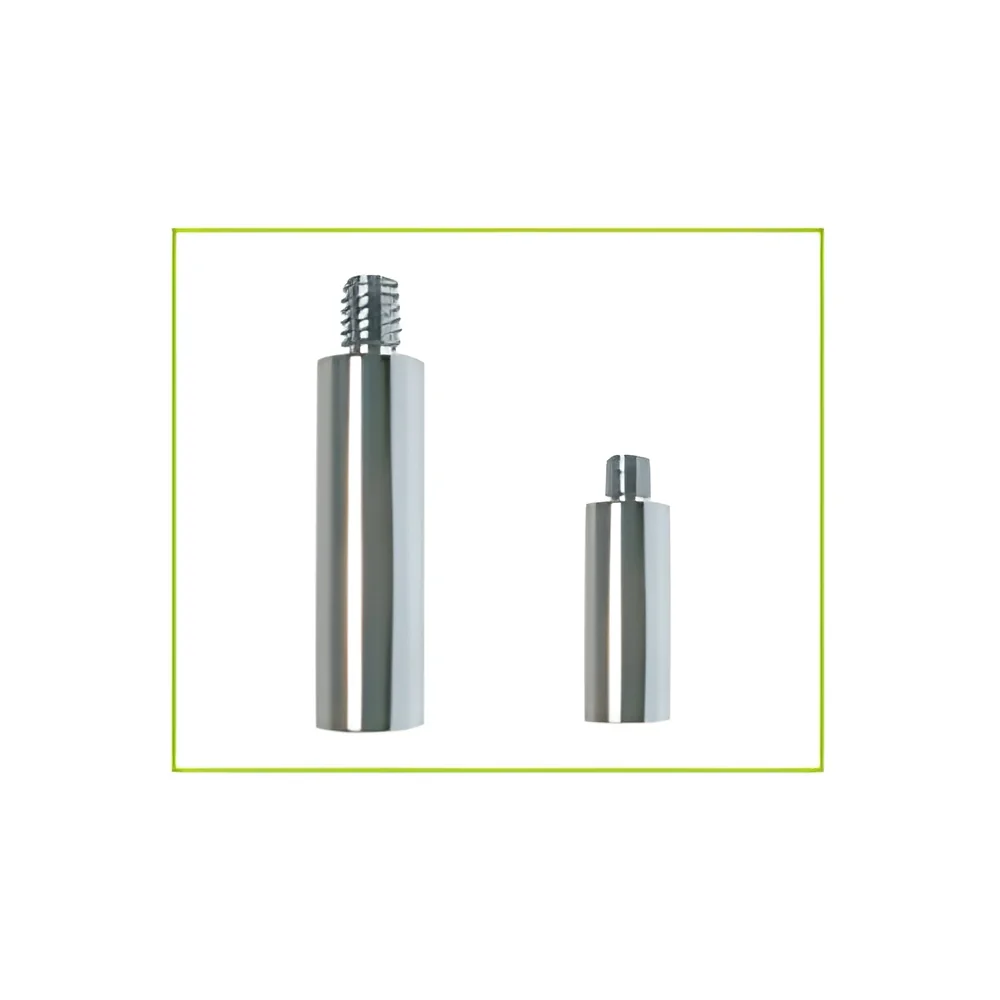
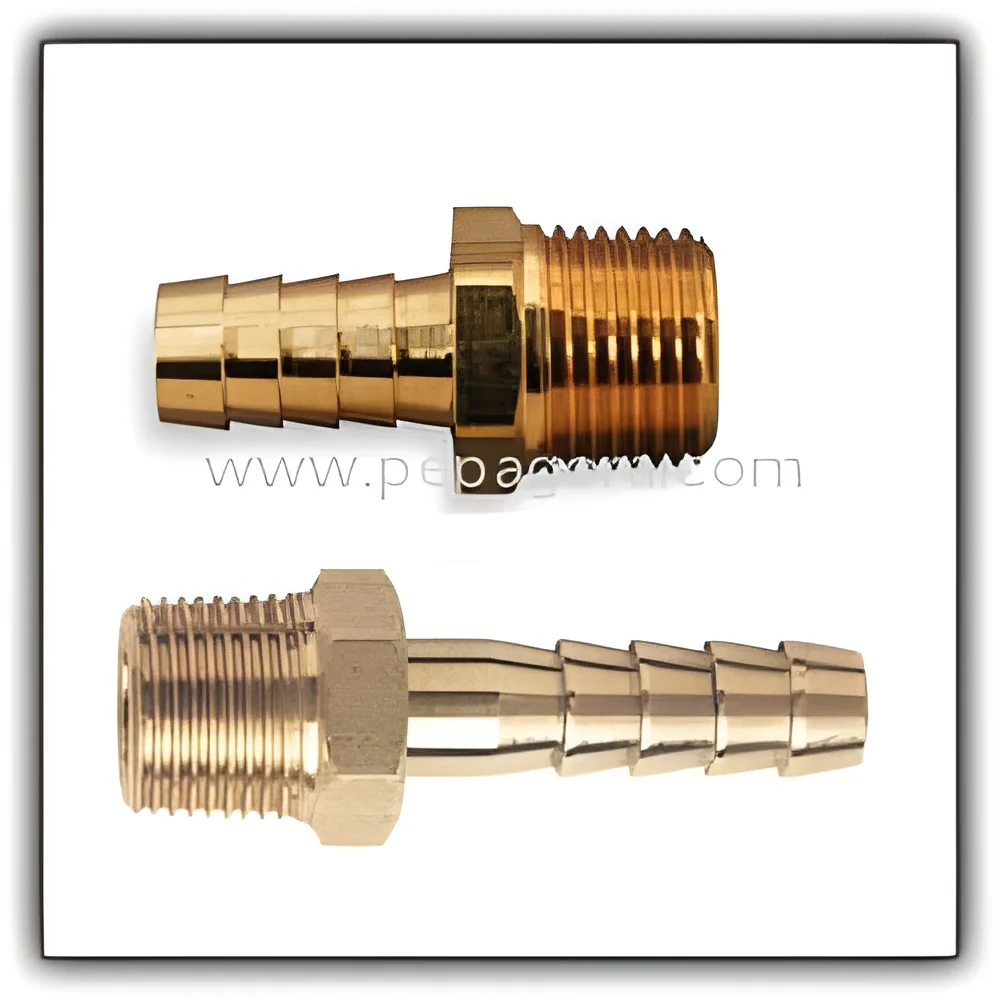
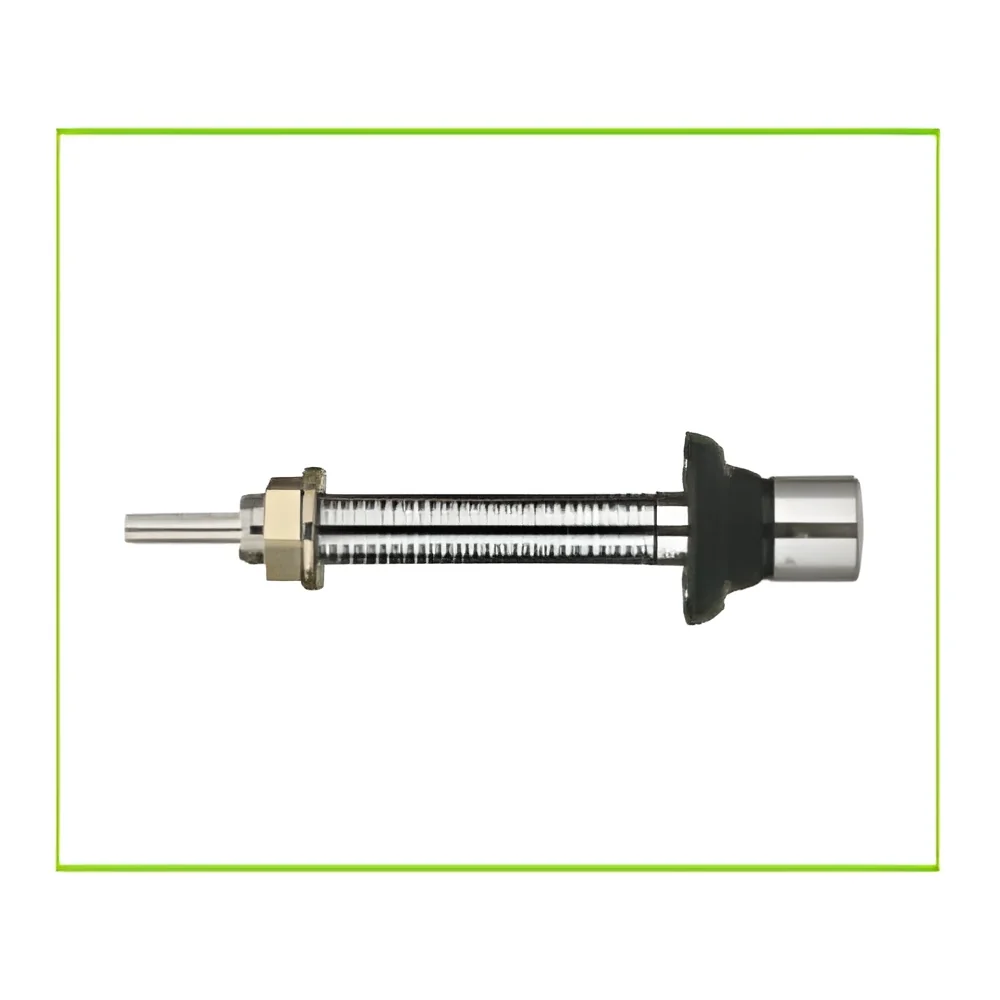
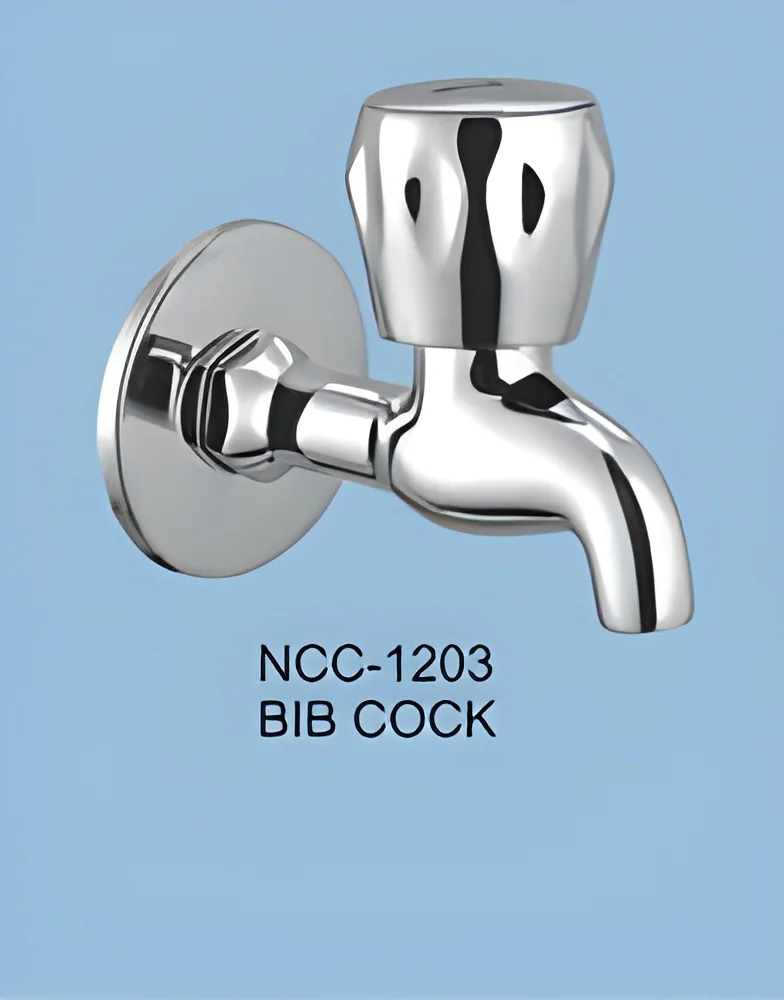
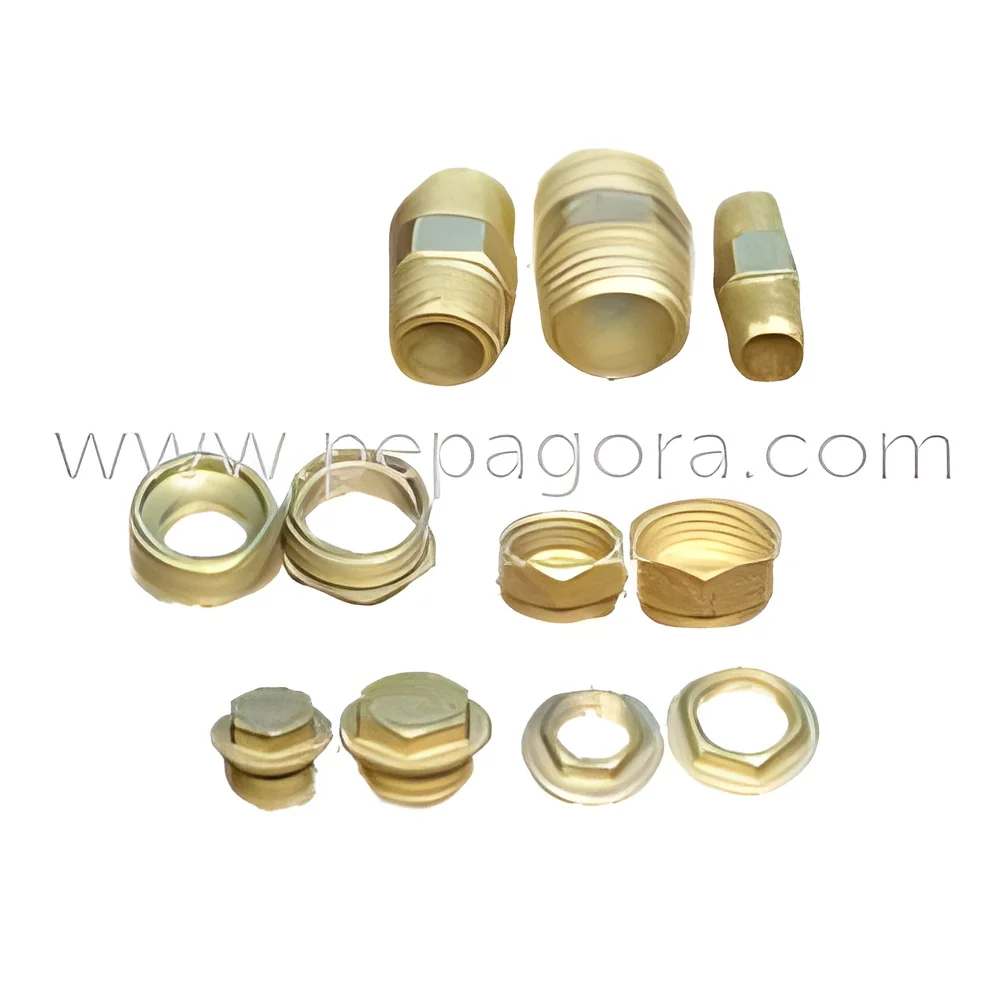
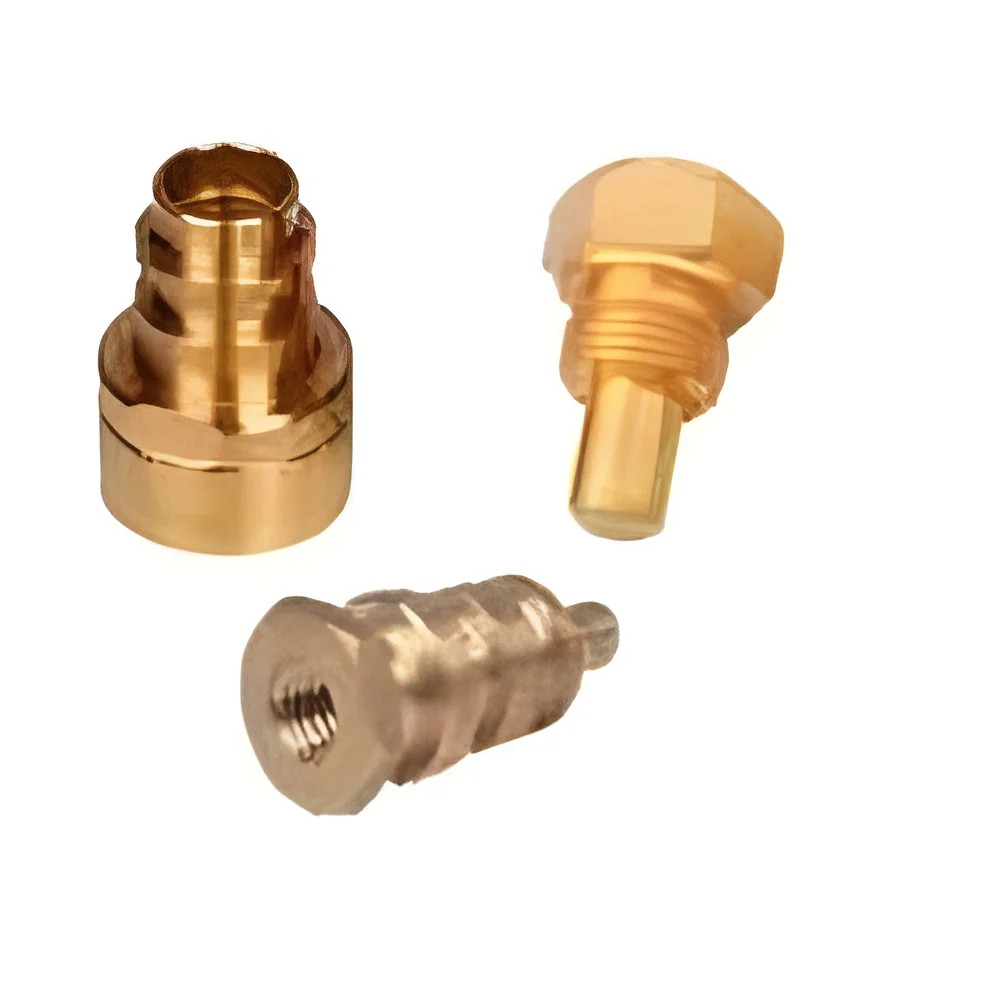
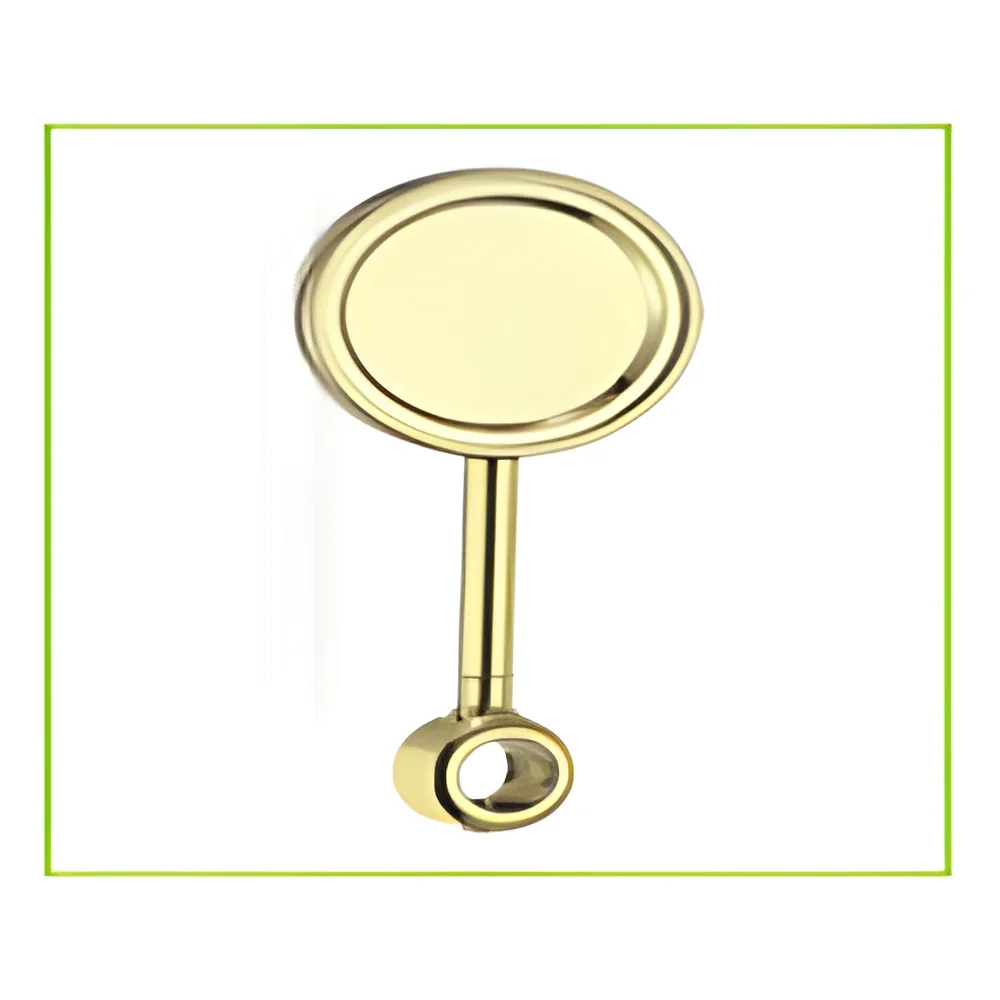
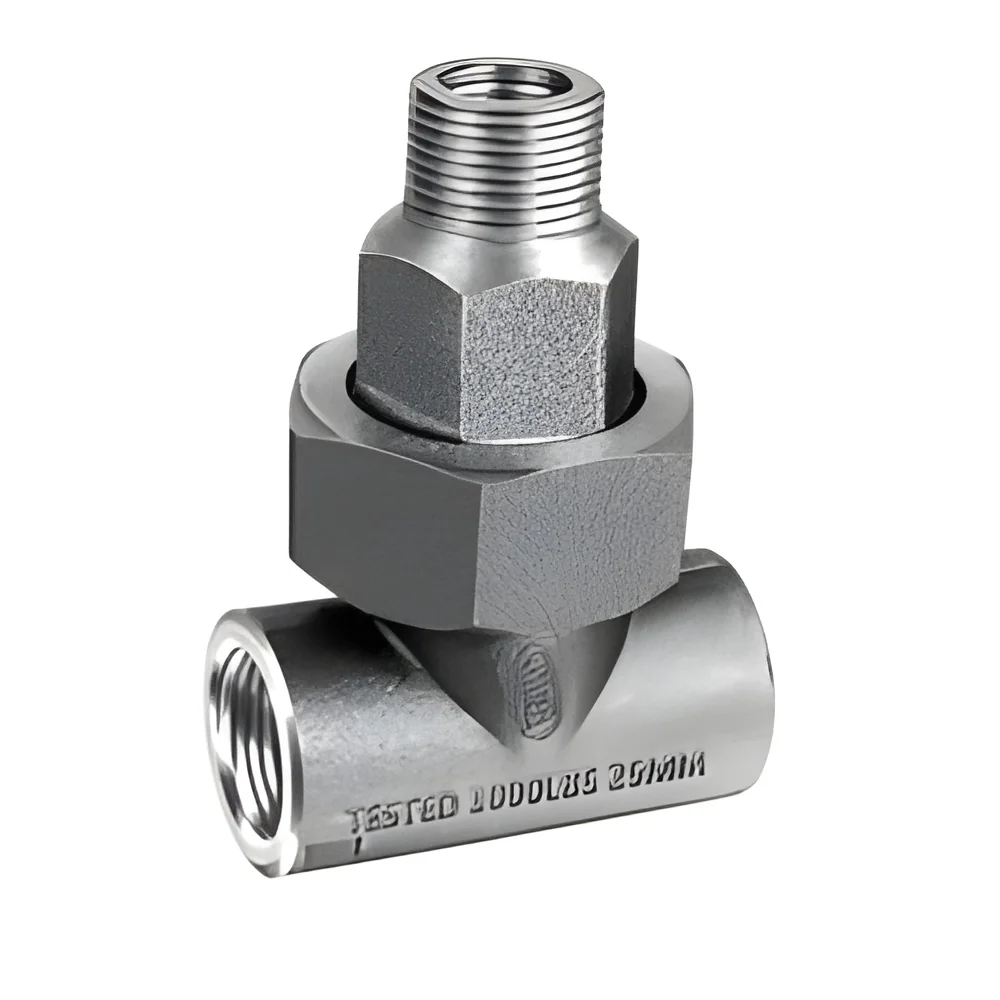
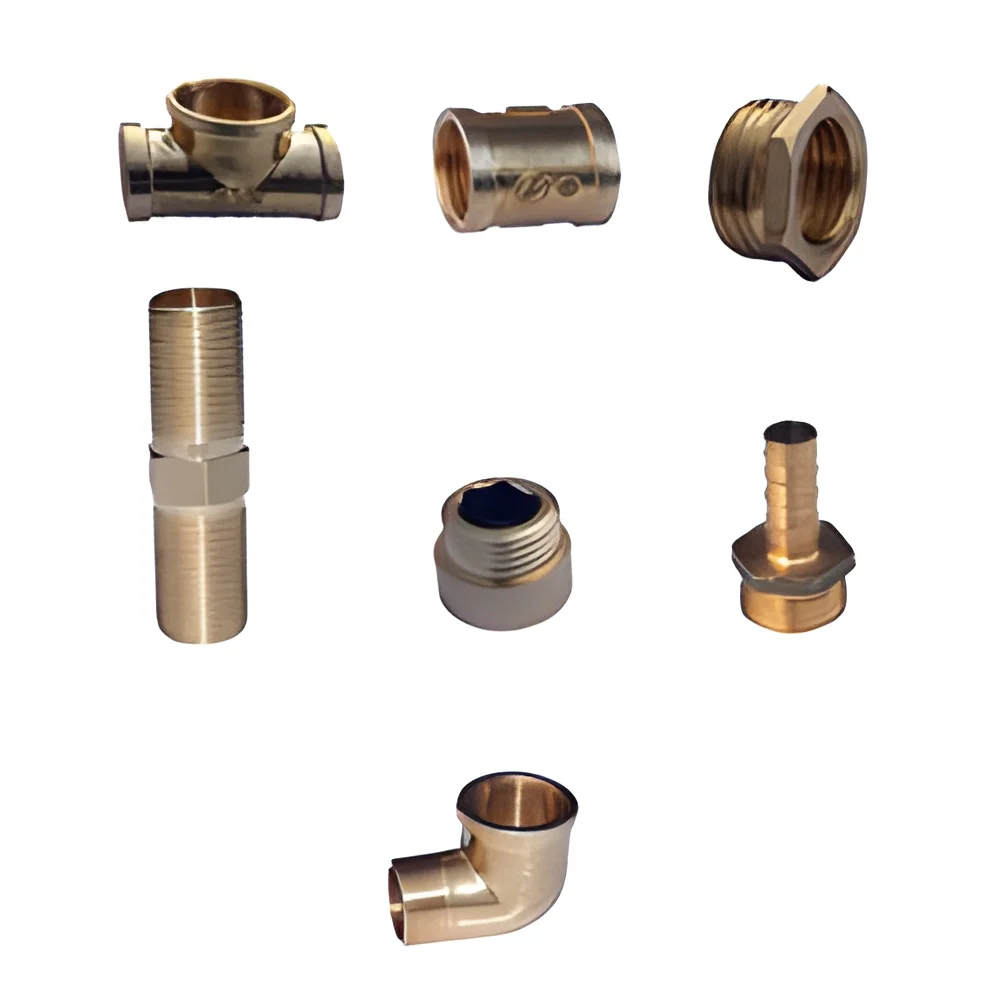
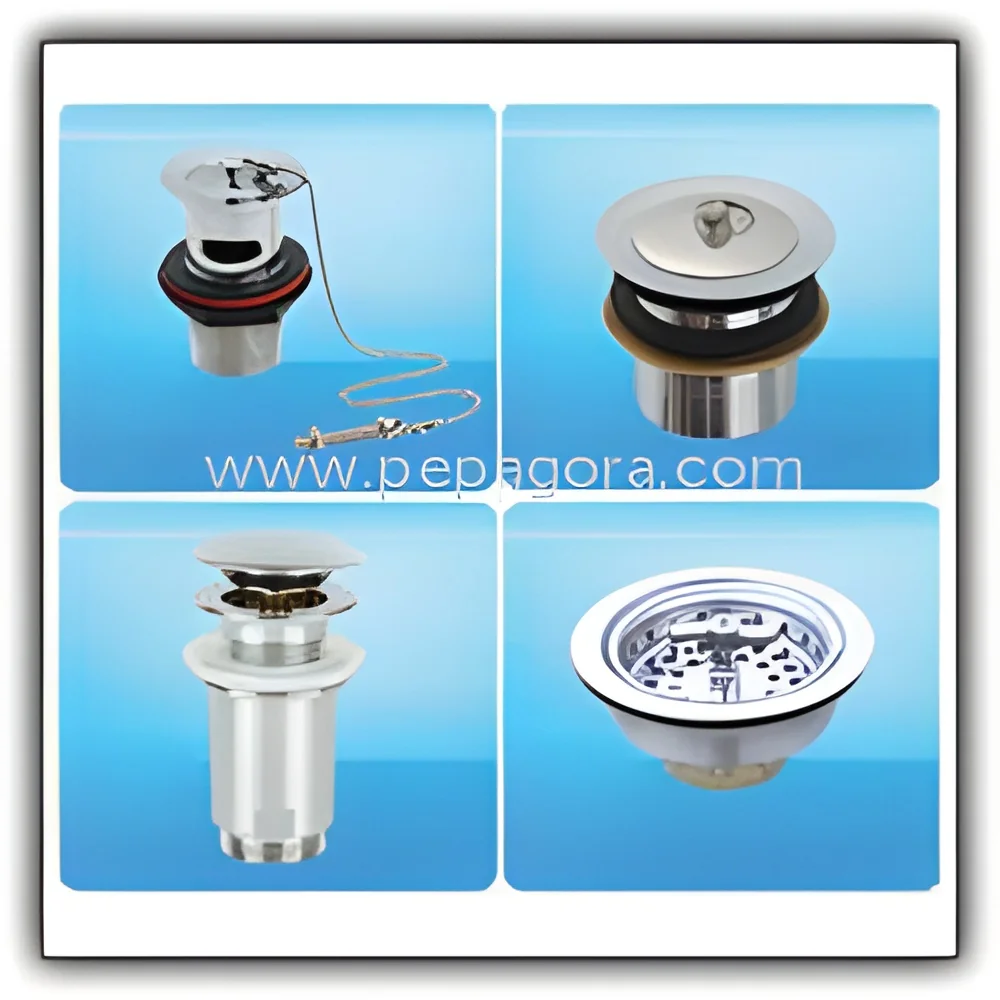
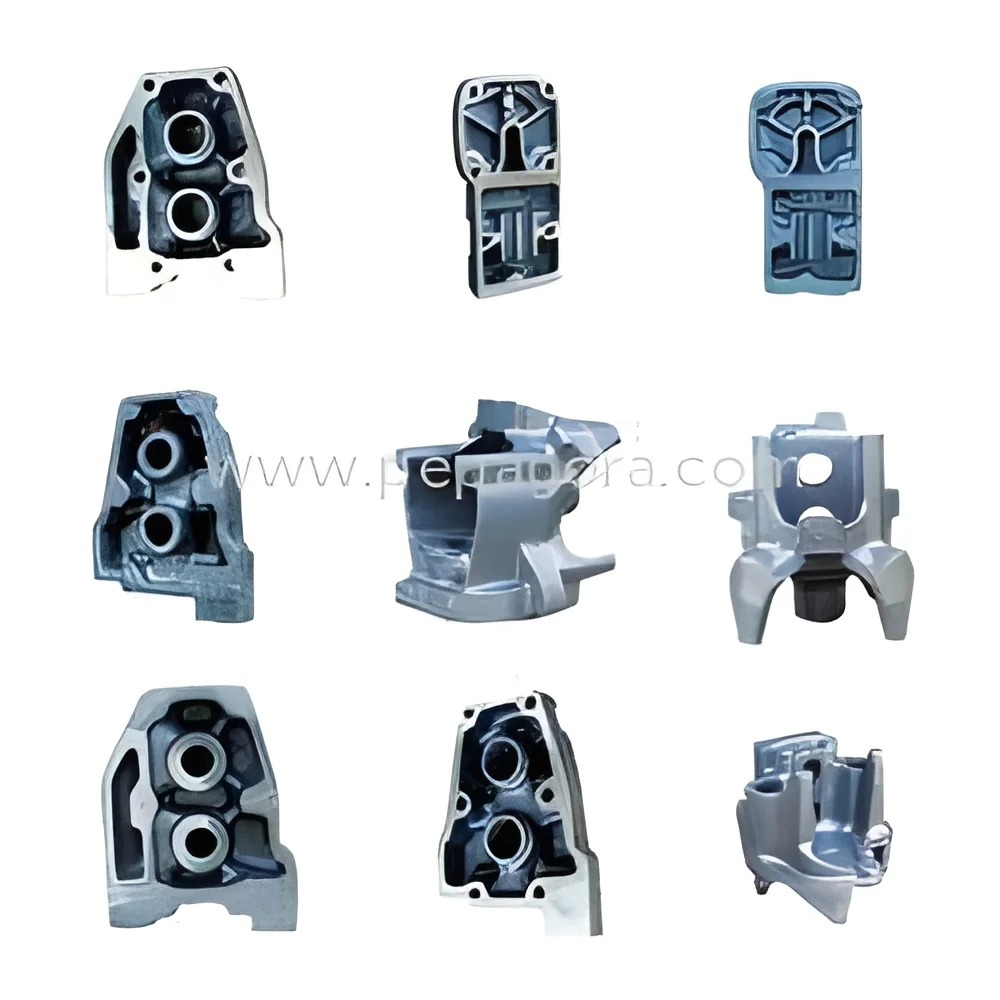
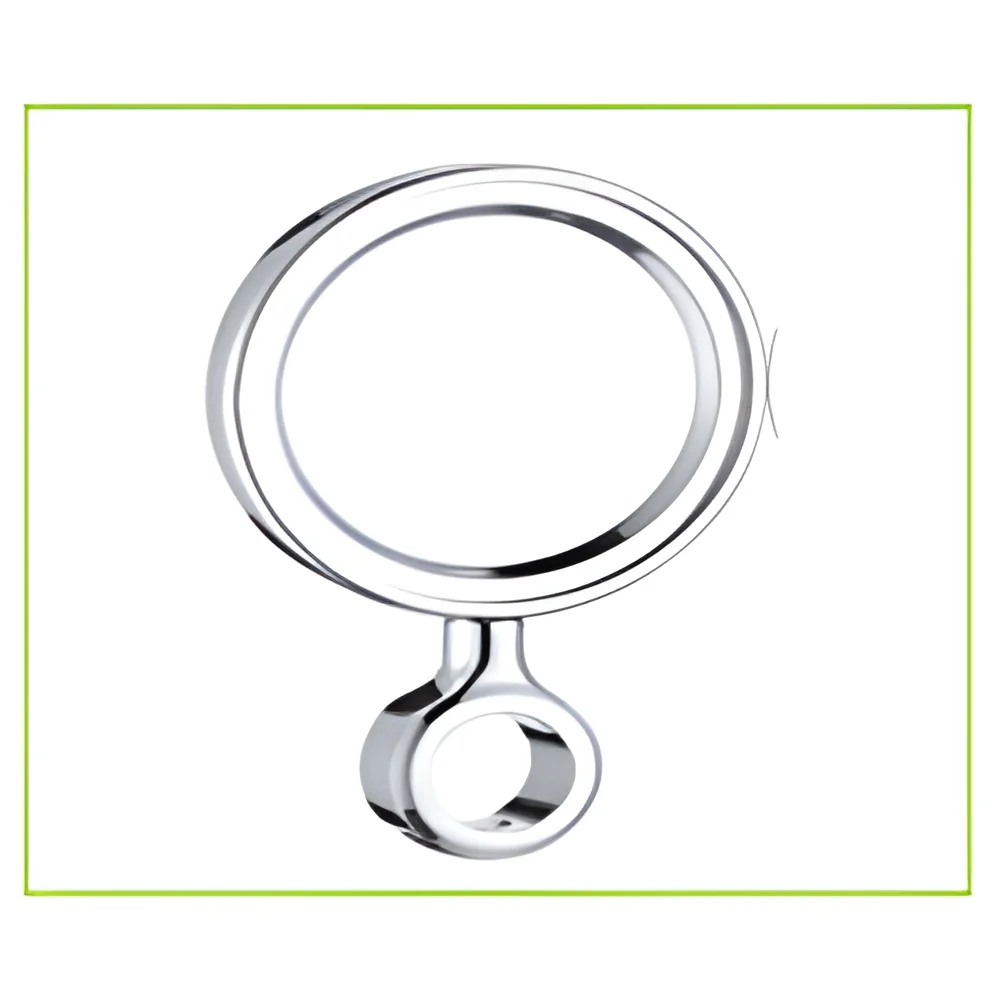
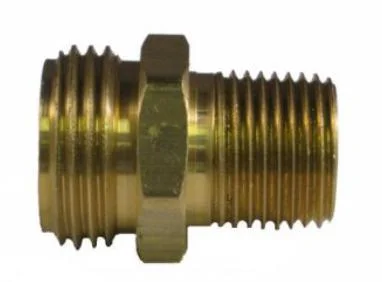
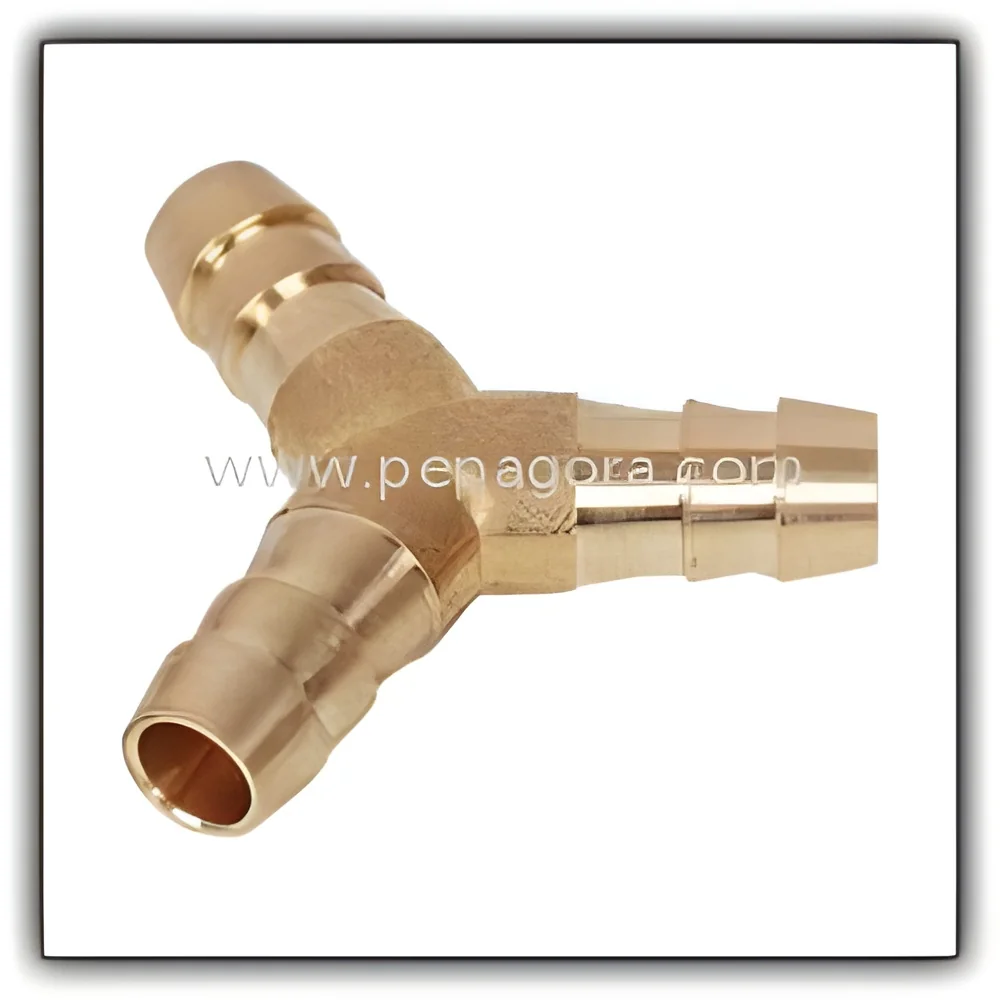
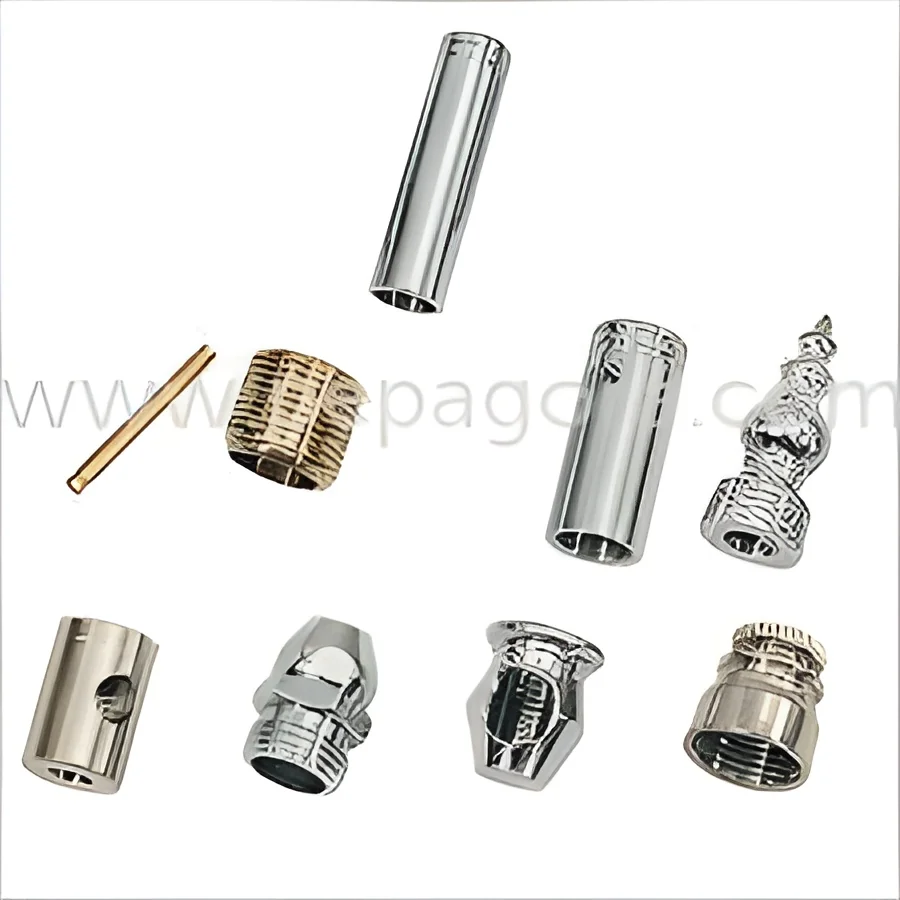
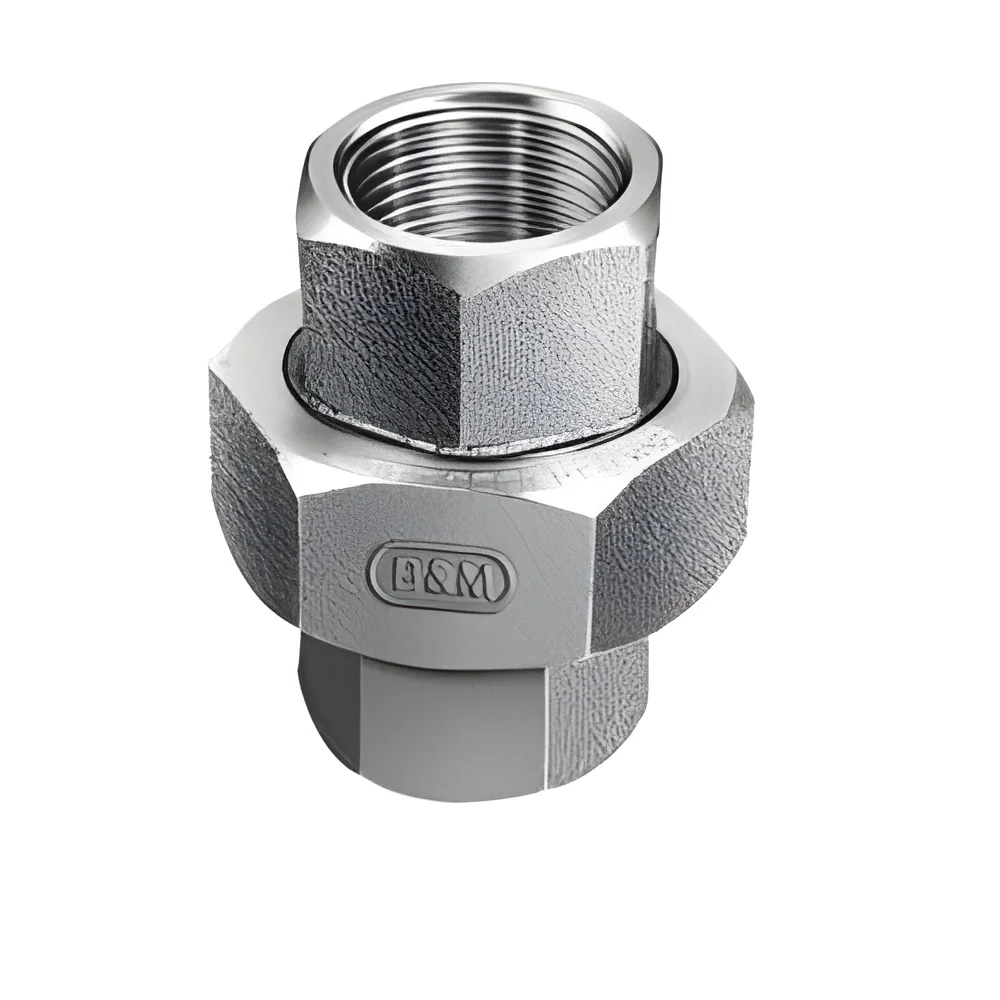
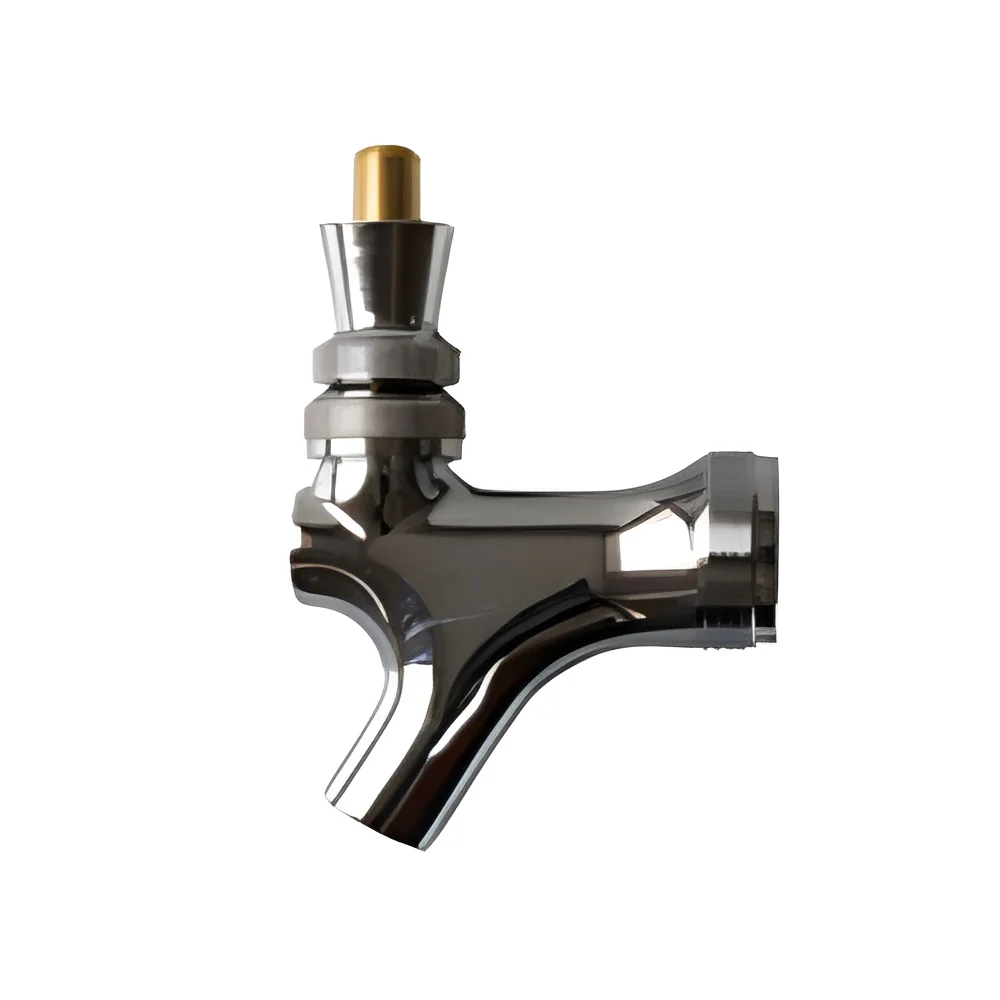
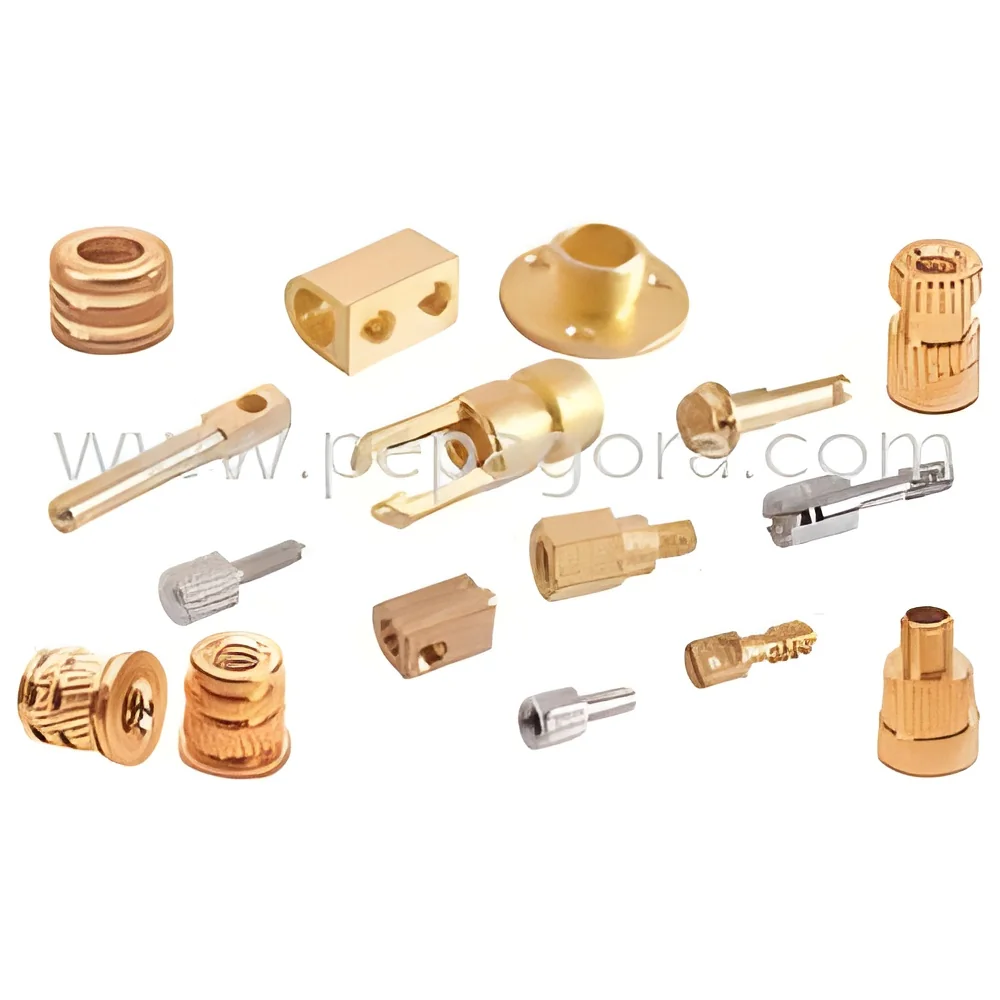
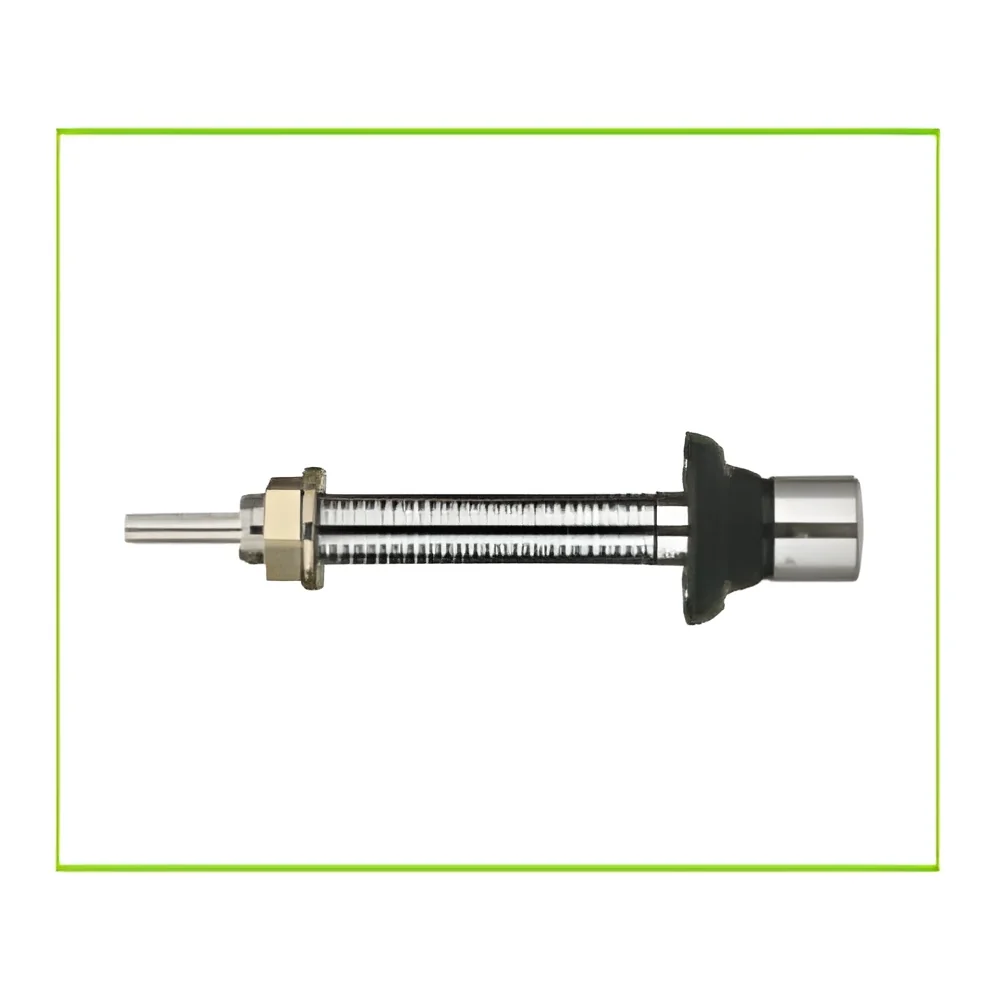
What are Brass Fittings?
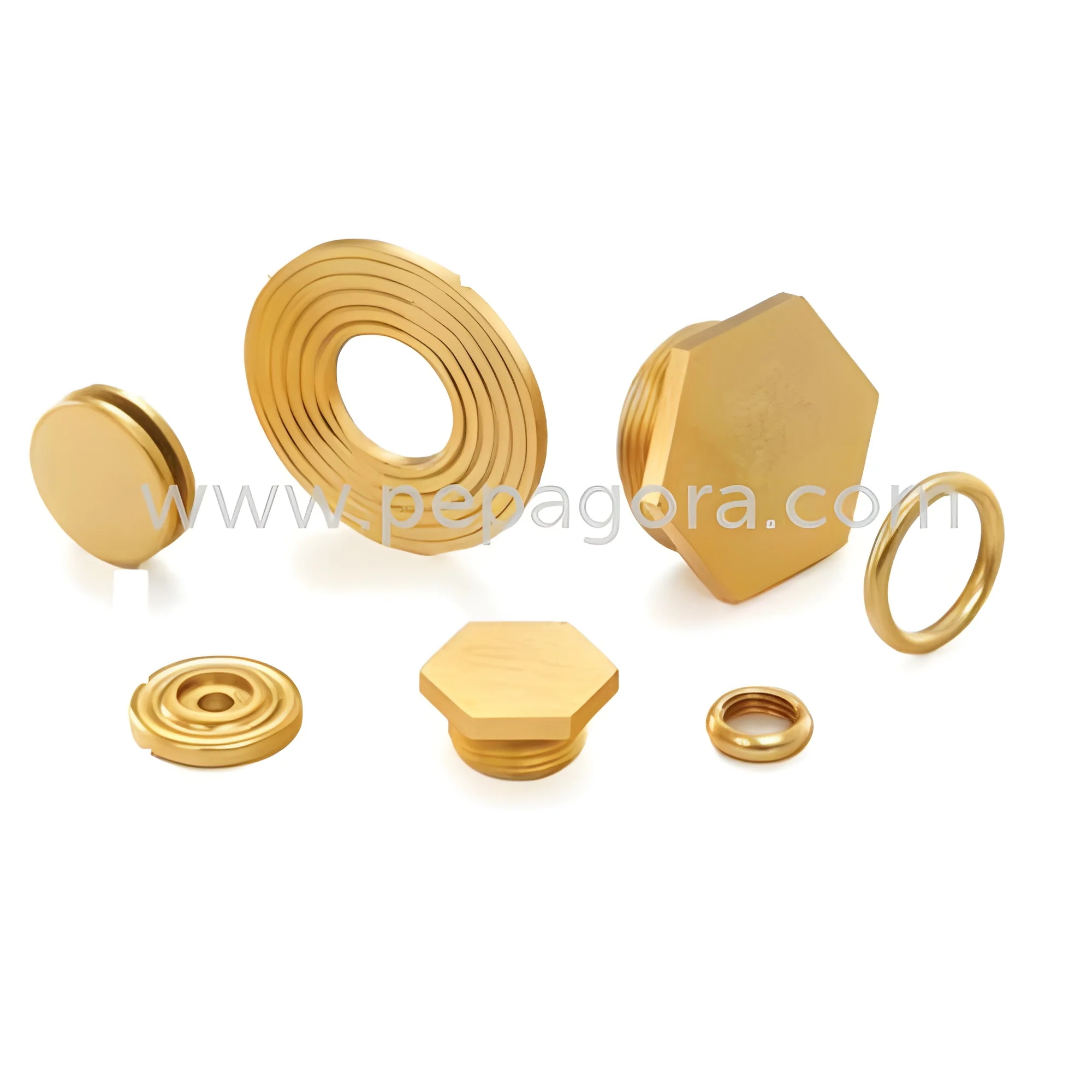
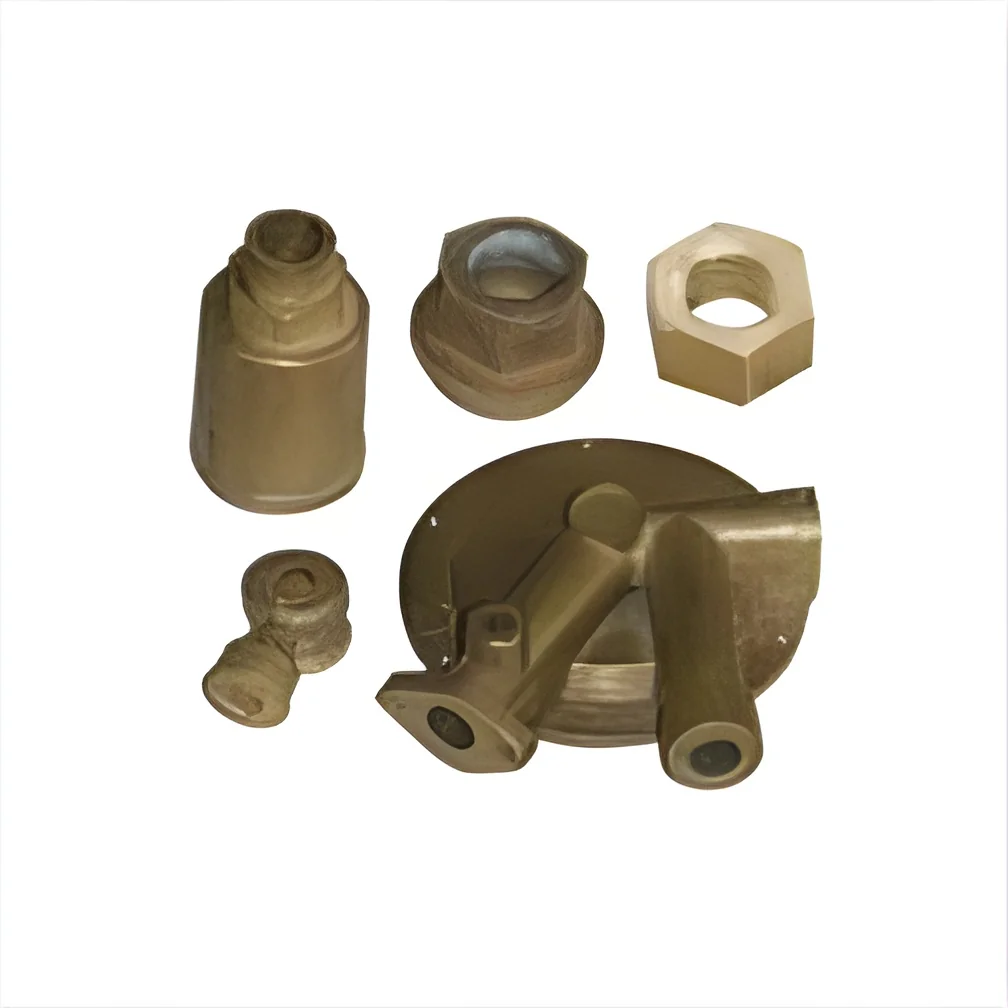
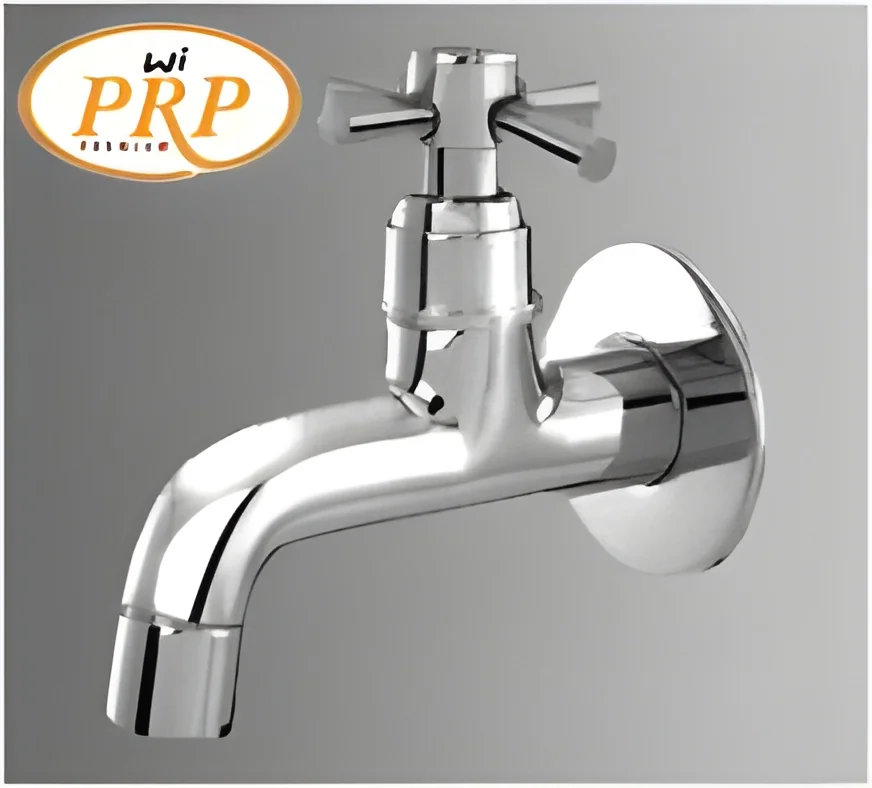
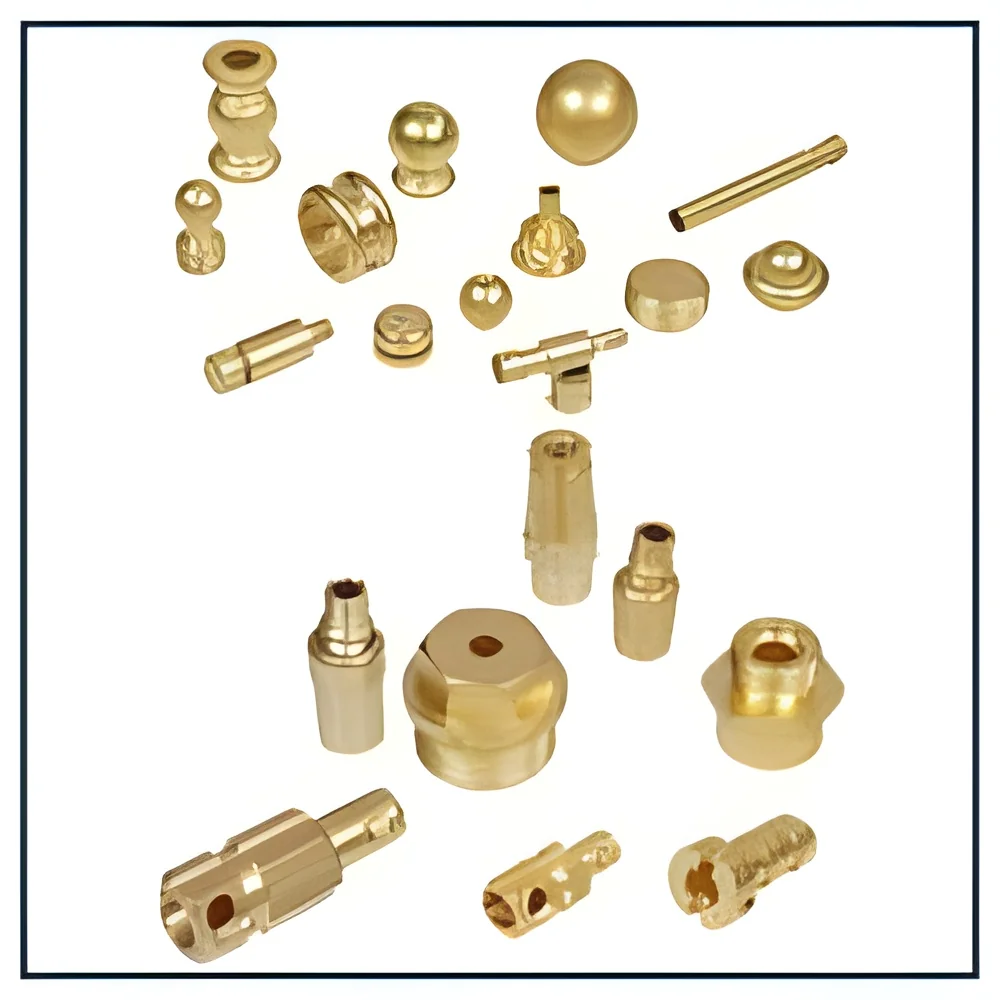
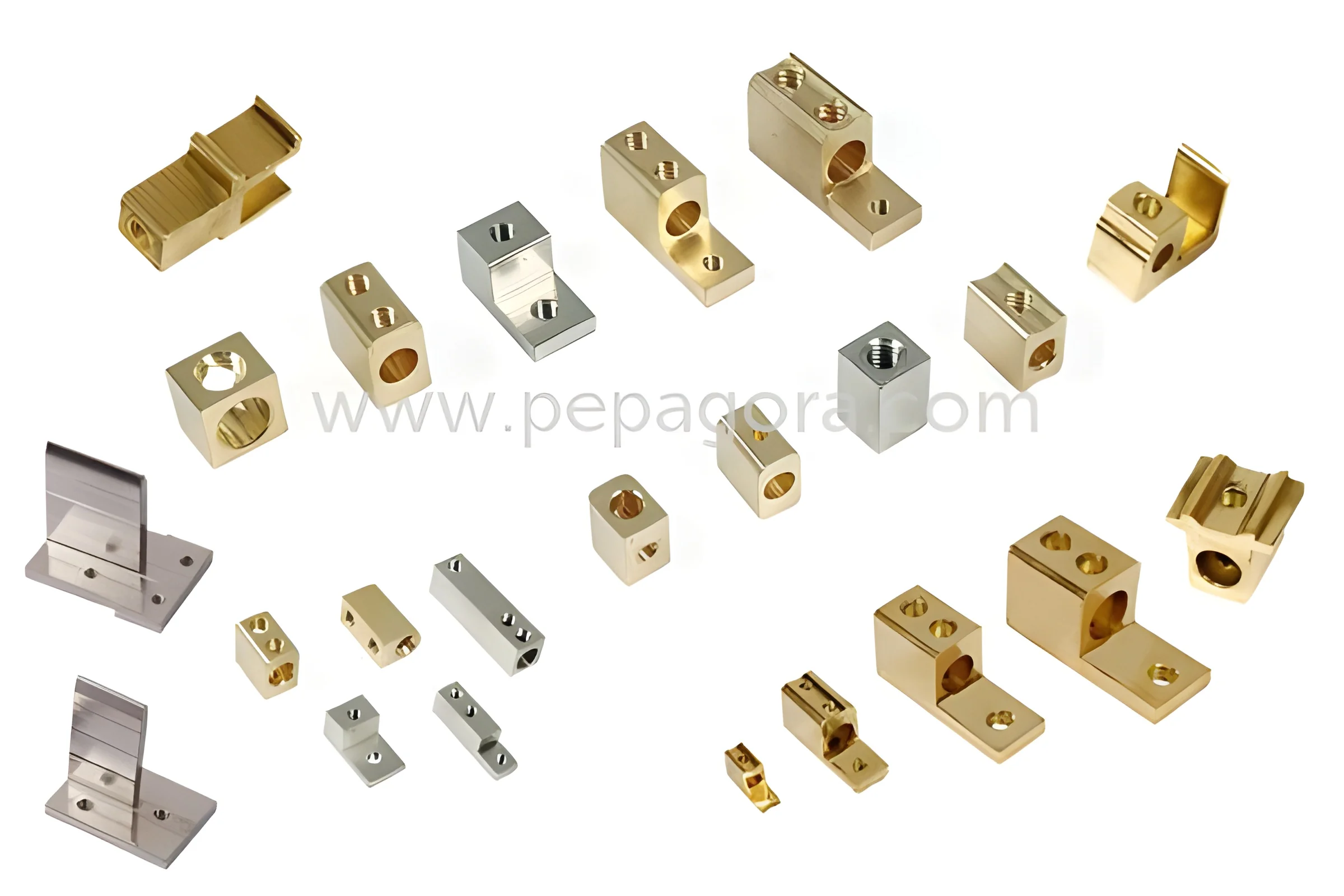
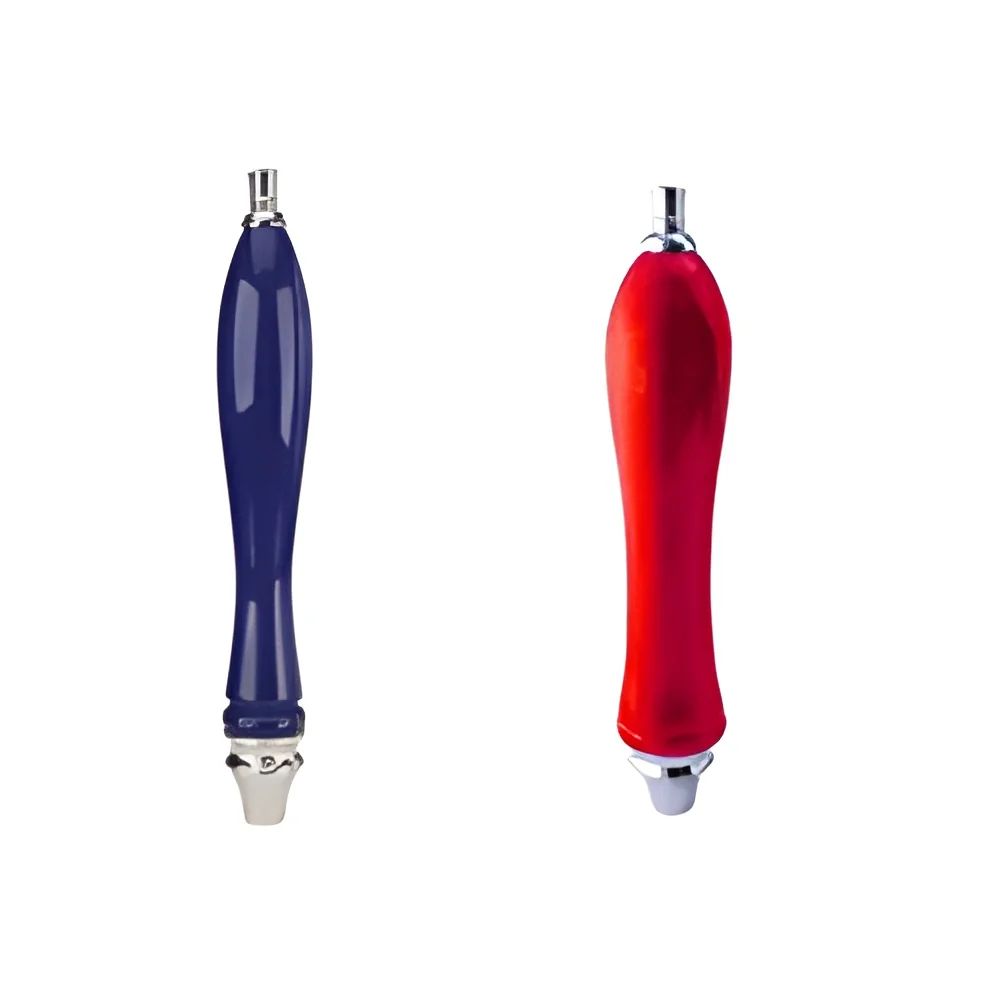
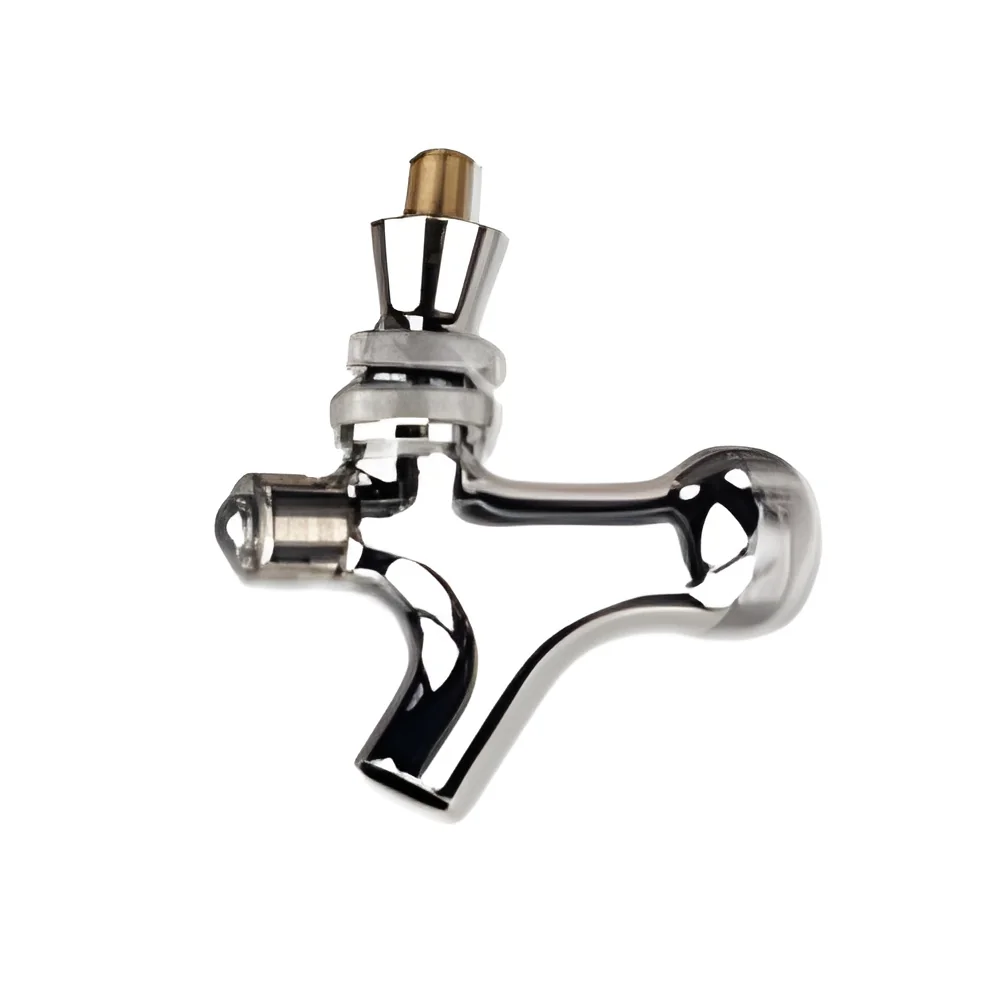
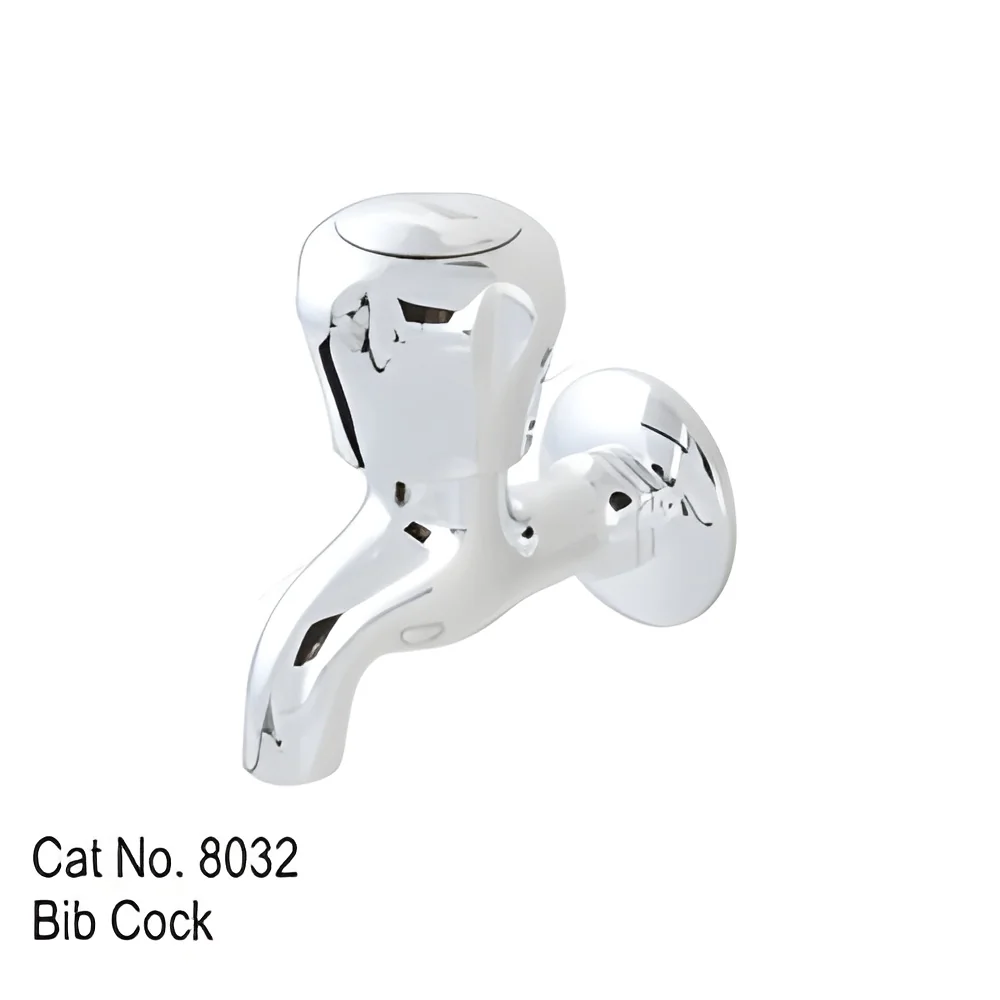
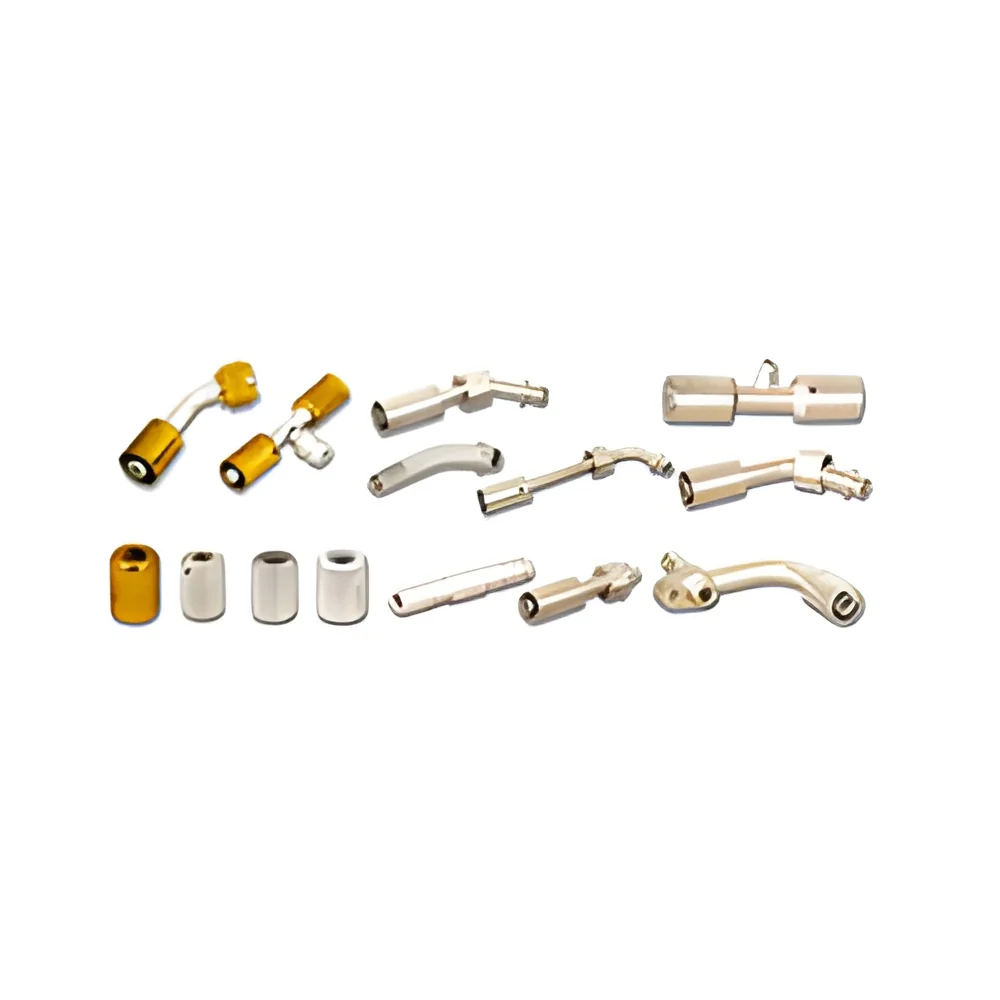
Brass fittings are plumbing and piping components made from an alloy of copper and zinc. They are designed to connect, control, or direct the flow of liquids and gases in various systems. Brass fittings are known for their excellent corrosion resistance, durability, and malleability, making them a preferred choice in many industrial applications.
These fittings are utilized in a wide range of sectors including plumbing, heating, and air conditioning systems. They are essential for connecting pipes, valves, and other equipment, ensuring that systems operate efficiently and safely. Brass fittings are particularly valued in environments where exposure to moisture or chemicals is common, as they maintain structural integrity over time.
In the current market, the demand for brass fittings is driven by the expansion of infrastructure and increased industrial activities. Their reliable performance in both residential and industrial applications ensures they remain a critical component in numerous projects. As industries evolve and grow, the relevance of brass fittings in construction and manufacturing continues to be significant.
Key Features and Specifications
Brass fittings offer a combination of durability and versatility, making them suitable for various applications. Understanding their specifications is critical for selecting the right product for specific needs.
Key specifications include:
1. Material Composition
- Typically made from a copper-zinc alloy
- Offers excellent corrosion resistance
2. Pressure Ratings
- Commonly rated for various pressure levels
- Can withstand high-pressure applications
3. Temperature Tolerance
- Suitable for a range of temperatures
- Maintains integrity at elevated temperatures
4. Finish Options
- Available in polished or unpolished finishes
- Surface finish affects aesthetics and corrosion resistance
5. Thread Standards
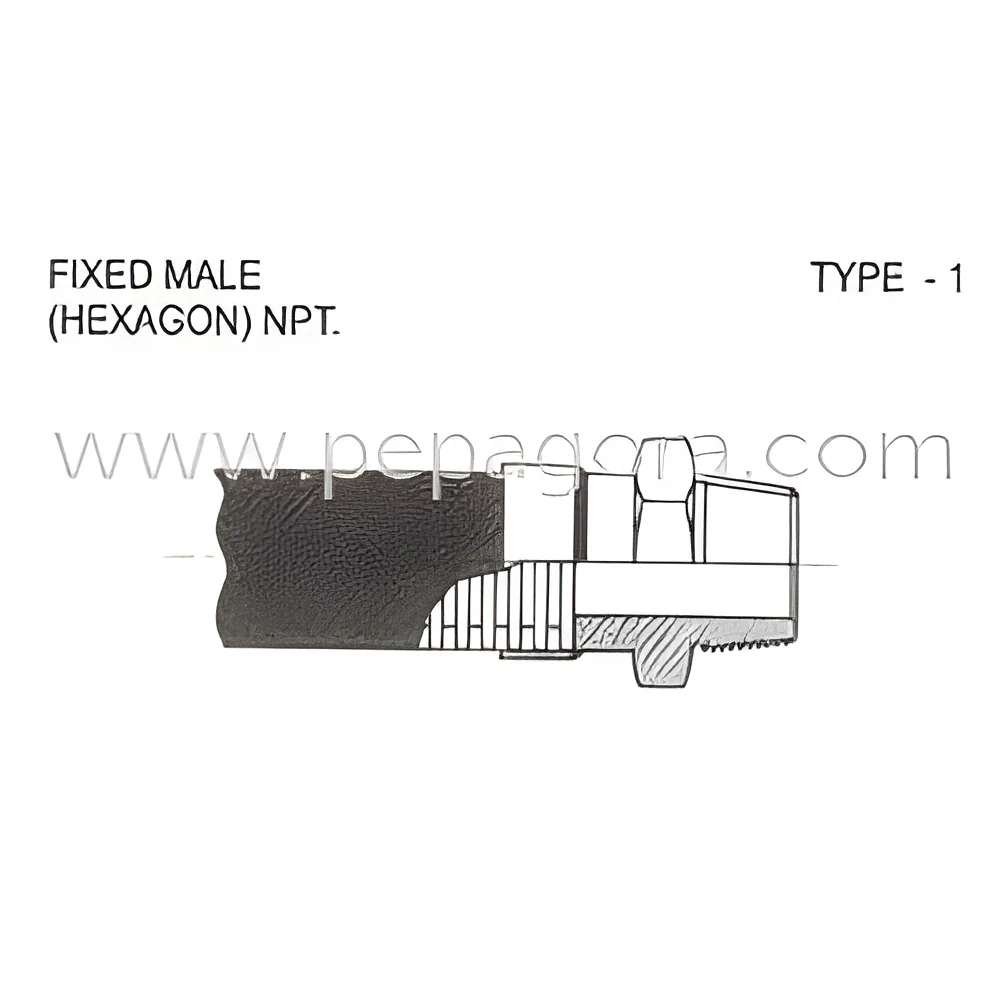
- Fittings may have NPT (National Pipe Thread) or BSP (British Standard Pipe) threads
- Ensures compatibility with various piping systems
6. Sizes and Dimensions
- Offered in various sizes to fit different pipe diameters
- Standardized dimensions for ease of use
7. Connection Types
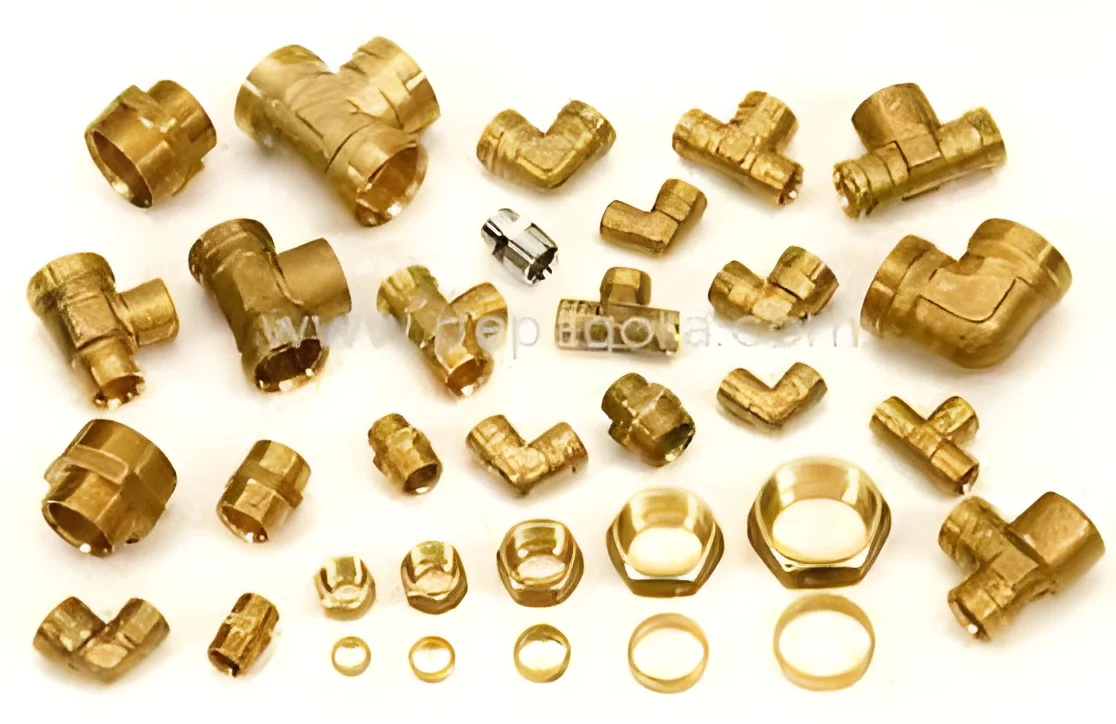
- Includes compression, solder, and threaded connections
- Allows flexibility in installation methods
In summary, the specifications of brass fittings highlight their adaptability across various applications, ensuring they meet the requirements of many industries.
Common Applications and Use Cases
Brass fittings find extensive use across multiple industries due to their versatility and durability.
1. Plumbing: Brass fittings are commonly used in residential and commercial plumbing systems for connecting pipes, faucets, and fixtures.
2. HVAC: In heating, ventilation, and air conditioning systems, brass fittings help connect refrigerant lines and facilitate airflow.
3. Oil and Gas: These fittings are essential for connecting pipelines in oil and gas applications, where resistance to corrosion is vital.
4. Automotive: In automotive applications, brass fittings are utilized in fuel and hydraulic systems due to their strength and reliability.
5. Marine: Brass fittings are used in boats and maritime applications, where resistance to saltwater corrosion is crucial.
6. Fire Protection: These fittings are often part of fire suppression systems, providing reliable connections for hoses and sprinkler systems.
7. Industrial Equipment: Brass fittings are integral to various industrial machinery, ensuring efficient fluid transfer and control.
Product Variants and Subcategories
Brass fittings come in various forms to suit different requirements and applications.
Compression Fittings: These fittings provide a reliable connection by compressing the fitting onto the pipe, making them ideal for plumbing applications where a secure seal is necessary.
Solder Fittings: Designed for use with soldering techniques, these fittings offer strong, permanent connections in plumbing and HVAC systems.
Threaded Fittings: These fittings are equipped with male or female threads, allowing easy attachment to other threaded components in mechanical assemblies.
Flare Fittings: Often used in gas lines and refrigeration, flare fittings create secure connections by flaring the end of the pipe to form a tight seal.
Benefits and Advantages
Brass fittings offer numerous advantages that make them an excellent choice for various applications.
1. Corrosion Resistance: Brass fittings resist rust and corrosion, ensuring longevity in moist or harsh environments.
2. Durability: The strength of brass makes these fittings capable of withstanding high pressures and temperatures without failure.
3. Versatility: Available in various sizes and types, brass fittings can be utilized in many applications across different industries.
4. Easy Installation: Many brass fittings are designed for quick installation, reducing labor costs and time.
5. Aesthetic Appeal: The attractive finish of brass fittings enhances the overall appearance of plumbing and mechanical systems.
6. Cost-Effectiveness: While initially more expensive than some alternatives, the long lifespan and reliability of brass fittings often result in lower total costs.
Buying Guide for B2B Buyers
When sourcing brass fittings, it is essential for B2B buyers to consider several key factors to ensure they make the right choice.
1. Quality Assessment: Evaluate the quality of brass fittings by checking for certifications and standards that guarantee their durability and reliability.
2. Supplier Verification: Research potential suppliers to confirm their reputation and reliability, ensuring they can meet your needs consistently.
3. Pricing and MOQ: Understand the pricing structure and minimum order quantities (MOQ) to ensure that the purchase aligns with your budget and project requirements.
4. Delivery and Lead Times: Confirm the supplier's delivery capabilities and lead times to ensure that you receive your fittings when needed for your projects.
5. Compliance Requirements: Ensure that the brass fittings comply with relevant industry standards and regulations to avoid potential legal issues.
Compliance and Certifications
Brass fittings must adhere to various quality standards and certifications to ensure their safety and reliability in applications.
ISO 9001: This international standard focuses on quality management systems, ensuring that manufacturers meet customer and regulatory requirements.
CE Certification: This certification indicates that brass fittings meet European safety, health, and environmental protection standards, which is crucial for products sold in European markets.
Safety and Testing Requirements: Brass fittings should be subjected to rigorous testing to assess their performance under pressure and temperature, ensuring they are safe for use.
Regional Compliance Considerations: Buyers should be aware of regional regulations that may affect the use and distribution of brass fittings, ensuring compliance with local laws.
Why Source Brass Fittings from Pepagora?
Pepagora offers a trusted platform for sourcing brass fittings, providing several advantages to B2B buyers.
Verified Supplier Network: Pepagora connects buyers with a network of verified suppliers, ensuring that all products meet industry standards and quality expectations.
Streamlined RFQ Process: The platform simplifies the request for quotation process, making it easy for buyers to obtain competitive pricing and terms from multiple suppliers.
Trade Assurance and Support: Pepagora provides buyer protection through trade assurance, ensuring that transactions are secure and that buyers receive the products they ordered.
Regional Coverage: With a strong presence in India, the GCC, and Southeast Asia, Pepagora offers extensive geographical reach, allowing buyers to source brass fittings from reliable suppliers across these regions.

 IN
IN