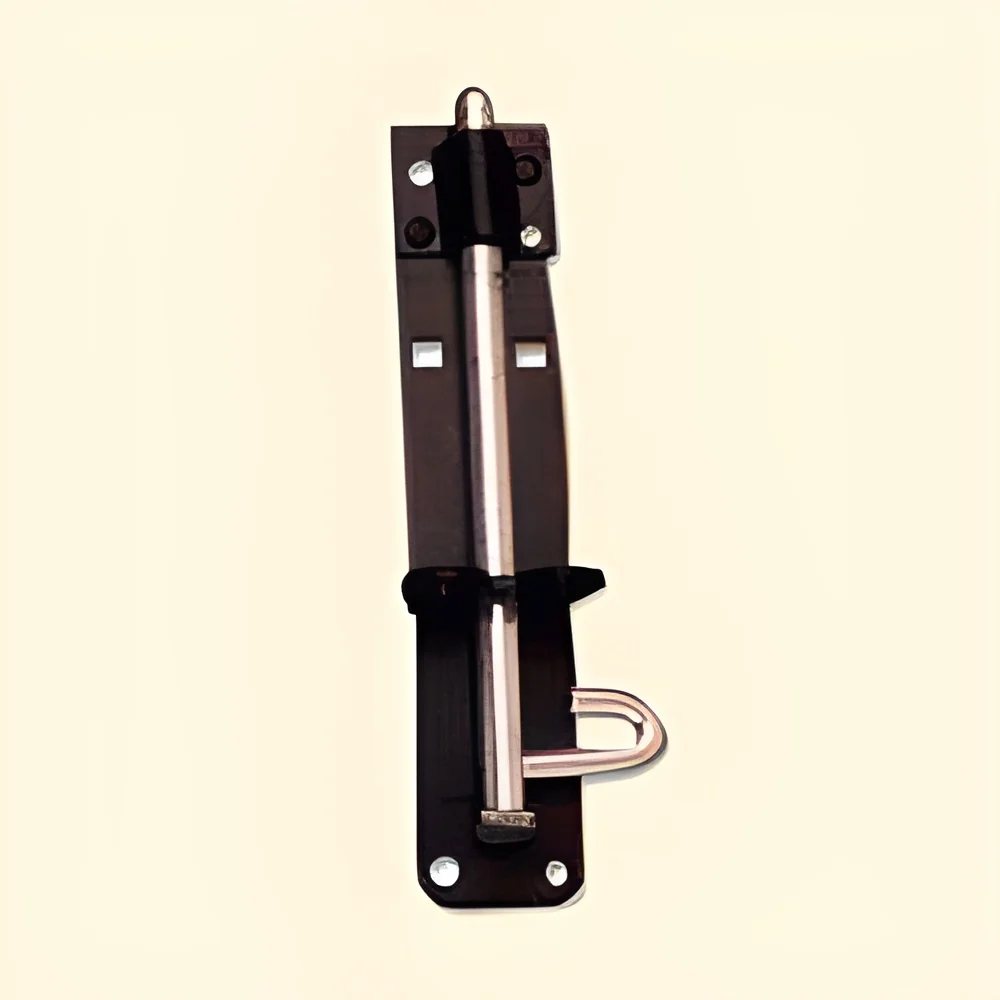
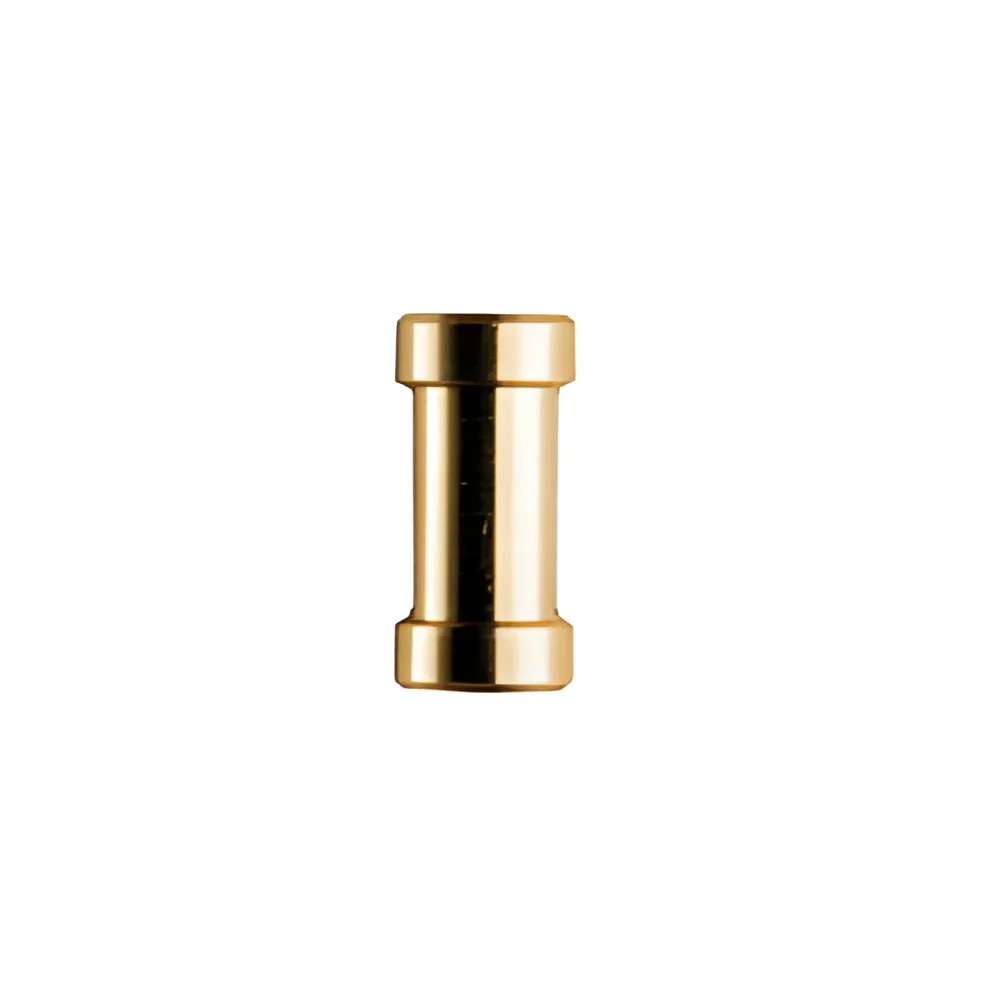
What are Modular Construction Fittings?
Modular construction fittings are specialized components designed to facilitate the assembly and disassembly of modular structures. These fittings play a crucial role in the modular construction process, allowing for flexibility in design and efficient installation. With a variety of configurations available, modular construction fittings can cater to different structural needs, making them essential for modern construction practices.
These fittings are commonly used in various applications, including temporary structures, permanent buildings, and mobile units. Industries such as construction, event management, and disaster relief frequently utilize modular fittings for their ability to streamline the building process and reduce costs. The growing demand for sustainable and efficient building solutions has further solidified the relevance of modular construction fittings in the market.
As the construction industry evolves, modular construction is gaining traction due to its speed and efficiency. With the increasing emphasis on sustainability and cost-effectiveness, modular construction fittings are becoming integral to many building projects, driving innovation in design and construction methodologies.
Key Features and Specifications
Modular construction fittings are distinguished by several key features that enhance their functionality and usability. These specifications ensure that the fittings meet the demands of various applications while providing reliable performance.
Key specifications include:
1. Material Composition
- Typically made from high-strength steel or aluminum.
- Offers durability and resistance to environmental stressors.
2. Load Capacity
- Designed to support significant weight loads.
- Load capacities can range from several hundred to thousands of pounds, depending on the fitting type.
3. Connection Types
- Available in various connection methods, including bolts, clamps, and welds.
- Allows for easy assembly and disassembly.
4. Surface Treatment
- Often treated with protective coatings to prevent corrosion.
- Enhances longevity and performance in harsh conditions.
5. Modular Design
- Designed for versatility in application and configuration.
- Enables quick adaptation to changing project requirements.
6. Compliance with Standards
- Many fittings are manufactured to meet international standards such as CE and UL.
- Ensures safety and reliability in construction.
7. Customization Options
- Available in various sizes and shapes to suit specific project needs.
- Custom fittings can be developed for unique applications.
8. Environmental Considerations
- Some fittings are designed with sustainability in mind, using recyclable materials.
- Helps reduce the environmental impact of construction projects.
These specifications highlight the adaptability and robustness of modular construction fittings, making them a preferred choice in the industry.
Common Applications and Use Cases
Modular construction fittings find applications across a wide range of industries, thanks to their versatility and efficiency.
1. Construction: In the construction industry, these fittings are used for building temporary structures, such as site offices and storage units, as well as permanent modular buildings. Their ease of assembly and disassembly enables quick construction times.
2. Event Management: Event organizers use modular fittings to create temporary structures like exhibition halls and stages. Their lightweight and portable nature allows for rapid setup and takedown, making them ideal for events.
3. Disaster Relief: In emergency situations, modular construction fittings are used to quickly assemble shelters and medical facilities. Their adaptability allows for immediate response to humanitarian needs.
4. Retail: Retail spaces often utilize modular fittings for pop-up shops and temporary installations. The flexibility in design allows for creative layouts tailored to specific campaigns.
5. Education: Modular fittings can be employed in educational settings to create temporary classrooms or labs, providing quick solutions for space shortages.
6. Healthcare: Modular construction is increasingly used in healthcare for rapid deployment of clinics and treatment centers. The fittings facilitate efficient assembly, critical in urgent scenarios.
7. Hospitality: The hospitality sector uses modular fittings to create temporary accommodations such as hotels or event spaces. This approach allows for rapid adaptation to changes in demand.
Product Variants and Subcategories
Modular construction fittings come in various types and configurations to meet diverse needs. Each variant is tailored for specific applications, enhancing their functionality.
Standard Fittings
These are the most common modular construction fittings, designed for general applications in various construction projects. They are easy to install and adaptable for multiple configurations.
Heavy-Duty Fittings
These fittings are designed for high-load applications, suitable for structures requiring significant support. Their robust construction ensures stability and safety in demanding environments.
Adjustable Fittings
Featuring adjustable mechanisms, these fittings allow for flexibility in construction and design. They are ideal for projects where precision alignment is necessary.
Quick-Connect Fittings
Designed for rapid assembly, quick-connect fittings enable swift installation and disassembly. They are particularly useful in temporary structures and events where time is a critical factor.
Specialty Fittings
These fittings are customized for specific applications, such as unique architectural designs or specialized industrial requirements. They provide tailored solutions for complex construction challenges.
Benefits and Advantages
Using modular construction fittings offers numerous advantages that contribute to the overall efficiency and effectiveness of construction projects.
1. Speed of Assembly: Modular fittings significantly reduce construction time by allowing for quick assembly and disassembly, leading to faster project completion.
2. Cost Efficiency: By minimizing labor and material waste, modular fittings contribute to lower overall project costs. This efficiency can lead to higher profit margins.
3. Flexibility: These fittings provide the flexibility to adapt designs and configurations according to changing project needs, making them suitable for a wide range of applications.
4. Enhanced Safety: Modular fittings are designed to meet stringent safety standards, ensuring structural integrity and reducing the risk of accidents during construction.
5. Sustainability: Many modular fittings are made from recyclable materials, promoting environmentally-friendly construction practices and reducing the carbon footprint.
6. Quality Assurance: With adherence to industry certifications and standards, modular fittings ensure a high level of quality and performance, providing peace of mind to builders and contractors.
Buying Guide for B2B Buyers
When sourcing modular construction fittings, it is essential for B2B buyers to consider several critical factors to ensure a successful purchase.
1. Quality Assessment: Evaluate the quality of materials and construction methods used in the fittings. Look for products that meet industry standards and have certifications such as CE and UL.
2. Supplier Verification: Conduct thorough vetting of suppliers to ensure reliability and reputation. Consider their track record in delivering quality products and their ability to meet your specific needs.
3. Pricing and MOQ: Understand the pricing structure and minimum order quantities (MOQ) offered by suppliers. Comparing costs across multiple suppliers can help secure the best deal.
4. Delivery and Lead Times: Assess the supplier's logistics capabilities, including lead times for delivery. Timely delivery is crucial to maintaining project schedules.
5. Compliance Requirements: Ensure that the fittings comply with relevant industry regulations and standards. This is vital for ensuring safety and legality in construction projects.
Compliance and Certifications
Compliance with quality standards and certifications is crucial in the manufacturing of modular construction fittings. Common standards include ISO 9001, which ensures effective quality management systems are in place for consistent product quality.
Additionally, industry certifications such as CE and UL signify that the products have passed rigorous safety and performance testing. These certifications provide assurance to buyers that the fittings meet high standards of safety and reliability.
Regional compliance considerations are also important, as different regions may have specific regulations governing the construction industry. It is essential to work with suppliers familiar with these regional requirements to ensure full compliance.
Why Source Modular Construction Fittings from Pepagora?
Pepagora offers a trusted platform for sourcing modular construction fittings, providing several key advantages for B2B buyers.
Verified Supplier Network: Pepagora has a robust network of verified suppliers, ensuring that buyers can access high-quality fittings from reputable manufacturers. This network reduces the risk of sourcing from unreliable sources.
Streamlined RFQ Process: The platform simplifies the request for quotation (RFQ) process, allowing buyers to quickly compare offers from multiple suppliers. This efficiency helps in making informed purchasing decisions.
Trade Assurance and Support: Pepagora provides trade assurance and buyer protection, giving clients confidence in their transactions. This support ensures a secure purchasing experience.
Regional Coverage: With a focus on markets in India, the GCC, and Southeast Asia, Pepagora offers extensive regional coverage, making it easier for buyers to find suitable suppliers in their vicinity. This geographic reach enhances accessibility and responsiveness to local market demands.

 IN
IN