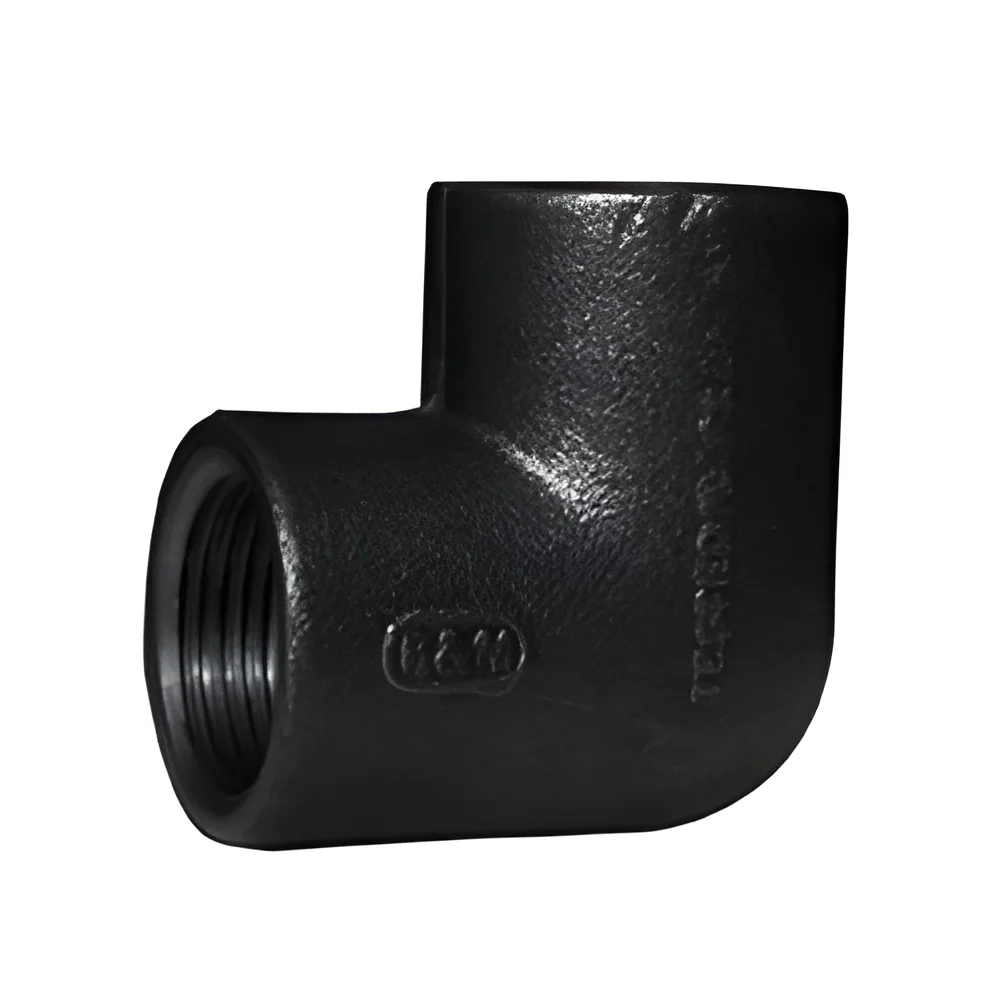
What are PVC & Metal Fittings?
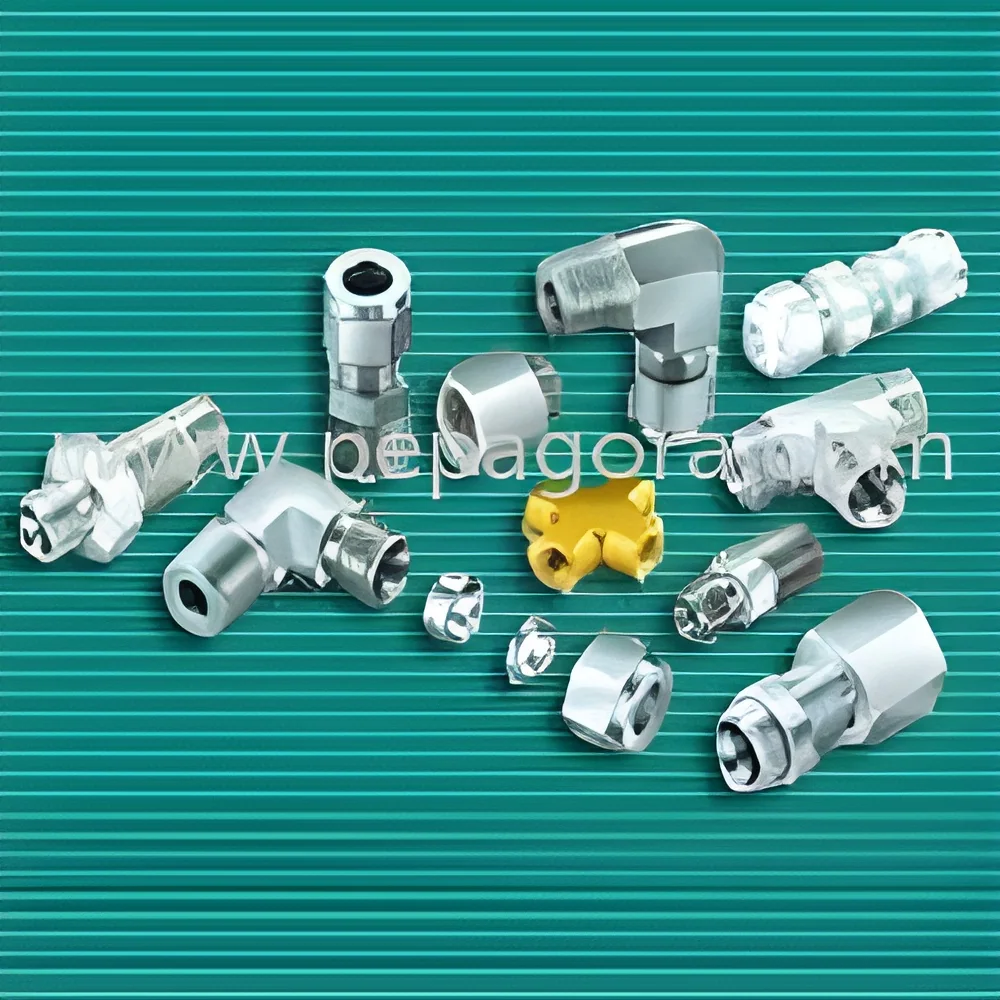
PVC and metal fittings are essential components in various industrial piping systems. PVC, or polyvinyl chloride, is a durable plastic material known for its resistance to corrosion, chemicals, and weathering. Metal fittings, often made from materials like stainless steel or brass, provide strength and reliability in high-pressure applications. Together, these fittings enable seamless connections between pipes, facilitating efficient fluid transfer in numerous systems.
These fittings are widely used across different sectors, including construction, plumbing, and manufacturing. They are critical in applications such as water distribution, drainage systems, and gas lines. The versatility of PVC and metal fittings makes them integral to both residential and commercial projects, ensuring longevity and performance under various conditions. As industries strive for efficiency and sustainability, the demand for reliable fittings continues to grow, underscoring their importance in the market.
Key Features and Specifications
PVC and metal fittings offer a range of features that enhance their usability in various applications. They are designed to withstand different environmental conditions, making them suitable for both indoor and outdoor use. Key features include:
1. Durability
- Resistant to corrosion and chemicals
- Long lifespan with minimal maintenance
2. Versatility
- Suitable for various applications, including plumbing and industrial use
- Can be combined with different materials
3. Easy Installation
- Lightweight design for simple handling
- Compatibility with standard pipe sizes
4. Pressure Ratings
- Available in different pressure ratings to suit various systems
- Ensures safety and reliability under operational conditions
5. Temperature Resistance
- Can withstand a range of temperatures, though specific ranges are not detailed
- Important for applications in varying environmental conditions
6. Compliance
- Meets various industry standards, including CE certification
- Ensures safety and reliability in usage
7. Cost-Effectiveness
- Affordable options available for different budgets
- Reduces overall system costs with durable materials
In summary, PVC and metal fittings are characterized by their durability, versatility, and ease of installation, making them a reliable choice for many industrial applications.
Common Applications and Use Cases
PVC and metal fittings serve numerous industries, each with specific applications that enhance operational efficiency.
1. Construction: Used for plumbing systems, drainage, and HVAC systems, ensuring effective fluid transport.
2. Manufacturing: Essential in piping systems for chemical handling and processing, providing safety and reliability.
3. Agriculture: Employed in irrigation systems and water supply lines, enabling efficient resource management.
4. Oil and Gas: Integral for transporting various fluids, including crude and refined products, under high pressure.
5. HVAC: Used in heating, ventilation, and air conditioning systems to connect ducts and piping.
6. Food and Beverage: Metal fittings are critical for food processing equipment, ensuring compliance with health standards.
7. Waste Management: PVC fittings are commonly found in sewer systems, facilitating waste disposal while preventing leaks.
Product Variants and Subcategories
The diversity in PVC and metal fittings allows businesses to find the right solutions for their specific needs.
PVC Fittings
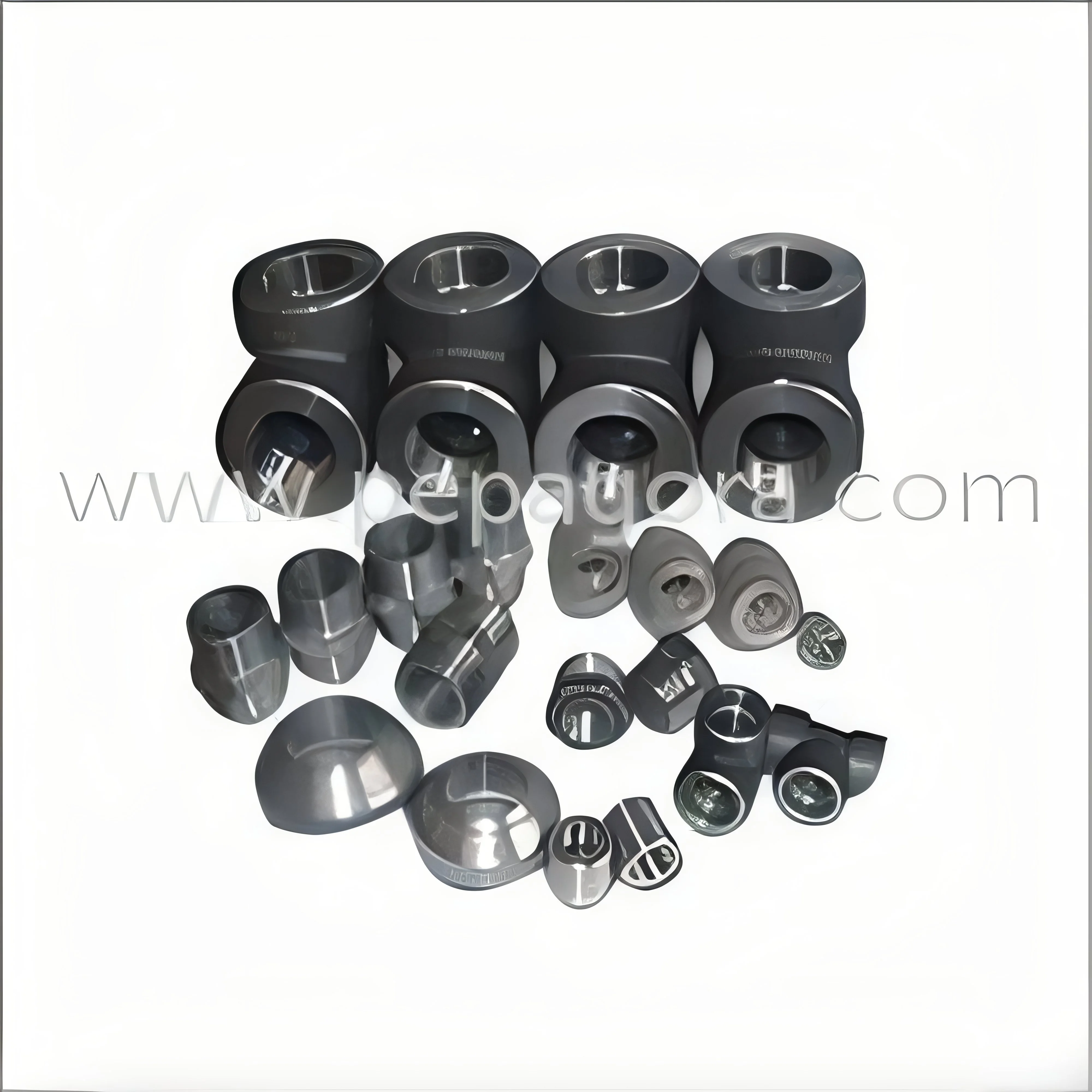
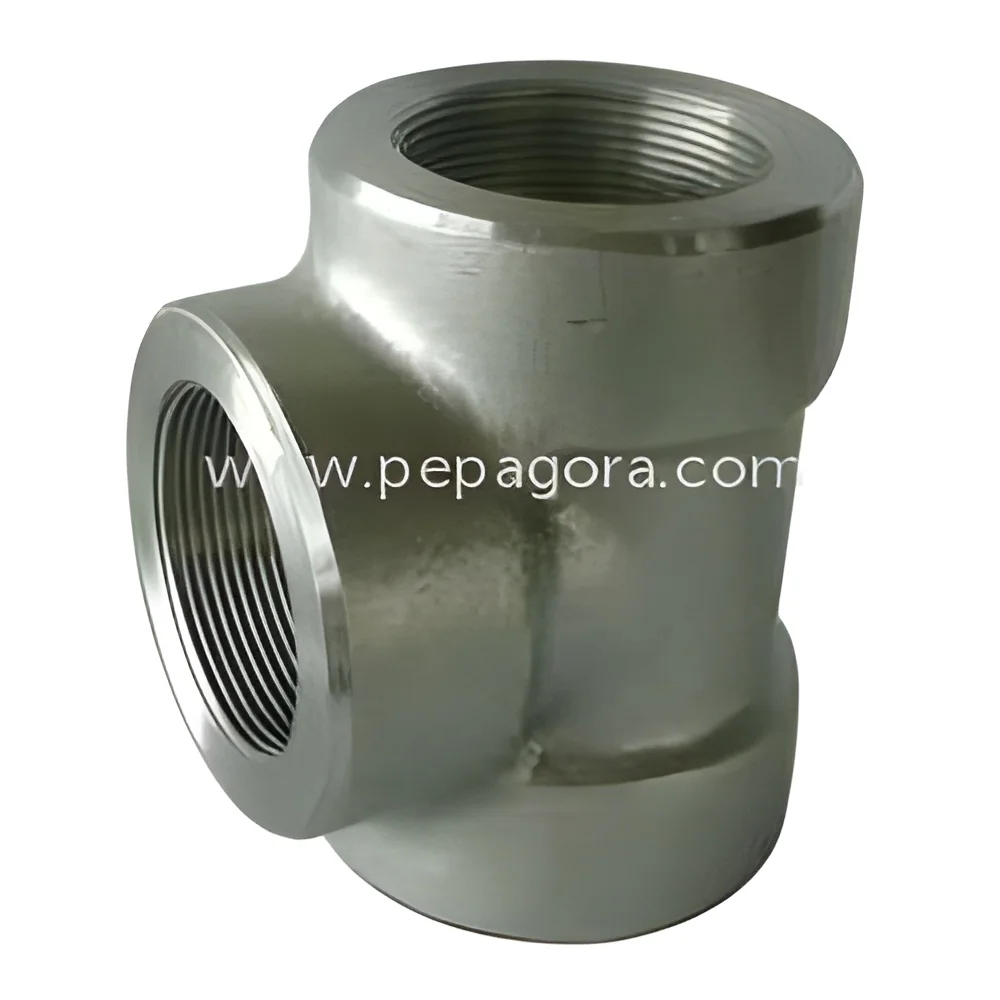
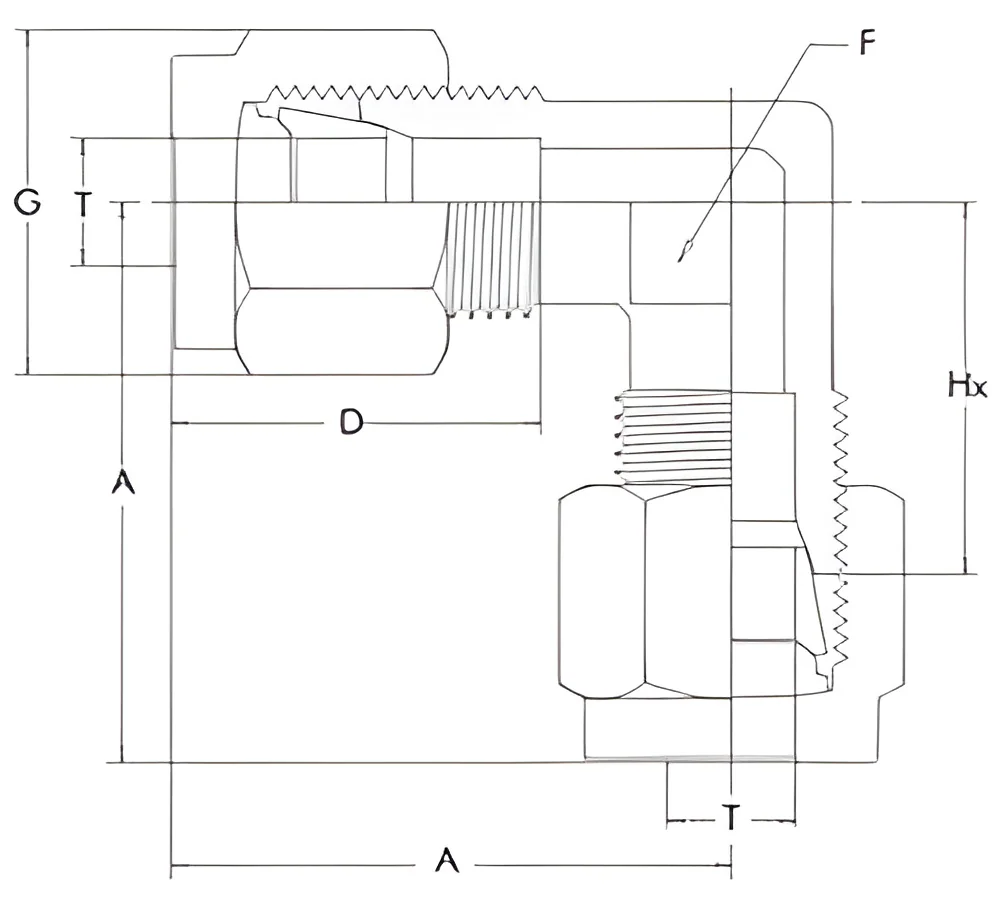
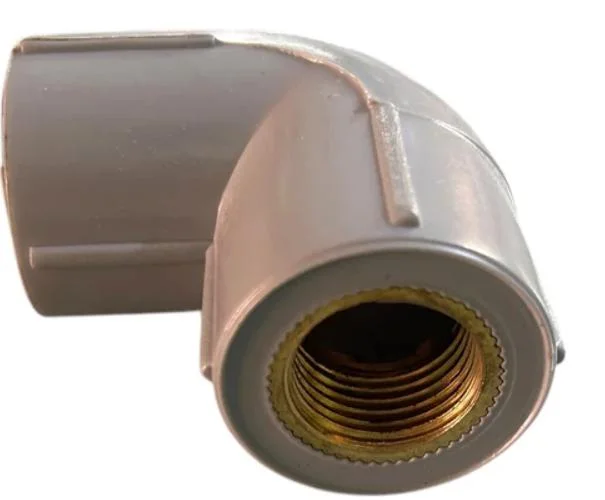
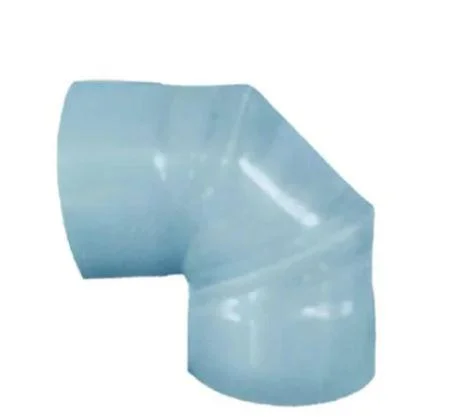
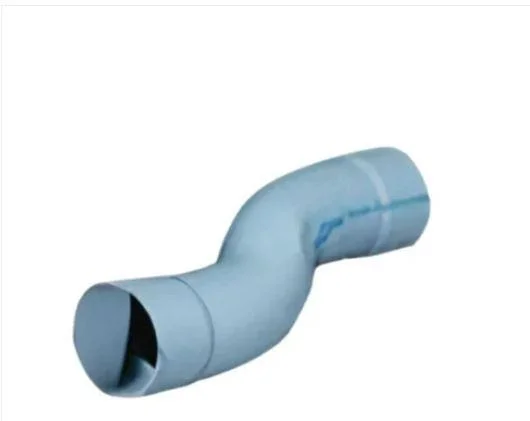
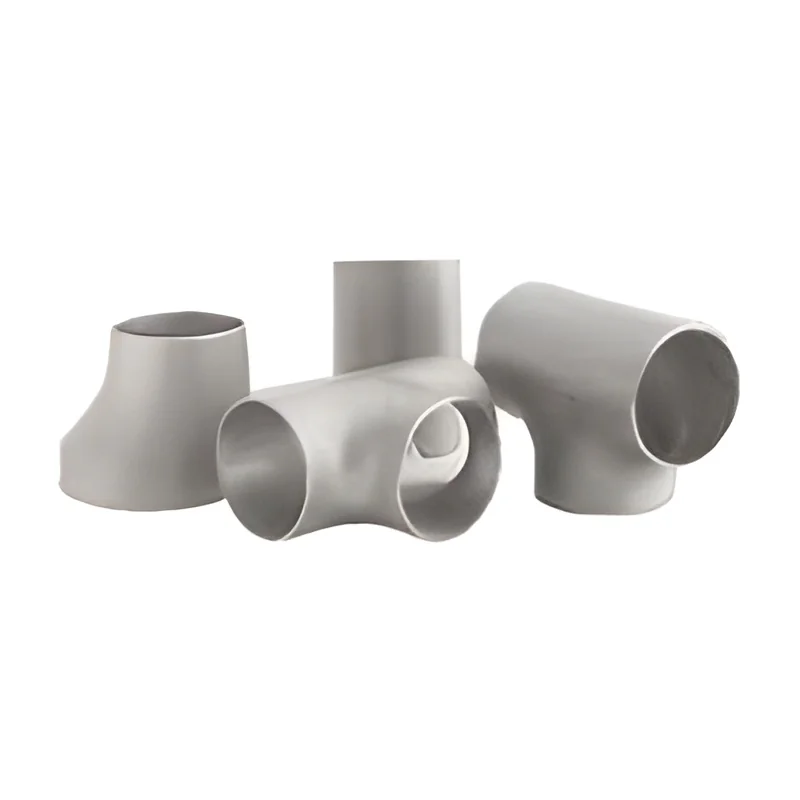
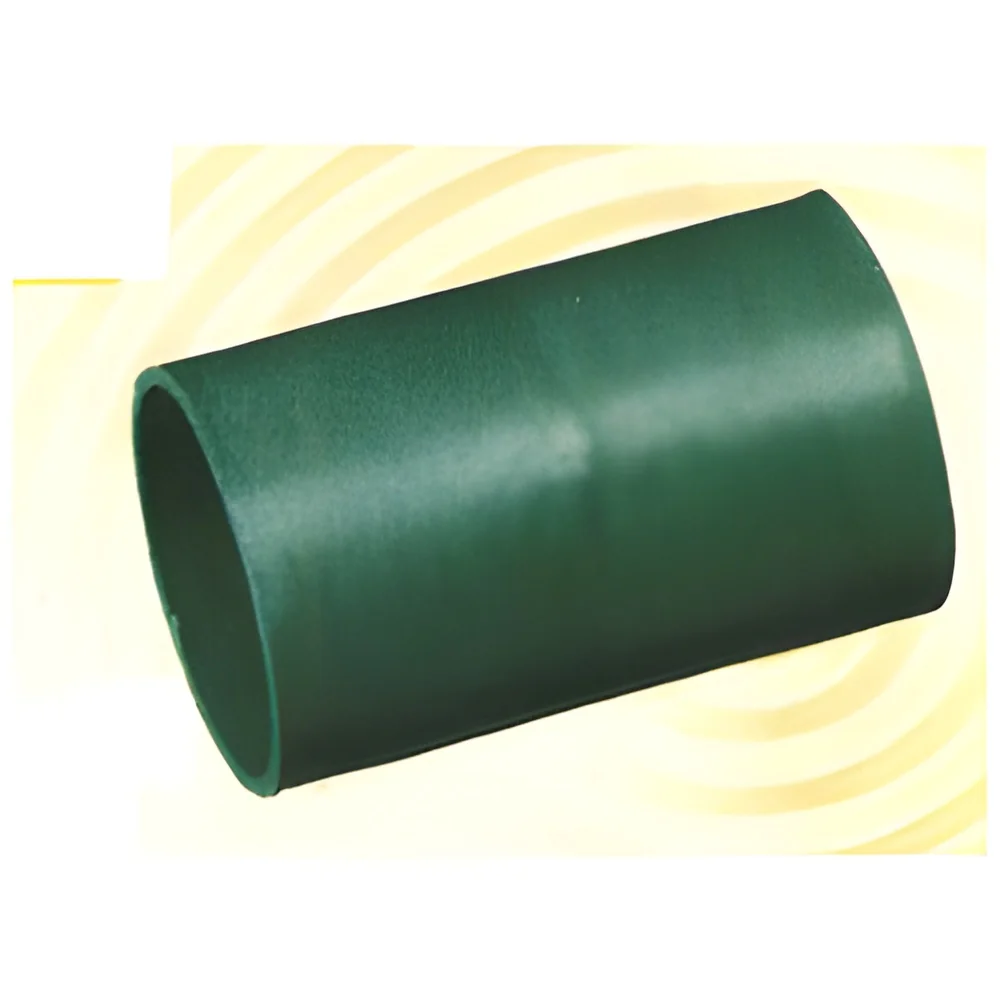
These fittings are lightweight and resistant to corrosion, making them ideal for plumbing and drainage applications. They come in various shapes and sizes, including elbows, tees, and couplings.
Metal Fittings
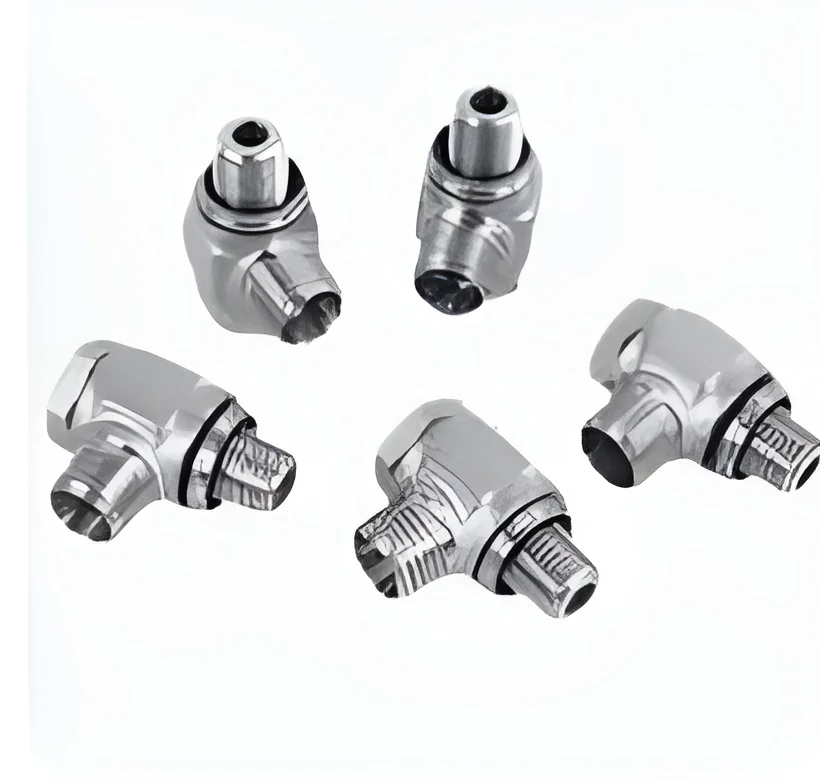
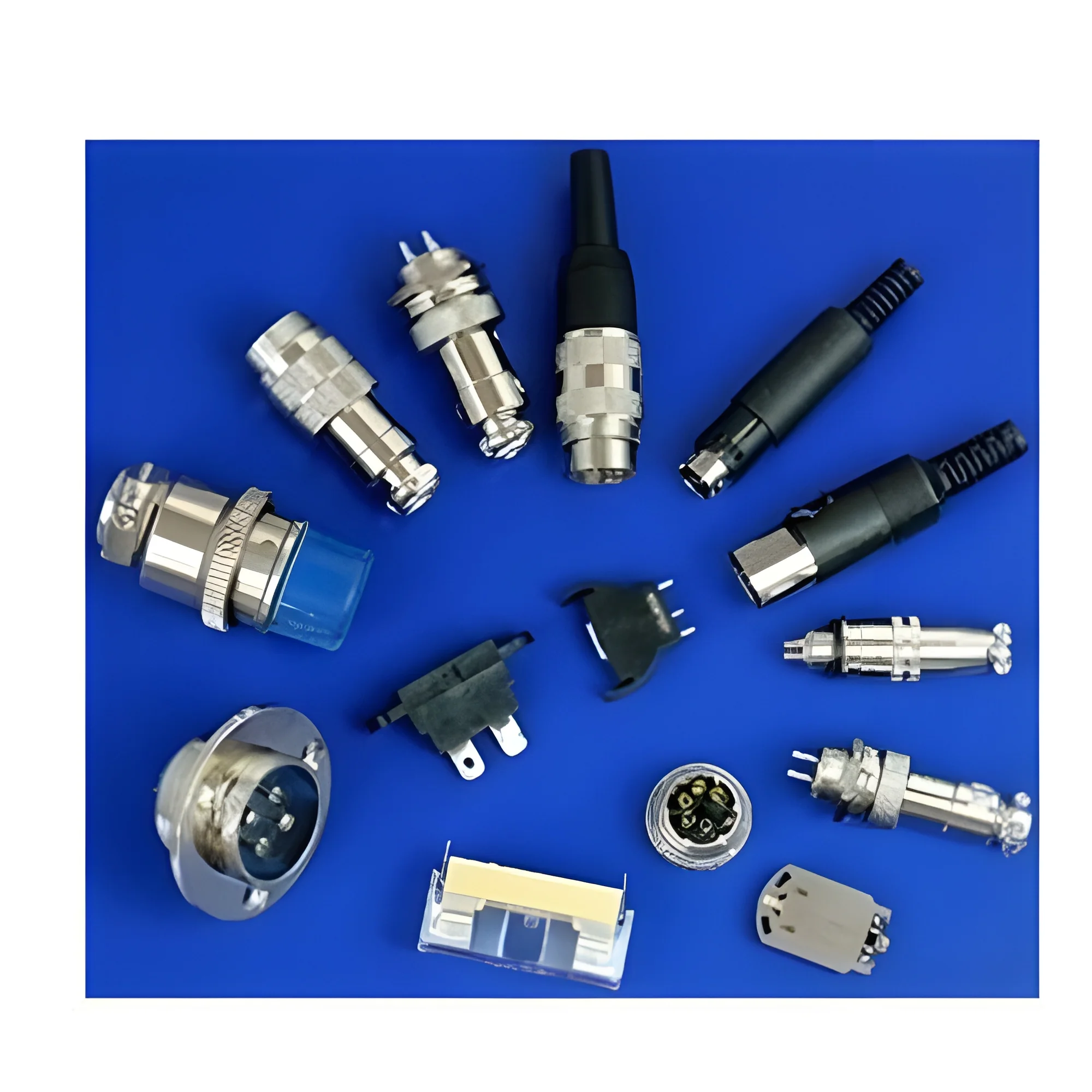
Typically made from stainless steel or brass, metal fittings offer high strength and durability. They are suitable for high-pressure applications and are often used in industrial settings.
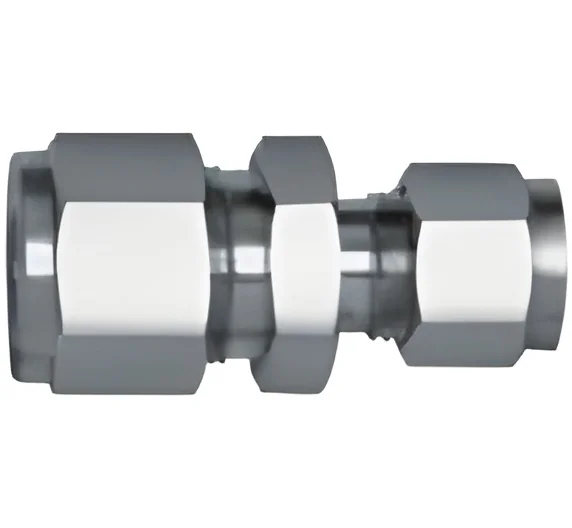
Compression Fittings
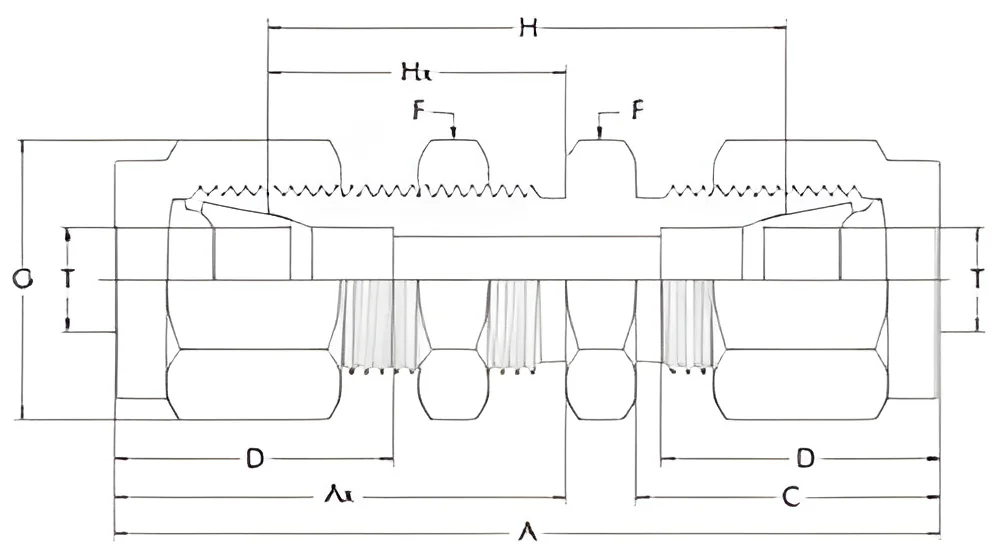
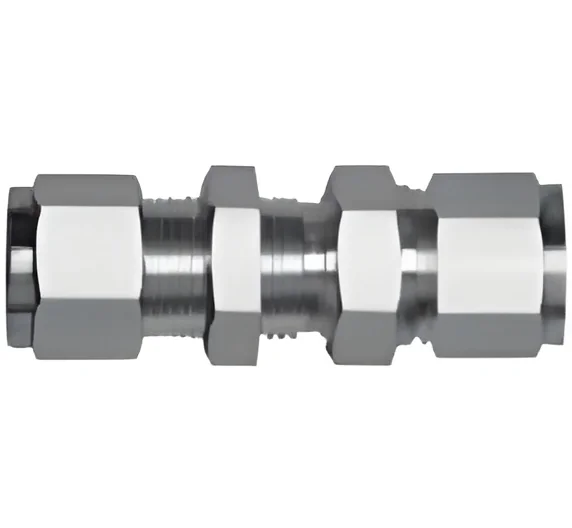
These fittings provide a secure connection without the need for welding or soldering. They are commonly used in plumbing and gas applications.
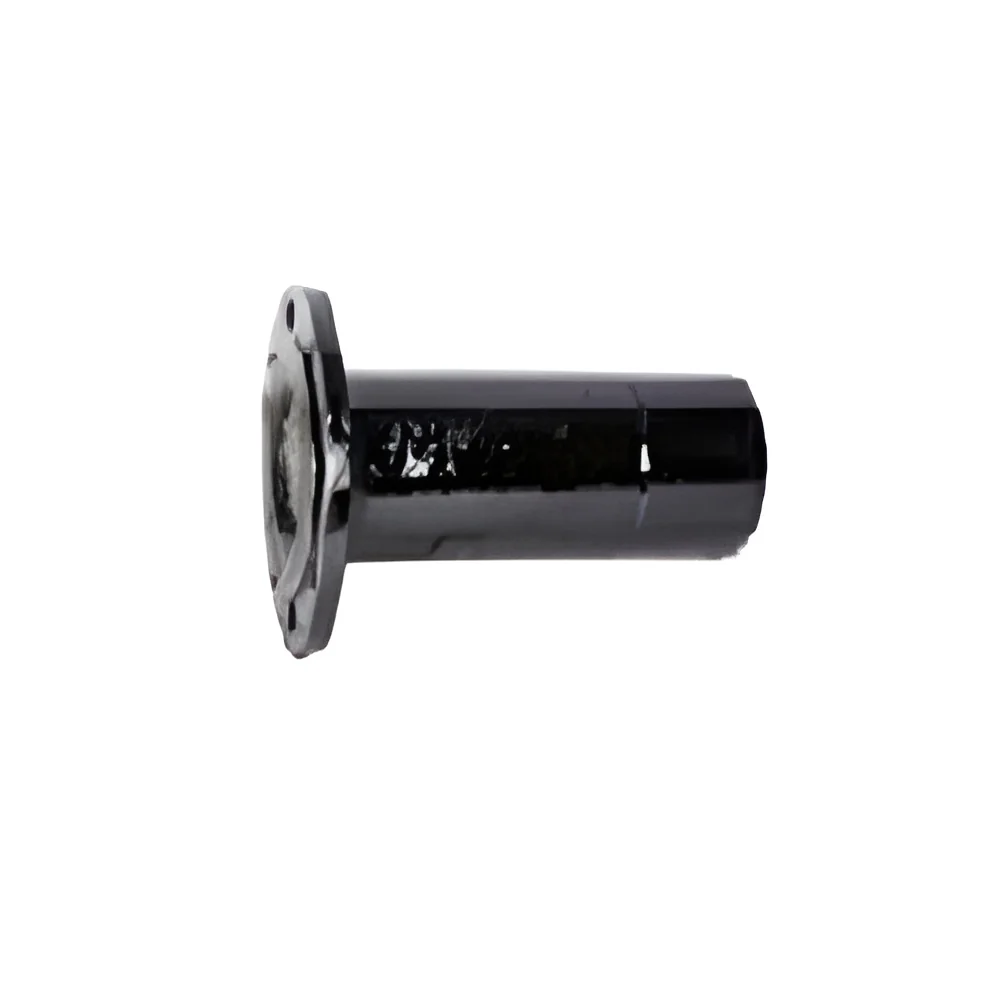
Flanged Fittings
Flanged fittings are designed for easy connection to other piping systems. They are often used in large industrial systems where ease of maintenance is critical.
Benefits and Advantages
The use of PVC and metal fittings brings several key advantages to industrial applications.
1. Longevity: Both materials are designed to withstand harsh conditions, ensuring a long service life.
2. Cost Efficiency: Their durability reduces the need for frequent replacements, resulting in lower overall costs.
3. Versatility: These fittings can be used in various applications, making them suitable for diverse industries.
4. Easy Maintenance: Their corrosion resistance and robust design minimize maintenance needs, saving time and resources.
5. Safety: Compliance with industry standards ensures that these fittings are safe for use in critical systems.
6. Lightweight: PVC fittings are particularly lightweight, making them easy to handle and install, reducing labor costs.
Buying Guide for B2B Buyers
When sourcing PVC and metal fittings, B2B buyers should consider several critical factors to ensure they make informed decisions.
1. Quality Assessment: Evaluate the quality of materials and production processes. Look for fittings that comply with industry standards to ensure reliability.
2. Supplier Verification: Conduct thorough checks on suppliers to confirm their credibility and reliability. Look for certifications and customer reviews.
3. Pricing and MOQ: Compare prices from different suppliers, and be aware of minimum order quantities, which can affect overall costs.
4. Delivery and Lead Times: Ensure that suppliers can meet your delivery requirements. Timely delivery is essential for maintaining project schedules.
5. Compliance Requirements: Understand any regulatory requirements that apply to your industry. Ensure that the fittings meet these standards for safety and performance.
Compliance and Certifications
Compliance with industry standards is crucial for the safety and reliability of PVC and metal fittings. Key quality standards include ISO 9001, which ensures that manufacturers maintain consistent quality management systems. Additionally, HACCP and GDP standards may apply in specific industries, particularly in food and beverage sectors.
Certification such as CE signifies that the products meet essential health, safety, and environmental protection requirements. This certification is important for ensuring that the fittings are safe for use in critical applications.
Safety and testing requirements must also be adhered to, particularly for fittings used in high-pressure or hazardous environments. Regular testing and inspection ensure that products remain compliant throughout their service life.
Regional compliance considerations may vary, requiring buyers to be aware of specific regulations applicable in their operating regions to avoid legal issues.
Why Source PVC & Metal Fittings from Pepagora?
Pepagora offers a trusted platform for sourcing PVC and metal fittings, providing numerous advantages for B2B buyers.
Verified Supplier Network: Pepagora ensures that all suppliers in its network undergo thorough verification processes. This gives buyers peace of mind knowing that they are dealing with reputable manufacturers.
Streamlined RFQ Process: The request for quotation process is designed to be user-friendly, allowing buyers to easily obtain competitive quotes from multiple suppliers. This efficiency helps in making informed purchasing decisions.
Trade Assurance and Support: Pepagora provides trade assurance, protecting buyers against potential issues such as non-delivery or substandard products. Comprehensive support is available to assist buyers throughout their sourcing journey.
Regional Coverage: With a strong presence in India, the GCC, and Southeast Asia, Pepagora connects buyers with suppliers across these regions, facilitating access to high-quality fittings tailored to local market needs.

 IN
IN