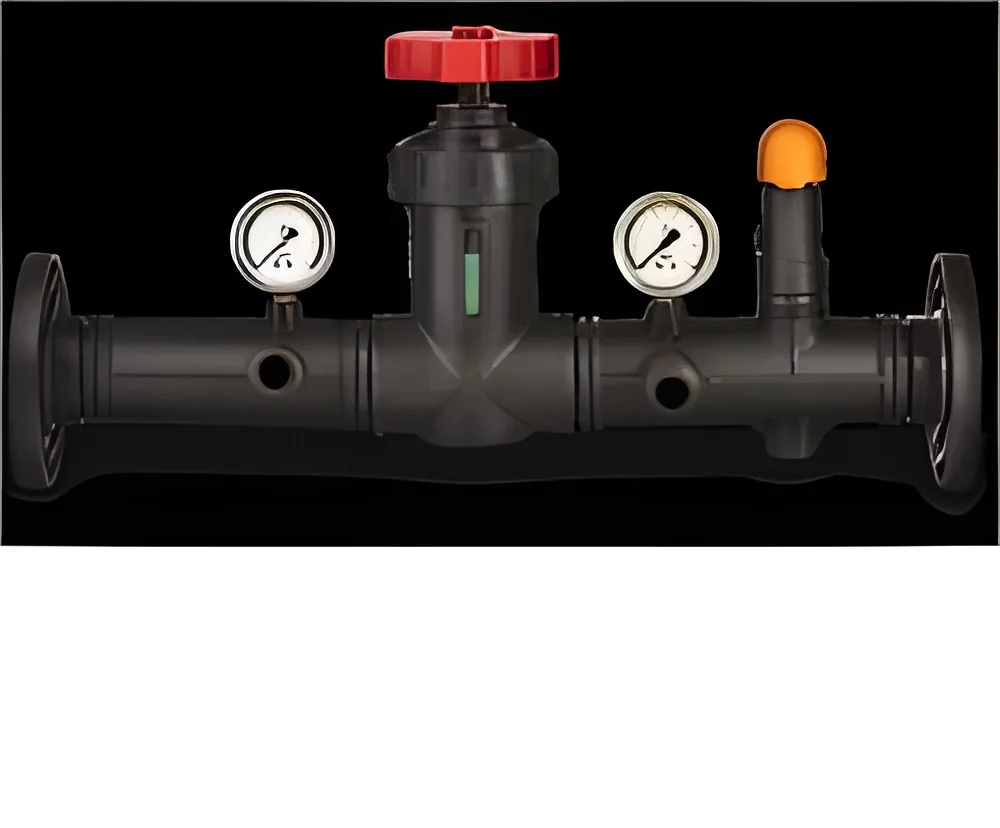
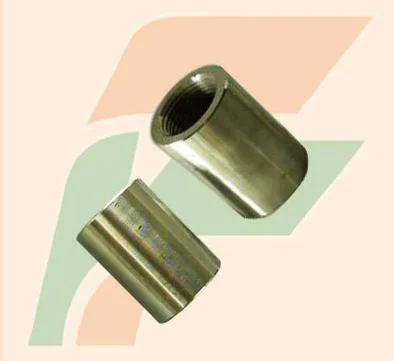
What are Industrial Assembly Fittings?
Industrial Assembly Fittings are crucial components used in various manufacturing and construction processes. These fittings facilitate the joining and securing of different parts within an assembly, ensuring structural integrity and operational efficiency. They come in various shapes and sizes, designed to accommodate specific applications across multiple industries.
These fittings are utilized in a wide range of business applications, such as machinery assembly, piping systems, and structural frameworks. They play a vital role in industries like automotive, aerospace, and construction, where precision and reliability are paramount. The increasing demand for efficient assembly processes in manufacturing is driving the growth of the industrial assembly fittings market.
In the current market context, Industrial Assembly Fittings are essential for maintaining competitive advantage. With the rise of automation and advanced manufacturing techniques, the need for high-quality, durable fittings is more critical than ever. Companies are increasingly focused on sourcing reliable fittings to optimize their production workflows and ensure compliance with industry standards.
Key Features and Specifications
Industrial Assembly Fittings offer several key features that enhance their functionality and application. Understanding these specifications is vital for making informed purchasing decisions.
Key specifications include:
1. Material Composition
- Common materials include steel, aluminum, and plastic.
- Each material offers unique properties such as strength, weight, and corrosion resistance.
2. Size and Dimensions
- Fittings are available in various sizes to accommodate different assembly requirements.
- Standard dimensions are often specified to ensure compatibility with existing systems.
3. Load Capacity
- Load capacity indicates the maximum weight the fitting can support.
- This is critical for applications requiring high strength and durability.
4. Connection Type
- Different connection types include threaded, welded, and snap-fit.
- The choice of connection type affects ease of assembly and disassembly.
5. Corrosion Resistance
- Many fittings are treated or coated to withstand harsh environments.
- This feature is essential for applications in corrosive settings.
6. Temperature Resistance
- Some fittings are designed to operate under high or low-temperature conditions.
- This specification is important in industries like aerospace and automotive.
7. Compliance Standards
- Fittings may adhere to specific industry standards for safety and reliability.
- Compliance ensures that products meet regulatory requirements.
8. Finish and Coating
- The finish of the fittings can affect their performance and aesthetic appeal.
- Options include galvanized, anodized, or powder-coated finishes.
In summary, understanding the key features and specifications of Industrial Assembly Fittings is crucial for selecting the right components for your applications.
Common Applications and Use Cases
Industrial Assembly Fittings have a diverse range of applications across multiple sectors. They are integral in ensuring the reliability and efficiency of various systems.
1. Automotive Industry: Fittings are used in vehicle assembly lines to join parts like frames, engines, and body panels, ensuring structural integrity and safety.
2. Aerospace Sector: These fittings are critical in assembling aircraft components, where precision and strength are essential for performance and safety.
3. Construction: Fittings are utilized in structural frameworks to connect beams and columns, providing stability and support in buildings and infrastructure.
4. Manufacturing: In production facilities, assembly fittings are key components in the assembly of machinery and equipment, streamlining operations.
5. Marine Applications: Fittings are used in shipbuilding and repair to connect various systems and ensure durability in challenging marine environments.
6. HVAC Systems: They play a vital role in assembling heating, ventilation, and air conditioning systems, ensuring efficient airflow and temperature control.
7. Oil and Gas: Fittings are used in pipelines and drilling equipment, providing secure connections that withstand high pressure and harsh conditions.
Product Variants and Subcategories
Industrial Assembly Fittings come in various variants to cater to different needs and applications. Understanding these variants helps buyers select the most suitable product.
Standard Fittings
These are the most commonly used fittings, suitable for a wide range of applications. They offer a balance of strength and versatility, making them ideal for general use in manufacturing and construction.
Specialized Fittings
Designed for specific applications, these fittings may have unique shapes or features to meet particular requirements. They are often used in industries such as aerospace and automotive, where precision is critical.
Heavy-Duty Fittings
These fittings are engineered to support significant loads and withstand harsh environments. They are commonly found in construction and heavy machinery applications, where durability is essential.
Benefits and Advantages
Choosing the right Industrial Assembly Fittings offers numerous benefits that can enhance operational efficiency and reliability.
Key benefits include:
1. Enhanced Structural Integrity: Quality fittings ensure strong connections, increasing the overall safety and performance of assemblies.
2. Improved Assembly Efficiency: Specialized designs facilitate quicker assembly and disassembly, reducing downtime in production processes.
3. Versatility: A wide range of fittings can be used across various applications, making them suitable for multiple industries.
4. Cost-Effectiveness: Investing in durable fittings reduces the need for frequent replacements, saving costs in the long run.
5. Compliance Assurance: Sourcing fittings that meet industry standards ensures regulatory compliance and reduces liability risks.
6. Customization Options: Many suppliers offer customization, allowing buyers to get fittings tailored to their specific needs.
Buying Guide for B2B Buyers
When sourcing Industrial Assembly Fittings, it is important to consider several key factors to ensure a successful purchase.
1. Quality Assessment: Evaluate the quality of fittings by checking materials, manufacturing processes, and certifications. Quality fittings will last longer and perform better in demanding applications.
2. Supplier Verification: Vet suppliers to ensure they have a proven track record in delivering high-quality products. Look for customer reviews and industry reputation.
3. Pricing and MOQ: Assess pricing structures and minimum order quantities. Understanding these factors can help in budgeting and planning purchases effectively.
4. Delivery and Lead Times: Consider the logistics involved in order fulfillment. Ensure the supplier can meet your delivery requirements to avoid production delays.
5. Compliance Requirements: Familiarize yourself with any regulatory standards applicable to the fittings. Ensuring compliance can prevent legal issues and project setbacks.
Compliance and Certifications
Compliance with relevant standards and certifications is crucial for Industrial Assembly Fittings. These fittings often need to adhere to quality standards such as ISO 9001, which ensures consistent quality management systems.
Industry certifications like CE indicate that the fittings meet European safety and performance standards. Such certifications are essential for ensuring the reliability and safety of products used in critical applications.
Safety and testing requirements should be met to ensure that the fittings can withstand expected loads and working conditions. Additionally, regional compliance considerations may also apply, depending on the market in which the fittings are sold and used.
Why Source Industrial Assembly Fittings from Pepagora?
Pepagora provides a trusted platform for sourcing Industrial Assembly Fittings, offering several key advantages to B2B buyers.
Verified Supplier Network: Pepagora collaborates with a network of verified suppliers, ensuring that buyers have access to high-quality products from reputable manufacturers. This network reduces the risk of sourcing low-quality fittings.
Streamlined RFQ Process: The request for quotation process on Pepagora is designed to be user-friendly, allowing buyers to easily obtain competitive quotes from multiple suppliers. This efficiency helps in making informed purchasing decisions.
Trade Assurance and Support: Pepagora offers trade assurance and support, providing buyers with protection throughout the sourcing process. This assurance builds confidence in transactions, encouraging long-term partnerships.
Regional Coverage: With a strong presence in India, the GCC, and Southeast Asia, Pepagora connects buyers with suppliers across these regions. This geographic reach facilitates access to a diverse range of Industrial Assembly Fittings tailored to various market needs.

 IN
IN