What are Hanger Fittings?
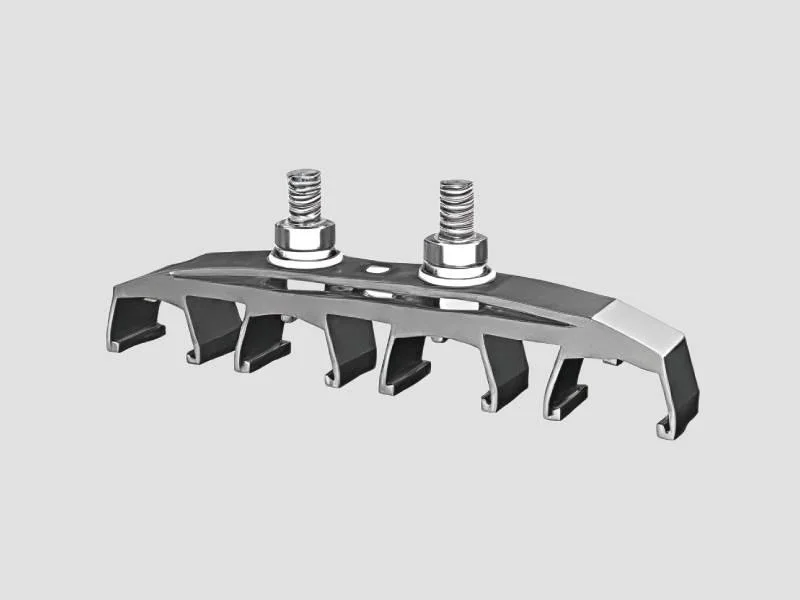
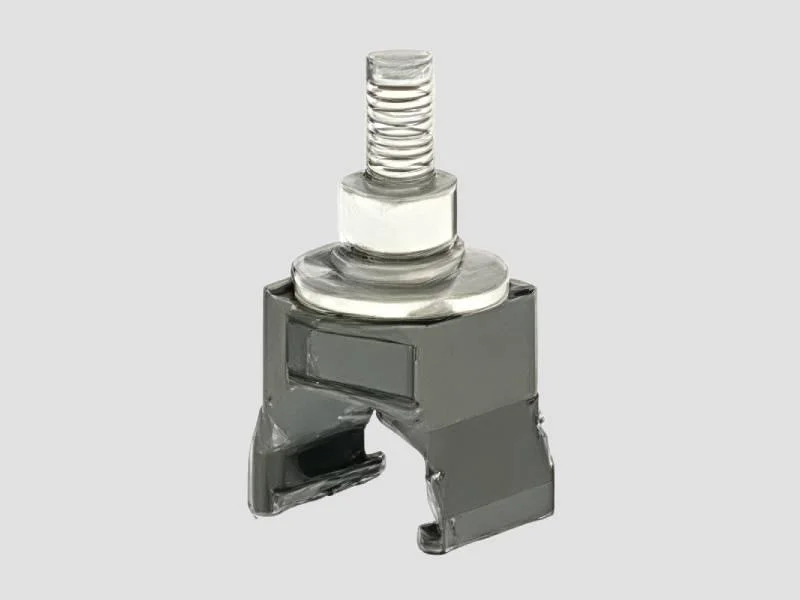
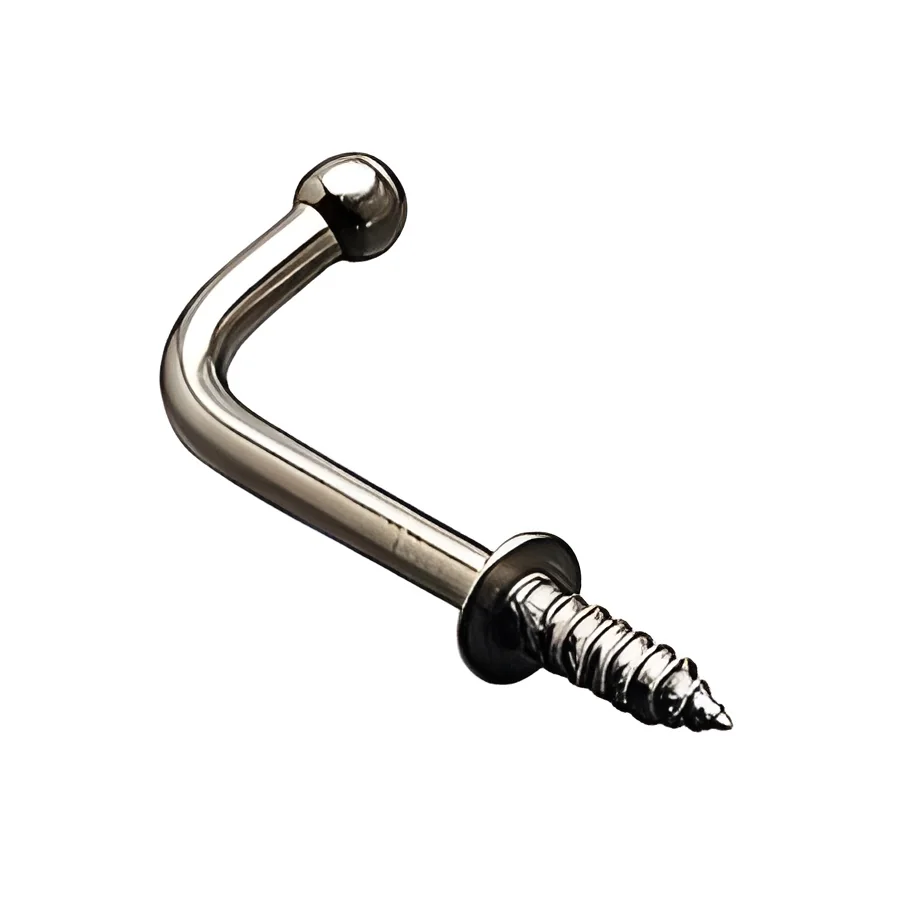
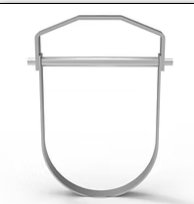
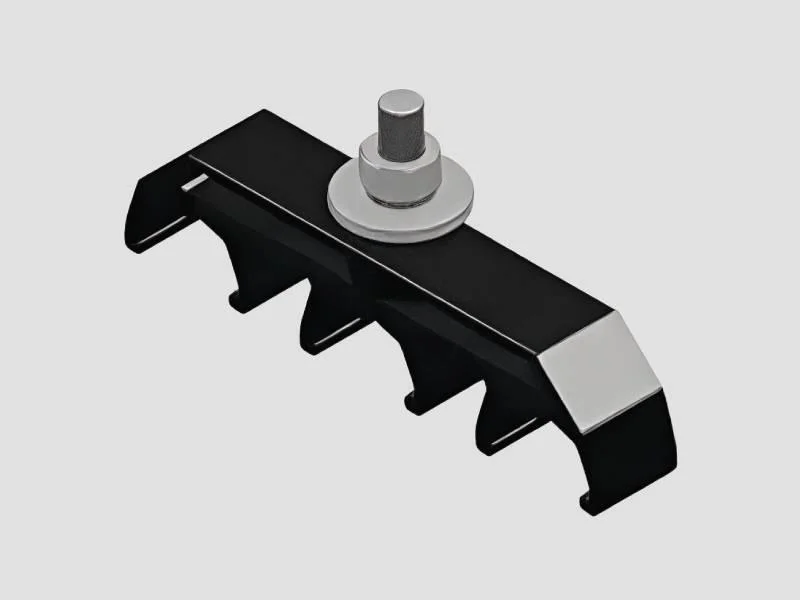
Hanger fittings are essential components used in construction and industrial applications to support and secure various types of piping, ductwork, and electrical conduit systems. These fittings are designed to provide stability and strength, ensuring that installations remain safe and effective over time. Hanger fittings come in various shapes and sizes, allowing for versatile applications across different settings.
The primary uses of hanger fittings include supporting HVAC systems, plumbing installations, and electrical conduits. They are critical in maintaining the integrity of infrastructure by preventing sagging or misalignment. Businesses across sectors such as construction, manufacturing, and facility management rely on hanger fittings to ensure their systems operate efficiently and safely. The growing demand for robust building solutions in construction projects underscores the relevance of hanger fittings in today’s market.
Key Features and Specifications
Hanger fittings are characterized by their durability, adaptability, and ease of installation. They are made from high-quality materials that withstand various environmental factors. Understanding their specifications is crucial for selecting the right product for specific applications.
Key specifications include:
1. Material Type
- Typically made from steel, stainless steel, or plastic.
- Variations in corrosion resistance and strength based on material choice.
2. Load Capacity
- Designed to support different weight ranges depending on the application.
- Common load capacities vary from light-duty to heavy-duty options.
3. Size and Dimensions
- Available in multiple sizes to accommodate various piping and duct sizes.
- Standard dimensions ensure compatibility with most installation requirements.
4. Finish Type
- Options include galvanized, epoxy-coated, or painted finishes.
- Finish types provide additional protection against corrosion and wear.
5. Installation Method
- Designed for easy installation with standard tools.
- Options for adjustable or fixed installations based on user needs.
6. Compliance Standards
- Must meet specific industry standards for safety and performance.
- Compliance with CE certification ensures reliability in European markets.
7. Temperature Tolerance
- Some fittings designed to withstand extreme temperatures.
- Specifications may vary based on application requirements.
8. Customization Options
- Availability of custom sizes and features based on specific project needs.
- Custom fittings can enhance performance in unique environments.
In summary, understanding the features and specifications of hanger fittings enables businesses to select the right products for their specific needs.
Common Applications and Use Cases
Hanger fittings find applications in a wide range of industries, making them versatile components in various settings.
1. Construction: Hanger fittings are used to support plumbing and HVAC systems in new builds. They ensure systems remain aligned and secure throughout the building’s life.
2. Manufacturing: In manufacturing facilities, hanger fittings support piping systems for transporting fluids and gases. Their strength is crucial for maintaining safety standards in industrial processes.
3. Oil and Gas: Hanger fittings are vital in the oil and gas industry for supporting heavy-duty pipeline systems. They ensure stability in challenging environments and withstand harsh conditions.
4. Telecommunications: These fittings are used to secure electrical conduits that carry communication lines, ensuring reliable service and protection against environmental factors.
5. Automotive: In automotive manufacturing, hanger fittings support various systems, including exhaust and fuel lines, ensuring safe and effective operation.
6. Food and Beverage: Hanger fittings are used in processing plants to support piping systems carrying fluids. Compliance with health standards is vital in this sector.
7. HVAC: Hanger fittings play a key role in HVAC systems, supporting ductwork and ensuring efficient airflow throughout buildings.
Product Variants and Subcategories
Hanger fittings come in several variants, each designed for specific applications and environments. This diversity allows businesses to select the most suitable option for their needs.
Straight Hanger Fittings
These are standard fittings designed to support pipes or ducts in a straight alignment. They are commonly used in residential and commercial building projects where straightforward support is required.
Adjustable Hanger Fittings
These fittings allow for height adjustments during installation. They are ideal for situations where precise alignment is necessary, such as in complex HVAC systems.
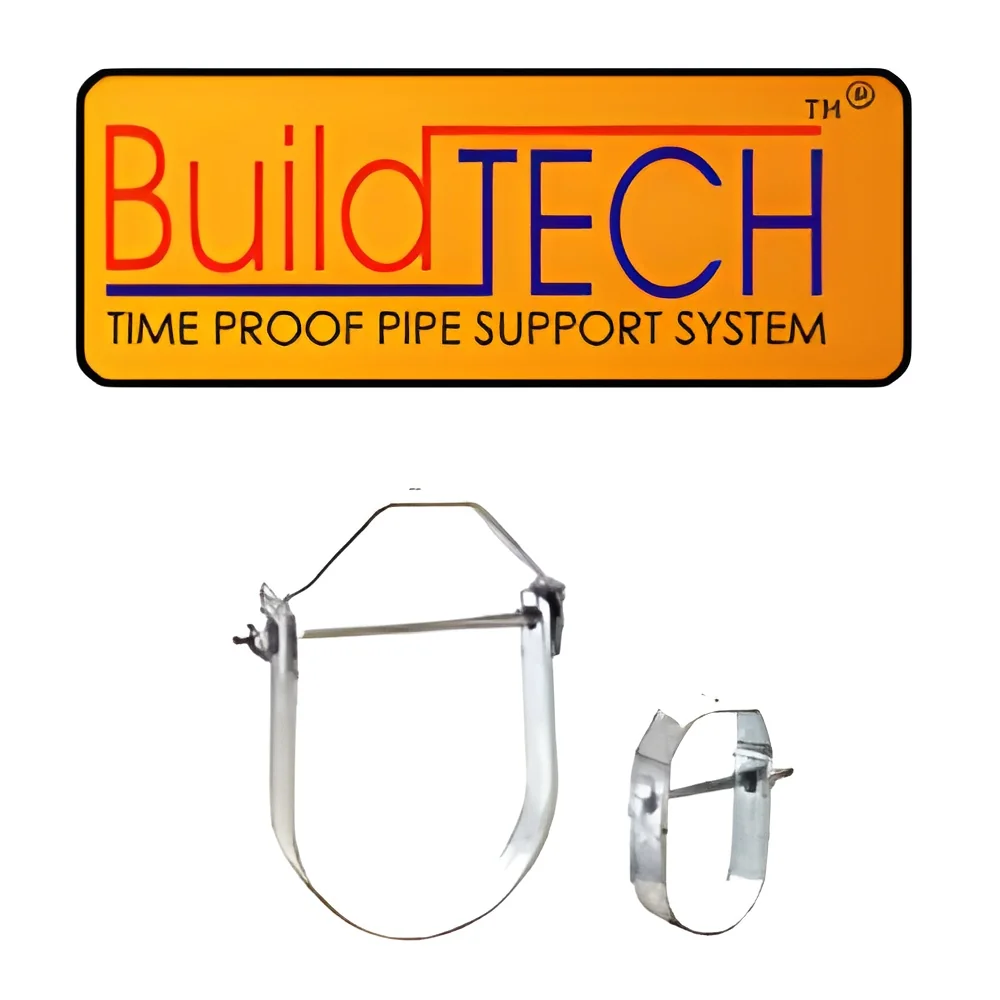
Pipe Clamp Hanger Fittings
These fittings are specifically designed to secure pipes tightly, preventing movement and vibration. They are widely used in both plumbing and industrial applications.
Multi-Purpose Hanger Fittings
These versatile fittings can accommodate various pipe sizes and types. Their adaptability makes them ideal for projects with changing requirements.
Benefits and Advantages
Choosing the right hanger fittings offers numerous benefits that can enhance operational efficiency and safety.
1. Enhanced Stability: Hanger fittings provide robust support, reducing the risk of misalignment or sagging in piping and duct systems.
2. Versatility: Available in various sizes and configurations, hanger fittings can be used across multiple industries and applications.
3. Easy Installation: Many hanger fittings are designed for straightforward installation, saving time and labor costs during setup.
4. Cost-Effective: By ensuring safe and reliable support for systems, hanger fittings can help prevent costly repairs and downtime.
5. Compliance Assurance: Selecting compliant hanger fittings ensures adherence to safety standards, protecting both workers and systems.
6. Customization Options: The availability of custom fittings allows businesses to meet specific project requirements effectively.
Buying Guide for B2B Buyers
When sourcing hanger fittings, several factors should be considered to ensure optimal selection and procurement.
1. Quality Assessment: Examine the materials and construction of the fittings. High-quality materials enhance durability and performance, which are essential for long-term applications.
2. Supplier Verification: Research suppliers to ensure they have a proven track record in the industry. Verify their certifications and customer reviews to gauge reliability.
3. Pricing and MOQ: Understand the pricing structures and minimum order quantities set by suppliers. This helps in budgeting and ensures the supplier can meet your project's demands.
4. Delivery and Lead Times: Confirm the delivery schedules and lead times to ensure your project timelines are met. Reliable delivery is crucial for maintaining project flow.
5. Compliance Requirements: Ensure that the hanger fittings meet all necessary regulatory and industry compliance standards. This is especially important in sectors with strict safety protocols.
Compliance and Certifications
Hanger fittings must adhere to various quality and safety standards to ensure their reliability in industrial applications. Relevant standards include ISO 9001, which outlines quality management systems, and CE certification, which indicates conformity with European health, safety, and environmental protection standards.
Industry certifications play a crucial role in guaranteeing that hanger fittings meet necessary performance and safety benchmarks. Compliance with these standards ensures that products are tested for durability and reliability under various conditions.
Additionally, safety and testing requirements are critical for ensuring that hanger fittings perform as expected in real-world applications. These requirements may include assessments of load capacity, resistance to corrosion, and overall structural integrity. Regional compliance considerations may also come into play, especially when sourcing products for different markets.
Why Source Hanger Fittings from Pepagora?
Pepagora offers a trusted platform for sourcing hanger fittings, providing multiple advantages to B2B buyers.
Verified Supplier Network: Pepagora ensures that all suppliers are thoroughly vetted for reliability and compliance. This verification process helps buyers make informed decisions and reduces the risk of sourcing subpar products.
Streamlined RFQ Process: The platform features an efficient Request for Quotation (RFQ) system, allowing buyers to easily compare prices and specifications from various suppliers. This simplifies the procurement process and saves time.
Trade Assurance and Support: Pepagora provides trade assurance, offering buyers protection throughout the purchasing process. This support ensures that buyers receive quality products that meet their specifications.
Regional Coverage: With a strong presence in India, the GCC, and Southeast Asia, Pepagora facilitates connections between buyers and suppliers across diverse markets. This regional reach enhances sourcing options and opportunities for businesses.

 IN
IN