What are Cable Trays & Channel Support Systems?
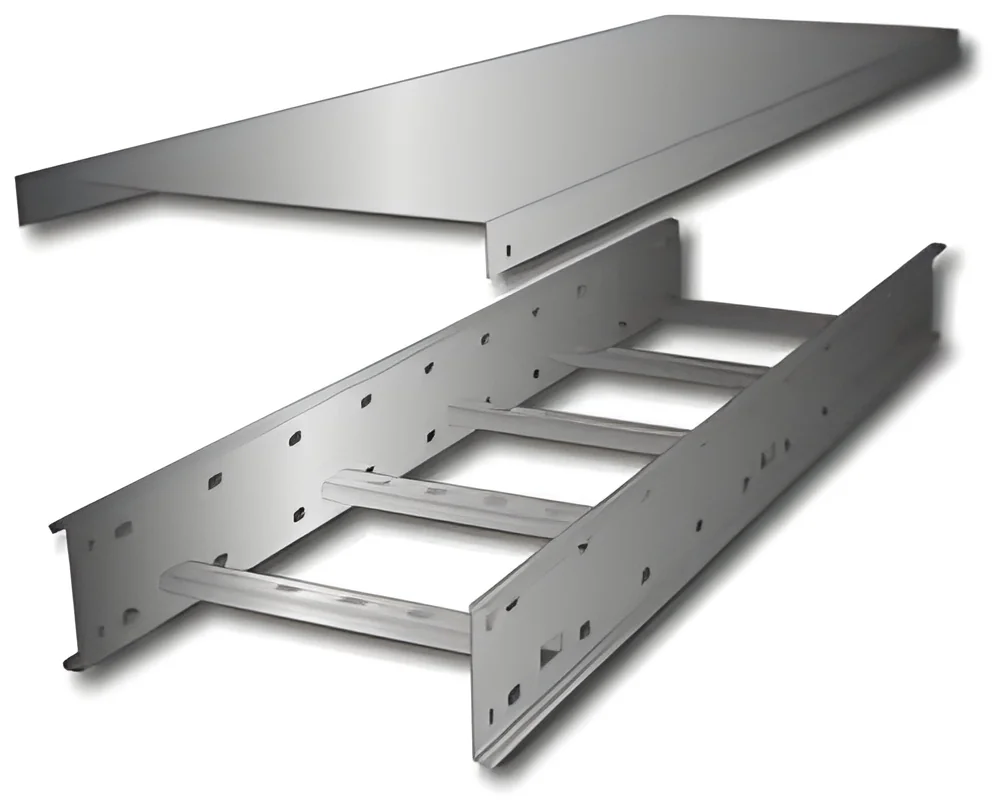
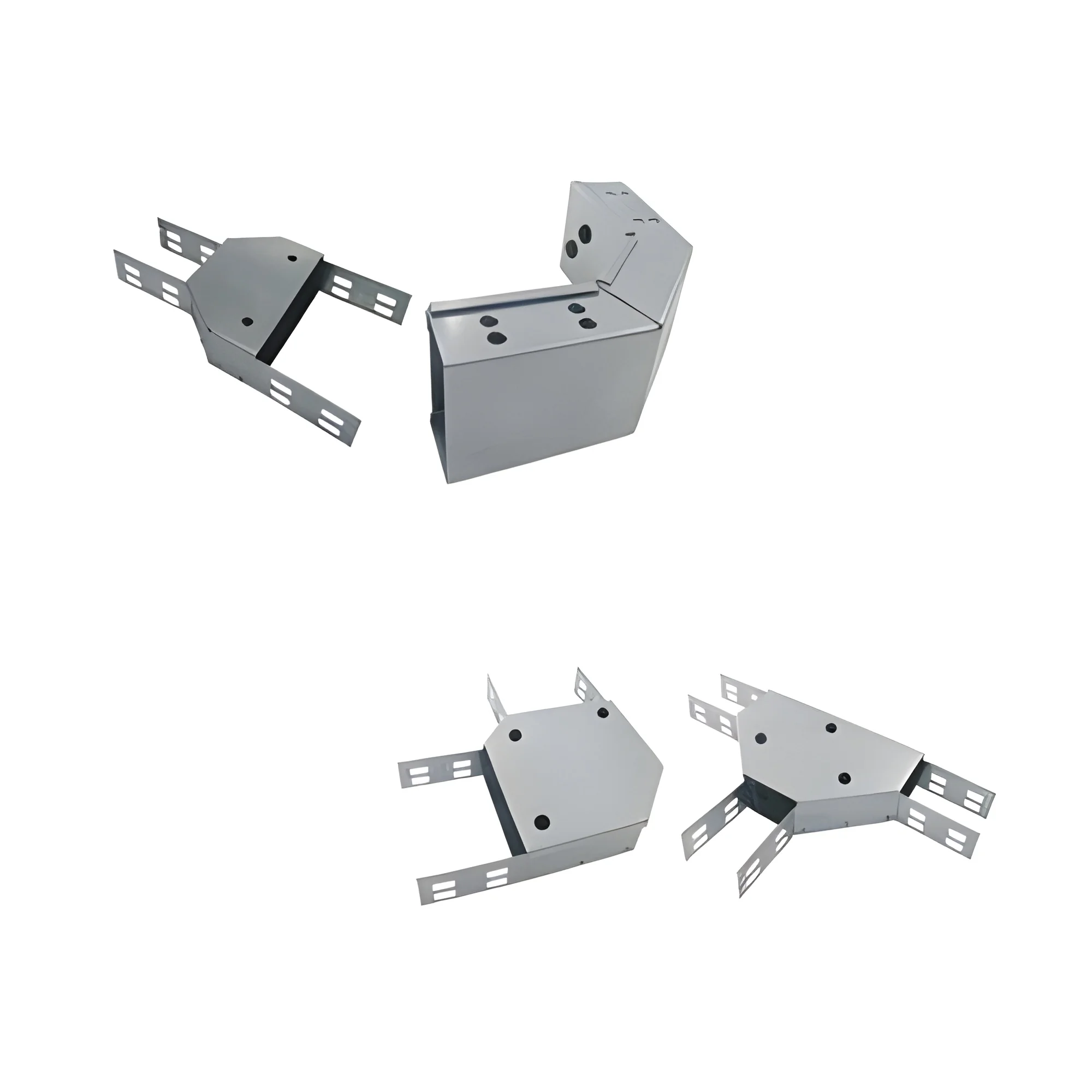
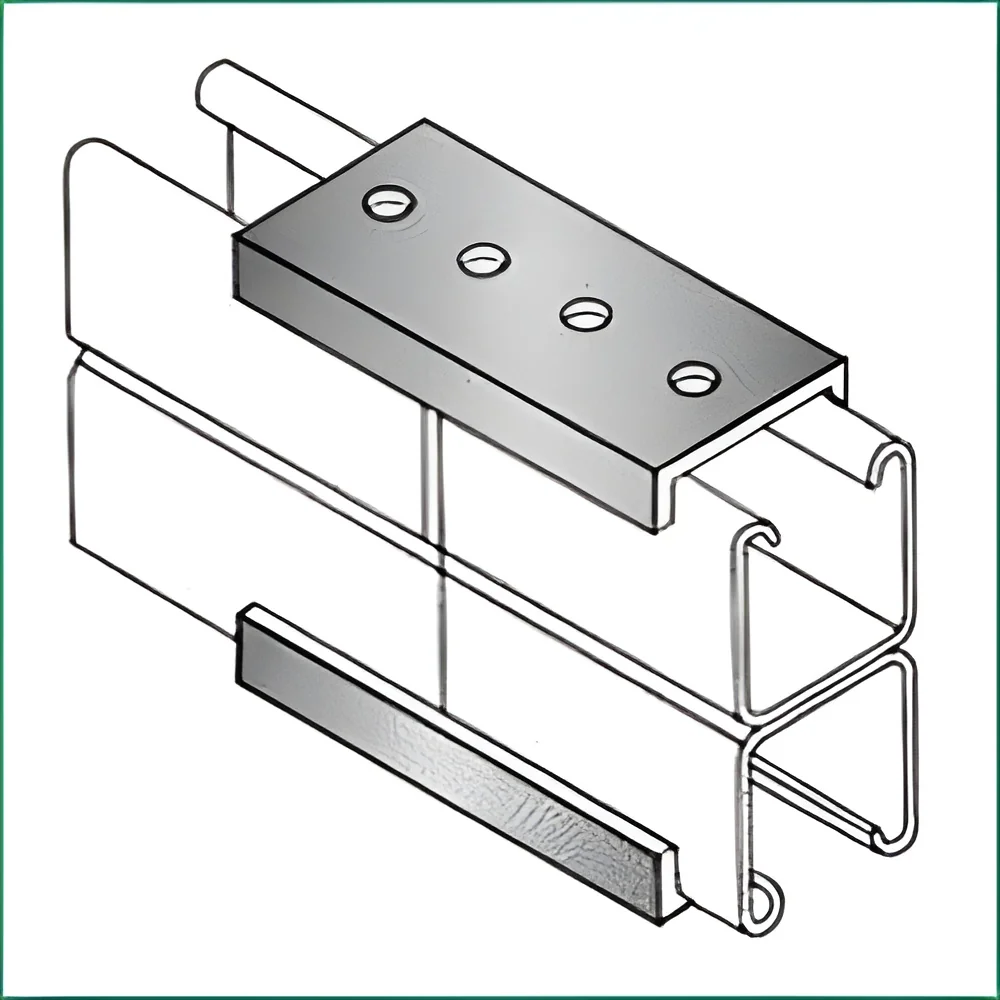
Cable trays and channel support systems are essential components in managing and organizing electrical wiring and cables within commercial and industrial settings. These systems provide a structured approach to install, support, and protect electrical cables, ensuring that they remain accessible and secure. Cable trays can be made from various materials, including metal and plastic, and come in different designs, such as ladder-type, ventilated, and solid-bottom trays. Channel support systems serve a similar function, offering a support framework for mounting cables in a variety of configurations.
These products are widely used across several industries, particularly in construction, manufacturing, and telecommunications. In these environments, cable trays and channel support systems facilitate the safe and efficient routing of electrical wiring, which is crucial for maintaining operational integrity. As organizations increasingly prioritize safety and compliance, the relevance of these systems has grown in the marketplace. The demand for reliable cable management solutions is driven by the need for improved safety standards and streamlined operations.
Key Features and Specifications
Cable trays and channel support systems are characterized by a range of features that enhance their performance and usability. Understanding these features is crucial for selecting the right system for specific applications.
Key specifications include:
1. Material Type
- Common materials include steel, aluminum, and PVC
- Each material offers different benefits in strength and corrosion resistance
2. Load Capacity
- Varies depending on tray size and material
- Can range from light-duty for low-voltage applications to heavy-duty for high-voltage systems
3. Tray Width
- Available in various widths, typically ranging from 4 inches to 48 inches
- Wider trays accommodate more cables and larger installations
4. Tray Height
- Heights can vary, with options typically between 1.5 inches and 6 inches
- Height influences the number of cables that can be accommodated
5. Finish Options
- Common finishes include galvanized, painted, and stainless steel
- Finishes enhance durability and resistance to environmental factors
6. Compliance Standards
- Must adhere to industry standards such as CE certification
- Ensures safety and reliability in various applications
7. Customization Options
- Many manufacturers offer custom sizes and configurations
- Tailored solutions meet specific project requirements
8. Installation Accessories
- Includes brackets, clamps, and connectors
- Essential for secure and efficient installation of trays
In summary, understanding the key features and specifications of cable trays and channel support systems allows for informed decision-making when selecting the appropriate solutions for various industrial applications.
Common Applications and Use Cases
Cable trays and channel support systems are versatile products applicable in numerous industries, providing effective cable management solutions.
1. Construction: In construction environments, these systems support electrical wiring installations, ensuring compliance with safety regulations and facilitating easy access for future modifications.
2. Manufacturing: Manufacturing facilities utilize cable trays to manage complex wiring setups, enhancing safety and operational efficiency while reducing the risk of cable damage.
3. Telecommunications: Telecommunication companies rely on these systems to organize and protect their extensive cabling networks, which are critical for communication infrastructure.
4. Data Centers: In data centers, cable trays help manage high volumes of wiring while ensuring optimal airflow, which is essential for equipment cooling.
5. Oil and Gas: The oil and gas industry employs cable support systems to secure wiring in challenging environments, where durability and safety are paramount.
6. Transportation: Railways and airports utilize these systems to manage electrical cables for signaling and communications, ensuring reliability in critical operations.
7. Healthcare: Hospitals and medical facilities use cable trays to maintain orderly cable management, which is vital for safety and functionality in patient care environments.
Product Variants and Subcategories
Cable trays and channel support systems come in various forms, each designed for specific applications and environments.
Ladder Tray
Ladder trays feature a ladder-like design, allowing for optimal ventilation and support. They are ideal for heavy-duty applications where large volumes of wiring are present, such as in data centers and industrial plants.
Solid Bottom Tray
Solid bottom trays are used when protection from dust and debris is necessary. They are suitable for environments where cables may be exposed to contaminants, ensuring the longevity and reliability of the installations.
Ventilated Tray
Ventilated trays provide excellent airflow around the cables, making them suitable for environments where heat dissipation is critical. These are commonly used in electrical rooms and data centers.
Wire Mesh Tray
Wire mesh trays are lightweight and easy to install, making them a popular choice for commercial buildings. They offer flexibility in cable management while maintaining a clean aesthetic.
Benefits and Advantages
Using cable trays and channel support systems offers numerous benefits that enhance operational efficiency and safety.
1. Improved Safety: These systems help organize and secure cables, minimizing trip hazards and reducing the risk of electrical failures.
2. Enhanced Durability: Made from robust materials, cable trays withstand harsh conditions, extending the lifespan of the cables they support.
3. Easy Accessibility: Cable trays allow for straightforward access to cables, facilitating maintenance and upgrades without extensive downtime.
4. Cost-Effective: By reducing installation time and minimizing cable damage, these systems can lead to lower overall project costs.
5. Compliance with Standards: Utilizing certified cable trays ensures adherence to industry regulations and safety standards, protecting businesses from potential liabilities.
6. Versatility: Suitable for various applications and environments, these systems can be customized to meet specific project needs.
Buying Guide for B2B Buyers
When sourcing cable trays and channel support systems, it is essential to consider several factors to ensure the best choice for your needs.
1. Quality Assessment: Look for products that meet relevant quality standards, such as CE certification, to ensure reliability and safety.
2. Supplier Verification: Vet suppliers for their reputation and track record in the industry. Reliable suppliers should have positive reviews and experience in providing quality products.
3. Pricing and MOQ: Consider the pricing structure and minimum order quantities (MOQ) to ensure the products fit within your budget and project requirements.
4. Delivery and Lead Times: Assess logistics and expected delivery times to ensure that products arrive when needed to avoid project delays.
5. Compliance Requirements: Be aware of any regulatory compliance needs specific to your industry, as these may impact your choice of cable management solutions.
Compliance and Certifications
Compliance and certifications are critical in ensuring the quality and safety of cable trays and channel support systems.
Many manufacturers adhere to quality standards such as ISO 9001, which ensures consistency in production processes. Compliance with these standards signifies that products meet specific quality benchmarks, which is essential for industrial applications.
Additionally, products must often carry CE certification, indicating compliance with European safety directives. This certification is crucial for marketing products in regions that prioritize safety and performance.
Safety and testing requirements further ensure that cable trays can withstand environmental factors, such as corrosion and mechanical stress.
Regional compliance considerations may vary, so it is essential to check local regulations to ensure that the products used meet all necessary legal and safety standards.
Why Source Cable Trays & Channel Support Systems from Pepagora?
Pepagora is a trusted platform for sourcing cable trays and channel support systems, offering several key advantages for B2B buyers.
The verified supplier network ensures that buyers can access high-quality products from reputable manufacturers. This verification process enhances confidence and helps mitigate risks associated with sourcing.
The streamlined RFQ process simplifies obtaining quotations, making it easier for buyers to compare options and make informed decisions. This efficiency is crucial in fast-paced industrial environments.
Trade assurance and support provide an additional layer of buyer protection, ensuring that transactions are secure and that buyers receive the products as promised.
Pepagora's regional coverage extends across India, the GCC, and Southeast Asia, providing access to a broad market while facilitating logistics and support for various industries. This extensive reach ensures that buyers can find suitable cable management solutions tailored to their specific needs.

 IN
IN