What are Mounting Channels?
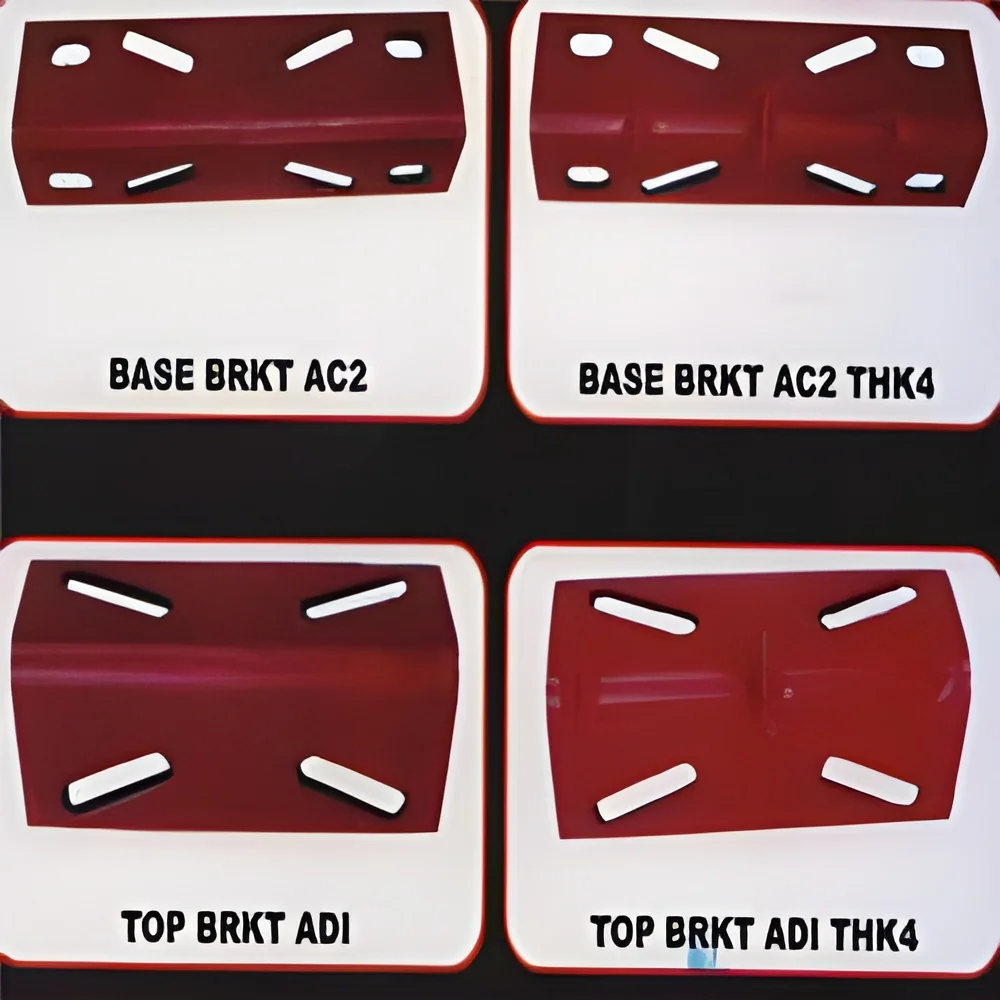
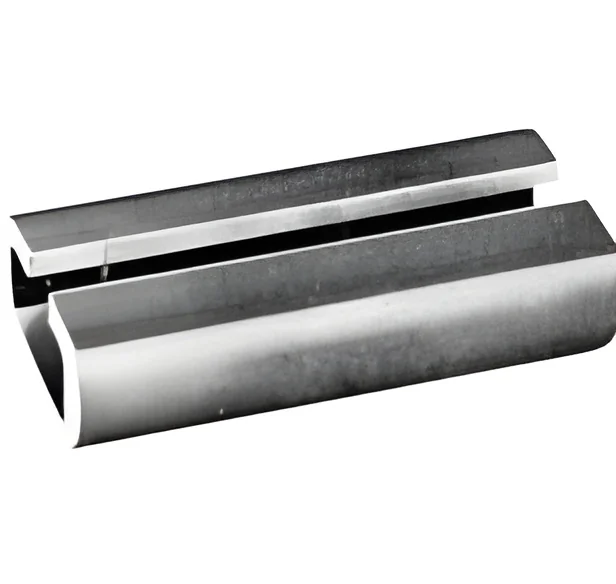
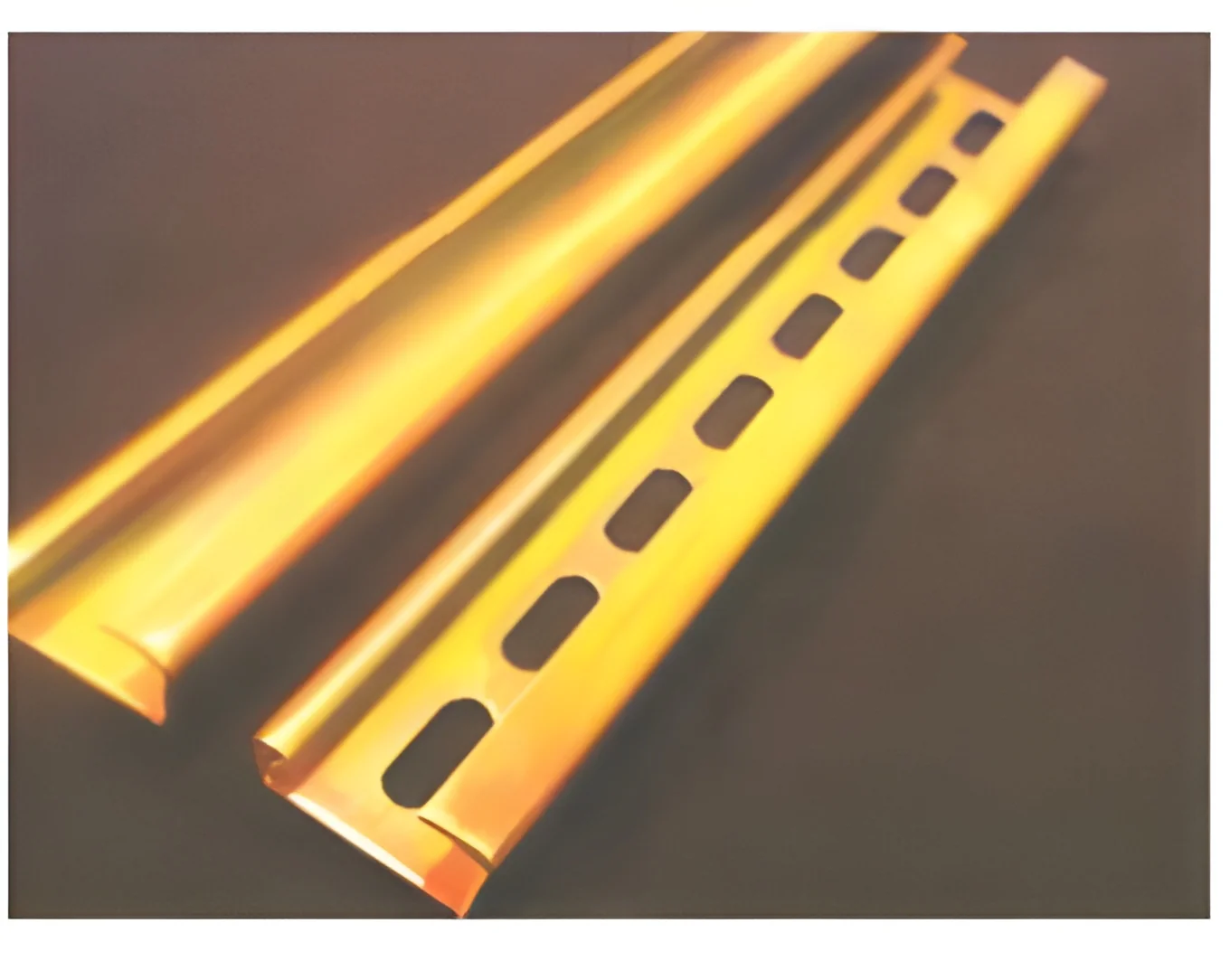
Mounting channels are structural components designed to provide a secure and versatile method for attaching various items in industrial and commercial settings. These channels are typically made of metal, offering durability and strength for mounting equipment, fixtures, and other machinery. The design often features a U-shaped profile, allowing for easy installation and adjustment of mounted items. Mounting channels are favored for their ability to accommodate a range of accessories and hardware, making them a flexible solution in various applications.
These channels are primarily used in construction, manufacturing, and electrical installations. They are ideal for mounting electrical panels, HVAC systems, and other heavy machinery. Their versatility allows for applications in both indoor and outdoor environments, making them suitable for different industrial sectors. The relevance of mounting channels in today's market is significant, as industries increasingly focus on efficiency and reliability in their mounting solutions.
The demand for mounting channels continues to grow as businesses seek robust solutions for their mounting needs. Industries such as construction, manufacturing, and telecommunications leverage these components for their strength and adaptability, ensuring that they can maintain operational efficiency while meeting industry standards.
Key Features and Specifications
Mounting channels come with a variety of features that enhance their usability and efficiency in different applications. Key specifications typically include dimensions, material types, load capacities, and special features that cater to specific business needs. Understanding these specifications is crucial for selecting the right mounting channels for your project.
Key specifications include:
1. Material Type
- Typically made from galvanized steel or aluminum for corrosion resistance.
- Offers various finishes depending on application requirements.
2. Length Options
- Available in standard lengths, such as 2, 3, and 4 meters.
- Custom lengths may be available to meet specific project needs.
3. Width and Height
- Common widths range from 20mm to 50mm.
- Heights generally vary between 15mm and 30mm, accommodating different mounting requirements.
4. Load Capacity
- Load capacities can range from 50 kg to 300 kg depending on the channel's design and material.
- Important to evaluate load requirements before selection.
5. Surface Treatment
- Options for powder coating or anodizing for enhanced durability.
- Surface treatments can improve resistance to environmental factors.
6. Mounting Accessories
- Compatibility with various mounting brackets and fasteners.
- Allows for easy adjustments and installation flexibility.
7. Compliance Standards
- Many products meet industry standards such as CE marking.
- Ensure compliance with local regulations and safety standards.
In summary, selecting the appropriate mounting channel involves understanding these key specifications to ensure optimal performance and safety in your applications.
Common Applications and Use Cases
Mounting channels serve a multitude of industries, providing a reliable solution for various mounting applications. Their flexibility and strength make them a go-to choice in different sectors.
1. Construction: Mounting channels are commonly used for securing electrical panels, conduits, and HVAC systems, ensuring that installations remain stable and compliant with safety regulations.
2. Manufacturing: In manufacturing facilities, mounting channels support machinery and equipment, allowing for easy reconfiguration and maintenance of production lines.
3. Telecommunications: Mounting channels are essential for the installation of communication equipment, providing a sturdy framework for antennas and satellite dishes.
4. Automotive: Used in automotive assembly lines, these channels help mount various components securely, contributing to efficient production processes.
5. Retail: In retail environments, mounting channels are utilized for display fixtures and signage, enhancing visual merchandising while ensuring safety and stability.
6. Energy: Renewable energy installations often use mounting channels for solar panels, providing a durable and adjustable mounting solution.
7. Warehousing: In warehouse settings, mounting channels support shelving and racking systems, optimizing space and improving organization.
Product Variants and Subcategories
Mounting channels come in various forms to cater to different applications and industry requirements. Each variant is designed with specific features to enhance usability.
Standard Mounting Channels
These are the most common type, offering a versatile solution for various mounting needs. They typically feature a simple U-shape and are available in multiple lengths and materials.
Heavy-Duty Mounting Channels
Designed for applications requiring higher load capacities, these channels are thicker and more robust. They are ideal for mounting heavy machinery and equipment in industrial settings.
Adjustable Mounting Channels
These channels offer flexibility with adjustable mounting points, allowing for easy repositioning of mounted items. They are particularly useful in environments where configurations frequently change.
Benefits and Advantages
Mounting channels provide several benefits that make them a preferred choice in many industrial applications. Understanding these advantages can help businesses make informed decisions.
Key benefits include:
1. Versatility: Mounting channels can be used in various applications across different industries, providing a flexible solution for mounting needs.
2. Strength: Constructed from durable materials, these channels offer high load capacities, ensuring that mounted items remain secure.
3. Easy Installation: The design of mounting channels simplifies the installation process, reducing labor time and costs.
4. Adjustability: Many mounting channels allow for easy adjustments, enabling quick reconfiguration of mounted items as needed.
5. Compliance: Many mounting channels meet industry standards, ensuring safety and reliability in applications.
6. Cost-Effectiveness: Investing in mounting channels can lead to long-term savings through reduced maintenance and replacement costs.
Buying Guide for B2B Buyers
When sourcing mounting channels, it is essential for buyers to consider several factors to ensure they select the best product for their needs.
1. Quality Assessment: Evaluate the material quality and construction methods to ensure the channels meet industry standards. Look for certifications that demonstrate adherence to quality norms.
2. Supplier Verification: Vet potential suppliers by checking their reputation, reviews, and compliance with relevant industry standards. A reliable supplier will provide consistent quality and service.
3. Pricing and MOQ: Understand the pricing structure and minimum order quantities required by suppliers. This helps in budgeting and ensures you can meet project demands without overcommitting.
4. Delivery and Lead Times: Consider the logistics involved in delivery. Check lead times to ensure that the mounting channels will arrive when needed to avoid project delays.
5. Compliance Requirements: Verify that the mounting channels comply with any local regulations or standards that may apply to your industry. This ensures legal and operational safety.
Compliance and Certifications
Compliance with quality standards is crucial when it comes to mounting channels. Many of these products adhere to ISO 9001 standards, ensuring that they meet high-quality management system requirements. This certification indicates that the manufacturer has processes in place to ensure consistent quality and reliability.
Additionally, mounting channels may have CE certifications, which demonstrate compliance with European safety, health, and environmental protection standards. This is particularly important for companies operating in regions where these regulations apply.
Safety and testing requirements are also key considerations. Proper testing ensures that the mounting channels can withstand specified loads and environmental conditions. Regional compliance considerations will vary, so it is essential to check local regulations and standards when sourcing mounting channels.
Why Source Mounting Channels from Pepagora?
Pepagora offers a trusted platform for sourcing mounting channels, providing several key advantages for businesses looking for reliable suppliers.
Verified Supplier Network: Pepagora has a robust network of verified suppliers, ensuring that buyers can access high-quality mounting channels from reputable manufacturers. This verification process helps in mitigating risks associated with sourcing.
Streamlined RFQ Process: The platform features an efficient Request for Quotation (RFQ) process, allowing buyers to compare offers from multiple suppliers easily. This simplifies the purchasing process and enhances decision-making.
Trade Assurance and Support: Pepagora provides trade assurance and support, offering buyers protection throughout the purchasing process. This includes assistance with any disputes or issues that may arise post-purchase.
Regional Coverage: With a geographic reach spanning India, the GCC, and Southeast Asia, Pepagora connects buyers with suppliers across diverse markets. This regional coverage enables businesses to find the right mounting channels, regardless of their location.

 IN
IN