
 IN
Wall Mounting Fittings
3 products available
What are Wall Mounting Fittings?
Wall mounting fittings are essential components used to securely attach items to walls in both industrial and commercial settings. These fittings come in various designs, allowing for flexibility in mounting different types of equipment, tools, or displays. Their primary function is to provide stable support while minimizing the risk of damage to the mounted items, ensuring safety and efficiency in the workplace.
These fittings are commonly used in a variety of applications, including warehouses, manufacturing plants, retail stores, and offices. They facilitate the organization of space by enabling the vertical positioning of items, which can save floor space and improve accessibility. Industries such as construction, logistics, and retail have adopted wall mounting fittings to enhance storage solutions and streamline operations, making them a vital component in modern business environments.
The market for wall mounting fittings continues to grow as businesses seek to optimize their space and improve operational efficiency. With advancements in materials and design, these fittings are becoming increasingly durable and versatile, catering to a wide array of industrial needs. As industries evolve, the relevance of wall mounting fittings remains strong, contributing to effective space management and overall productivity.
Key Features and Specifications
Wall mounting fittings are characterized by several key features that enhance their functionality and adaptability to various applications. Understanding these specifications helps businesses choose the right fitting for their needs.
Key specifications include:
1. Material Type
- Commonly made from steel, aluminum, or durable plastics
- Offers different strength levels and corrosion resistance
2. Load Capacity
- Varies based on design and material, typically ranging from 10 kg to over 500 kg
- Ensures that the fitting can securely hold the intended weight
3. Mounting Style
- Available in fixed, adjustable, or rotating designs
- Allows for flexibility in application and ease of use
4. Finish Options
- Can be coated or painted for enhanced durability and aesthetics
- Options include powder-coated, galvanized, or anodized finishes
5. Compatibility
- Designed to work with various mounting accessories and tools
- Ensures broad application across different equipment
6. Installation Type
- Options for surface mount or recessed installation
- Affects the aesthetic and functional integration into spaces
7. Size Variability
- Available in multiple sizes to accommodate different installation needs
- Ensures fit for a wide range of wall types and item sizes
In summary, the specifications of wall mounting fittings are designed to meet diverse industrial requirements, ensuring that businesses can choose the appropriate fitting for their specific applications.
Common Applications and Use Cases
Wall mounting fittings serve various industries, providing solutions for effective space utilization and organization.
1. Manufacturing: In manufacturing facilities, wall mounting fittings are used to secure tools and equipment, helping to maintain an organized workspace and improve operational efficiency.
2. Warehousing: In warehouses, these fittings assist in creating vertical storage solutions, allowing for better inventory management and maximizing available space.
3. Retail: Retail environments utilize wall mounting fittings to display products, ensuring that items are easily accessible to customers while minimizing floor space usage.
4. Education: In educational institutions, wall mounting fittings help to secure educational tools and displays, promoting a safe and organized learning environment.
5. Healthcare: In hospitals and clinics, these fittings are used to mount medical equipment, ensuring easy access while maintaining a clutter-free environment.
6. Hospitality: In hotels and restaurants, wall mounting fittings are employed to display signage or mount equipment, enhancing the guest experience through effective space management.
7. Office Spaces: In offices, these fittings are used to mount monitors, whiteboards, and other tools, facilitating better workspace organization and collaboration.
Product Variants and Subcategories
Wall mounting fittings offer a variety of options to cater to different industrial needs. Each variant is designed with specific features that enhance its usability.
Heavy-Duty Wall Mounts
These mounts are designed for high load-bearing applications, ideal for securing large equipment or tools. They are made from high-strength materials and are suitable for use in manufacturing and warehousing environments.
Adjustable Wall Mounts
These fittings allow for flexibility in positioning, making them perfect for applications where the height or angle of mounted items needs to be changed frequently. They are commonly used in retail and educational settings.
Universal Mounting Brackets
These brackets are versatile and can accommodate various items, from tools to signage. Their adaptability makes them suitable for multiple industries, including hospitality and healthcare.
Benefits and Advantages
Wall mounting fittings offer several advantages that can significantly enhance operational efficiency and safety.
1. Space Optimization: By utilizing wall space, businesses can free up floor area for other uses, leading to a more organized and accessible environment.
2. Enhanced Safety: Securely mounted items reduce the risk of accidents and injuries, promoting a safer workplace.
3. Improved Accessibility: Wall mounting fittings allow for easy access to tools and equipment, improving productivity and workflow.
4. Versatility: These fittings can be adapted for various applications, making them suitable for different industries and settings.
5. Cost-Effectiveness: Investing in durable wall mounting fittings can reduce the need for additional storage solutions, leading to long-term savings.
6. Aesthetic Appeal: Well-designed fittings can enhance the visual appeal of a space, making it more inviting for customers and employees alike.
Buying Guide for B2B Buyers
When sourcing wall mounting fittings, it is essential for buyers to consider several key factors to ensure they make informed decisions.
1. Quality Assessment: Evaluate the materials and construction of the fittings to ensure they meet industry standards and will withstand the intended load.
2. Supplier Verification: Research suppliers to confirm their reliability and reputation in the industry. Look for reviews, ratings, and previous customer experiences.
3. Pricing and MOQ: Understand the pricing structure and minimum order quantities (MOQ) to align with budget constraints and inventory needs.
4. Delivery and Lead Times: Inquire about shipping options and expected delivery times to ensure that the fittings arrive when needed for projects or operations.
5. Compliance Requirements: Verify that the fittings meet any regulatory or industry-specific compliance standards, such as safety certifications, to avoid potential issues.
Compliance and Certifications
Wall mounting fittings are subject to various quality standards and certifications that ensure their performance and safety in industrial applications. Key standards include ISO 9001, which outlines quality management systems to enhance customer satisfaction through consistent quality.
Additionally, CE certification is important for products sold within the European Economic Area, indicating compliance with health, safety, and environmental protection standards.
Manufacturers must also adhere to safety and testing requirements, which may vary by region. It is crucial to consider regional compliance factors, as different countries may have distinct regulations that impact the design and usage of wall mounting fittings.
Why Source Wall Mounting Fittings from Pepagora?
Pepagora provides a trusted platform for sourcing wall mounting fittings, offering several key advantages to B2B buyers. With a verified supplier network, Pepagora ensures that all suppliers meet rigorous quality standards, providing buyers with confidence in their sourcing decisions.
The streamlined RFQ process allows buyers to receive quotations quickly and efficiently, facilitating timely purchasing decisions. This system ensures that buyers can compare pricing and specifications seamlessly.
Trade assurance and support are integral to Pepagora's offerings. Buyers can access buyer protection services that mitigate risks associated with transactions, ensuring smooth and secure purchases.
Additionally, Pepagora's regional coverage extends across India, the GCC, and Southeast Asia, making it easier for businesses in these regions to find the right wall mounting fittings that meet their specific needs.


 India
Frequently Asked Questions
What are Wall Mounting Fittings?
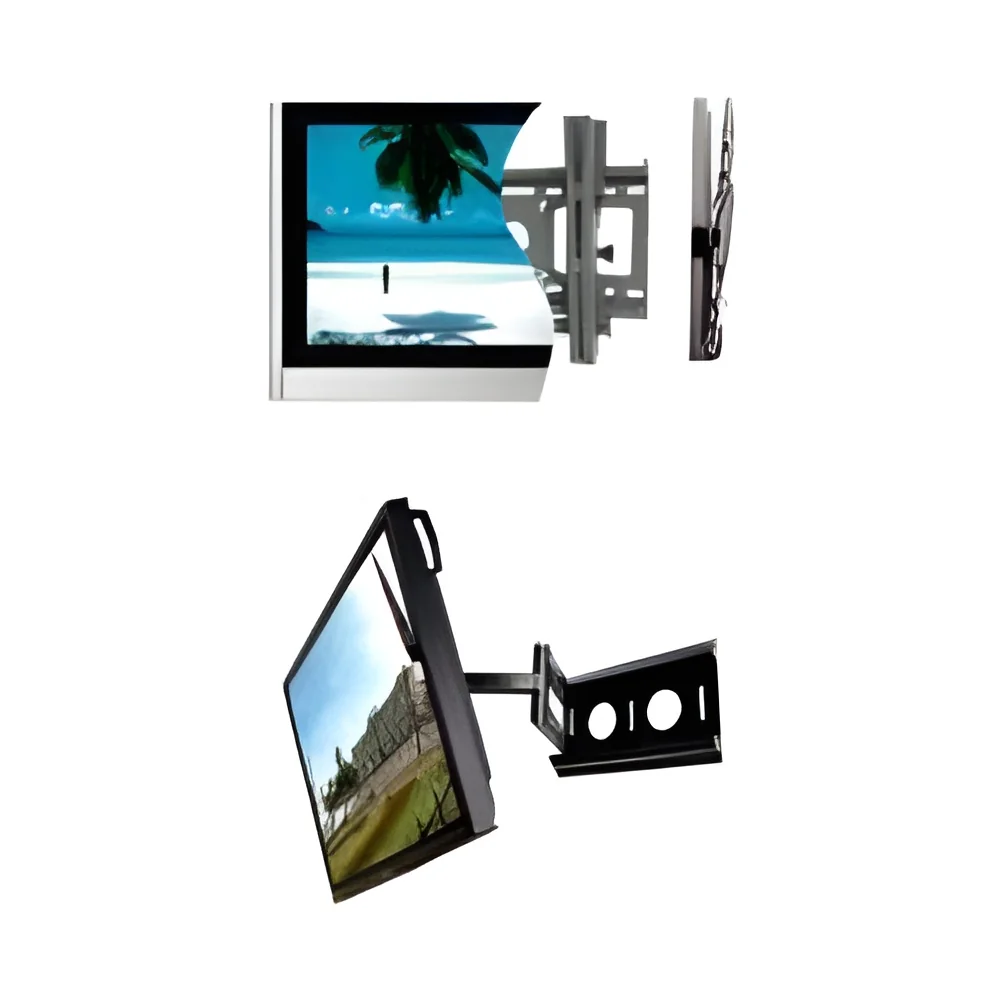
Wall Mounting Fittings are hardware components designed to secure various items to walls. They are commonly used for mounting shelves, televisions, and other fixtures, ensuring stability and safety.
What are the different types of Wall Mounting Fittings?
There are several types of Wall Mounting Fittings, including brackets, anchors, and cleats. Each type serves a specific purpose and is suited for different mounting applications, such as heavy-duty or lightweight items.
How do I choose the right Wall Mounting Fittings?
To choose the right Wall Mounting Fittings, consider the weight and type of the item you wish to mount. Additionally, evaluate the wall material and the fitting's load capacity to ensure proper installation and safety.
What are the standard specifications for Wall Mounting Fittings?
Standard specifications for Wall Mounting Fittings typically include load capacity, material type, and dimensions. Common materials include steel, aluminum, and plastic, each offering different strength and durability levels.
What is the price range for Wall Mounting Fittings?
The price range for Wall Mounting Fittings varies based on type, material, and brand. Generally, prices can start from a few hundred rupees and go up to several thousand rupees for heavy-duty or specialized fittings.
What quality standards apply to Wall Mounting Fittings?
Wall Mounting Fittings are generally manufactured according to industry standards such as ISO or ASTM. Quality standards focus on material strength, durability, and safety to ensure reliable performance during use.
Where can I find Wall Mounting Fittings suppliers in India?
You can find Wall Mounting Fittings suppliers in India through online B2B marketplaces, trade shows, and local hardware stores. Websites like Pepagora can help connect you with reputable manufacturers and suppliers.
Can Wall Mounting Fittings be customized?
Yes, many manufacturers offer customization options for Wall Mounting Fittings. Customization can include variations in size, material, and design to meet specific requirements for different applications.
What is the typical minimum order quantity for Wall Mounting Fittings?
The typical minimum order quantity (MOQ) for Wall Mounting Fittings can vary depending on the supplier. However, it usually ranges from 50 to 100 units for standard fittings, while custom orders may have higher MOQs.
What is the typical lead time for Wall Mounting Fittings?
The typical lead time for Wall Mounting Fittings varies based on the supplier and the complexity of the order. Generally, lead times can range from a few days for standard items to several weeks for customized fittings.
Why Businesses Trust Pepagora
Thousands of companies trust Pepagora to source smarter and sell faster
Expand Your Sales Globally

Source Smarter,Grow Faster
