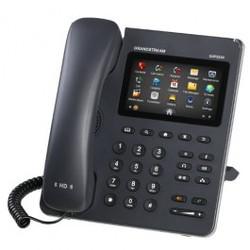
𝗪𝗵𝗮𝘁 𝗮𝗿𝗲 𝗩𝗼𝗜𝗣 𝗽𝗿𝗼𝗱𝘂𝗰𝘁𝘀?
Voice over Internet Protocol (VoIP) products are communication tools that enable voice and multimedia communication over the Internet instead of traditional telephone lines. By converting voice signals into digital data packets, VoIP technology facilitates calls through broadband connections. These products encompass a variety of devices and software applications that allow users to make voice calls, video calls, and send multimedia messages.
VoIP products have become essential in modern business environments. They are widely used for internal communication among employees and for external communication with clients and suppliers. Businesses utilize VoIP for conference calls, customer service operations, and remote work setups, allowing for greater flexibility and cost savings compared to conventional phone systems. The increasing reliance on digital communication methods in various industries underscores the relevance of VoIP products in today’s market.
𝗞𝗲𝘆 𝗙𝗲𝗮𝘁𝘂𝗿𝗲𝘀 𝗮𝗻𝗱 𝗦𝗽𝗲𝗰𝗶𝗳𝗶𝗰𝗮𝘁𝗶𝗼𝗻𝘀
VoIP products come with various features that enhance communication efficiency and connectivity. Understanding these specifications is crucial for businesses looking to invest in VoIP technology.
Key specifications include:
1. Audio Quality
- High-definition audio codecs for clear voice transmission
- Noise cancellation and echo suppression features
2. Call Management
- Support for call forwarding, voicemail, and call waiting
- Integration with customer relationship management software
3. Scalability
- Ability to add or remove users easily
- Flexible subscription plans based on business needs
4. Security Features
- End-to-end encryption for secure communications
- Compliance with industry standards to protect user data
5. User Interface
- Intuitive dashboard for easy navigation
- Mobile application support for on-the-go access
6. Integration Capabilities
- Compatibility with existing business applications
- API access for custom integrations with other systems
7. Customer Support
- 24/7 technical support and service reliability
- Availability of training resources and user guides
8. Network Requirements
- Minimum bandwidth for optimal performance
- Recommendations for hardware and router configurations
In summary, VoIP products are characterized by a combination of audio quality, security features, and adaptability to meet diverse business needs.
𝗖𝗼𝗺𝗺𝗼𝗻 𝗔𝗽𝗽𝗹𝗶𝗰𝗮𝘁𝗶𝗼𝗻𝘀 𝗮𝗻𝗱 𝗨𝘀𝗲 𝗖𝗮𝘀𝗲𝘀
VoIP products serve a variety of industries and applications due to their versatility and cost-effectiveness.
1. Telecommunications: VoIP is widely used by telecom companies to provide affordable calling plans and integrate additional communication services for customers.
2. Customer Service: Many businesses employ VoIP systems to manage customer interactions, offering features like call routing and automated responses to improve service efficiency.
3. Remote Work: Companies with remote employees rely on VoIP for seamless communication, enabling voice and video calls from anywhere with an Internet connection.
4. Education: Educational institutions use VoIP for virtual classrooms, allowing teachers and students to interact in real-time regardless of their locations.
5. Healthcare: VoIP solutions facilitate telemedicine services, enabling healthcare providers to conduct remote consultations and maintain patient records securely.
6. Hospitality: Hotels and resorts utilize VoIP systems to manage internal communication and enhance guest services through in-room calling solutions.
7. Financial Services: Banks and financial institutions use VoIP for secure communication between clients and advisors, ensuring privacy and compliance.
𝗣𝗿𝗼𝗱𝘂𝗰𝘁 𝗩𝗮𝗿𝗶𝗮𝗻𝘁𝘀 𝗮𝗻𝗱 𝗦𝘂𝗯𝗰𝗮𝘁𝗲𝗴𝗼𝗿𝗶𝗲𝘀
VoIP products come in various forms to cater to different business requirements.
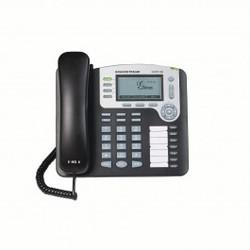
IP Phones
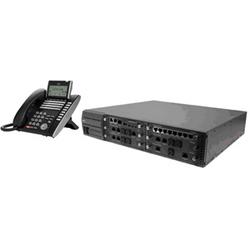
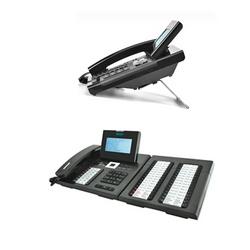
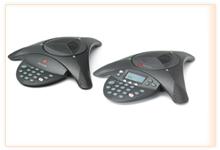
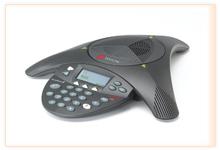
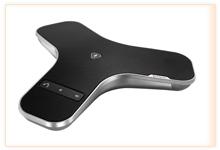
These are dedicated devices designed for VoIP calls, featuring advanced functionalities such as video calling, programmable keys, and high-definition audio.
Softphones
These are software applications that allow users to make VoIP calls directly from their computers or mobile devices, offering flexibility and ease of use.
VoIP Gateways
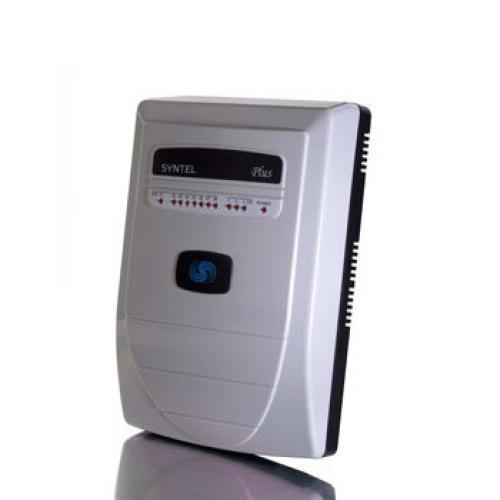
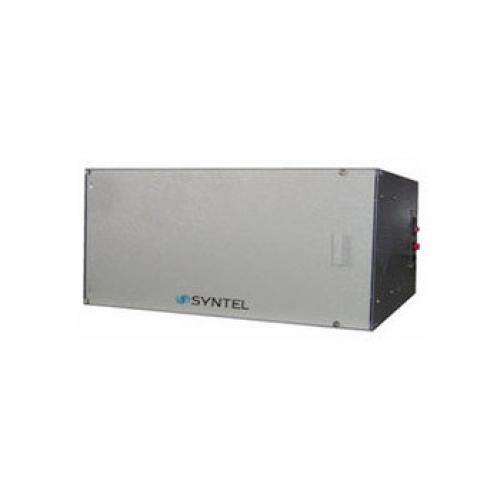
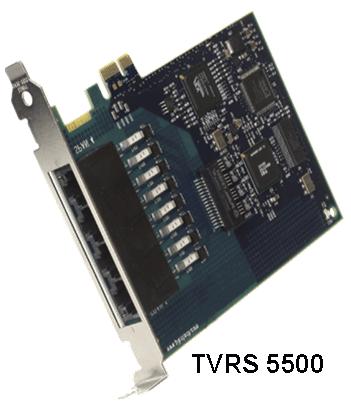
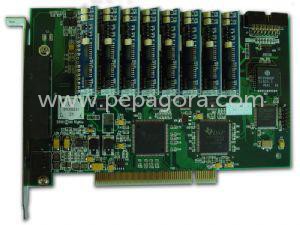
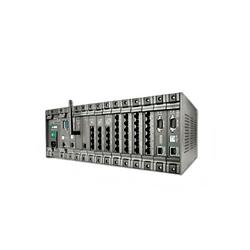
These devices connect traditional phone systems to VoIP networks, enabling businesses to integrate existing telephony infrastructure with modern VoIP technology.
𝗕𝗲𝗻𝗲𝗳𝗶𝘁𝘀 𝗮𝗻𝗱 𝗔𝗱𝘃𝗮𝗻𝘁𝗮𝗴𝗲𝘀
VoIP products offer several advantages that can significantly enhance business communication.
1. Cost Savings: VoIP reduces communication costs by eliminating traditional phone line charges, leading to significant savings for businesses.
2. Flexibility: Users can make and receive calls from various devices and locations, supporting remote work and on-the-go communication.
3. Enhanced Features: VoIP systems come equipped with advanced features like call recording, conferencing, and analytics, improving overall communication efficiency.
4. Scalability: Businesses can easily scale their VoIP solutions up or down based on changing needs without extensive infrastructure changes.
5. Improved Collaboration: Integrated tools facilitate seamless collaboration among teams, enhancing productivity and decision-making.
6. Easy Integration: VoIP products can be integrated with existing software systems, streamlining operations and improving user experience.
𝗕𝘂𝘆𝗶𝗻𝗴 𝗚𝘂𝗶𝗱𝗲 𝗳𝗼𝗿 𝗕𝟮𝗕 𝗕𝘂𝘆𝗲𝗿𝘀
When sourcing VoIP products, businesses should evaluate several key factors to ensure they make informed decisions.
1. Quality Assessment: It is essential to assess the audio quality and reliability of the VoIP products. Look for products that offer high-definition audio and robust performance.
2. Supplier Verification: Vetting suppliers is crucial. Ensure they have a proven track record, positive customer reviews, and offer warranties or guarantees on their products.
3. Pricing and MOQ: Consider the total cost of ownership, including setup and subscription fees, and inquire about minimum order quantities to align with your budget.
4. Delivery and Lead Times: Confirm the supplier's ability to meet delivery timelines and assess their logistics capabilities to avoid delays.
5. Compliance Requirements: Ensure that the VoIP products meet relevant regulatory standards and industry certifications to avoid legal issues and ensure safety.
𝗖𝗼𝗺𝗽𝗹𝗶𝗮𝗻𝗰𝗲 𝗮𝗻𝗱 𝗖𝗲𝗿𝘁𝗶𝗳𝗶𝗰𝗮𝘁𝗶𝗼𝗻𝘀
Compliance and quality certifications are vital for VoIP products to ensure reliability and safety.
VoIP products should adhere to relevant quality standards such as ISO 9001, ensuring consistent quality management processes.
Industry certifications like CE indicate that the products meet European health, safety, and environmental protection standards, providing assurance to buyers.
Safety and testing requirements are critical to prevent technical malfunctions and ensure that the products will operate effectively in various conditions.
Regional compliance considerations, including local regulations, must also be addressed when sourcing VoIP products to ensure adherence to applicable laws.
𝗪𝗵𝘆 𝗦𝗼𝘂𝗿𝗰𝗲 𝗩𝗼𝗜𝗣 𝗽𝗿𝗼𝗱𝘂𝗰𝘁𝘀 𝗳𝗿𝗼𝗺 𝗣𝗲𝗽𝗮𝗴𝗼𝗿𝗮?
Pepagora offers a reliable platform for sourcing VoIP products, providing several key advantages for B2B buyers.
Verified Supplier Network: Pepagora ensures that suppliers listed on their platform are thoroughly vetted, offering buyers a level of trust and reliability in their purchasing decisions.
Streamlined RFQ Process: The Request for Quotation (RFQ) system simplifies the process of obtaining quotes from multiple suppliers, allowing buyers to compare options easily.
Trade Assurance and Support: Buyers are protected through trade assurance policies, providing security for transactions and support throughout the purchasing process.
Regional Coverage: Pepagora has a strong presence in regions including India, the Gulf Cooperation Council (GCC), and Southeast Asia, enabling buyers to access VoIP products tailored to their specific geographic needs.

 IN
IN
 India
India