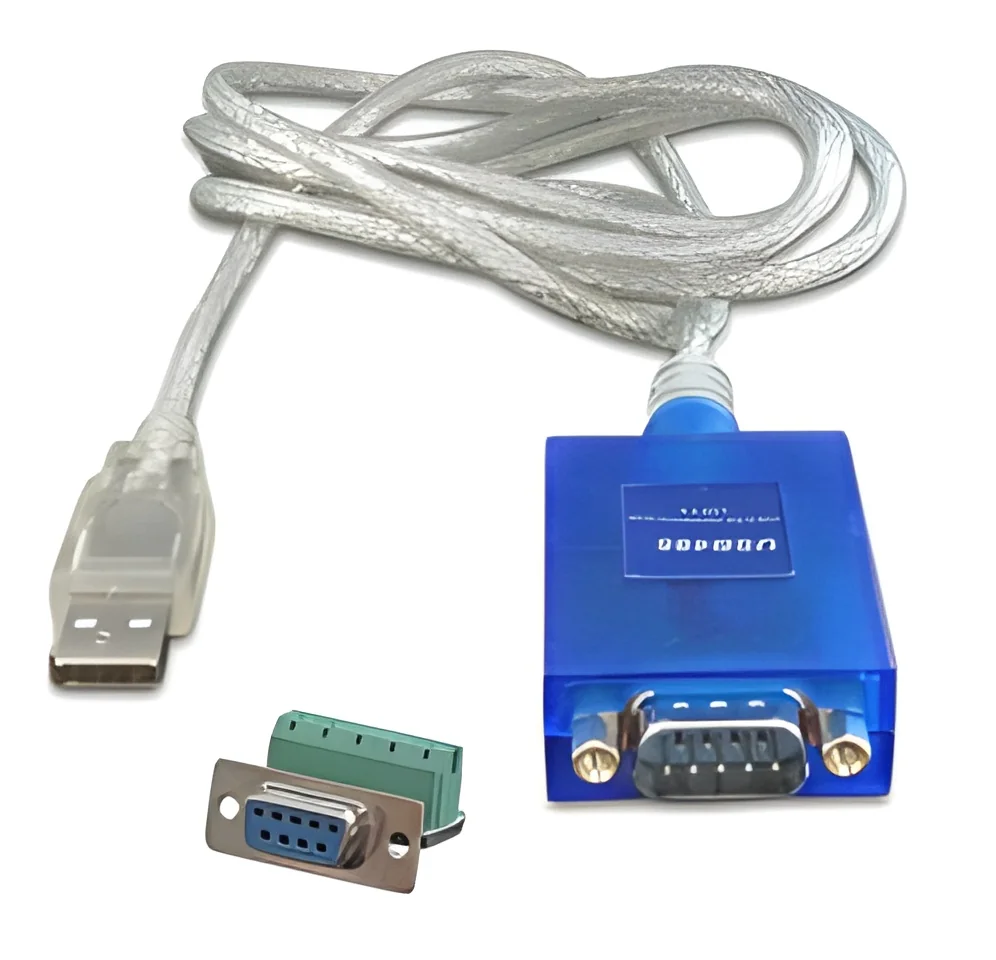
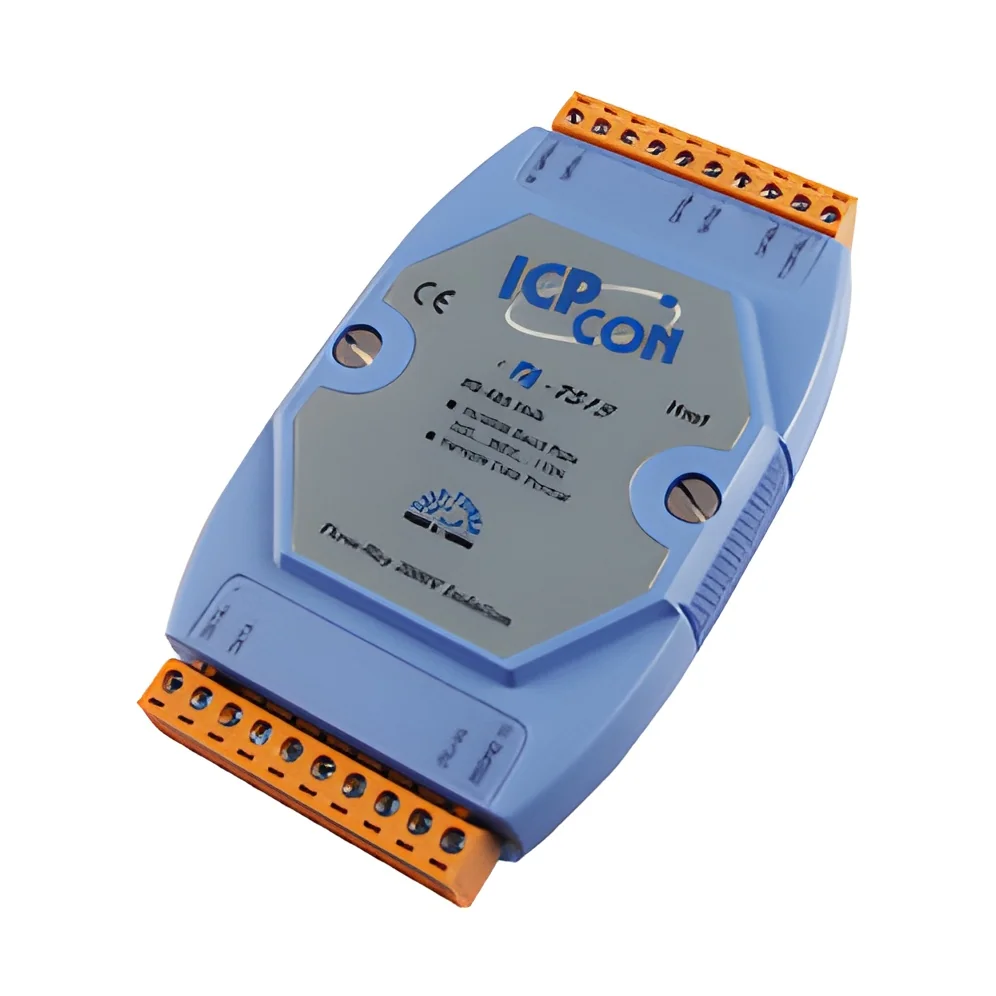
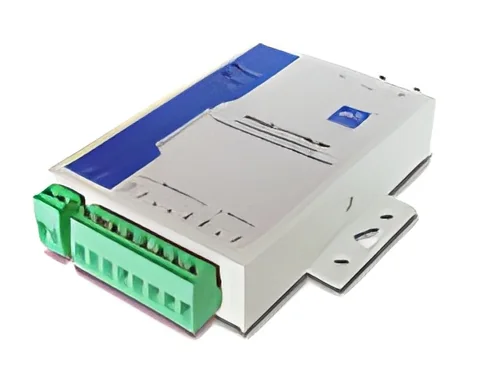
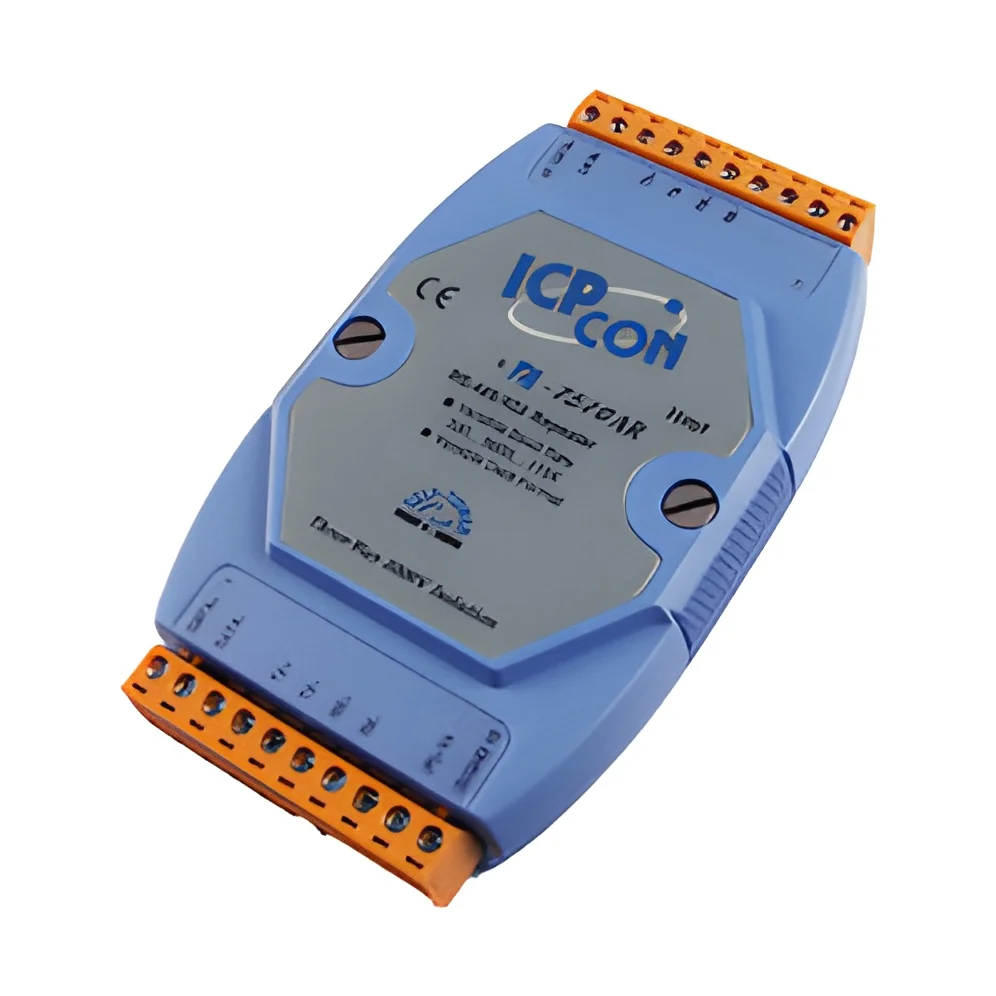
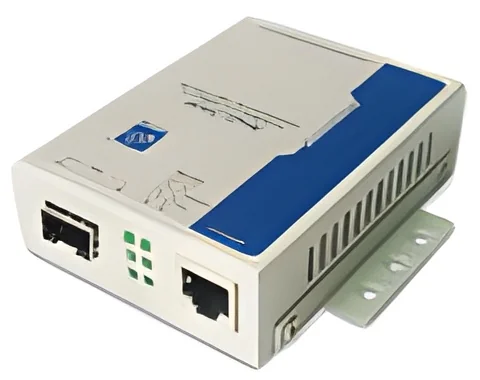
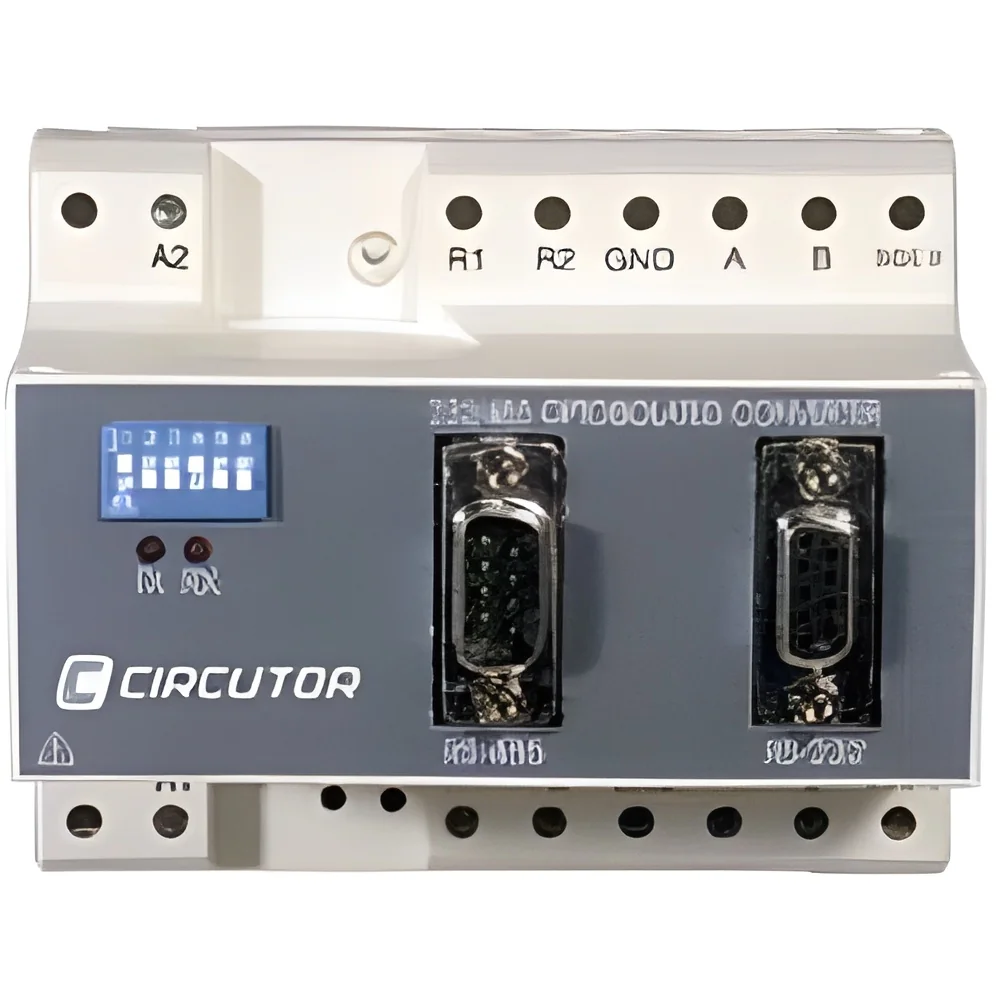
What are Industrial Communication Systems?
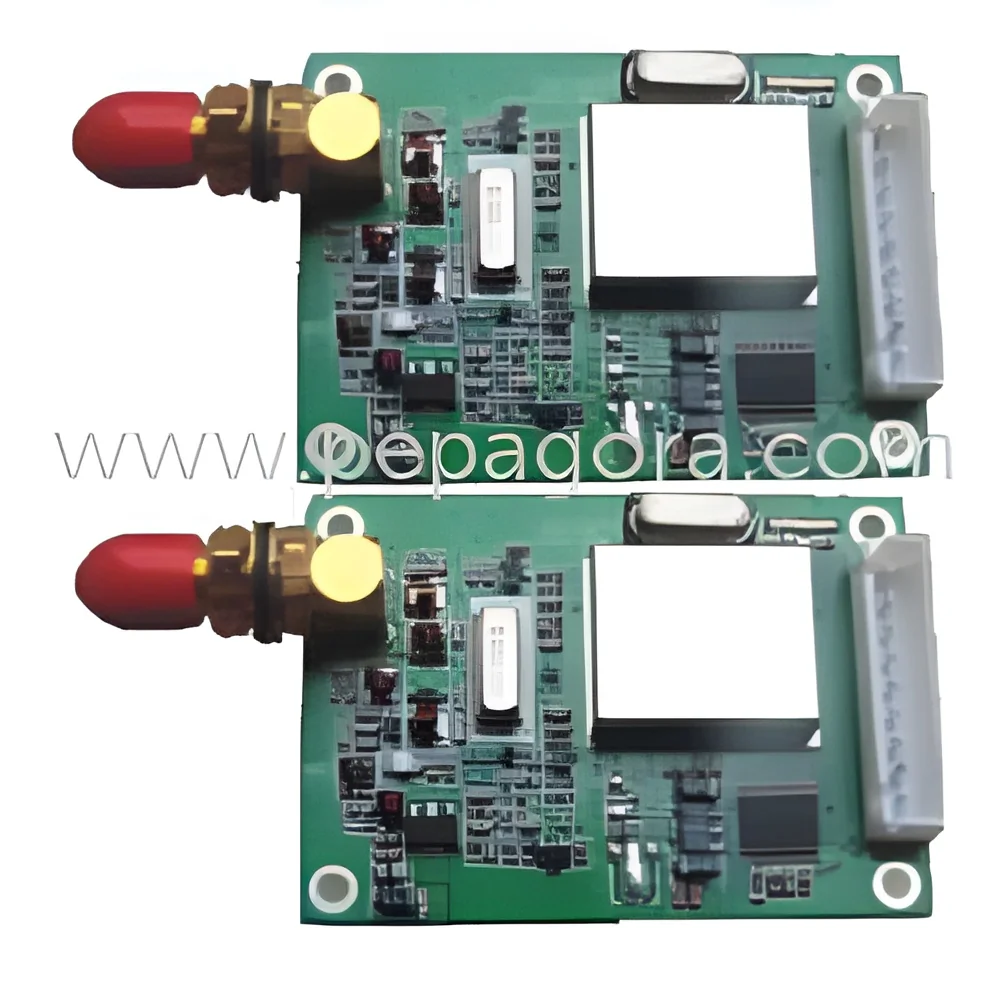
Industrial Communication Systems are essential networks that facilitate the transfer of data and information among various industrial devices and equipment. These systems enable seamless communication across different platforms, allowing for real-time monitoring, control, and automation in industrial settings. They are designed to handle the specific requirements of industrial environments, including robustness, reliability, and speed.
These systems find applications in numerous sectors, including manufacturing, energy, transportation, and logistics. They support the integration of various technologies such as sensors, actuators, and controllers, enhancing operational efficiency and reducing downtime. As industries increasingly adopt automation and smart technologies, the relevance of Industrial Communication Systems continues to grow, making them a critical component in the modernization of industrial processes.
Key Features and Specifications
Industrial Communication Systems are characterized by a range of features that cater to the demanding needs of industrial operations. Their specifications play a crucial role in determining their effectiveness and suitability for specific applications.
Key specifications include:
1. Communication Protocols
- Common protocols include Ethernet/IP, Modbus, and Profibus.
- These protocols ensure compatibility among different devices and systems.
2. Data Transmission Rates
- Typical rates can range from 10 Mbps to several Gbps.
- High-speed transmission is crucial for real-time data processing.
3. Environmental Tolerance
- Systems are designed to operate within a temperature range of -40°C to 85°C.
- Humidity control features are often included to withstand harsh conditions.
4. Network Topology
- Options include star, bus, and ring configurations.
- The choice of topology affects network performance and scalability.
5. Redundancy Features
- Many systems incorporate redundancy to enhance reliability.
- This can include dual power supplies or backup communication paths.
6. Security Measures
- Advanced encryption and authentication protocols are often implemented.
- These measures protect data integrity and prevent unauthorized access.
7. Monitoring Capabilities
- Systems may offer built-in monitoring features for performance tracking.
- This can help identify issues before they escalate.
8. Certification Standards
- Compliance with international standards such as CE is common.
- This ensures that products meet safety and quality requirements.
In summary, understanding the specifications of Industrial Communication Systems is vital for selecting the right solution for specific industrial needs.
Common Applications and Use Cases
Industrial Communication Systems are versatile and can be tailored to various industries.
1. Manufacturing: These systems allow for the integration of machines and sensors on the production floor, facilitating automated processes and real-time monitoring.
2. Energy: In power plants, communication systems ensure the efficient operation of various equipment, including turbines and transformers, while enabling remote monitoring.
3. Transportation: Systems are used in railways and logistics to track shipments, control traffic signals, and manage fleet operations, enhancing safety and efficiency.
4. Oil and Gas: Communication systems support remote monitoring of drilling operations, pipeline integrity, and safety systems, crucial for operational success.
5. Water Management: These systems are essential for monitoring water quality, flow rates, and system pressures, ensuring efficient water distribution and management.
6. Pharmaceuticals: In this sector, communication systems help monitor production processes and ensure compliance with strict regulatory standards.
7. Smart Buildings: Industrial communication is vital for integrating building management systems, optimizing energy use, and enhancing security.
Product Variants and Subcategories
Industrial Communication Systems offer a variety of solutions to meet diverse operational needs.
Ethernet-based Systems: These systems utilize Ethernet technology to provide fast and reliable communication. They are widely used in manufacturing and automation due to their high data transmission rates and network flexibility.
Wireless Communication Systems: Ideal for applications where cabling is impractical, these systems use wireless technologies such as Wi-Fi or cellular networks. They enable remote monitoring and control, making them suitable for applications in remote locations.
Fieldbus Systems: These systems are designed for communication between field devices and control systems. They support various protocols and are commonly used in process automation.
Benefits and Advantages
Investing in Industrial Communication Systems offers significant advantages for businesses.
1. Enhanced Efficiency: These systems streamline communication between devices, reducing response times and improving overall operational efficiency.
2. Increased Reliability: With features like redundancy and robust design, Industrial Communication Systems ensure high availability, minimizing downtime.
3. Real-time Monitoring: Businesses can monitor operations in real-time, allowing for timely decision-making and proactive maintenance.
4. Improved Safety: Integrated communication systems enhance safety by providing critical data for monitoring hazardous conditions and ensuring compliance with safety regulations.
5. Cost Savings: By optimizing processes and reducing downtime, businesses can achieve significant cost reductions in their operations.
6. Scalability: Industrial Communication Systems can be easily scaled to accommodate growing operational needs, ensuring long-term viability.
Buying Guide for B2B Buyers
When sourcing Industrial Communication Systems, several key factors should be considered to ensure the best fit for your organization.
1. Quality Assessment: Look for systems that adhere to recognized quality standards. Ensure that the products are durable and designed for industrial environments.
2. Supplier Verification: Vet potential suppliers by checking their reputation, customer reviews, and certifications. A reliable supplier is crucial for ongoing support and service.
3. Pricing and MOQ: Understand the pricing structure and minimum order quantities. This helps in budgeting and ensures that you can meet your operational needs without excess inventory.
4. Delivery and Lead Times: Consider the logistics involved in delivery. Ensure that the supplier can meet your required timelines to avoid delays in your operations.
5. Compliance Requirements: Familiarize yourself with any regulatory compliance standards applicable to your industry. Ensure that the systems you choose meet these requirements.
Compliance and Certifications
Compliance and certifications are vital for ensuring that Industrial Communication Systems meet industry standards and safety requirements.
Many products adhere to quality standards such as ISO 9001, which ensures a consistent level of quality management. This standard is important for manufacturers to demonstrate their commitment to quality.
Additionally, certifications like CE indicate compliance with European safety and health regulations. This is critical for products sold in European markets.
Safety requirements often include rigorous testing to verify that systems can withstand harsh industrial environments. This may involve assessments for electromagnetic compatibility and environmental resilience.
Regional compliance considerations may vary, so it is essential to be aware of local regulations that could impact product selection and usage.
Why Source Industrial Communication Systems from Pepagora?
Pepagora provides a trusted platform for sourcing Industrial Communication Systems, offering several key advantages to B2B buyers.
Verified Supplier Network: Pepagora connects buyers with a network of verified suppliers, ensuring that you can source high-quality products from reputable manufacturers.
Streamlined RFQ Process: The platform simplifies the request for quotation process, allowing buyers to easily compare offers from multiple suppliers and make informed decisions.
Trade Assurance and Support: Pepagora offers buyer protection through trade assurance programs. This ensures that your investments are secure and that you receive the products as promised.
Regional Coverage: With a strong presence in India, the GCC, and Southeast Asia, Pepagora provides access to a wide market, facilitating connections with suppliers that can meet your industrial communication needs effectively.

 IN
IN